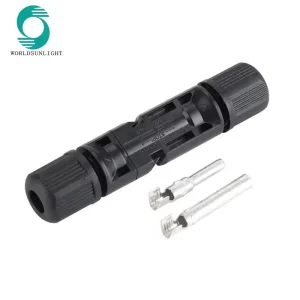
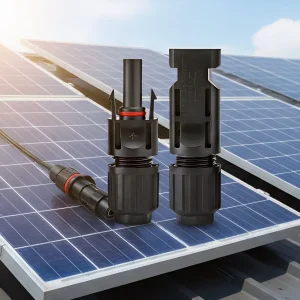
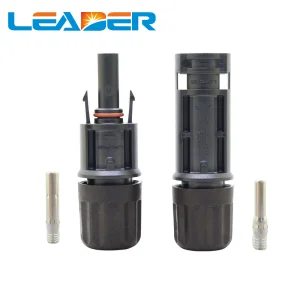
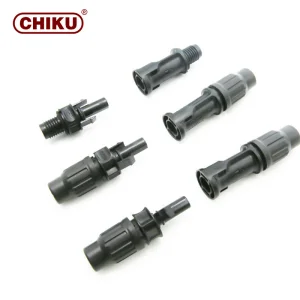
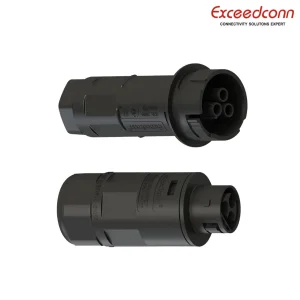
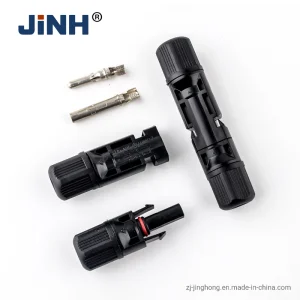
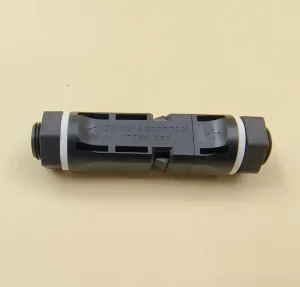
Engineered to meet the stringent demands of modern PV systems, our high-voltage waterproof DC connectors ensure optimized energy yields and minimal transition losses.
The balance of system (BOS) plays an oversized role in the long-term Levelized Cost of Energy (LCOE) of solar installations. While components like solar cables and connectors represent a minor percentage of initial capital expenditure, their failure accounts for over 50% of PV power plant outages.
Global PV topologies are shifting decisively from 1000V DC to 1500V DC standardizations. High-voltage structures reduce cable cross-sections, cut BOS cost margins, and lower transmission losses. Connecting components must demonstrate advanced dielectric strength and high tracking indexes to mitigate arc-flash hazards.
Modern PV assets are deployed in extreme geographic settings. Superior waterproof structures featuring IP67/IP68 certifications, robust internal silicone O-ring gaskets, and advanced mechanical locking mechanisms prevent moisture ingress that causes ground faults and system shut-downs.
Sunlight exposure demands advanced material compositions. Cross-linked polyolefin (XLPO) jackets provide superior UV protection, flame retardancy, low toxicity, and environmental stress-cracking resistance, ensuring components achieve a operational lifespan exceeding 25 years.
Procurement officers and project managers in utility-scale solar farms and commercial/industrial (C&I) portfolios prioritize supply chain traceability, regulatory certification, and technical consistency. Standardizing electrical systems with high-quality components ensures operational safety and regulatory alignment.
Procuring solar interconnectors involves strict adherence to regional and international specifications. TUV Rheinland (under 2 PfG 1169 and EN 50618) and UL listings are benchmarks for safety and long-term durability. Quality components are engineered with low contact resistance, reducing thermal strain on cables and reducing energy loss.
"A fraction of an ohm in contact resistance can lead to thermal runaway under high-current loads. Specifying quality-assured connectors is a critical step in risk mitigation."
Based in Xiamen, Fujian Province, China, Xiamen Jonas Energy Co., Ltd. is a provider of renewable energy solutions. We design, manufacture, and distribute high-performance solar cables, connectors, and balance-of-system (BOS) components for utility, C&I, and residential markets worldwide.
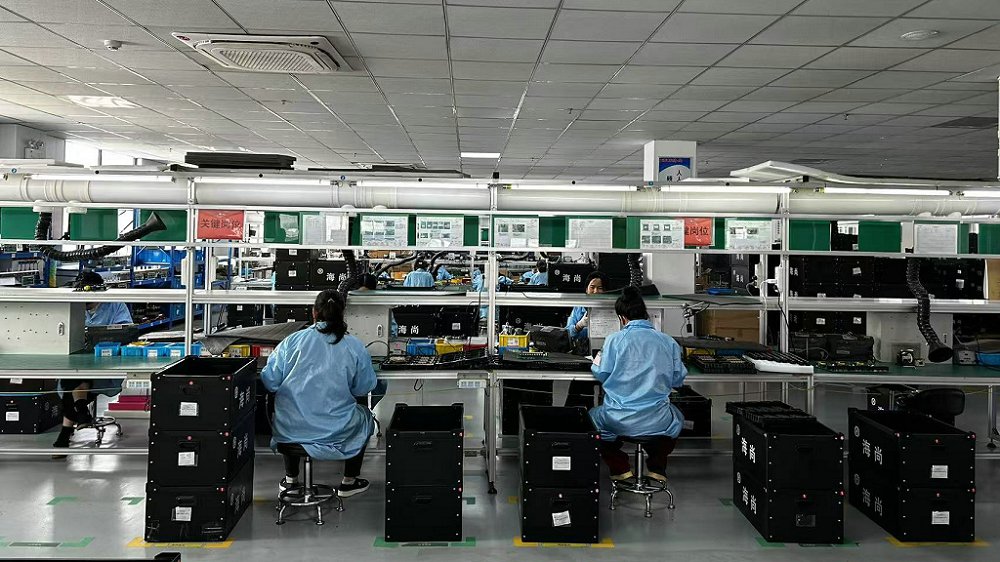
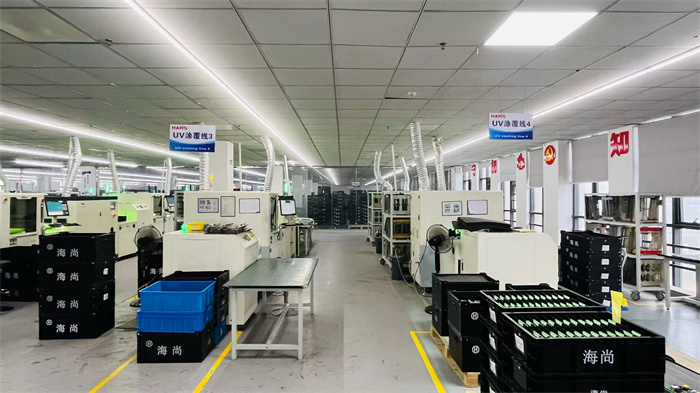
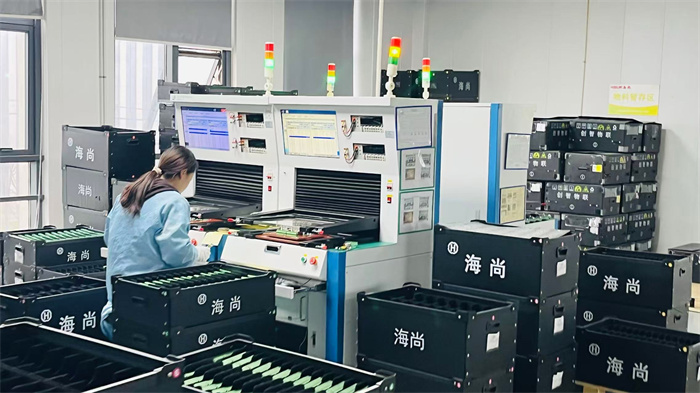
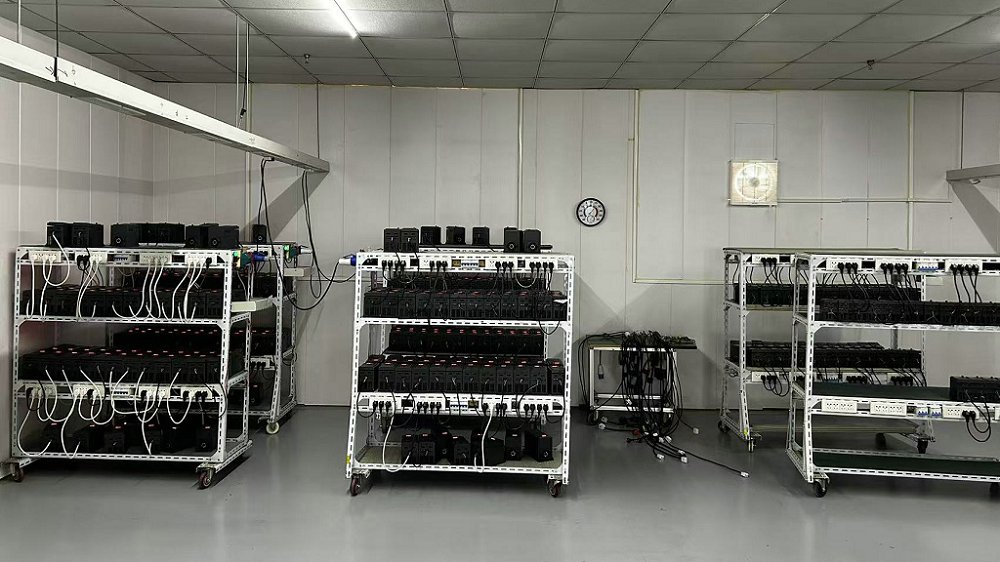
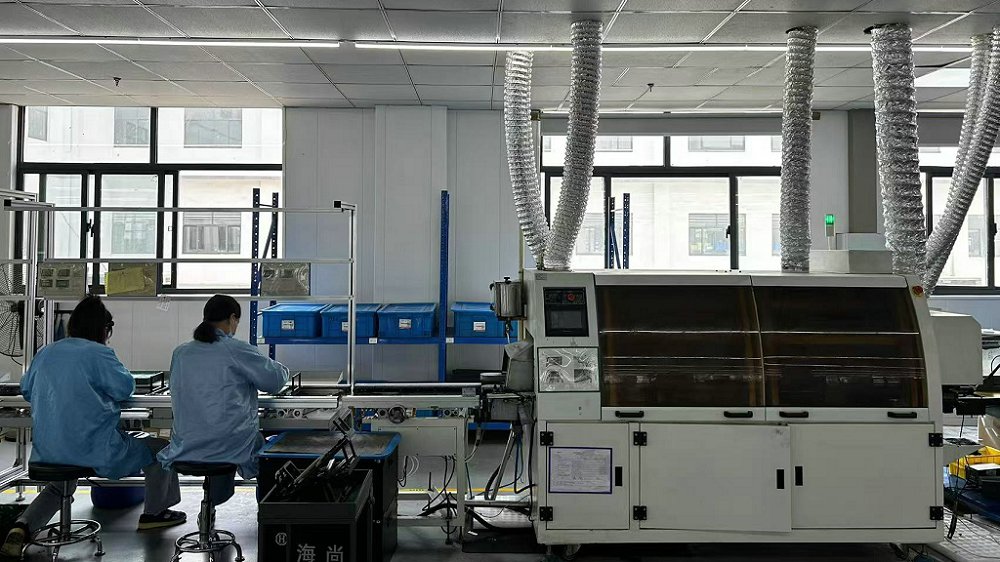
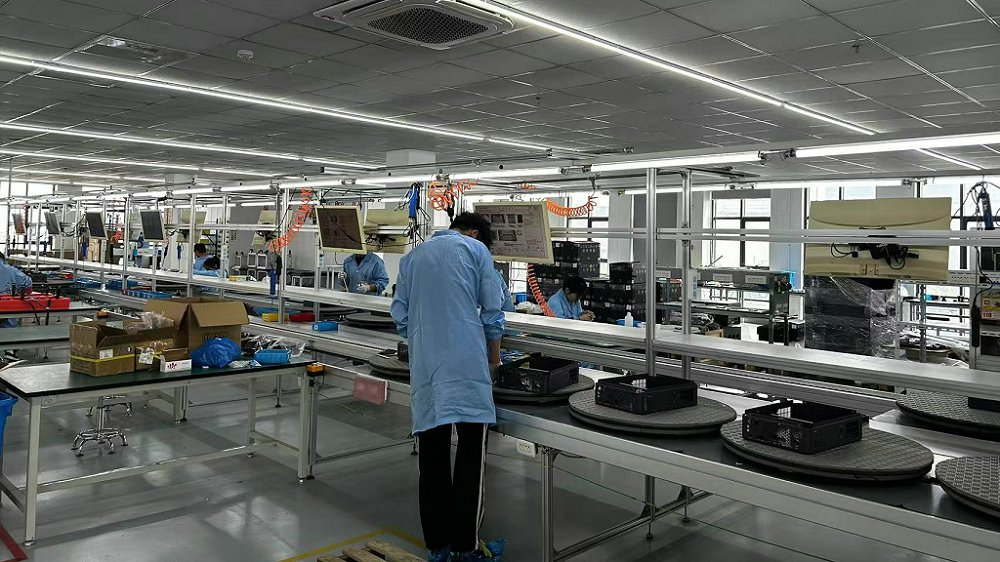
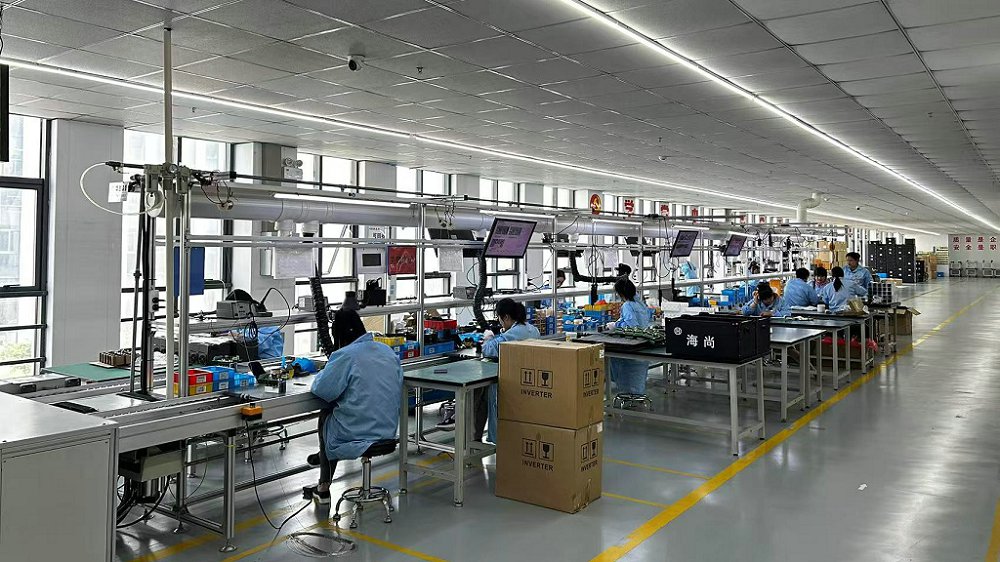
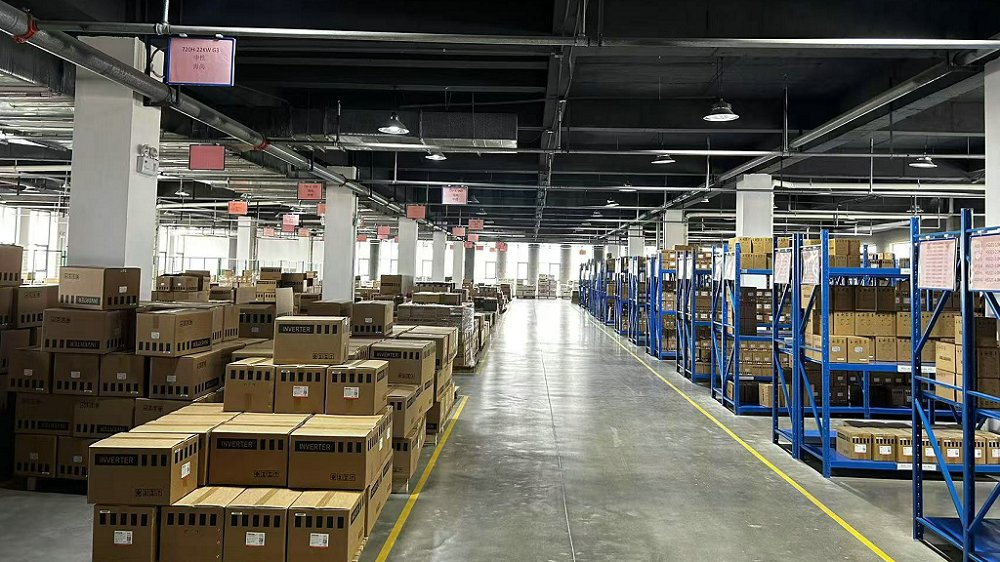
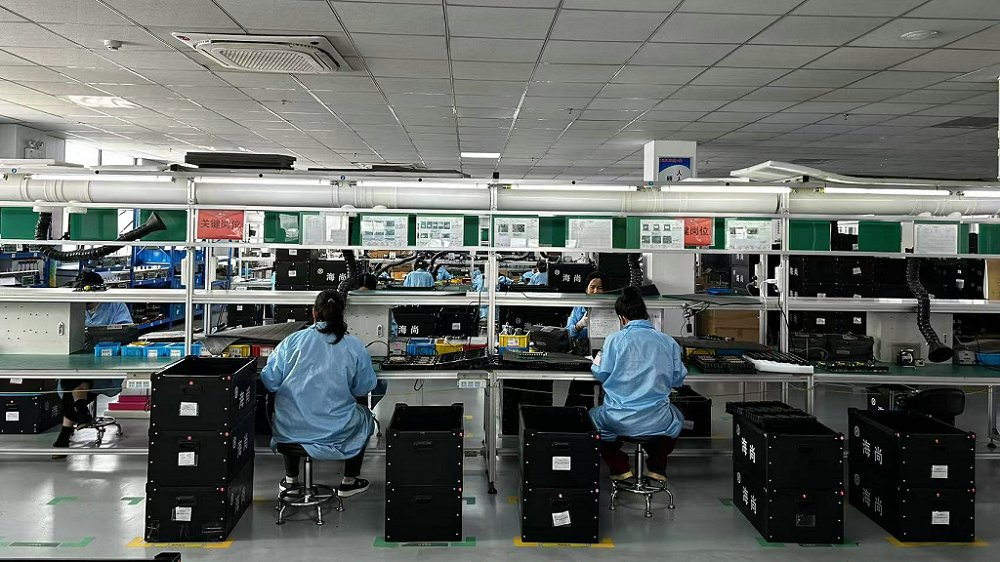
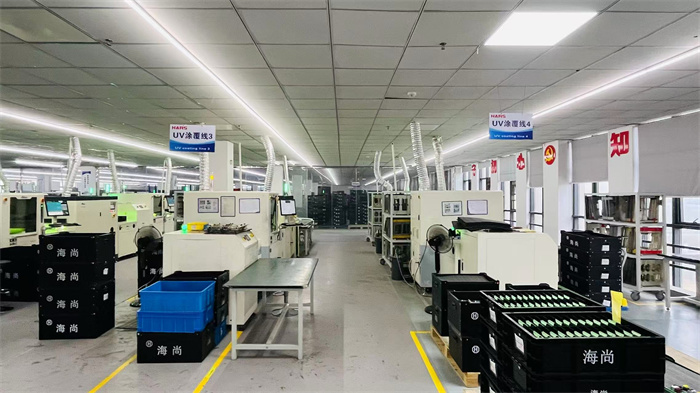
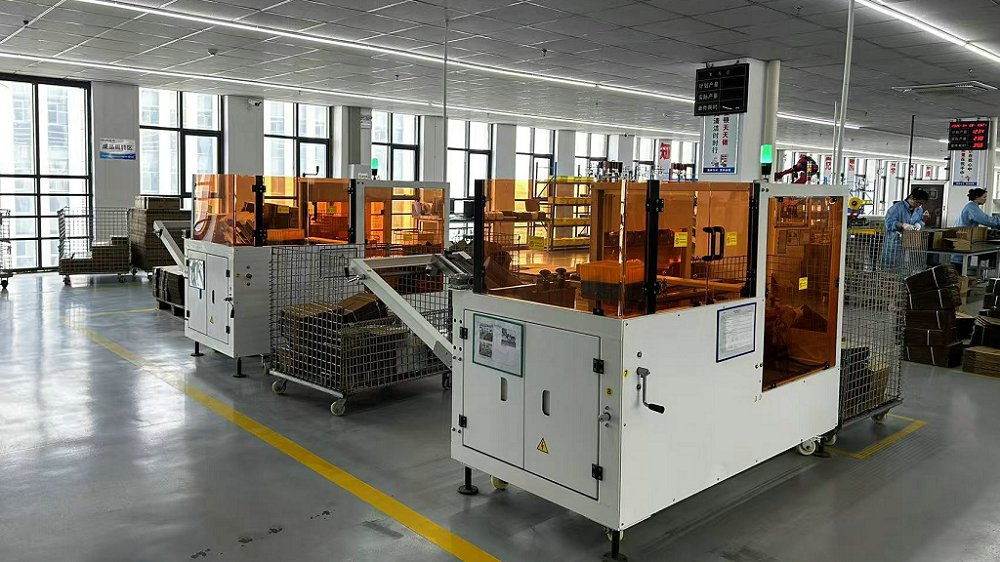
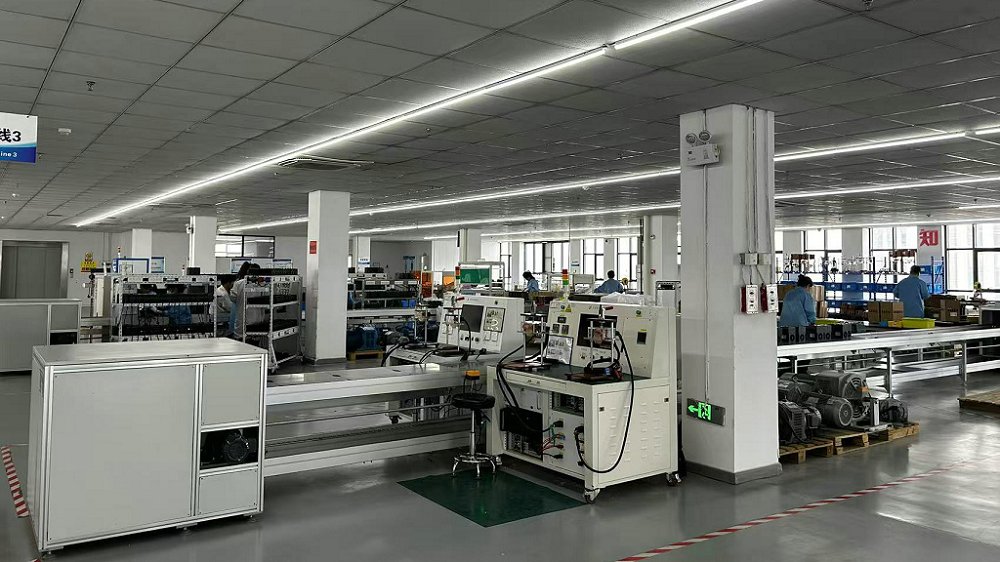
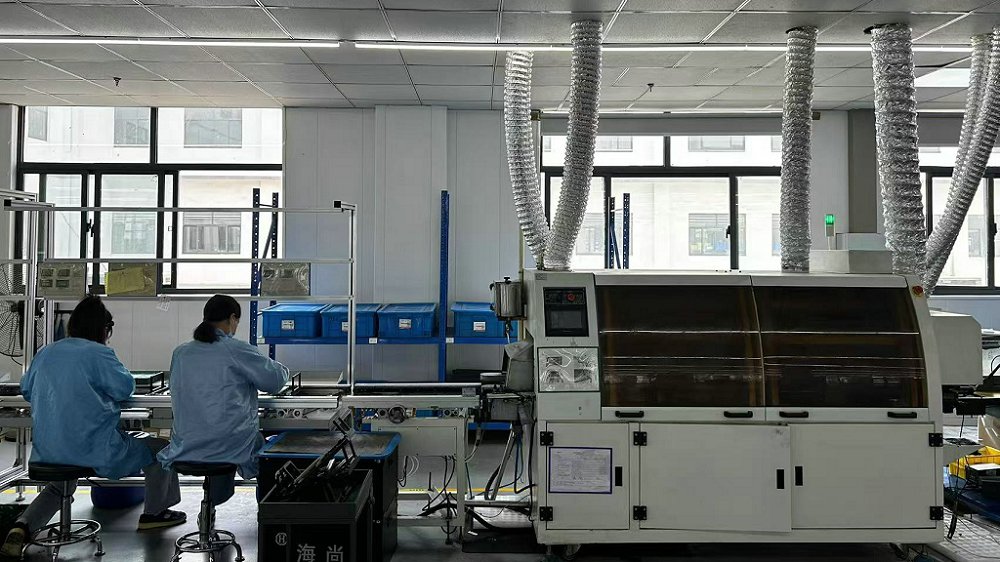
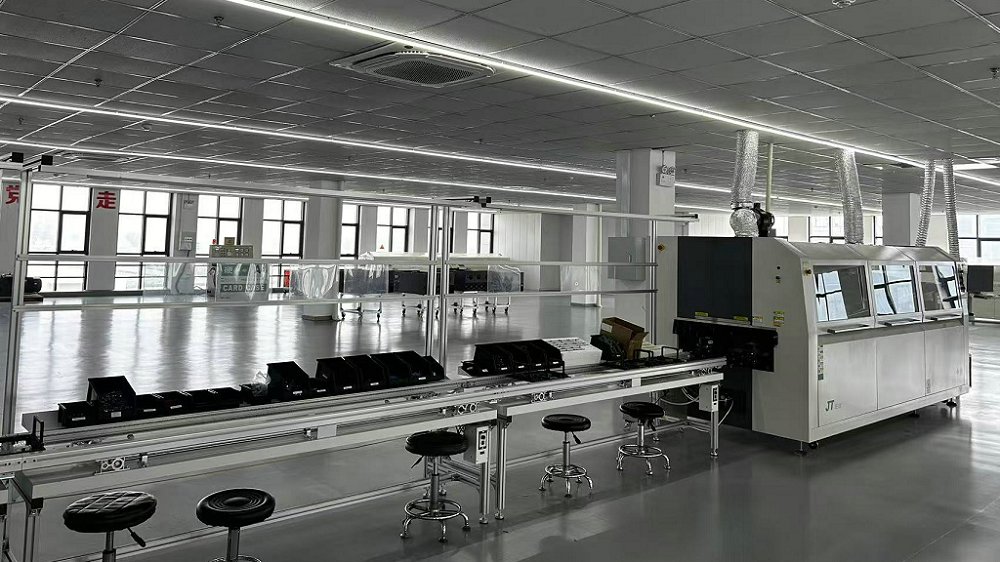
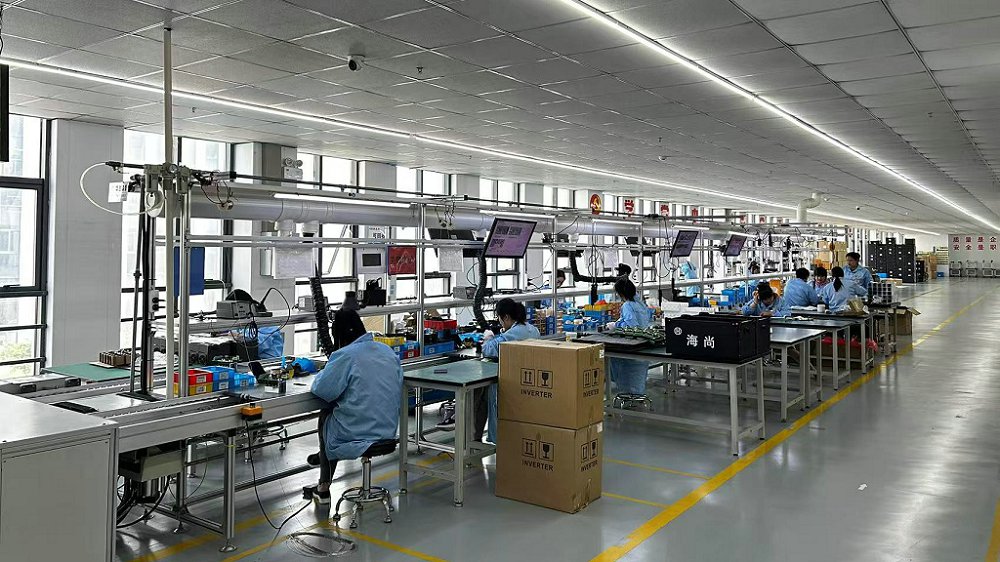
By integrating advanced manufacturing technologies with strict quality control, our production facility ensures components meet international standards. From copper pin electroplating to automatic welding and climate testing, each process is monitored to deliver consistent reliability.
Our production processes follow strict quality management protocols. Each step—from initial plate preparation to UV coating, high-precision automated welding, and climate-controlled aging tests—is designed to deliver durable PV connectors.
Compare our solar connector specifications to match the requirement of your photovoltaic project.
| Specification Category | Connector Type (1000V DC Series) | High-Voltage Type (1500V DC Series) | Branch / Y-Type Series |
|---|---|---|---|
| Rated Current | 30A (2.5mm² - 6.0mm²) | 30A / 40A / 50A | 30A / 50A |
| Insulation Material | PPO / Polycarbonate (PC) | PPO (High Thermal Index) | PPO / PBT Waterproof Blend |
| Contact Material | Copper, Tin Plated | Copper, Heavy Tin/Nickel Plated | High Purity Copper Alloy |
| Flame Class | UL94-V0 | UL94-V0 | UL94-V0 |
| Waterproof Protection | IP67 Rated | IP68 Rated (Submersible) | IP67 / IP68 Rated |
| Temperature Range | -40°C to +85°C | -40°C to +90°C (IEC limit) | -40°C to +90°C |
Standard PV installations face diverse geographical and environmental challenges. Our cabling solutions are designed to maintain performance under specific stress factors:
Deployments on reservoirs, lakes, and coastal water bodies expose connectors to constant humidity and organic contaminants. In these setups, IP68 rated connectors are necessary to prevent water ingress and maintain grounding isolation, reducing the risk of ground faults.
Desert environments feature intense solar radiation and high ambient temperatures. Under these conditions, XLPO jacketed solar cables and UV-resistant connector shells are used to prevent jacket embrittlement and discoloration, maintaining insulating properties.
Rooftop systems in coastal areas are exposed to salt spray and corrosive atmospheres. Using tin-plated copper contacts in connectors helps prevent copper oxidation, maintaining low contact resistance and preventing hot spots.
Common inquiries from EPC contractors, system engineers, and procurement managers regarding solar connectivity standards:
IP67 connectors are rated to withstand temporary immersion in water up to 1 meter depth for 30 minutes. IP68 connectors provide continuous dust tightness and are rated for long-term submersion at specified depths and durations, making them suitable for floating solar projects and humid climates.
No, 1000V-rated components should not be used in 1500V DC systems. Doing so violates electrical codes, compromises system safety, and increases the risk of dielectric breakdown, arc flashes, or component degradation. High-voltage installations require 1500V certified connectors.
Contact resistance determines the amount of electrical energy converted to heat at the connection point. High contact resistance increases energy losses and can cause localized heating, potentially melting the connector housing and leading to fire hazards. Quality connectors maintain a resistance below 0.25 mΩ.
Xiamen Jonas Energy Co., Ltd. operates semi-automated production lines with integrated quality checks. From plate preparation and UV coating to automated welding and environmental testing, each production stage is monitored to verify mechanical and electrical tolerances.
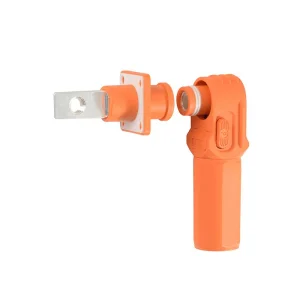
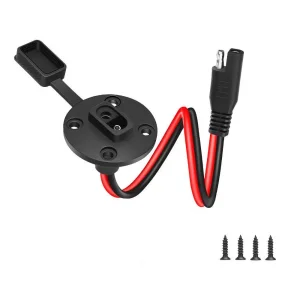
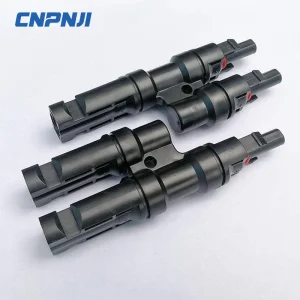
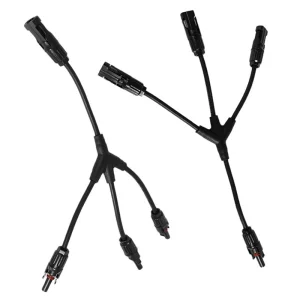
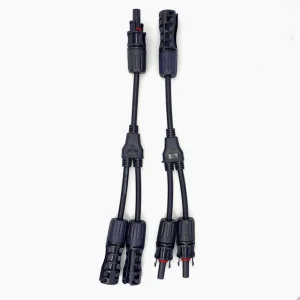
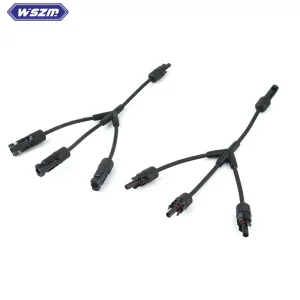
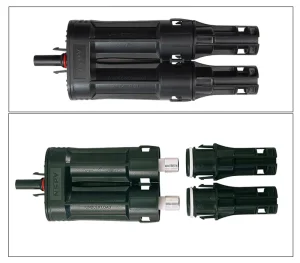
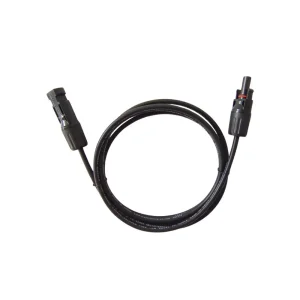
From customizable SAE connection cables to high-performance Y-branch connectors, we provide balance-of-system solutions for diverse design configurations.
 Jonas Energy