Explore our engineered structural configurations designed for extreme wind loads, heavy snow environments, and long-term corrosive resistance.
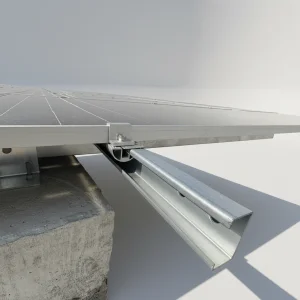
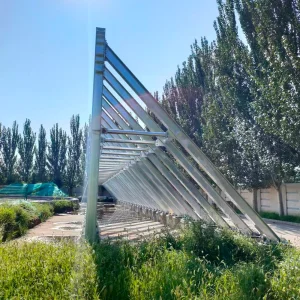
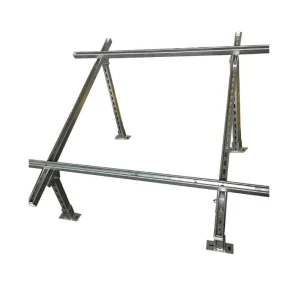
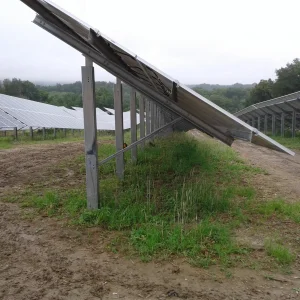
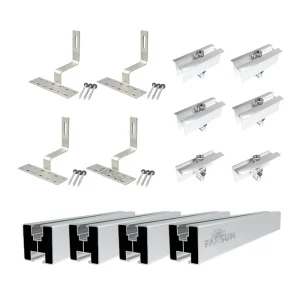
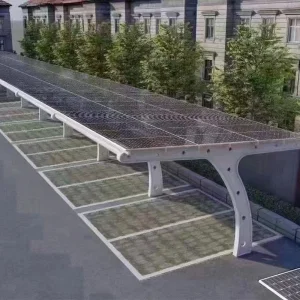
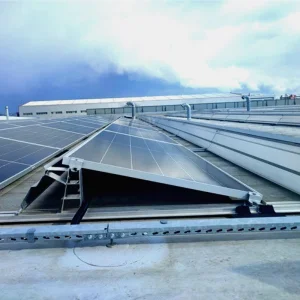
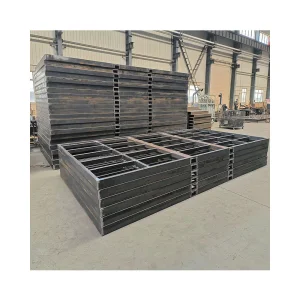
As global solar energy penetration moves from localized installations to gigawatt-scale utility grids, the mechanical structural integrity of PV setups has become paramount. Solar mounting structures serve as the mechanical backbone of solar energy arrays, responsible for maintaining structural load dynamics, optimal tilt angles, and electrical grounding path consistency over a 25-to-30-year operational lifecycle.
Today, the industry is witnessing a structural shift driven by dynamic climatic changes, complex geomorphologies, and fluctuating raw material costs. Modern utility projects require racking designs engineered to withstand wind speeds of up to 60m/s and snow accumulations generating up to 1.4kN/m² of static pressure. Engineers and developers must consider how localized structural environments degrade mounting components through galvanic corrosion, structural fatigue, and wind-induced flutter.
| Racking Component / Criteria | Material Classifications | Standard Protection Ratings | Design Code Conformity |
|---|---|---|---|
| Ground Mounting Racking | Q235B / Q355B Hot-Dip Galvanized Steel | ASTM A123 / HDG ≥ 85 μm | AS/NZS 1170.2, ASCE 7-10, IBC 2018 |
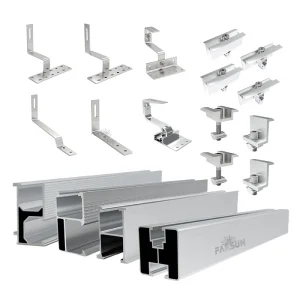
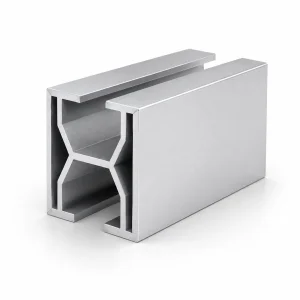
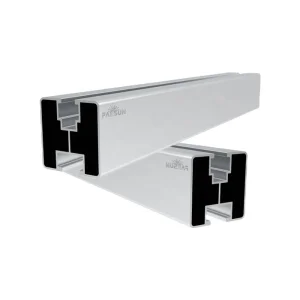
| Roof Mounting Rails & Clamps | Anodized Aluminum Alloy AL6005-T5 | Anodization Film Class AA15 (15μm) | EN 1999-1-1 Eurocode 9 |
| Mechanical Fasteners & Bolts | Stainless Steel SUS304 / SUS316 | Passivated High-Corrosion Grade | ISO 3506-1 Class A2-70 / A4-80 |
| Wind Load Resistance Limit | All Structural Grades | Operational Capability up to 60 m/s | Configured by Site Wind Pressure Analysis |
Global procurement teams face multifaceted headwinds in securing reliable solar racking structures. Price volatility of global steel and aluminum directly impacts overall project CAPEX. Additionally, regional regulatory frameworks require developers to purchase brackets that conform to specific national building standards (such as MCS in the UK, AS/NZS in Australia, and UL 2703 standards in North America).
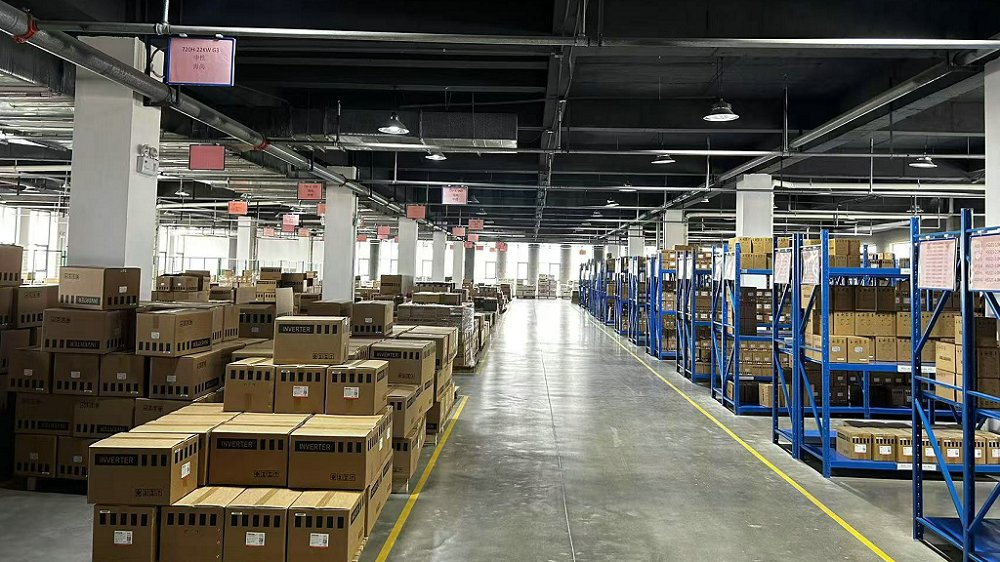
Strategic buyers prioritize vendors capable of delivering supply chain traceability, localized logistics hubs, and comprehensive engineering documentation. With the rise of international trade tariffs and import duties, having agile manufacturing partners with extensive logistical pipelines, such as strategically positioned European warehouse locations, helps mitigate procurement risk, reduces lead times, and stabilizes cash flow projections.
Every bracket system undergoes meticulous wind simulation modeling up to 60m/s and snow load validation (1.4kN/m²) to prevent structural deflection and ensure long-term stability.
Engineered using hot-dip galvanized steel (Q235B/Q355B) and anodized aluminum (AL6005-T5) to prevent structural degradation in coastal, high-salinity environments.
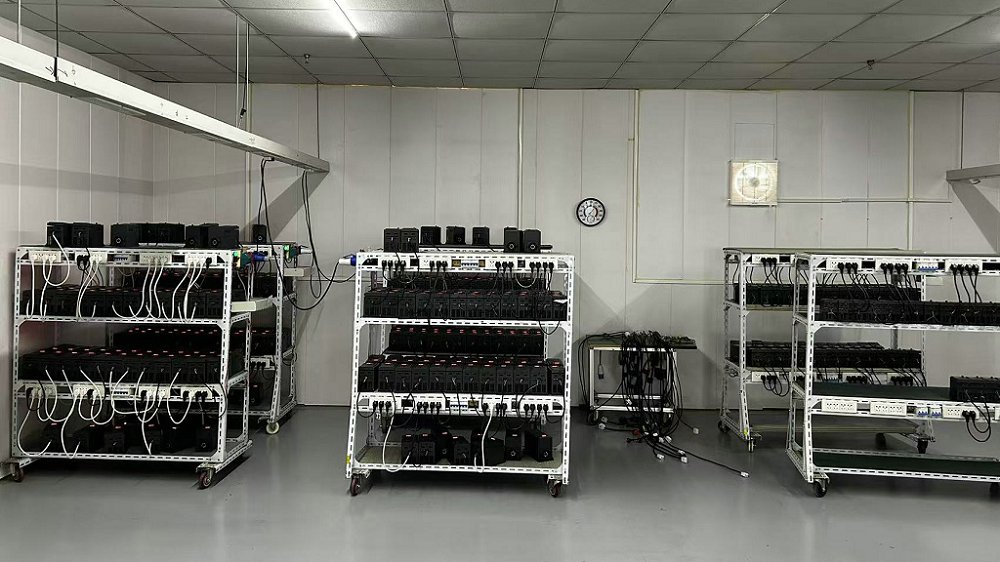
Complies with global codes including IEC, CE, TUV, ISO9001, and ISO14001. Backup testing protocols ensure all shipments are structurally sound.
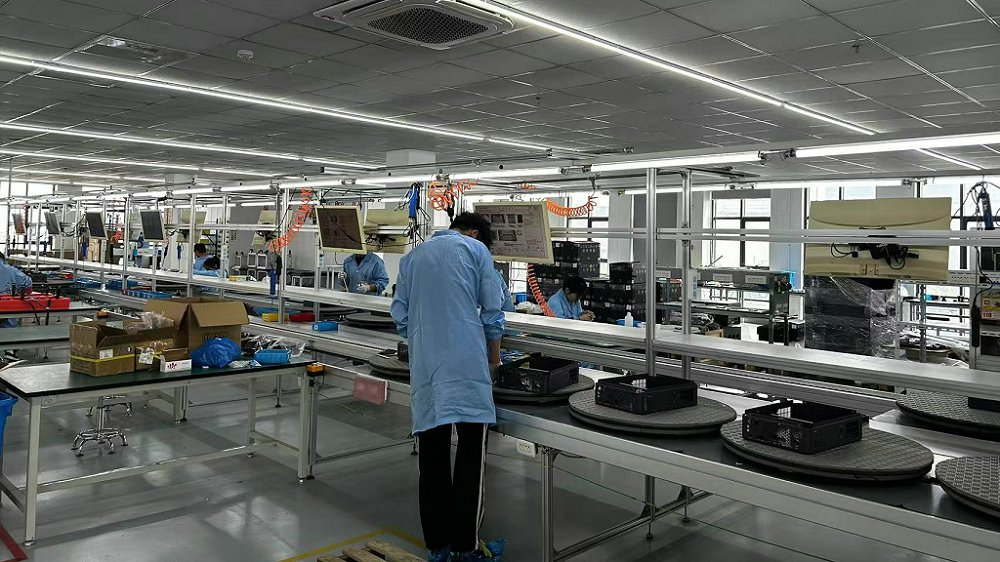
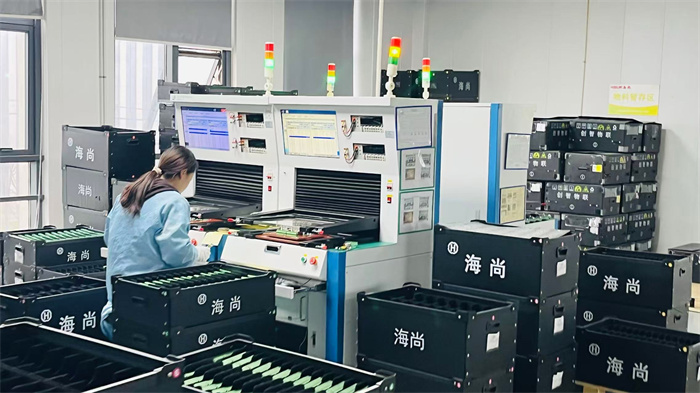
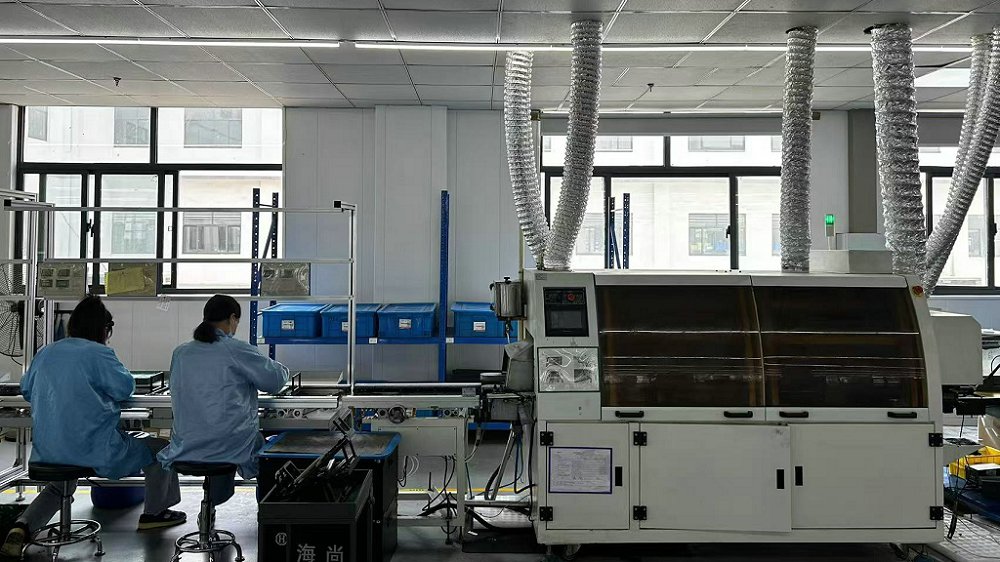
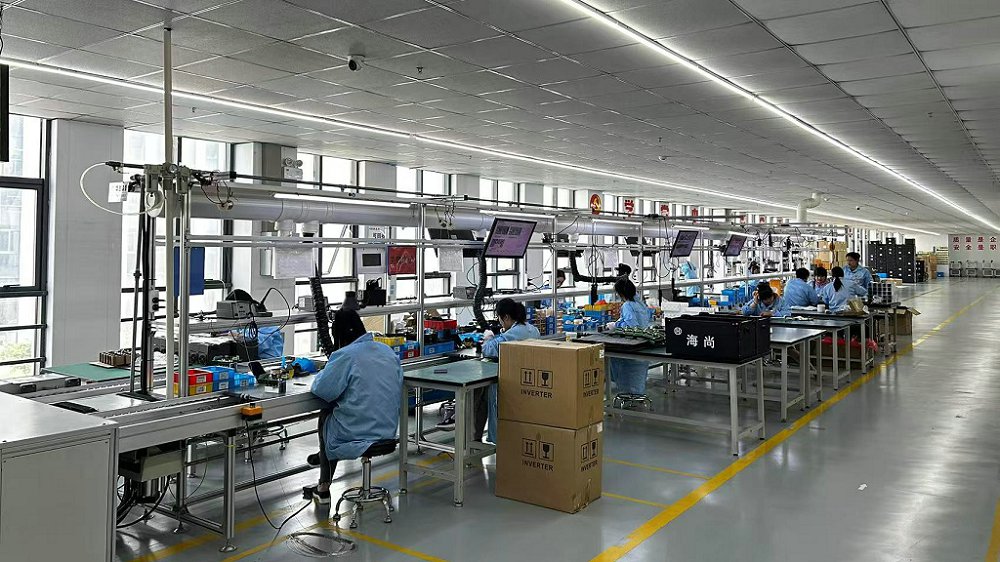
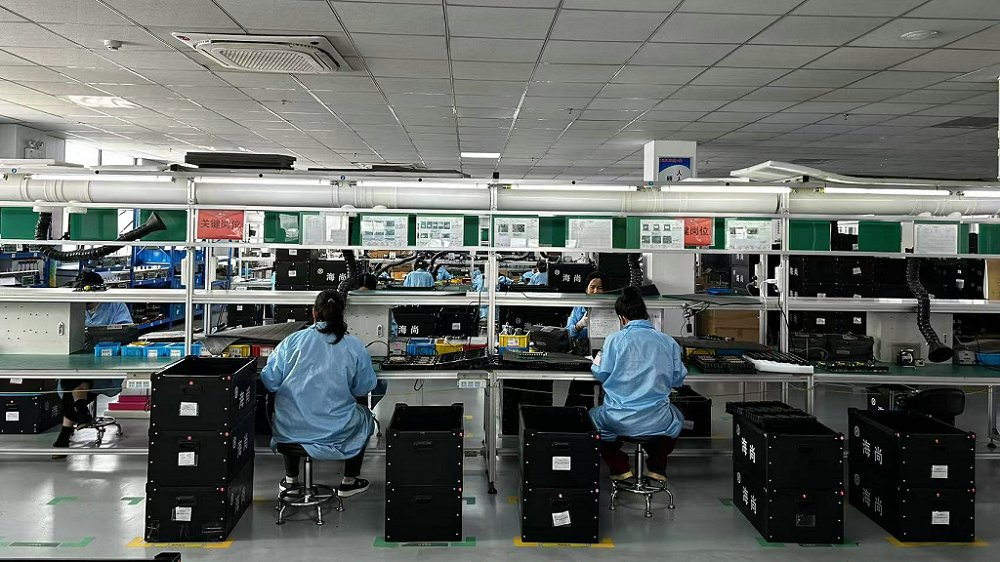
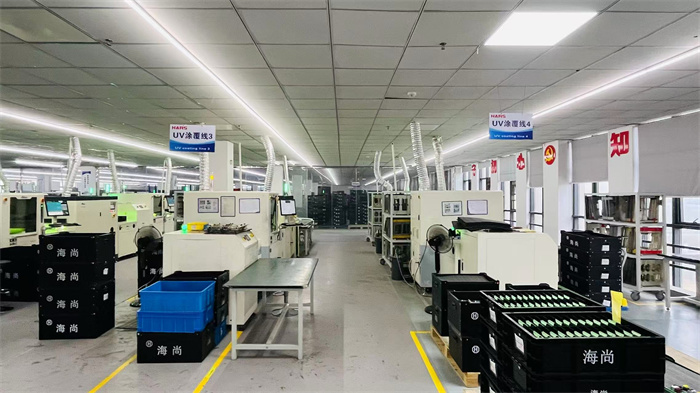
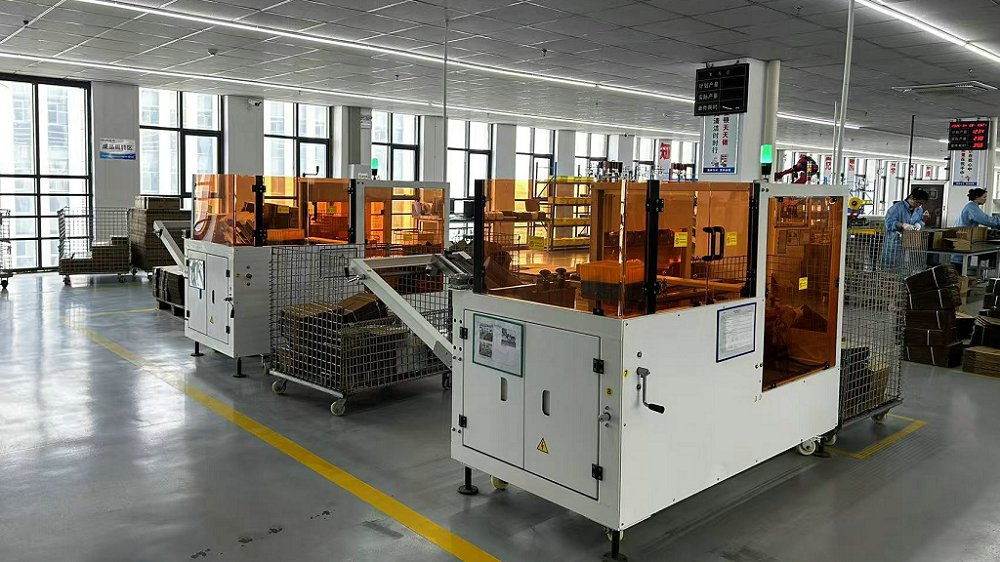
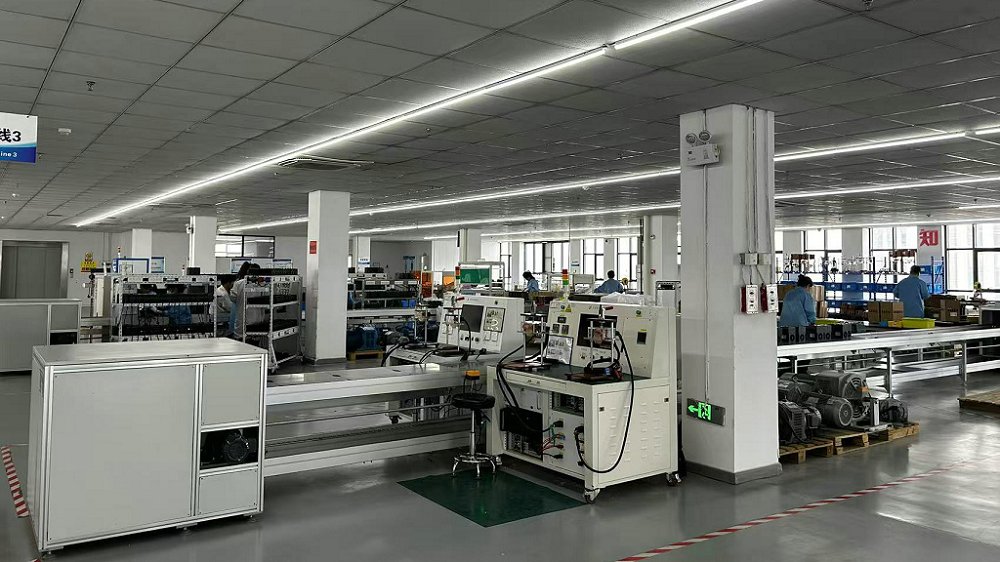
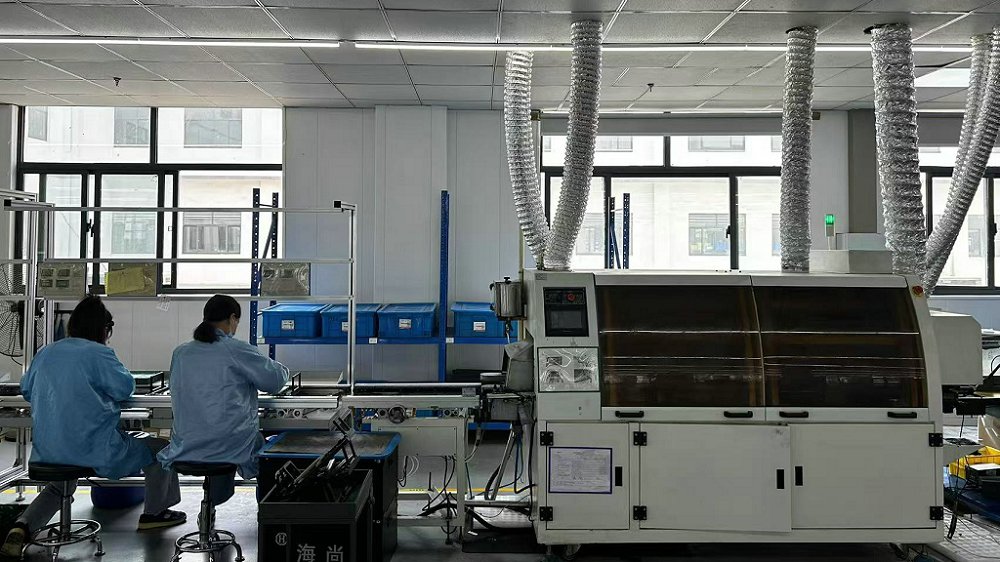
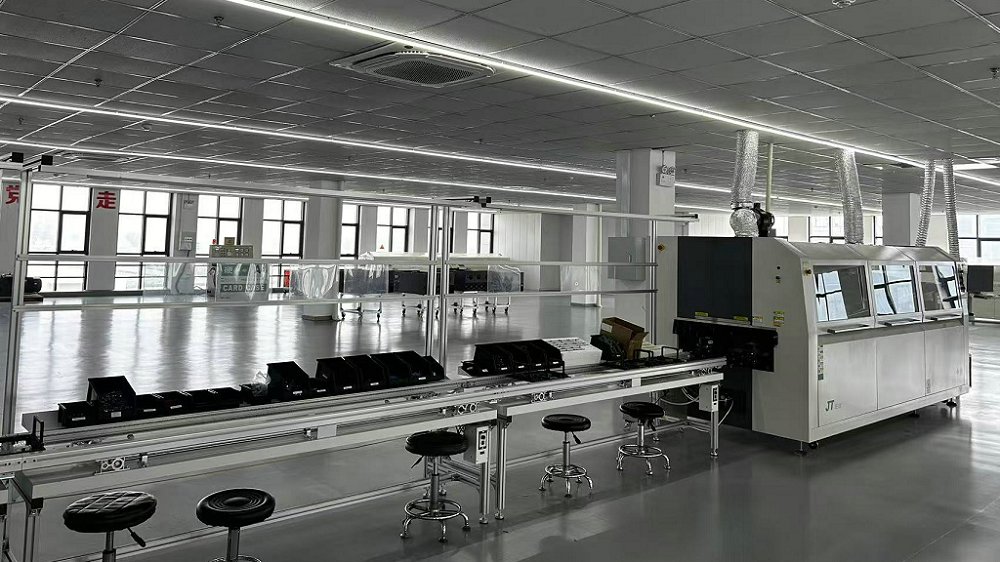
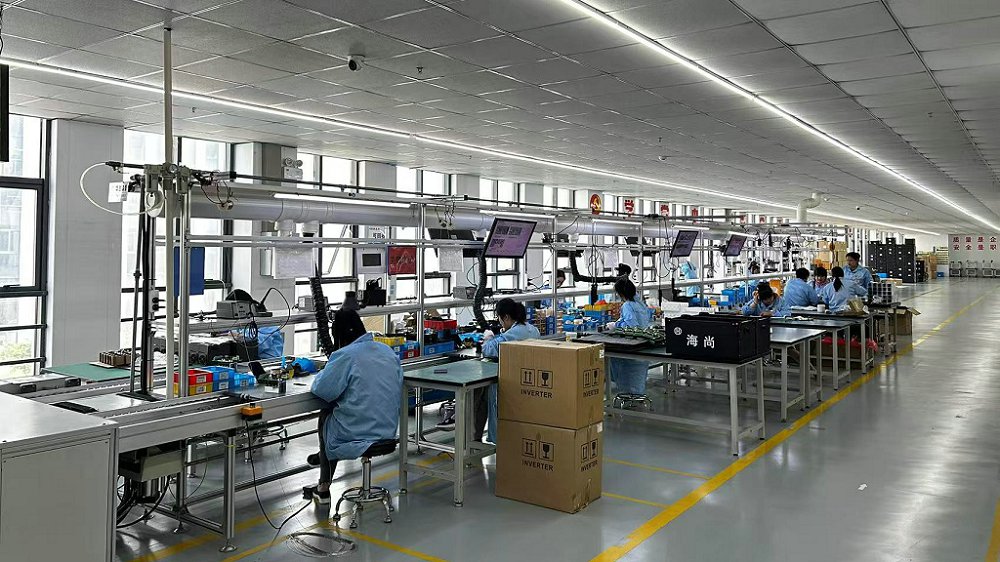
Xiamen Jonas Energy Co., Ltd. integrates advanced, automated production methods with quality assurance parameters to deliver high-capacity global solar racking demands.
Headquartered in the high-tech renewable energy hub of Xiamen, Fujian Province, China, Xiamen Jonas Energy Co., Ltd. operates state-of-the-art production facilities optimized for continuous sheet metal fabrication, heavy welding, and surface treatment coating. Our annual production capacity reaches several gigawatts, making us a key supplier for utility-scale developments.
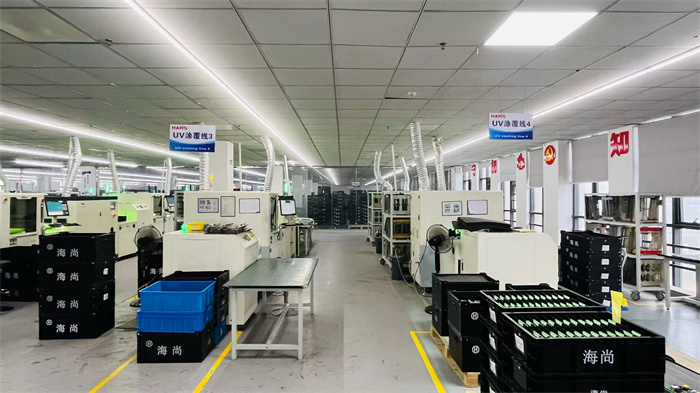
Our Factory 4.0 initiatives combine automated roll-forming lines, precision laser cutting, and robotic weld interfaces to achieve uniform consistency. This focus on engineering precision eliminates onsite installation misalignment, reducing labour costs and project schedules for global installation teams.
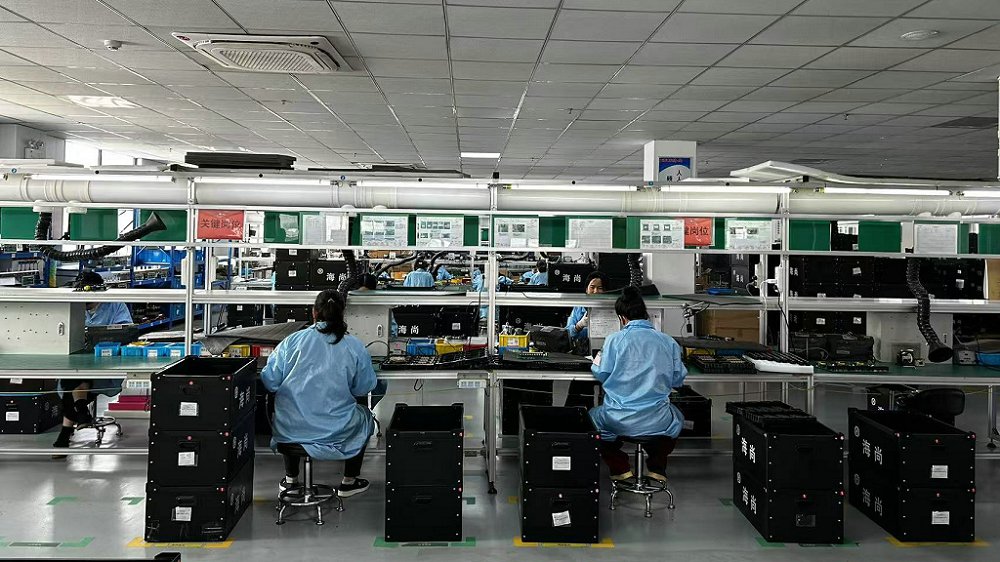
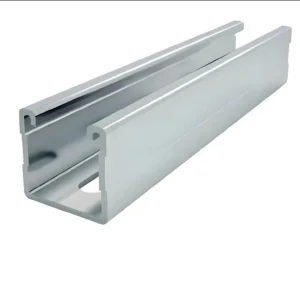
Every fabrication stage—from initial raw steel plate making to final packaging—is monitored by QA experts. With ISO9001-certified processes, we ensure that structural components, such as C-channel profiles, rails, brackets, and solar storage containers, remain defect-free.
Photovoltaic configurations must adapt to regional topologies and architectural types to optimize energy yield and structural integrity.
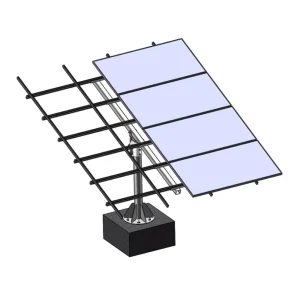
Optimized for vast terrains. Utilizing heavy Q235B steel C-channel configurations with concrete strip foundations or ground screws. Engineered to mitigate ground movement and shifting soil kinetics over long operational lifespans.
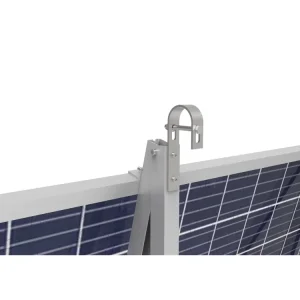
Ballasted and non-penetrating aluminum alloy configurations designed for commercial buildings. These racking designs minimize building load adjustments while protecting the waterproof layer of the rooftop membrane.
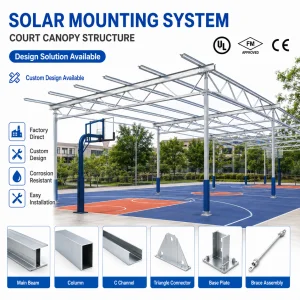
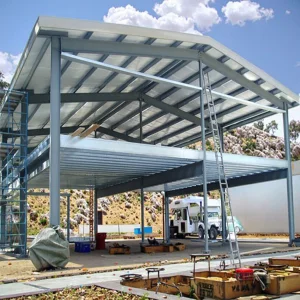
Double-purpose structures engineered for parking lots. Provides high-clearance frames using customized steel fabrication, incorporating built-in water drainage systems and protective shielding.
Critical considerations for EPC developers and procurement managers sourcing solar mounting structures globally.
Complementary components, rails, carports, and customized industrial structural solutions for B2B supply chains.
Partner with Xiamen Jonas Energy Co., Ltd. for certified solar mounting structures and custom engineering support.
Contact Our Engineering Team Jonas Energy