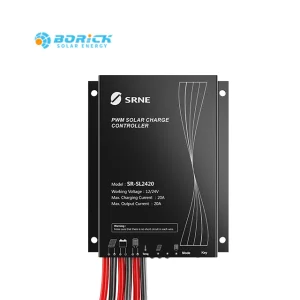
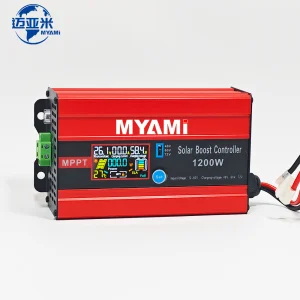
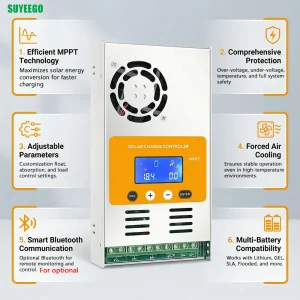
Explore our leading industrial MPPT and high-frequency PWM charge controllers designed for diverse electrical environments.
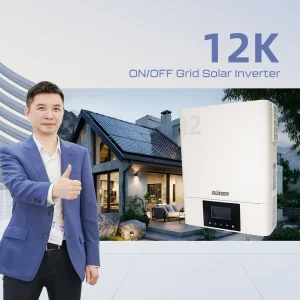
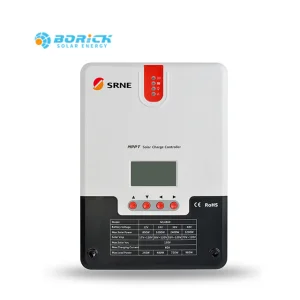
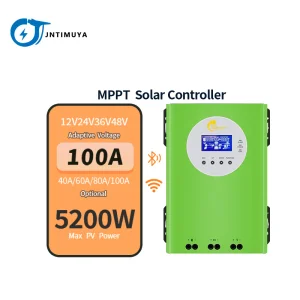
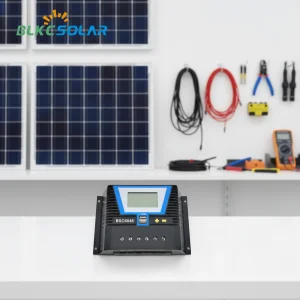
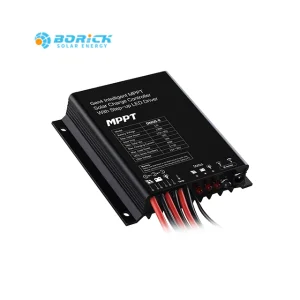
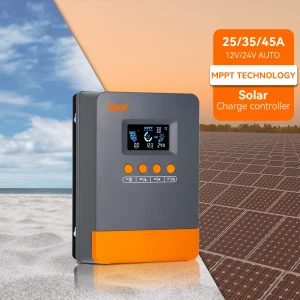
The global transition toward sustainable utility-scale systems and high-capacity microgrids has transformed the expectations surrounding Solar Charge Controllers. Historically viewed as secondary system components, modern charge controllers serve as the critical bridge managing power dynamics between photovoltaic arrays and electrochemical storage systems.
With regions in Southeast Asia, Africa, and Latin America scaling off-grid PV architectures, charge controller demands have shifted. System integrators now mandate features such as wide operating temperature windows, extensive protocol support (Modbus, CAN Bus), and high dust-and-water protection ratings (IP67/IP68). As lithium iron phosphate (LiFePO4) and sodium-ion batteries emerge as modern storage standards, controllers must offer programmable multi-stage charging algorithms to avoid cell damage and prolong battery life cycle parameters.
By operating at the intersection of PV output fluctuations and delicate battery chemical constraints, a controller's operational efficiency defines the net levelized cost of energy (LCOE) for off-grid operations. Underperforming conversion topologies can lead to systemic energy drops and accelerated battery degradation, risking massive financial overhead in high-density installations.
Choosing the correct modulation standard influences PV harvesting yield. Discover the direct operational differences below.
| Performance Parameters | Pulse Width Modulation (PWM) | Maximum Power Point Tracking (MPPT) |
|---|---|---|
| Operating Mechanics | Acts as an electrical switch pulling down PV voltage to equal battery storage voltage. | Performs high-frequency DC-to-DC buck-boost conversion to optimize voltage impedance match. |
| Harvesting Efficiency | Between 65% – 75% typical conversion parameters. | Between 97% – 99.8% tracking efficiency. |
| PV Input Voltage Margin | Must match battery bank voltage (e.g., 12V panels for 12V batteries). | Accepts significantly higher PV array voltage configurations (e.g., 150V+ input to charge a 24V bank). |
| Performance under Shading | Severe drop-off under partial shade or low-lux sky conditions. | Dynamically recalculates the optimal curve knee to maximize remaining light absorption. |
| Primary Application Area | Small-scale systems, street lighting, basic off-grid systems. | High-capacity solar systems, commercial installations, high-voltage battery storage arrays. |
While PWM technology represents a cost-effective choice for small-scale applications such as off-grid street lighting, MPPT controllers are essential for industrial configurations. They dynamically adjust to fluctuating cloud cover and environmental temperatures, compensating for drop-offs by optimizing the voltage curve to preserve output output currents. Over a typical 10-year facility life cycle, the energy recovery gains provided by MPPT architecture more than compensate for the initial system cost premium.
A trusted Global Photovoltaic & Energy Storage Technology Partner.
Xiamen Jonas Energy Co., Ltd. is a professional provider of renewable energy solutions, headquartered in Xiamen, Fujian Province, China. Since its establishment, the company has been dedicated to the research, development, manufacturing, and global distribution of advanced photovoltaic and energy storage products.
With a strong commitment to innovation and sustainability, Jonas Energy offers a comprehensive portfolio of solar energy solutions, including solar panels, inverters, energy storage batteries, mounting systems, and complete solar power generation systems. Our products are designed to meet the diverse needs of residential, commercial, industrial, and utility-scale projects worldwide.
We work closely with internationally recognized manufacturers and technology partners to provide a wide range of reliable energy storage solutions, including wall-mounted batteries, all-in-one storage systems, rack-mounted batteries, and containerized energy storage systems (ESS). Through continuous innovation and strategic partnerships, we help customers achieve greater energy independence and efficiency.
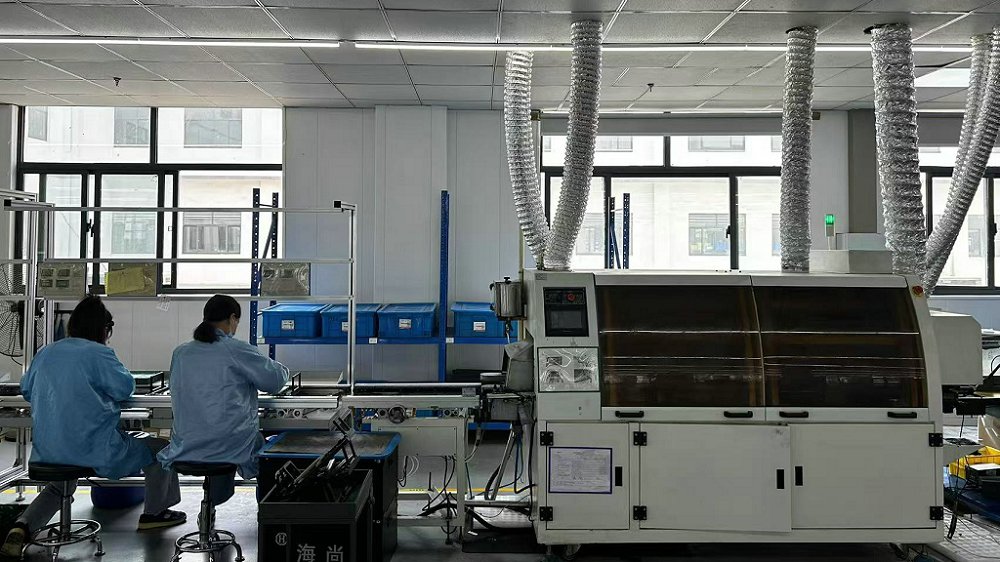
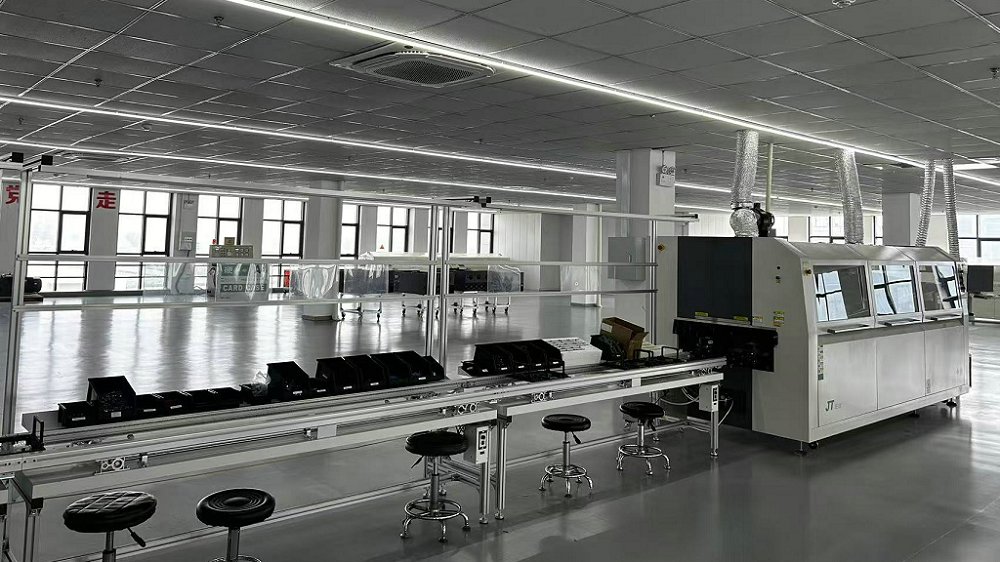
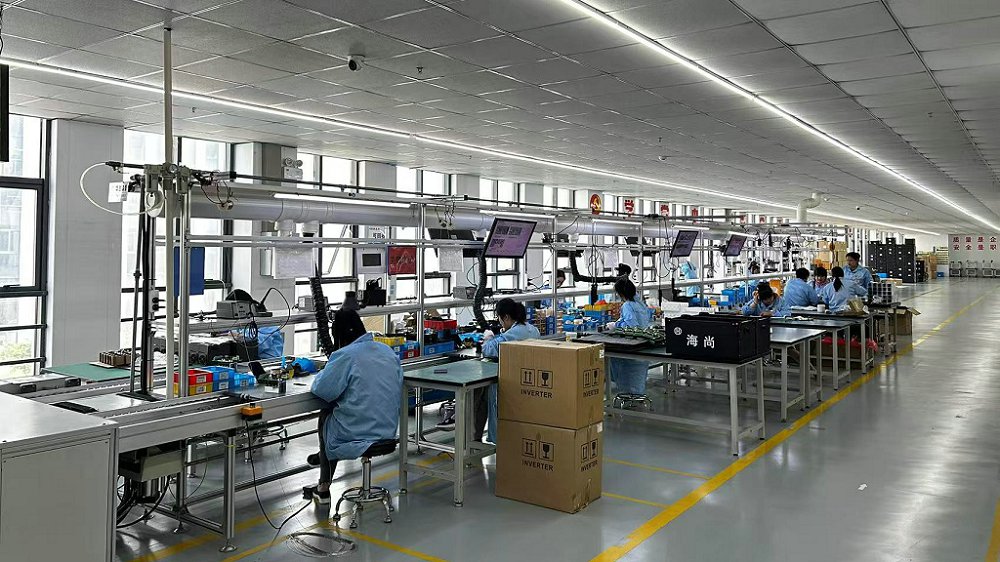
As a high-tech enterprise, Jonas Energy operates modern production facilities equipped with advanced manufacturing and testing equipment. Our annual production capacity reaches several gigawatts, enabling us to efficiently serve customers across global markets.
Our experienced R&D team consists of highly qualified engineers and technical specialists who continuously focus on product innovation, performance optimization, and technological advancement in the renewable energy sector. By integrating cutting-edge technologies, we ensure that our solutions remain competitive, efficient, and future-ready.
Take a virtual walkthrough of our state-of-the-art facilities, illustrating our commitment to design consistency, strict quality assurance protocols, and automated manufacturing precision.
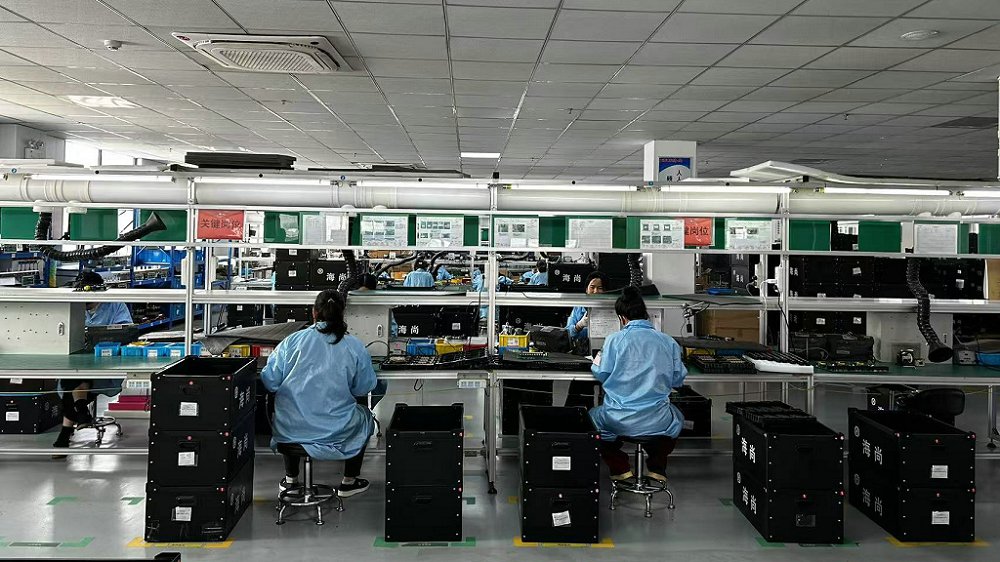
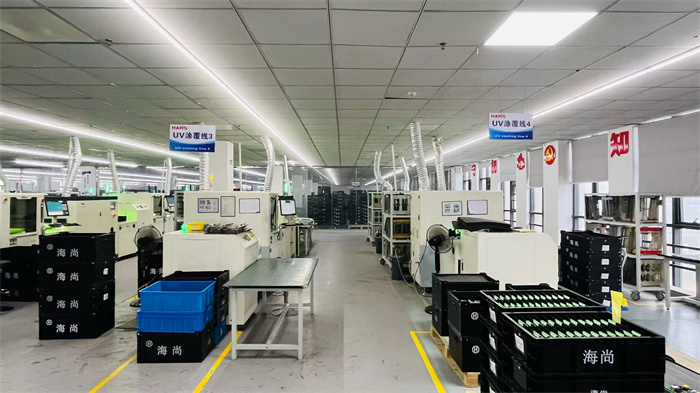
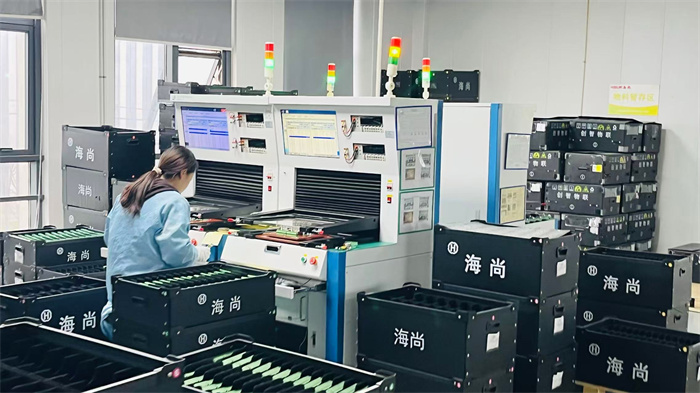
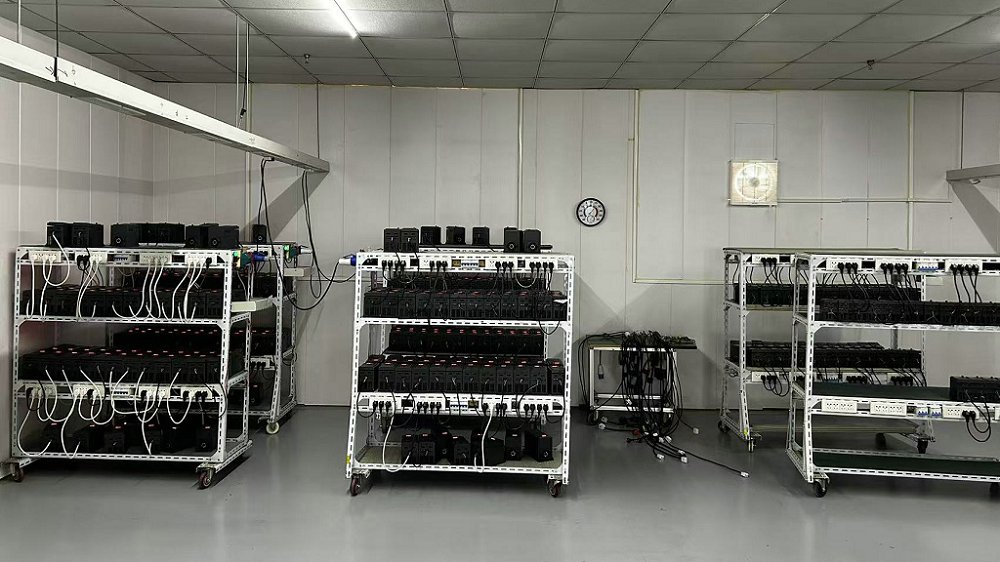
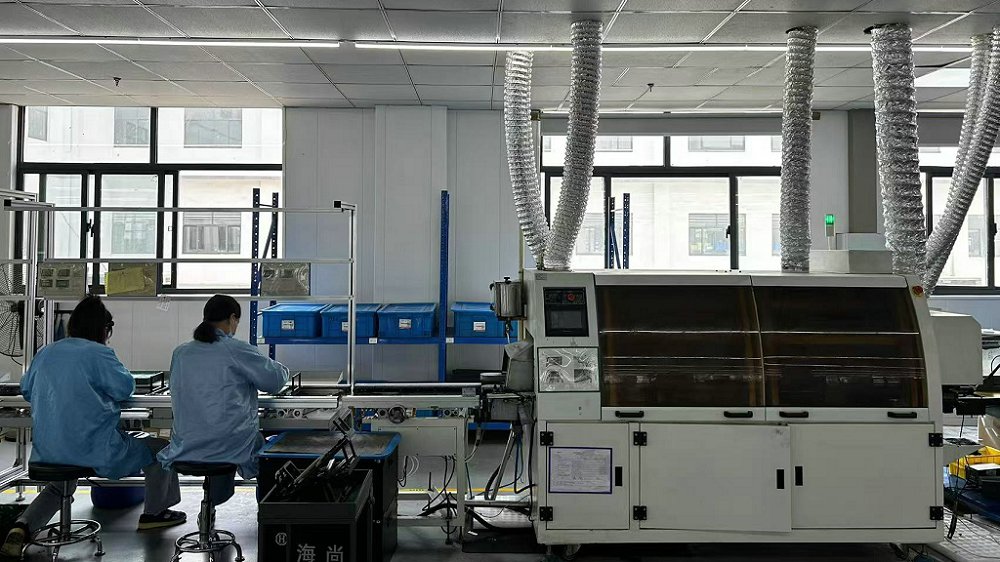
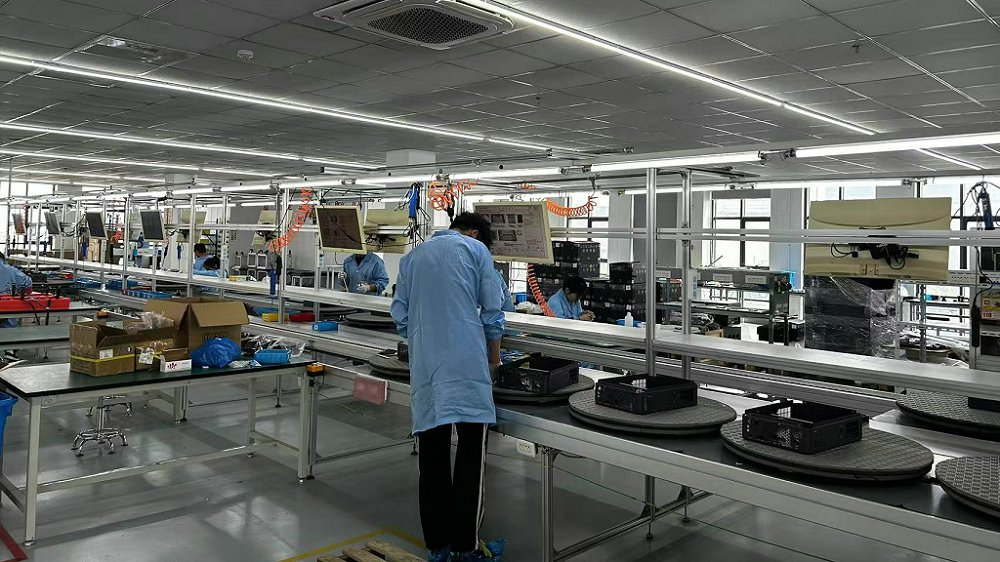
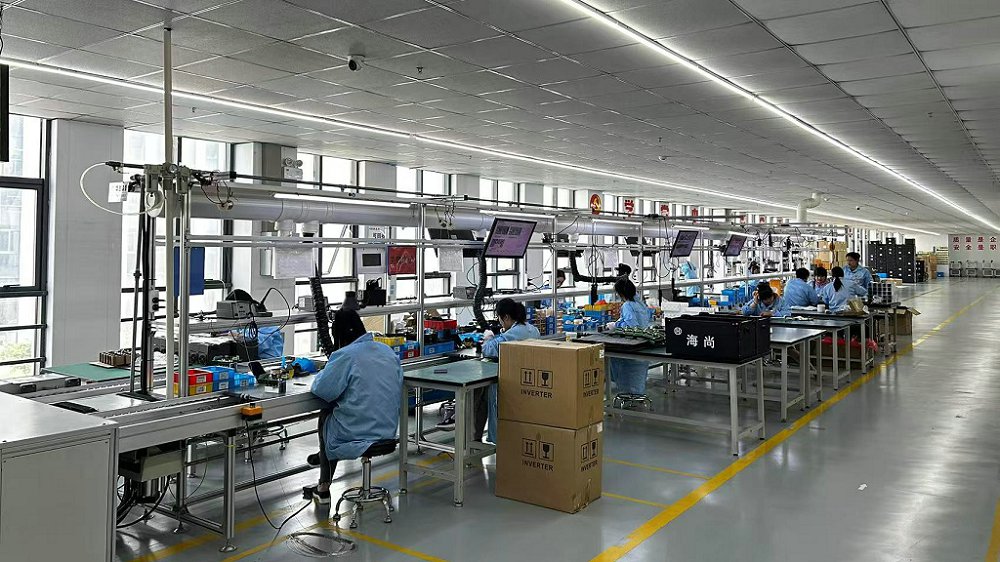

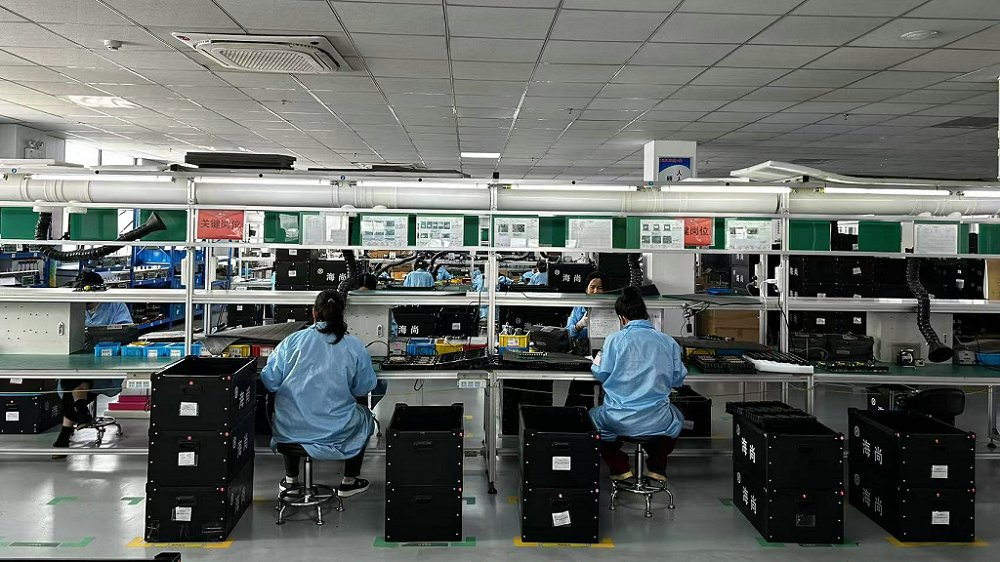
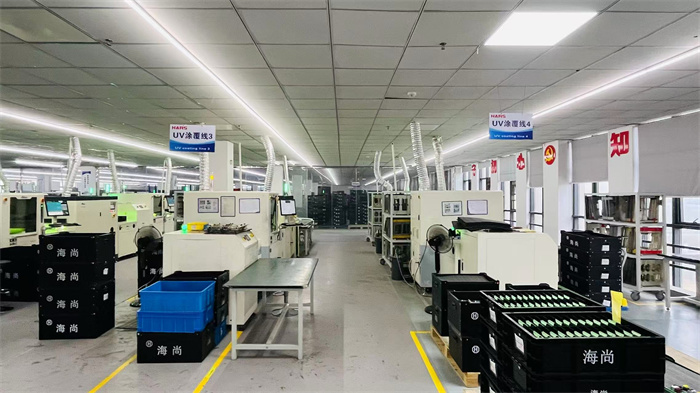
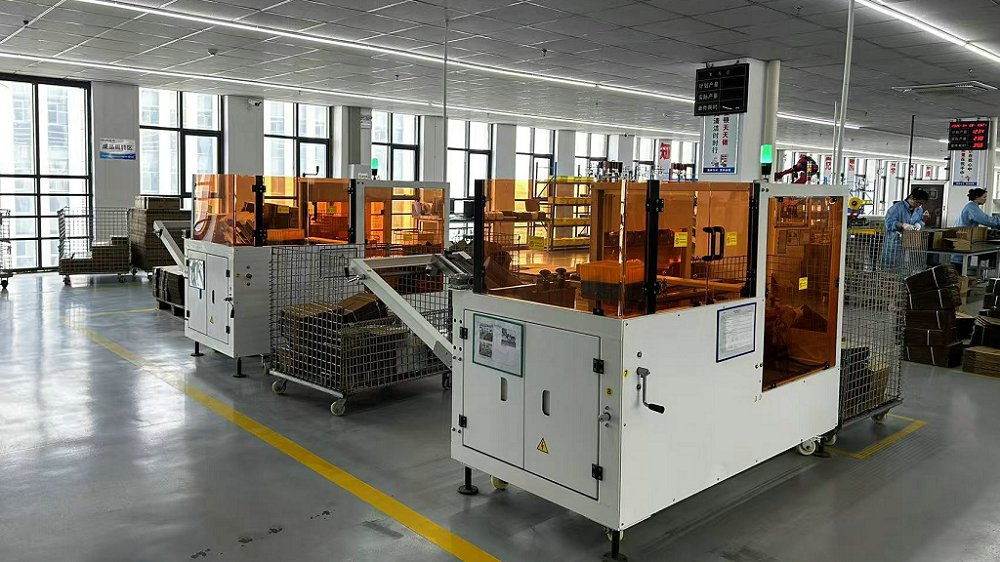
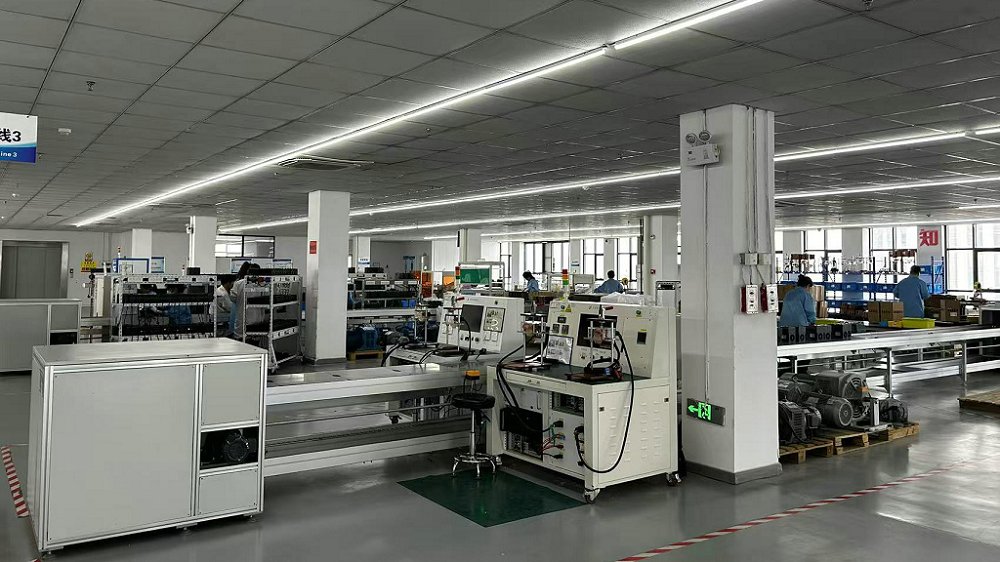
Jonas Energy charge controllers are deployed globally across diverse infrastructure fields.
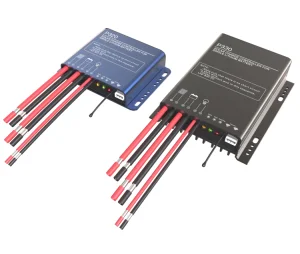
Requires smart IP68 waterproof capabilities and automatic night-time sensor activation. Our PWM configurations integrate 2.4G wireless communication systems, enabling municipalities to easily perform diagnostic tracking remotely.
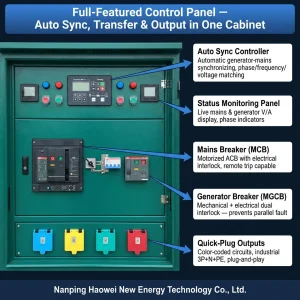
For systems with significant power output loads (8kW to 15kW or larger), we supply specialized synchronizing parallel cabinets alongside high-amp (200A+) charge regulators. This design provides maximum safety via built-in anti-islanding relays.
Utilizes multi-stage smart hybrid systems. Featuring adaptive range identification, our units automatically detect whether a 12V, 24V, or 48V battery chemistry is connected. This optimization minimizes thermal build-up and limits circuit damage risk.
Detailed answers to help you navigate electrical configurations, certification standards, and sizing logistics.
To prevent system overload, configure your solar array such that the open-circuit voltage (Voc) does not exceed the controller's rated limit under minimum operating temperatures. When temperatures drop, a photovoltaic panel's Voc rises. For safety, we recommend incorporating a 15% to 20% voltage overhead buffer relative to the controller's maximum Voc limit.
Lithium iron phosphate (LiFePO4) and traditional lead-acid chemistries use distinct charging profiles. While lead-acid batteries benefit from periodic high-voltage equalizing stages to prevent sulfation, applying this voltage to a lithium pack can damage its internal cells and activate battery management system (BMS) safety disconnects. Jonas Energy controllers offer customizable parameter settings to support both standard lead-acid profiles and delicate lithium profiles.
Every controller undergoes automated AOI inspection, functional diagnostic testing, and active thermal load aging tests. Our manufacturing facilities are certified to ISO 9001 and ISO 14001 standards, and our products carry relevant international certifications (including CE, TUV, and IEC) to ensure compliance with utility grid specifications.
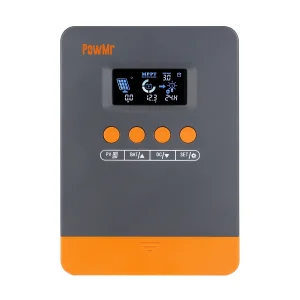
Explore our industrial range, including high-amp off-grid charge regulators and synchronized farm parallel cabinets.
 Jonas Energy