Jonas Energy
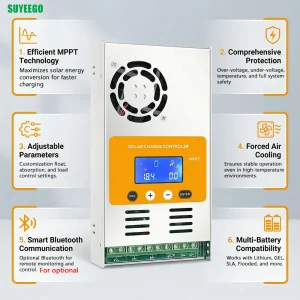
Primary off-grid regulatory systems engineered for Kansai smart networks, harbor grids, and commercial micro-power infrastructures.
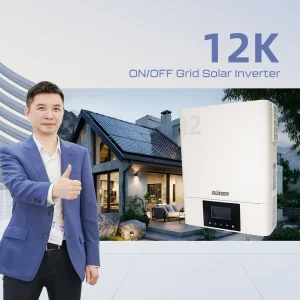
Strategic insights into the Kansai region's accelerating demand for resilient, high-power photovoltaic components.
Osaka municipal guidelines and the broader Keihanshin metropolitan energy initiatives demand a rapid deployment of grid-independent photovoltaic solutions. This requires industrial-grade charge controllers capable of managing unpredictable coastal solar irradiance profiles along Osaka Bay.
With Osaka acting as a premier industrial port city, localized marine applications, signaling systems, and harbor facility back-ups require charge controllers that feature robust galvanic isolation, IP67 or IP68 waterproof ratings, and Modbus communications for SCADA networks.
Procurement managers in Osaka are shifting from single-source domestic manufacturing to highly resilient, hybrid networks combining Japanese custom assembly specs with high-throughput Chinese Industry 4.0 component production, ensuring cost efficiency and continuous supply stability.
A comparative technical overview analyzing peak power conversion tracking versus pulse width modulation systems.
| Performance Parameter | Maximum Power Point Tracking (MPPT) | Pulse Width Modulation (PWM) | Application Suitability |
|---|---|---|---|
| Conversion Efficiency | 97.5% – 99.2% Peak Efficiency | 72% – 85% Average Efficiency | MPPT maximizes harvesting under variable light. |
| Voltage Flexibility | Step-down buck logic; allows high PV string voltages (up to 150V/200V) | PV array voltage must match battery bank voltage (12V/24V/48V) | MPPT allows thin, cost-effective PV wiring over long runs. |
| Thermal Management | Dynamic thermal throttling, active/passive heavy-duty heat sinks | Low dissipation, simpler convection cooling profiles | Industrial MPPTs tolerate extreme environments. |
| System Cost vs Return | Higher initial capital investment; ROI recovered within 12-18 months | Ultra-low component cost; limited system growth potential | PWM fits small, localized setups; MPPT fits smart industrial grids. |
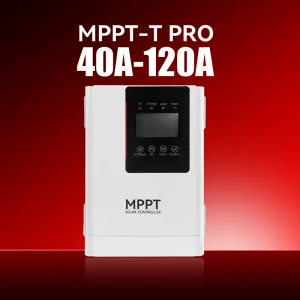
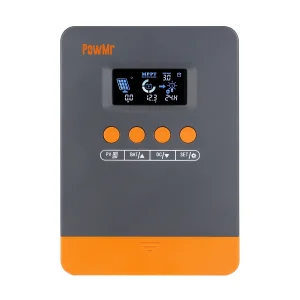
Modern MPPT charge controllers use an internal microprocessor tracking algorithm to continuously recalculate the optimal voltage ($V_{mp}$) and current ($I_{mp}$) levels of the solar array. This dynamic analysis compensates for direct drop-offs caused by cloud cover, panel degradation, or partial shading from coastal cranes and high-rises in commercial Osaka zones.
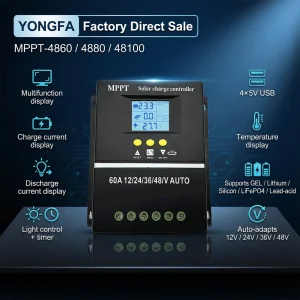
By adjusting the step-down DC-to-DC conversion, the controller raises the charging current to match the system battery requirements (such as LiFePO4 chemistry parameters). This increases total solar production by up to 30% compared to direct-clamp PWM installations.
Why global and Osaka-based procurement teams trust Xiamen Jonas Energy's advanced production framework.
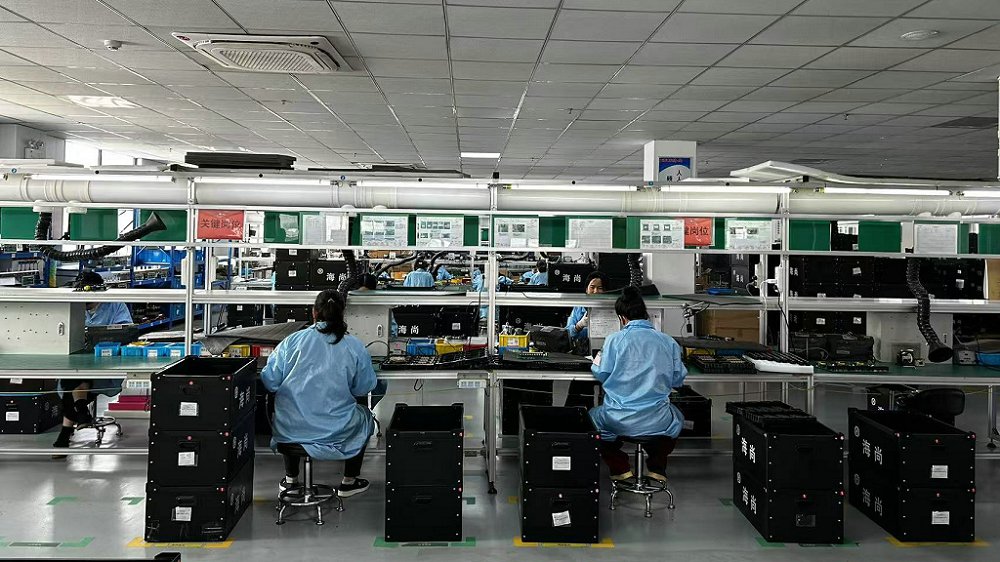
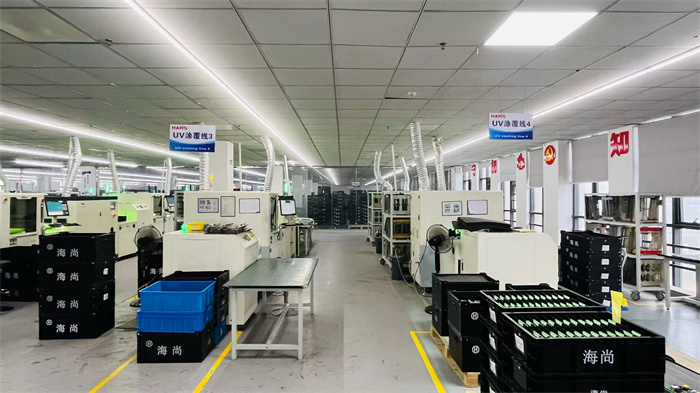
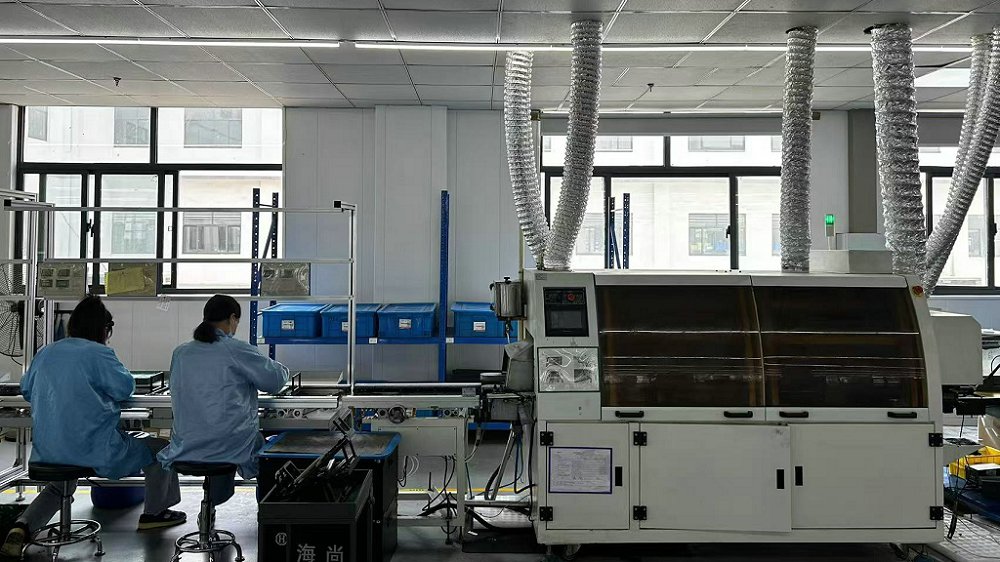
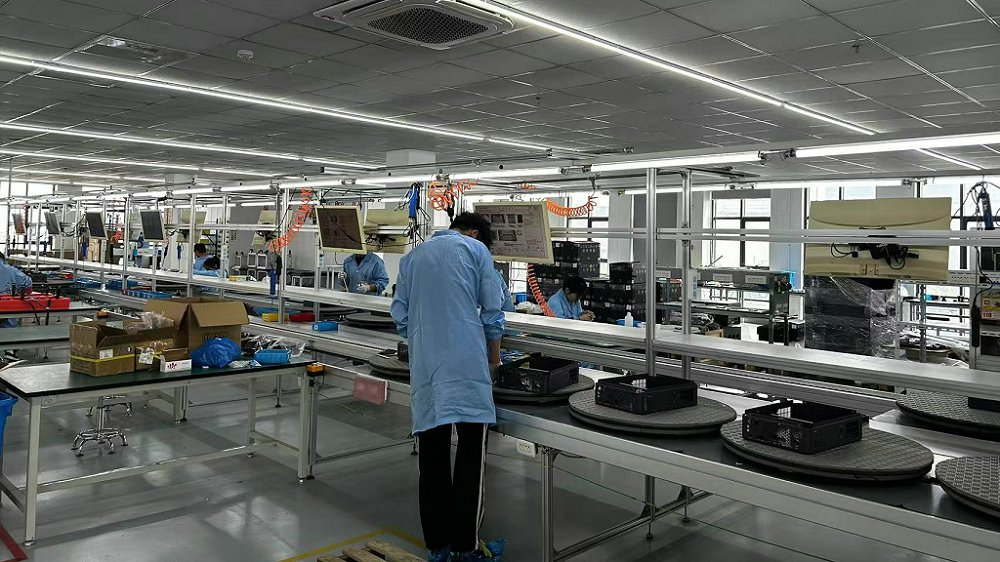
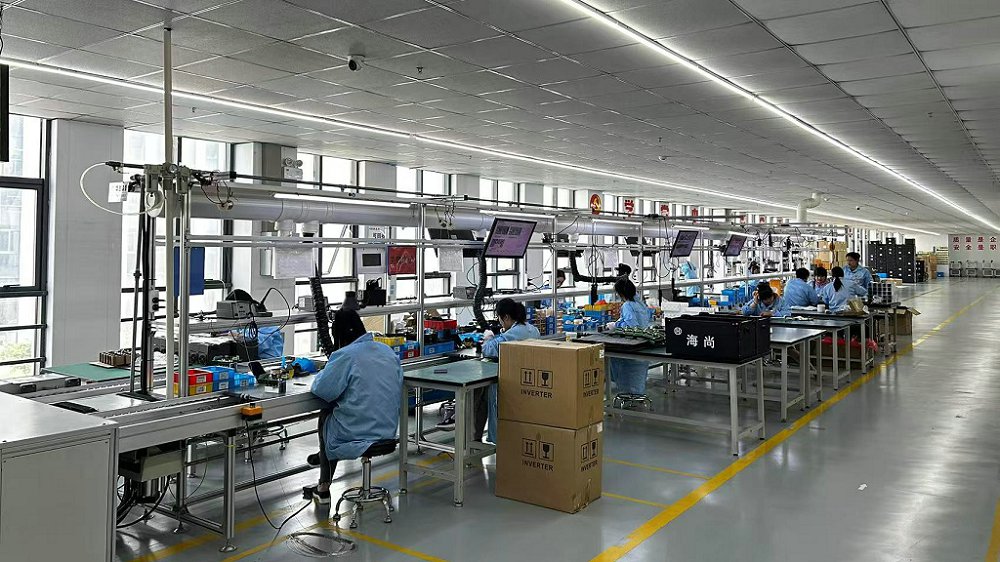
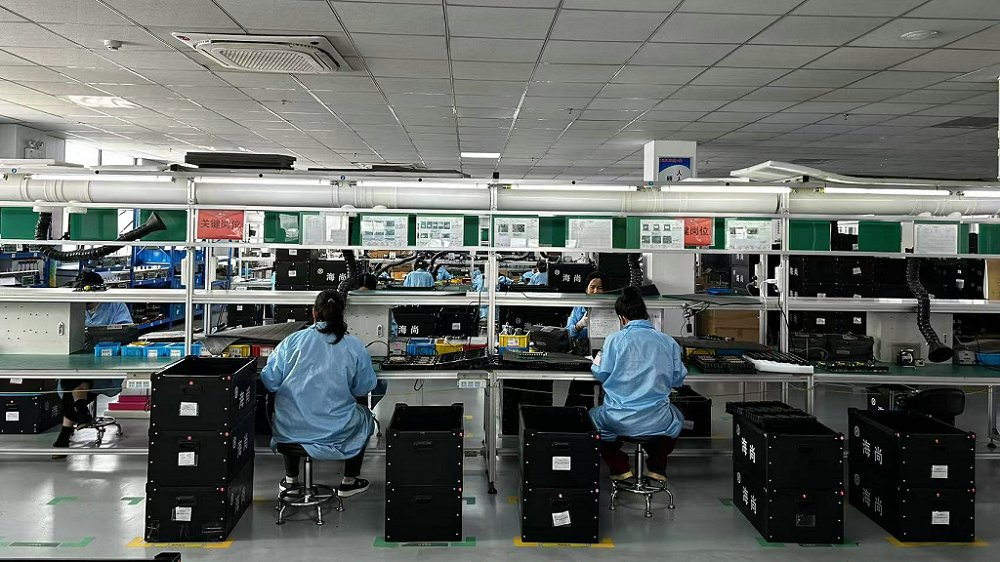
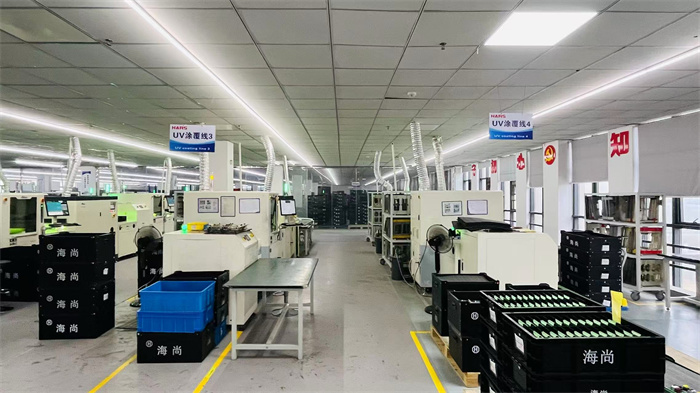
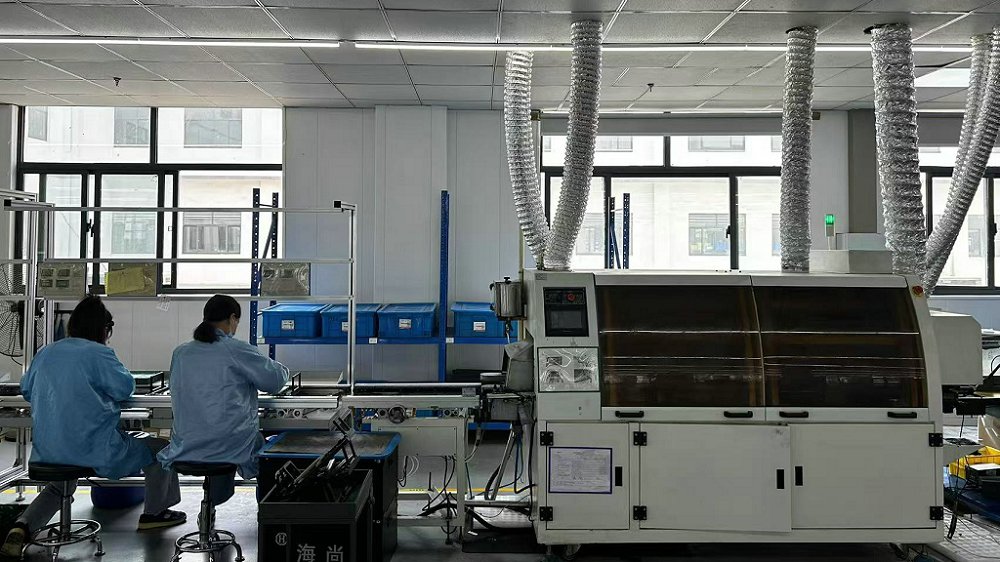
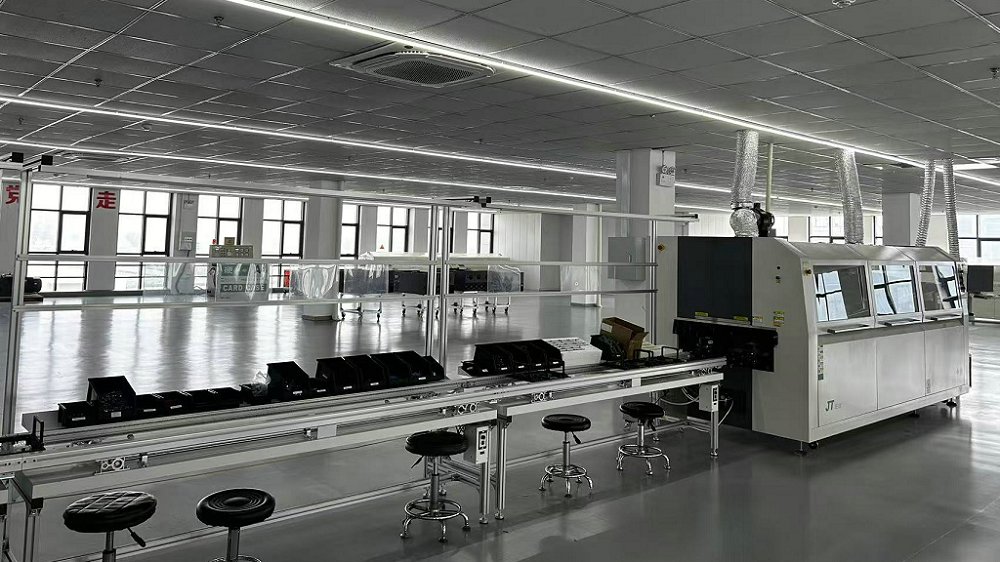
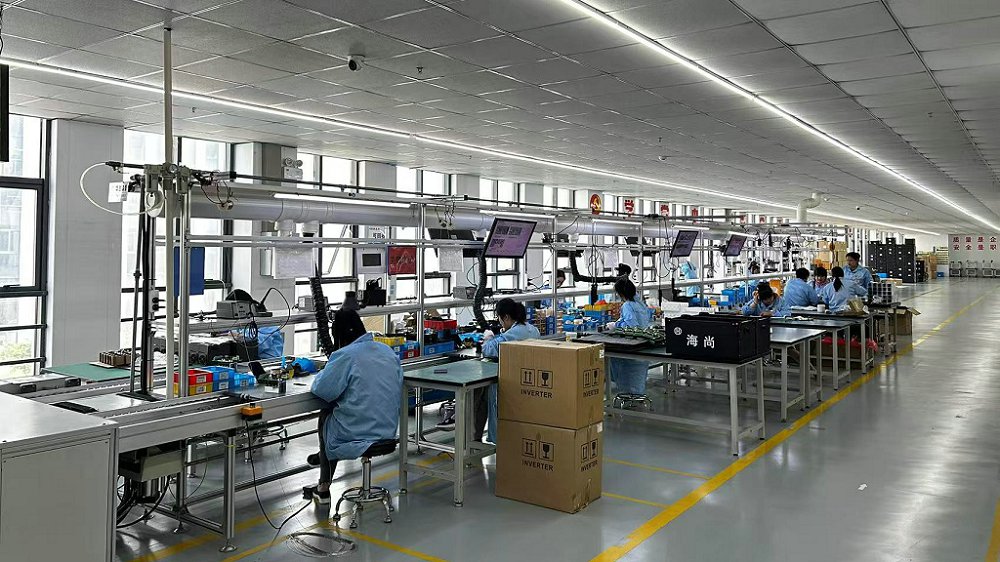
By using robotic Surface Mount Technology (SMT) and automated dip welding pipelines, we keep placement margins under 0.05mm. This limits manual assembly errors in complex controller PCBs.
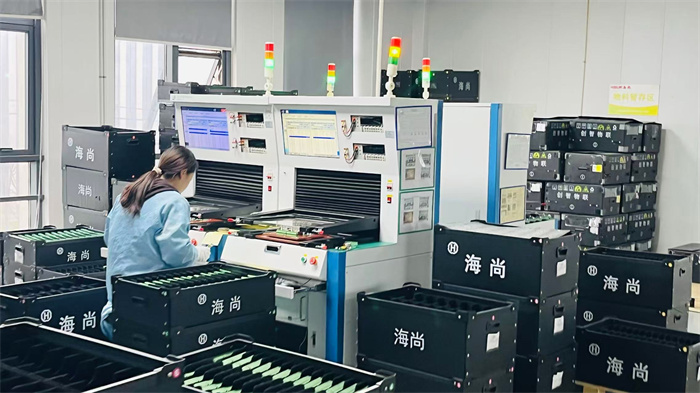
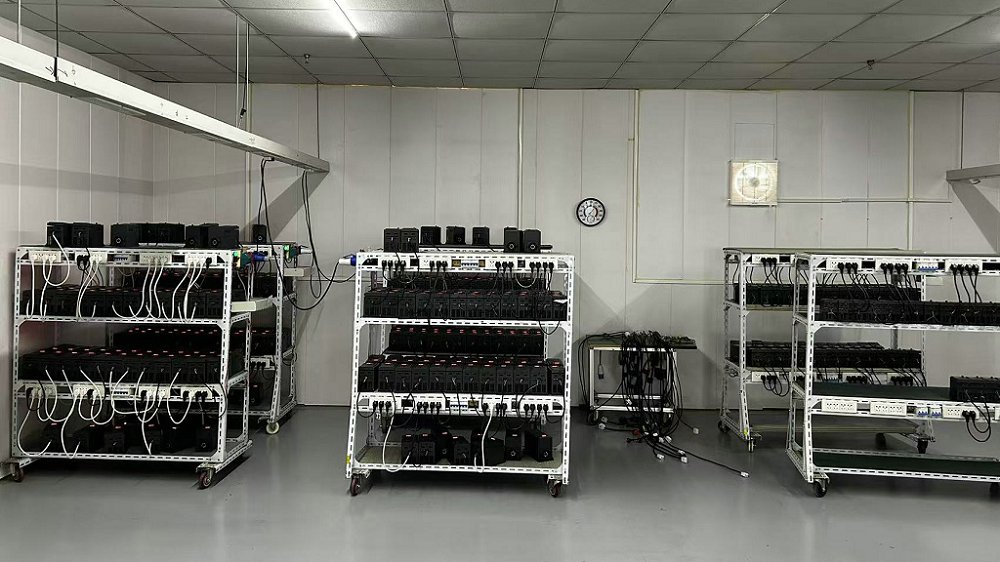
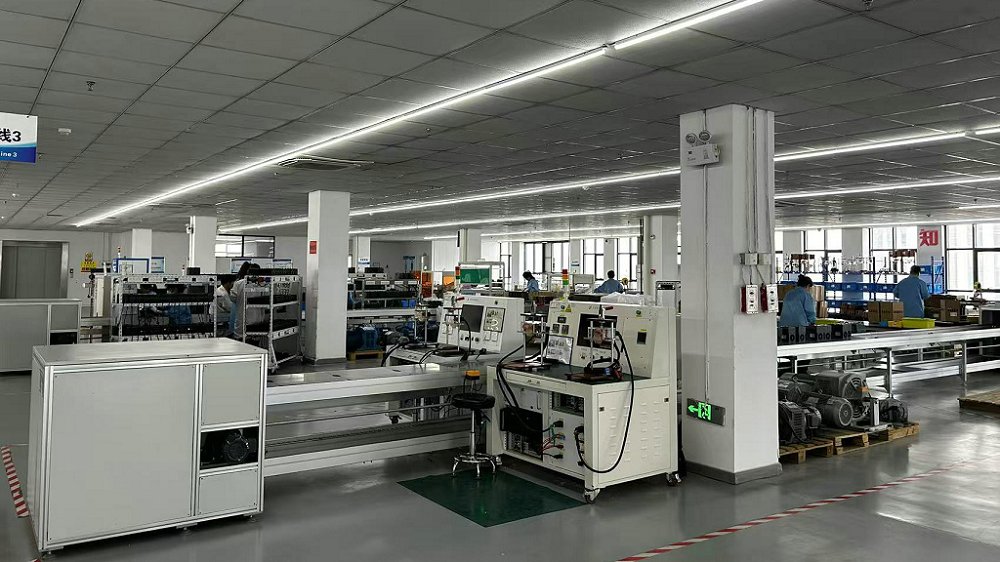
Every batch goes through strict Automatic Optical Inspection (AOI), solder paste inspection (SPI), and load-bank aging tests to prevent field failures in critical industrial systems.
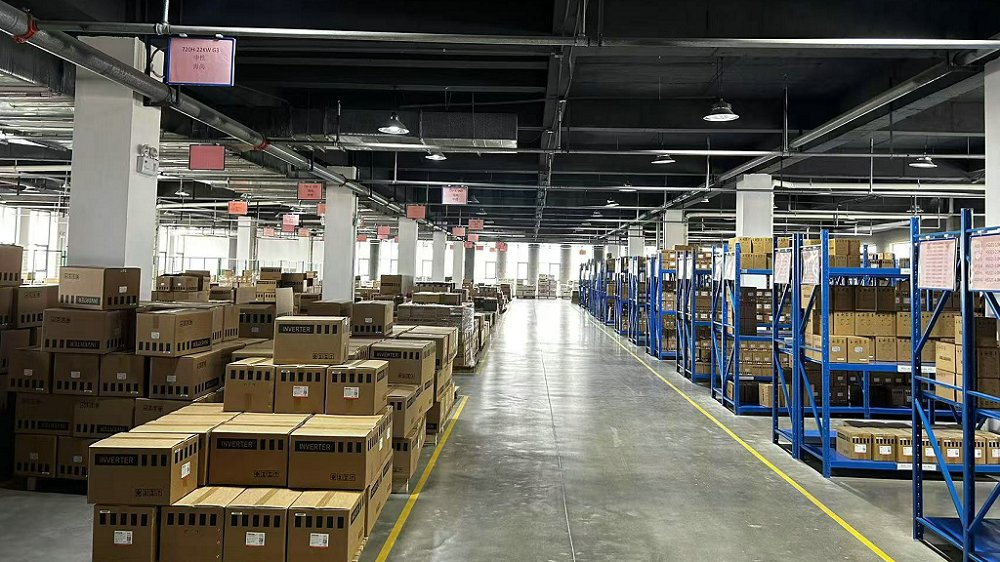
Located near Xiamen Port, we provide direct maritime shipping paths to the Port of Osaka. This ensures predictable delivery schedules and simplifies customs clearance logistics.
A professional provider of renewable energy solutions, dedicated to the research, development, manufacturing, and global distribution of advanced photovoltaic and energy storage products.
Xiamen Jonas Energy Co., Ltd. is headquartered in Xiamen, Fujian Province, China. With a strong commitment to innovation and sustainability, we offer a comprehensive portfolio of solar energy solutions, including solar panels, inverters, energy storage batteries, mounting systems, and complete solar power generation systems. Our products are designed to meet the diverse needs of residential, commercial, industrial, and utility-scale projects worldwide.
We work closely with internationally recognized manufacturers and technology partners to provide a wide range of reliable energy storage solutions, including wall-mounted batteries, all-in-one storage systems, rack-mounted batteries, and containerized energy storage systems (ESS). Through continuous innovation and strategic partnerships, we help customers achieve greater energy independence and efficiency.
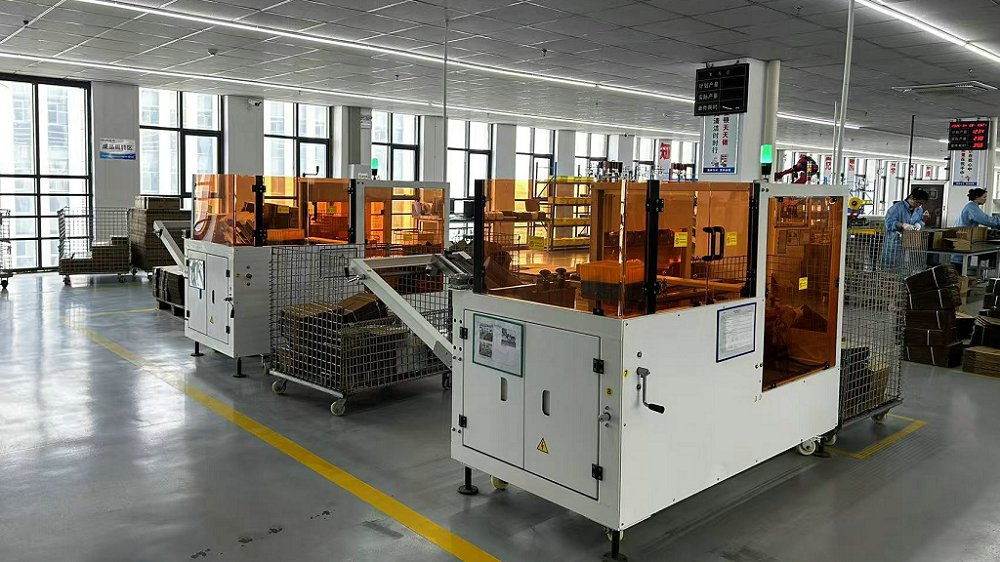
As a high-tech enterprise, Jonas Energy operates modern production facilities equipped with advanced manufacturing and testing equipment. Our annual production capacity reaches several gigawatts, enabling us to efficiently serve customers across global markets. Our experienced R&D team consists of highly qualified engineers and technical specialists who continuously focus on product innovation, performance optimization, and technological advancement in the renewable energy sector.
How our line of solar charge controllers integrates into Kansai's urban, commercial, and industrial ecosystems.
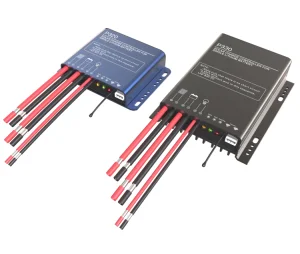
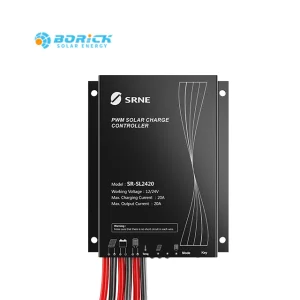
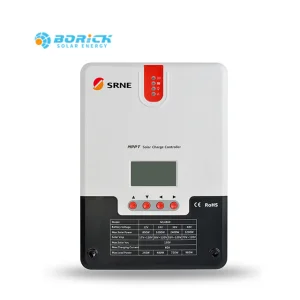
Using the IP67/IP68 waterproof series (such as the Srne Gen4 SL/DM lines), port operators run reliable off-grid marine beacons and security lighting systems that withstand humidity, salt fog, and heavy coastal storms.
Urban transport hubs in Osaka use our high-voltage MPPT controllers paired with rack-mounted batteries. This setup provides uninterrupted power for information screens and emergency signals during grid outages.
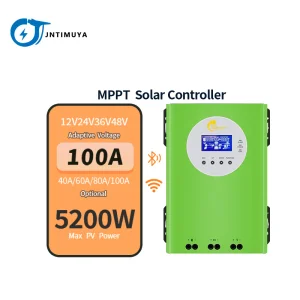
Greenhouses in suburban Osaka install 48V auto-recognition controllers to run automated ventilation and water-pump systems, reducing dependence on the main electricity grid.
Detailed technical answers to common questions about industrial solar charge controllers and global sourcing.
Industrial solar charge controllers use thermal sensors and charge-stage logic to prevent thermal runaway. When charging Lithium Iron Phosphate (LiFePO4) batteries, the controller tracks temperatures and reduces the charging current if the safety threshold is exceeded. This protects the battery cells from overheating during hot summer months in Osaka.
The total Open Circuit Voltage (Voc) of the connected PV panels must never exceed the controller's maximum input voltage rating (e.g., 100V, 150V, or 200V). In winter, when temperatures drop, the solar panels' output voltage increases. Engineers must calculate the minimum temperature profile of the installation site to ensure the voltage does not rise above safety limits.
Yes. We offer OEM/ODM services, including customized charging profiles, custom Modbus register addresses for SCADA integration, and localized labeling to match Japanese electrical safety expectations.
Our products are certified to meet international standards including CE, TUV, IEC 62109, and ISO9001. This ensures they comply with safety and performance regulations in Europe, Japan, and other global markets.
Explore our full line of industrial and residential solar regulators, hybrid power systems, and waterproof controllers.