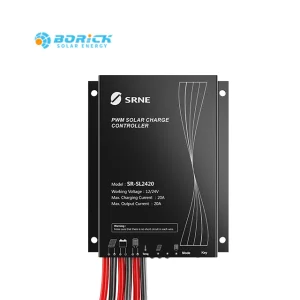
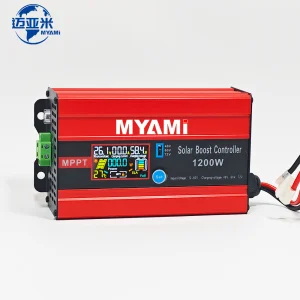
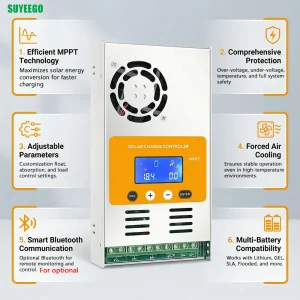
Engineered for maximum thermal resilience and dynamic grid synchronization, built to match Southern Italian solar environments.
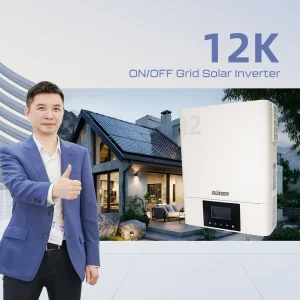
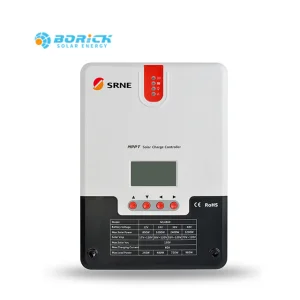
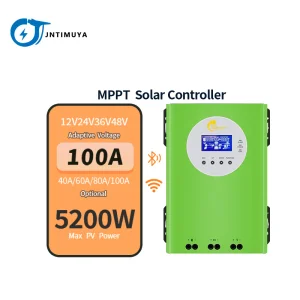
Analyzing localized solar irradiance profiles, regional grid dynamics, and technical compliance requirements in Southern Italy.
Naples, and the wider Campania region, is experiencing an accelerated adoption of commercial, industrial (C&I), and utility-scale solar installations. With solar irradiance levels averaging 1,550 to 1,750 kWh/m² annually, the thermodynamic potential for solar power generation in Southern Italy is among the highest in Europe. However, this potential is met with structural challenges in local grid distribution networks managed by E-Distribuzione. High energy tariffs during peak industrial hours have incentivized local logistics centers, food processing factories, and marine facilities around the Port of Naples to opt for hybrid PV and energy storage systems (BESS).
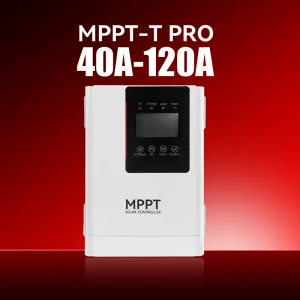
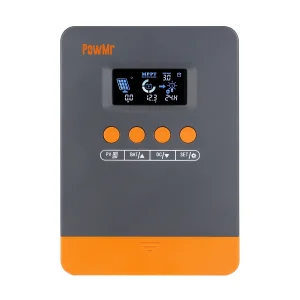
To ensure system stability, the role of Solar Charge Controllers has shifted from basic battery protection devices to highly integrated energy managers. These controllers utilize Maximum Power Point Tracking (MPPT) algorithms to extract maximum power from solar arrays, even during the intermittent cloud cover typical of the Neapolitan coast. Commercial operators require industrial-grade solar regulators that offer seamless integration with Modbus or CAN bus industrial networks, allowing system operators to monitor State of Charge (SoC), voltage fluctuation, and temperature drift in real-time.
Deploying solar power hardware in Naples requires strict adherence to European electrical codes and Italian national standards. Chief among these is the CE Marking, certifying compliance with EU safety, health, and environmental requirements. Additionally, charge controllers integrated into commercial systems connected to the Italian grid must comply with the grid code criteria outlined under CEI 0-21 (for low voltage connections) and CEI 0-16 (for medium voltage connections).
For industrial applications, the thermal rating of components is critical. The Mediterranean climate in Naples can bring ambient warehouse and equipment enclosure temperatures up to 45°C during summer peak hours. Charge controllers without robust thermal design will undergo thermal derating, reducing the charging current precisely when solar generation is at its peak. Our products solve this issue through advanced extruded aluminum heat sinks, intelligent multi-speed cooling fans, and high-temp-rated silicon carbide (SiC) MOSFETs, preventing system downtime.
Up to 99.9% MPPT efficiency ensures optimal power conversion from Southern Italy's 1,700 kWh/m² annual solar potential.
Designed and manufactured to meet European CE standards and Italian CEI 0-21 grid connection rules.
Full power performance up to 50°C ambient temperatures, preventing thermal shutdowns during hot Mediterranean summers.
How off-grid and hybrid charge controllers are customized to solve specific regional and industrial engineering challenges.
Marine environments demand IP67 or IP68 waterproof ratings to protect electronic circuitry from salt spray, humidity, and atmospheric corrosion. Charge controllers utilized on transport vessels, commercial docks, and peripheral lighthouses around the Gulf of Naples employ conformal coatings on PCBs and anodized aluminum casings to prevent electrochemical degradation.
Due to strict archaeological and aesthetic regulations in downtown Naples, PV installations are often micro-scale or fragmented across various roof profiles. This creates severe partial shading. Modern MPPT controllers with advanced tracking algorithms sweep the entire I-V curve in seconds, locating the global peak and minimizing energy loss from mismatching.
The agricultural belts surrounding Mount Vesuvius rely on autonomous irrigation systems. Off-grid solar pumps, powered directly by PV modules, utilize high-voltage MPPT controllers to manage water flow rates dynamically based on real-time solar intensity, bypassing the need for battery banks and reducing structural costs.
Selected systems providing active safety, automatic battery recognition, and robust environmental shielding.
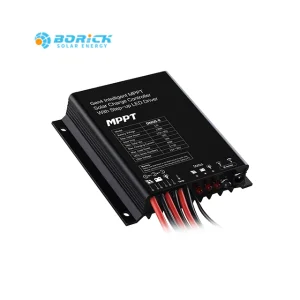
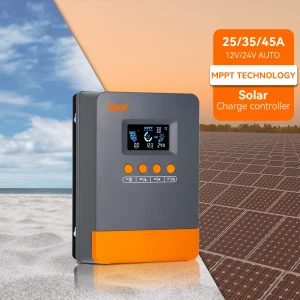
Exploring next-generation power electronics, topology design, and energy management algorithms shaping the PV sector.
How Xiamen Jonas Energy Co., Ltd. coordinates top-tier manufacturing processes to supply the Naples C&I solar sector.
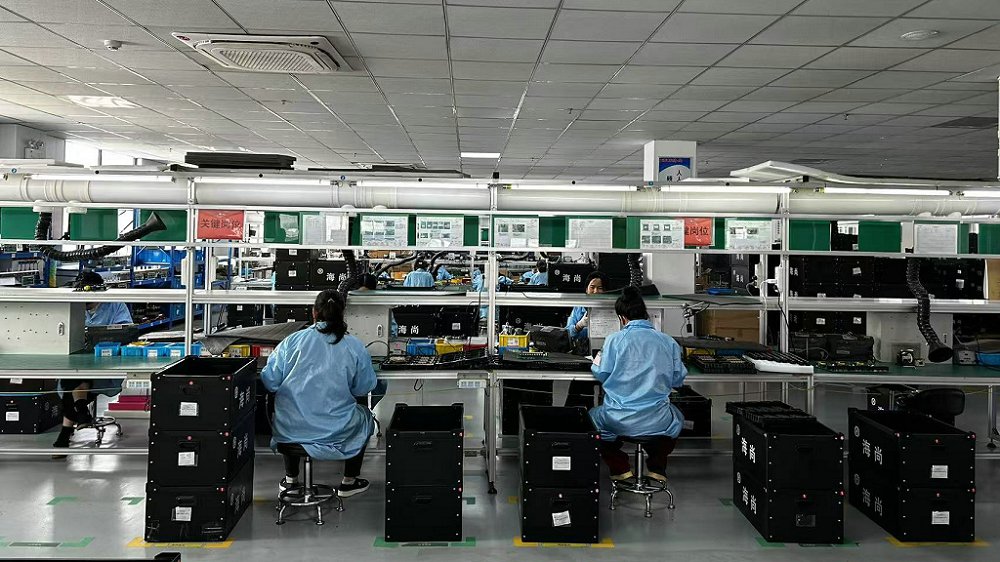
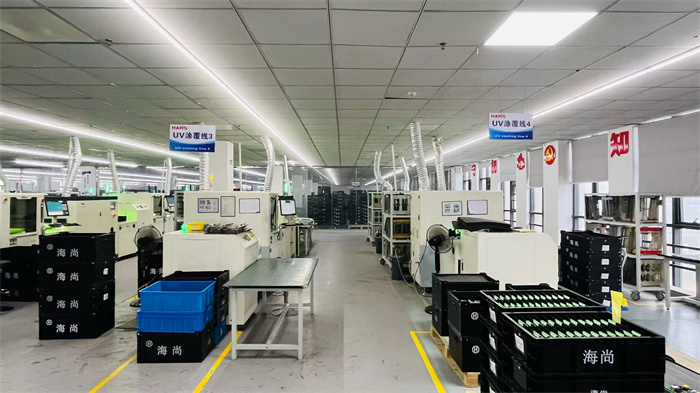
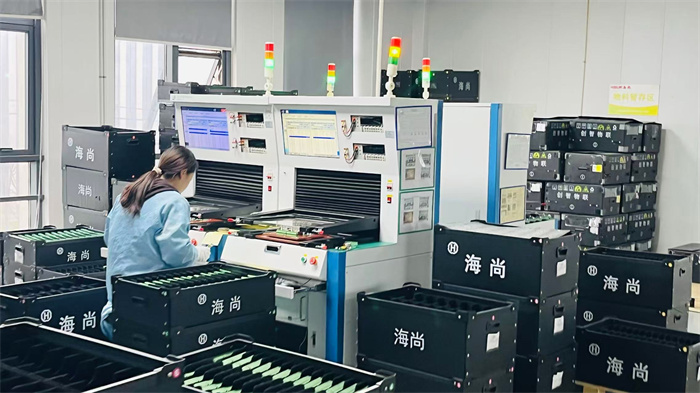
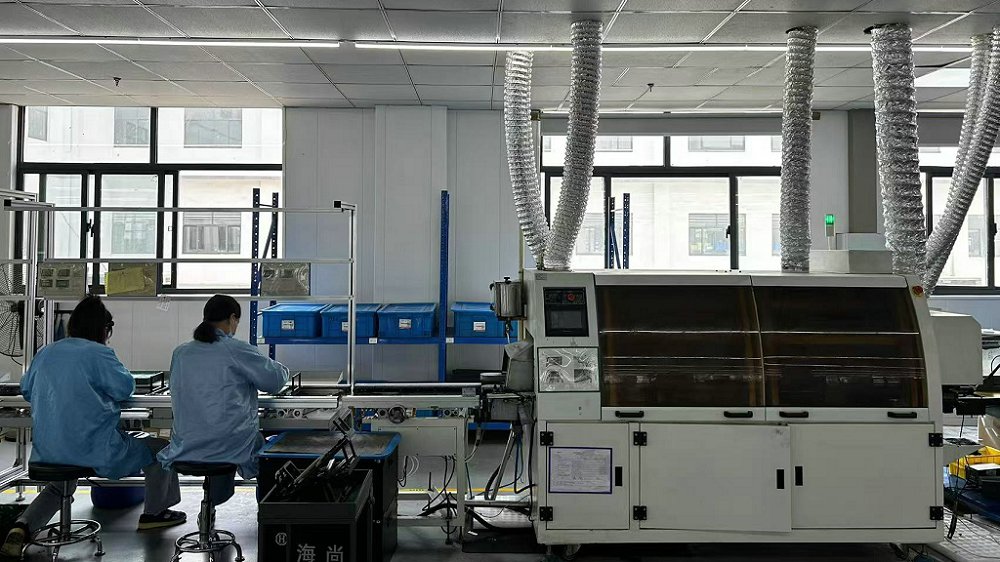
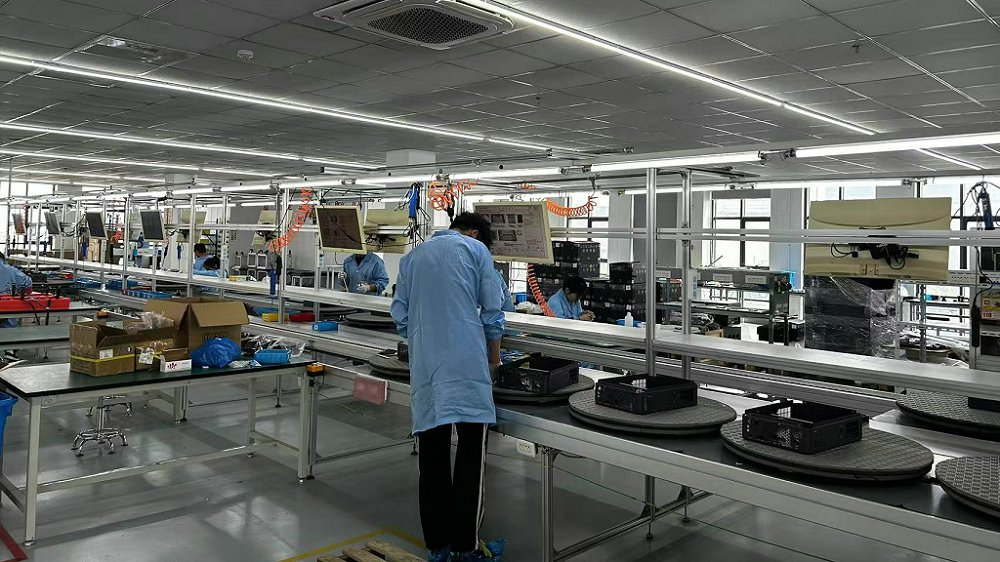
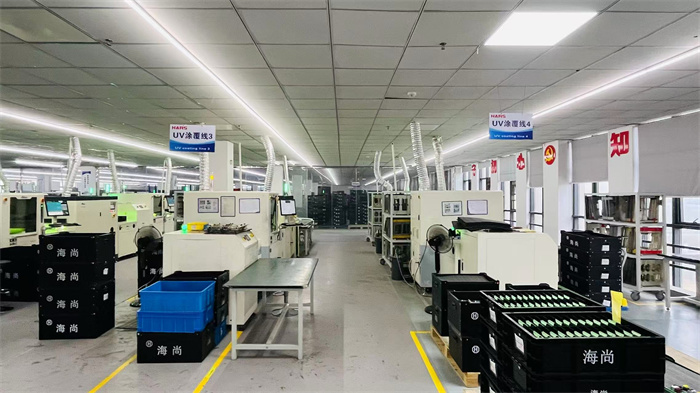
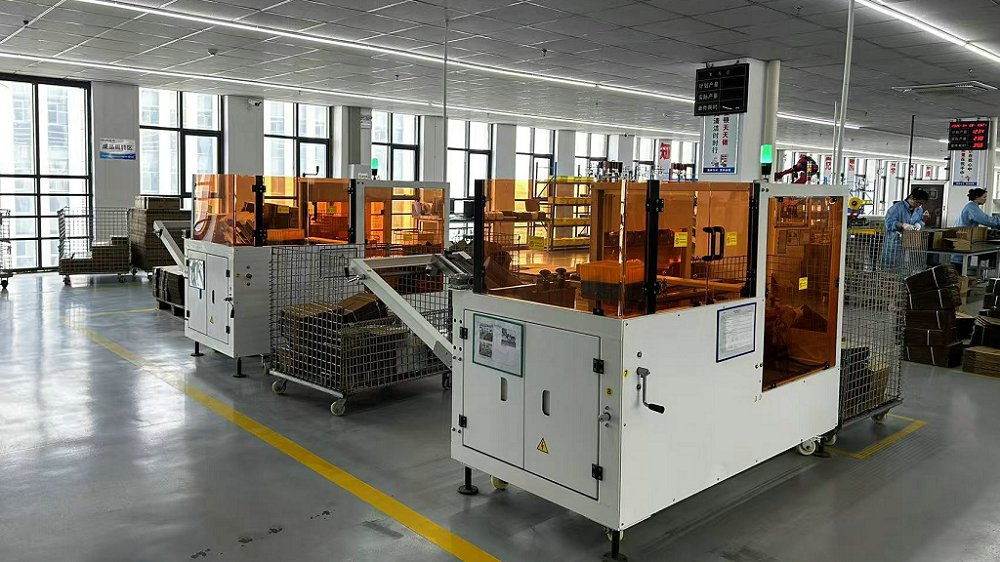
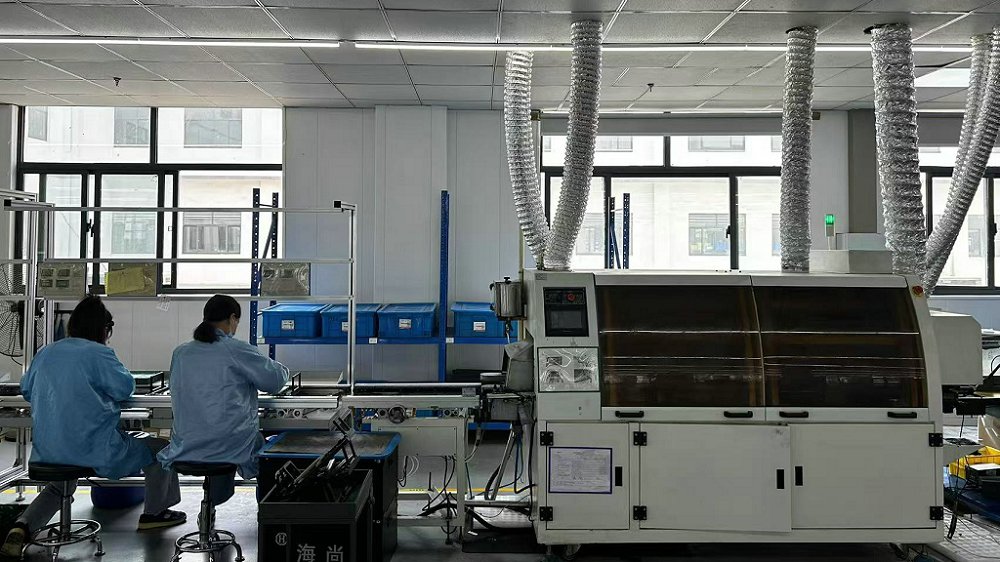
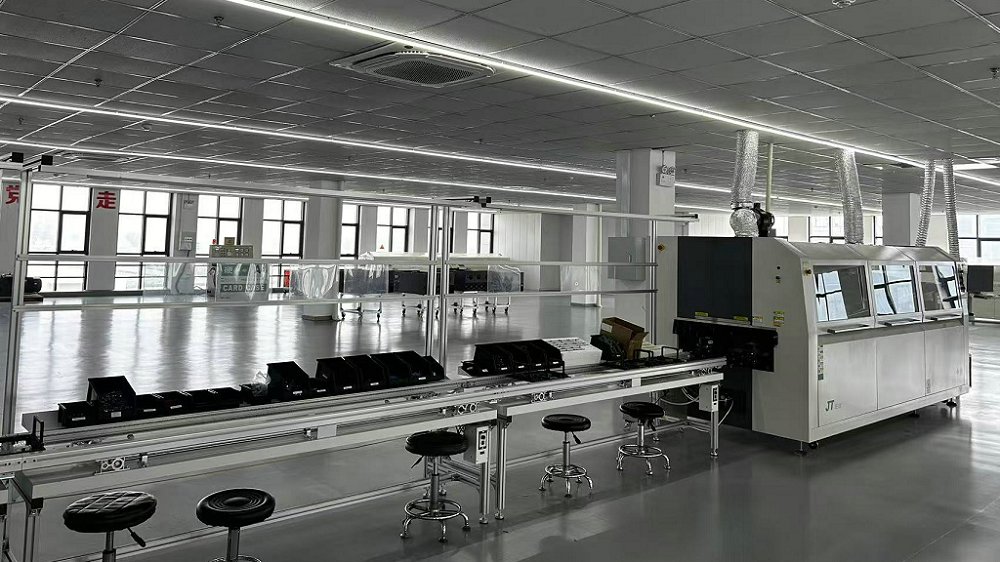
Xiamen Jonas Energy Co., Ltd., based in Fujian Province, China, is a vertically integrated provider of advanced photovoltaic and energy storage solutions. Sourcing direct from China’s leading solar manufacturing hubs allows Jonas Energy to maintain a robust, cost-effective supply chain. Our state-of-the-art production lines are equipped with automated pick-and-place SMT machines, high-precision solder paste inspection systems, and comprehensive automated optical inspection (AOI) units, ensuring that every printed circuit board assembly (PCBA) conforms to international electronics standards.
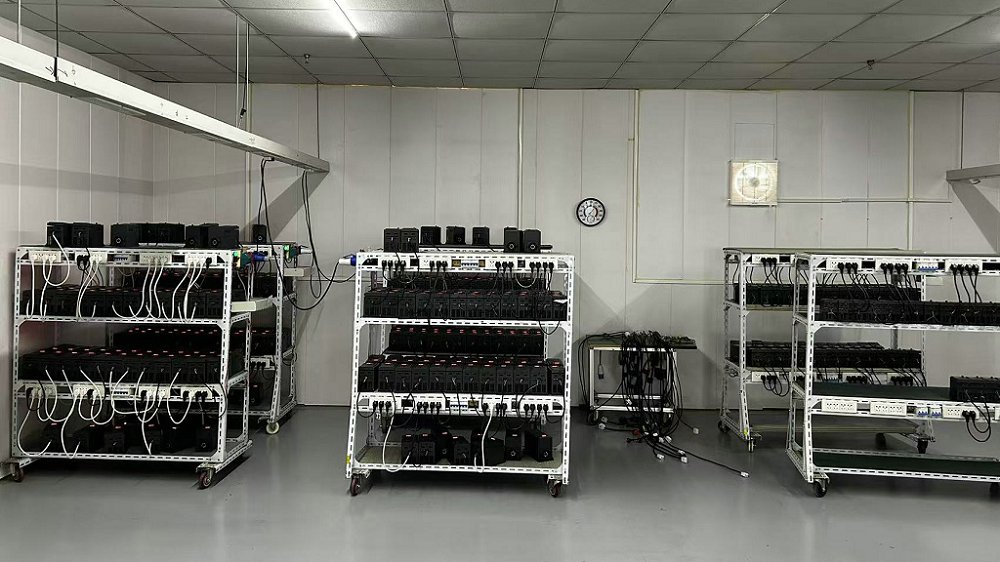
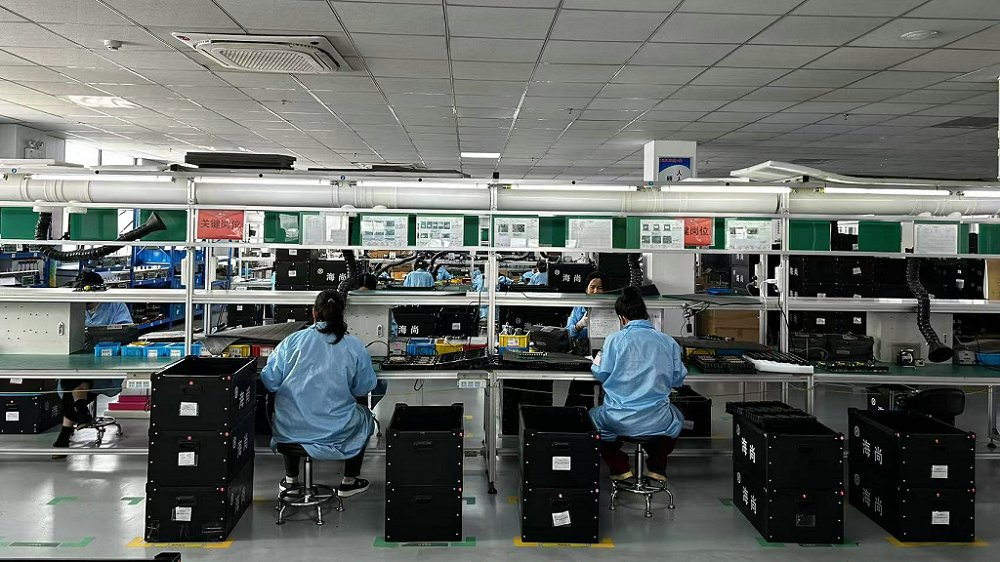
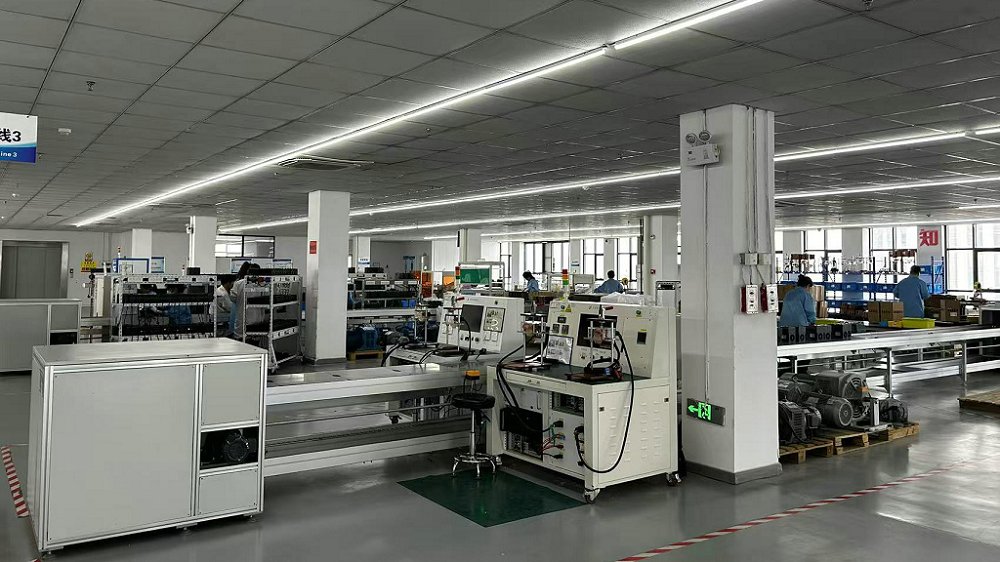
Before packing and shipment, every single charge controller undergoes a multi-stage quality assurance routine. This includes automated parameter calibration, insulation resistance testing, and an extensive thermal burn-in run under full-rated load conditions. This simulated high-stress testing identifies premature component wear, ensuring that our controllers operate reliably once deployed in demanding climates like Naples.
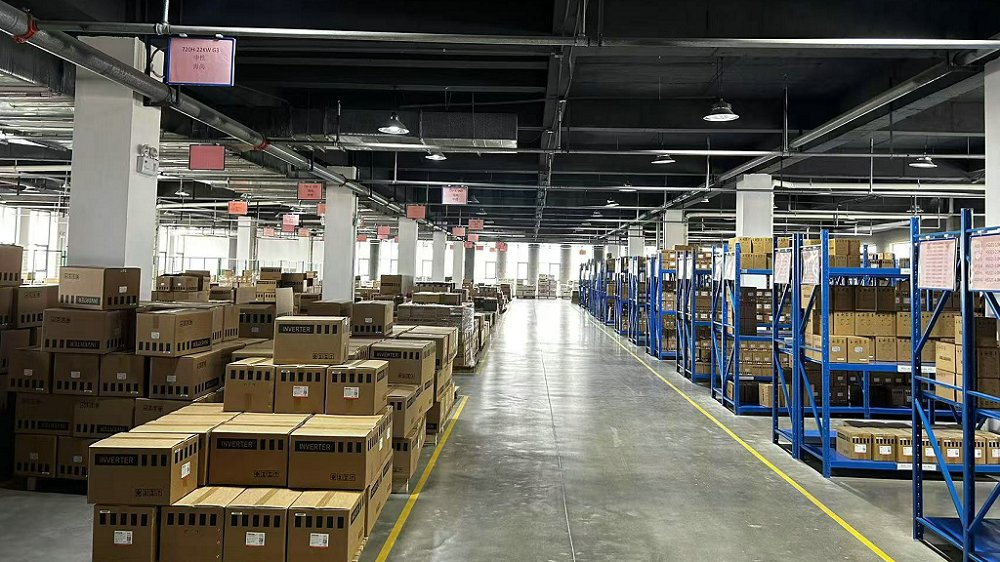
Operating a global export model, Jonas Energy maintains close partnerships with tier-one shipping lines and freight forwarders. This ensures reliable container transit from the Port of Xiamen to the Port of Naples (via Mediterranean trade lines), minimizing delivery times for large C&I projects. All shipping documentation, customs clearance papers, and compliance certifications are managed by our professional international trade division.
To support Neapolitan engineering firms, Jonas Energy offers full documentation, including comprehensive datasheet profiles, installation manuals, schematic templates for AutoCAD, and digital configuration tools. This documentation expedites the project approval phase with local Italian distribution system operators (DSOs) and local municipal planning offices.


How macroeconomic energy trends shape the demand and system integration parameters of solar regulators.
The global PV landscape is shifting towards higher system voltages to minimize transmission losses. In utility-scale projects and large C&I facilities, designers are moving from standard 100V systems up to 150V, 200V, and even higher PV input ratings. This change reduces the current running through cables, allowing installers to use thinner cables and lower installation costs. Modern charge controllers must adapt to these high-voltage inputs while maintaining efficient step-down conversion to match standard 48V battery systems.
Industrial facilities globally face high electricity rates based on peak usage. By integrating intelligent charge controllers into on-site battery storage systems, factories can engage in peak shaving—discharging batteries during peak hours and recharging them via solar or off-peak utility power. This strategy reduces utility charges and alleviates local grid congestion, which is a major concern in historic and dense industrial hubs like Naples.
Static MPPT Efficiency
Countries Supplied Globally
Annual Production Capacity
Pre-Shipment Aging Tested
Expert technical answers regarding solar charge controller selection, installation, and compliance in Italy.
Complete product range featuring customizable configurations, waterproof options, and integrated communication hubs.
 Jonas Energy