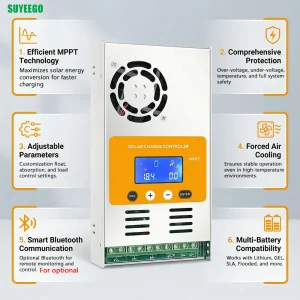
Solar Charge Controller Factories & Exporters in the Berlin Market

Strategic High-Yield PV Regulation Solutions for German Commercial, Industrial, and Off-Grid Infrastructure

The Berlin Solar Expansion: Commercial & Industrial Frameworks

The Berlin metropolitan region, driven by the ambitious mandate of the Berlin Solar Act (Solargesetz Berlin), has entered a transformative era of clean energy adaptation. As Germany transitions toward complete climate neutrality by 2045, decentralized commercial photovoltaic installations have shifted from a choice of sustainability to a core statutory requirement. Since January 2023, new commercial structures and substantial roof restorations exceeding 50 square meters of usable area are mandated to generate solar electricity. This legal architecture has created an unprecedented surge in demand for reliable power conditioning equipment, placing high-quality solar charge controllers at the center of localized grid operations.

In Berlin's diverse landscape—ranging from industrial zones in Spandau and Tempelhof-Schöneberg to the research hubs of Adlershof—commercial actors are increasingly investing in off-grid energy backup systems, localized microgrids, and peak-shaving battery arrays. These industrial systems rely on MPPT (Maximum Power Point Tracking) technology to safeguard sensitive lithium iron phosphate (LiFePO4) storage banks while extracting maximum yield from low-irradiance conditions characteristic of Northern European winter seasons.

2045
Germany Net-Zero Goal
99.8%
MPPT Tracking Efficiency
100%
Solargesetz Compliant
IP68
Industrial Waterproof Grade

Technical Dynamics of the Berlin Solar Microgrid

Solar charge controllers operating within the Berlin network must overcome several environmental and grid-technical barriers. During the winter months, Germany experiences low solar altitudes and significant cloud cover. To capture sufficient energy, systems must employ multi-stage tracking algorithms with ultra-fast dynamic responses. Traditional Pulse Width Modulation (PWM) systems are rapidly being phased out of commercial grids, replaced by high-amperage MPPT systems capable of adapting to rapid changes in solar irradiance.

Furthermore, local safety regulations enforced by the German Federal Network Agency (Bundesnetzagentur) and local distribution system operators (DSOs) demand absolute reliability in anti-islanding mechanisms, overvoltage protection, and electromagnetic compatibility (EMC). High-efficiency charge controllers act as the gatekeepers of local battery health, ensuring long-term system stability and optimal return on investment (ROI) for European asset managers.
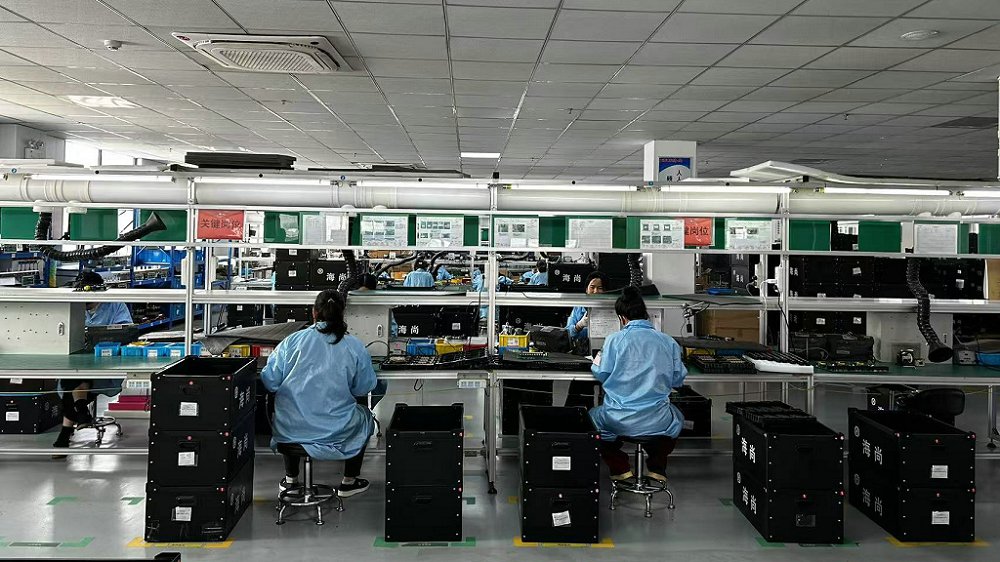
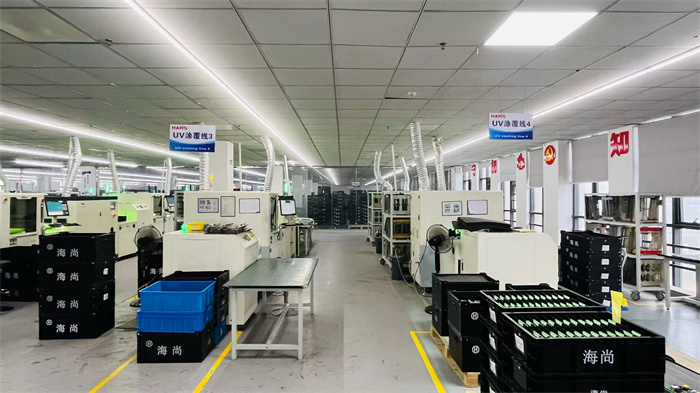
Advanced Manufacturing & Global Supply Chain Resilience

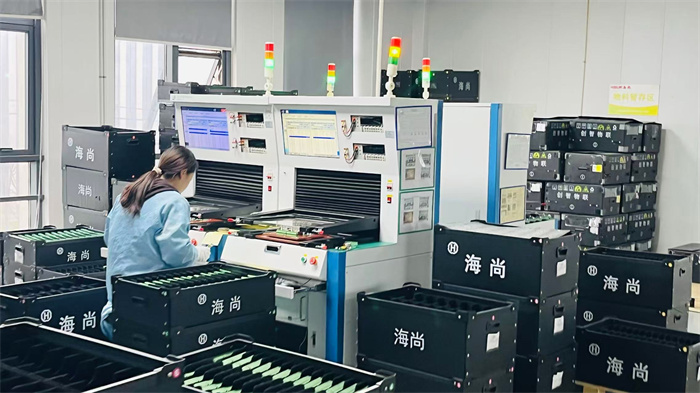
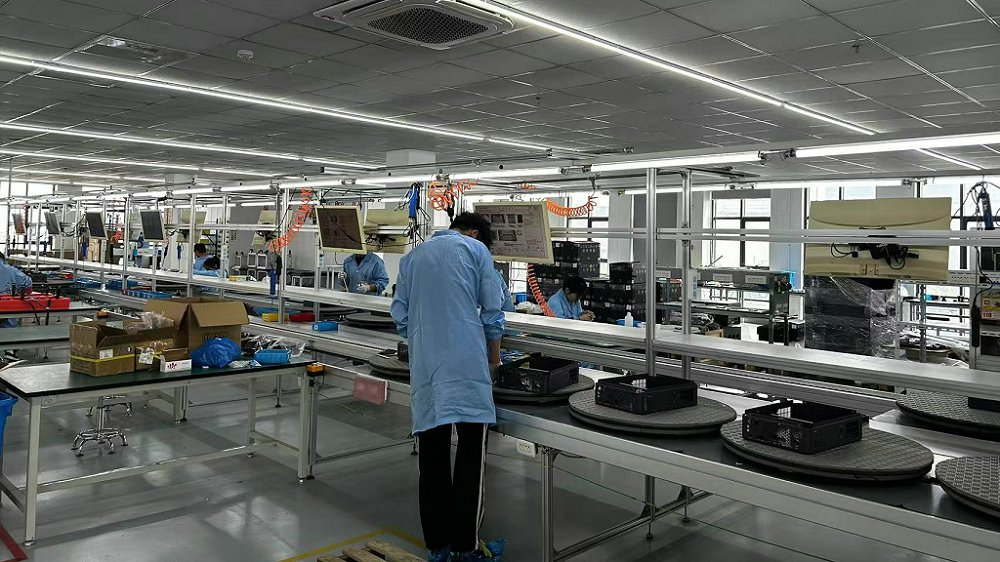
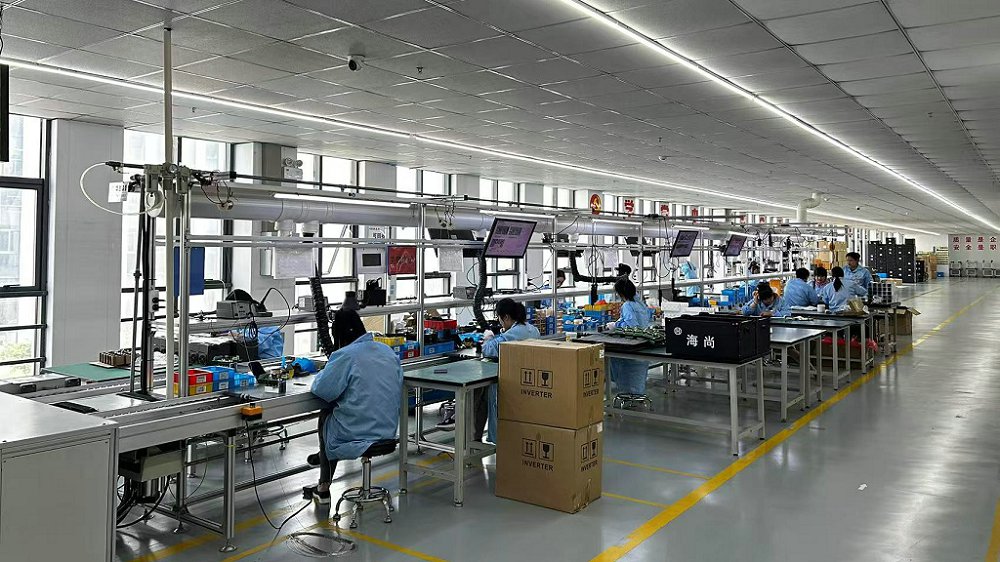
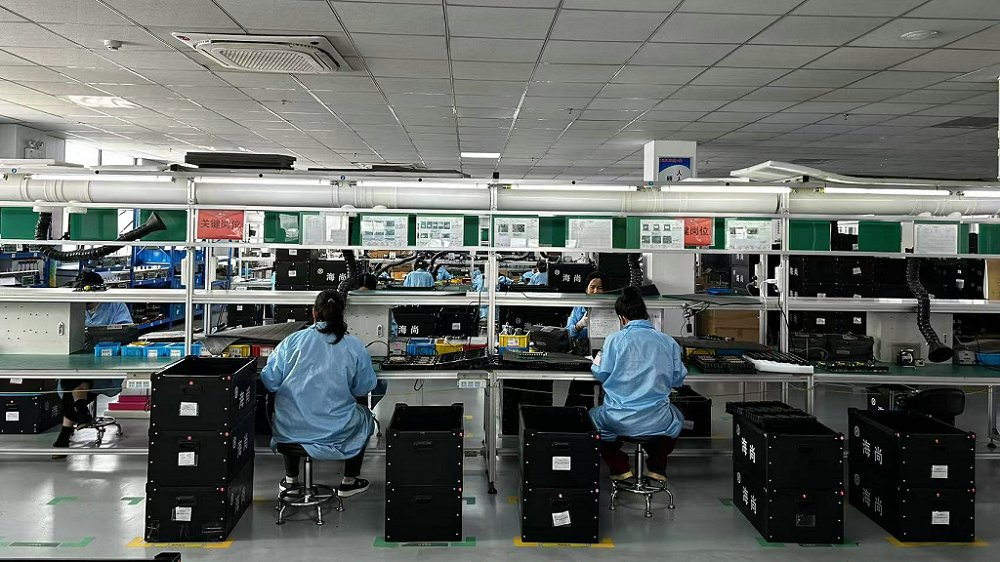
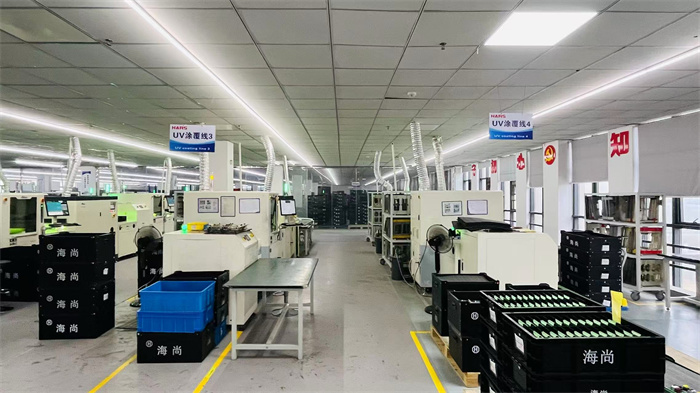
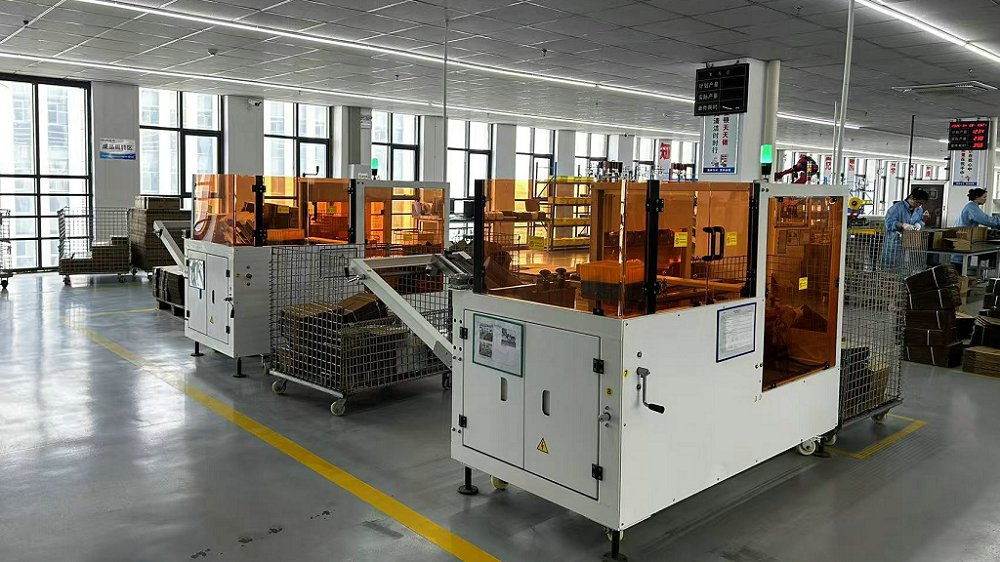
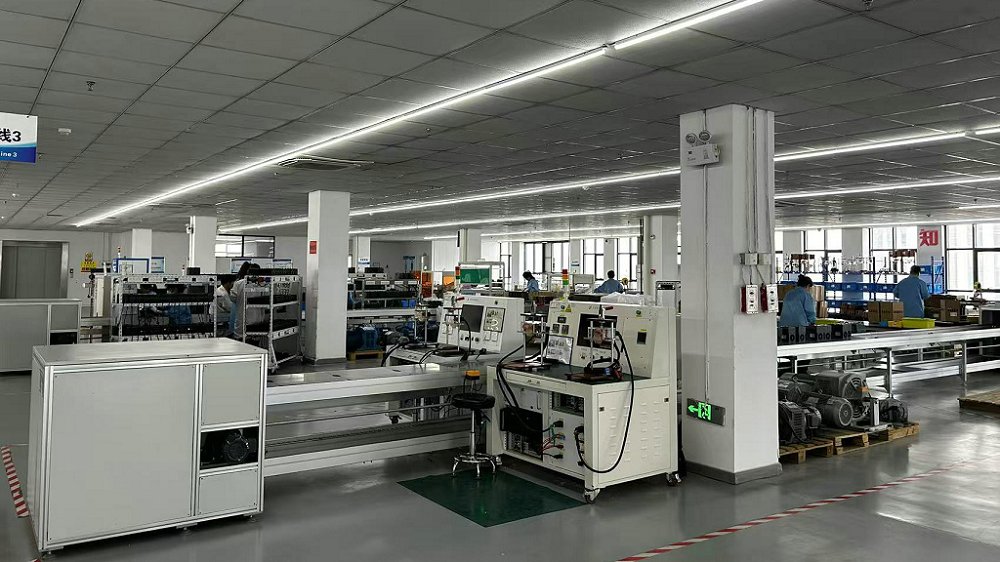
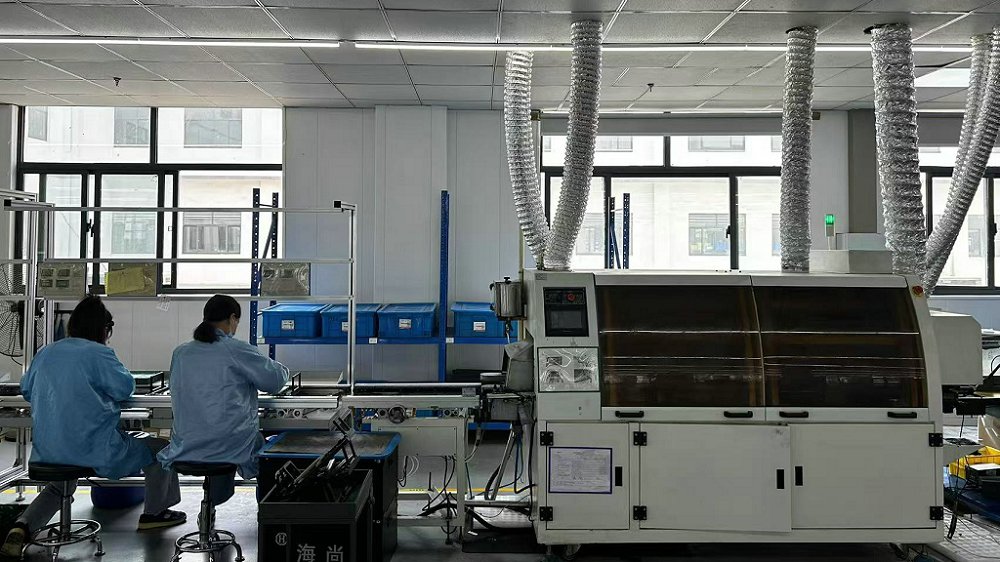
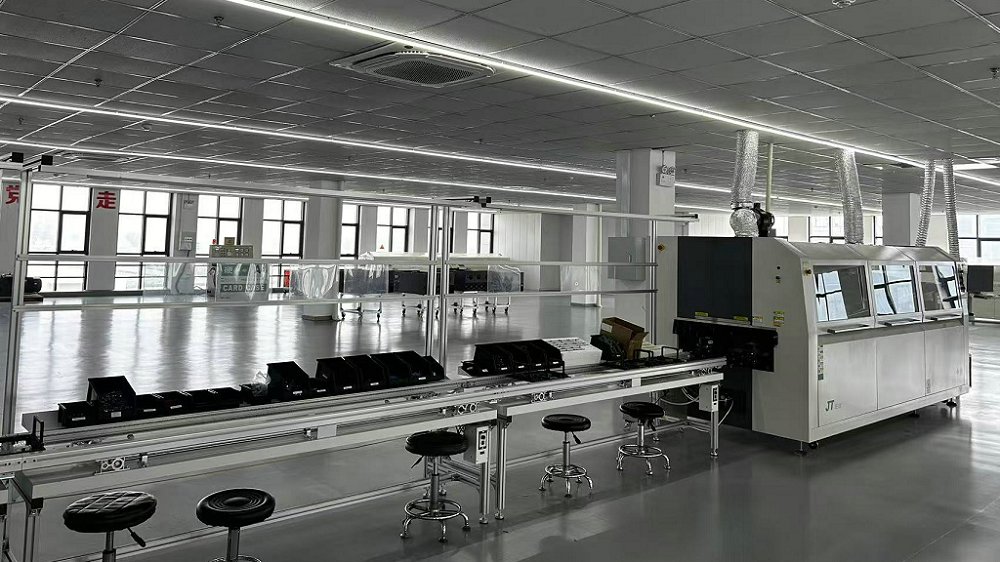
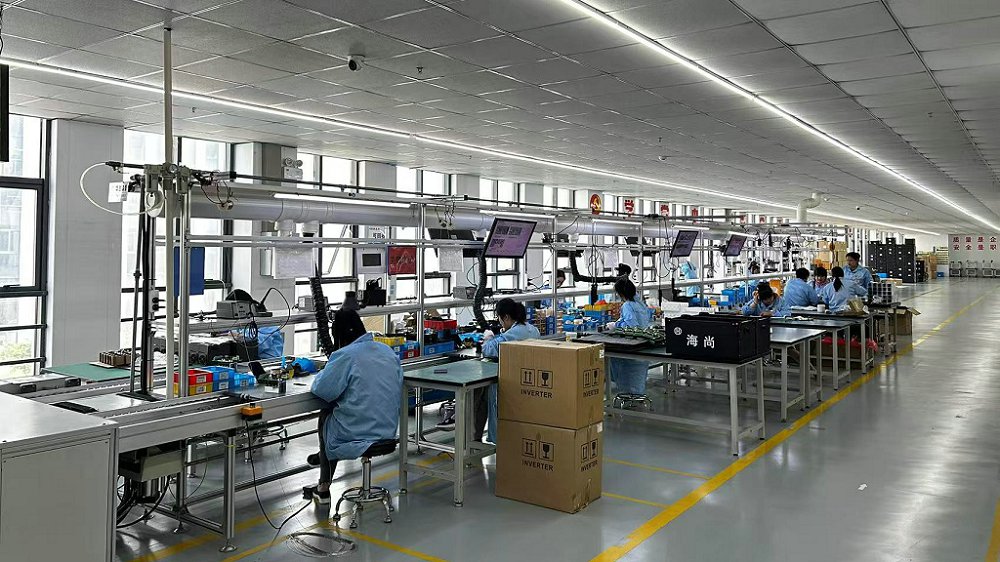
Xiamen Jonas Energy Co., Ltd. integrates advanced Factory 4.0 production lines to deliver high-reliability components that meet rigorous German industrial criteria.

Precision Automated SMT

Our production facilities utilize automated surface-mount technology (SMT) and precise pick-and-place lines to minimize component-level failures and guarantee long-term thermal dissipation profiles.

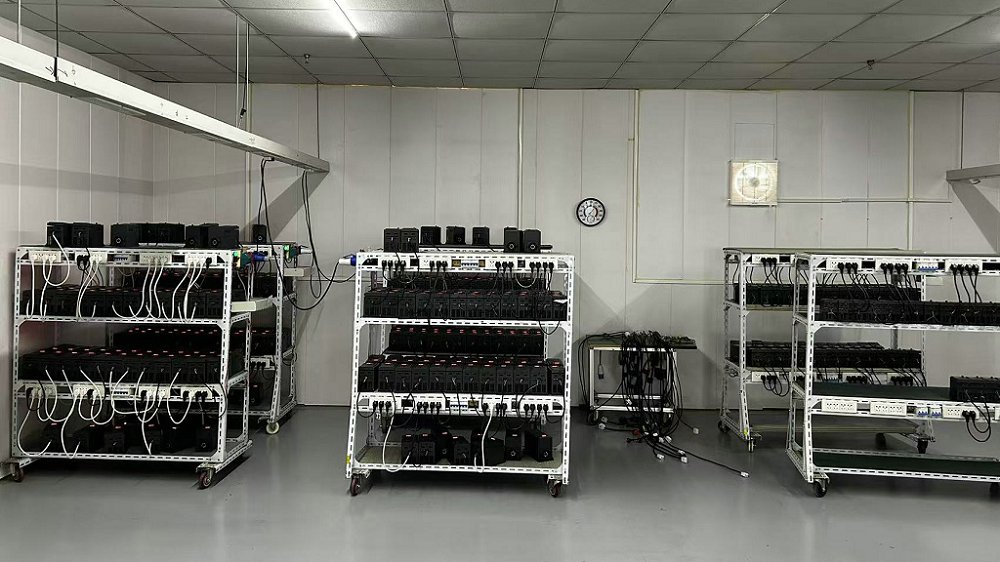
Rigorous Aging & Environmental Stress

Every charge controller undergoes multi-hour operational temperature stress tests and load cycle simulations to certify performance under harsh winter climates and intense summer heat.

Global Compliance Certifications

Jonas Energy ensures complete alignment with European compliance directives. All products are fully CE, TUV, IEC, and RoHS certified to allow seamless custom clearance and grid integration.

Global Procurement Standards & Technical Criteria

When engineering procurement offices in Germany, the EU, or the Americas source solar charge controllers, they evaluate potential manufacturers based on technical indicators and compliance frameworks. In the B2B solar space, the primary decision drivers are lifetime system cost and performance reliability.

Key Technical Selection Parameters:

  • Tracking Efficiency & Algorithm Speed: Advanced MPPT systems must dynamic-track changes under fast cloud shading conditions. High-efficiency trackers regularly capture up to 30% more energy than standard PWM regulators.
  • Battery Compatibility Profiles: As lithium (LiFePO4) replaces lead-acid batteries, the controller must have fully customizable charge profiles, overcharge/undercharge hardware cutoffs, and cell temperature monitoring.
  • Industrial Grade Heat Dissipation: Natural convection or smart fan-assisted heat dissipation determines the system lifespan. Aluminum alloy heatsinks combined with thermal grease are mandatory for heavy-duty commercial loads.
  • Smart Communication & Connectivity: Modern smart-grid and IoT applications require controllers to offer RS485, CAN bus, or Modbus protocols to allow centralized industrial monitoring.

Supply Chain Resilience (China 4.0 to Berlin)

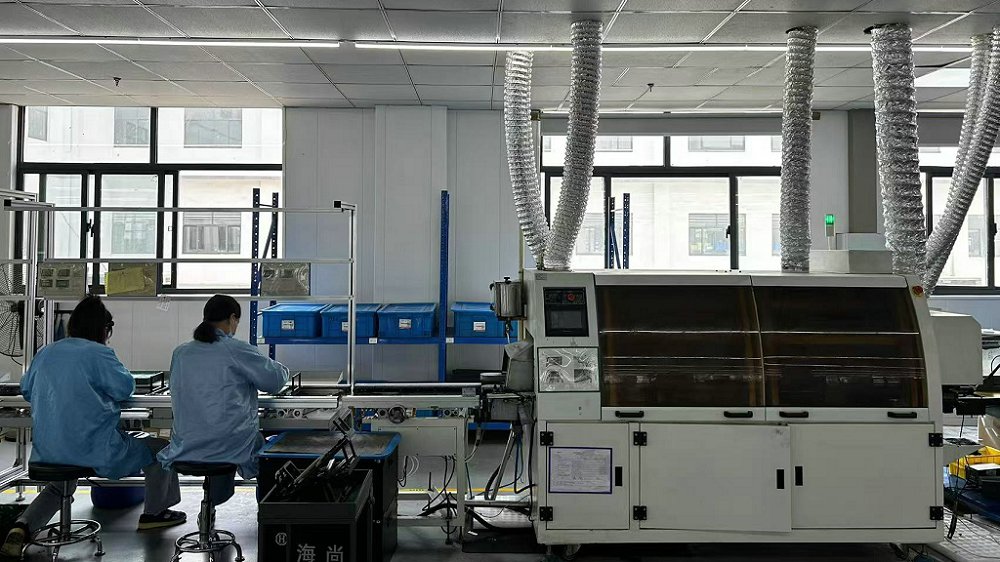
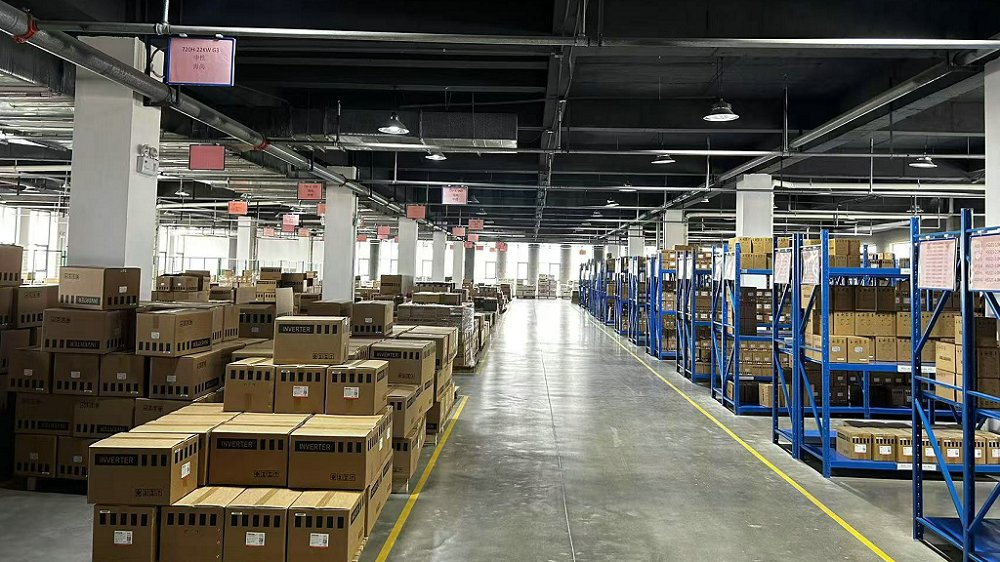
Xiamen Jonas Energy Co., Ltd. addresses geopolitical supply risks by securing localized raw materials, implementing vertically integrated manufacturing (from plate making and dip welding to final aging tests), and maintaining strategic logistics pipelines. By doing so, we ensure a stable supply of CE-certified equipment directly to European ports, neutralizing supply bottlenecks that frequently halt European infrastructure developments.

Comprehensive Industrial & Commercial Solar Controller Inventory

Direct supply options for off-grid lighting, battery bank management, high-amperage solar farming, and hybrid energy storage systems.

Industrial Application Scenarios in Berlin

Deploying solar regulators in Northern Europe demands custom adaptation for specific application profiles. Here are four common scenarios where Xiamen Jonas Energy controllers deliver stable, grid-compliant energy yields:

1. Municipal Solar Street Lighting (Berlin-Mitte & Spandau)

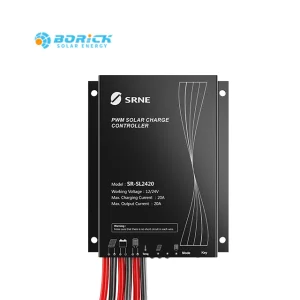
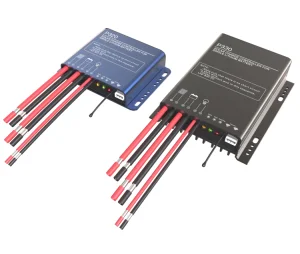
Berlin's municipal green policies encourage decentralized solar street lamps to alleviate grid dependency. Utilizing the IP67/IP68 Waterproof Smart Solar Charge Controllers (like the Gen4 SR-DM and P330 series), municipal installations operate seamlessly through wet, freezing winters. Integrated wireless communication allows remote status reporting, drastically lowering local utility maintenance costs.

2. Commercial Building Solar Mandate (Berlin Solargesetz)

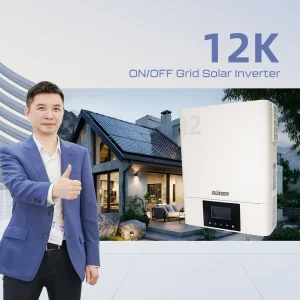
To meet the statutory requirements for new construction, commercial buildings implement custom battery banks coupled with the 12kW Hybrid Solar Power Systems. These systems manage grid feed-in and battery storage priority dynamically, ensuring commercial enterprises utilize 100% of their rooftop solar generation while providing reliable UPS backup power.

3. Brandenburg Agri-PV & Remote Power Plants

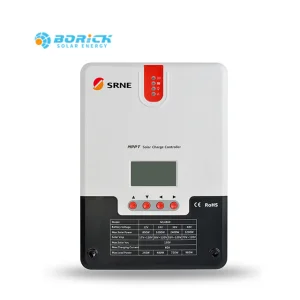
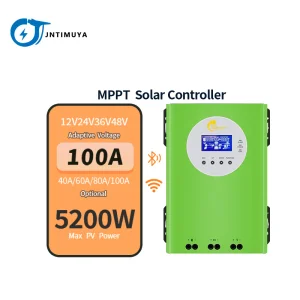
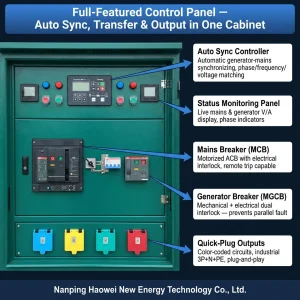
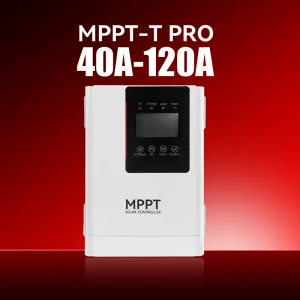
In rural areas surrounding Berlin, agricultural facilities are increasingly utilizing Agri-PV systems. High-amperage MPPT solar charge controllers, such as the 48V 200A or the 100A-630A Synchronizing systems, regulate solar harvest from large bifacial panel arrays. They ensure that power quality remains stable before transmission to localized agricultural battery banks or diesel generator sync modules.

4. Decentralized Off-Grid Telecommunication Towers

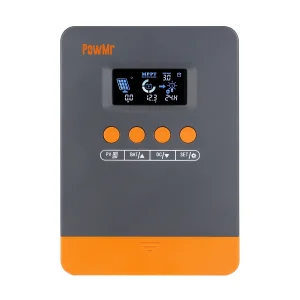
Industrial communications arrays located in the outskirts of Berlin require absolute uptime. Using redundant 80A MPPT controllers with multi-stage smart charging, telecom providers protect their delicate LiFePO4 battery infrastructure, avoiding costly emergency service runs to remote sites during extended cloudy periods.

Frequently Asked Questions (FAQ)

Industry-focused answers regarding solar regulator integration, custom specifications, and Berlin logistics.

How does the Solargesetz Berlin affect solar equipment procurement? +

The Berlin Solar Act mandates that new buildings and major roof renovations over 50m² of usable area install PV systems. For commercial facilities, this requires integrating commercial-grade storage systems. Utilizing certified MPPT charge controllers ensures these installations maximize energy capture and comply with local German DSO grid safety standards.

Why are MPPT controllers preferred over PWM controllers in Germany? +

Germany experience highly variable weather and low solar angles, especially during winter. MPPT controllers dynamically adjust their input voltage to harvest the maximum power point of the solar panel, resulting in 20% to 30% more energy harvest compared to PWM controllers under cloudy or low-light conditions.

Does Jonas Energy support CE and VDE certifications for Germany? +

Yes, all Xiamen Jonas Energy products exported to the European market carry necessary safety and performance certifications, including CE, IEC, and RoHS. We ensure our technical specifications align with VDE application rules to facilitate seamless integration into German grids.

What battery chemistries are supported by Jonas Energy controllers? +

Our solar charge controllers support various battery profiles, including Lithium Iron Phosphate (LiFePO4), Lithium-ion (NMC), Gel, AGM, and traditional Lead-Acid batteries. Multi-stage charging algorithms can be manually customized through built-in LCD panels or via remote communications interfaces.

What is the standard lead time for bulk B2B shipping to Berlin? +

Standard sea freight from our Xiamen facility to German ports (such as Hamburg or Bremerhaven) takes approximately 30 to 40 days. For urgent infrastructure requirements, air freight can be arranged. We support various trade agreements, including FOB, CIF, and DDP, depending on project needs.

Accelerate Your Solar Infrastructure Projects

Get in touch with Jonas Energy’s technical consulting desk. Our engineers will assist you in sizing, configuring, and sourcing the optimal charge controllers and hybrid inverters for your local projects.

Send Inquiry Now