High-performance engineering standards. Optimized for large-scale utility solar and microgrids across Selangor, Johor, and Northern Peninsular Malaysia.
Malaysia is undergoing a rapid clean energy transformation. Guided by the National Energy Transition Roadmap (NETR), the country aims to increase its renewable energy capacity to 70% by 2050. This ambitious roadmap has spurred massive investments in utility-scale ground-mounted solar installations, floating solar farms on reservoirs, and industrial rooftop installations under the Net Energy Metering (NEM 3.0) scheme. However, building reliable solar infrastructure in Malaysia poses unique challenge profiles that demand rigorous component specification.
To mitigate project downtime and secure continuous power generation, international and local EPC contractors operating in Malaysia strictly require PV wires certified to EN 50618 (H1Z2Z2-K) and connectors that conform to IEC 62930 / DIN EN 62852 standards. High-integrity Balance of System (BOS) components prevent critical energy losses, minimize contact resistance, and ensure the 25-year operational lifecycle of both utility projects and C&I installations.
The global solar energy paradigm is quickly shifting from 1000V DC architectures to high-efficiency 1500V DC topologies. This progression allows developers to execute longer string configurations, reducing total cable run volume, decreasing combiner box quantity, and cutting overall project labor costs by up to 25%. In Malaysia, large-scale solar projects (LSS4 & LSS5) are utilizing 1500V systems to maximize yield and offset rising land development costs.
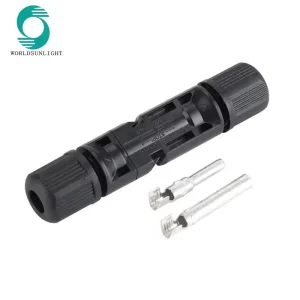
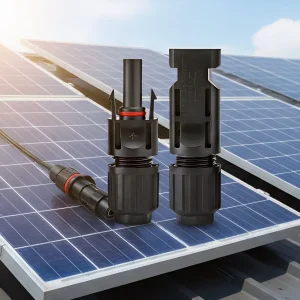
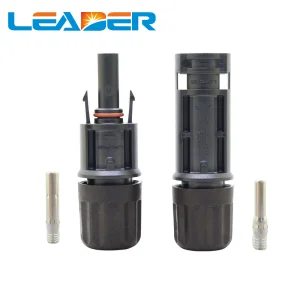
Standard PVC cables are highly susceptible to voltage breakdown when subjected to high-voltage stresses over decades. Xiamen Jonas Energy provides specialized XLPO (Cross-linked Polyolefin) insulated solar cables that exhibit exceptional dielectric strength, oil resistance, and zero-halogen low-smoke emission characteristics. Our 1500V connectors feature advanced polyphenylene ether (PPE) casing materials that maintain dimensional stability under extreme mechanical loads and high-temperature conditions.
Malaysia is progressively exploring floating solar systems on hydro reservoirs (e.g., Tasik Kenyir) and coastal locations. These damp, saline environments require cables and connectors with robust water-tight seals (IP68 rating) and corrosion-resistant contact terminals. Tin-plated copper cores are mandatory to avoid galvanic corrosion and prevent water ingress along the strands, which otherwise causes internal oxidation and system failure.
Engineered for heavy-duty commercial solar rooftop systems and utility-scale networks across the Malaysian Peninsula.
At Xiamen Jonas Energy, we do not just ship raw components; we provide integrated, system-level solutions tailored to specific commercial scales:
Our utility-grade solutions focus on minimized Levelized Cost of Energy (LCOE). Our 1500V IP68 connectors and XLPO PV cables are designed to minimize line resistance losses over massive distances, guaranteeing optimal performance under the Malaysian sun. With robust mechanical locks and anti-UV formulations, these cables prevent system faults caused by standard ground tracking and thermal expansions.
Industrial rooftops, especially in coastal industrial zones like Penang, Port Klang, and Pasir Gudang, are exposed to severe atmospheric salinity and acid rain. Our tin-plated copper cables prevent internal copper oxidation, and our high-impact PPE/PA connector housings provide strong acid and chemical resistance. Additionally, we provide custom wire harness lengths to streamline rooftop installations and minimize complex field termination mistakes.
For rural electrification programs in East Malaysia (Sabah and Sarawak), system reliability is crucial. Long-lasting, plug-and-play solar connectors enable simple maintenance for community centers and microgrid operators. Our components minimize the need for specialized technicians and safeguard systems against outages caused by moisture ingress and environmental degradation.
Headquartered in Xiamen, Fujian Province, China, Xiamen Jonas Energy Co., Ltd. is a professional provider of renewable energy solutions. Since our establishment, we have been dedicated to the research, development, manufacturing, and global distribution of advanced photovoltaic and energy storage products.
With a strong commitment to innovation and sustainability, Jonas Energy offers a comprehensive portfolio of solar energy solutions, including solar panels, inverters, energy storage batteries, mounting systems, and complete solar power generation systems. Our products are designed to meet the diverse needs of residential, commercial, industrial, and utility-scale projects worldwide.
We work closely with internationally recognized manufacturers and technology partners to provide a wide range of reliable energy storage solutions, including wall-mounted batteries, all-in-one storage systems, rack-mounted batteries, and containerized energy storage systems (ESS). Through continuous innovation and strategic partnerships, we help customers achieve greater energy independence and efficiency.
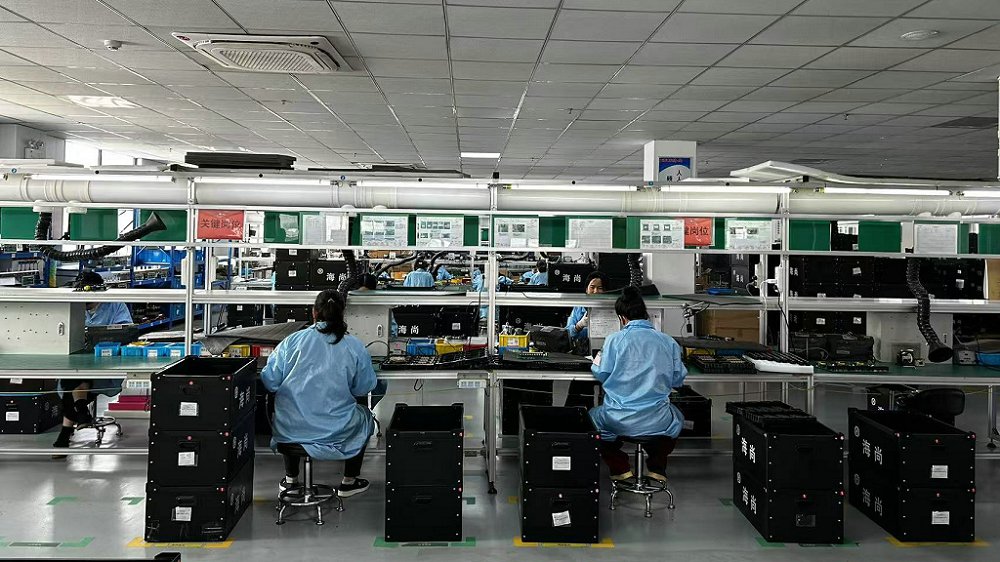
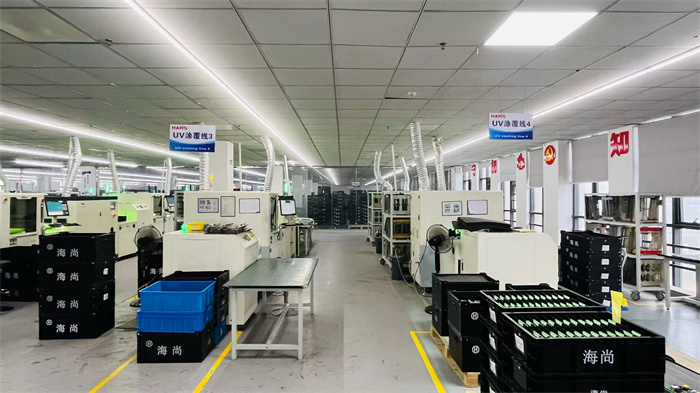
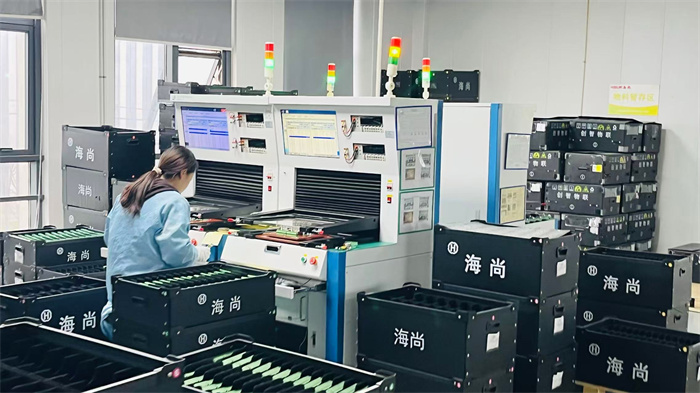
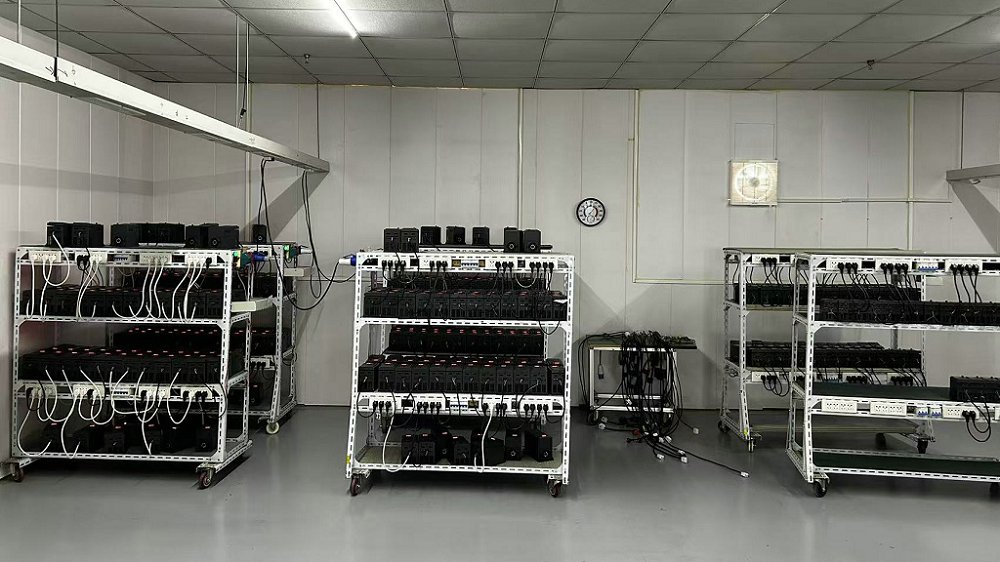
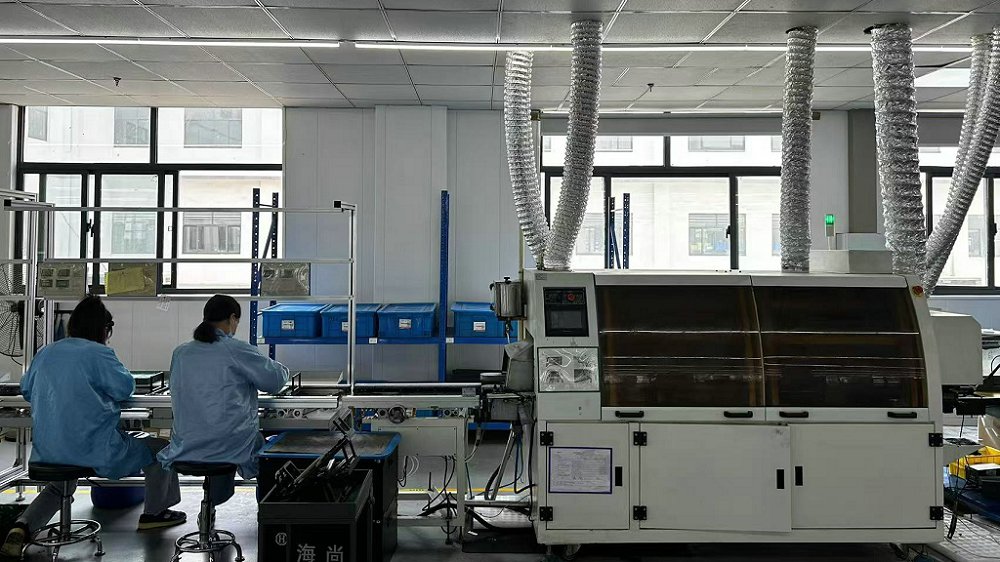
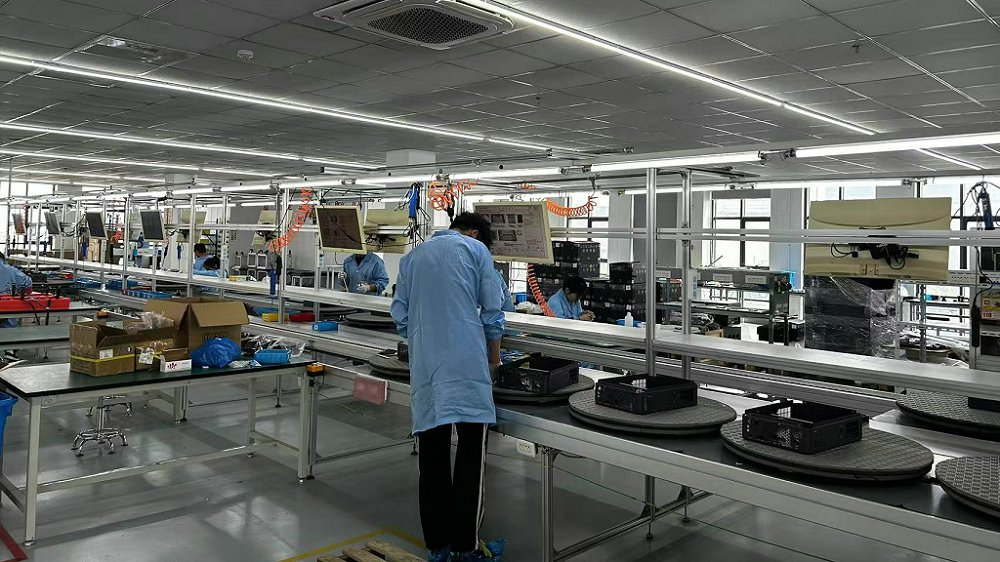
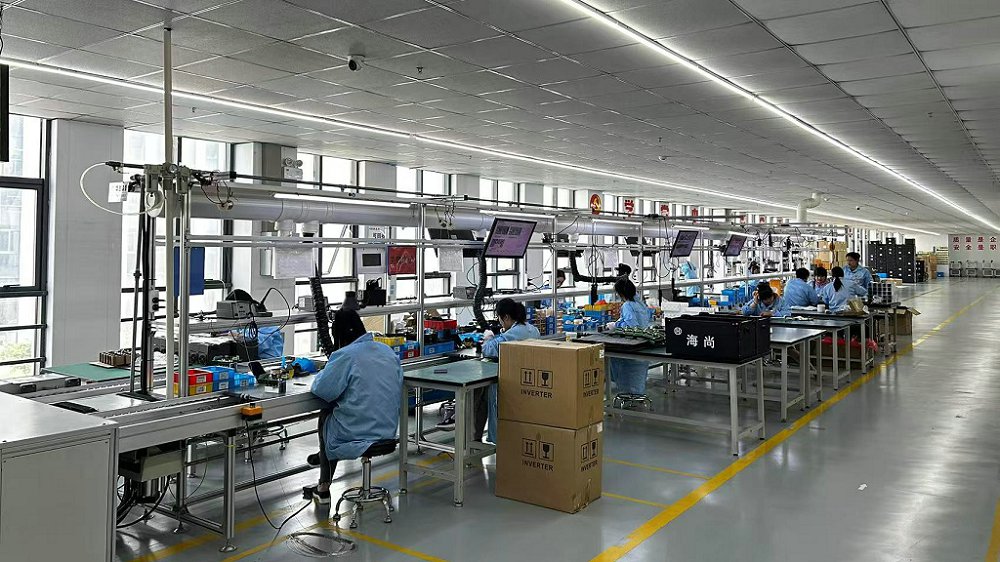
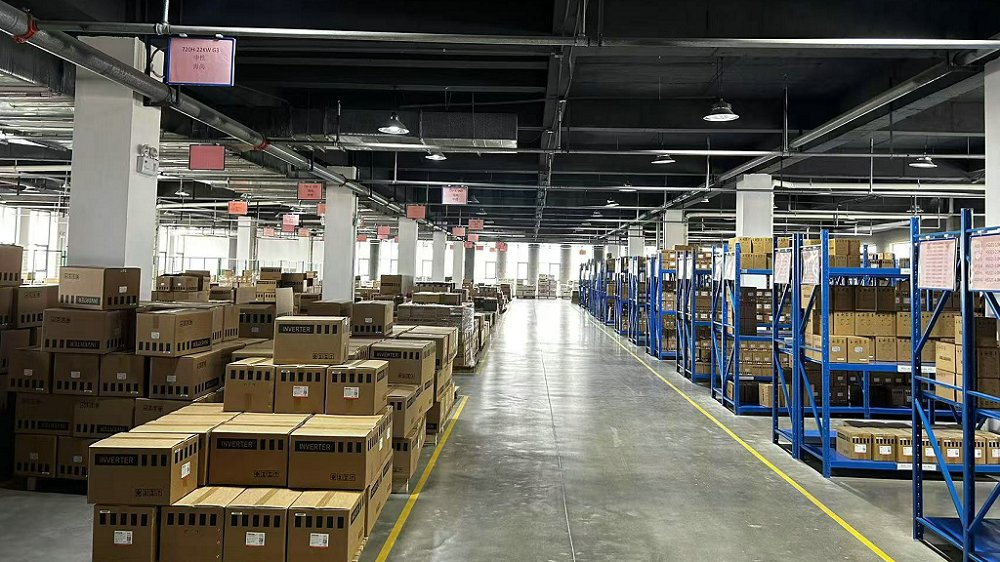
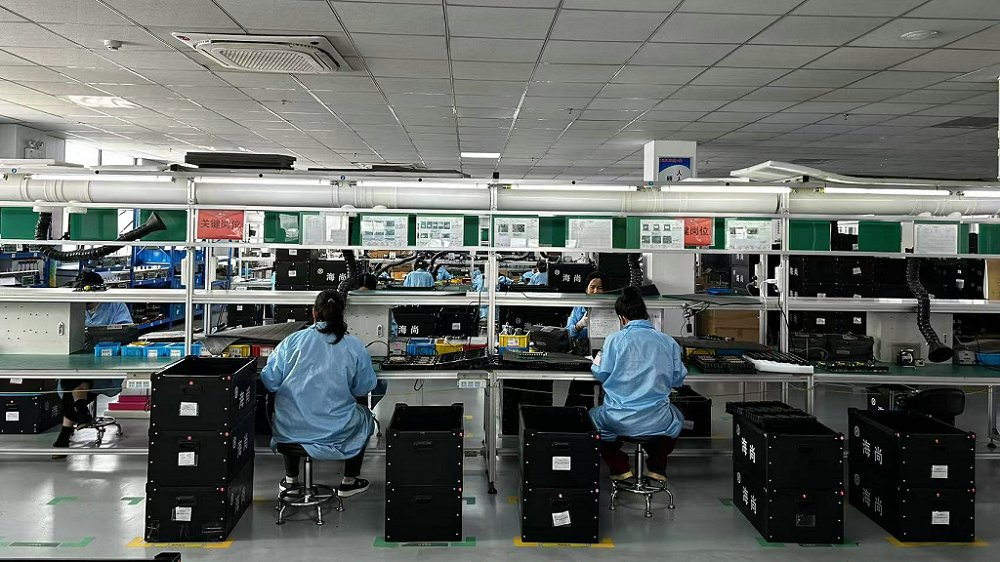
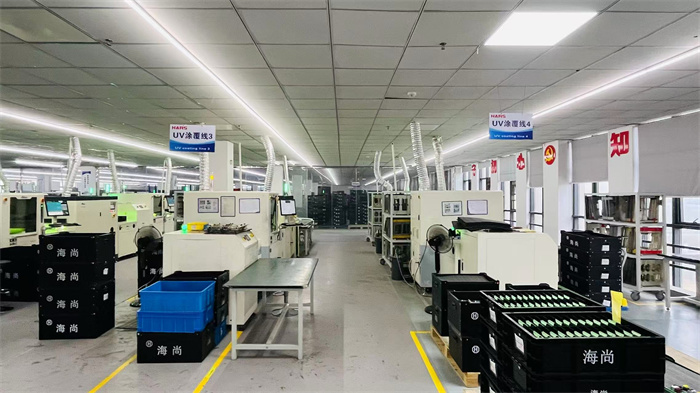
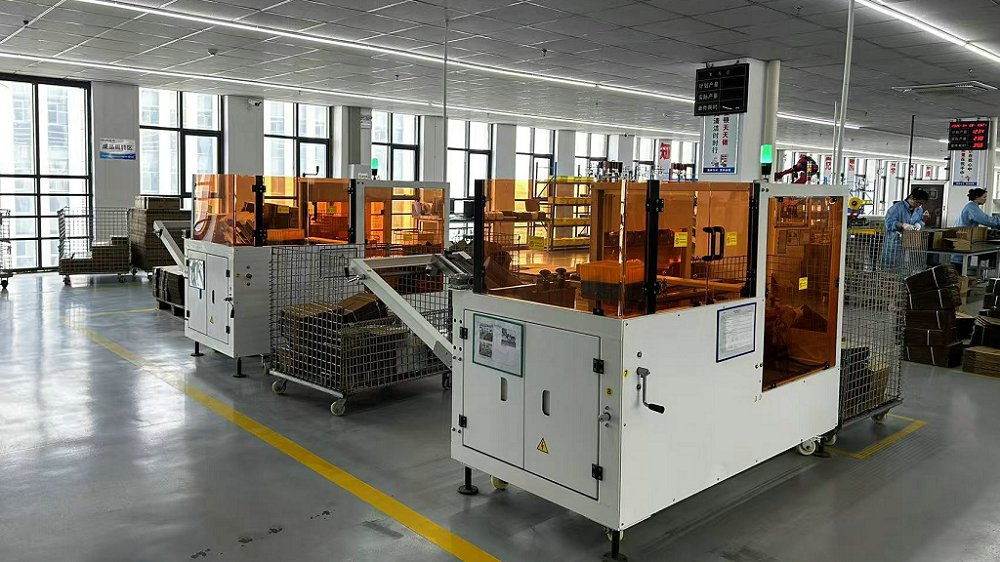
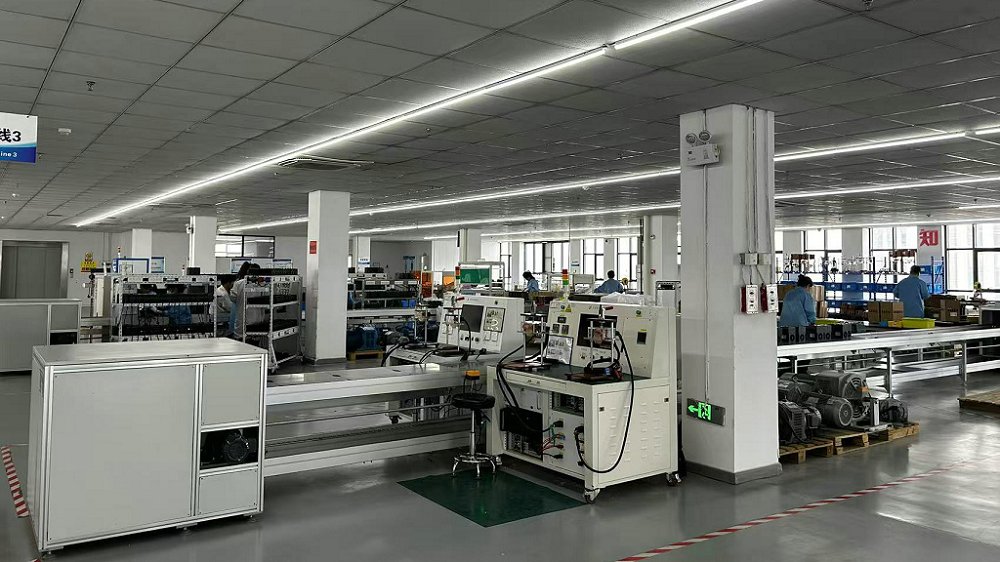
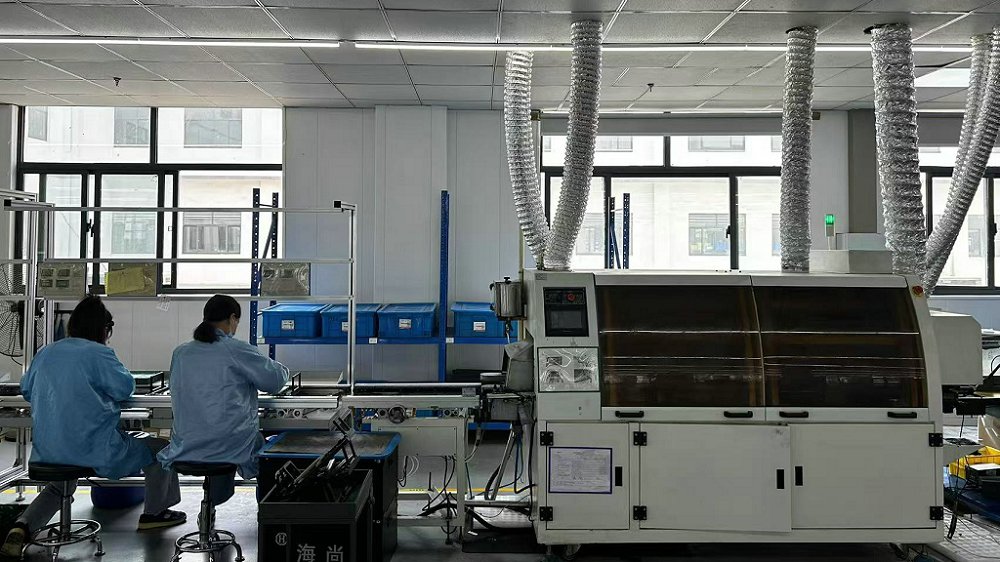
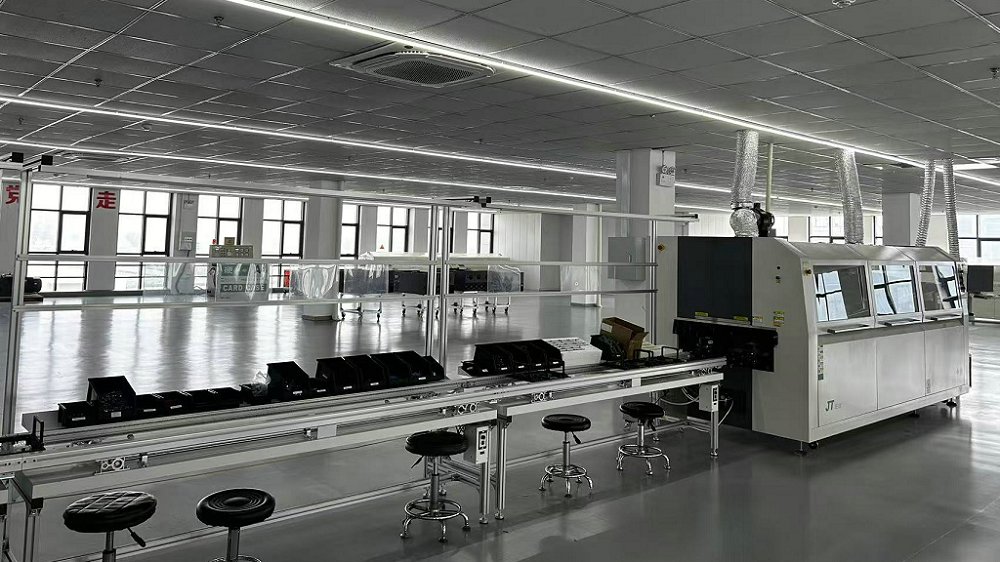
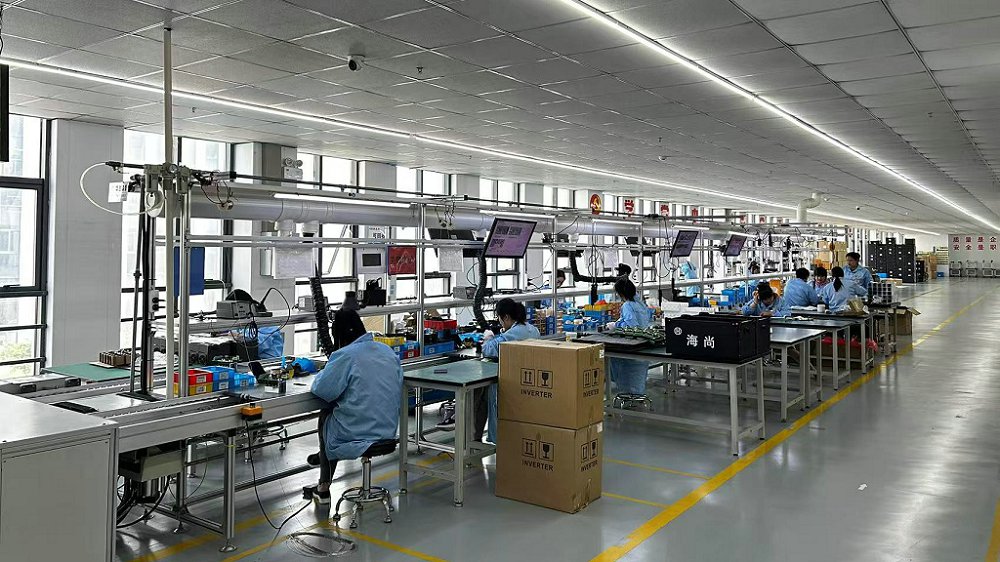
As a high-tech enterprise, Jonas Energy operates modern production facilities equipped with advanced manufacturing and testing equipment. Our annual production capacity reaches several gigawatts, enabling us to efficiently serve customers across global markets.
Our experienced R&D team consists of highly qualified engineers and technical specialists who continuously focus on product innovation, performance optimization, and technological advancement in the renewable energy sector. By integrating cutting-edge technologies, we ensure that our solutions remain competitive, efficient, and future-ready.
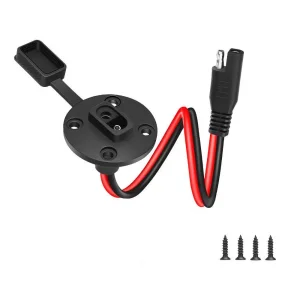
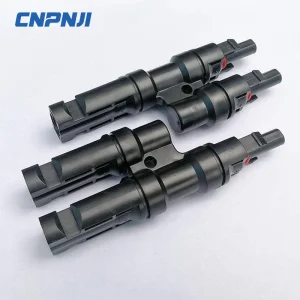
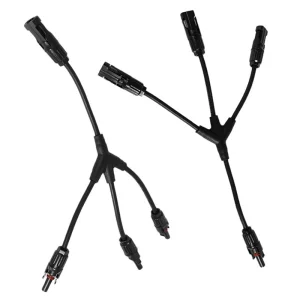
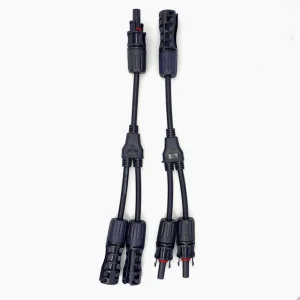
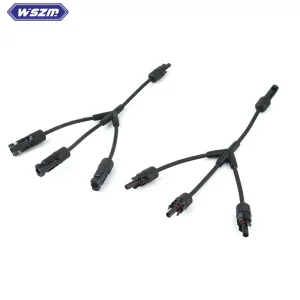
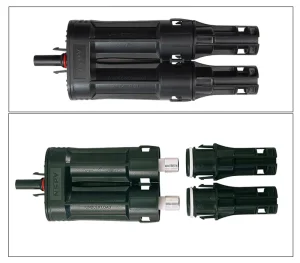
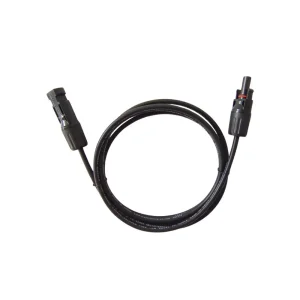
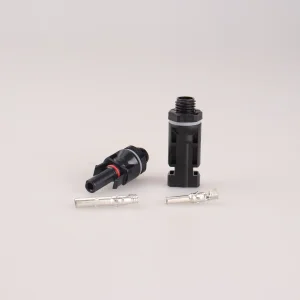
Explore our extensive range of high-efficiency PV splitters, extension wire harnesses, and weatherproof interface adapters.
Expert responses to common technical questions asked by EPC contractors and solar system designers in Malaysia.
The EN 50618 standard specifies double-insulated, cross-linked halogen-free polyolefin (XLPO) compounds specifically engineered for harsh solar environments. In Malaysia, local PV systems suffer from massive thermal expansion and high atmospheric moisture levels. Standard cables fail quickly due to insulation cracking. H1Z2Z2-K certified cables guarantee ozone, UV, and hydrolysis resistance, ensuring the cable maintains its electrical insulation properties over a 25-year service life.
IP67 connectors are rated to withstand temporary water immersion for up to 30 minutes at a 1-meter depth. IP68 connectors offer continuous protection under deeper water immersion conditions. Given Malaysia's heavy monsoon seasons and flash floods, floating solar projects and low-slung utility array systems require IP68 connectors to prevent moisture ingress, localized short circuits, and ground leakage faults.
Unplated copper oxidizes rapidly when exposed to air and moisture, creating a resistive copper oxide layer. This oxide layer increases overall contact resistance. By plating the contact pins with high-purity tin, we maintain contact resistances below 0.5mΩ. This prevents localized heat generation (hot spots) and reduces energy losses in high-current utility networks.
Generally, 4mm² PV cable is suitable for shorter string runs where voltage drop is minimal. For larger commercial installations or long-distance runs to combiner boxes, 6mm² PV cables are preferred to keep voltage drop under the recommended 1% threshold. In Malaysia's high-temperature conditions, cables suffer from thermal ampacity derating, making 6mm² the standard choice for utility projects to prevent overheating and power losses.
 Jonas Energy