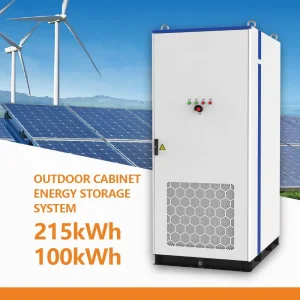
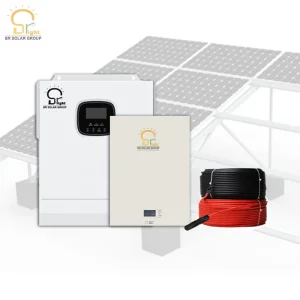
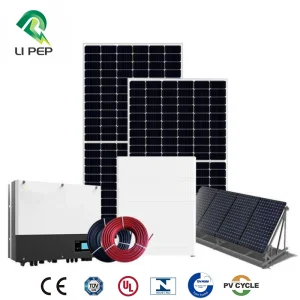
Premium grid-integrated components optimized for Japan's rigorous utilities standards and local environmental loads.
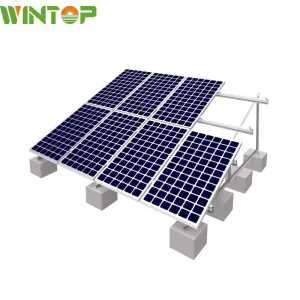
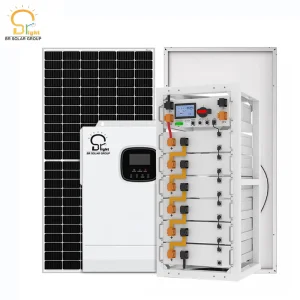
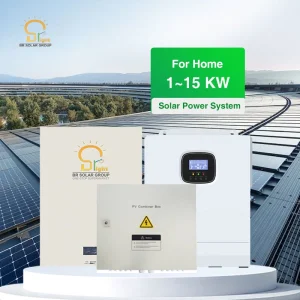
Analyzing grid-tied infrastructure, regulatory framework under CEPCO, and engineering solutions to maximize solar IRR.
As the industrial engine of Japan, Aichi Prefecture—with Nagoya at its center—is accelerating its transition toward decarbonization. Under Japan's revised Act on Special Measures for Renewable Energy, local commercial and industrial (C&I) sectors face double pressure: high demand-charge rates from Chubu Electric Power Company (CEPCO) and mandatory corporate carbon reporting. Incorporating an on-grid solar system has transitioned from a sustainability metric to an absolute financial strategy for high-load industrial plants, automotive parts factories, and logistics warehousing.
Connecting utility-scale or heavy commercial on-grid solar systems to the CEPCO grid requires high standards of electrical safety and power quality. Key factors include voltage rise mitigation and reactive power control. When solar systems generate peak output, they can cause the local distribution line voltage to rise beyond statutory limits. To address this, modern grid-tied inverters must feature dynamic voltage stabilization (Volt-Watt and Volt-Var regulation) to actively regulate output based on real-time grid metrics.
Furthermore, under Japan’s METI guidelines, system designs must incorporate certified anti-islanding protection (both active and passive methods). This ensures that if the utility grid goes down, the solar array immediately isolates itself to prevent feeding power into disabled lines, safeguarding utility personnel working on grid recovery.
Engineered to support both grid-export and high-yield self-consumption strategies for modern buildings.
A trusted global supplier of solar solutions, providing high-quality renewable energy products.
Headquartered in Xiamen, Fujian Province, China, Xiamen Jonas Energy Co., Ltd. is a dedicated provider of solar energy and energy storage solutions. We offer high-quality photovoltaic systems, mounting components, and lithium battery storage to customers worldwide, supporting residential, commercial, and utility-scale projects.
Through our established manufacturing facilities and strategic partnerships, we focus on engineering reliability, strict quality assurance, and streamlined logistics. By shipping directly from Xiamen Port to Nagoya Port, we ensure efficient delivery timelines and cost-effective shipping for our partners in Japan.
Our key components conform to the technical standards required for grid interconnection in Japan, assisting with local certification and utility approval.
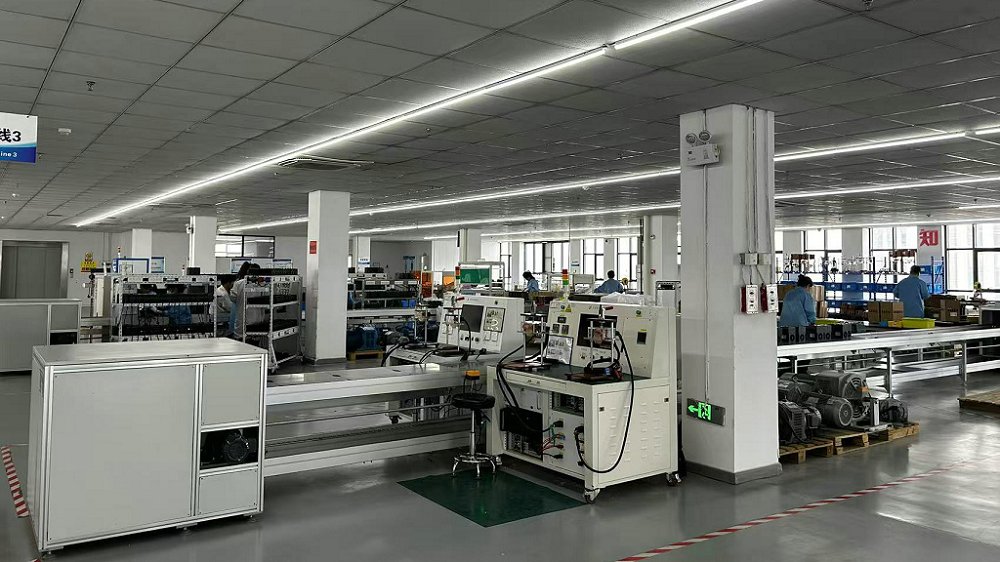
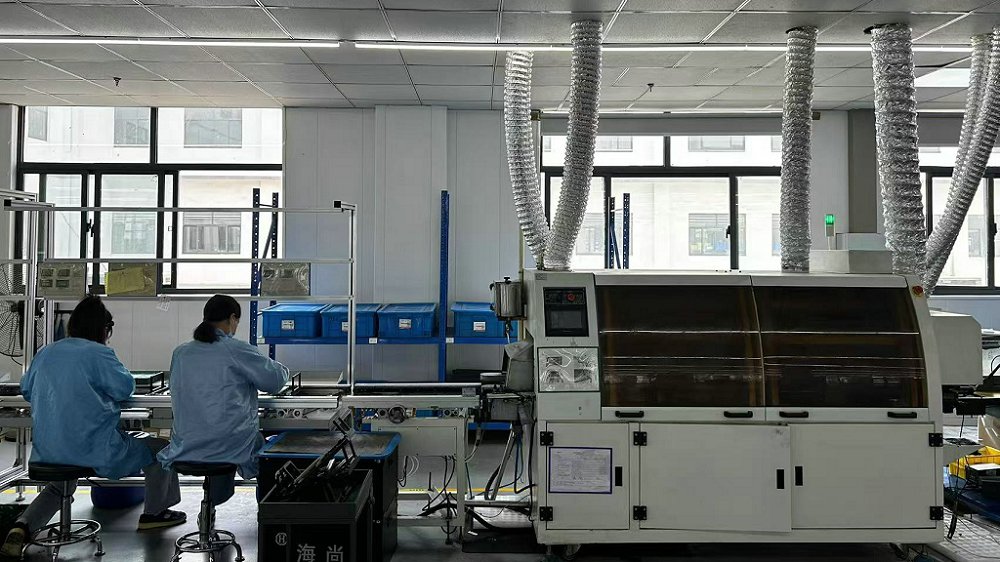
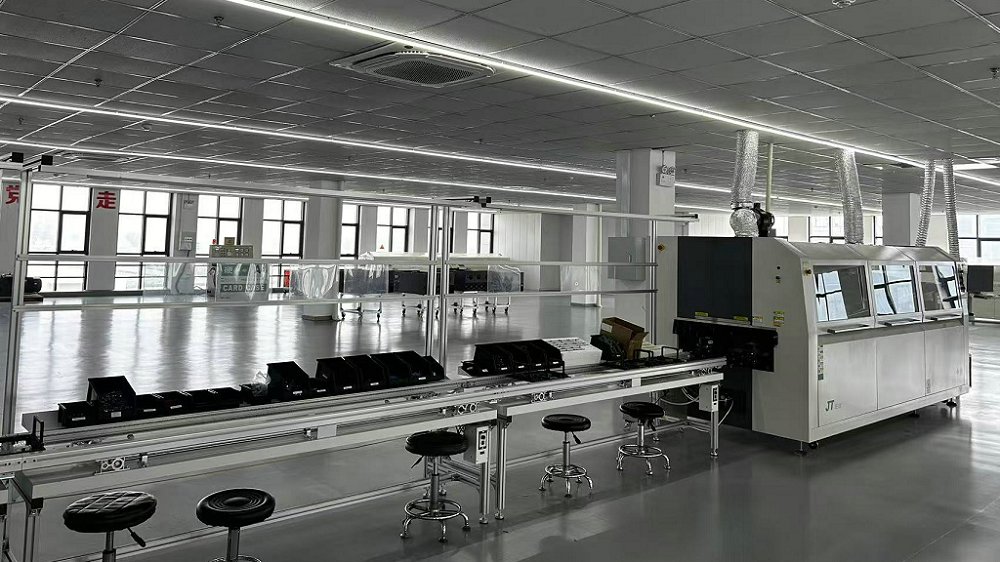
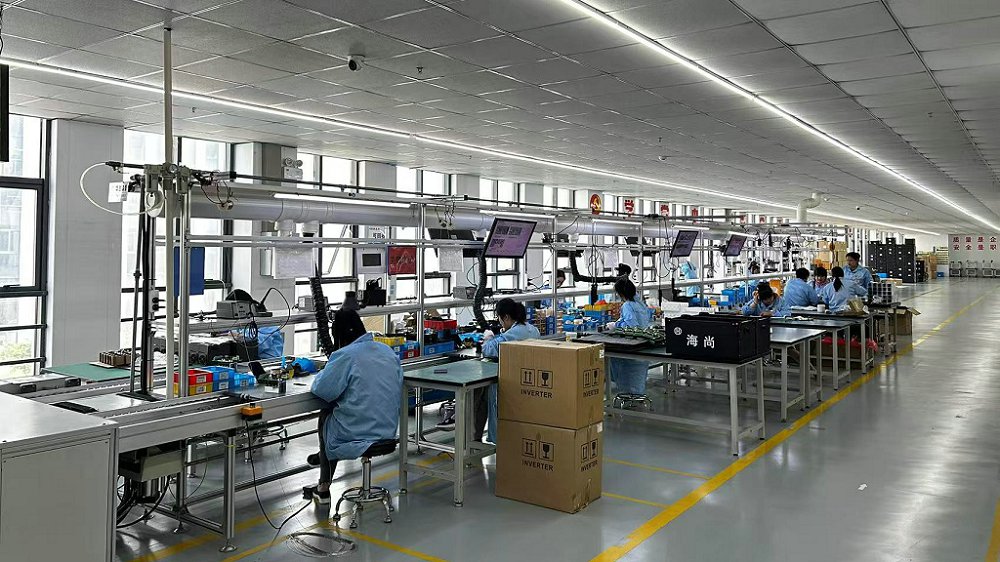
From visual inspection to automated aging tests, our systems are constructed to deliver stable performance over extended operating lifespans.
Leveraging Xiamen's manufacturing hub, we provide high-grade solar racking and storage solutions at competitive price points.
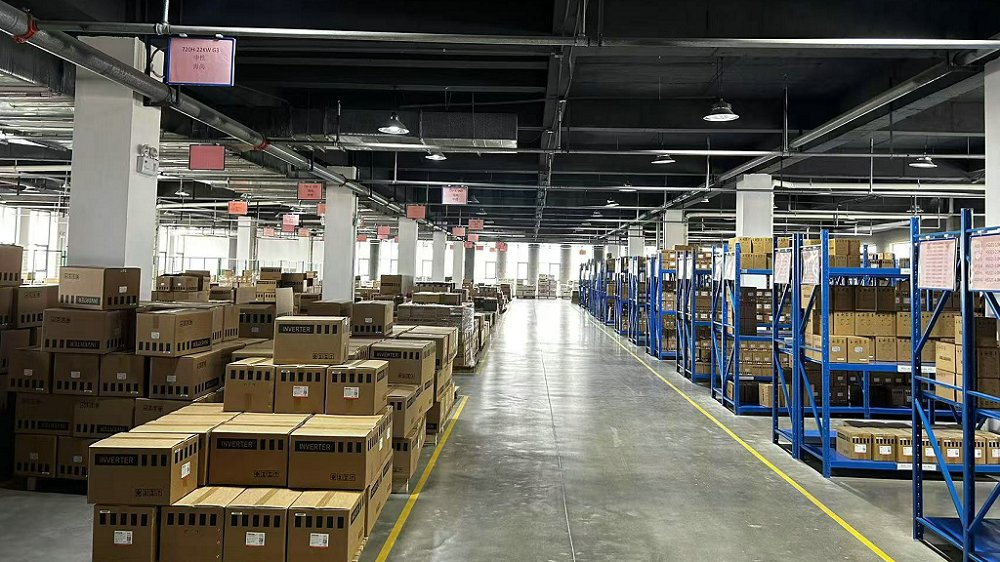
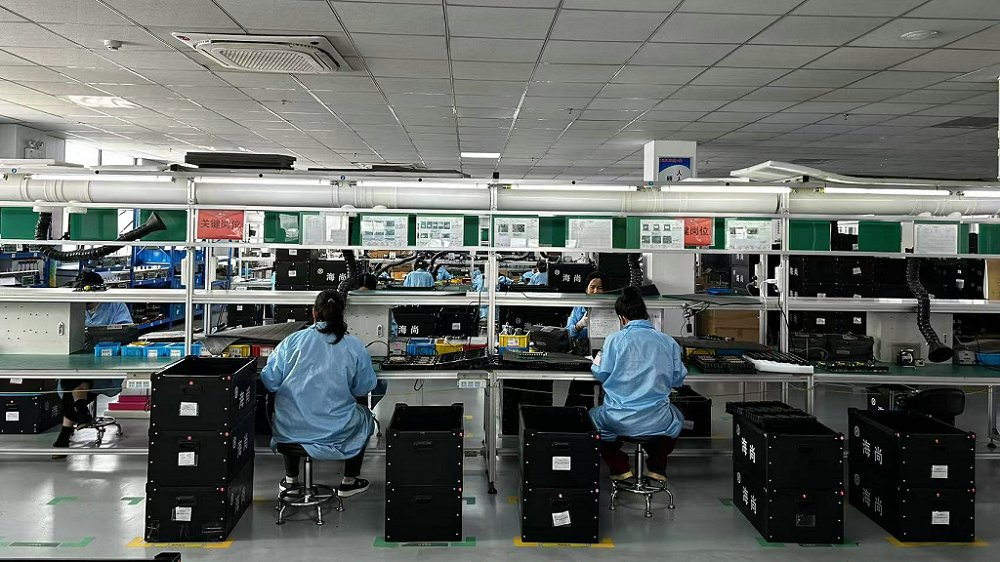
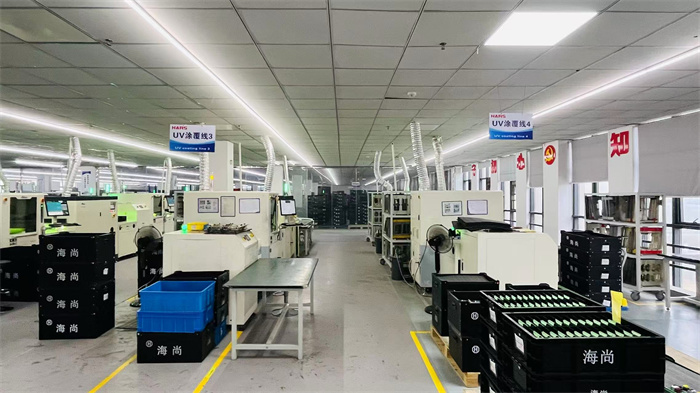
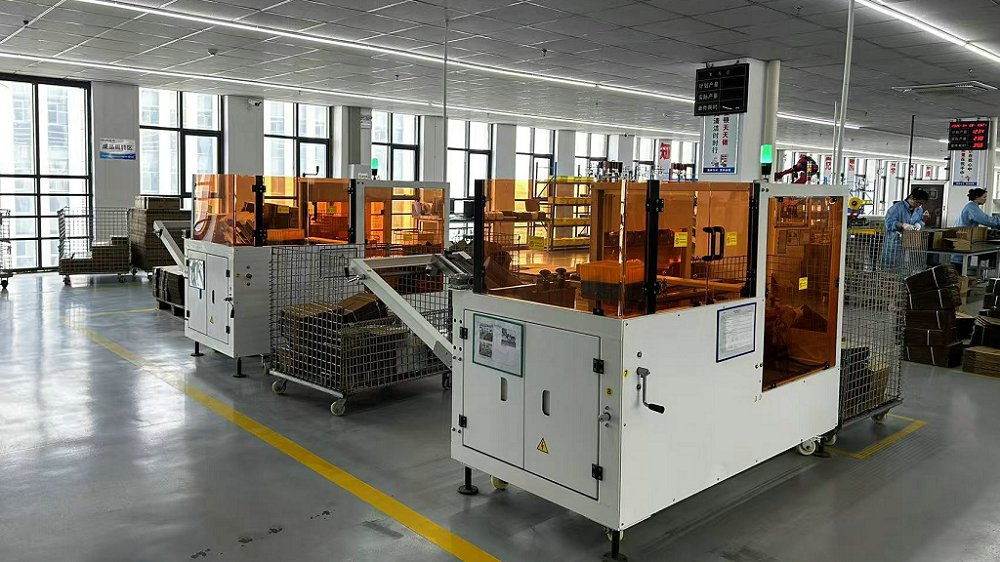
Our production facilities utilize modern machinery and quality control protocols. Each solar support component and energy storage module goes through a step-by-step manufacturing process to maintain consistent product standards.
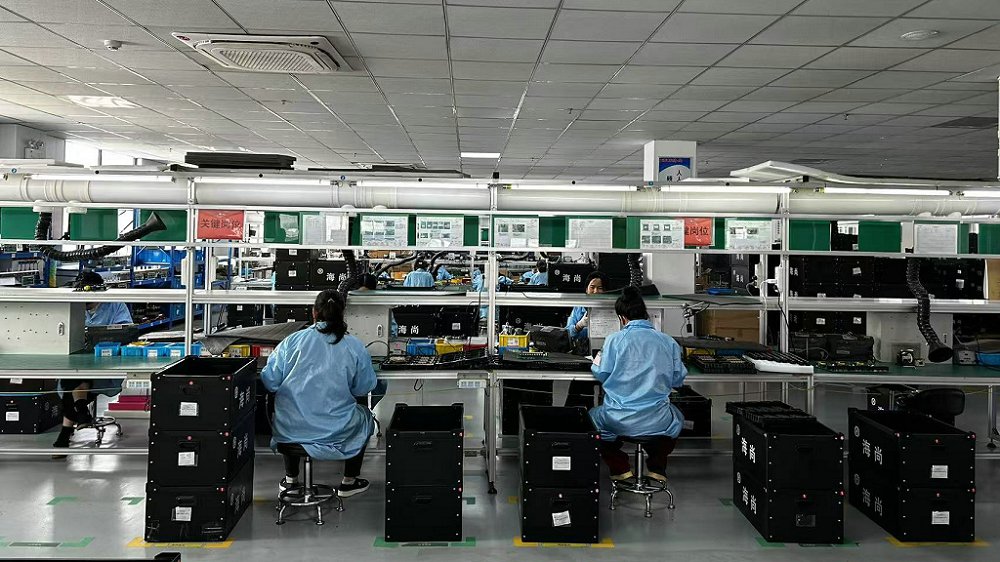
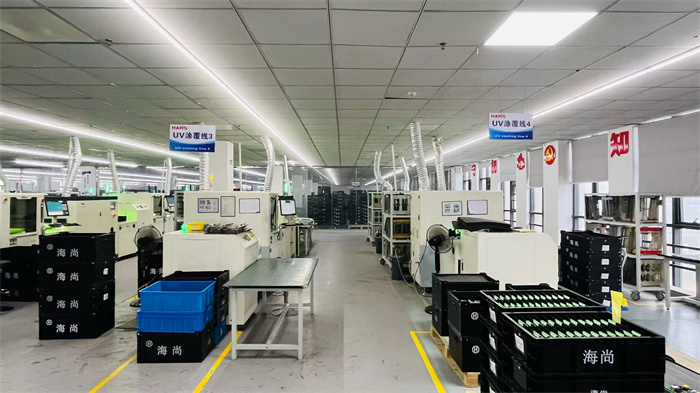
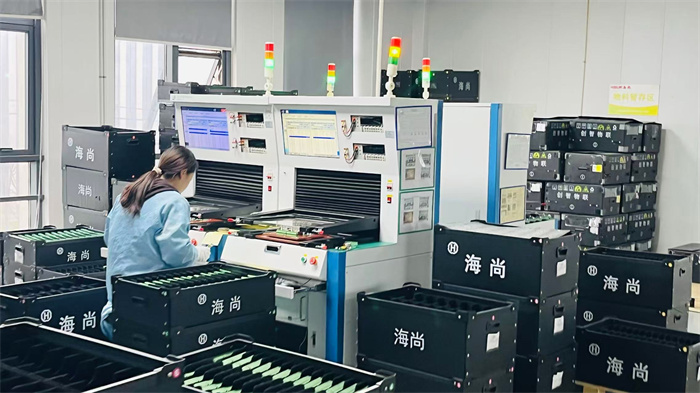
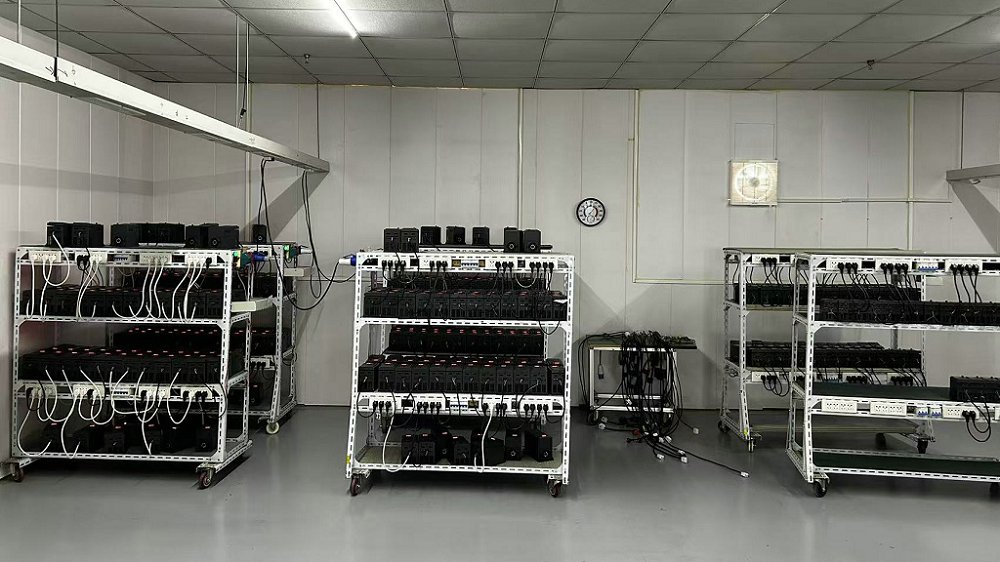
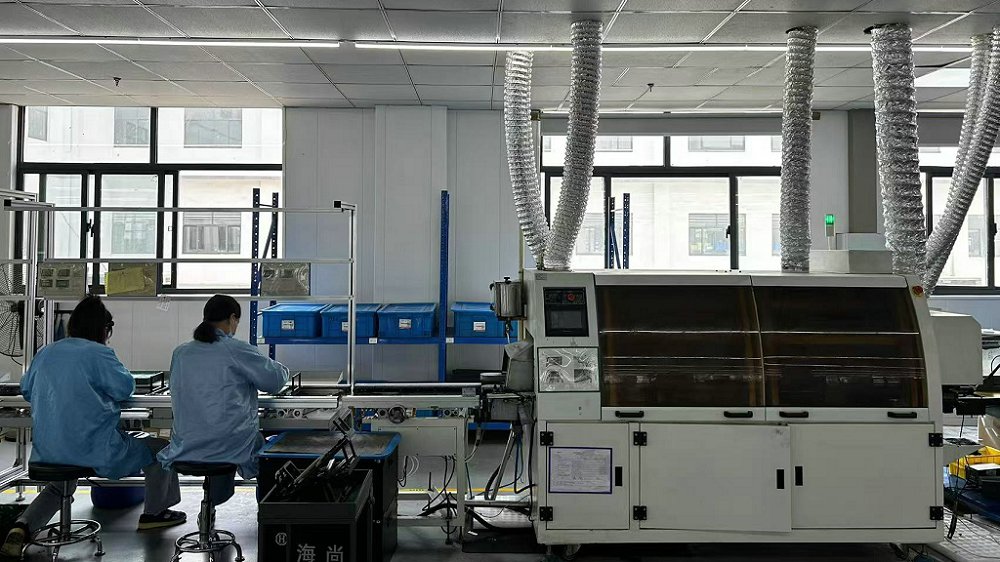
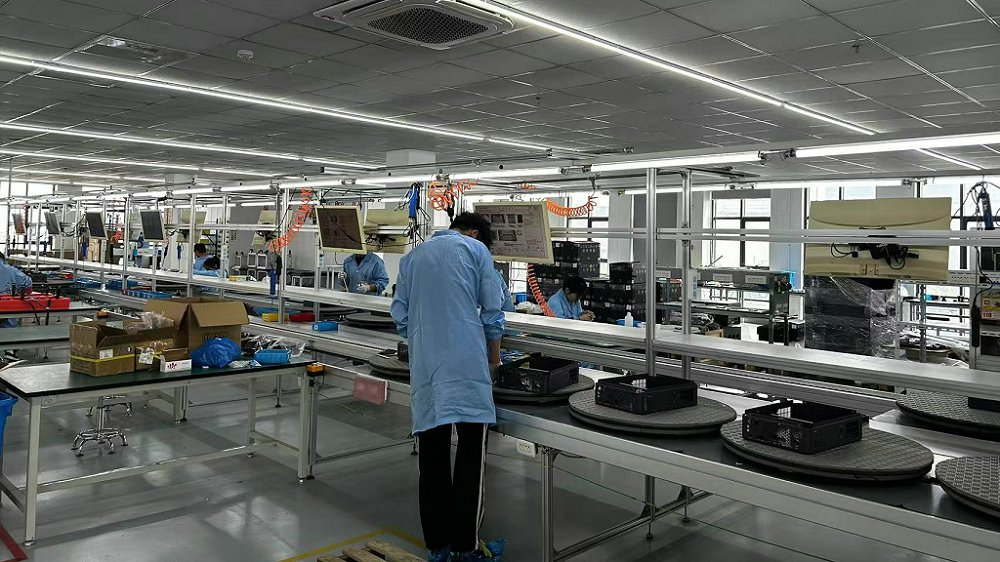
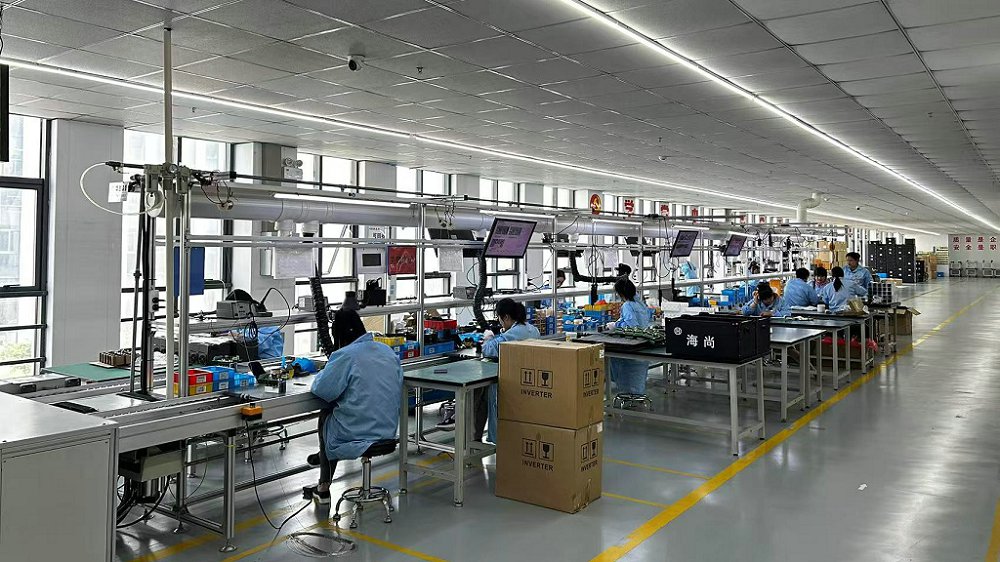
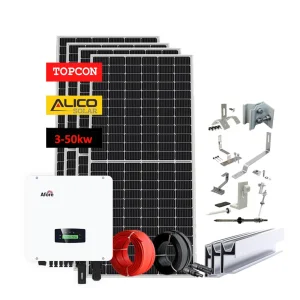
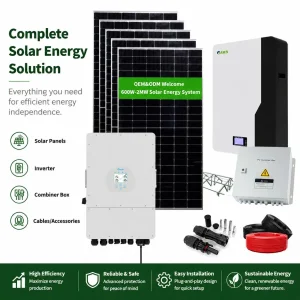
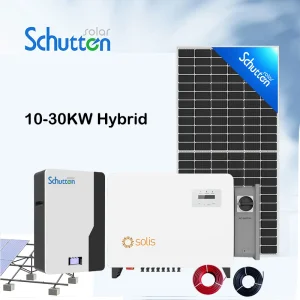
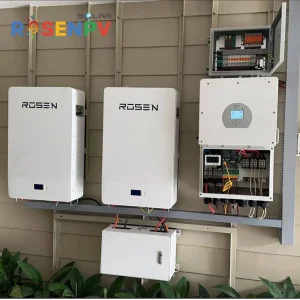
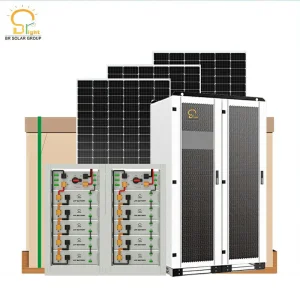
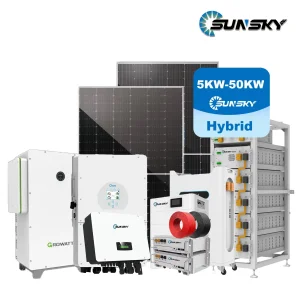
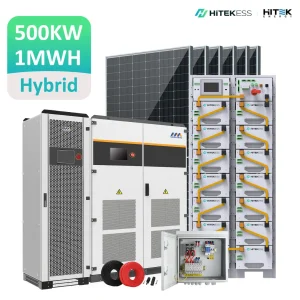
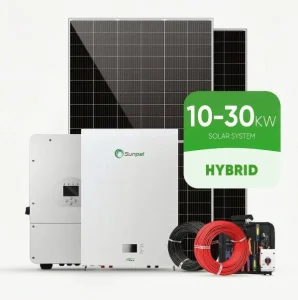
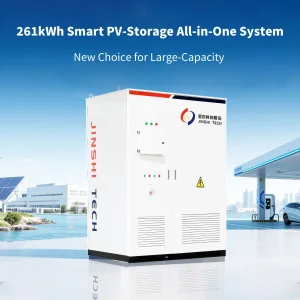
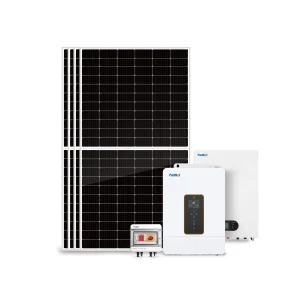
Comprehensive solar power kits, utility inverters, and high-voltage energy storage systems designed for Japan's grid.
Navigating shipping logistics, trade frameworks under RCEP, and direct supply-chain dynamics.
Procuring commercial solar components from China involves analyzing total landed cost structures, delivery timelines, and regulatory compliance. Under the Regional Comprehensive Economic Partnership (RCEP), trade pathways between China and Japan have become more streamlined, with reduced tariff barriers on various solar components and structural steel elements. For procurement officers in Nagoya, purchasing factory-direct solar systems from Xiamen provides a viable balance of engineering customization and competitive cost.
Key checkpoints for international solar procurement include:
By engaging with a vertically integrated supplier like Xiamen Jonas Energy Co., Ltd., clients can access comprehensive services—from mounting calculations and electrical system engineering to manufacturing and final customs documentation—minimizing project delivery risks.
Addressing grid connection parameters, regulatory compliance, and structural standards for solar installations in Japan.
Contact our engineering sales team to receive a comprehensive structural calculation report, layout design, and a competitive factory-direct quote.
Send Inquiry Now Jonas Energy