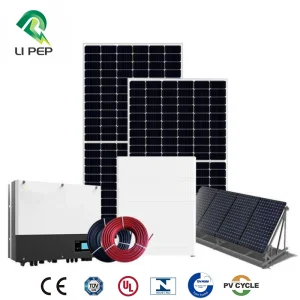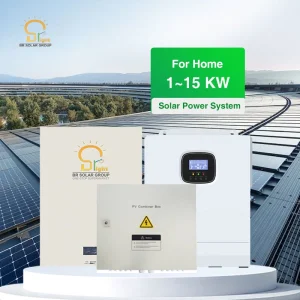
The Republic of Maldives, renowned globally for its vulnerable geographical profile consisting of over 1,190 low-lying coral islands, is positioned at the absolute forefront of the global energy transition. Historically dependent on imported diesel for more than 95% of its electricity generation, the nation faces an existential challenge: high operational expenditure driven by volatile global fuel prices, extreme transport logistics costs across dispersed atolls, and the ecological threat of carbon emissions. A typical Maldivian luxury resort consumes upwards of 3,000 to 5,000 liters of diesel daily to run generator sets, resulting in generation costs exceeding $0.35 to $0.45 per kWh.
To address this financial and environmental burden, the Maldivian Government has initiated aggressive carbon-neutral targets, pushing resorts, local residential islands, and industrial zones to transition to integrated On-Grid, Off-Grid, and hybrid photovoltaic (PV) configurations. The tropical climate of the Maldives offers exceptional solar irradiance, averaging 5.0 to 6.0 kWh/m² per day. However, executing utility-grade or commercial-scale solar deployment in this marine archipelago requires resolving unique system-design and supply-chain constraints.
“The integration of smart on-grid solar systems coupled with energy storage in the Maldives is no longer just a corporate social responsibility (CSR) goal. It is an economic imperative. Modern hybrid designs deliver internal rates of return (IRR) exceeding 20%, offering commercial enterprises a payback period of under 4 years while ensuring structural resilience against volatile diesel supply chains.”
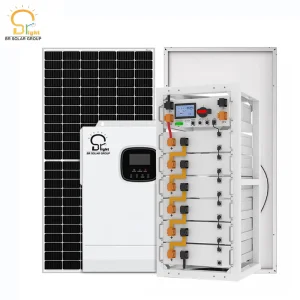
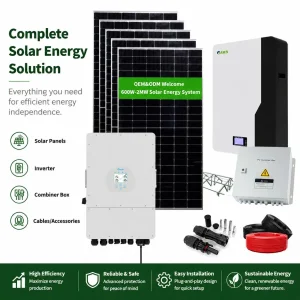
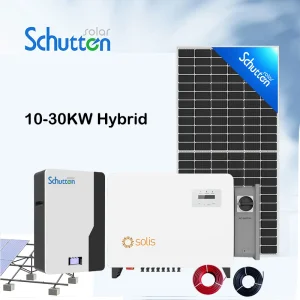
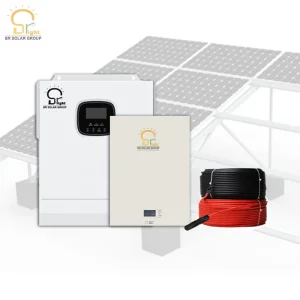
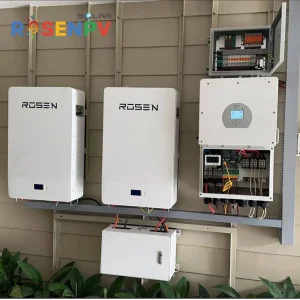
Pure on-grid solar configurations are highly efficient for islands with established utility grids operated by STELCO or FENAKA. By feeding solar energy directly into the local AC grid during daylight peak hours, these systems mitigate the need for active diesel generation. However, because Maldives microgrids are small and isolated, high solar penetration can threaten grid stability. This is where advanced Hybrid Energy Storage Systems (BESS) step in. Combining high-voltage smart hybrid inverters with lithium iron phosphate (LiFePO4) battery systems allows for active grid smoothing, peak shaving, and automatic frequency response, creating a highly resilient self-sustaining utility structure.
Deploying photovoltaic hardware in the Maldives is a severe test of materials science. The maritime atmosphere presents three main destructive agents: high salinity air, intense relative humidity (averaging 80%), and severe wind load risks during monsoon seasons. Standard solar components engineered for mainland deployments will experience rapid degradation, leading to premature system failures, electrical grounding faults, and structural collapses within 12 to 24 months.
To resist galvanic and chemical corrosion induced by constant exposure to chloride-rich salt spray, mounting systems must utilize premium materials. Structural brackets must be constructed from high-strength anodized aluminum (AL6005-T5) with an anodizing thickness of at least 15–20 microns, or hot-dip galvanized steel with a coating thickness exceeding 85 microns. Fasteners and hardware must strictly consist of marine-grade stainless steel (SUS316/A4). These configurations satisfy the strict Class C5-M ISO corrosion resistance standards, guaranteeing a 25-year structural lifespan even on beach fronts or floating solar setups.
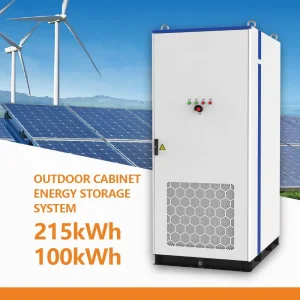
Inverters and lithium battery cabinets deployed in coastal areas are vulnerable to moisture and dust ingress. Xiamen Jonas Energy designs systems featuring IP66 and IP68 outdoor enclosures. Our central and string hybrid inverters utilize liquid-cooling or specialized thermal management systems that eliminate the intake of ambient salty air into sensitive electronics. On the panel level, we supply double-glass bifacial modules that provide absolute impermeability against water vapor, mitigating Potential Induced Degradation (PID) and protecting the solar cells from internal moisture corrosion.
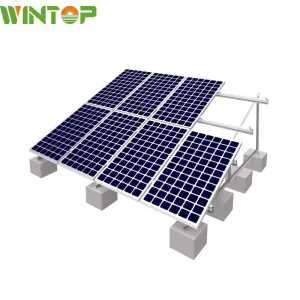
Tropical storms and monsoons in the Maldives demand structural calculations that can withstand wind speeds of up to 50–60 m/s (approx. 200 km/h). Flat concrete roof systems—widely found on resort staff quarters and utility buildings—must utilize ballasted or chemical-anchor structural installations that distribute load stress evenly without puncturing critical waterproof membranes. Xiamen Jonas Energy performs custom wind-tunnel simulation models for every client project to determine precise structural dimensions and ballast weights.
China is the global leader in renewable energy innovation and supply chain integration, accounting for over 80% of global solar module production. By sourcing directly from Chinese factories, Maldivian resort operators and global engineering, procurement, and construction (EPC) firms bypass middleman markups while securing access to cutting-edge technologies. Xiamen Jonas Energy Co., Ltd., operating from the strategic industrial port city of Xiamen, leverages this vertical integration to offer highly reliable, high-performance solar solutions.
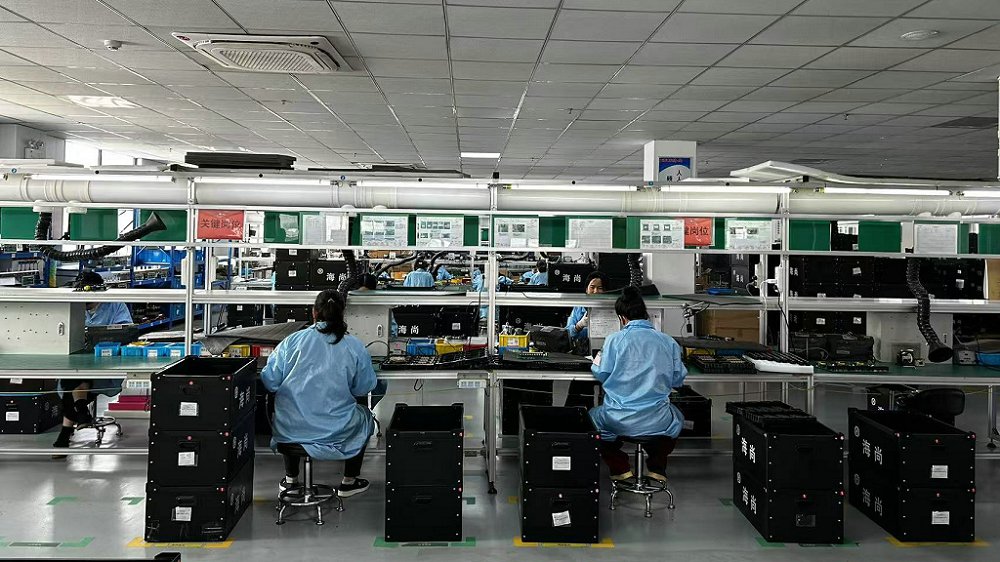
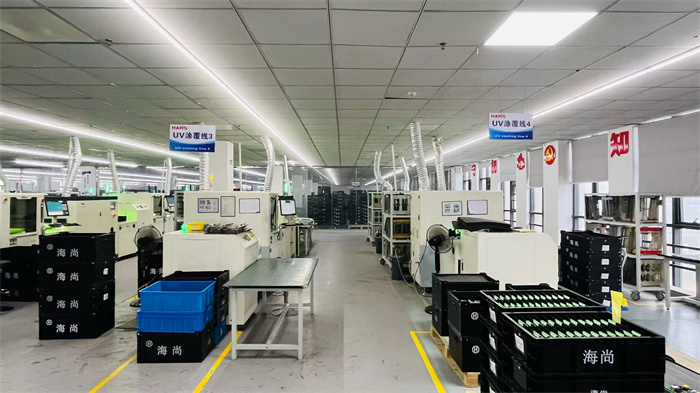
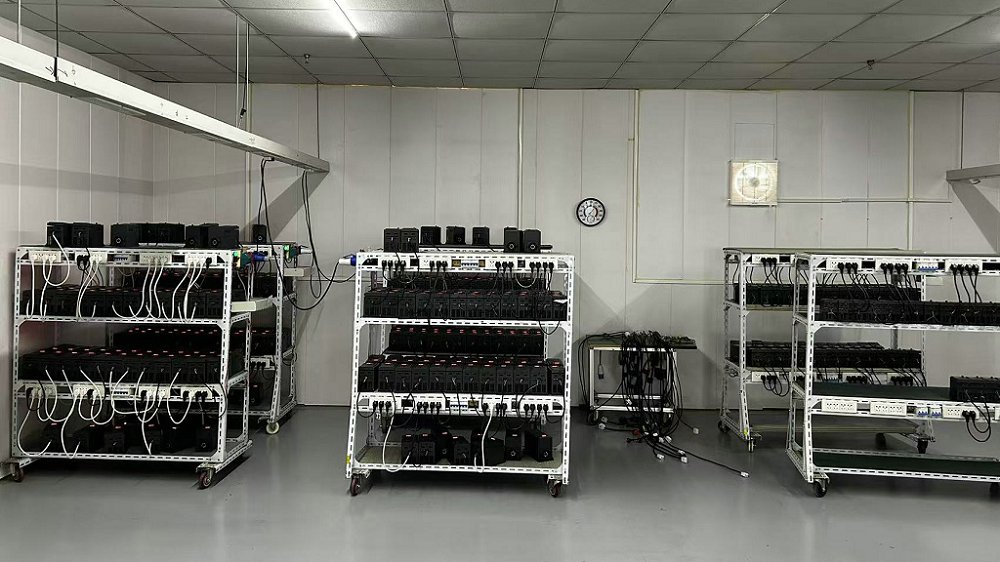
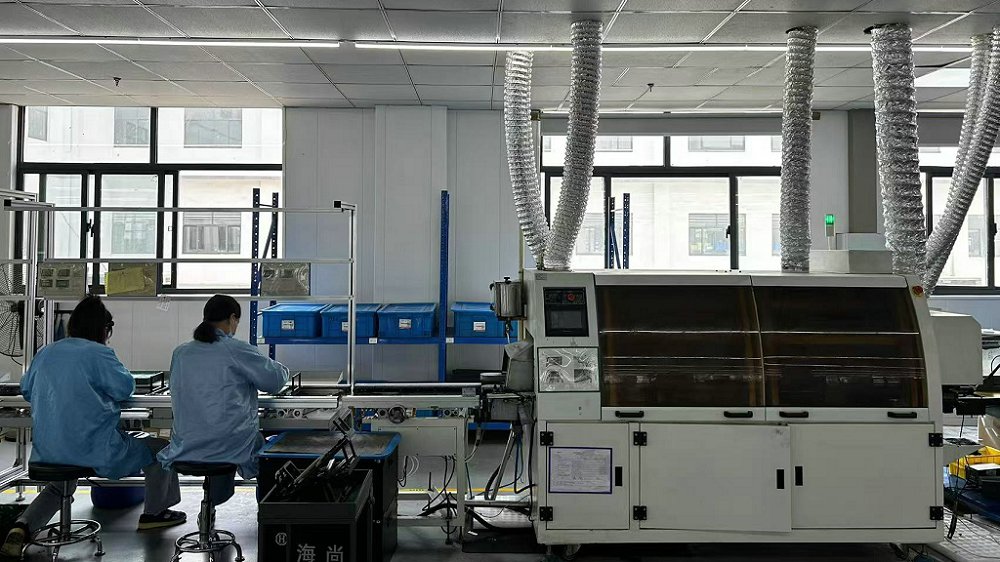
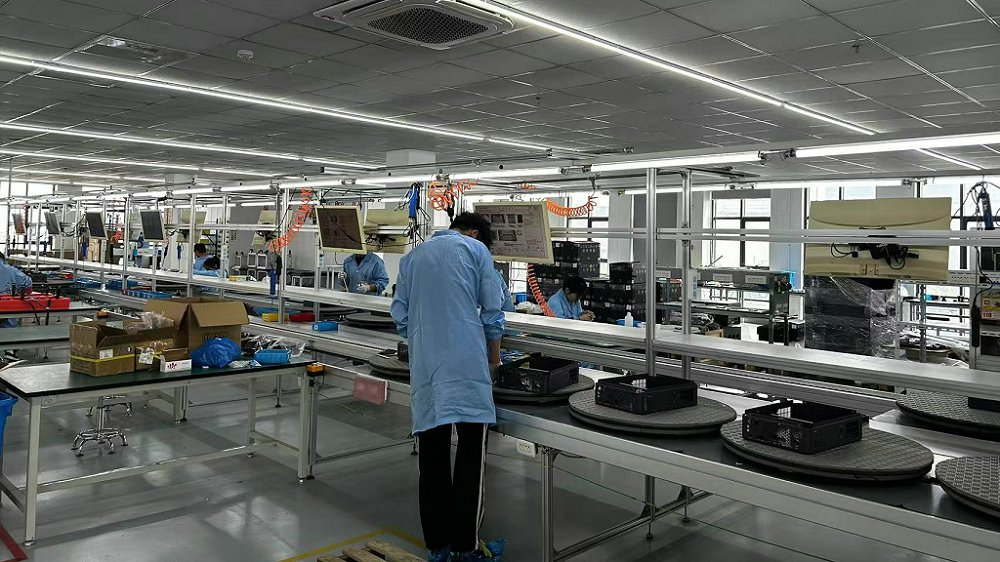
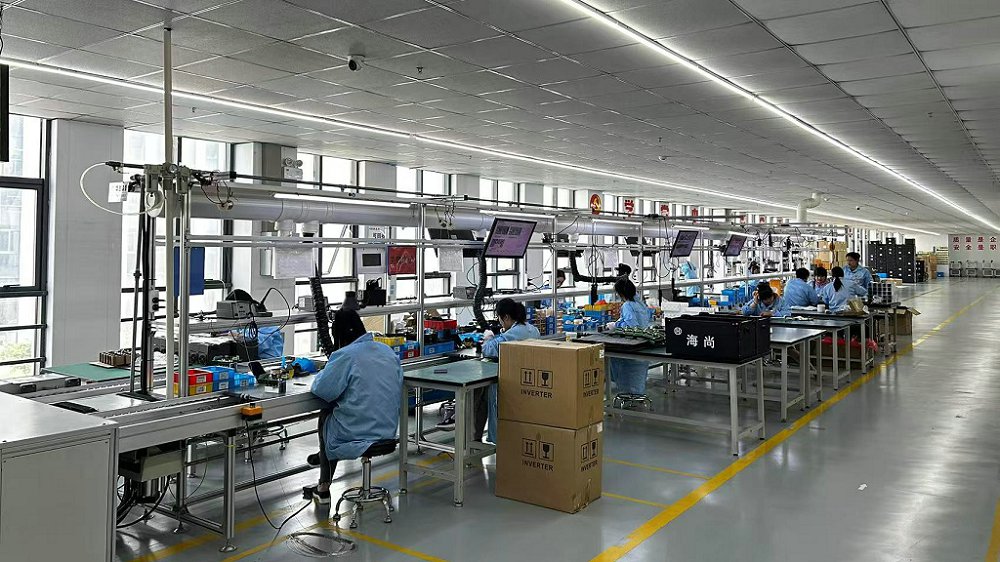
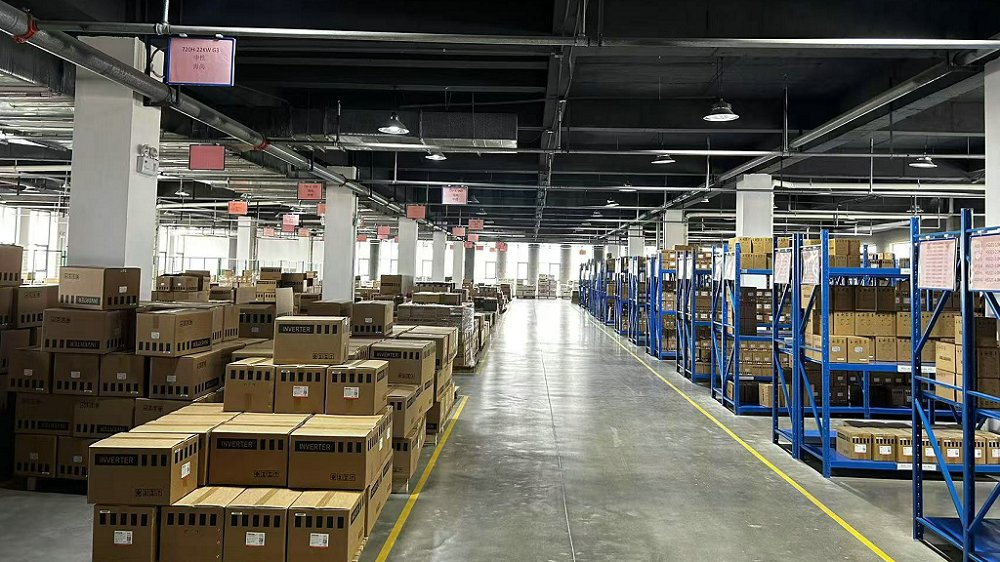
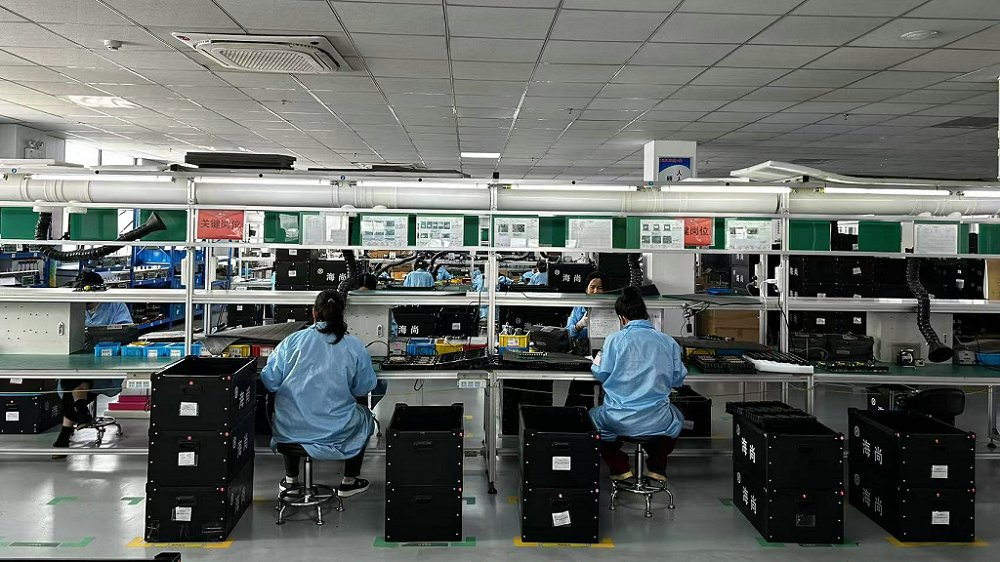
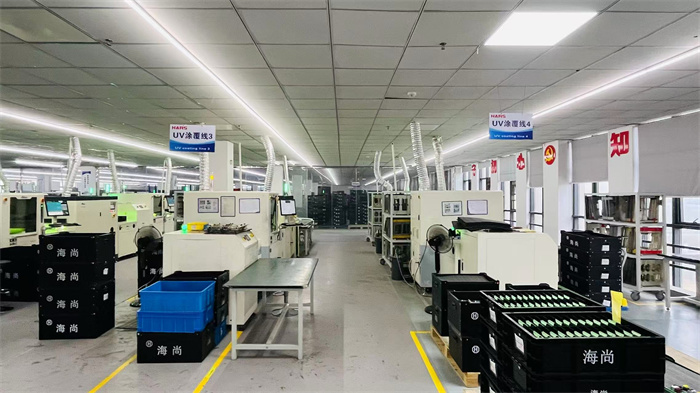
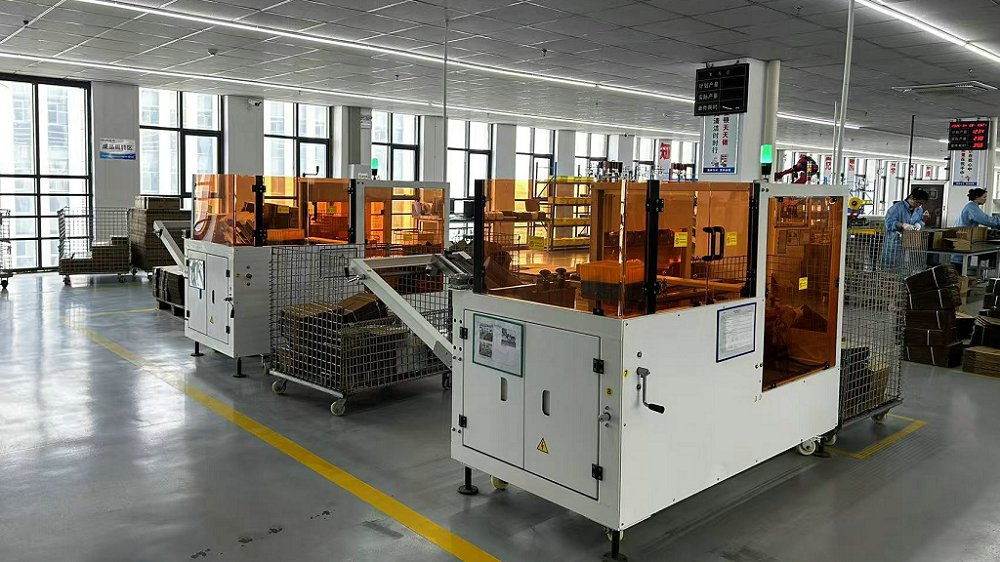
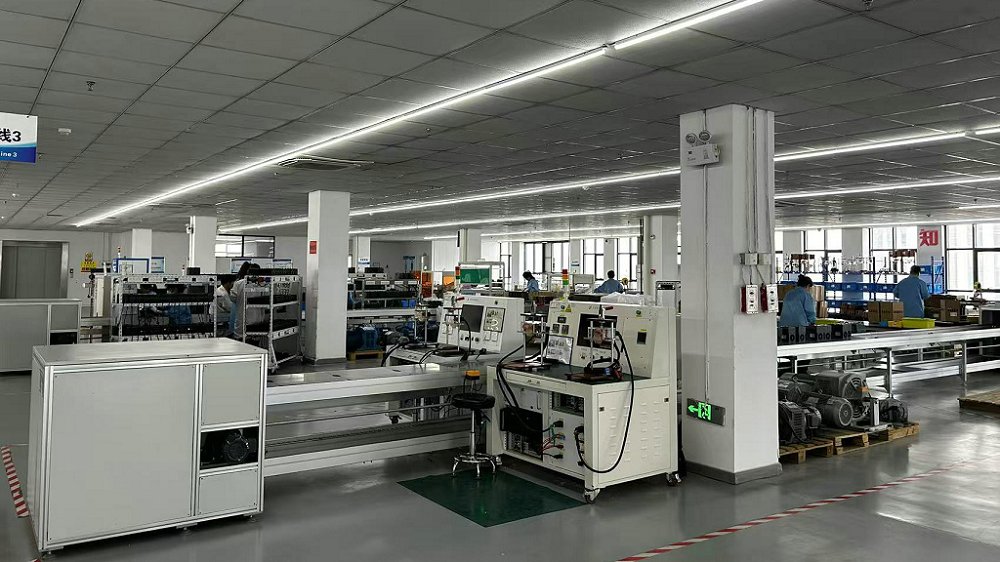
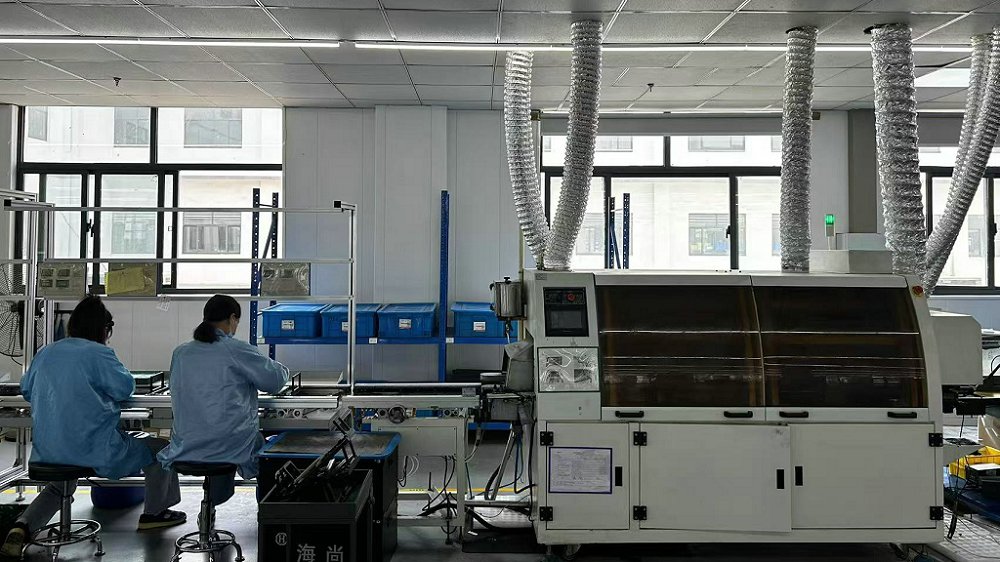
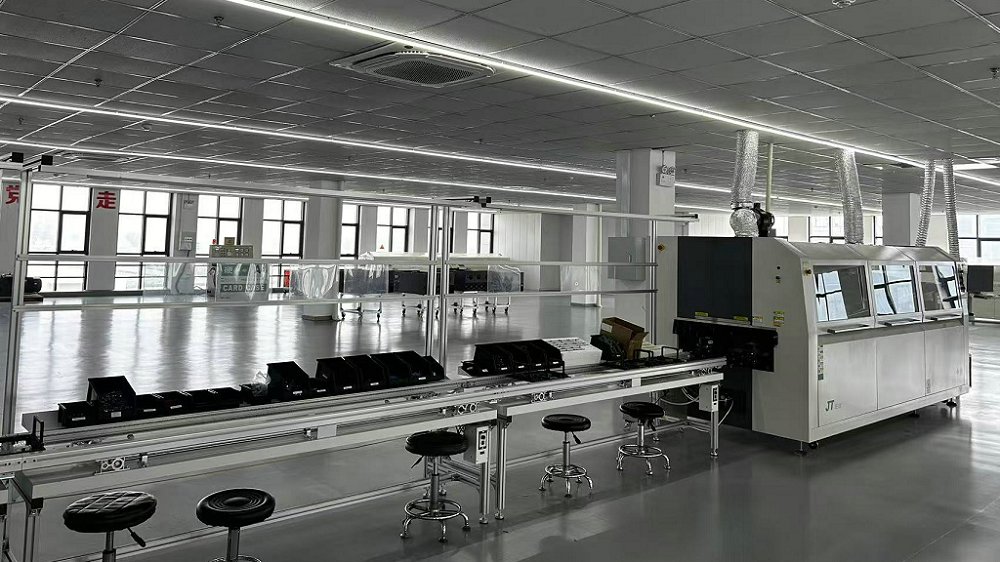
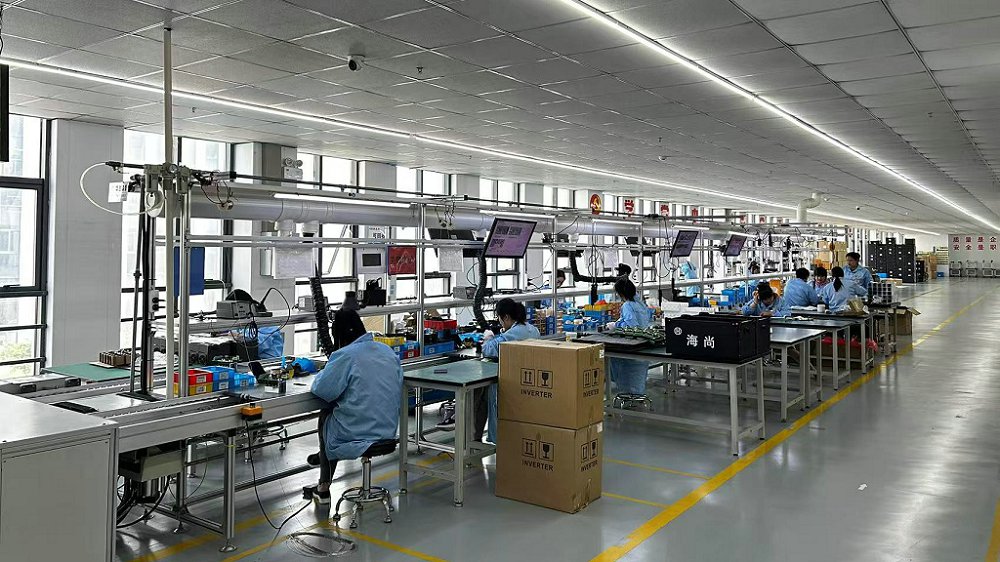
From polysilicon processing and cell manufacturing to automated module lamination and comprehensive aging tests, our production lines utilize state-of-the-art automation. This guarantees extreme consistency in cell performance, minimized micro-cracks, and optimized energy conversion ratios. In terms of cost efficiency, our large manufacturing scale allows us to reduce capital expenditure (CAPEX) per watt by up to 35% compared to Western manufacturers. We combine this cost advantage with direct ocean freight routes from Xiamen Port to Malé Port, ensuring reliable delivery, custom clearance coordination, and rapid project deployment timelines.
Xiamen Jonas Energy Co., Ltd. is a professional provider of renewable energy solutions, headquartered in Xiamen, Fujian Province, China. Since its establishment, the company has been dedicated to the research, development, manufacturing, and global distribution of advanced photovoltaic and energy storage products.
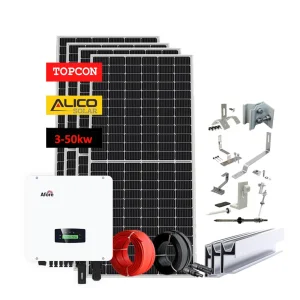
With a strong commitment to innovation and sustainability, Jonas Energy offers a comprehensive portfolio of solar energy solutions, including solar panels, inverters, energy storage batteries, mounting systems, and complete solar power generation systems. Our products are designed to meet the diverse needs of residential, commercial, industrial, and utility-scale projects worldwide.
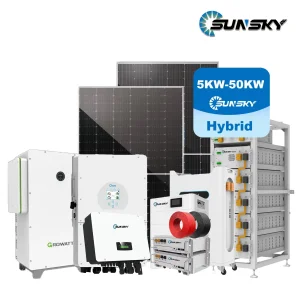
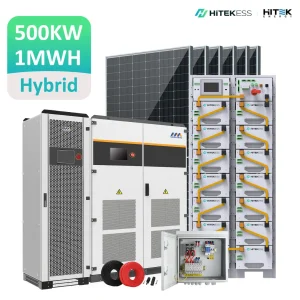
We work closely with internationally recognized manufacturers and technology partners to provide a wide range of reliable energy storage solutions, including wall-mounted batteries, all-in-one storage systems, rack-mounted batteries, and containerized energy storage systems (ESS). Through continuous innovation and strategic partnerships, we help customers achieve greater energy independence and efficiency.
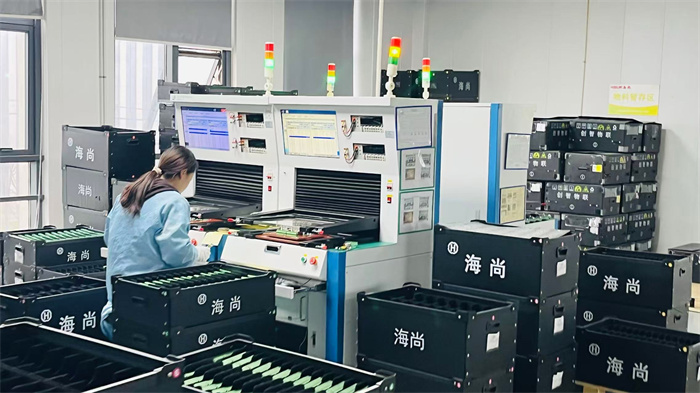
As a high-tech enterprise, Jonas Energy operates modern production facilities equipped with advanced manufacturing and testing equipment. Our annual production capacity reaches several gigawatts, enabling us to efficiently serve customers across global markets.
Our experienced R&&D team consists of highly qualified engineers and technical specialists who continuously focus on product innovation, performance optimization, and technological advancement in the renewable energy sector. By integrating cutting-edge technologies, we ensure that our solutions remain competitive, efficient, and future-ready.
Quality is at the core of everything we do. All products undergo rigorous testing and strict quality control procedures to ensure long-term reliability and performance. Our products comply with international standards and certifications, including IEC, CE, TUV, ISO9001, and ISO14001, providing customers with confidence and peace of mind.
Take a virtual tour through our production line and witness how Xiamen Jonas Energy maintains its high standard of quality control and manufacturing excellence.
 Jonas Energy