Deploying cutting-edge components to achieve maximum round-trip efficiency, lower Levelized Cost of Storage (LCOS), and prolonged lifecycle stability.


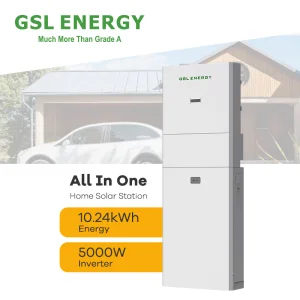
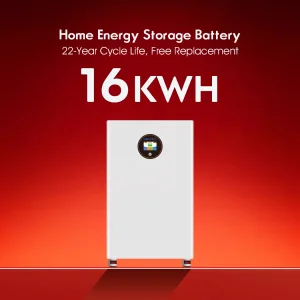
The international energy sector is in the midst of a tectonic transition from centralized fossil-based power generation to highly distributed, digitized, and decarbonized renewable systems. Governed by the stringent parameters of the European Green Deal, the United States' Inflation Reduction Act (IRA), and regional net-zero mandates, utility operators and industrial conglomerates are compelled to update their core infrastructure. Sustainable living solutions—comprising advanced photovoltaics (PV), high-density lithium iron phosphate (LiFePO4) storage, intelligent battery management system (BMS) architectures, and active grid-tied power electronics—are no longer merely alternatives. They represent the primary structural framework of modern energy production.
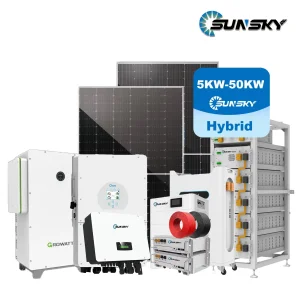
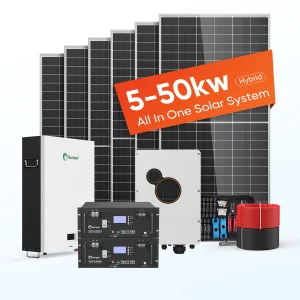
By utilizing Hybrid Inverter technology alongside high-voltage energy storage systems, operators can perform dynamic peak shaving, mitigating grid congestion and reducing demand charge expenses during utility premium hours.
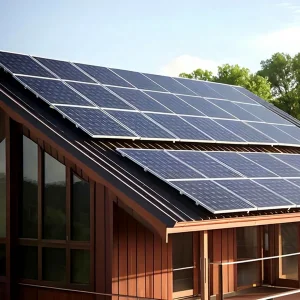
Building-Integrated Photovoltaics (BIPV) such as N-Type Solar Roof Tiles convert standard building envelopes into localized micro-generation systems, enabling high density energy capture without additional land allocation.
Digital management structures like the JK BMS utilize high-speed CAN bus and RS485 communication protocols, executing millisecond-level telemetry monitoring to optimize state of charge (SoC) and state of health (SoH).
Xiamen Jonas Energy Co., Ltd. is a global provider of integrated renewable energy ecosystems, headquartered in the high-tech hub of Xiamen, Fujian Province, China. Since our inception, we have committed our operations to the scientific research, process design, advanced manufacturing, and supply chain integration of top-tier solar and energy storage systems. Our business covers multiple continents, supplying residential homeowners, commercial enterprises, utility operators, and micro-grid developers with durable, high-efficiency equipment.
By co-developing hardware architectures with leading cell manufacturers and research centers, Jonas Energy supplies wall-mounted energy storage modules, containerized utility-scale Energy Storage Systems (ESS), premium BIPV arrays, and advanced off-grid hybrid power kits. Through persistent innovation, we assist international partners in transitioning from passive power consumers to active energy producers.
Our manufacturing facility operates under highly optimized QA/QC management frameworks, incorporating gigawatt-scale production capability. Equipped with robotic placement lines, precision welding stations, automated laser testing setups, and dedicated thermal testing chambers, our production facility ensures that every product—from modular battery connectors to industrial hybrid storage systems—maintains absolute operation consistency under severe environmental parameters.
Each unit produced within Xiamen Jonas Energy's facilities undergo a multi-stage validation matrix. We believe in providing transparency to our partners; below is the documented workflow illustrating our high-tech assembly lines, automated machinery, and quality control systems.
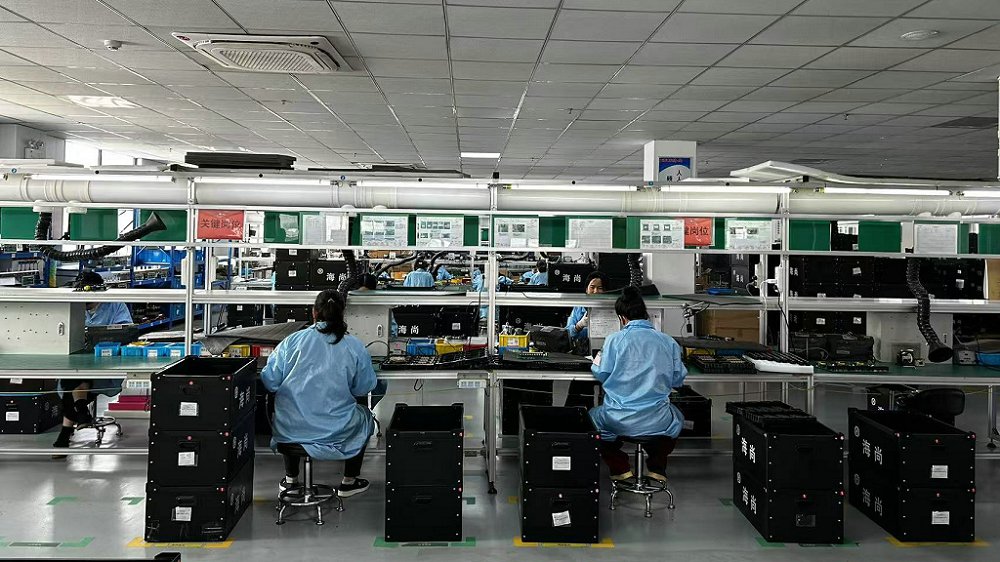
Plate Making Process
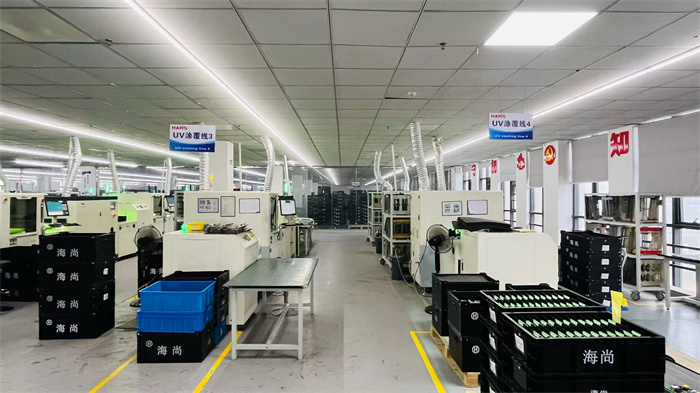
UV Coating Application
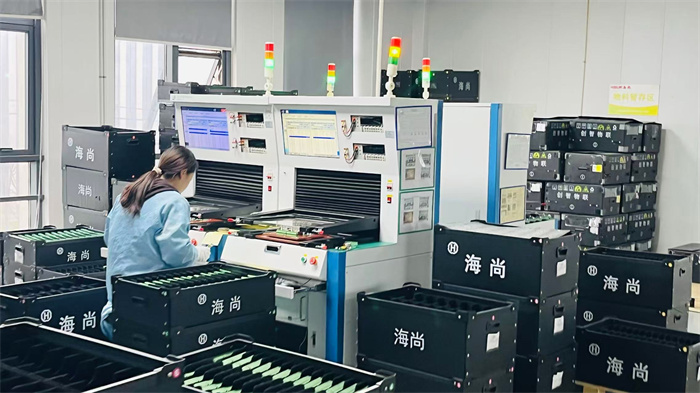
Precise Electrical Testing
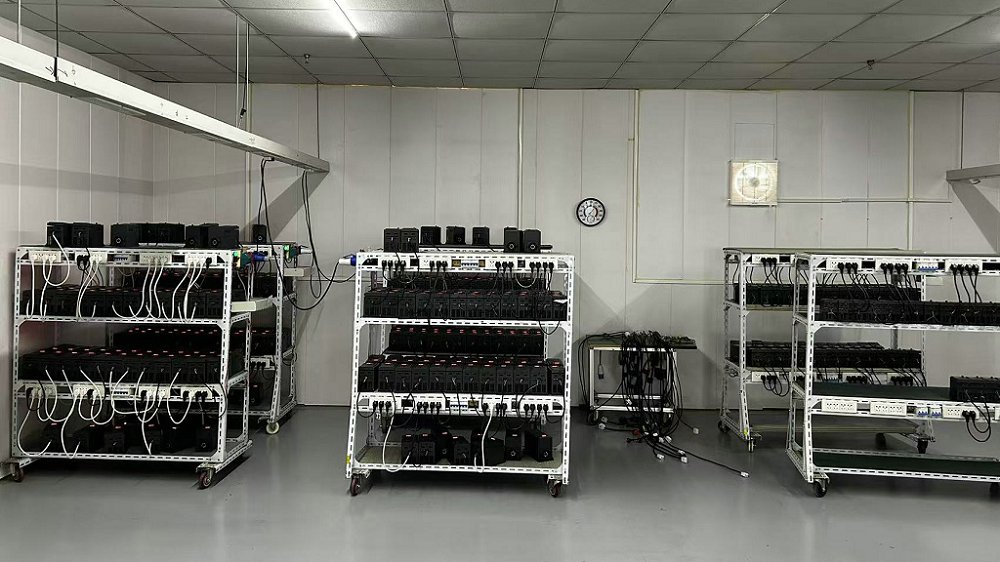
Accelerated Thermal Aging Test
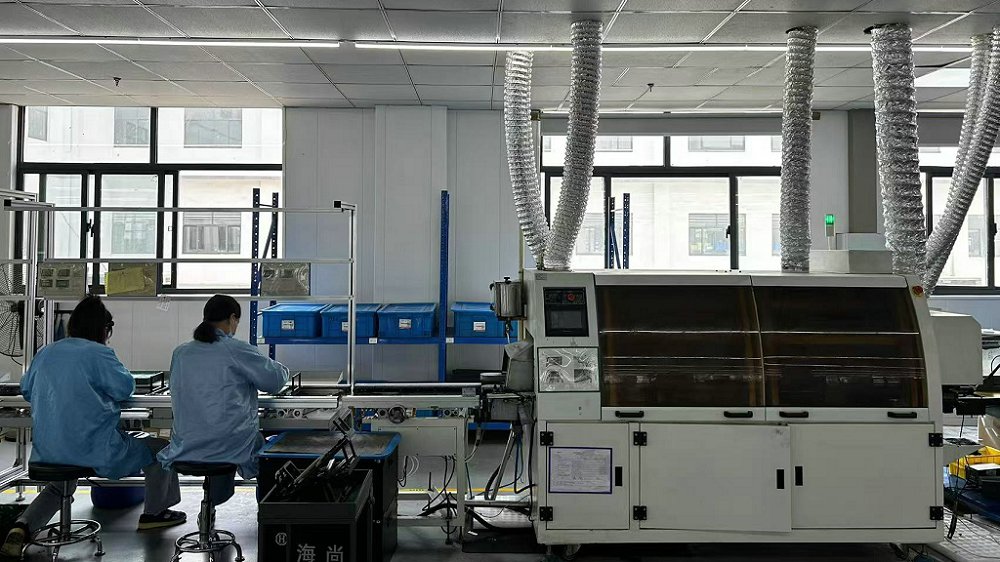
Robotic Welder Line
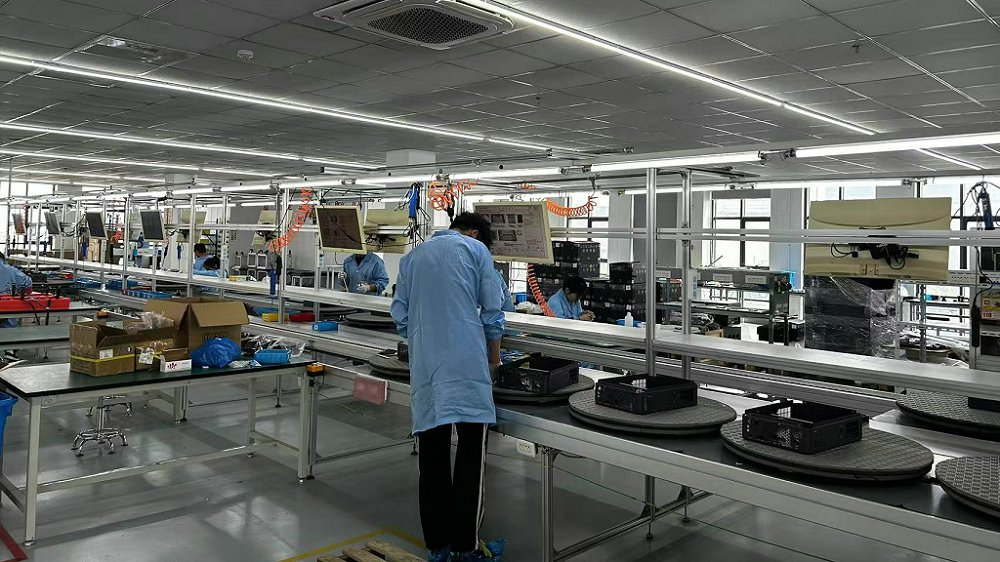
Component Assembly Stage 1
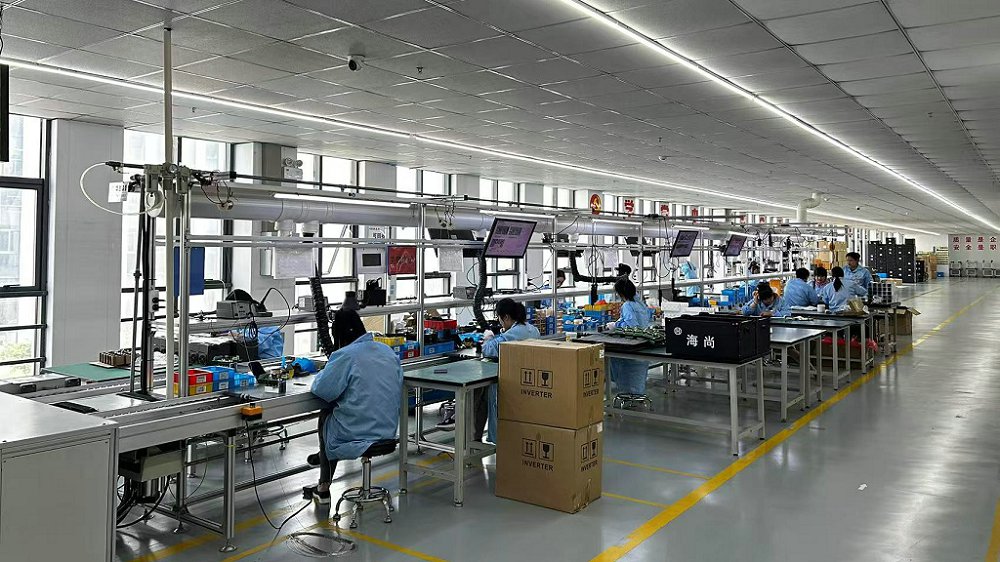
Component Assembly Stage 2
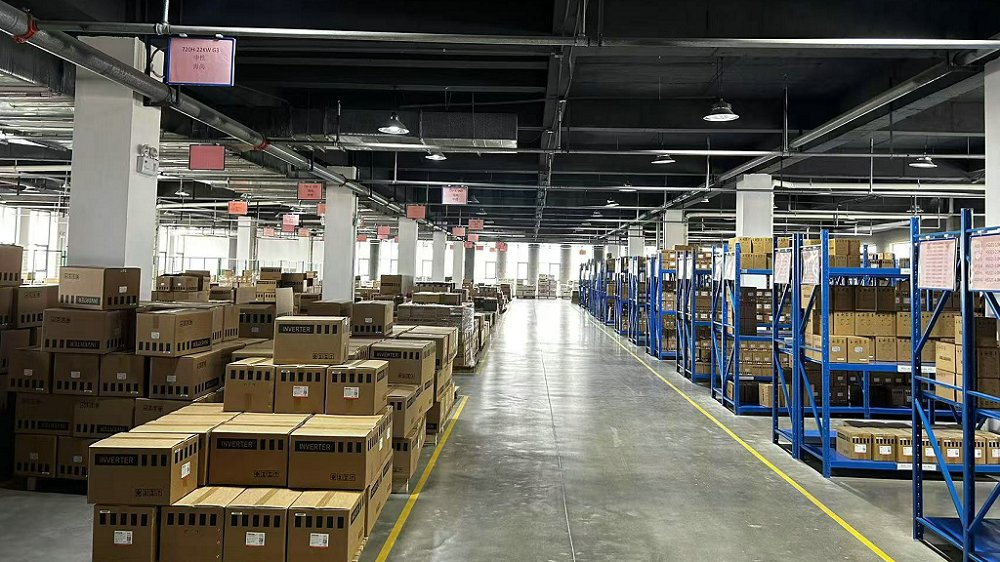
Finished Product Evaluation
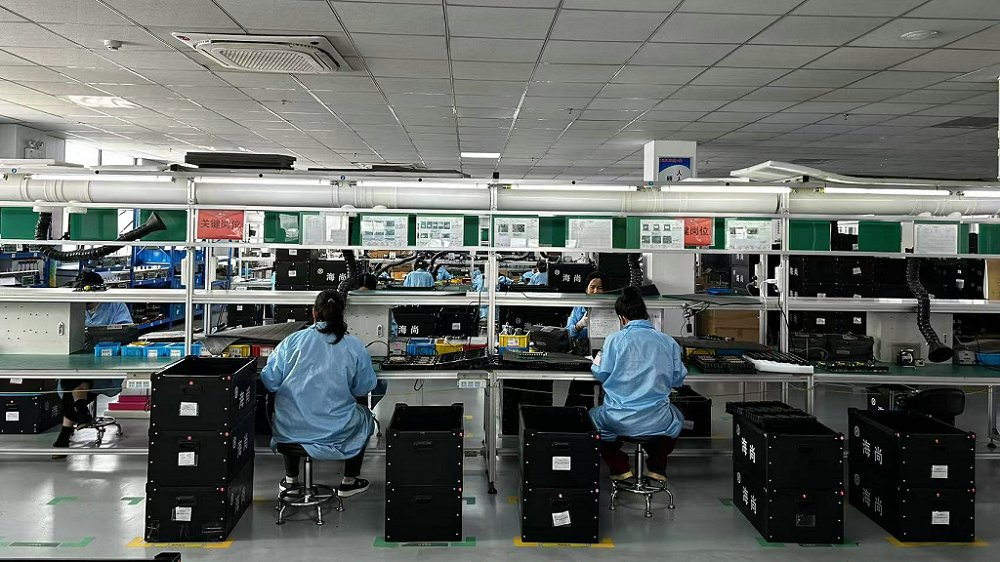
Continuous Plate Production Line
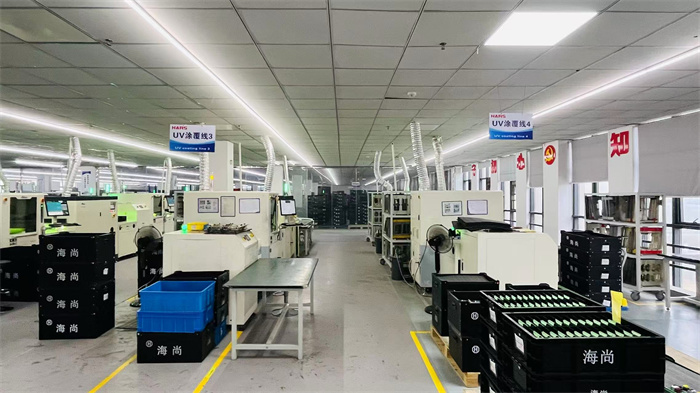
Automated UV Coating Station
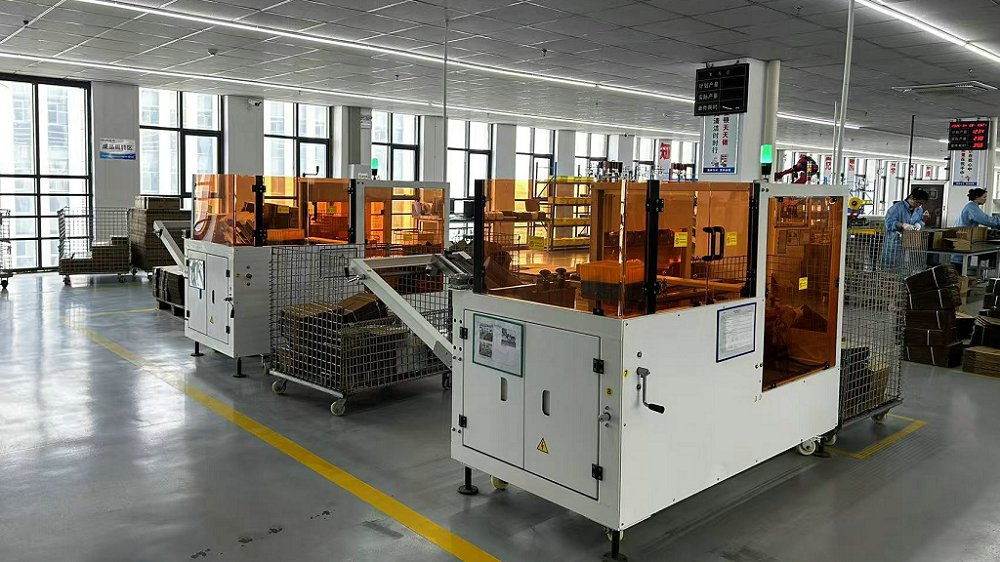
Box Opening & Forming Machine
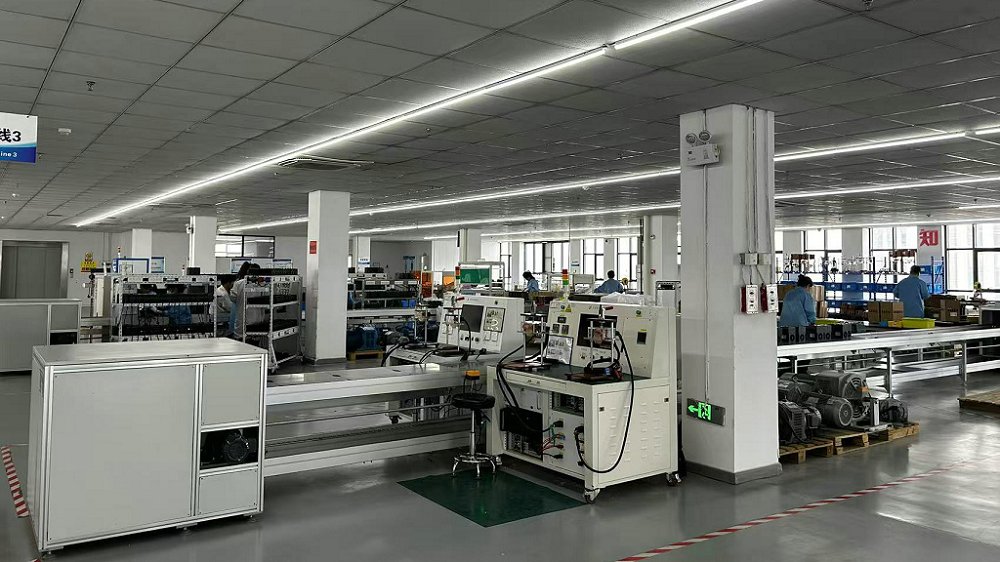
Robust Protective Packaging Line
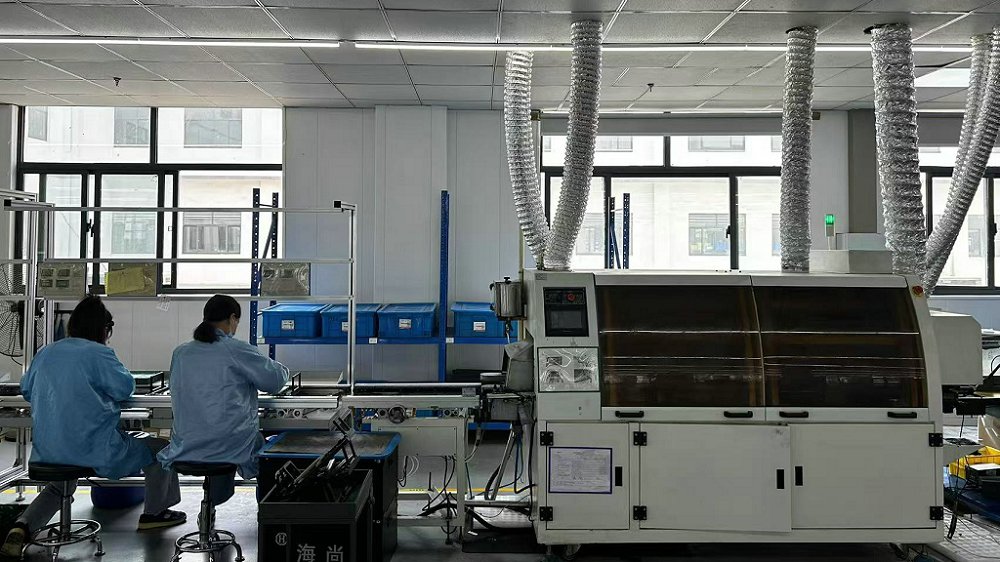
Wave & Dip Soldering Line
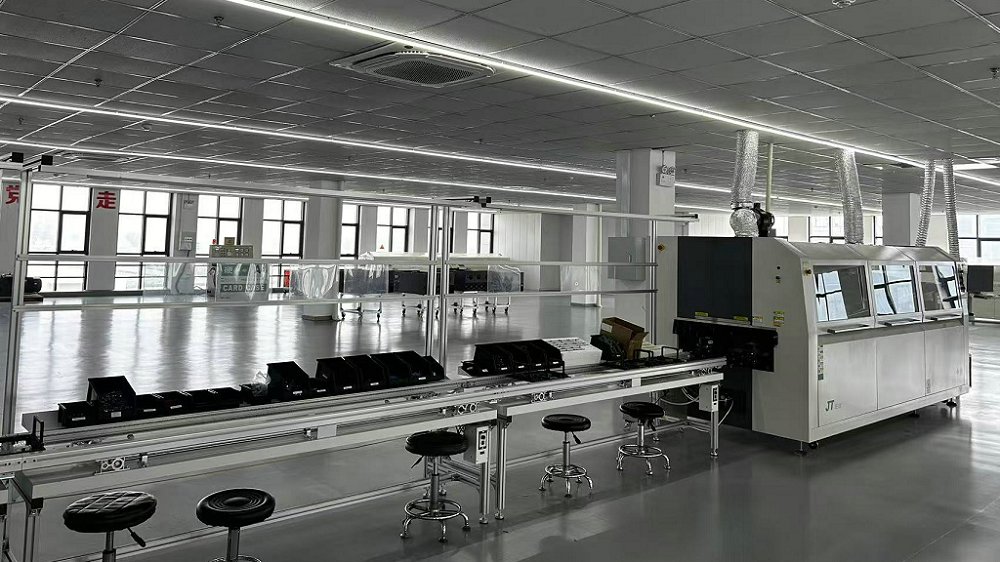
General Production Flow
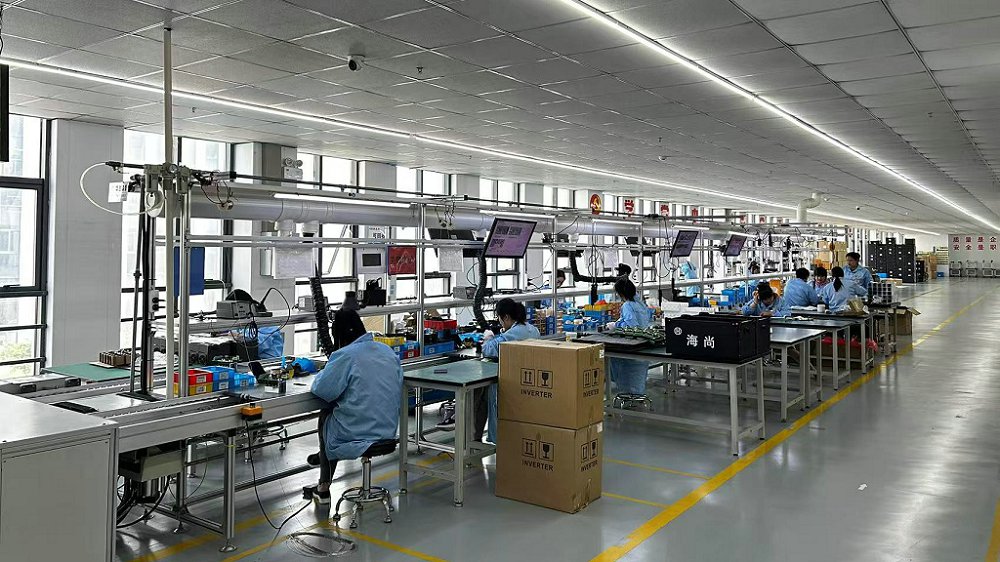
Cleanroom Final Assembly Line
Sustainable energy products require strict compliance to avoid grid instability, local safety issues, and thermal failures. At Jonas Energy, our systems undergo rigorous inspections to verify alignment with strict global codes. Our products have received global certification, demonstrating compliance with IEC 61215/61730 (for PV safety), IEC 62619 (for lithium stationary systems), TUV, CE, ISO9001, and UN38.3 (securing battery transport security).
Every cell pack is put through mechanical vibration testing, high-impact checks, and continuous thermal cycling to prevent dendrite growth and mitigate thermal runaway risks, ensuring long-term product life in extreme environments.
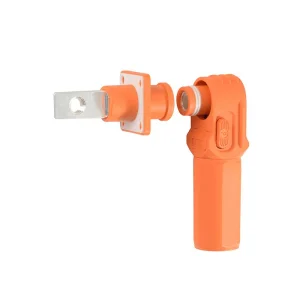
Using highly durable raw materials, such as hot-dip galvanized mounting structures and IP67-rated waterproof connectors, Jonas Energy systems resist environmental degradation, salt-mist corrosion, and long-term UV exposure.
We provide comprehensive engineering services, from initial site layout and solar array calculation to battery chemistry analysis, micro-grid design, and local grid connection configurations.
No single solution fits all renewable projects. Global grid dynamics, variable sunlight levels, and different load demands require customized system designs. Jonas Energy solutions are engineered to support key industry applications:
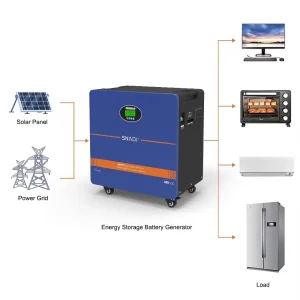
By combining adjustable balcony mounting kits and modular all-in-one storage systems (such as GSL or KEVOLT battery packs), urban apartment and home residents can generate clean electricity, optimizing space constraints in high-density areas.
For manufacturing plants and commercial properties, large solar systems integrated with 300kW industrial hybrid storage kits help lower peak energy demand charges, control costs, and provide reliable backup power during grid outages.
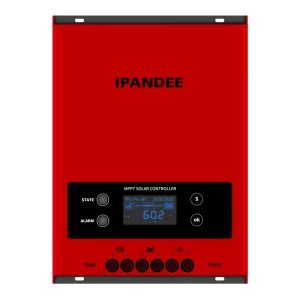
Remote communication stations demand uninterrupted power. Using MPPT controllers alongside industrial lithium storage, telecom providers can maintain consistent uptime, lower generator reliance, and reduce maintenance runs to isolated areas.
As battery chemistries and solar cell structures change, Xiamen Jonas Energy maintains a clear development path focused on improving round-trip efficiency, enhancing system life, and lowering operating costs.
Integrating AI-driven forecasting software into BMS controllers. This allows batteries to adapt charging profiles based on local weather reports and spot price data from regional utilities.
Transitioning to semi-solid state lithium cells and commercial-grade sodium-ion batteries, which help prevent thermal risks and run reliably in extremely cold climates.
Expanding solar integration designs for urban infrastructure, enabling glass facades, concrete panels, and roof systems to generate clean power with over 24% conversion efficiency.
Explore expert insights on photovoltaic structures, lithium-ion battery integration, cell management technologies, and local grid alignment requirements.
N-Type BIPV cell configurations deliver higher resistance to Light Induced Degradation (LID) and maintain a lower temperature coefficient. This ensures they generate more power in hot weather and perform better in low-light conditions, leading to greater energy production over the life of the system.
Traditional passive balance circuits dissipate excess energy from stronger cells as heat. The active balance system in the JK BMS transfers energy from higher-voltage cells to weaker ones. This reduces thermal stress on the pack, keeps cell voltages closely aligned, and extends the battery's overall cycle life.
Liquid cooling systems offer superior heat transfer compared to air-cooled models. By keeping internal battery temperatures consistent (within a <3°C range), liquid cooling reduces localized cell degradation, lowers thermal runaway risks, and allows the system to operate efficiently in demanding commercial environments.
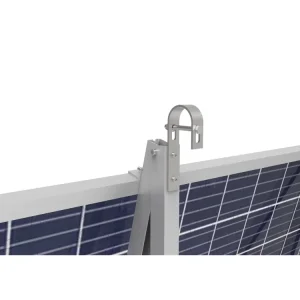
Balcony solar kits should use adjustable, hot-dip galvanized mounting brackets with certified safety hardware. The tilt angle must be calibrated based on your local latitude to capture optimal sunlight, and structures should be wind-load rated to withstand high winds in urban settings.
High-efficiency power electronics, protective components, and complete energy storage setups for residential and industrial projects.
 Jonas Energy