As urbanization intensifies, municipal planners and industrial enterprises face the critical challenge of transitioning to sustainable, resilient, and intelligent power infrastructures. At Xiamen Jonas Energy Co., Ltd., we stand at the vanguard of this revolution, operating as a premier OEM/ODM Smart City Solutions manufacturer and supplier. We engineer integrated photovoltaic and Energy Storage Systems (ESS) that form the baseline of future decarbonized municipal grids.
Our solutions bridge the gap between renewable energy capture, advanced hardware control, and real-time algorithmic battery management. By embedding high-efficiency MPPT controllers, smart bidirectional hybrid inverters, and high-safety LiFePO4 battery modules into urban spaces, we transform traditional city assets into active participants of a dynamic virtual power plant (VPP) ecosystem.
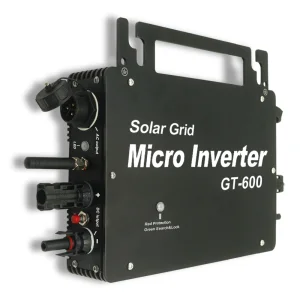
Integrating localized PV generation through micro-hybrid topologies to minimize line losses and maximize smart city autarky.
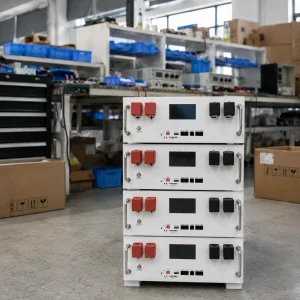
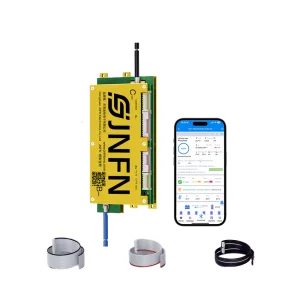
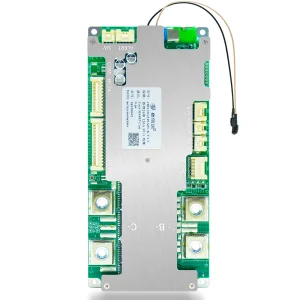
Deploying advanced LiFePO4 chemistry with smart multi-tier battery management systems (BMS) for multi-megawatt commercial nodes.
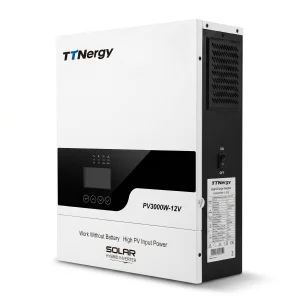
Smart inverters responsive to dynamic grid parameters, maintaining frequency and voltage thresholds across local microgrids.
Deploying IoT-connected microcontrollers and BMS protocols for diagnostic scheduling and predictive lifetime preservation.
Modern Smart Cities are not uniform entities; they are highly localized networks with distinct geographical, environmental, and infrastructural requirements. In developed urban landscapes, the focus is on peak-shaving, dynamic pricing management, and EV charging grid integration. In rapidly growing cities or fringe developments, the immediate need centers around rapid infrastructure deployment, off-grid stabilization, and microgrid autonomy.
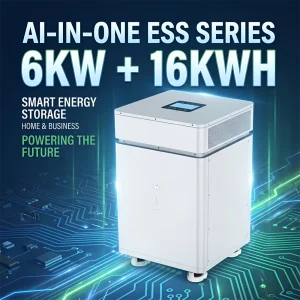
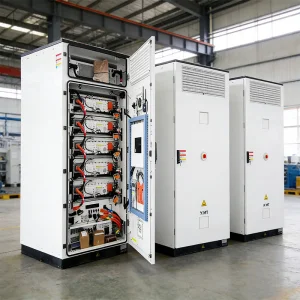
By grouping residential and commercial storage batteries (such as our 20kWh and 100kWh commercial cabinets) into unified software-defined clusters, municipalities can offset high demand spikes, feeding power back into the municipal grid within milliseconds of a frequency dip.
Smart swapping stations powered by our 4G-enabled, GPS-integrated smart BMS facilitate seamless operation of zero-emission fleets. Automated telemetry communicates pack diagnostics, charging status, and thermal parameters back to a centralized cloud. This minimizes operational overhead and ensures driver safety.
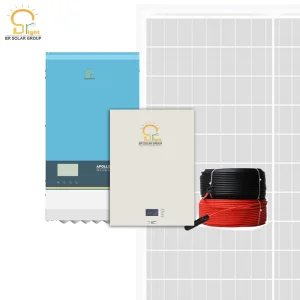
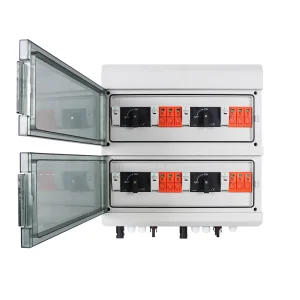
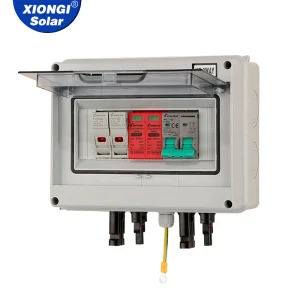
For industrial parks and wastewater treatment hubs, deploying complete PV-Storage packages ensures that localized power anomalies do not cause expensive production downtime. By combining robust combiners, hybrid inverters, and high-voltage rack batteries, facilities operate independently from grid volatilities.
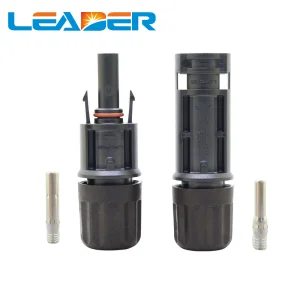
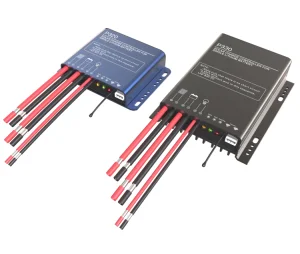
Each scenario leverages different components of our product portfolio. For instance, the Leader 1500V IP68 MC4 Connector ensures minimal resistive losses and complete environmental protection for solar installations in extreme environments, while our IP68 waterproof PWM controllers manage localized street-level nodes such as solar-powered municipal lighting networks and telemetry stations. Through strategic OEM/ODM tailoring, we match the product's environmental rating, thermal resilience, and communications protocols (CAN, RS485, Modbus) to the specific requirements of the local municipality.
As an industry-leading OEM/ODM partner, Xiamen Jonas Energy Co., Ltd. continuously refines its product engineering to remain ahead of industry regulations and paradigm shifts. Our strategic technological roadmap highlights key architectural shifts that prioritize higher energy density, digital intelligence, and unparalleled safety margins:
Standardizing 3.2V high-capacity cells with intelligent 10S-24S ANT BMS, utilizing active cell balancing algorithms to increase cycle life to over 6,000 cycles at 80% Depth of Discharge (DoD).
Deploying high-voltage battery cabinets (exceeding 800V DC) utilizing dynamic liquid-cooling modules to reduce temperature variances within the battery system to under 3°C, drastically reducing degradation rates.
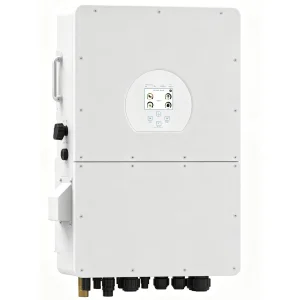
Integrating local AI microcontrollers on our hybrid inverters to perform real-time, local load forecasting. Gradually introducing semi-solid state cell configurations for superior fire safety in congested urban core zones.
The push for grid-edge electrification is global, yet regional market drivers differ significantly. In Europe, strict decarbonization policies and high energy prices accelerate the adoption of residential and commercial storage systems. Our hybrid single-phase and three-phase inverters, ranging from 3kW to 12kW, meet these requirements by offering dual-source input options and fast UPS-class switching speeds of under 10ms. This keeps mission-critical localized IT structures operational during sudden mains failure.
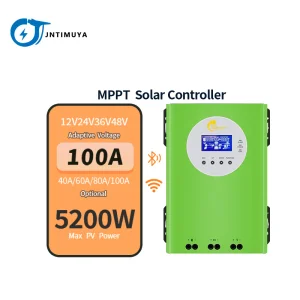
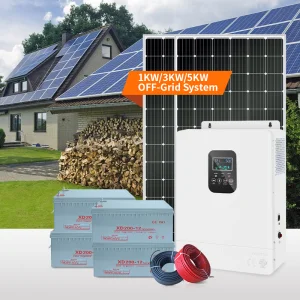
Conversely, in Southeast Asia and Africa, off-grid micro-hybrids act as the core power source for entire communities. Systems like our Off Grid 10000 Watt Solar System and high-power MPPT charge controllers provide high-capacity, reliable power to areas without grid connectivity. This helps small industries scale without relying on expensive diesel generators. By tailoring our OEM products to regional conditions—such as modifying thermal heatsinks to handle tropical humidity—Jonas Energy ensures reliable performance regardless of local climate pressures.
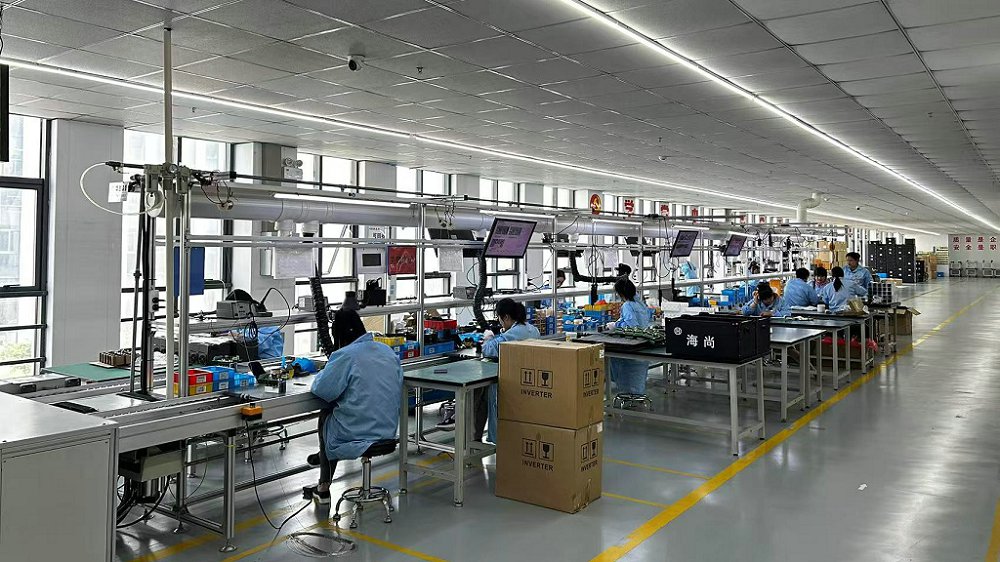
Fujian Province, and specifically the port city of Xiamen, serves as one of the world's most advanced clusters for lithium battery manufacturing and power electronics fabrication. Operating from this high-tech hub, Xiamen Jonas Energy Co., Ltd. leverages a mature network of raw material providers, precision assembly lines, and global shipping connections. This localized supply chain integration allows us to keep lead times short, even for highly customized ODM batches.
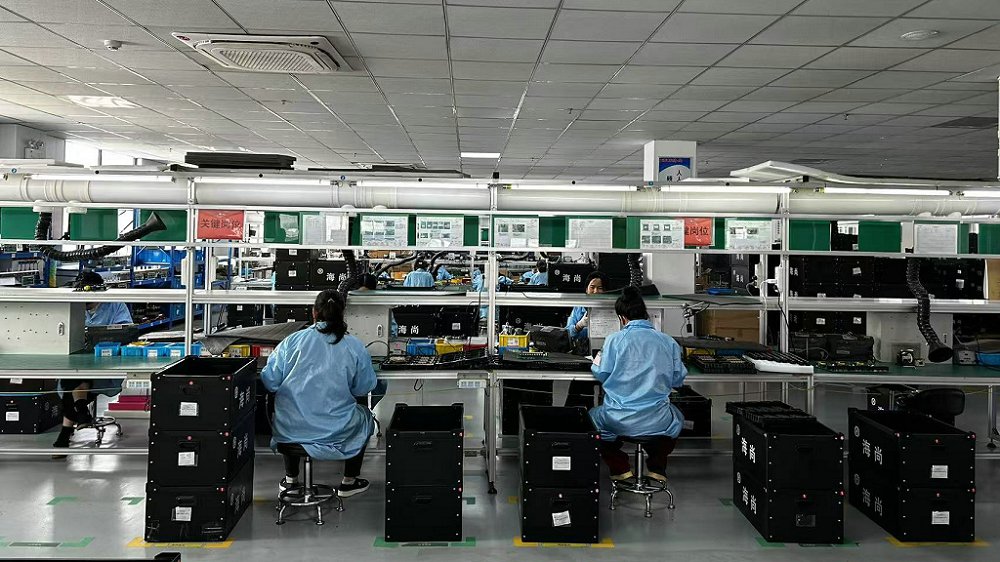
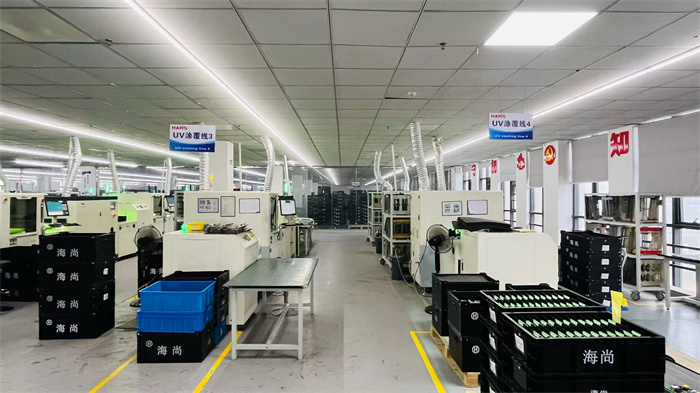
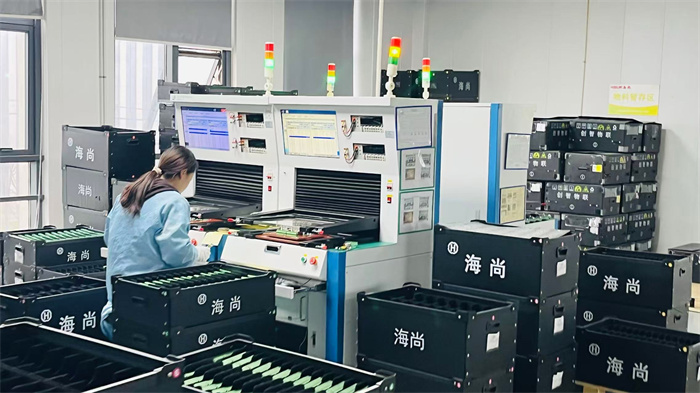
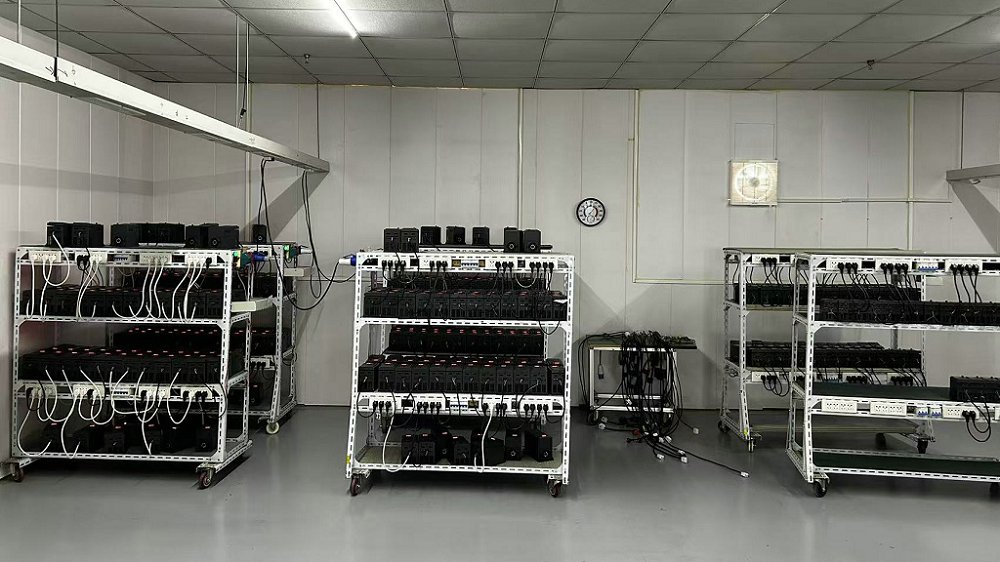
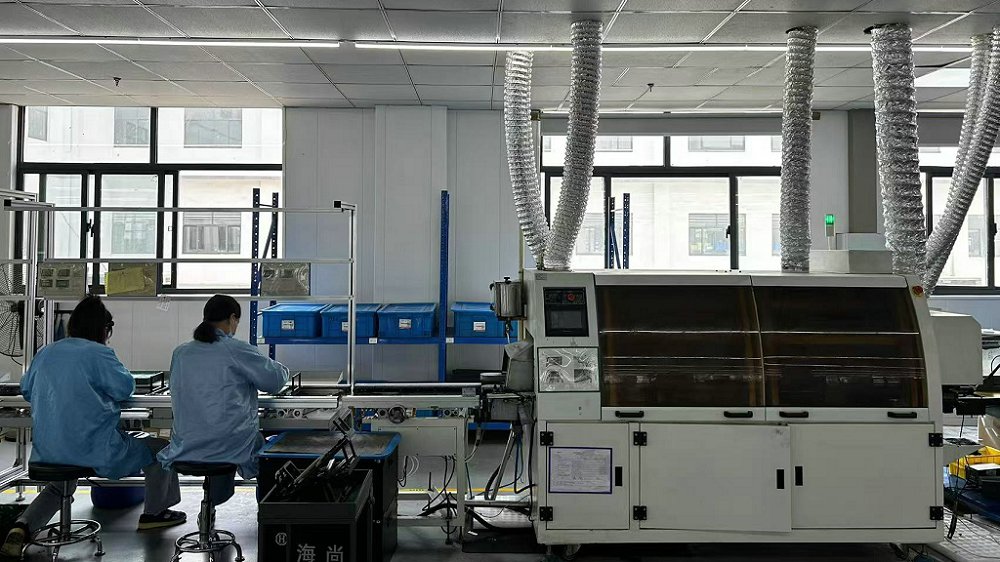
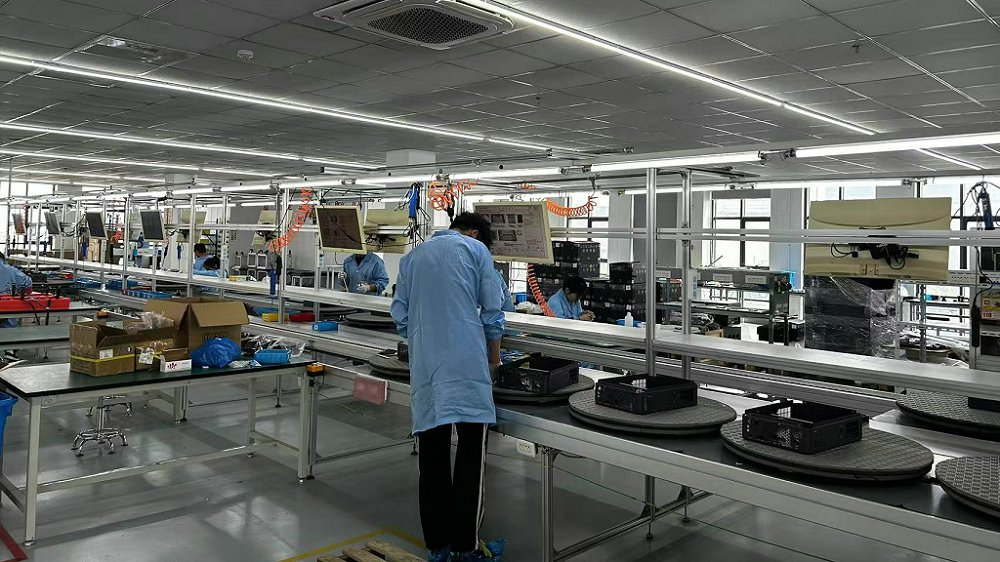
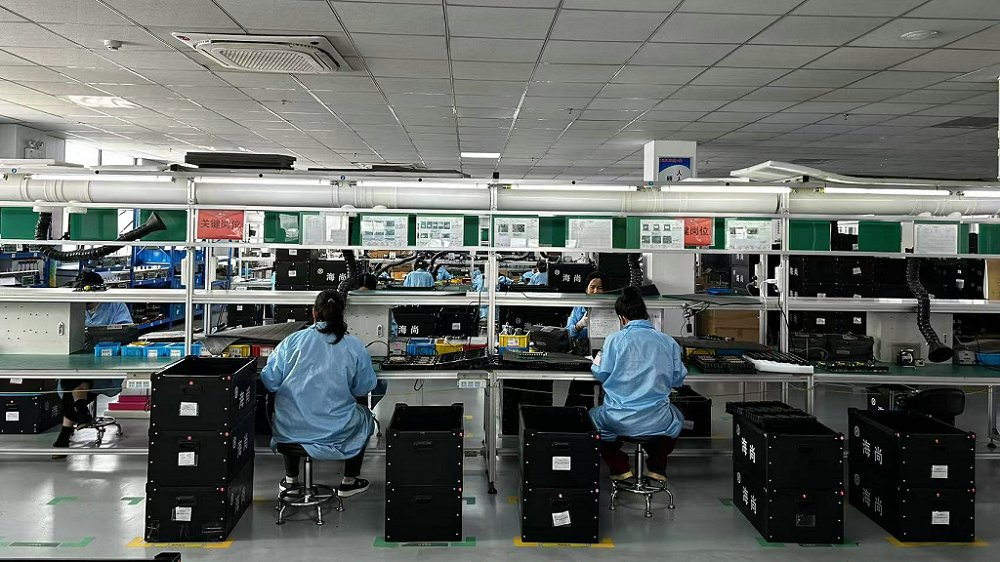
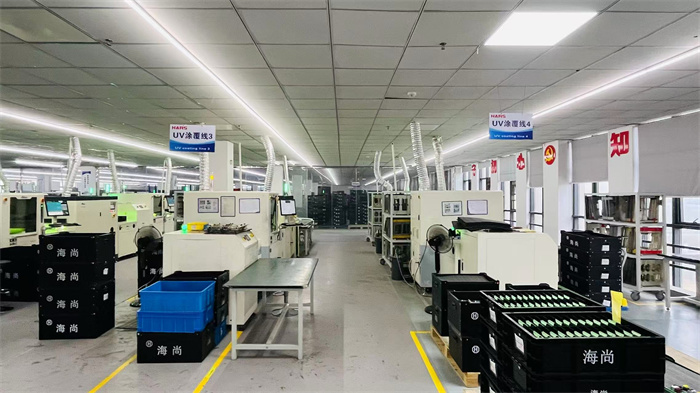
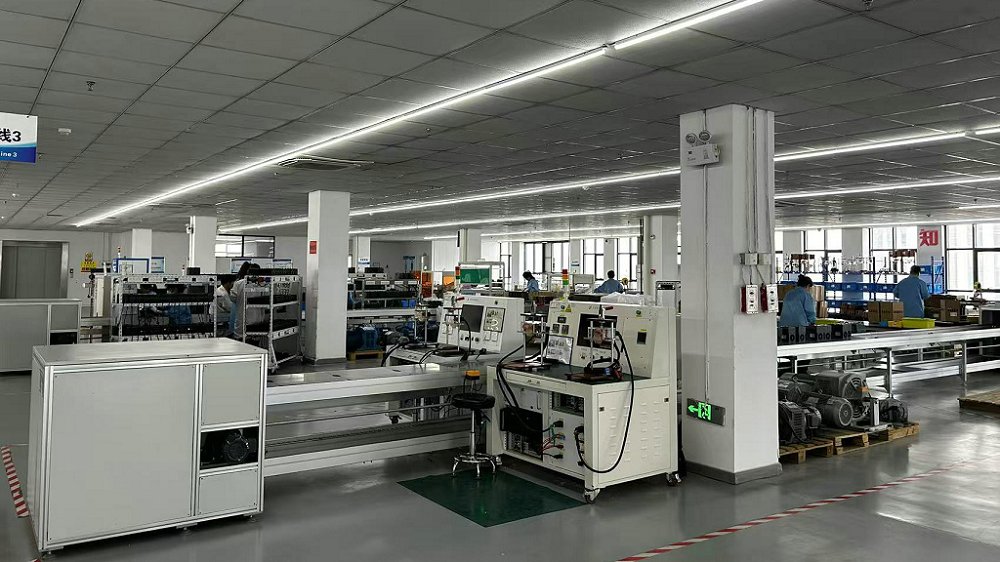
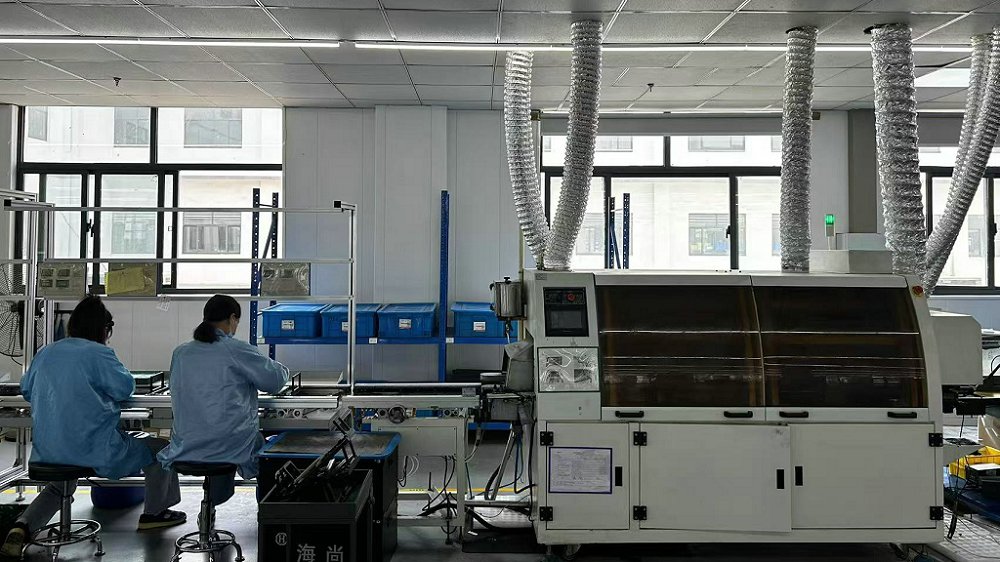
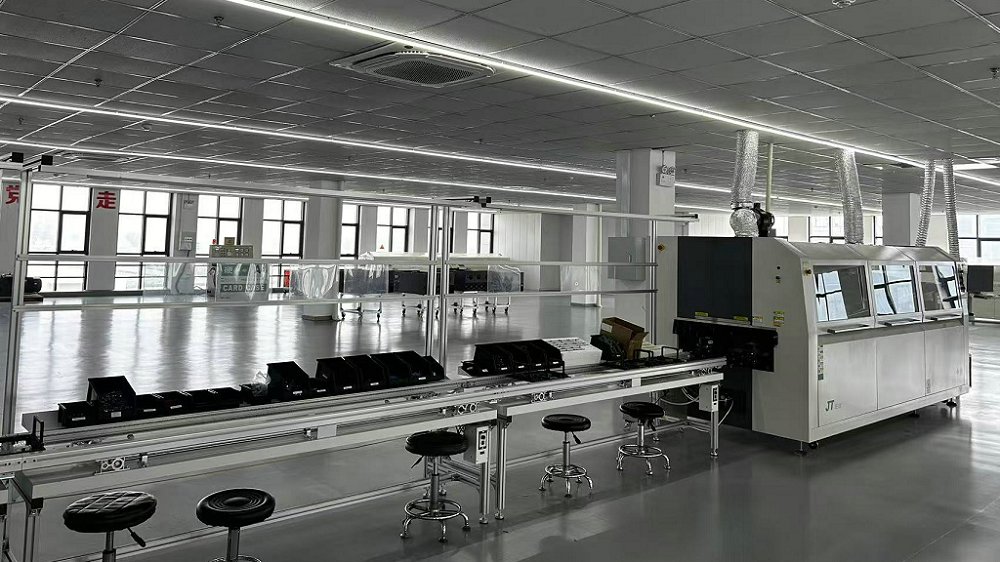
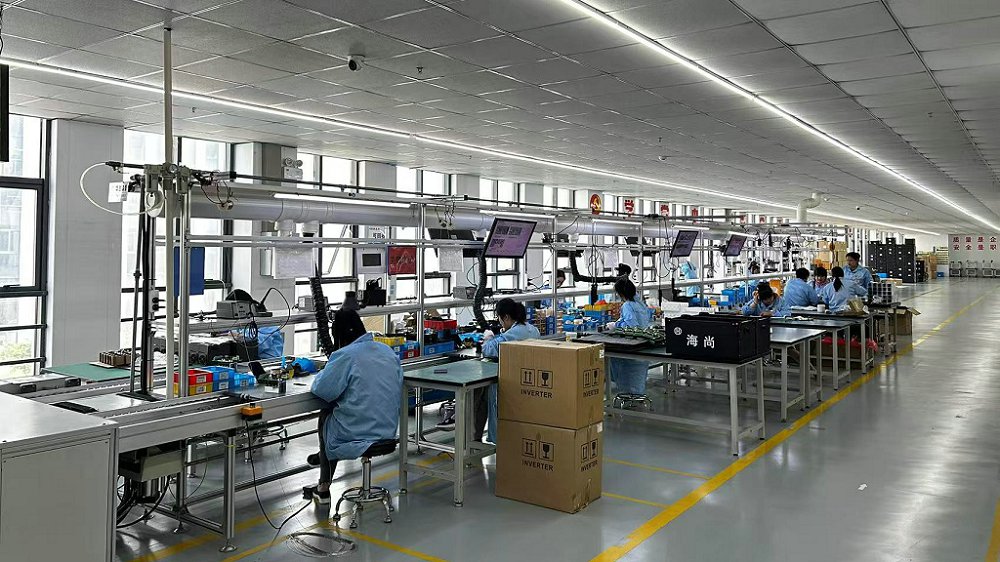
We implement strict quality assurance protocols at every stage of the manufacturing cycle. From initial copper plate making, circuit board UV coating, automated robotic welding, to temperature-controlled burn-in and aging tests, every component is monitored. Having these processes in-house reduces defects and ensures that our complete PV systems and component boxes function reliably in demanding environments for decades.
Deploying smart energy components in municipal and industrial environments requires compliance with strict safety and performance standards. Grid operators require certifications such as IEC 62109 for inverters, IEC 62619 for lithium batteries, and TUV SUD marks for connectors and distribution components. All Jonas Energy systems are built to meet or exceed these requirements, making local grid approval processes much easier for our customers.
To support global developers, distributors, and EPC contractors, we offer comprehensive OEM customization. This includes custom branding, adjusted enclosure designs, specific communication protocols, and tailored voltage limits. Additionally, our specialized engineering team provides prompt assistance with project sizing, electrical drawings, system modeling, and remote commissioning. This ensures a smooth path from procurement to installation.
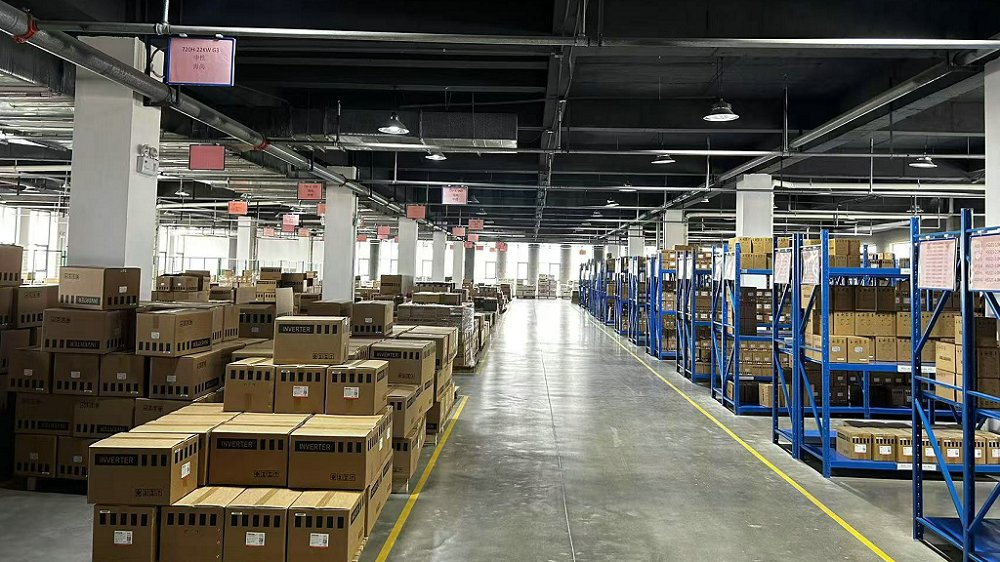
An inside look at our state-of-the-art production lines in Xiamen, China. We maintain strict control over every stage of assembly, testing, and packaging to deliver high-quality energy storage systems.

 Jonas Energy