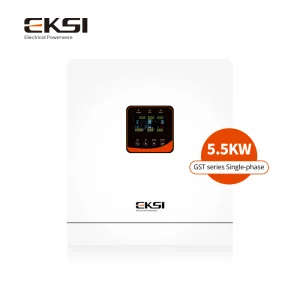
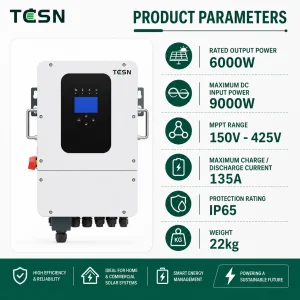
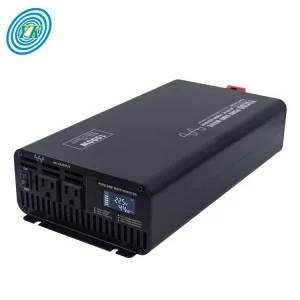
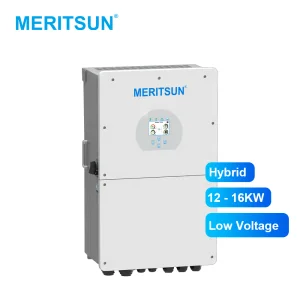
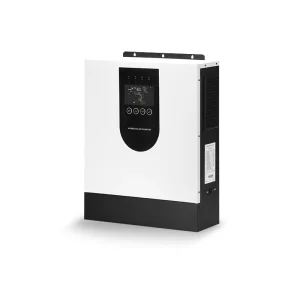
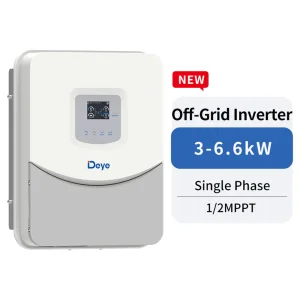
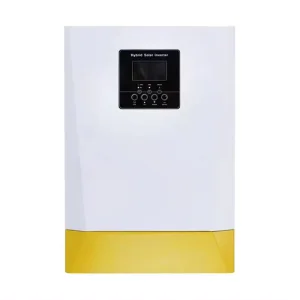
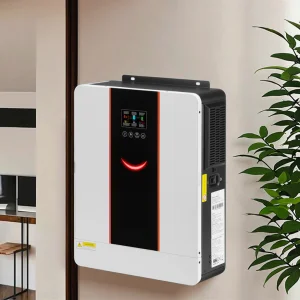
Engineered to deliver exceptional thermal dissipation, robust load capacities, and dual MPPT algorithms suited for Lesotho's mountain microgrids and off-grid configurations.
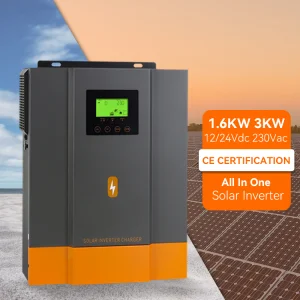
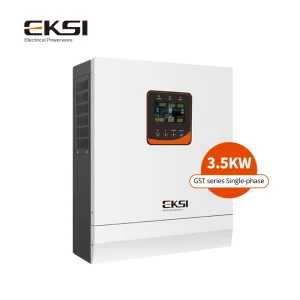
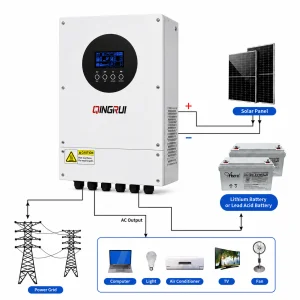
Decoding the unique geographical, technical, and macro-economic factors driving off-grid resilience and high-altitude PV deployment in Southern Africa.
Lesotho, dynamically nicknamed the "Kingdom in the Sky," maintains the highest lowest point of any independent state globally (1,400 meters). In regions such as Mokhotlong or Thaba-Tseka, elevations exceed 3,000 meters. For power electronics like solar inverters, high altitudes directly correlate with lower air density. This atmospheric thinness severely compromises heat convection currents, requiring a proactive design derating approach to prevent thermal overload.
Our intelligent hybrid systems integrate oversized aluminum heatsinks and variable-speed smart cooling fans. This ensures that the IP65-certified models maintain peak efficiency curves even under reduced air-cooling efficiency, keeping local telecommunication hubs, mine operations, and agricultural processors up and running without interruption.
Although Lesotho is blessed with significant hydro-generation capacity from the Lesotho Highlands Water Project (LHWP) via the Muela Hydropower Station, the domestic power sector experiences critical grid instability during dry winter spells. The country relies heavily on imports from South Africa's Eskom grid, exposing local industries to load-shedding waves.
Hybrid inverters equipped with sub-20ms uninterruptible power supply (UPS) capabilities act as the primary defense system for businesses in Maseru's Industrial Area. Transitioning seamlessly from grid supply to stored battery backup, they safeguard production lines from expensive micro-cuts and costly machinery downtime.
A premier global provider of renewable energy solutions and next-generation power electronics.
Xiamen Jonas Energy Co., Ltd. is a professional provider of renewable energy solutions, headquartered in Xiamen, Fujian Province, China. Since its establishment, the company has been dedicated to the research, development, manufacturing, and global distribution of advanced photovoltaic and energy storage products.
With a strong commitment to innovation and sustainability, Jonas Energy offers a comprehensive portfolio of solar energy solutions, including solar panels, inverters, energy storage batteries, mounting systems, and complete solar power generation systems. Our products are designed to meet the diverse needs of residential, commercial, industrial, and utility-scale projects worldwide.
We work closely with internationally recognized manufacturers and technology partners to provide a wide range of reliable energy storage solutions, including wall-mounted batteries, all-in-one storage systems, rack-mounted batteries, and containerized energy storage systems (ESS). Through continuous innovation and strategic partnerships, we help customers achieve greater energy independence and efficiency.
As a high-tech enterprise, Jonas Energy operates modern production facilities equipped with advanced manufacturing and testing equipment. Our annual production capacity reaches several gigawatts, enabling us to efficiently serve customers across global markets.
Our experienced R&D team consists of highly qualified engineers and technical specialists who continuously focus on product innovation, performance optimization, and technological advancement in the renewable energy sector. By integrating cutting-edge technologies, we ensure that our solutions remain competitive, efficient, and future-ready.
Custom hybrid inverter systems mapped directly to the commercial realities of the Southern African landscape.
Lesotho's textile export sector in Maseru and Maputsoe depends heavily on continuous power. A single load-shedding drop damages fabrics and stops production lines. Our high-voltage three-phase hybrid inverters ensure seamless backup transitions, saving plants thousands of dollars per hour.
High-altitude diamond mines in the Maluti Mountains are completely off-grid. They require rugged, heavy-duty parallel inverters capable of withstanding extreme cold and dry mountain dust, and compatible with large diesel generator sets.
Over 50% of the rural population lives in mountainous valleys. Solar hybrid mini-grids provide clean, reliable energy for school clusters, regional medical clinics, and vital crop-irrigation pumps.
Intelligent hybrid units optimized for seamless integration, battery compatibility, and local grid matching.
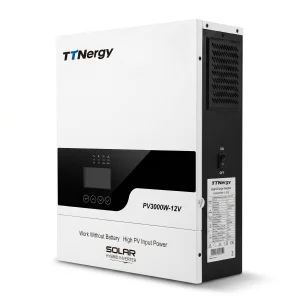
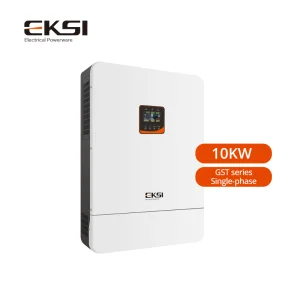
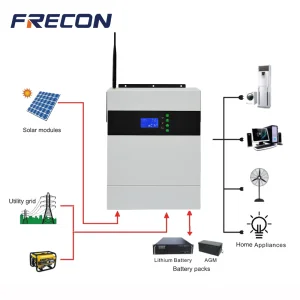
Why global procurers, African engineering partners, and international developers source directly from Jonas Energy's advanced manufacturing center.
Developing high-quality energy storage electronics requires extreme consistency at every step of manufacturing. A micro-fracture on a PCB or a minor solder bridge can easily trigger a premature failure in rugged, remote locations like Lesotho's highland projects, where servicing equipment on-site is highly expensive. That is why Jonas Energy invests heavily in state-of-the-art automated manufacturing processes, ranging from high-precision printing to computerized aging tests.
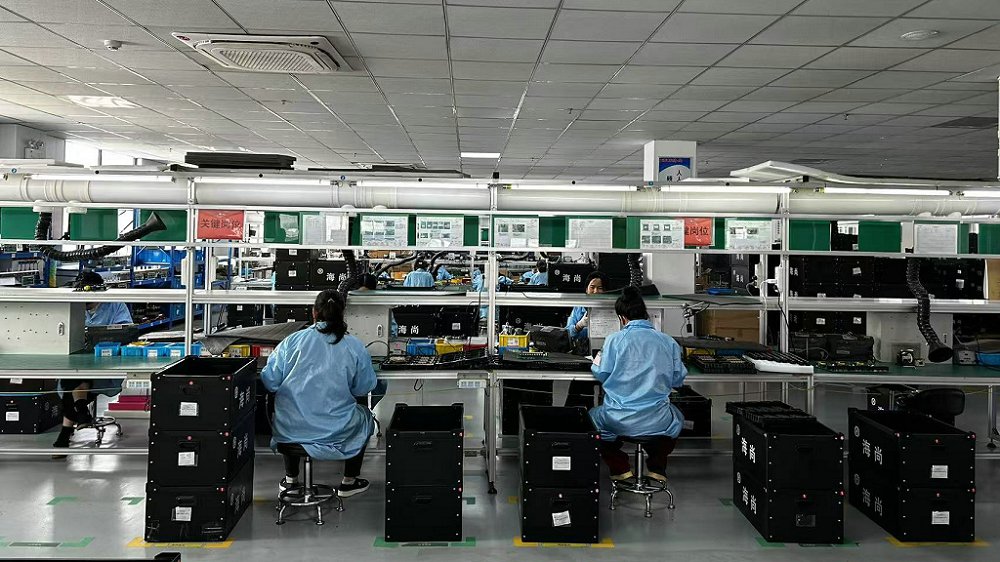
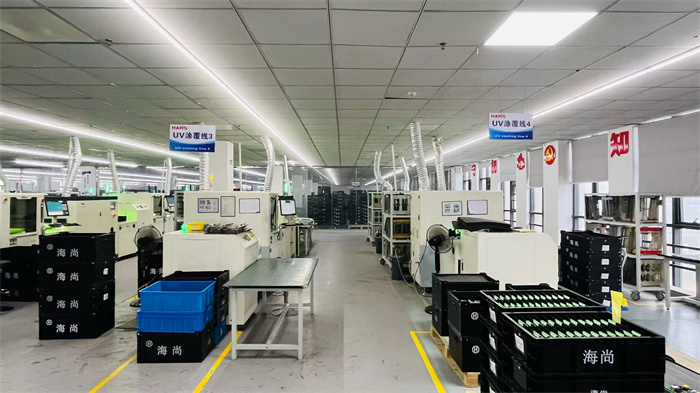
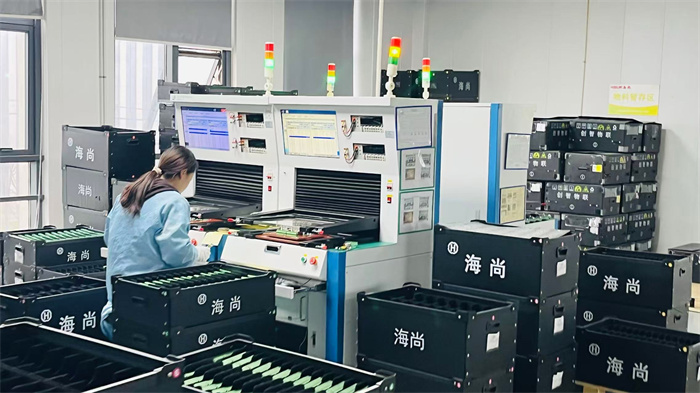
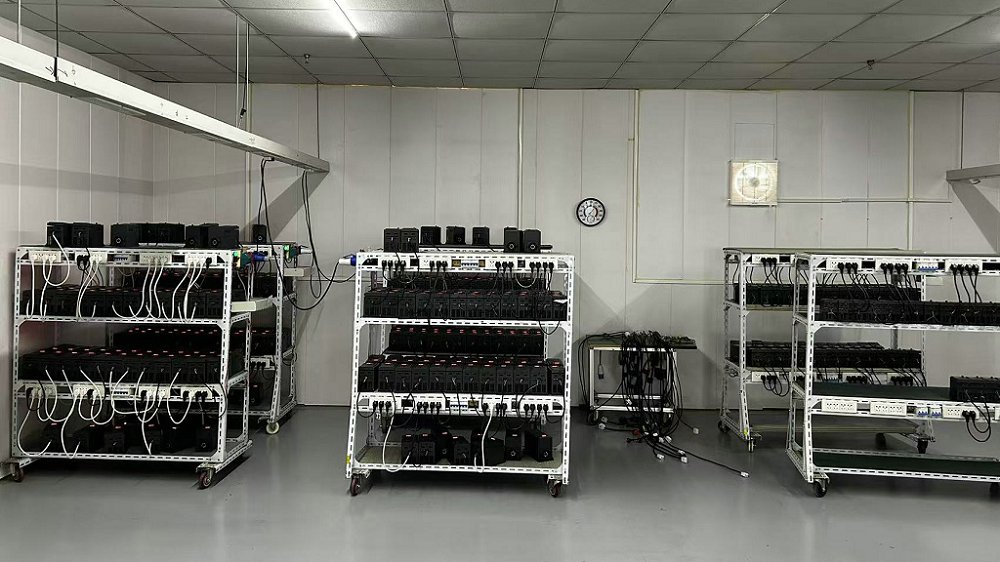
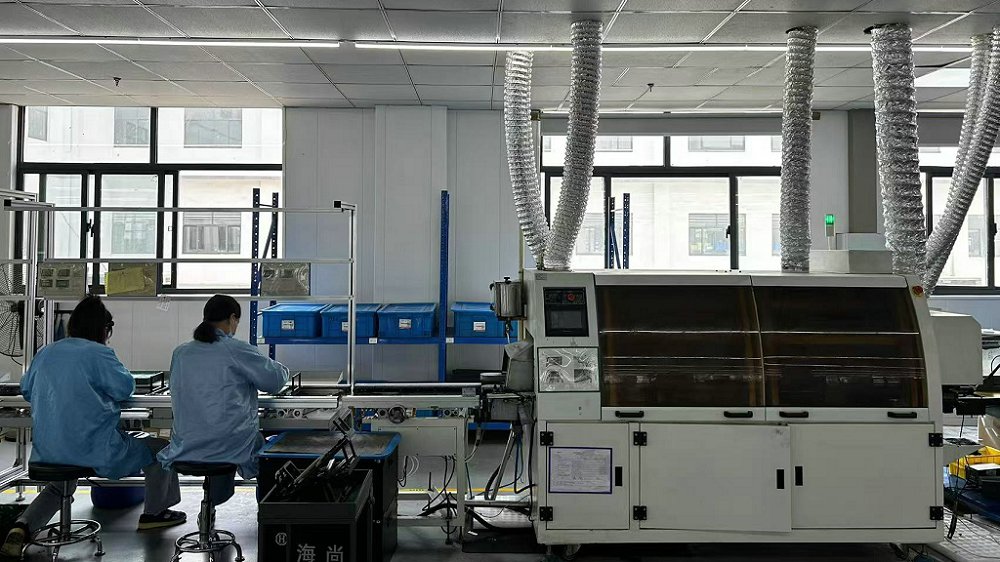
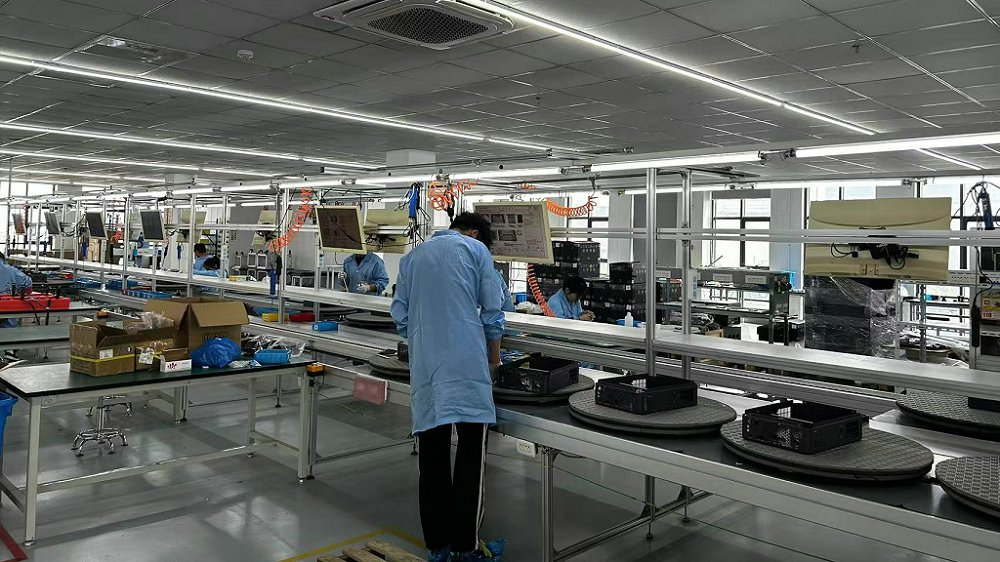
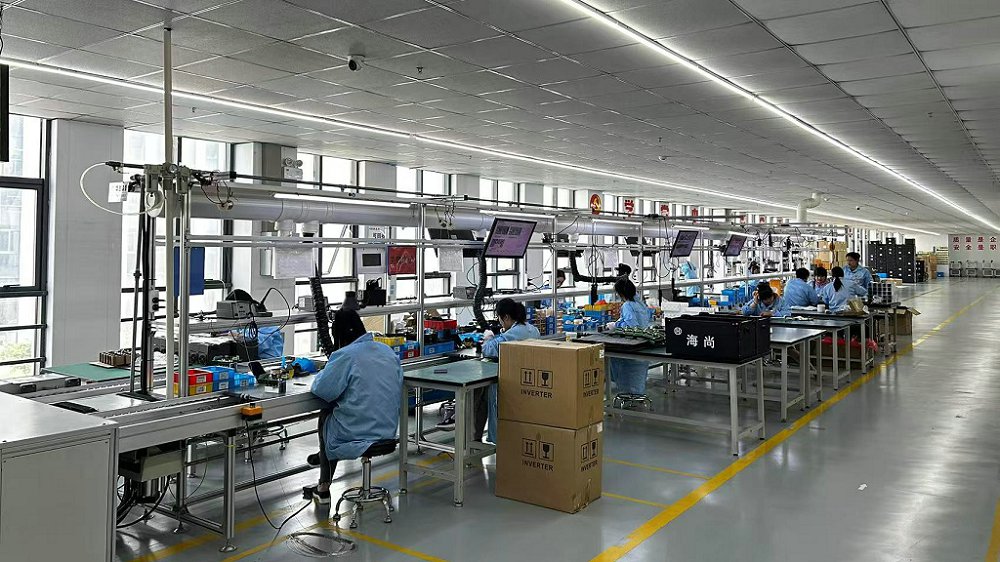
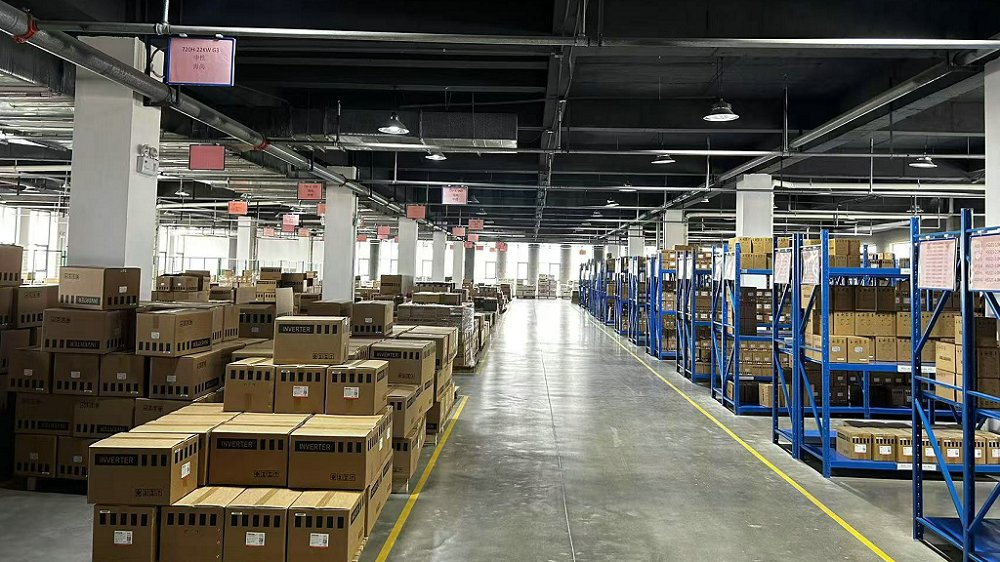
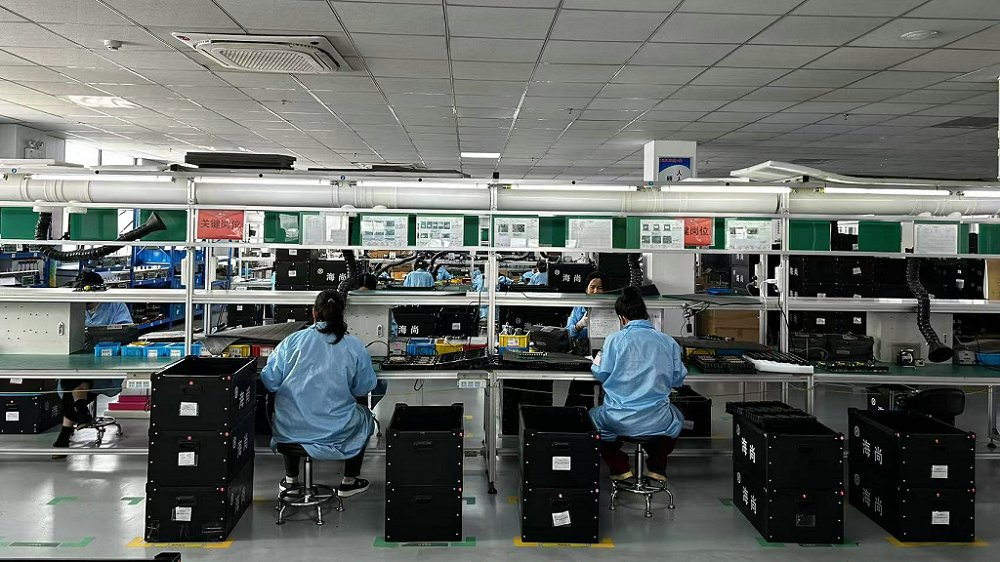
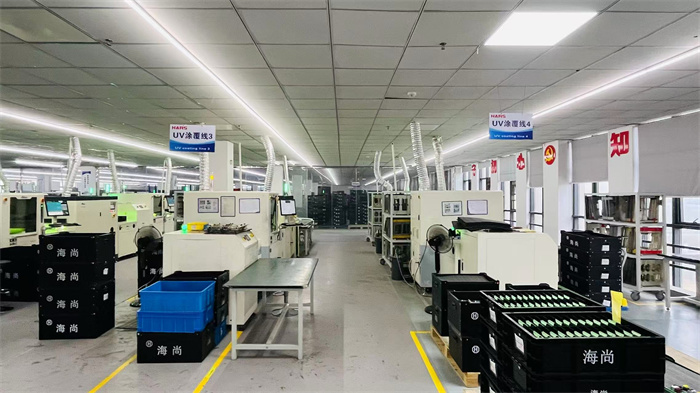
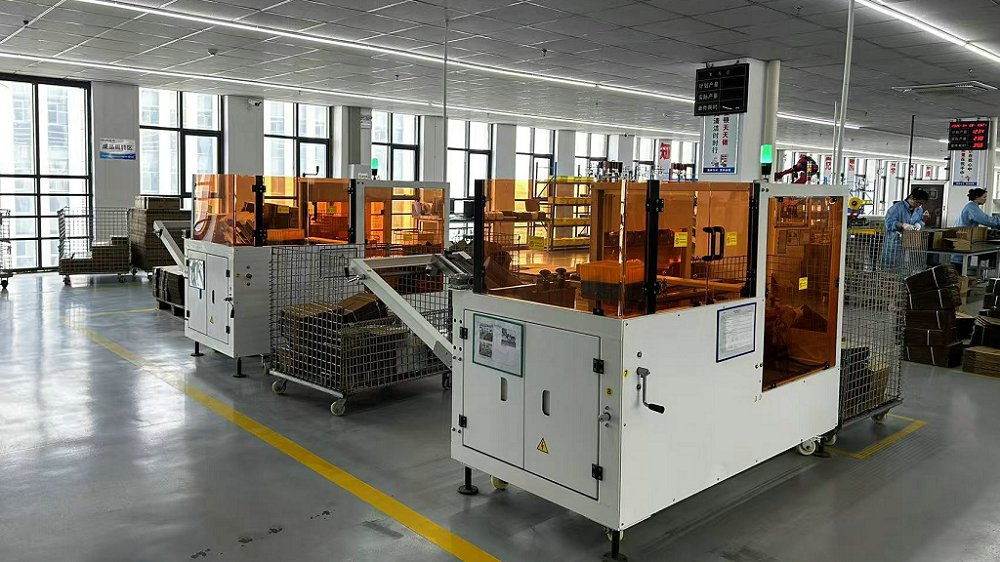
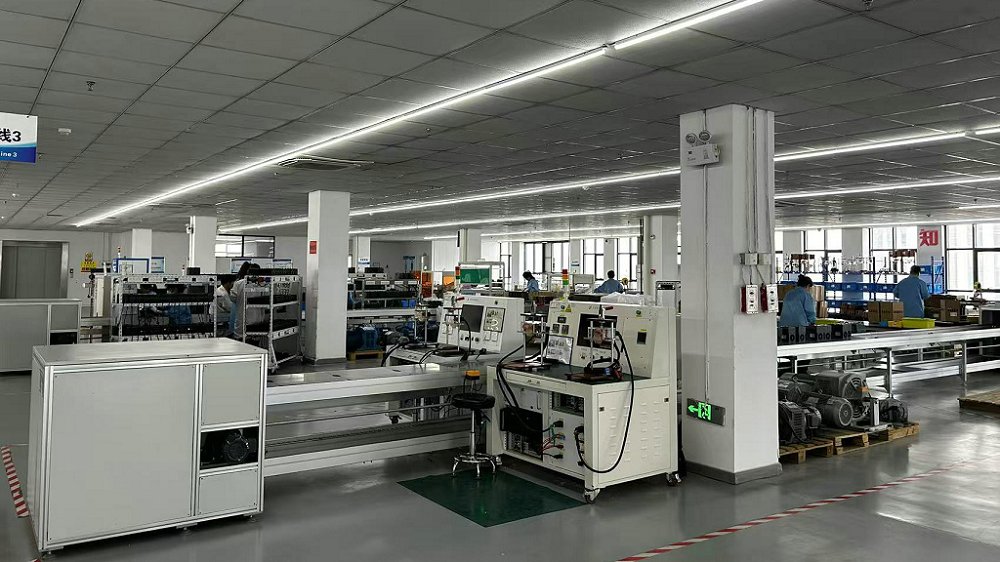
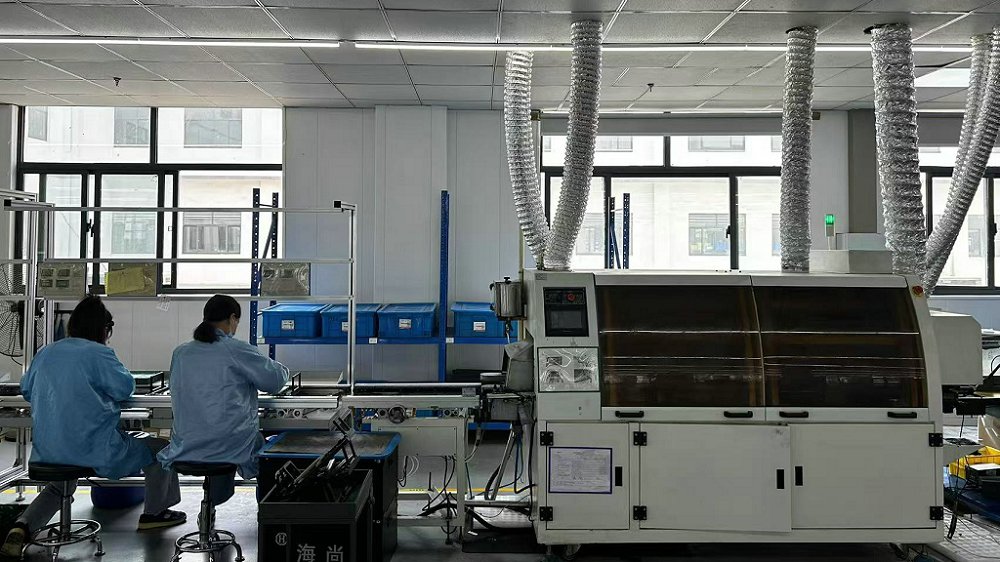
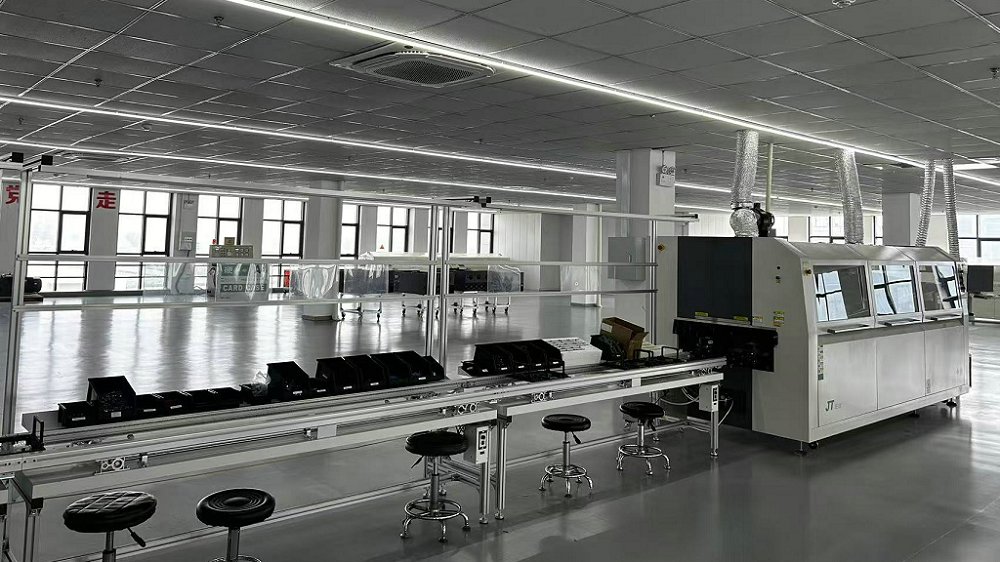
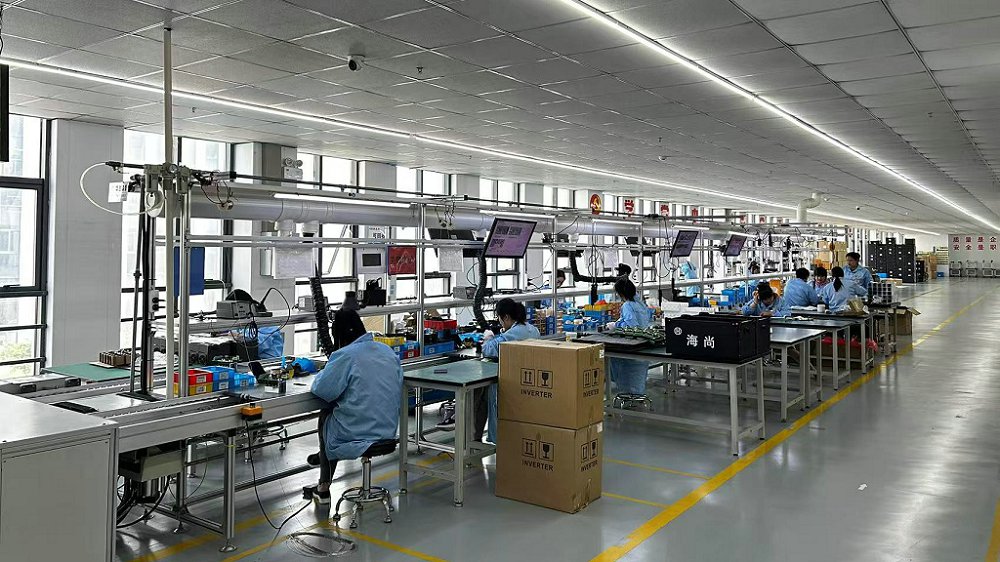
Our QC team follows a five-step quality control protocol before any inverter is cleared for shipping to Southern Africa:
Engineered for large-scale mining operations, factory backups, off-grid telecom towers, and rural grid networks.
Exploring the integration of wide-bandgap semiconductors, battery matching, and virtual power plant algorithms.
Conventional silicon MOSFETs are reaching their physical efficiency limits. Our R&D center is shifting focus toward high-frequency SiC and GaN technologies. Incorporating these wide-bandgap semiconductors reduces switching losses, allowing for smaller inductors and transformers. This yields lighter inverters that are easier to mount on remote mountainsides, while keeping efficiency ratings above 98.5%.
As Lesotho develops microgrids, remote communication will be crucial. Future systems will feature built-in cellular IoT modems supporting Modbus, SunSpec, and CAN-bus protocols. This allows municipal energy developers to link scattered solar installations into a Virtual Power Plant (VPP), helping stabilize regional distribution lines during peak usage hours.
Moving from traditional 48V battery systems to high-voltage battery architecture (150V to 400V DC) reduces current requirements through the system. This allows for thinner, more affordable cables, minimizes power transmission losses, and improves overall system reliability. This shift makes commercial-scale installations in industrial areas much more cost-effective.
Our upcoming generation of hybrid inverters will use localized edge AI to analyze weather forecasts and usage habits. The inverter can pre-charge battery systems if a high-probability power cut is predicted, maximizing self-consumption and lowering operational costs.
Navigating import pathways, sea-rail freight lanes, customs clearances, and local distribution channels.
As a landlocked nation surrounded entirely by South Africa, importing electronic equipment to Lesotho requires a reliable logistics setup. The typical shipping route starts at the Port of Durban, South Africa, which serves as the primary gateway for goods destined for Lesotho. Containers are moved via rail or road freight across the border into Maseru or Maputsoe.
Jonas Energy works closely with international freight forwarders to manage the entire transit chain, providing DAP or DDP terms depending on your project requirements. We supply all needed paperwork, including EUR.1 certificates (where applicable), SABS/NRCS declarations, and comprehensive certificates of origin to expedite customs clearance at the border.
Expert technical and commercial answers for developers, installers, and procurement managers sourcing hybrid inverters.
 Jonas Energy