Q1:
What is a solar energy system?
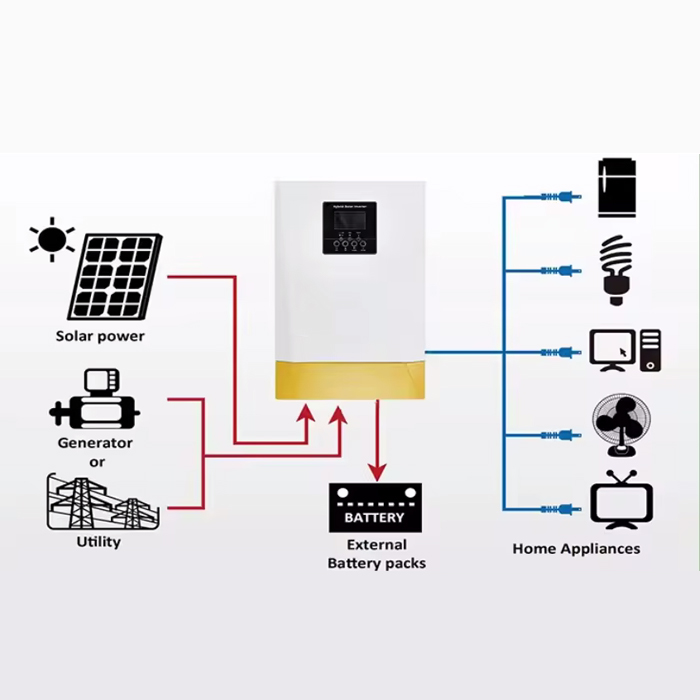
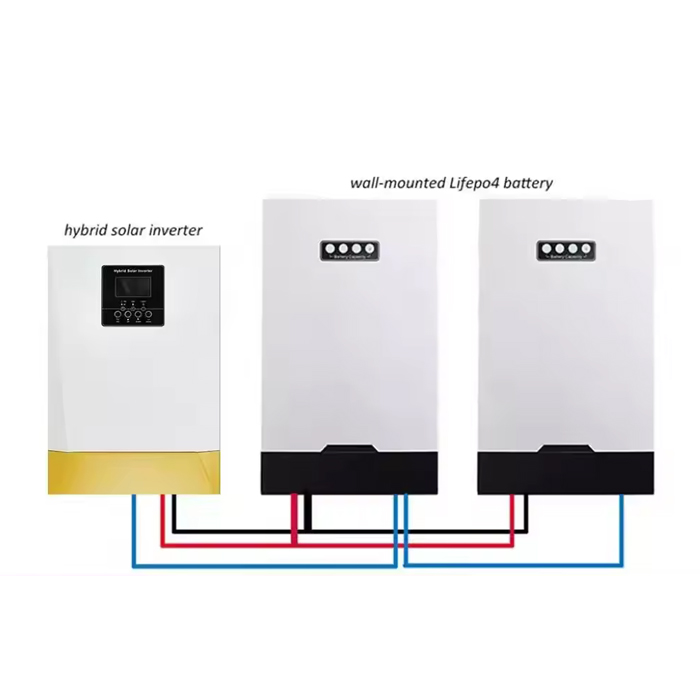
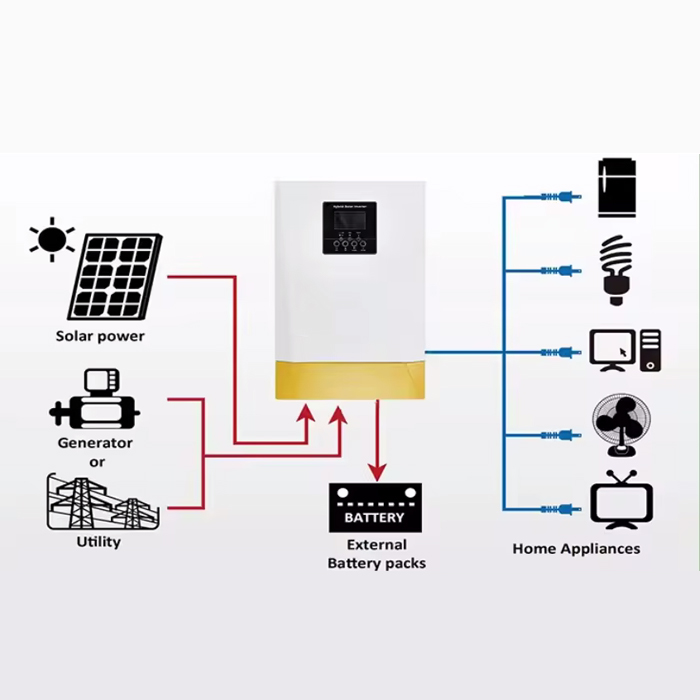
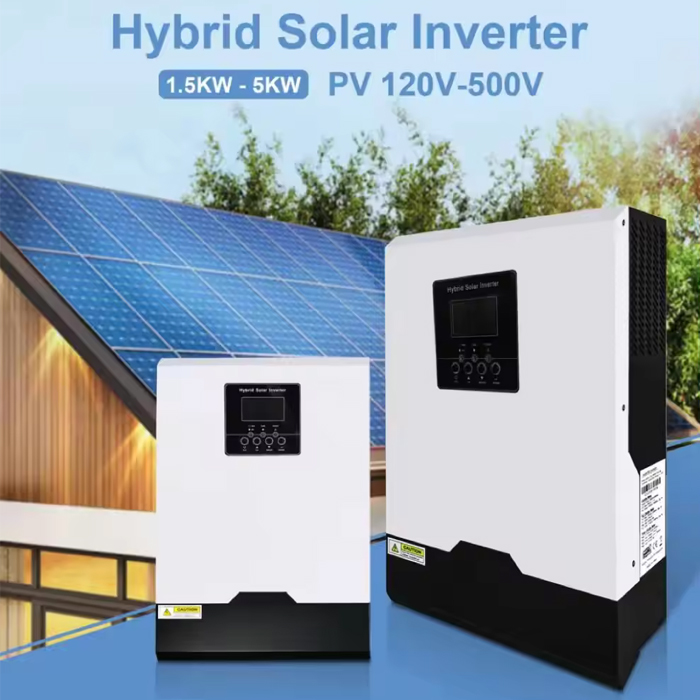
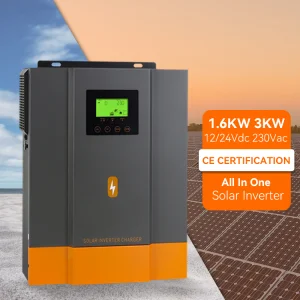
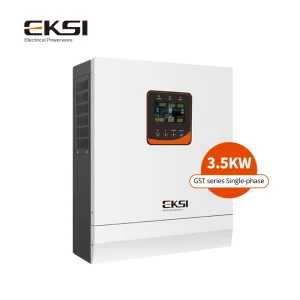
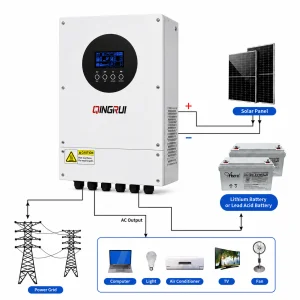
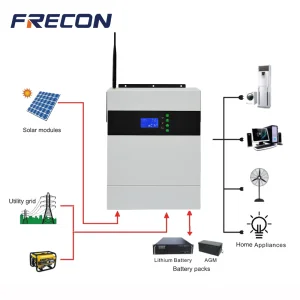
A solar energy system is a device that uses solar photovoltaic panels to convert sunlight into electrical energy. It typically includes components such as solar panels, inverters, batteries (optional), and brackets.
Q2:
What are the types of solar energy systems?
On-grid system: Connected to the public power grid, excess electricity can be sold back to the grid.
Off-grid system: Operates independently and is suitable for areas without grid coverage, requiring energy storage batteries.
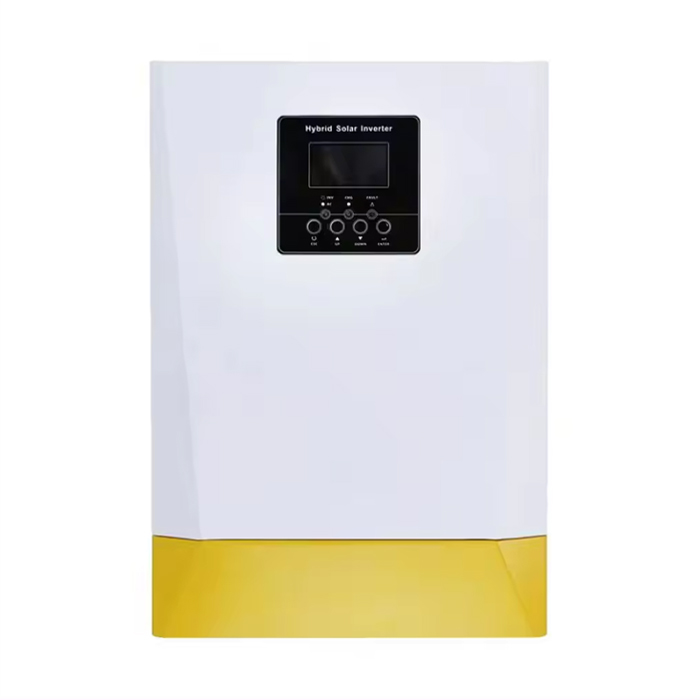
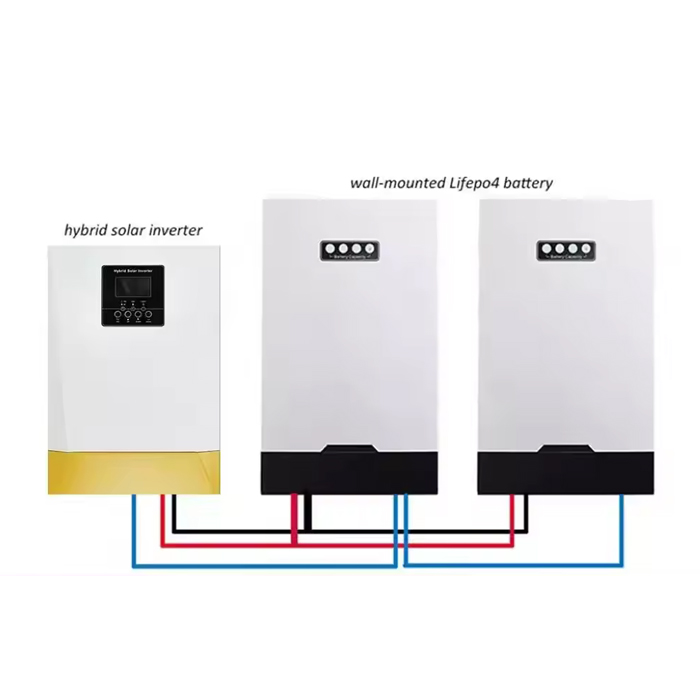
Hybrid system: Combining grid connected and off grid characteristics, it has energy storage function and can be connected to the power grid.
Q3:
What are the requirements for installing a solar energy system?
Installation requires adequate sunshine conditions, suitable installation space (such as a roof or flat ground), and compliance with local regulations and grid access requirements (if applicable).
Q4:
How long is the lifespan of a solar energy system?
The typical lifespan of solar panels is over 25 years. The lifespan of the inverter is approximately 10-15 years, and the lifespan of batteries (if any) is generally 5-10 years, depending on the type and usage situation.
Q5:
How to maintain the solar energy system?
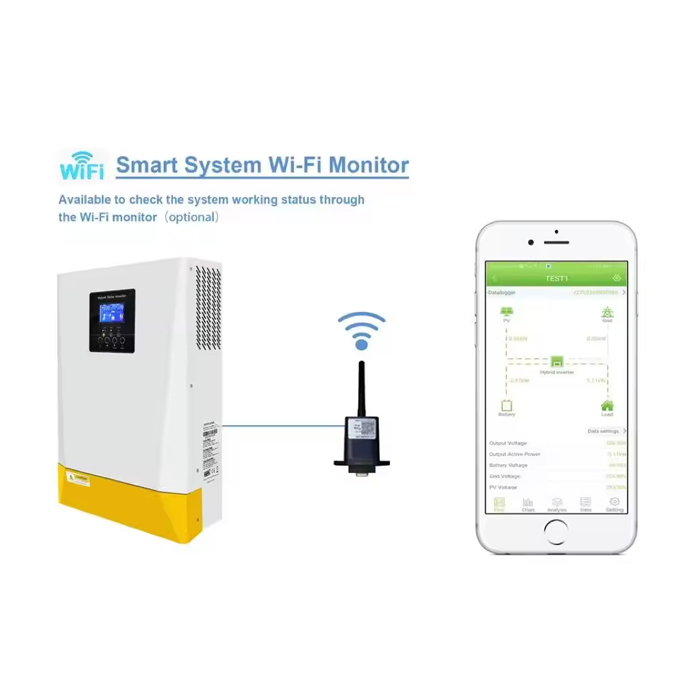
Regularly clean dust and debris on the surface of the panels. Check if the cables and connections are secure. Monitor the power generation performance of the system and promptly contact the supplier if any abnormalities are found.
Q6:
Can the solar system still work on cloudy or rainy days?
Yes, but the power generation efficiency will decrease. Modern solar energy systems can still generate a certain amount of electricity under low light conditions.
 Jonas Energy