Engineered to support Brazil's dynamic power grid. Discover our high-performance off-grid and on-off hybrid models optimized for distributed generation (GD).
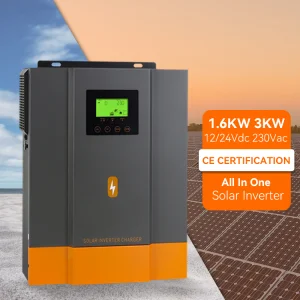
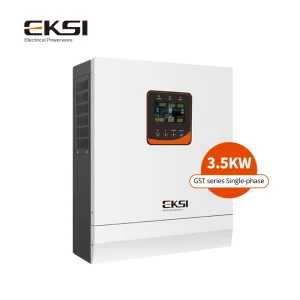
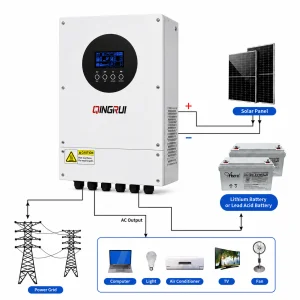
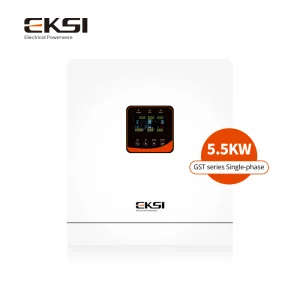
Why leading Brazilian EPCs, solar distributors, and developers are shifting from standard grid-tied setups to highly adaptable hybrid storage solutions.
Following the implementation of Lei 14.300, the regulatory framework governing Distributed Generation (Geração Distribuída) in Brazil changed how solar energy is compensated. Feeding excess power back into the grid has become less economically attractive due to updated distribution system usage fees (TUSD fio B). Consequently, localized energy independence has emerged as the standard for Brazilian residential and Commercial & Industrial (C&I) installations.
Hybrid solar inverters solve this by prioritising direct self-consumption and battery storage. In regions like São Paulo, Minas Gerais (under CEMIG), and Bahia, high utility tariffs and frequent grid fluctuations demand that solar systems function seamlessly during outages. Our hybrid solutions enable smart load management, peak shaving, and zero-export control configurations, helping local EPCs and distributors deliver maximum ROI to their clients.
For agricultural operations in Goiás, Mato Grosso, and Rio Grande do Sul, power quality can be highly volatile. Heavy machinery and irrigation pumps require high surge currents and zero-transfer-time backups. Our three-phase hybrid systems provide instant grid fallback and dynamic load balance.
Urban commercial buildings in Rio de Janeiro and São Paulo leverage our dual MPPT, split-phase, and three-phase hybrid inverters to store cheap solar power during the day and discharge it during high-cost peak hours (Horário de Pico), saving up to 40% on monthly peak demands.
Brazilian operational conditions often involve high humidity and ambient temperatures exceeding 40°C in the North and Northeast. Our inverters feature dual-fan active cooling systems, IP65 protection, and high-temperature derating protection to guarantee optimal efficiency.
Professional provider of renewable energy solutions headquartered in Xiamen, Fujian Province, China. Our highly modernized manufacturing facility ensures consistent, certified hybrid inverters are delivered to Brazil.
At Jonas Energy, quality control is integrated into every phase of production. Operating strict quality procedures, our facility is equipped with automated optical inspection (AOI), high-temperature aging chambers, and comprehensive load-simulation hardware. We ensure that our systems meet global benchmarks (CE, TUV, IEC 62109) as well as Brazil's specific grid entry criteria (INMETRO).
Our collaborative approach with global partners yields hybrid systems designed to interface with various battery chemistries (LiFePO4 and Lead-Acid) and communication protocols. We support direct OEM/ODM customization, giving major solar importers in Brazil the ability to deploy white-labeled products built on a robust, reliable hardware platform.
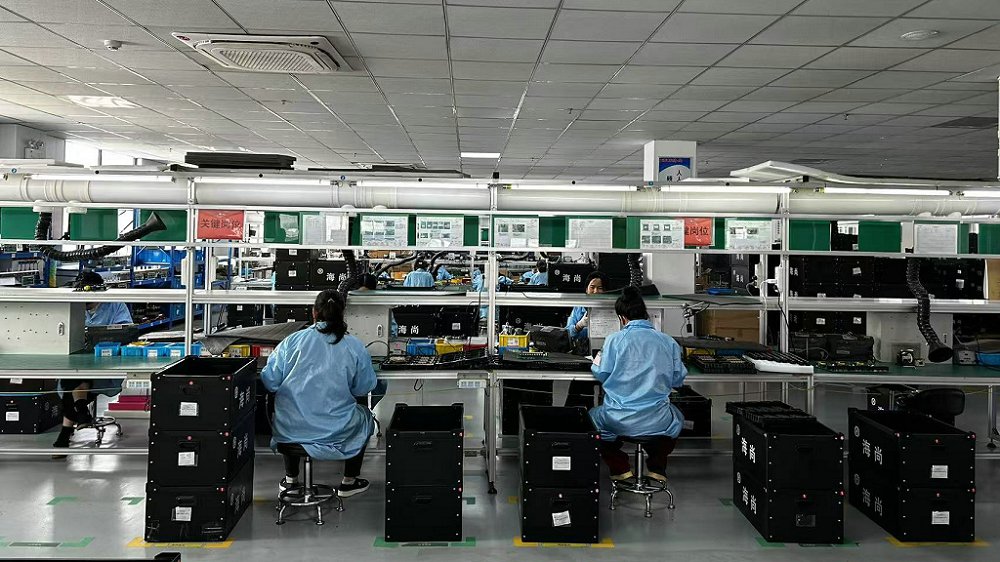 Plate making
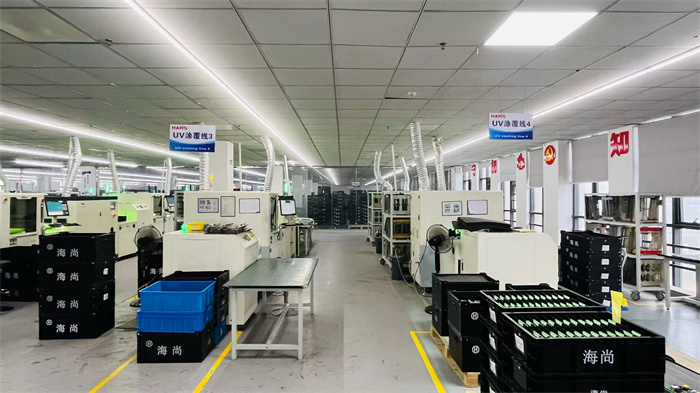 UV coating
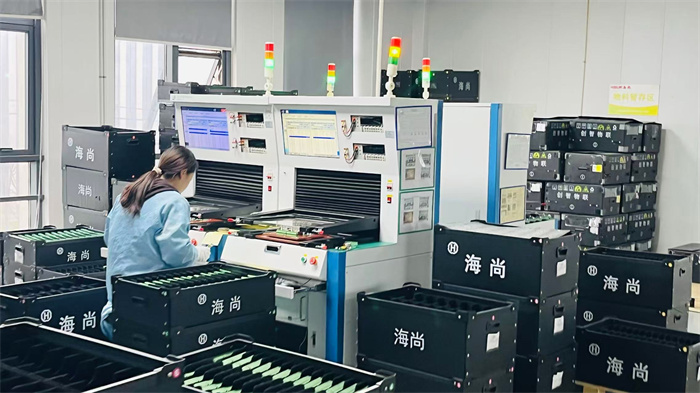 Test
Test
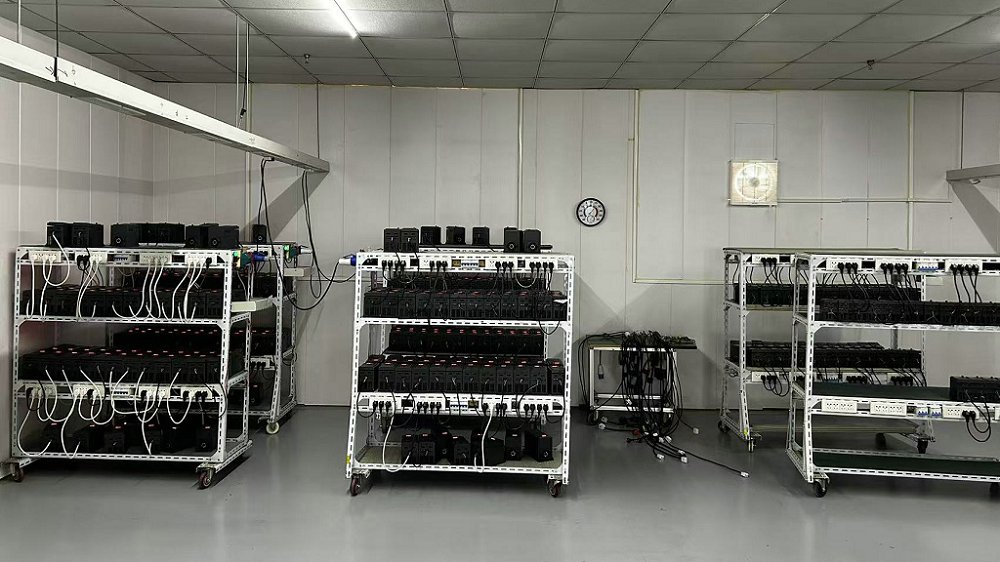 Aging test
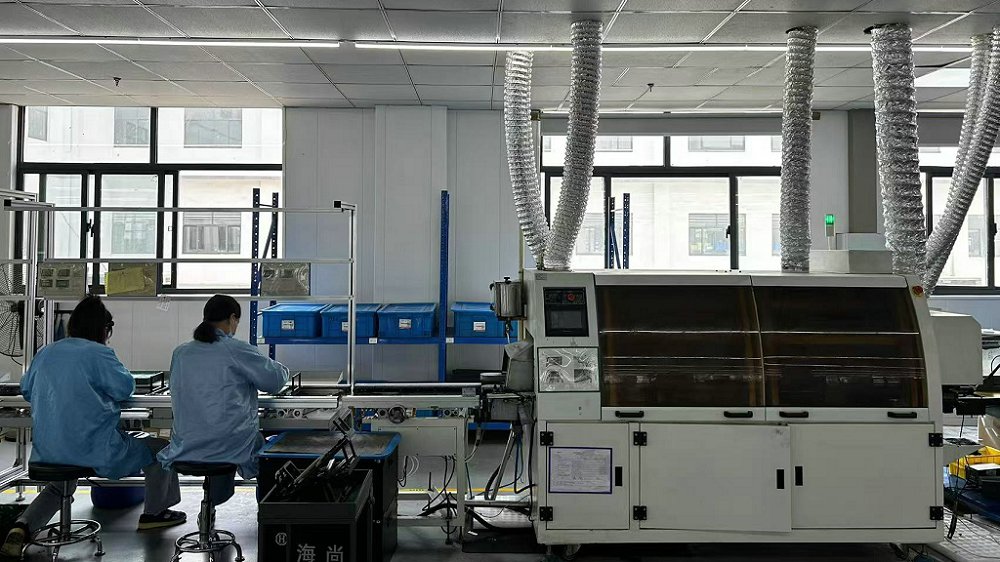 weld
weld
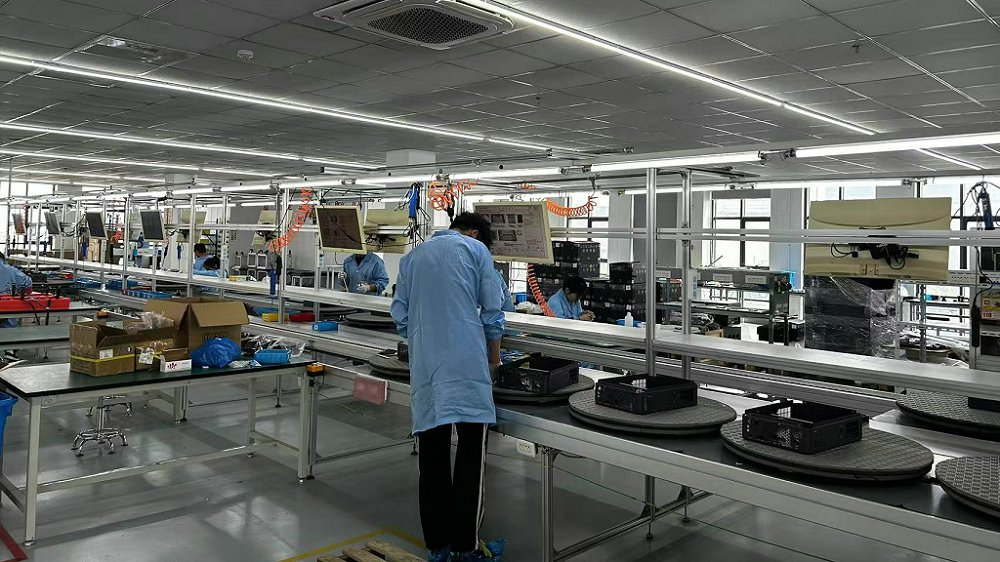 Assembly
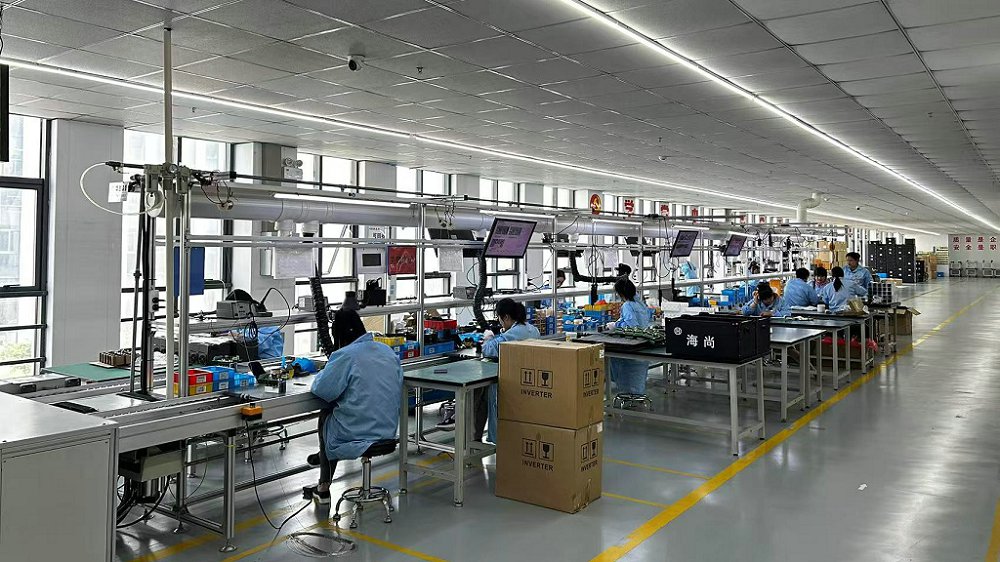 Assembly
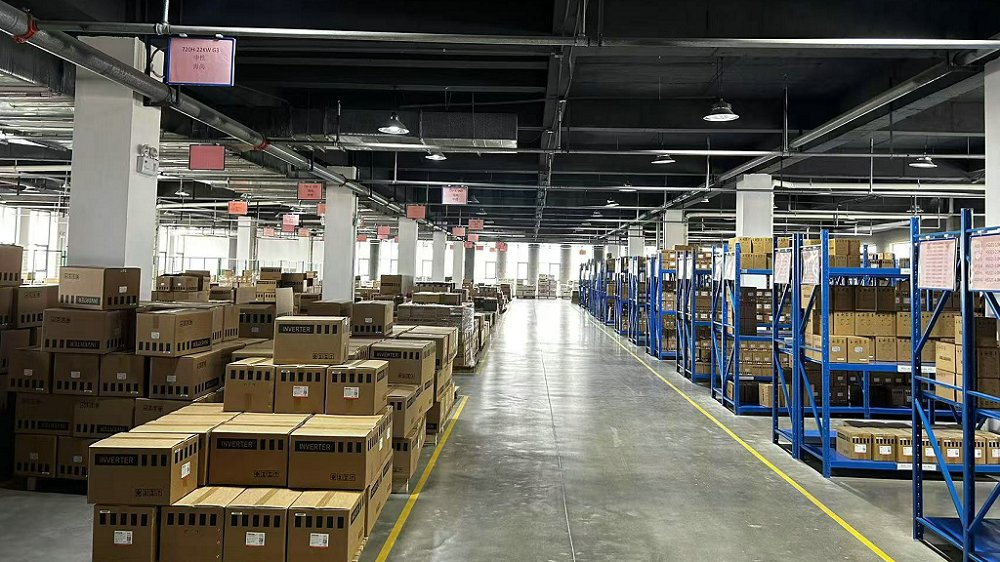 Finished product
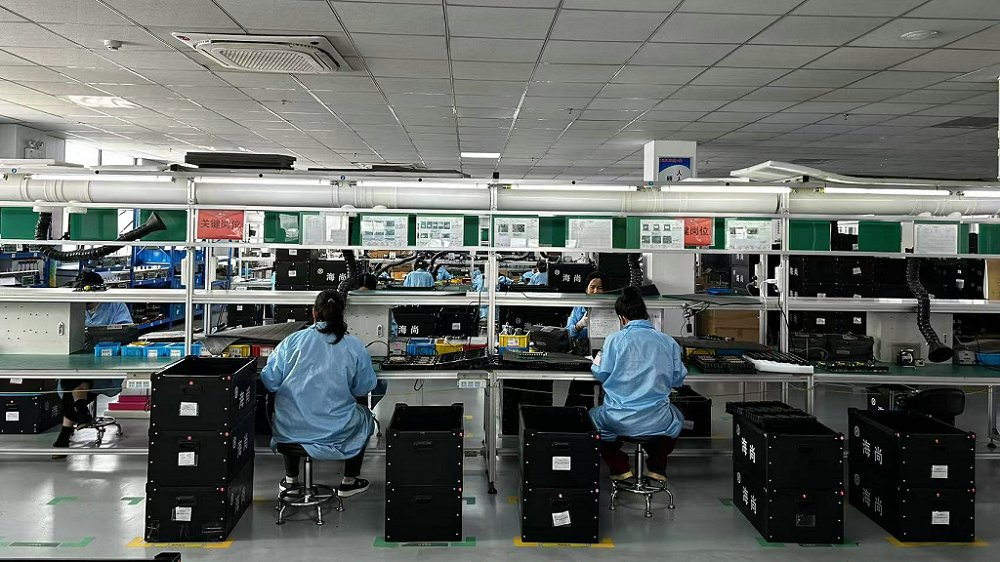 Plate making line
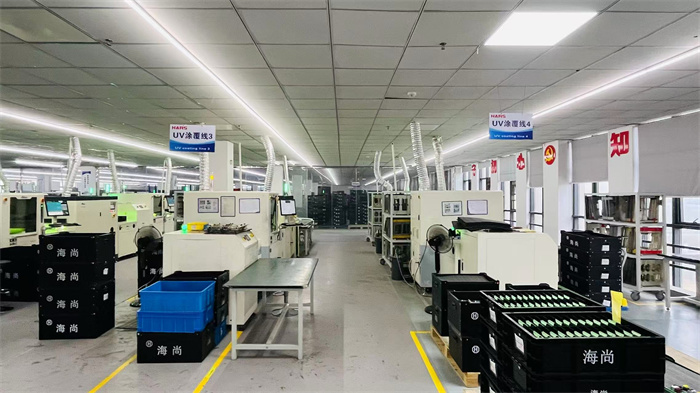 UV coating line
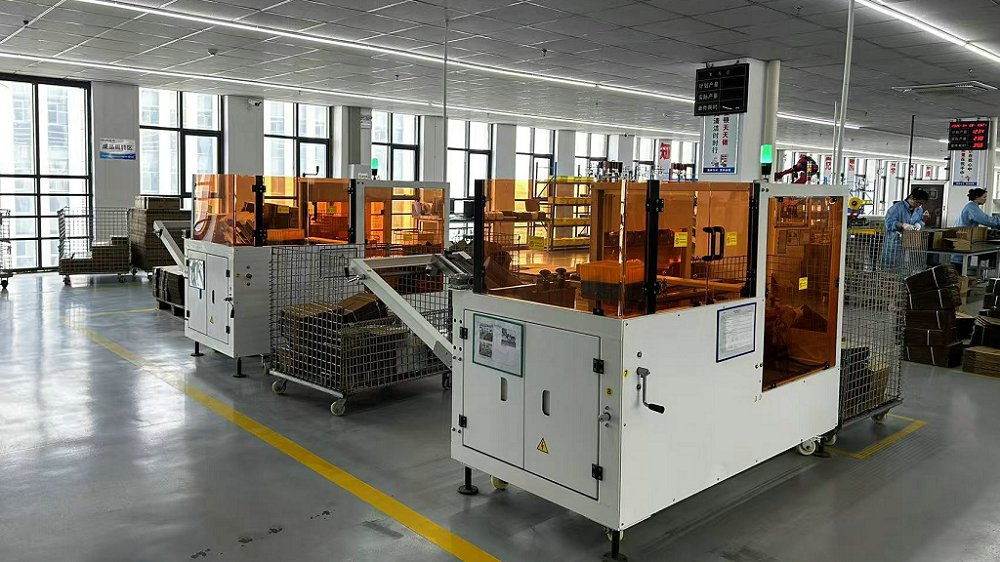 Box opening machine
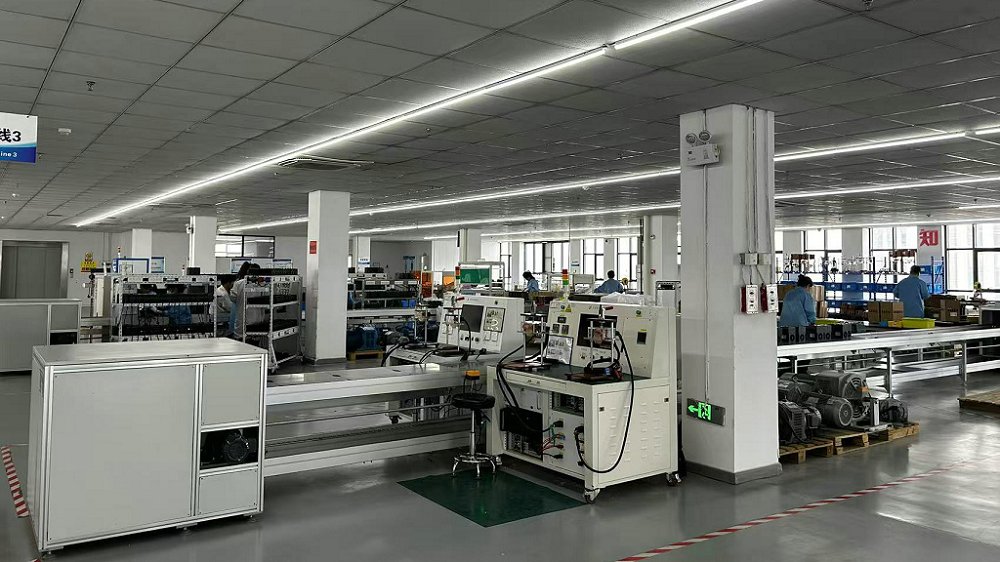 Packaging line
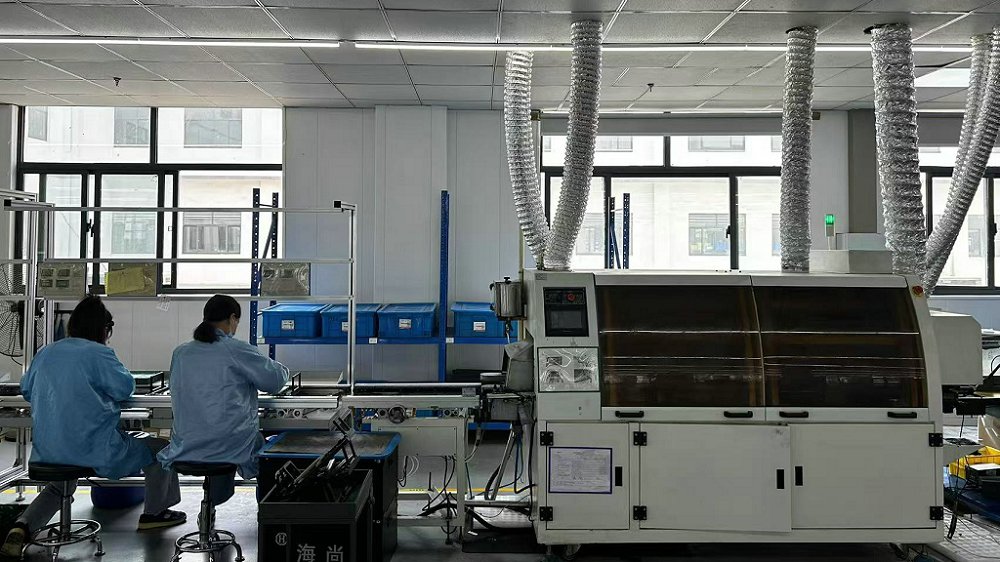 Dip welder
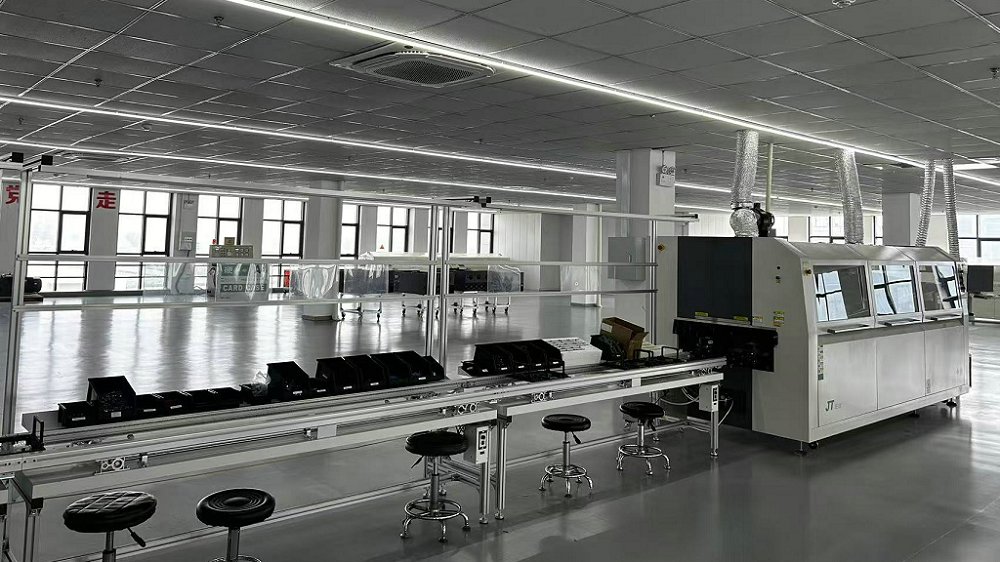 Production line
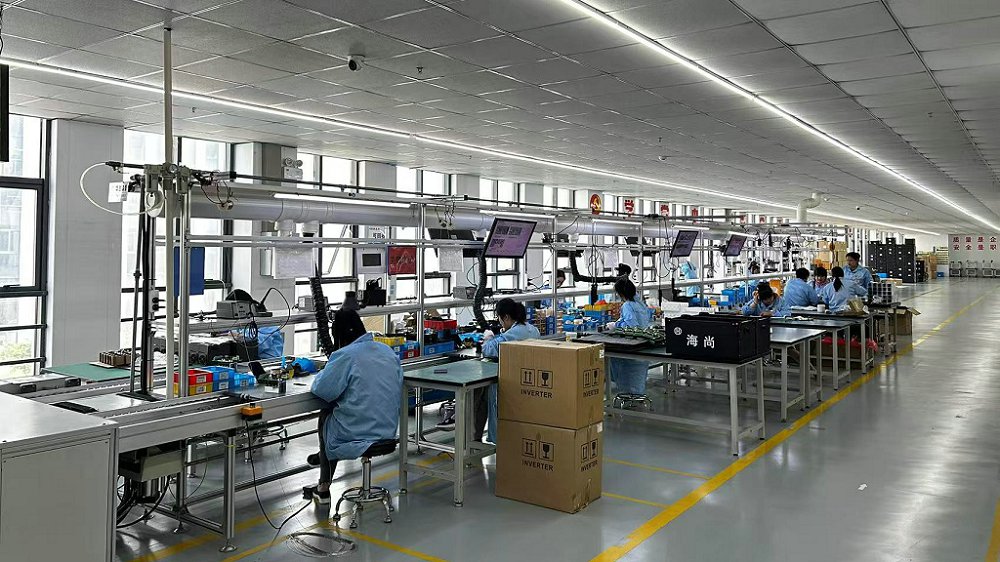 Assembly line
Critical engineering requirements that distinguish high-performing hybrid solar inverters in Latin American energy markets.
We understand that Brazilian grid dynamics require inverters with high transient voltage handling, robust anti-islanding capabilities, and the capacity to switch between on-grid and off-grid modes in under 10 milliseconds. Whether installing in the urban environments of Paraná or remote microgrids in Amazonas, here is what we guarantee:
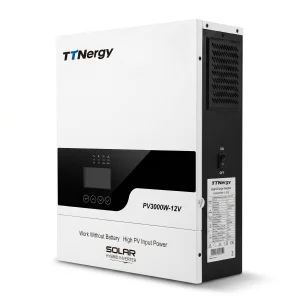
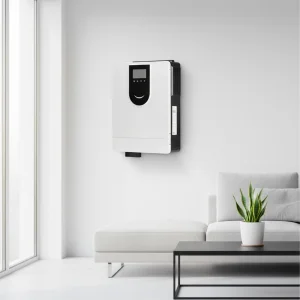
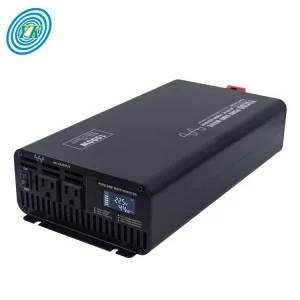
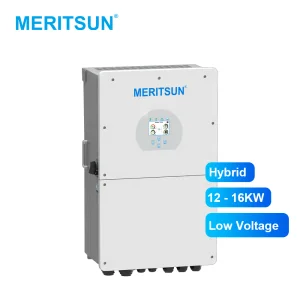
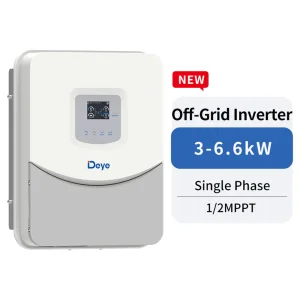
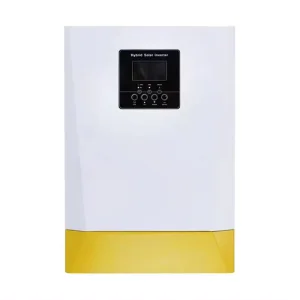
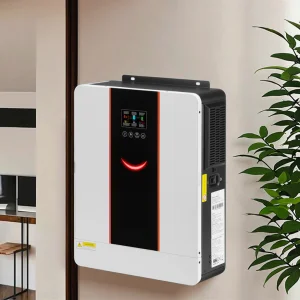
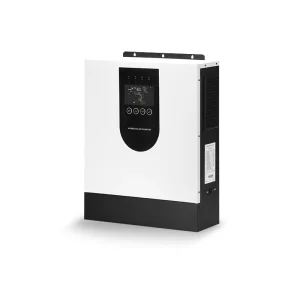
Select from our certified list of solar hybrid systems, customized for importers, wholesalers, and EPC contractors in Brazil.
Strategic insights from Jonas Energy on adapting solar architecture to meet evolving regulatory structures.
The Brazilian photovoltaic market is undergoing a transition. According to calculations by ABSOLAR, the Distributed Generation (GD) sector is shifting away from simple net-metering. The integration of Battery Energy Storage Systems (BESS) with hybrid solar inverters is no longer limited to off-grid outposts; it has become an effective path to profitability for urban residential and commercial installations.
By storing solar power generated during peak solar hours and discharging it during peak utility pricing periods, users can bypass high utility tariffs. Furthermore, utility grid instabilities caused by extreme weather in states like Rio de Janeiro and Rio Grande do Sul highlight the practical value of battery-ready hybrid solar inverters.
As an established technology developer and manufacturer, Jonas Energy works with partners throughout Brazil to supply hybrid inverters that meet local requirements. From single-phase units designed for residential retrofits to multi-megawatt systems suited for commercial properties, we supply components that deliver performance and long-term durability.
Clear, technical answers to common queries regarding local installations, specifications, and certifications in Brazil.
Our hybrid inverters feature zero-export and self-consumption prioritization modes. Under the rules of Lei 14.300, sending electricity back to the grid incurs TUSD charges. By storing excess solar generation in battery banks, our systems minimize feed-in dependency and maximize direct onsite consumption.
All Jonas Energy systems are built to meet IEC 62109-1, IEC 62109-2, and CE safety standards. We offer support to local partners and distributors to process local certifications (including INMETRO) for both single-phase and three-phase product configurations.
Yes. Our hybrid design supports multiple battery types. The integrated Battery Management System (BMS) communicates via CAN/RS485/RS232 to support major lithium battery brands (including Jonas wall-mounted, rack-mounted, and all-in-one storage systems) alongside standard lead-acid batteries.
Our systems utilize dynamic thermal management. When operating in environments with high ambient temperatures, the active cooling design adjusts thermal profiles to prevent heat buildup. Additionally, the IP65 rating protects components from dust and high humidity.
 Jonas Energy