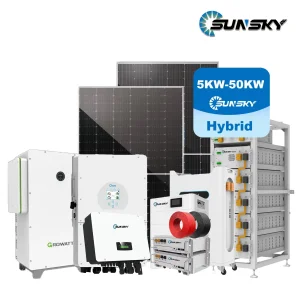
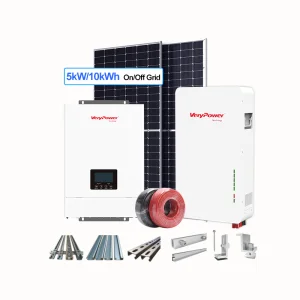
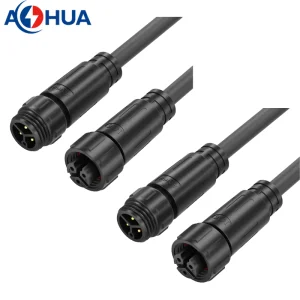
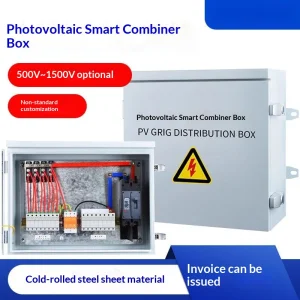
Integrating consulting with hardware execution. Explore our high-efficiency solar components and intelligent battery management units certified for international grid connectivity.
In the contemporary renewable energy landscape, procurement is no longer just about purchasing hardware components. As utility-scale grids demand stricter compliance, higher power factors, and seamless energy storage integration, Solar Energy Consulting has evolved into the absolute cornerstone of project bankability. Global developers face multi-layered barriers including local grid codes, regional import regulations, and complex thermal management requirements for high-capacity battery systems.
China's solar factories have transitioned from simple equipment manufacturers into integrated technology and engineering solution providers. By leveraging extensive vertical supply chain integration, Chinese exporters are now delivering end-to-end consulting services, aligning advanced manufacturing directly with site-specific regulatory frameworks worldwide. Xiamen Jonas Energy Co., Ltd. sits at the vanguard of this engineering revolution, bridging the gap between state-of-the-art Chinese manufacturing and localized execution.
Ensuring seamless integration of hardware into diverse municipal, national, and regional grids across North America, Europe, Australia, and Africa.
Compliance with standard EN 50549 is essential for projects operating within European distribution networks. Consulting ensures that the dynamic active power response, voltage support parameters, and anti-islanding behaviors match localized grid codes perfectly, avoiding regulatory delays.
In Canada and the United States, UL 1741 (for inverters) and UL 1973/9540 (for battery systems) set the benchmark for thermal runaway limits and safety profiles. Consulting provides design-phase guidance on protective enclosure venting, emergency stops, and dual-layer BMS architectures.
Australia's Clean Energy Council (CEC) approvals and AS/NZS 4777 requirements necessitate rigorous technical documentation. Experts provide testing verification and trace materials from silicon extraction to structural mounting alloys, satisfying local environmental footprints.
Unparalleled access to low-cost, ultra-pure polysilicon and battery chemicals (LiFePO4 precursors).
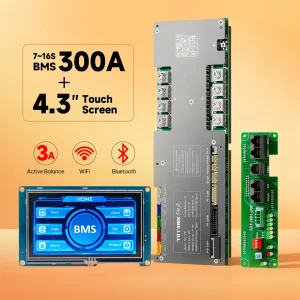
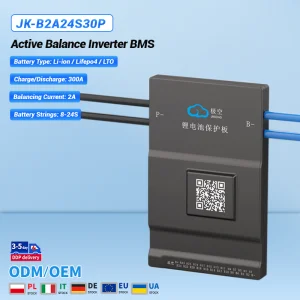
Intelligent active balancing solutions with native support for CAN, Modbus, and RS485 interfaces.
Integrated development hubs where silicon refining, cell manufacturing, and testing happen within a 50km radius.
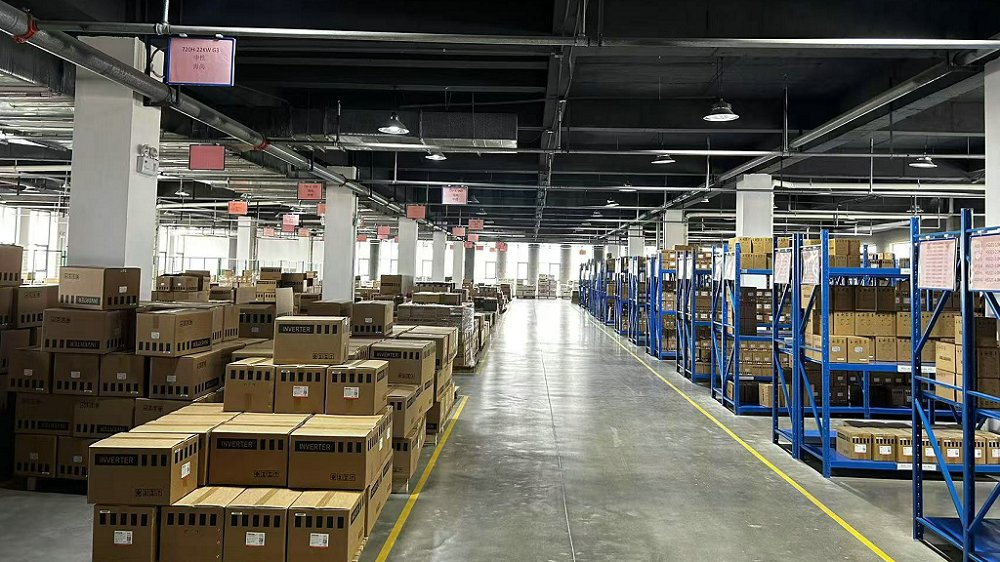
Custom-packed container solutions reducing freight overhead and minimizing shipping-induced vibration stress.
The undisputed leadership of Chinese exporters in the global renewable space stems from structural and vertical integration. China controls over 80% of the key steps in solar panel manufacturing (ingots, wafers, cells, and modules) and over 75% of lithium-ion cell production capacity. This consolidation minimizes transactional friction and insulates international developers from wild material pricing swings.
Beyond raw component volume, China's core strength lies in its rapid hardware iteration cycles. Specialized consulting teams collaborate continuously with in-house factory R&D. When a new system requirement is identified, design adaptations (e.g., matching a high-current 300A smart BMS to specialized hybrid inverters) can be implemented in a matter of weeks, compared to months in Western markets.
A professional provider of renewable energy solutions, headquartered in Xiamen, Fujian Province, China. Jonas Energy is dedicated to the research, development, manufacturing, and global distribution of advanced photovoltaic and energy storage products.
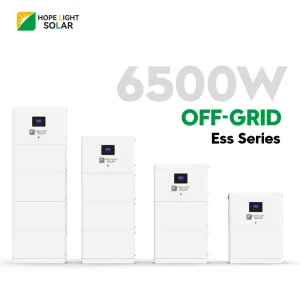
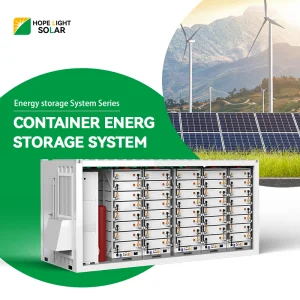
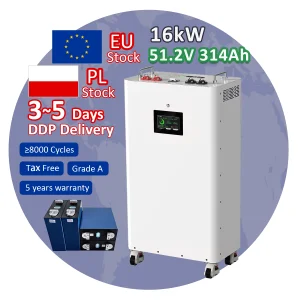
From project consultation and system design to product supply, installation guidance, and after-sales support, Jonas Energy provides complete one-stop solar and energy storage solutions tailored to each customer's specific technical requirements. Through strategic partnerships, we deliver a wide range of reliable energy storage systems, including wall-mounted batteries, stacked storage arrays, rack-mounted battery systems, and containerized Utility-Scale BESS.
Our experienced R&D team consists of highly qualified engineers and technical specialists who continuously focus on product innovation, thermal management, and electrical protective hardware. By integrating cutting-edge technologies, we ensure that our solutions remain competitive, efficient, and fully future-ready.
High Quality Standards: Quality is at the core of everything we do. All products undergo rigorous testing and strict quality control procedures to ensure long-term reliability and performance. Our products comply with international standards and certifications, including IEC, CE, TUV, ISO9001, ISO14001, and other recognized industry certifications.
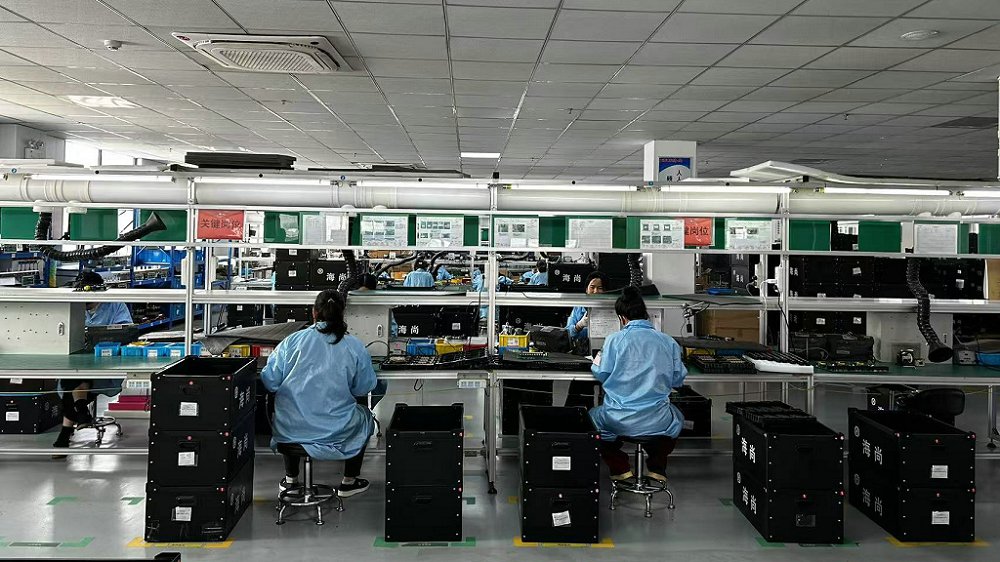
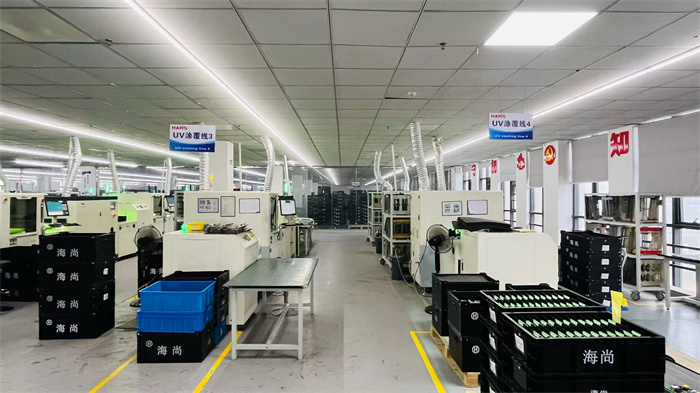
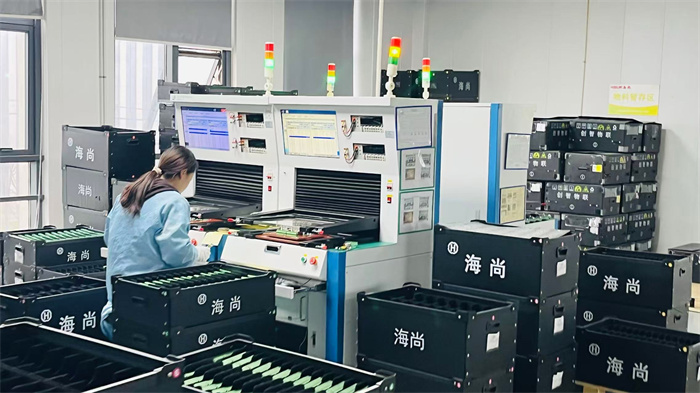
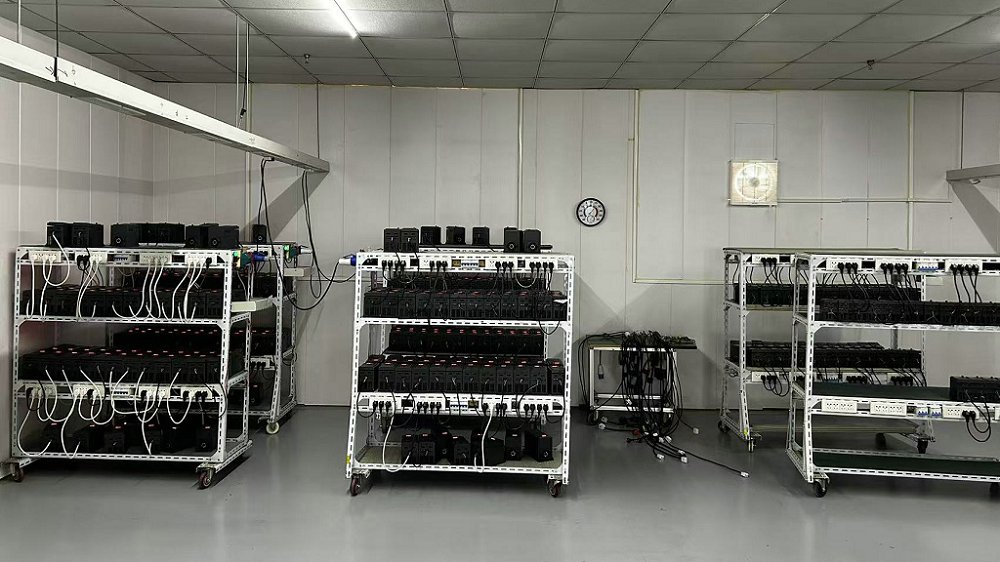
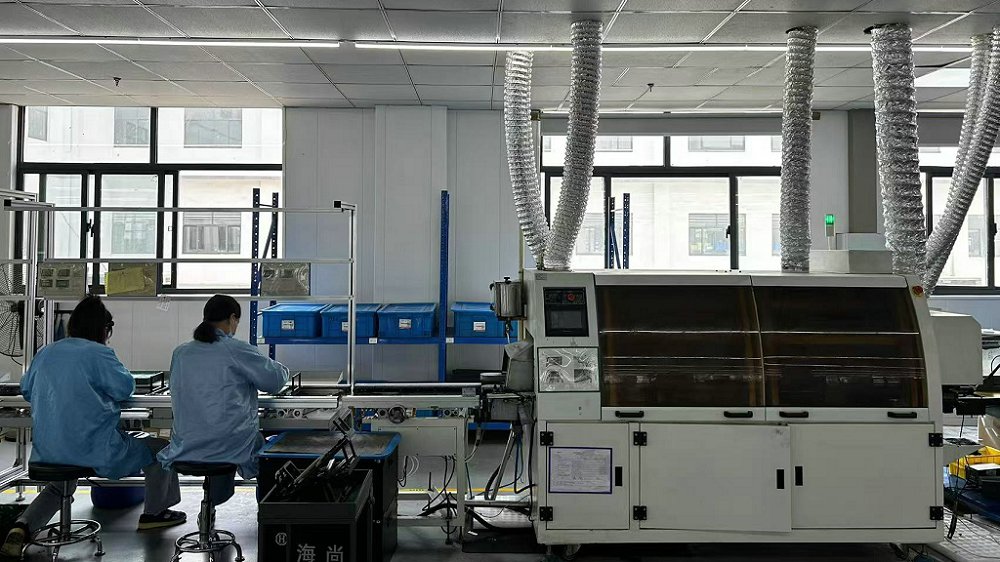
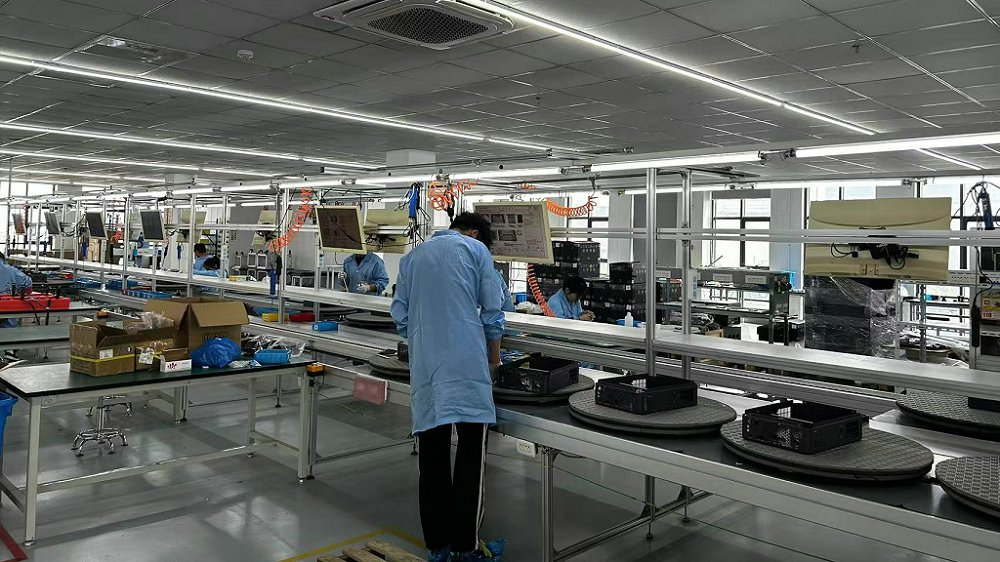
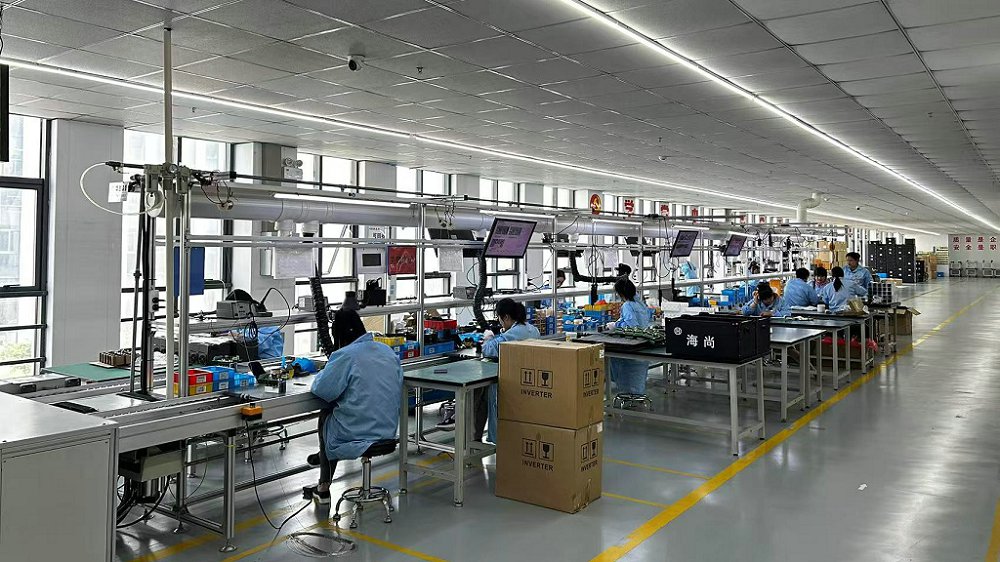
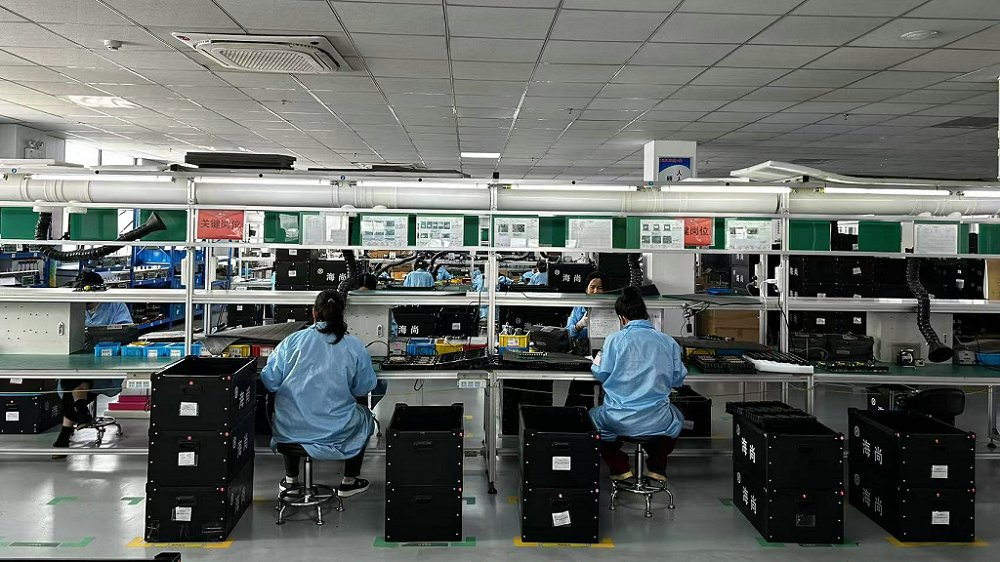
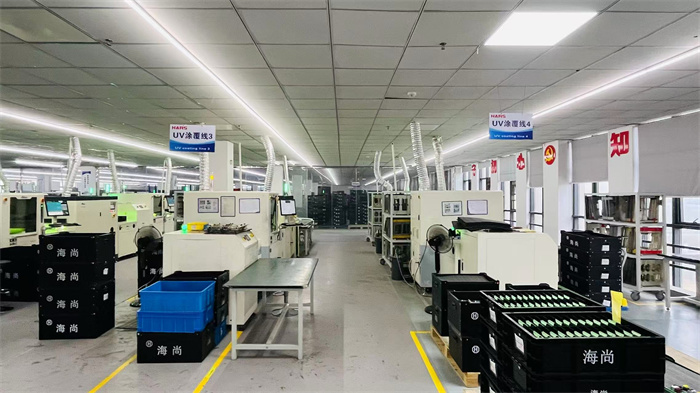
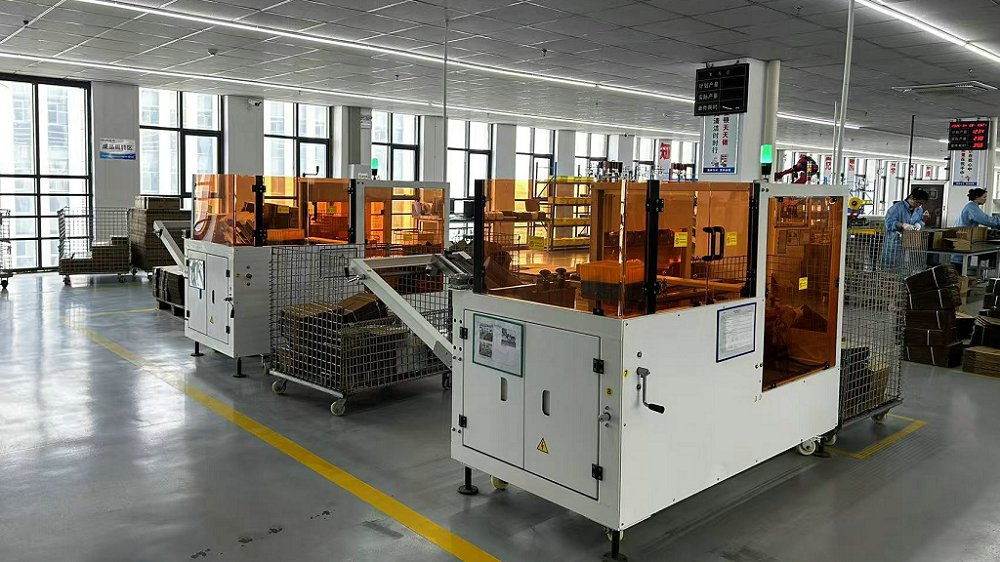
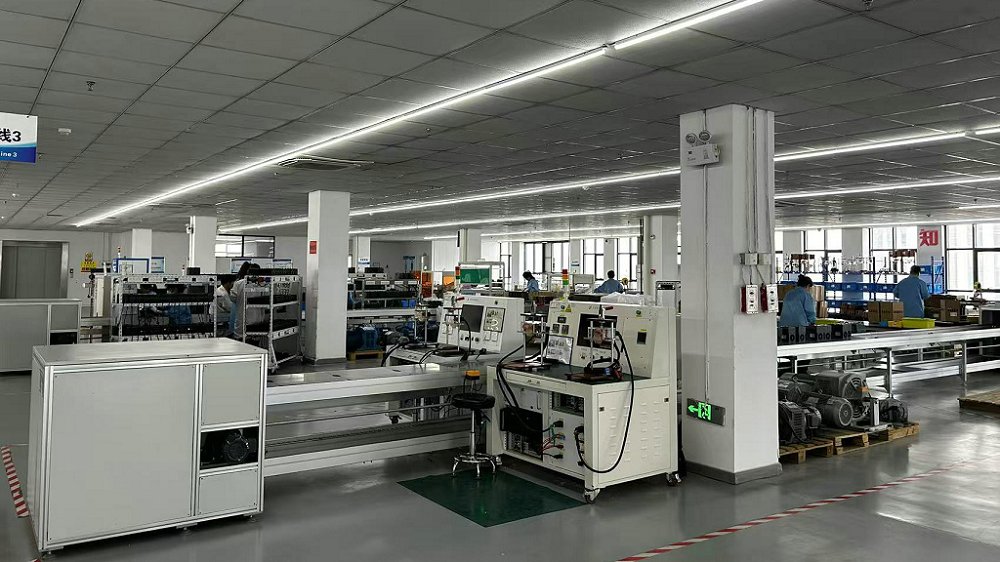
Advanced Production: Jonas Energy operates modern production facilities equipped with precise testing instrumentation. Through collaboration with leading industry partners and material suppliers, we maintain exceptional consistency in cells, structural frames, and printed circuit board assemblies.
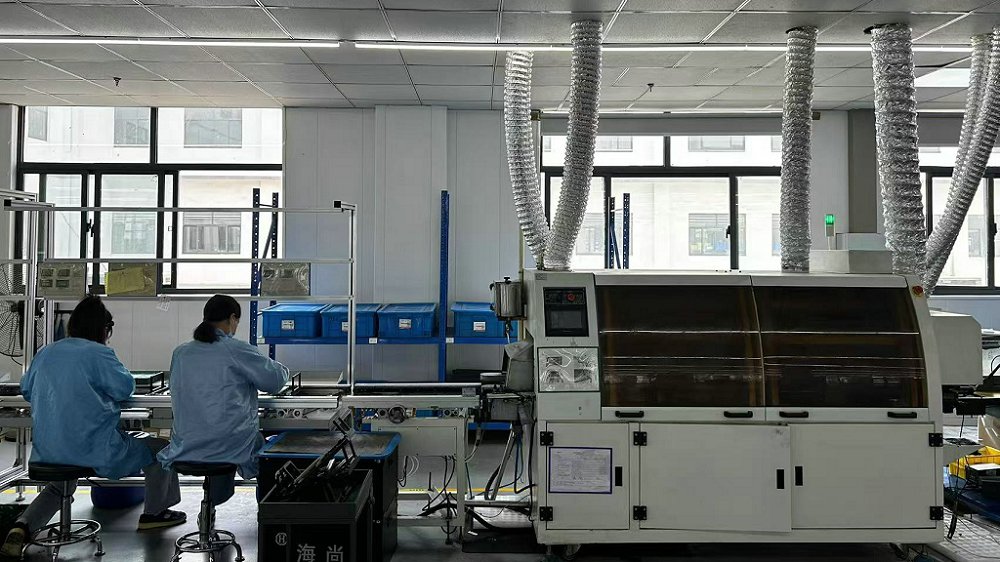
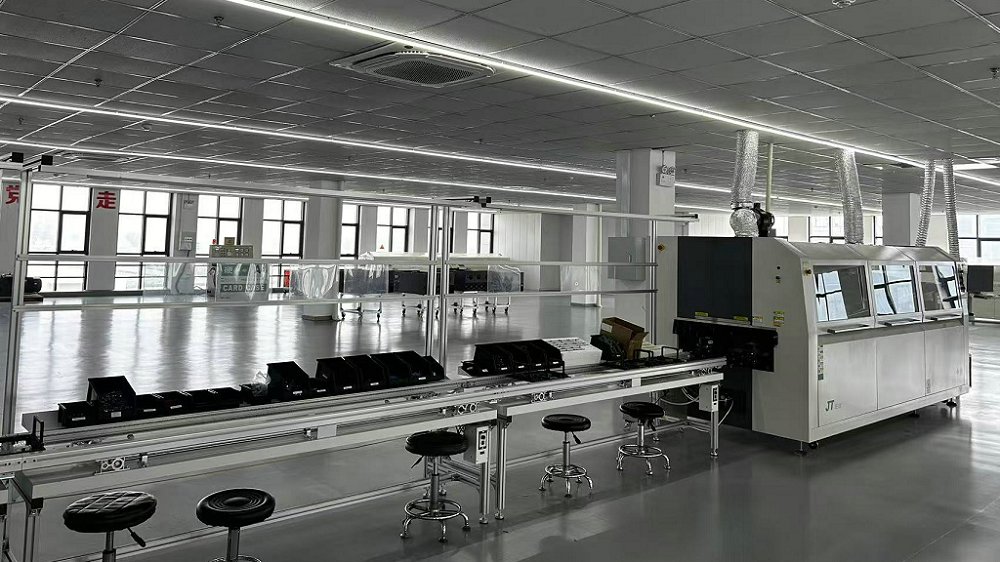
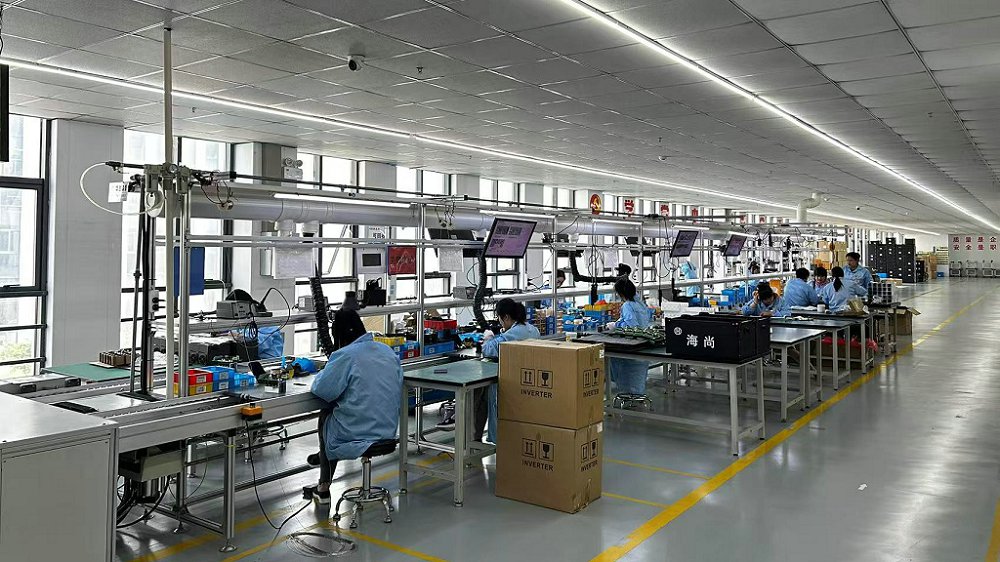
Commercial and Industrial (C&I) buyers, EPC contractors, and global investment funds look at procurement through a matrix of risk, financial performance, and system lifetime value. Simple component specifications are insufficient for high-value projects. Strategic consulting addresses critical operational hurdles:
LCOE calculations determine the long-term feasibility of solar investments. High-performance active-balance BMS, such as the JIKONG or TDT platforms, ensure charge-discharge cycles are optimized to prolong battery lifetimes by up to 25%, drastically dropping the net operation cost per Megawatt-hour (MWh).
Financial institutions require comprehensive technical validation before releasing project debt. By providing traceability, rigorous safety reviews, and tier-1 subcomponent lists (e.g. premium LiFePO4 cells, smart breakers, industrial standard micro-inverters), consulting guarantees that panels and BESS enclosures meet bank safety profiles.
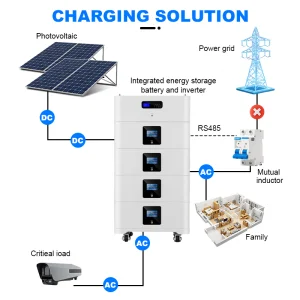
A major pitfall in hybrid solar implementations is communication failure between the battery stack, inverter, and local utility EMS. Engineers custom-map registers within Modbus, CAN, and RS485 systems, guaranteeing native, plug-and-play operability right out of the box.
From mobile off-grid arrays to containerized utility storage, discover how our custom architectures perform in localized commercial operations.
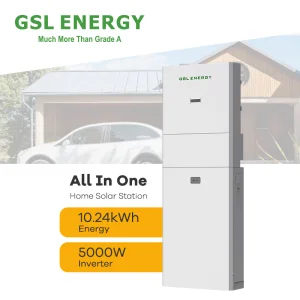
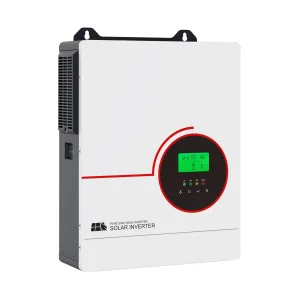
Integrating high-voltage stacked storage (up to 512V 50kWh systems) with custom hybrid inverters allows high-draw factories to peak-shave electricity demands, avoiding steep dynamic utility tariffs while offering robust fallback power during brownouts.
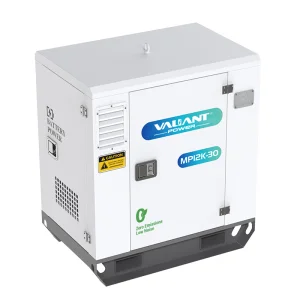
Designed specifically for construction sites, events, and emergency disaster relief, mobile storage stations (such as our 30kWh system with integrated 12kW 3-phase hybrid output) replace high-emission diesel generators to provide fuel-saving green power.
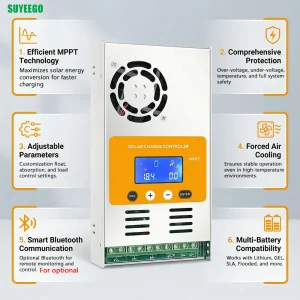
Unmanned base stations require autonomous electrical architectures. High-efficiency MPPT controllers paired with remote BMS management via IoT networks ensure maximum solar capture, automatic cell balancing, and continuous status telemetry reporting.
Staying competitive in the fast-paced green energy sector means predicting technological shifts. Over the next five years, multiple shifts are expected to alter procurement strategies. Our consulting frameworks constantly adapt to keep client portfolios highly relevant:
Standard P-type PERC cells have hit their theoretical efficiency limits. Modern factories are scaling N-type tunnel oxide passivated contact (TOPCon) and Heterojunction (HJT) cell architectures, bringing module efficiencies past 22.5% and reducing temperature coefficient degradation.
While LiFePO4 remains the safest cost-effective chemistry for grid backup, emerging solid-state and sodium-ion formulations are expanding. Our systems are engineered with modular battery cabinets that support seamless chemistry swaps as localized tariffs dictate.
The next generation of Energy Storage Systems (ESS) relies on software intelligence. Machine-learning algorithms integrate with factory networks to forecast weather patterns, learn localized energy consumption habits, and dispatch stored power dynamically.
Find answers to typical engineering, compliance, and logistics questions concerning China solar consulting and manufacturing.
Consulting aligns your site-specific grid codes, thermal performance needs, and utility regulations with the correct hardware configuration. This prevents costly component mismatches, ensures communications work natively, and accelerates project approval cycles with local utilities.
A smart BMS (like TDT or JIKONG systems) manages charge/discharge rates, monitors cell health, and uses active balancing to transfer energy from high cells to low cells. This prevents premature cell degradation, protects against thermal runaway, and maintains overall capacity over thousands of cycles.
Exporters must comply with the CE mark, Low Voltage Directive (LVD), Electromagnetic Compatibility (EMC) Directive, and RoHS. Grid-tied inverters must meet local grid codes like EN 50549. Battery systems require IEC 62619 safety certification.
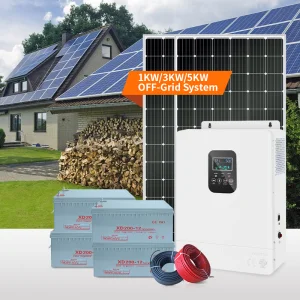
Yes. Off-grid systems can be configured with targeted solar charge controllers (MPPTs) and hybrid inverters to balance power loads. Stackable LiFePO4 batteries allow simple modular expansions to fit evolving off-grid power budgets.
Select from our comprehensive list of high-efficiency controllers, combiners, hybrid inverters, and containerized battery systems.
 Jonas Energy