China Best Solar Power for Homes Supplier & Exporter

Empowering Global Residential Energy Independence with Next-Generation PV & Smart Battery Storage Infrastructure Systems.

Executive Whitepaper: Decentralized Residential Energy Architectures & China's Production Advantages

The global paradigm shift toward renewable energy is no longer just an environmental goal; it is a fundamental economic and strategic priority for businesses, utilities, and homeowners. At the forefront of this evolution is Xiamen Jonas Energy Co., Ltd., a professional provider of renewable energy solutions headquartered in Xiamen, Fujian Province, China. We specialize in the research, development, engineering, manufacturing, and global export of advanced photovoltaic systems and energy storage technologies designed to optimize the Levelized Cost of Energy (LCOE).

"Supply chain resilience and technological superiority in LiFePO4 battery chemistry, high-voltage battery management systems (BMS), and advanced hybrid MPPT inverters represent the new benchmark for modern residential microgrids."

1. Industry Evolution: The Paradigm Shift in Residential Solar Power

Historically, residential solar installations were simple grid-tied configurations with high power losses and no storage capabilities. The modern residential energy sector has transitioned toward intelligent, high-efficiency hybrid microgrids. Key technological drivers include:

  • Transition from Low-Voltage (48V) to High-Voltage (700V+) DC Storage: Higher voltages minimize transmission losses, reduce cable thickness (copper costs), and drastically improve round-trip efficiency (RTE) within residential energy storage systems (ESS).
  • Adoption of LiFePO4 (Lithium Iron Phosphate) Chemistry: Compared to NMC/Cobalt alternatives, LFP batteries offer superior thermal stability, lifespan (>6000 cycles at 80% DoD), and safety profiles essential for home installation.
  • Unified EMS & Smart Grid Integration: Modern residential solar systems are no longer isolated. They interact dynamically with grid pricing, weather predictions, and local building energy footprints.

6000+

LFP Battery Cycle Life

700V+

High-Voltage Capabilities

98.5%

Inverter Peak Efficiency

100%

Automated QA Testing

Global B2B Procurement Requirements & Commercial Realities

For international buyers, EPC contractors, and distribution networks, choosing the right solar partner is a complex decision that hinges on reliability, regulatory compliance, and cost-efficiency. Our exporting infrastructure handles global compliance documentation and adapts to regional grid interconnection standards across North America, Europe, Australia, and Africa.

Regional Market Standard & Interconnection Demands Preferred System Architectures Key Integration Challenges
European Union EN 50549-1, CE, TUV Rheinland, VDE-AR-N 4105 High-voltage 3-Phase hybrid configurations with integrated battery storage. High localized installation costs; strict fire and chemical safety guidelines.
North America UL 9540, UL 1741 SB, IEEE 1547, NEC Rapid Shutdown Split-phase 120V/240V system topologies, smart panel integration. Complicated localized permitting; rapid shutdown compliance.
Emerging Markets IEC 62109, local utility certifications Ruggedized off-grid setups, high capacity LiFePO4 battery banks. Frequent grid instability; harsh, high-temperature environmental conditions.

Localized Residential and Commercial Scenarios

Our solutions cater to specialized applications, bridging the gap between small residential setups and large commercial solar assets:

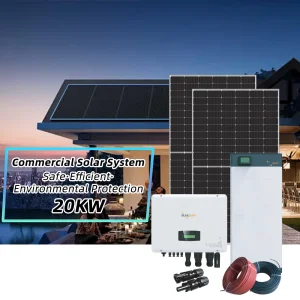
  • Off-Grid Agriculture & Remote Villas: Utilizing system layouts like the 20KW 45KWh Off Grid Solar Power System to enable full off-grid utility infrastructure. These systems bypass local transmission lines, delivering reliable power through industrial-grade LFP setups.
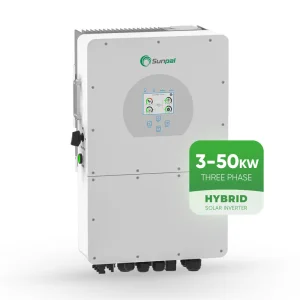
  • Urban Prosumers & Smart Micro-Grids: High-performance hybrid systems paired with premium MPPT controllers (such as Deye IP65 Hybrid Inverters) that optimize dynamic energy usage based on real-time grid pricing.
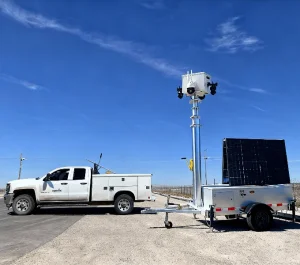
  • Remote Security & Telecom Facilities: Off-grid trailers and modular enclosures, including our 360 Wireless Camera Solar Trailer Security system, designed to operate in extreme environments without maintenance visits.

China Industry 4.0: Supply Chain Resilience & Quality Engineering

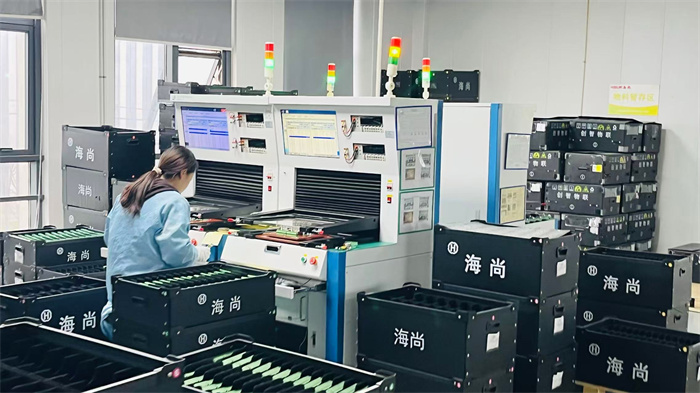
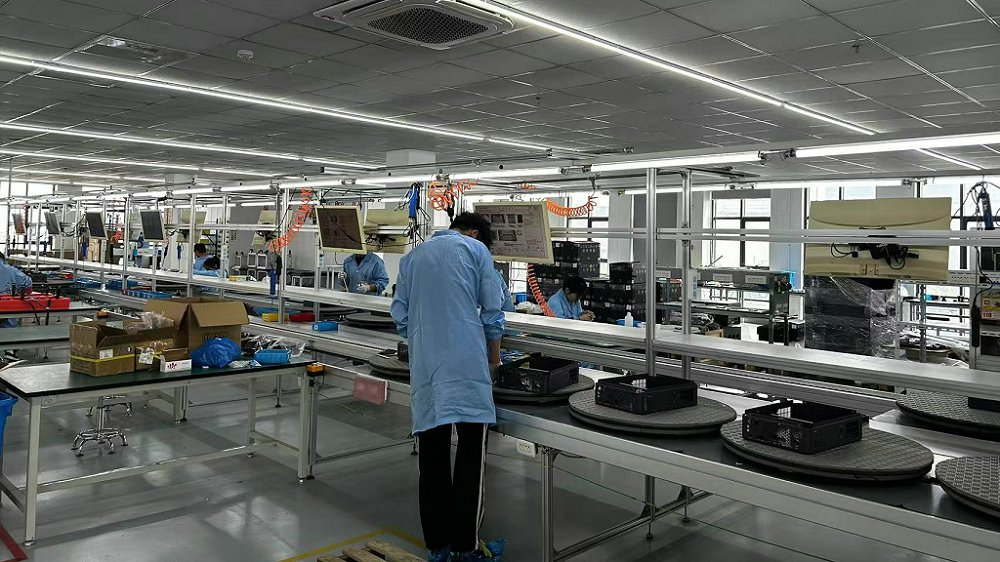
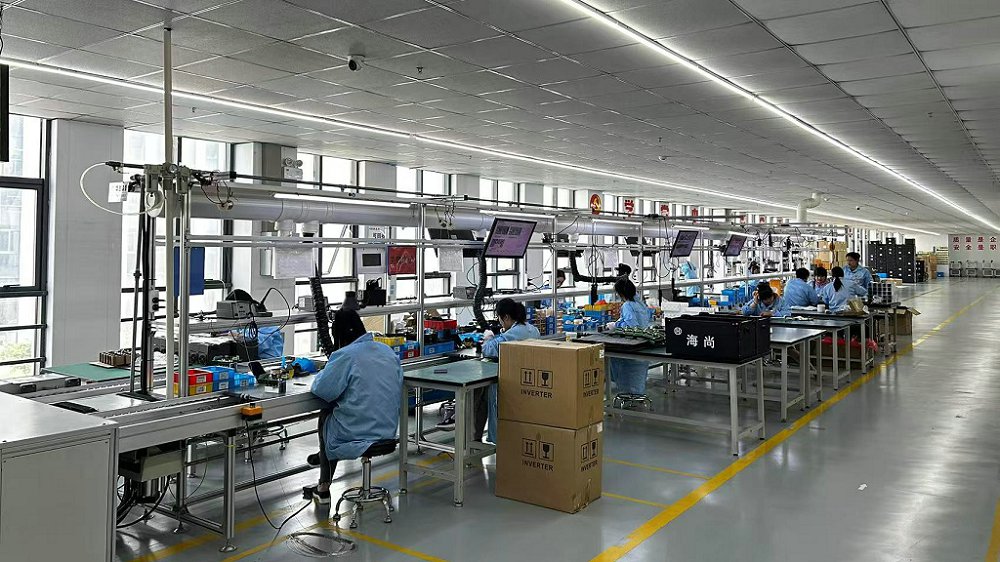
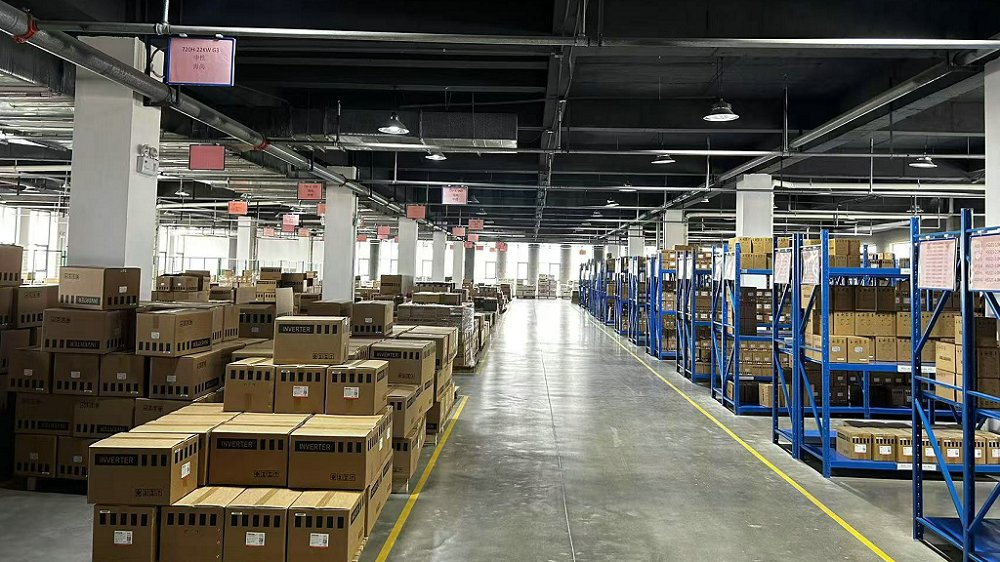
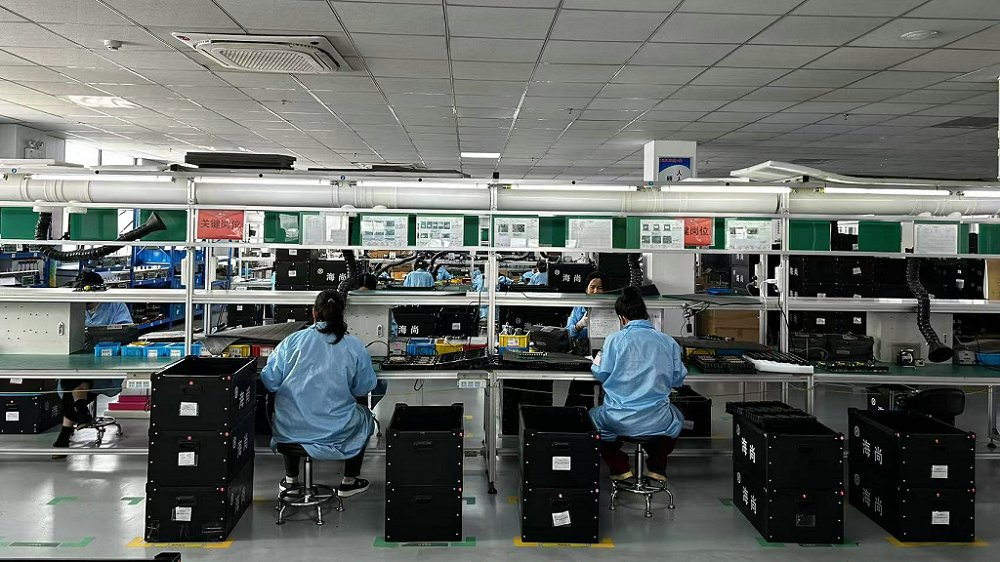
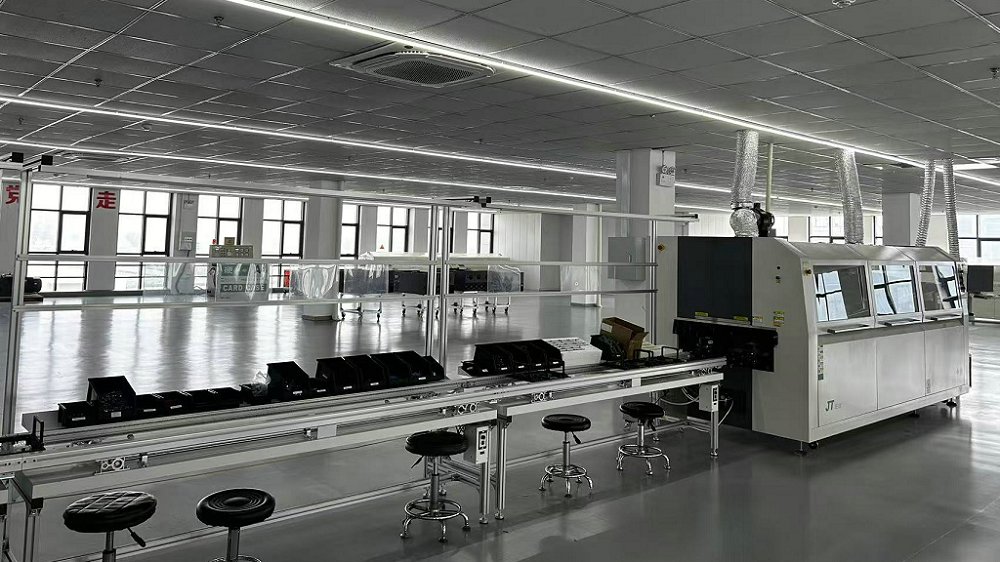
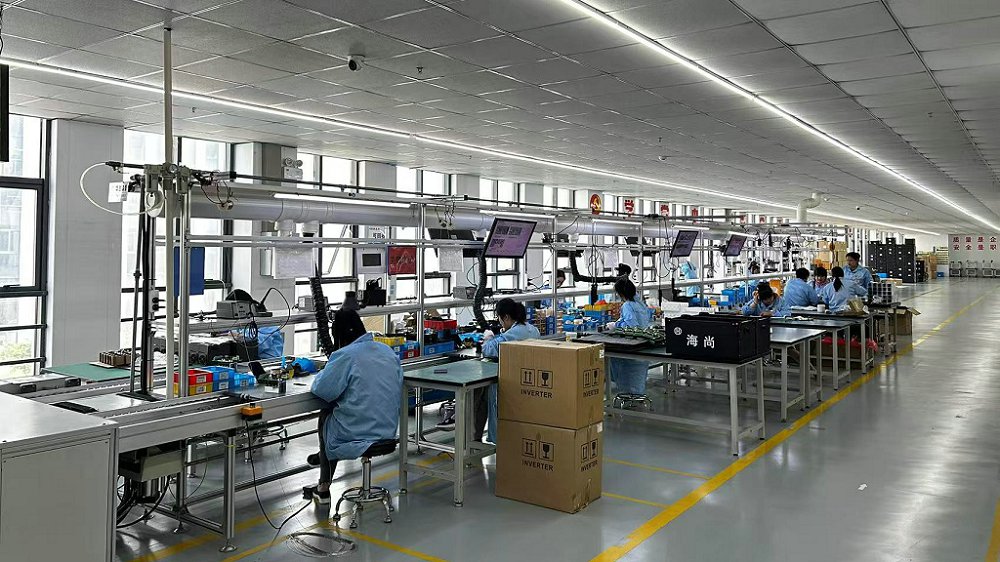
Xiamen Jonas Energy Co., Ltd. operates advanced manufacturing facilities designed to meet strict international standards, including ISO9001 and ISO14001. Our production lines combine automated assembly with precise quality control testing to minimize defects and maintain high output consistency. Each manufacturing stage is designed to ensure long-term product durability:
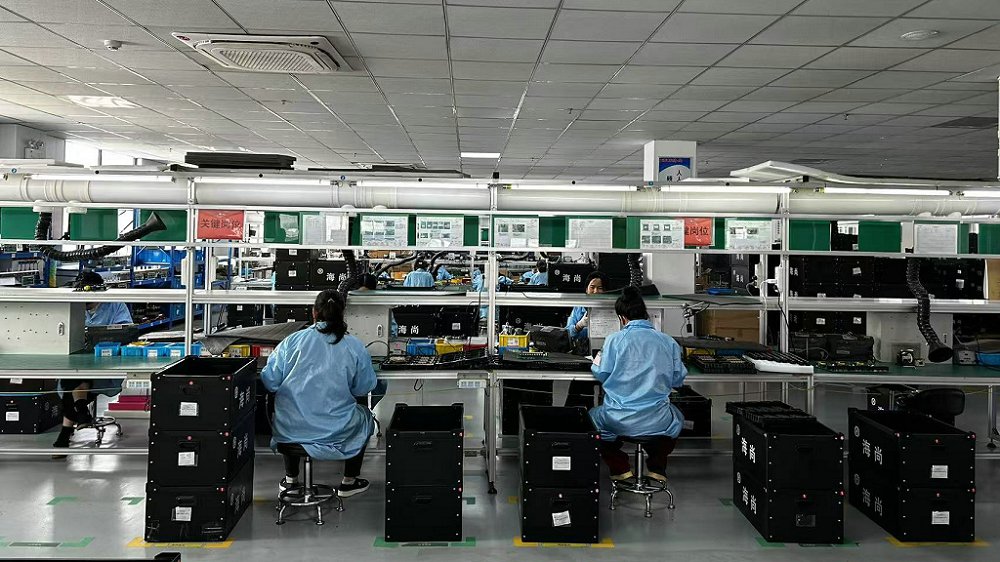
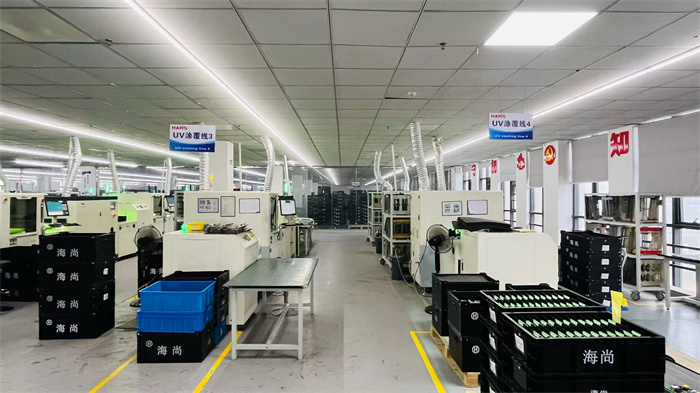
Plate making process at Xiamen Jonas Energy
Plate making
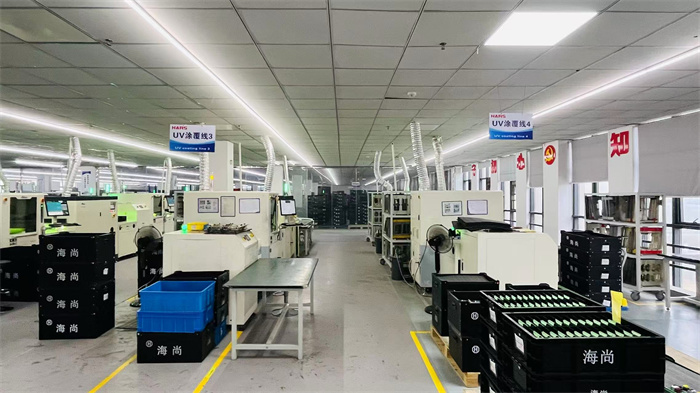
UV coating line for components protection
UV coating
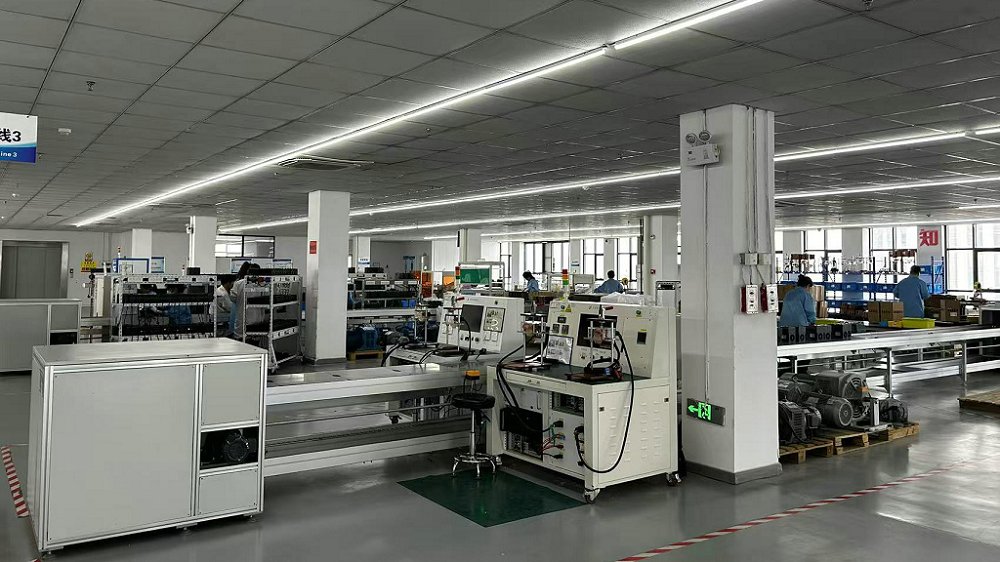
Strict testing procedures for energy systems
Test
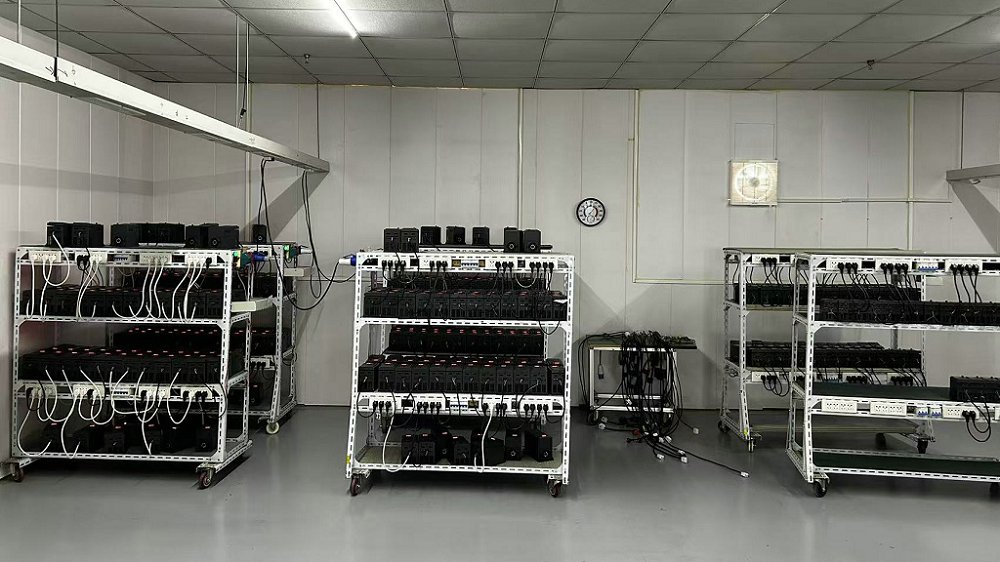
Aging test for reliability check
Aging test
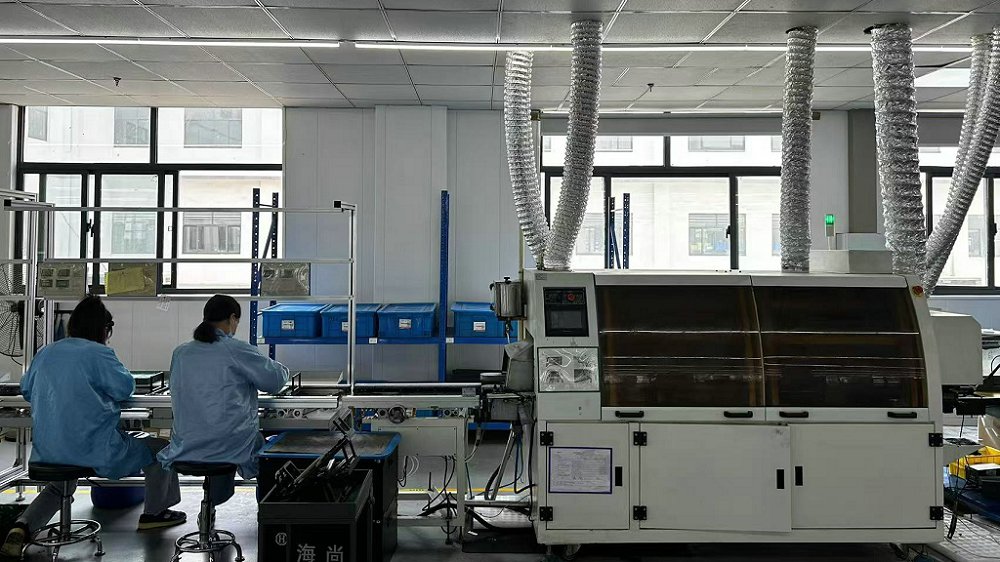
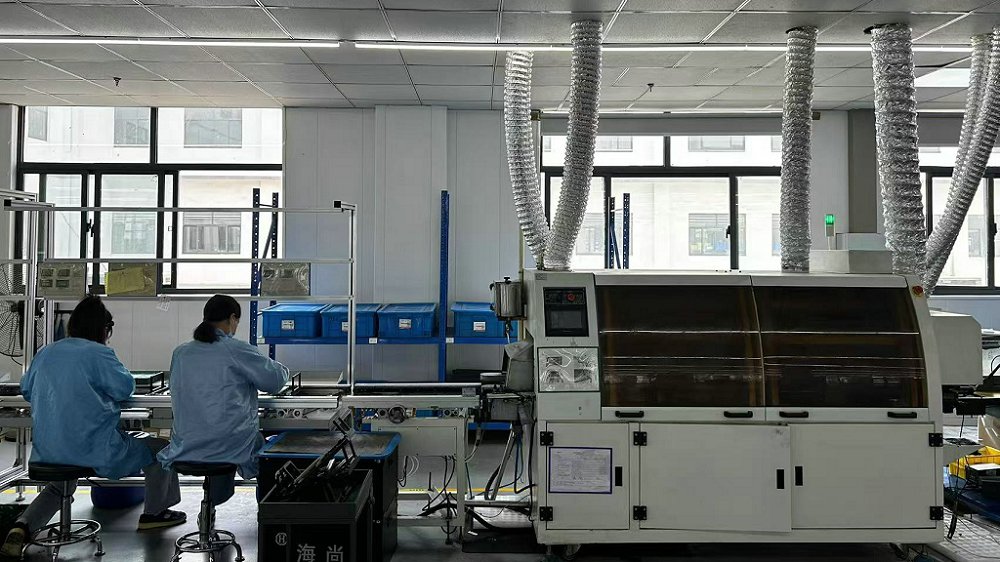
Precision welding on PCB layout
weld
Manual and automated assembly procedures
Assembly
Detailed assembly quality assurance checks
Assembly
Finished product inspection and clearance
Finished product
Plate making automated line control
Plate making line
UV coating line for durability
UV coating line
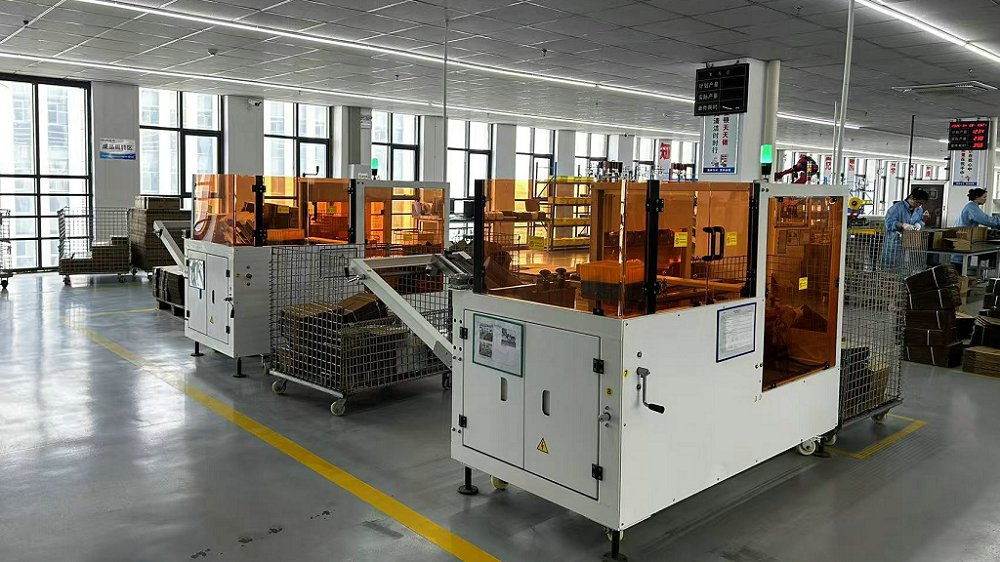
High speed box opening machine
Box opening machine
Packaging line and export preparations
packaging line
Advanced dip welder processing
Dip welder
Modern automated production line overview
Production line
Continuous assembly line for high capacity output
Assembly line

Why Xiamen Jonas Energy Controls the Manufacturing Pipeline

By keeping core processes in-house—including precision spot welding, UV conformal coating for moisture resistance, plate fabrication, and post-assembly burn-in aging tests—we maintain complete traceability over the entire manufacturing lifecycle. This reduces component failure rates below 0.1%, ensuring reliable operation in demanding environments worldwide.

Technical Deep-Dive: FAQ

Addressing technical, logistics, and compliance questions about residential and commercial PV setups.

Why is High Voltage (700V+) preferred for energy storage systems over standard Low Voltage (48V) batteries?
High-voltage energy storage systems operate at reduced current levels to deliver the same power output. Because heat losses are proportional to the square of the current (I²R), high-voltage systems improve conversion efficiency, reduce internal operating temperatures, and allow for thinner connection cables. This simplifies installation, lowers balance-of-system (BOS) costs, and increases the round-trip efficiency of the entire hybrid solar installation.
What certification standards must solar products meet for export to European and North American markets?
For EU compliance, equipment must carry the CE mark, be certified under RoHS guidelines, and comply with safety and grid connection standards such as EN 62109, VDE-AR-N 4105, and EN 50549. North American exports require UL listing (such as UL 1973 for battery packs and UL 9540 for complete energy storage systems), along with FCC Part 15 compliance for electromagnetic interference and Rapid Shutdown standards under NEC regulations.
How does Jonas Energy integrate MPPT technology into its solar power solutions?
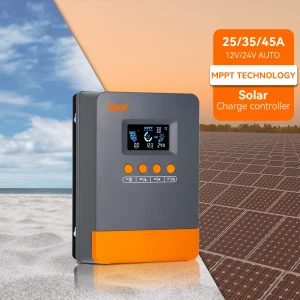
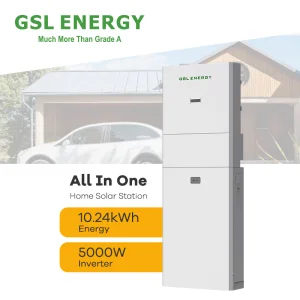
Our systems utilize advanced Maximum Power Point Tracking (MPPT) algorithms to continuously monitor the voltage and current output of the photovoltaic arrays. This ensures the solar panels operate at their peak power point regardless of environmental conditions, shading, or temperature variations. Jonas Energy systems integrate these controllers directly within our hybrid inverters and all-in-one storage systems (such as the GSL or Deye series configurations) to maximize energy yield.
What is the advantage of using LiFePO4 cells compared to NCM (Nickel Cobalt Manganese) chemistry in home storage?
LiFePO4 (LFP) is the safest lithium-ion battery chemistry available for residential environments. It features a thermal runaway threshold of approximately 270°C, compared to 210°C for NCM, minimizing the risk of fire. LFP cells also do not contain cobalt, making them more environmentally sustainable. Additionally, LFP batteries offer an operational lifespan of over 6,000 cycles at 80% Depth of Discharge (DoD), compared to approximately 1,500 to 2,000 cycles for typical NCM configurations.
How does Jonas Energy ensure logistics safety and battery cell consistency during international export?
Our batteries are certified under UN38.3 standards for air and sea transport, ensuring compliance with international dangerous goods shipping regulations. In terms of performance, we grade and sort all cells during manufacturing based on capacity and internal resistance. This matching process ensures uniform cell aging, prevents cell imbalances during operation, and maintains pack capacity throughout the product's lifespan.