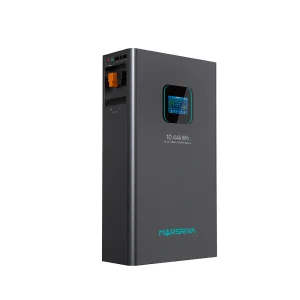
Robust wall-mounted and high-capacity LiFePO4 packs designed to counter Jakarta's PLN grid instability issues.
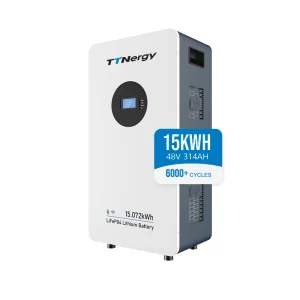
Analyzing the intersection of Indonesia's national decarbonization strategies, local PLN grid profiles, and high-performance energy storage technologies.
Jakarta, the economic heart of Indonesia, is facing a critical transition. With the national commitment to achieve Net Zero Emissions (NZE) by 2060, Jakarta's manufacturing zones (such as Pulogadung and Cengkareng) and commercial districts (Sudirman Central Business District) are under immense pressure to transition from diesel generator backup systems to clean, renewable resources. The State Electricity Company (PT PLN (Persero)) grid, while continuously improving, still exhibits significant voltage fluctuations and peak tariff loads that burden commercial operations.
For Jakarta's businesses, LiFePO4 (Lithium Iron Phosphate) solar energy storage systems (ESS) are no longer just backup power supplies; they are strategic peak-shaving units. Rooftop solar PV coupled with high-capacity LFP battery storage allows industrial units to store clean energy during the daytime and discharge it during peak tariff slots (17:00 to 22:00 WIB), lowering utility expenses by up to 40% while mitigating grid brownouts.
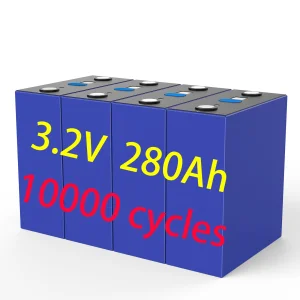
On a global scale, the solar energy storage market is experiencing a massive shift from traditional Lead-Acid and NMC (Nickel Manganese Cobalt) chemistries to LiFePO4. LiFePO4 is globally recognized as the safest, most chemically stable, and longest-lasting lithium chemistry, boasting up to 10,000 charge cycles at 80% Depth of Discharge (DOD). Its extreme thermal stability is specifically critical for tropical climates like Jakarta, where high humidity and ambient temperatures exceeding 33°C pose severe thermal runaway risks to low-quality batteries.
Cycle Life Span
Faradic Efficiency
Thermal Runway Threshold
Maintenance Needs
How our engineering portfolio solves specific energy pain points in Jabodetabek and surrounding regions.
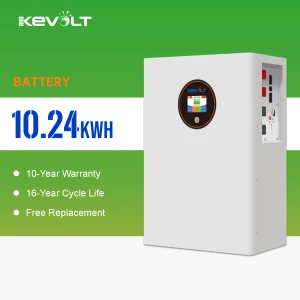
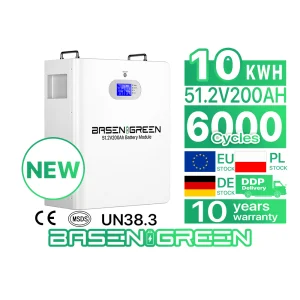
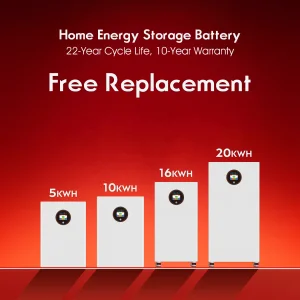
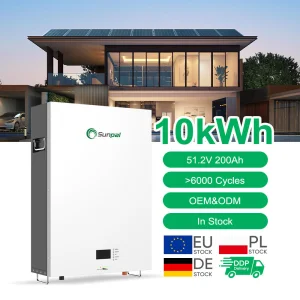
Jakarta's upscale residential developments in Pantai Indah Kapuk (PIK), Menteng, and Pondok Indah utilize wall-mounted 5kWh and 10kWh LiFePO4 batteries to maximize PV self-consumption. Residents shield expensive HVAC systems and premium electronic appliances from unpredictable grid outages, ensuring silent, automatic switchover backups within milliseconds.
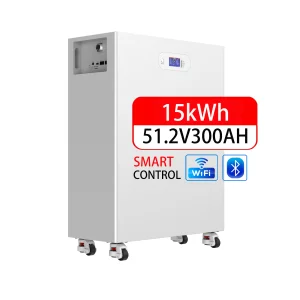
In Greater Jakarta's key manufacturing zones, high peak power tariffs during business hours significantly raise operational overheads. Jonas Energy's cabinet-integrated high-voltage lithium ESS provides automated peak shaving, charging during low-demand night hours and discharging during industrial peak times, resulting in immediate OPEX drops.
The Thousand Islands (Kepulauan Seribu) off Jakarta's northern coast rely on expensive, polluting diesel generators. Implementing a hybrid solar + LiFePO4 microgrid configuration eliminates fuel supply logistics, guarantees 24/7 continuous energy supply, and acts as a baseline benchmark for regional sustainable eco-tourism developments.
Jonas Energy’s dedication to pushing the limits of density, thermal safety, and smart grid integration.
The battery technology space is evolving rapidly. As a premium manufacturer, Xiamen Jonas Energy Co., Ltd. continuously updates its production lines to adopt the latest material science breakthroughs. Our technical roadmap focuses on the following key advancements:
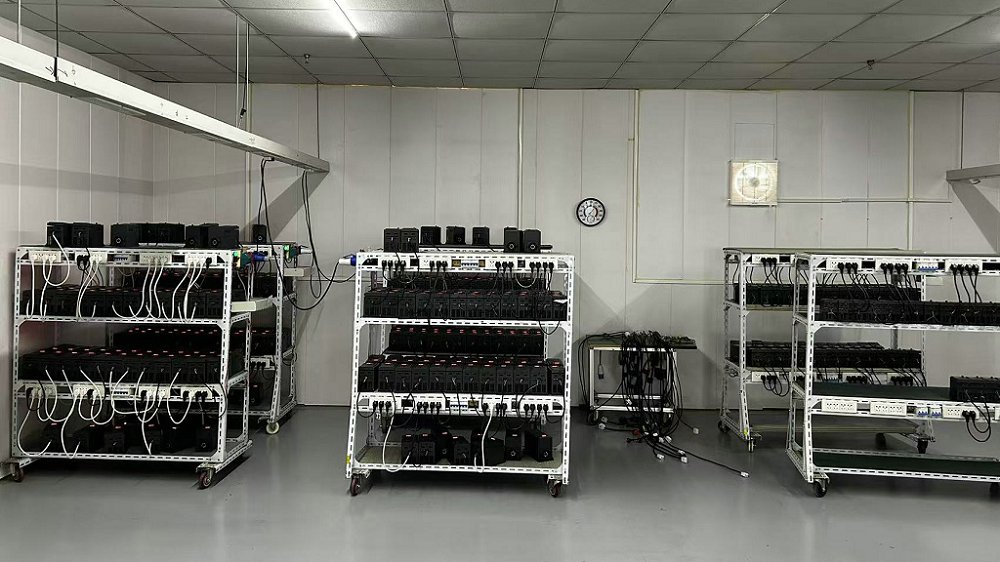
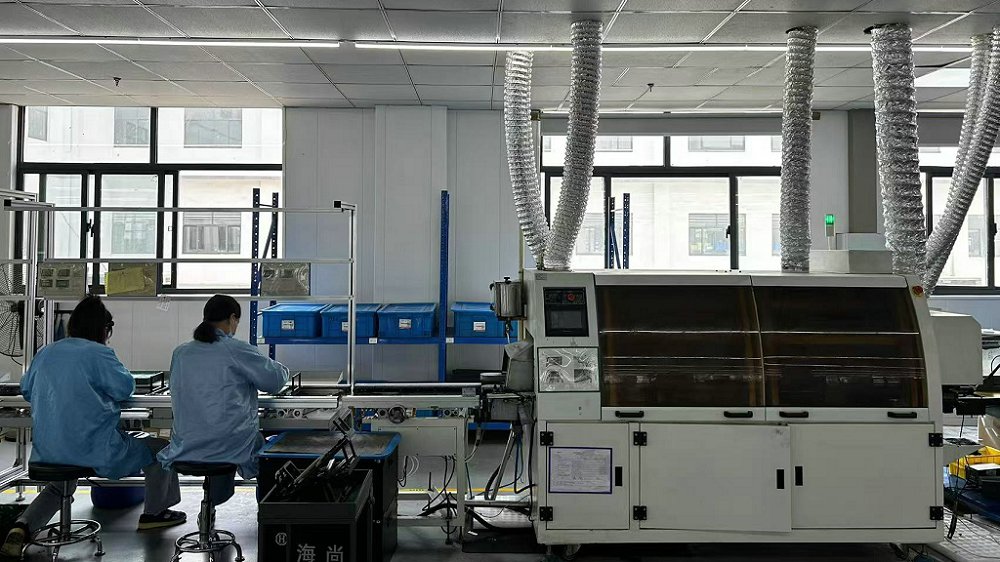
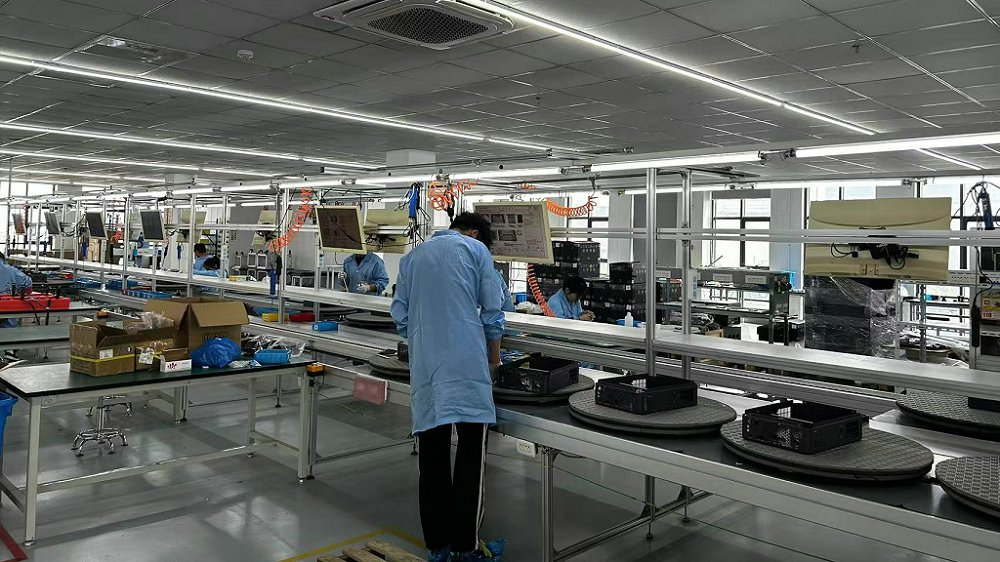
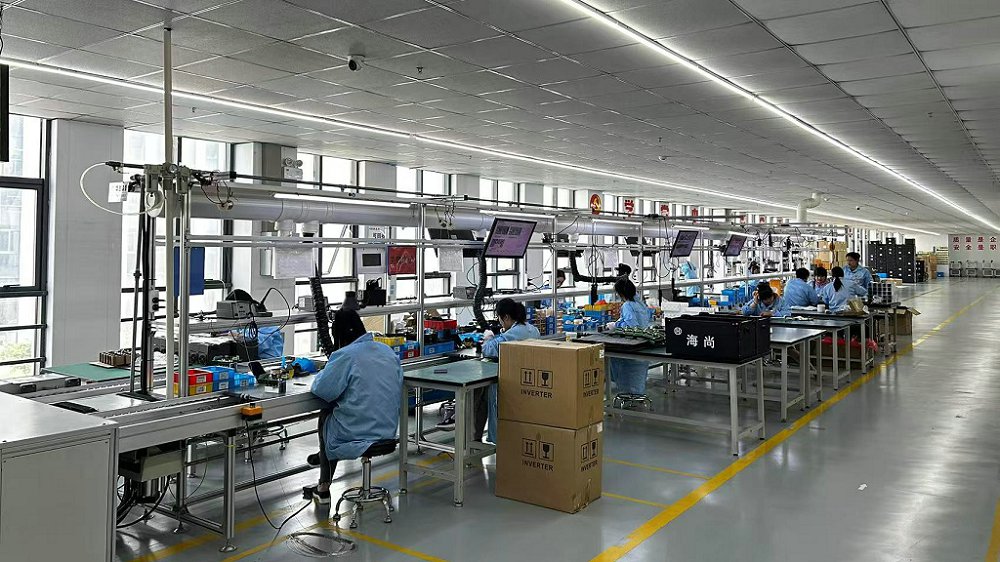
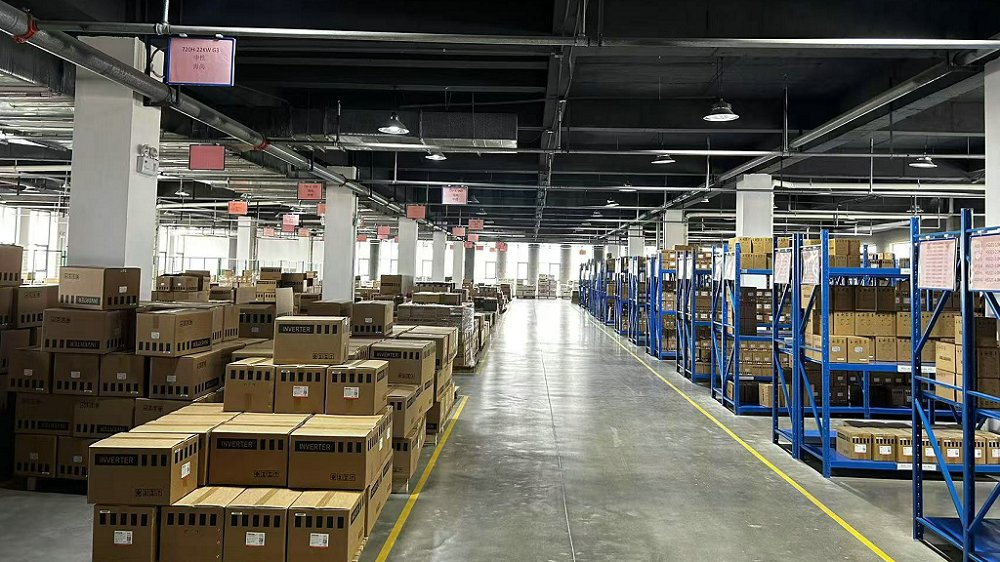
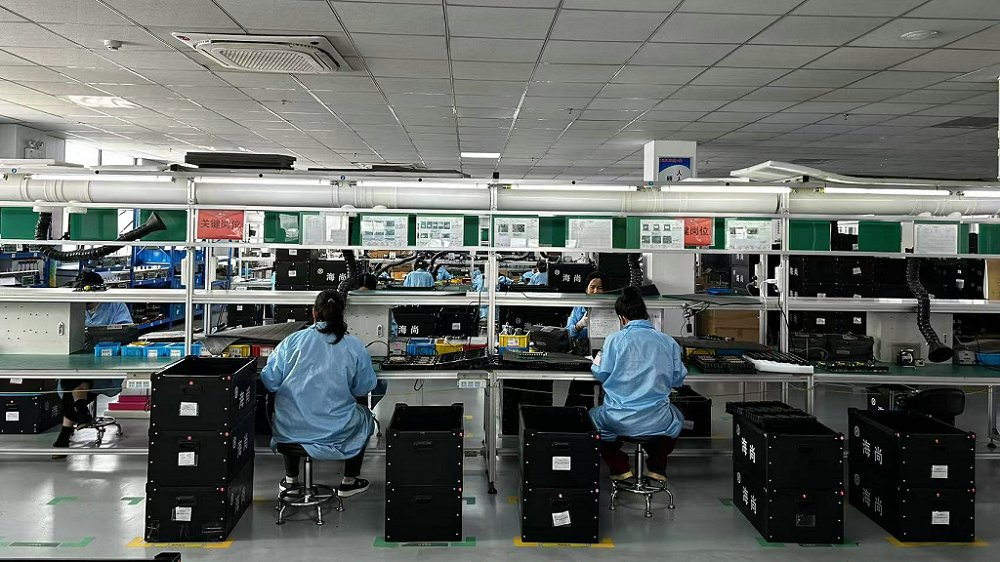
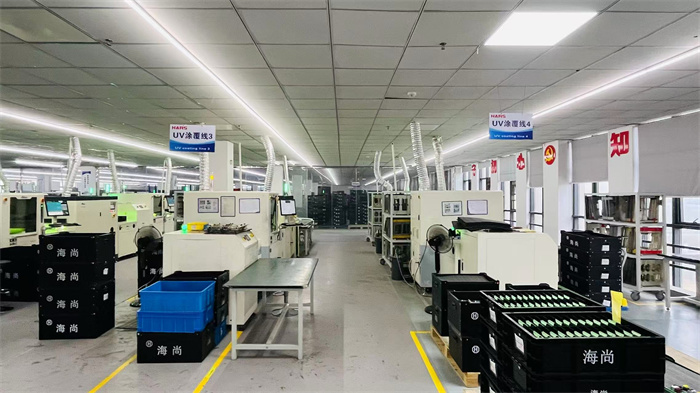
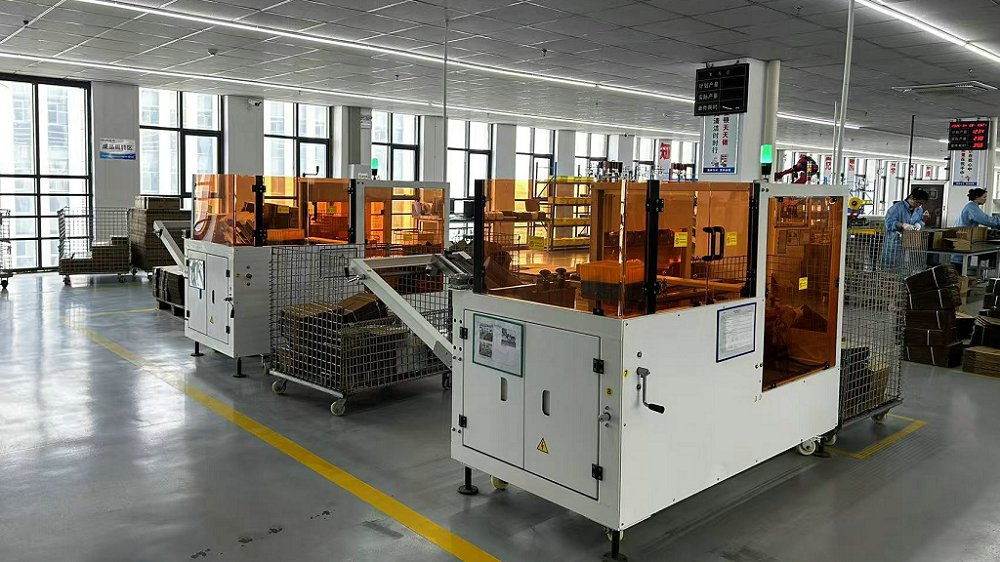
We implement strict quality assurance pathways at our advanced manufacturing lines to deliver tier-1 energy storage systems globally.
Xiamen Jonas Energy Co., Ltd. is a leading manufacturer of renewable energy solutions headquartered in Xiamen, Fujian Province, China. We supply high-end solar panels, high-efficiency hybrid solar inverters, and high-safety LiFePO4 battery packs to markets across Southeast Asia, Europe, and Latin America. Our advanced facilities are certified under ISO9001, ISO14001, and OHSAS18001, and our entire lithium battery line complies with the most stringent global standards, including UN38.3, IEC62619, CE, and TUV.
Our commitment to Quality means every cell goes through visual inspection, capacity classification, dynamic resistance grading, laser automatic welding, high-temperature aging testing, and comprehensive functional BMS checks before packaging and shipping.
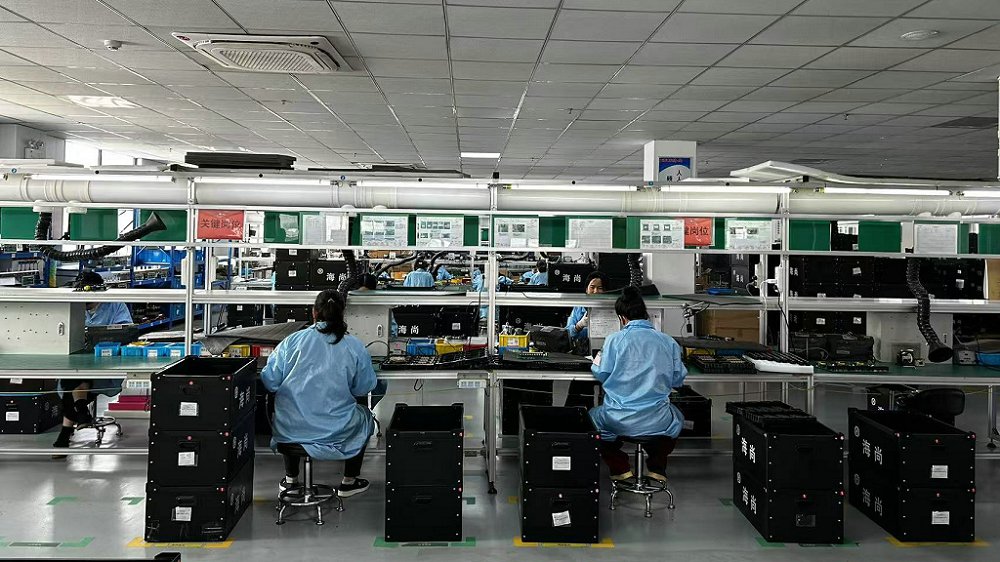
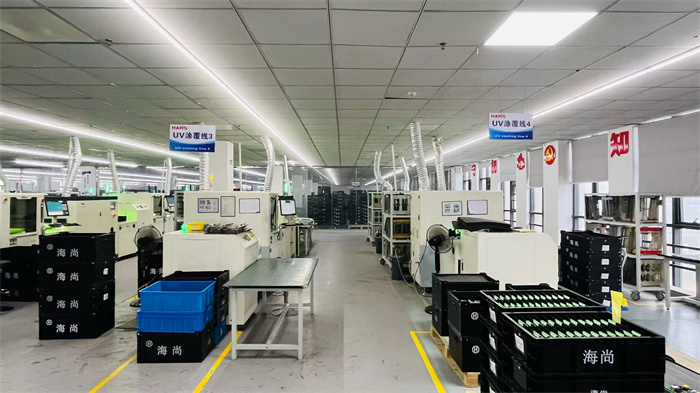
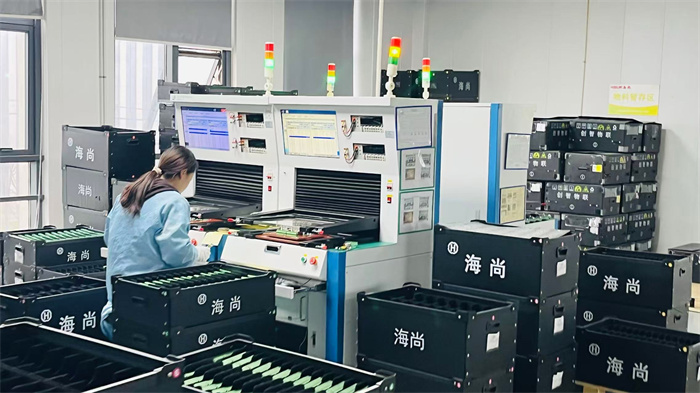
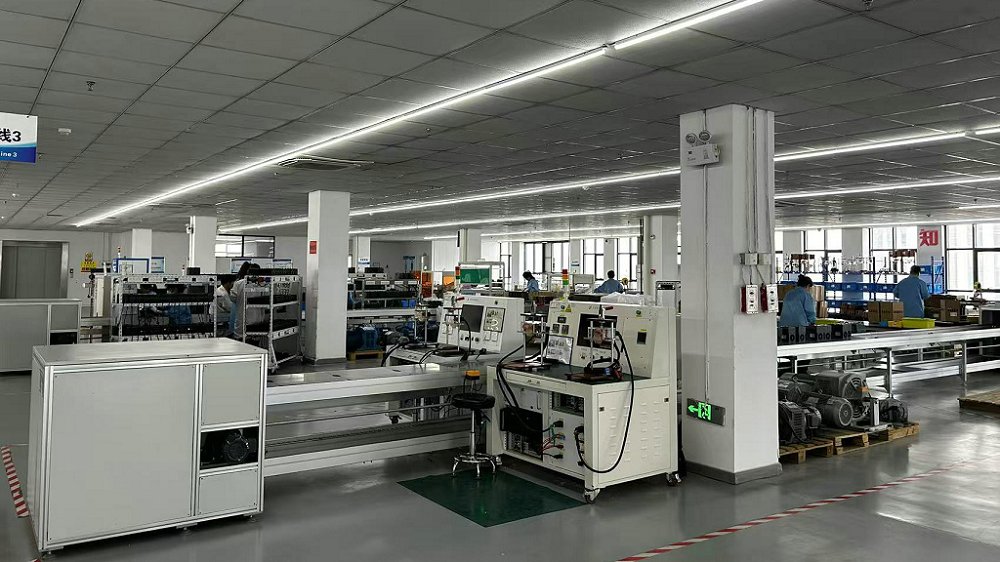
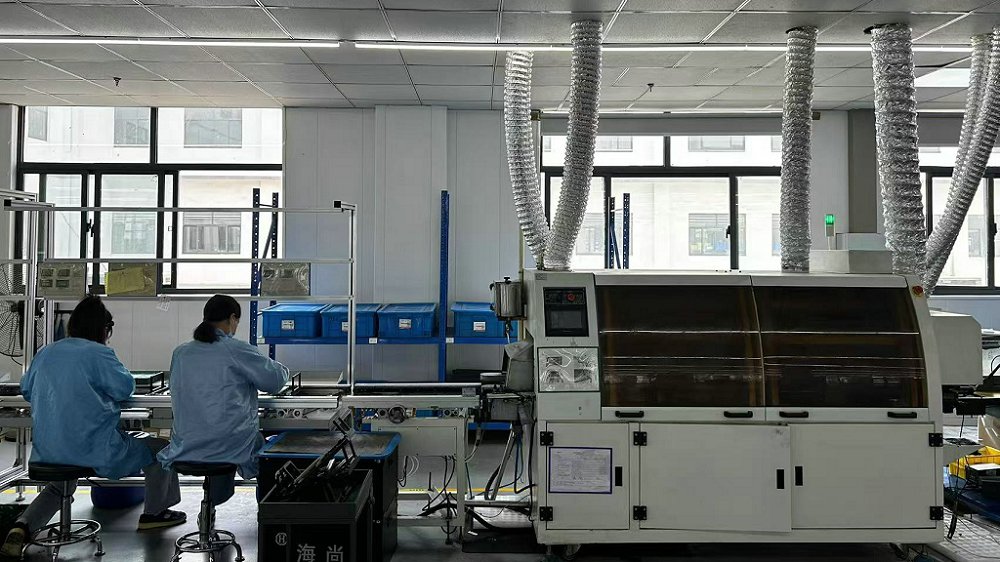
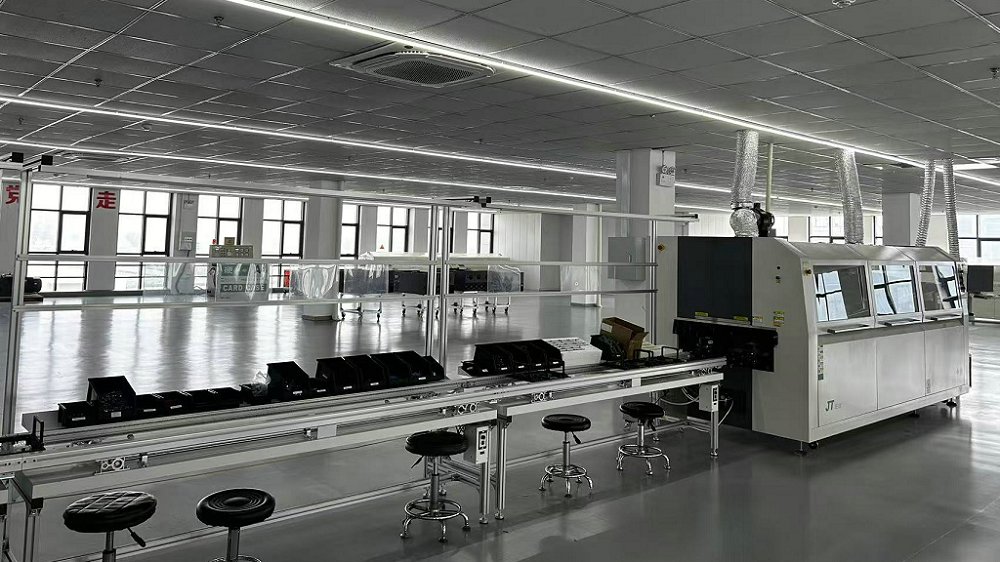
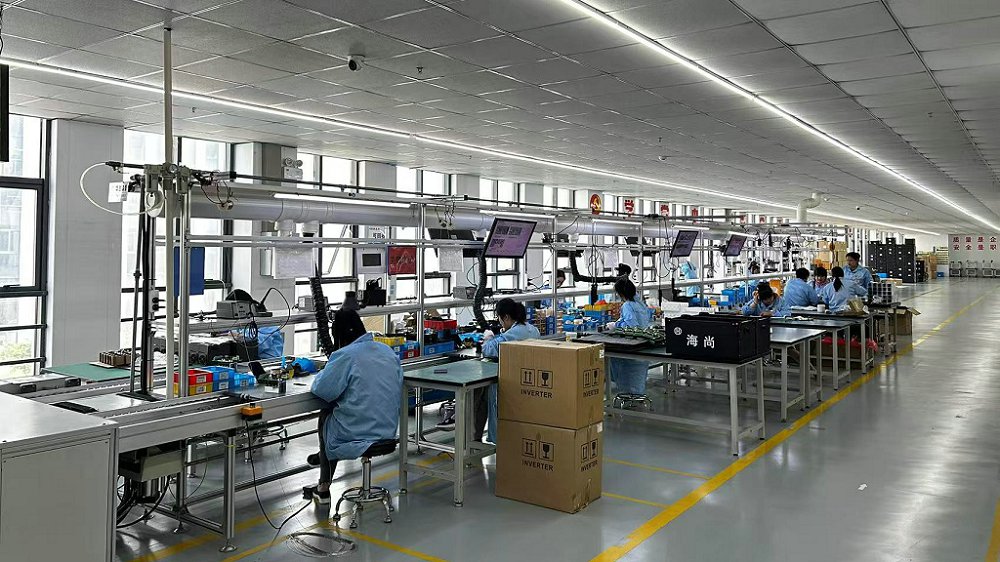
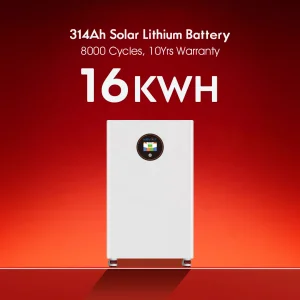
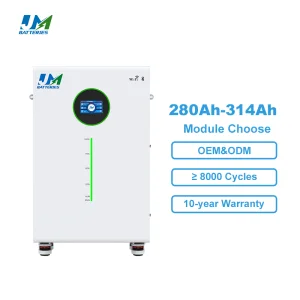
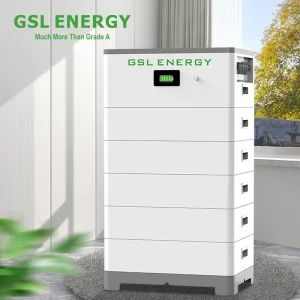
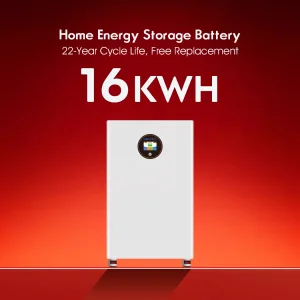
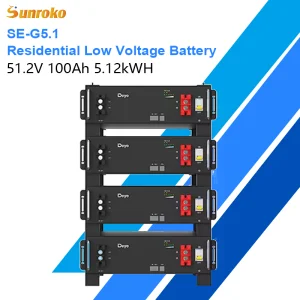
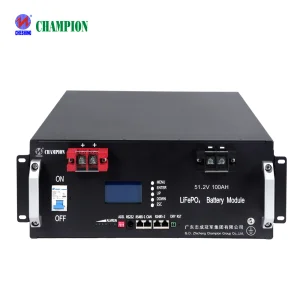
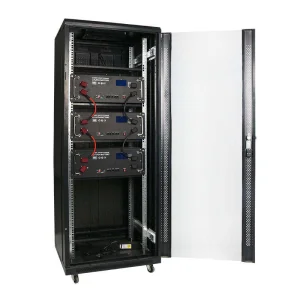
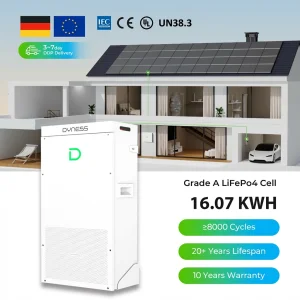
Discover our complete portfolio of wall-mounted, high-voltage stackable, and industrial-grade cabinets.
Deploying centralized lithium battery arrays to smooth generation spikes and secure microgrid load nodes.
High-voltage network integration demands containerized infrastructure optimized to secure critical grid nodes. Our customized 20ft and 40ft Container Energy Storage Systems (CESS) integrate temperature containment systems, dry-pipe fire suppression (FM200), and integrated liquid chillers to keep system-wide temperatures consistent.
By balancing peak solar generation with local industrial load shapes, Jonas Energy's macro storage products deliver peak dispatch capability to local utility systems, minimizing grid congestion and lowering substation construction requirements.
Our industrial systems are fully compatible with tier-1 hybrid inverter brands (including Deye, Growatt, SMA, and Victron). Modbus and CAN communication protocols are natively integrated, allowing SCADA and PLC control units to execute rapid load dispatching algorithms.
Technical guidance and commercial explanations on deploying lithium batteries within Jakarta’s regulatory and climatic environment.
A: Yes, our LiFePO4 energy storage systems are fully compatible with PLN Net-Metering (MEMR Regulation No. 26/2021). The integrated smart BMS communicates directly with certified hybrid inverters to program specific charging and discharging profiles, prioritizing battery consumption during peak rate periods (WBP) and charging during off-peak times (LWBP).
A: While typical lithium batteries degrade quickly when ambient temperatures consistently exceed 30°C, our Grade-A LiFePO4 chemistry has a high thermal runway threshold of 60°C. Jonas Energy integrates active temperature management and double-sided thermal pads inside the enclosures, ensuring stable operation even under Jakarta’s hot and humid tropical conditions, maintaining a cycle life of over 6,000 cycles at 80% DOD.
A: Yes, we cooperate closely with reputable Indonesian logistics providers to offer complete door-to-door (DDP) shipping solutions to Jakarta, including handling all customs clearances and local tax documentations (PI, Import Licenses). We also offer technical support, installation guidance, and warranty assistance through our partner system integrators in Jabodetabek.
A: Our products are certified under international safety and quality standards, including IEC 62619, CE, UN38.3, UL1973, and ISO9001. These rigorous certifications ensure that our solar batteries meet the necessary import and safety regulations for deployment in Jakarta's commercial, residential, and industrial projects.
 Jonas Energy