Direct-from-factory modular kits, high-capacity hybrid systems, and commercial energy storage solutions engineered to thrive in New Zealand's diverse climatic zones.
New Zealand’s geographic isolation, diverse terrain, and highly distributed population present unique challenges to centralized electricity distribution. From the high-country sheep stations of the South Island to remote eco-tourism lodges in the Marlborough Sounds, grid expansion is often economically non-viable and structurally vulnerable. Rural utility distribution networks, managed by regional entities such as Powerco, Aurora Energy, or Orion, carry significant maintenance overheads which translate to high line charges for end consumers.
Furthermore, extreme weather events—manifested in recent cyclones such as Cyclone Gabrielle, severe flooding, and high winds—underscore the fragility of aerial power transmission. To mitigate grid dependence, increase operational continuity, and support New Zealand's ambitious target of net-zero greenhouse gas emissions by 2050, commercial enterprises and rural landowners are aggressively investing in decentralized, off-grid solar power systems.
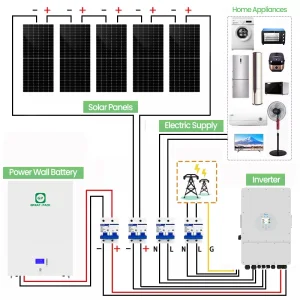
An engineered off-grid PV system paired with high-durability Lithium Iron Phosphate (LiFePO4) Battery Energy Storage Systems (BESS) acts as an autonomous utility. It bypasses the volatility of wholesale spot prices on the NZ electricity market while shielding agricultural and forestry facilities from the expensive penalties of peak-demand tariffs.
When importing and deploying off-grid solar infrastructure in New Zealand, regulatory compliance is paramount. Non-compliant electrical equipment carries severe legal liabilities, voids commercial property insurance, and risks catastrophic failure. In accordance with the WorkSafe Energy Safety requirements and the Electricity Safety Regulations, all equipment must satisfy strict joint Australia/New Zealand standards (AS/NZS).
1. AS/NZS 5033 (Installation and safety requirements for photovoltaic (PV) arrays): Dictates the structural integrity of brackets, direct-current (DC) isolation standards, wiring pathways, and strict limits on system open-circuit voltages.
2. AS/NZS 5139 (Electrical installations—Safety of battery systems for use with power conversion equipment): Sets rigorous specifications for lithium battery containment, fire barrier separation, venting pathways, and safe location protocols.
3. AS/NZS 4777.2 (Grid connection of energy systems via inverters): Although primarily an on-grid standard, any hybrid system configured to interact even marginally with the distribution grid must carry this certification to prevent feedback contamination.
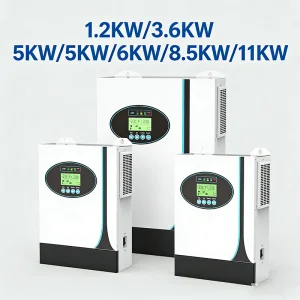
At Xiamen Jonas Energy Co., Ltd., our inverters and energy storage products are specifically configured to fulfill these requirements. Backed by internationally recognized testing certificates (TUV, CE, IEC 62619, IEC 62109), our engineering division provides complete pre-shipment documentation to streamline sign-offs by certified New Zealand Electrical Inspectors.
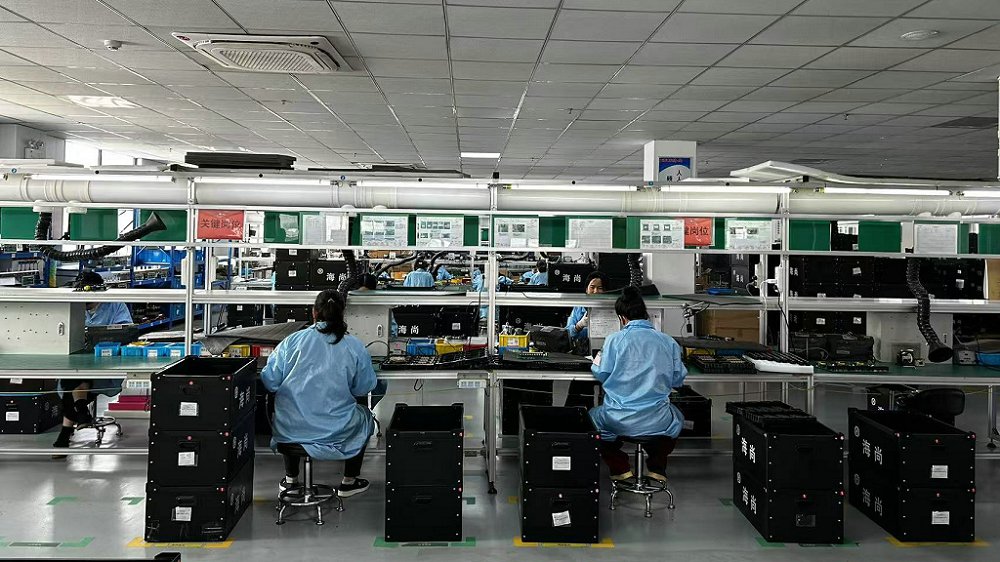
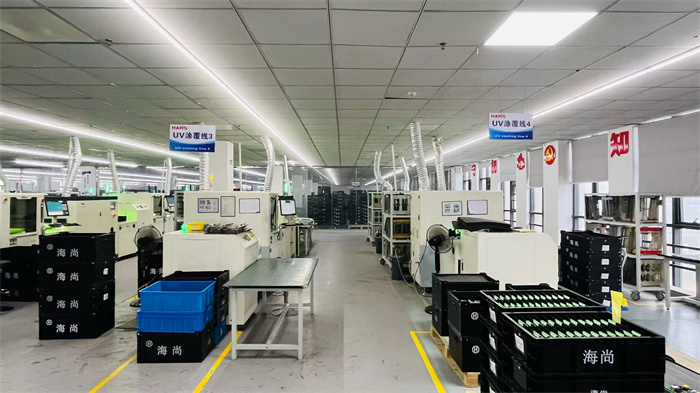
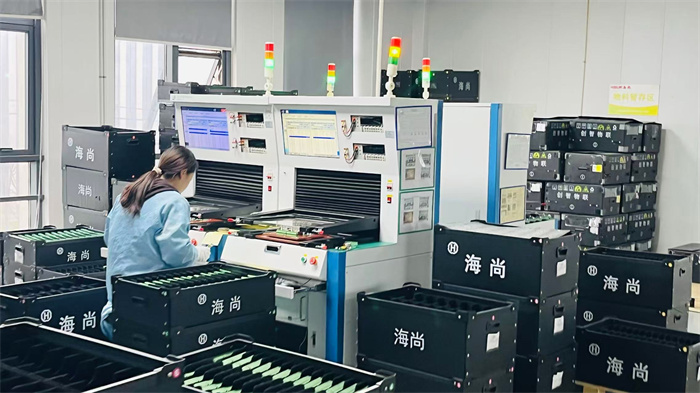
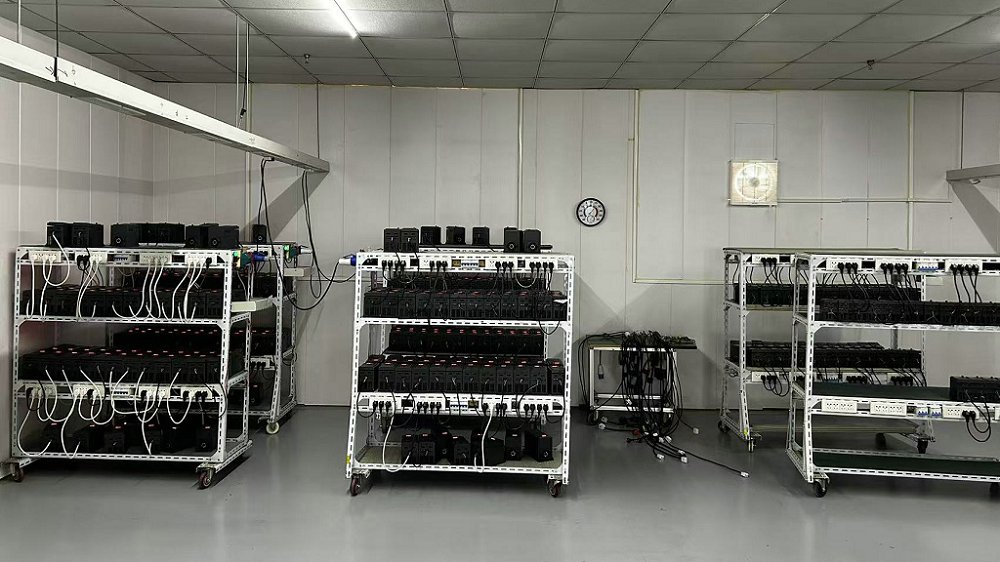
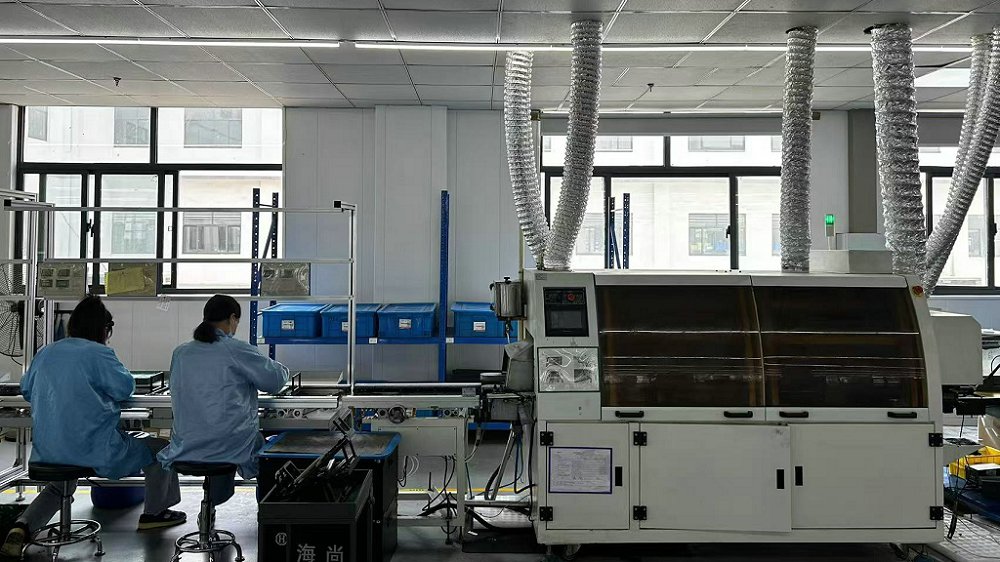
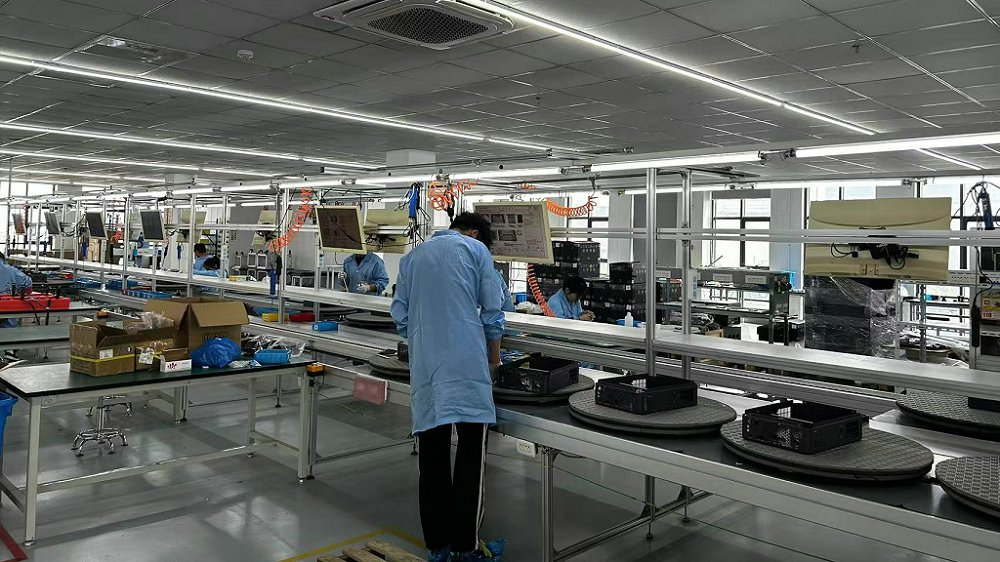
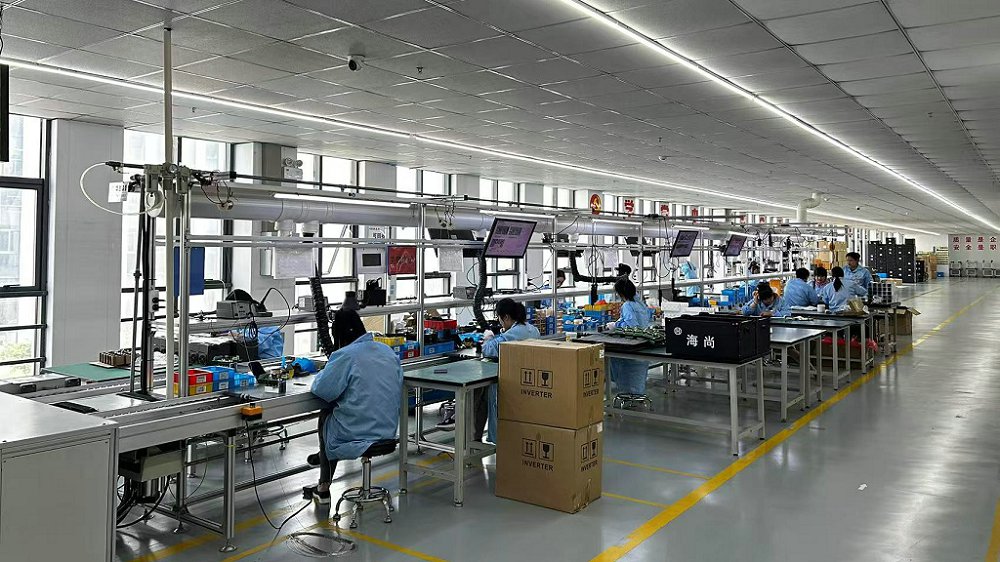
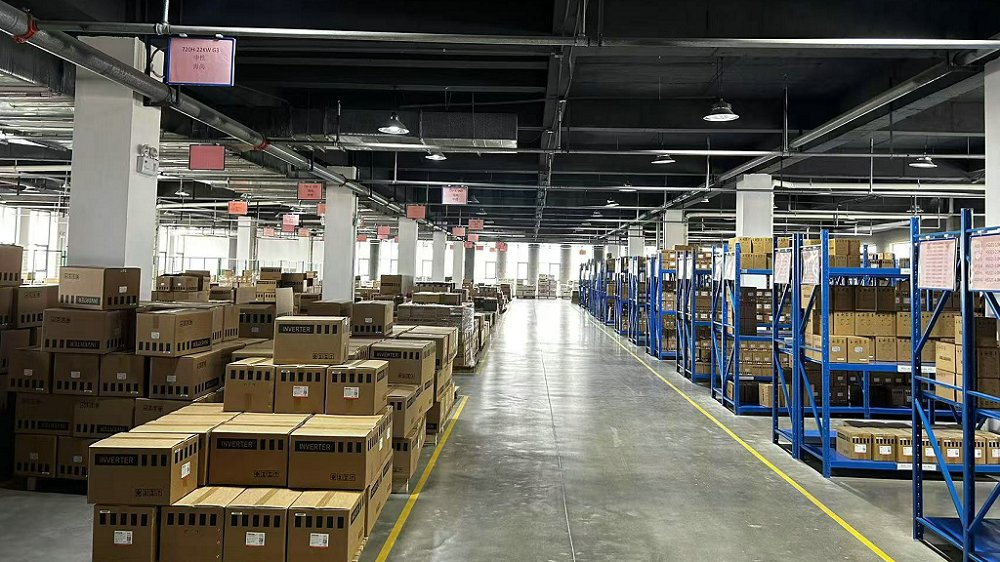
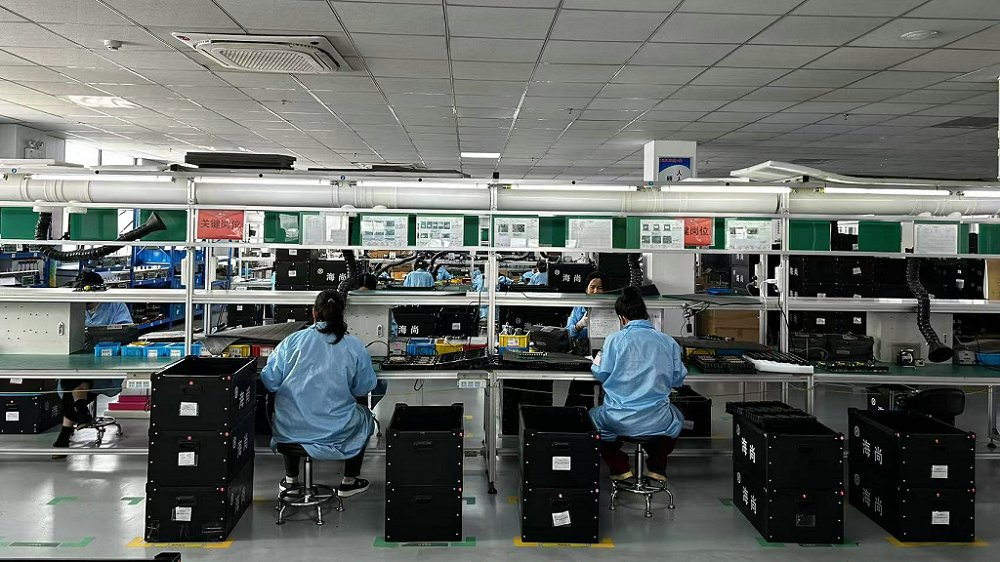
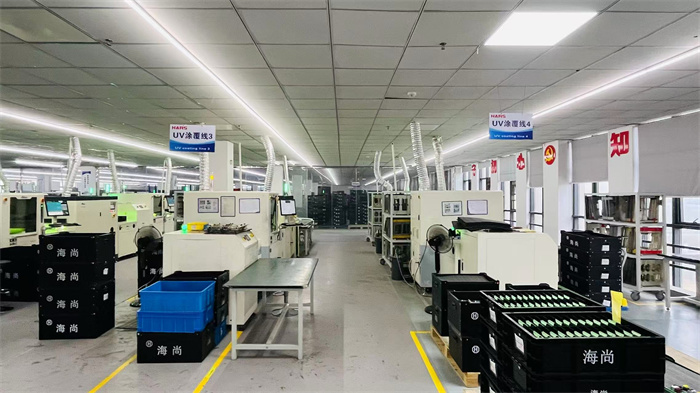
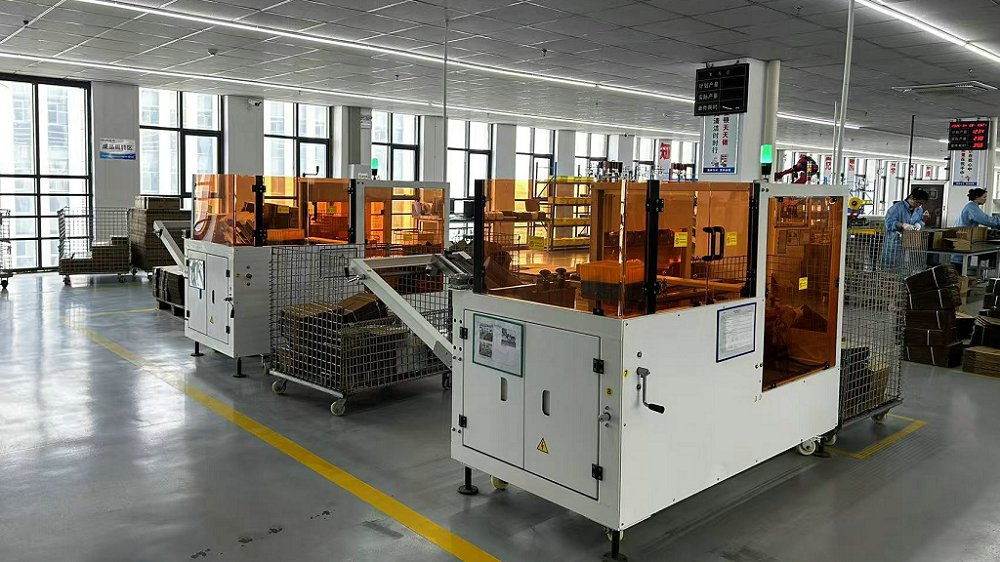
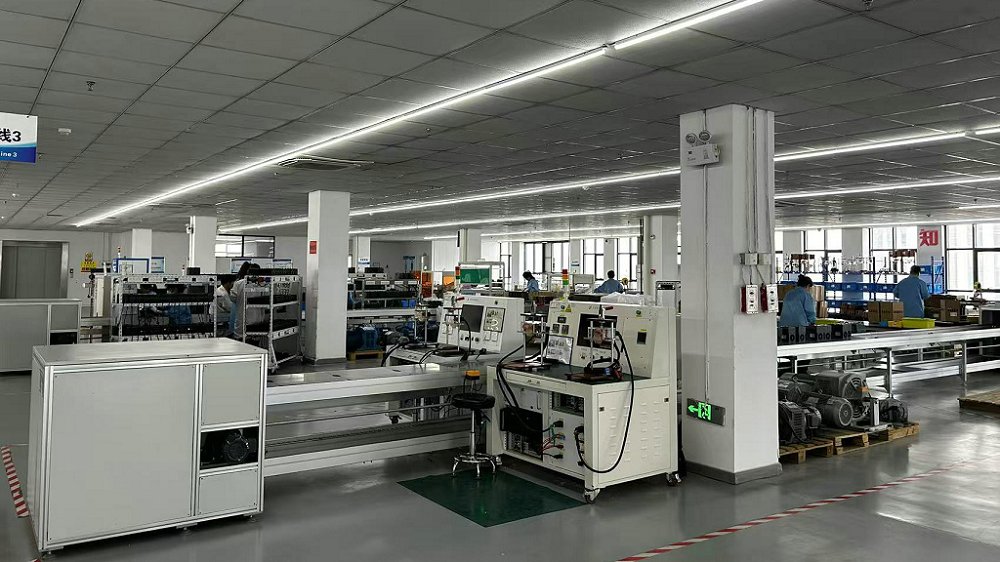
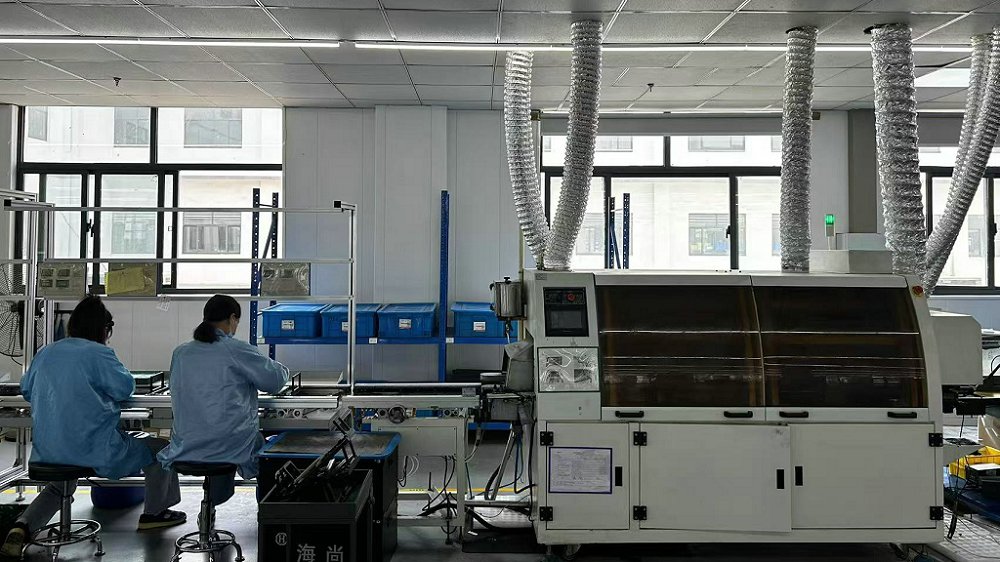
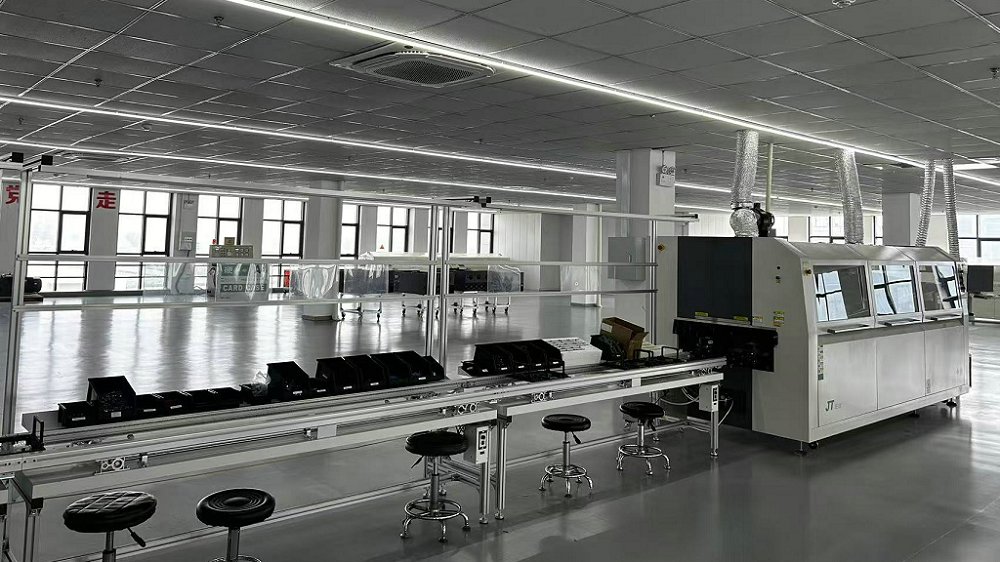
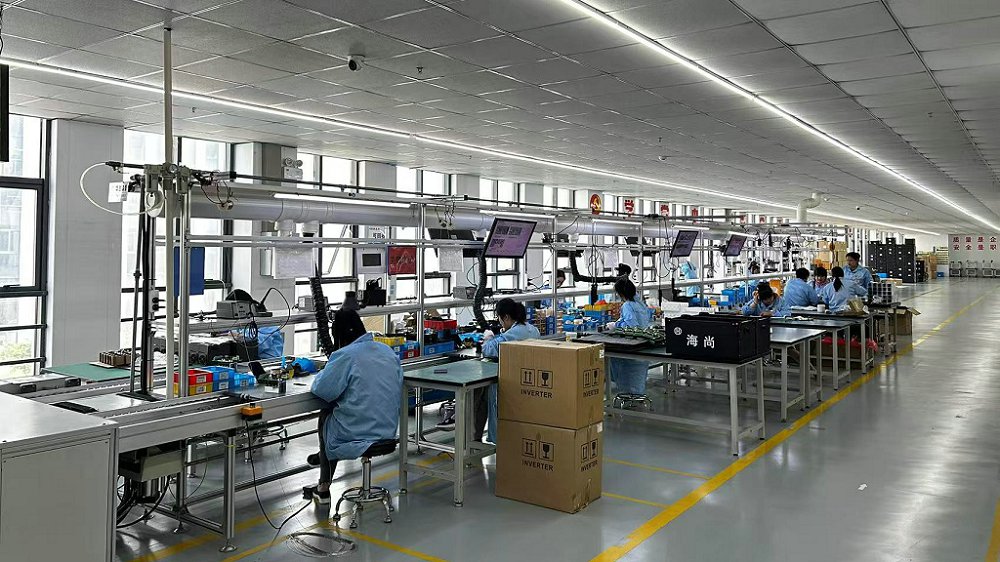
As a leading photovoltaic and energy storage systems provider, Xiamen Jonas Energy Co., Ltd. operates state-of-the-art manufacturing plants capable of scaling production up to multi-gigawatt levels annually. We align our manufacturing processes with the ISO9001 and ISO14001 frameworks, ensuring that every solar module, inverter, and battery pack leaving our factory floor has been verified under rigorous operating stress tests.
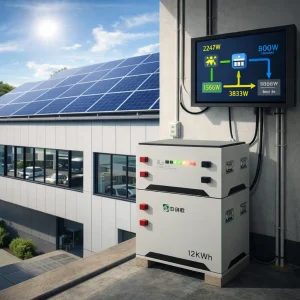
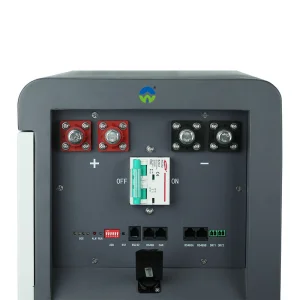
Our R&D center is dedicated to optimizing thermal management and cycle efficiency. For example, our high-capacity LiFePO4 batteries feature advanced Air Cooling/Liquid Cooling profiles designed to maintain battery health even under extreme temperature swings.
To realize maximum economic return on an off-grid system, the deployment architecture must match the operational profile of the installation. In New Zealand, we optimize configurations across four primary high-yield use cases:
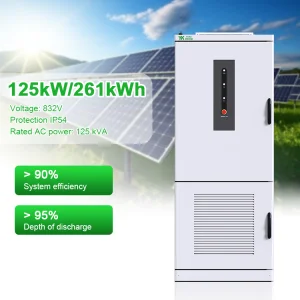
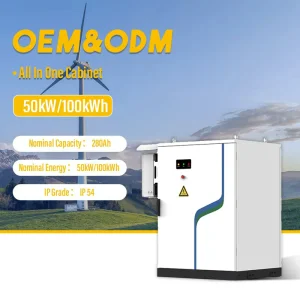
Dairy sheds and pastoral operations require high-surge induction motors for milking machines, irrigation pumps, and chilling units. Our 50kW-100kWh commercial off-grid configurations easily manage these surge currents, avoiding the massive line capacity upgrades typically charged by power distributors.
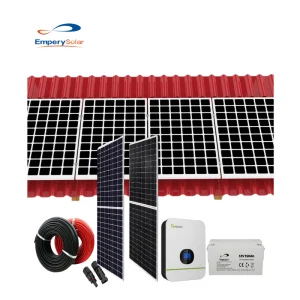
Luxury eco-lodges situated in wilderness corridors (e.g., Fiordland, Central Otago) depend on silent, eco-friendly energy. A Jonas energy storage system combined with high-yield mono-crystalline PV panels ensures zero carbon emissions and silent night-time operation, directly enhancing the guest experience.
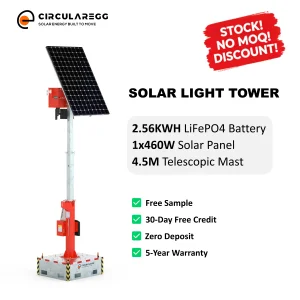
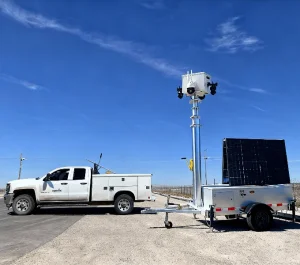
For mining operations, civil roading, and remote conservation enclosures, monitoring is critical. The 360 Wireless Camera Solar Trailer Security Tower delivers round-the-clock visual telemetry and lighting, operating completely autonomously through winter cold spells.
Advanced hardware engineered to optimize energy yield and secure critical communications in remote areas.
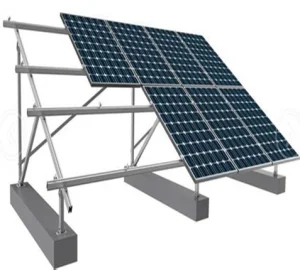
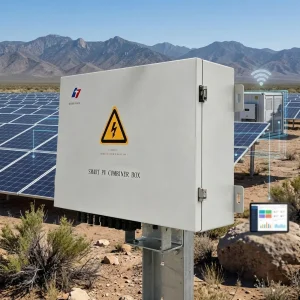
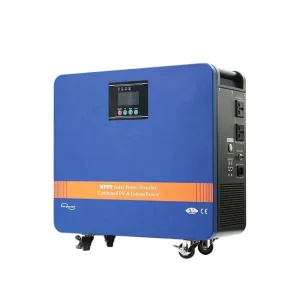
Choose from our selection of certified inverters, micro-grids, combiner boxes, and multi-axis tracking systems.
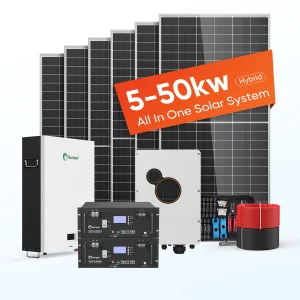
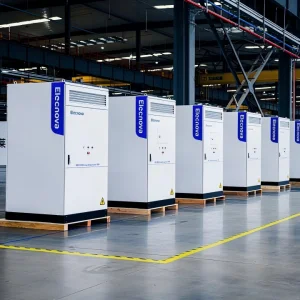
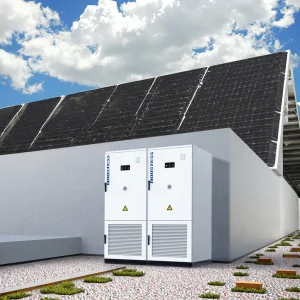
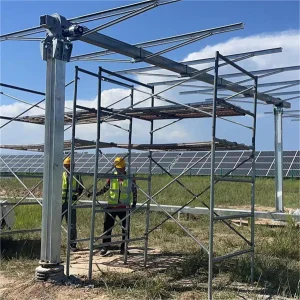
Whether you require high-density residential solar kits, containerized commercial microgrids, or remote environmental camera towers, our engineering team is standing by to customize your solution to strict local standards.
 Jonas Energy