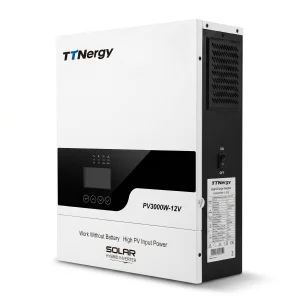
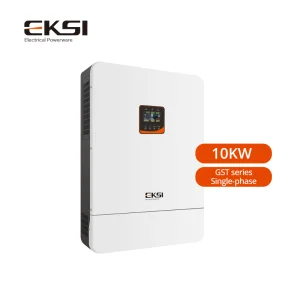
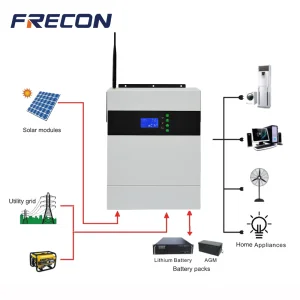
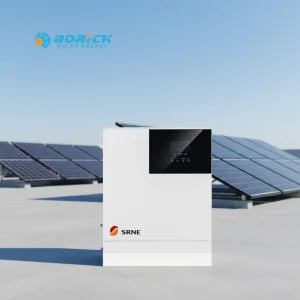
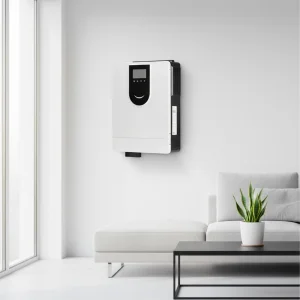
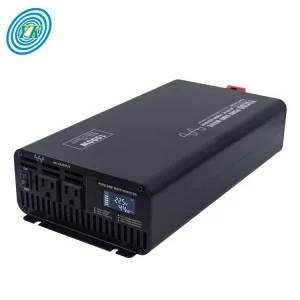
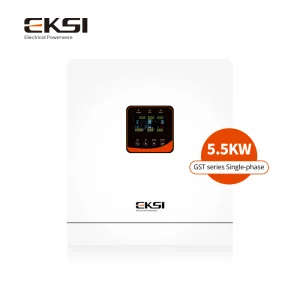
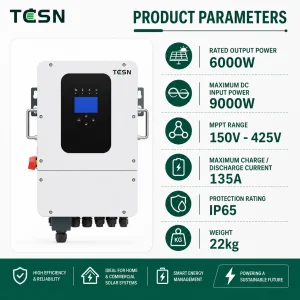
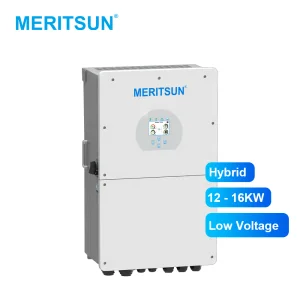
Hybrid Solar Inverter Manufacturers & Factory for the Argentina Market

Empowering Argentina's Energy Transition with High-Yield C&I and Residential Off-Grid/Hybrid Storage Solutions Fully Certified for SADI Integration

Inquire Argentina Localized Support

1. Argentina Solar Market Outlook: Bridging C&I Grid Faults with Advanced Energy Storage

Understanding the unique grid layout, energy costs, and geographic challenges of the Argentine energy system (SADI).

Argentina represents one of Latin America's most dynamic yet volatile energy markets. With the Sistema Argentino de Interconexión (SADI) experiencing capacity bottlenecks, commercial and industrial (C&I) businesses face recurring grid instability, load shedding, and escalating electricity tariffs. Over the past few years, the removal of energy subsidies by the national government, paired with inflationary pressures, has forced domestic enterprises and agricultural operations in the *Pampa Húmeda* and northern regions to seek independent, resilient energy options.

In response, the adoption of Hybrid Solar Inverters has evolved from an environmental initiative to a core business survival strategy. Hybrid systems allow seamless operation between the national grid, photovoltaic generation arrays, and energy storage battery banks. In the event of a utility grid drop—common during peak Argentine summers—our systems switch modes in less than 10 milliseconds, preventing production stops in critical dairy facilities, manufacturing hubs, and logistics chains across Buenos Aires, Santa Fe, and Córdoba.

Why Hybrid Inverters represent the standard in Argentina:

  • Self-Consumption Optimization: Store excess PV energy generated during peak sunshine hours (up to 2,000+ kWh/m² yearly in Cuyo and NOA regions) to utilize during high-tariff evening periods.
  • Zero-Export / Dynamic Injection: Adaptable settings matching ENRE regulations, allowing users to prevent backfeeding where grid-tie injection agreements with local cooperatives (such as Cooperativas Eléctricas) are pending.
  • Microgrid Formulation: Capacity to run off-grid autonomously while coordinating with diesel gensets, reducing fuel consumption by up to 65% in regional farms.

2. Technical Roadmap for Hybrid Systems: Frequency Stability & SADI Integration

Argentina's electrical network operates strictly at 220V/380V at 50Hz. However, grid voltage is prone to severe dips down to 180V or surges exceeding 250V in rural zones. Consequently, a standard solar inverter would trip and disconnect, causing lost solar yield. Our design addresses these anomalies directly:

  • Ultra-Wide Input Range: The integrated MPPT controllers handle high DC voltages (up to 500V or 900V in 3-phase units) with dynamic input ranges designed to keep harvesting power even during overcast conditions or dust buildup in dry regions like San Juan and Mendoza.
  • Smart Generator Auto-Start: A dry contact relay is built in to automatically crank local diesel backups when the state-of-charge (SoC) of lithium-ion or lead-acid batteries drops below customer-defined levels.
  • Parallel Scaling Capacity: Stackable configurations up to 18kW, 24kW, or even 120kW using multiple inverters in parallel via RS485/CAN communication links, enabling simple expansions when factories add new machinery lines.

Advanced Manufacturing & Quality Control: Jonas Energy

How Xiamen Jonas Energy Co., Ltd. builds robust, industrial-grade power electronics for global utility and distributed markets.

Xiamen Jonas Energy Co., Ltd. is a professional provider of renewable energy solutions, headquartered in Xiamen, Fujian Province, China. Since its establishment, the company has been dedicated to the research, development, manufacturing, and global distribution of advanced photovoltaic and energy storage products.

With a strong commitment to innovation and sustainability, Jonas Energy offers a comprehensive portfolio of solar energy solutions, including solar panels, inverters, energy storage batteries, mounting systems, and complete solar power generation systems. Our products are designed to meet the diverse needs of residential, commercial, industrial, and utility-scale projects worldwide. We work closely with internationally recognized manufacturers and technology partners to provide a wide range of reliable energy storage solutions, including wall-mounted batteries, all-in-one storage systems, rack-mounted batteries, and containerized energy storage systems (ESS). Through continuous innovation and strategic partnerships, we help customers achieve greater energy independence and efficiency.

High Quality Standards & Factory 4.0 Infrastructure

As a high-tech enterprise, Jonas Energy operates modern production facilities equipped with advanced manufacturing and testing equipment. Our annual production capacity reaches several gigawatts, enabling us to efficiently serve customers across global markets. Quality is at the core of everything we do. All products undergo rigorous testing and strict quality control procedures to ensure long-term reliability and performance. Our products comply with international standards and certifications, including IEC, CE, TUV, ISO9001, ISO14001, and other recognized industry certifications, providing customers with confidence and peace of mind.
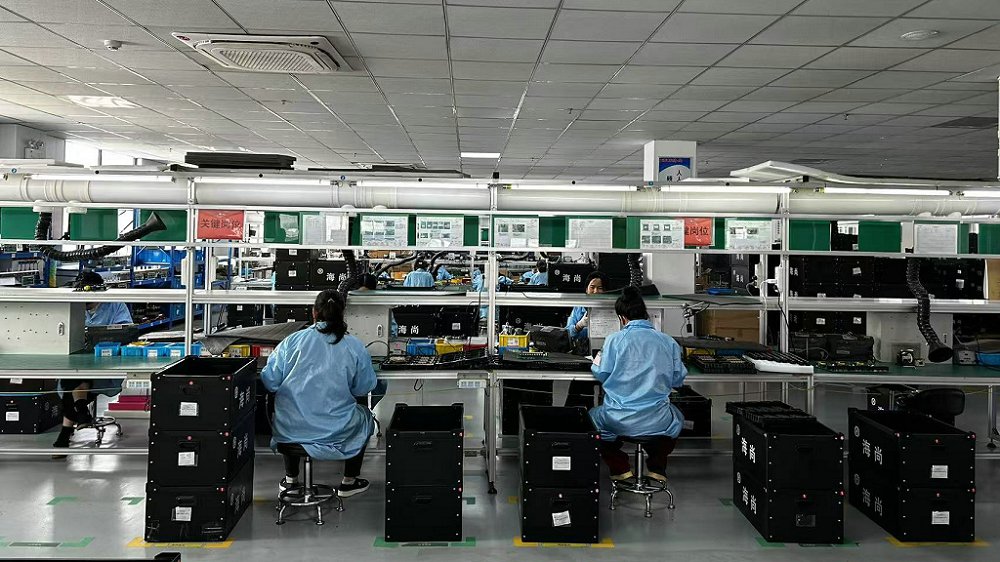
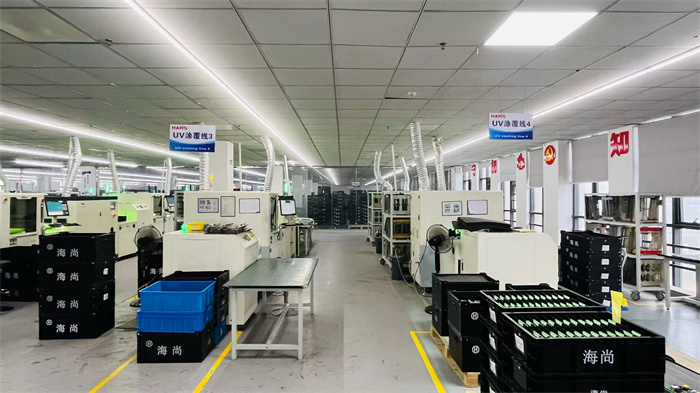
Plate making process at Jonas Energy Factory
Plate Making
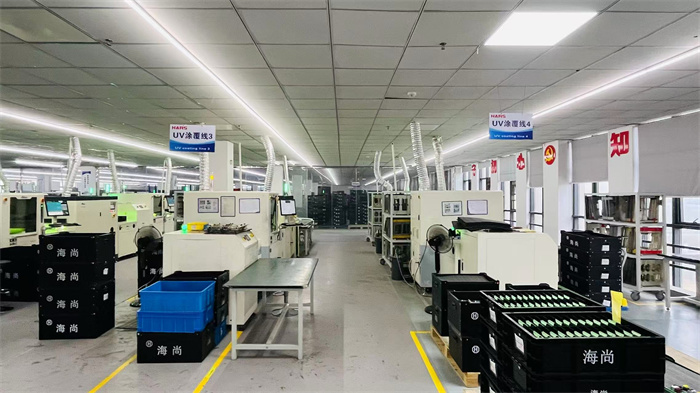
UV coating line at Jonas Energy Factory
UV Coating
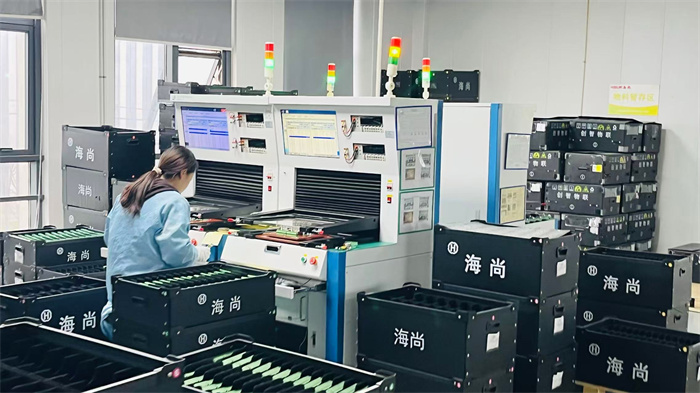
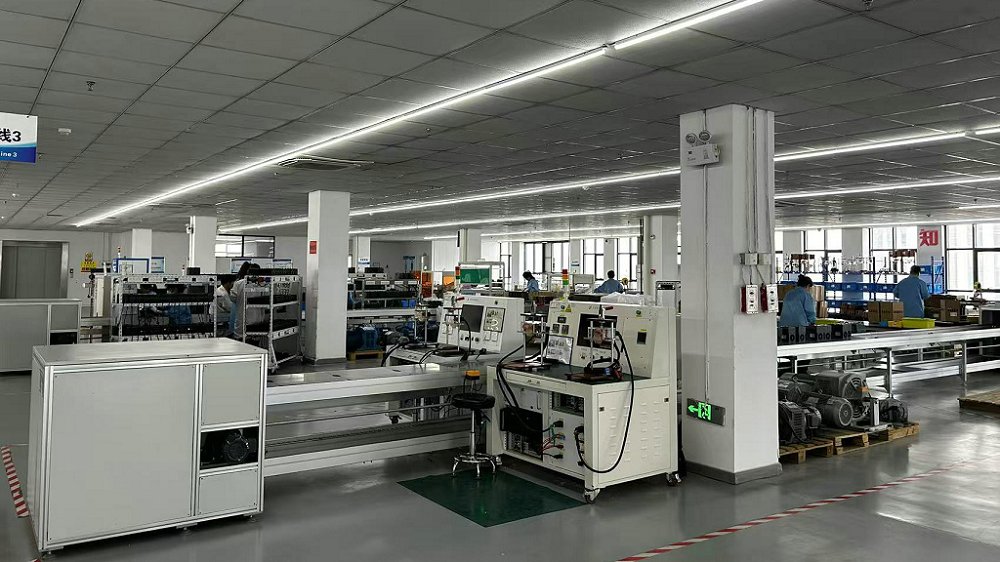
Oscilloscope and system test station
Quality Testing
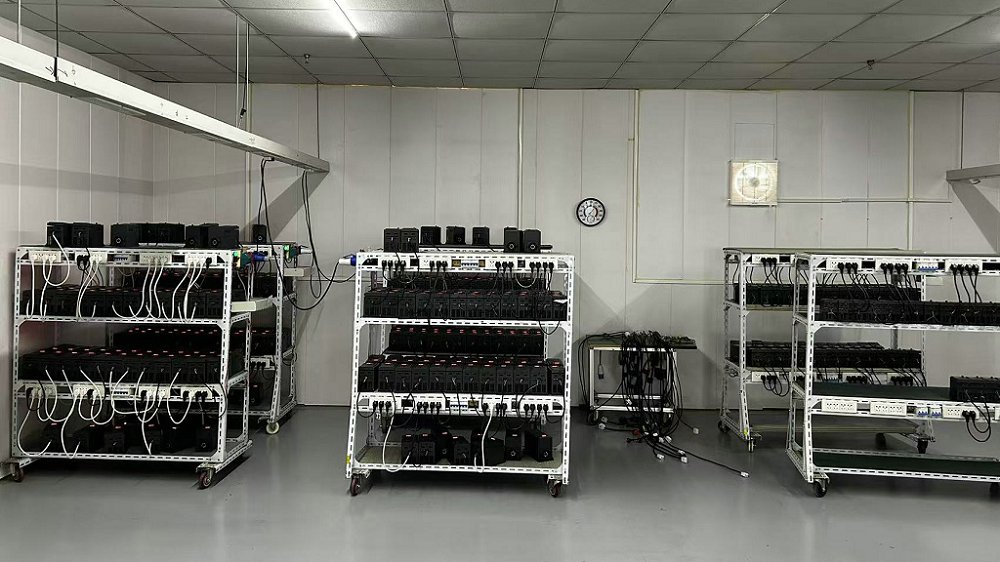
Inverter aging test room
Aging Test
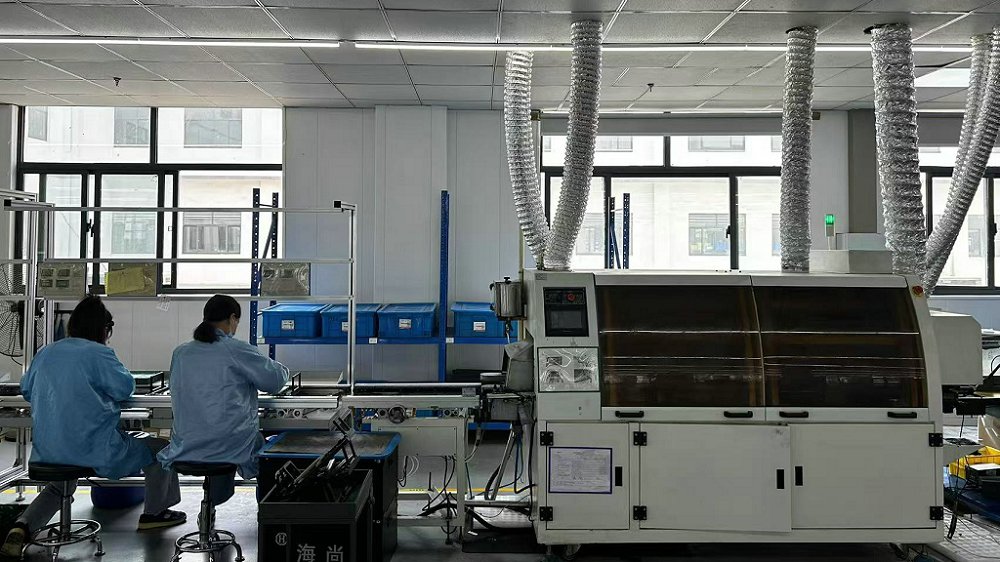
Precision welding line for PCB boards
Weld
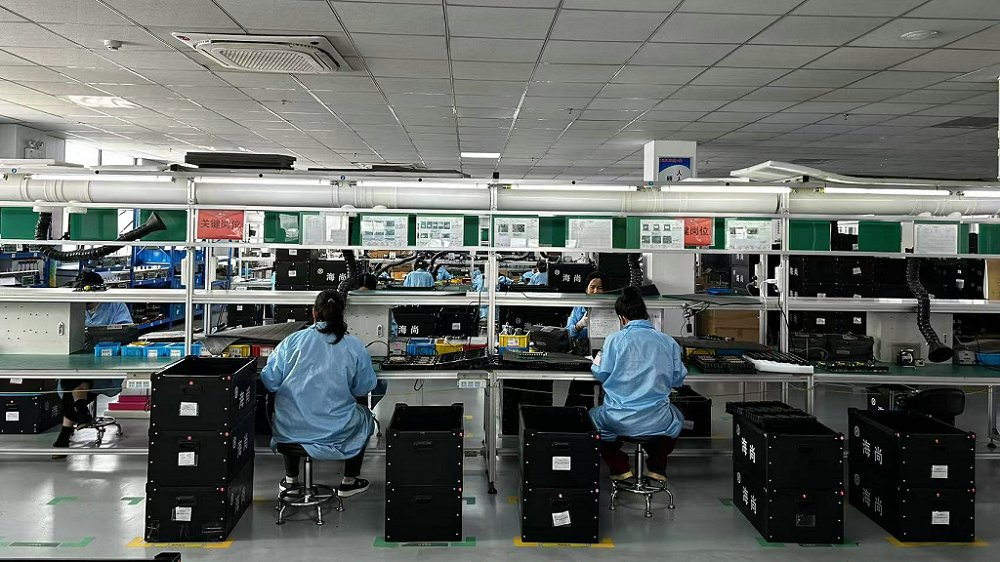
Main chassis assembly line
Assembly Line 1
Detailed electronics component assembly
Assembly Line 2
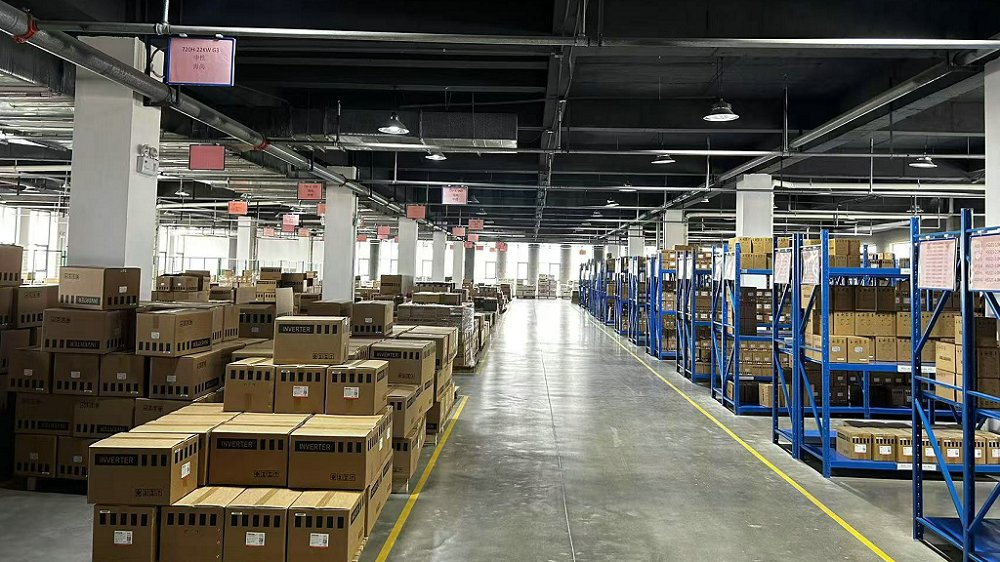
Finished hybrid inverter units warehouse
Finished Product
Automated plate making line
Plate Making Line
Conveyor UV coating line
UV Coating Line
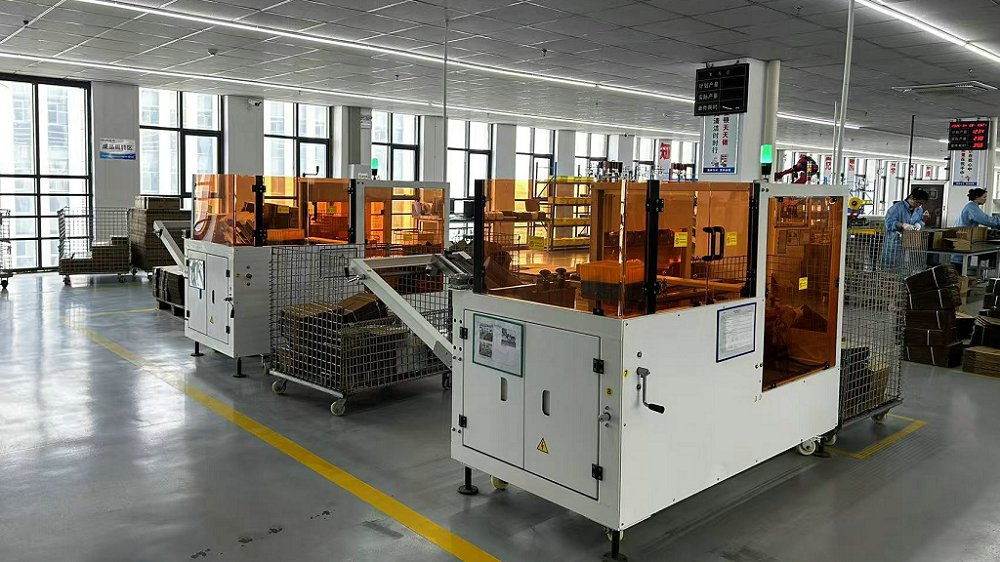
Automatic box opening machine in packaging bay
Box Opening Machine
Final packaging and export carton sealing line
Packaging Line
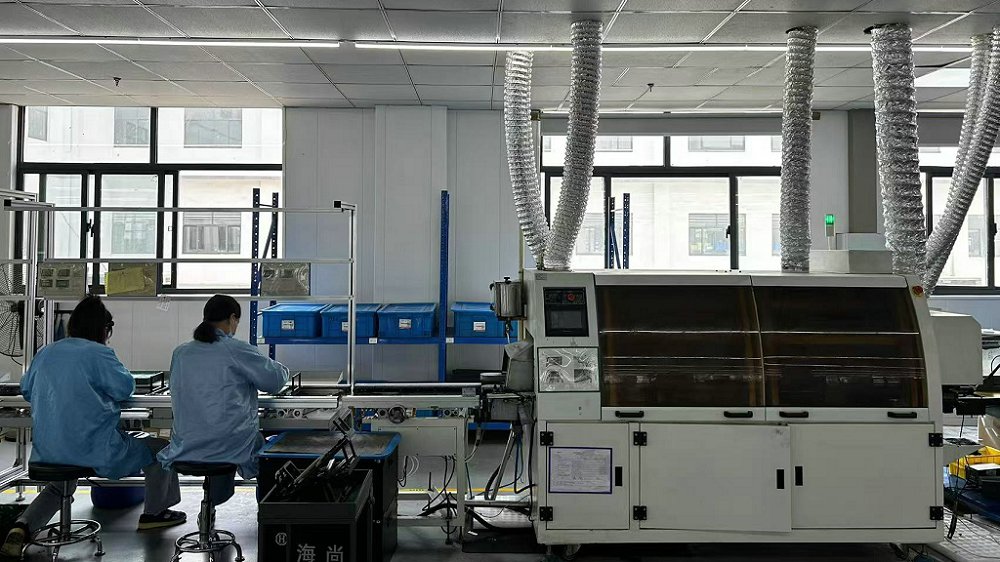
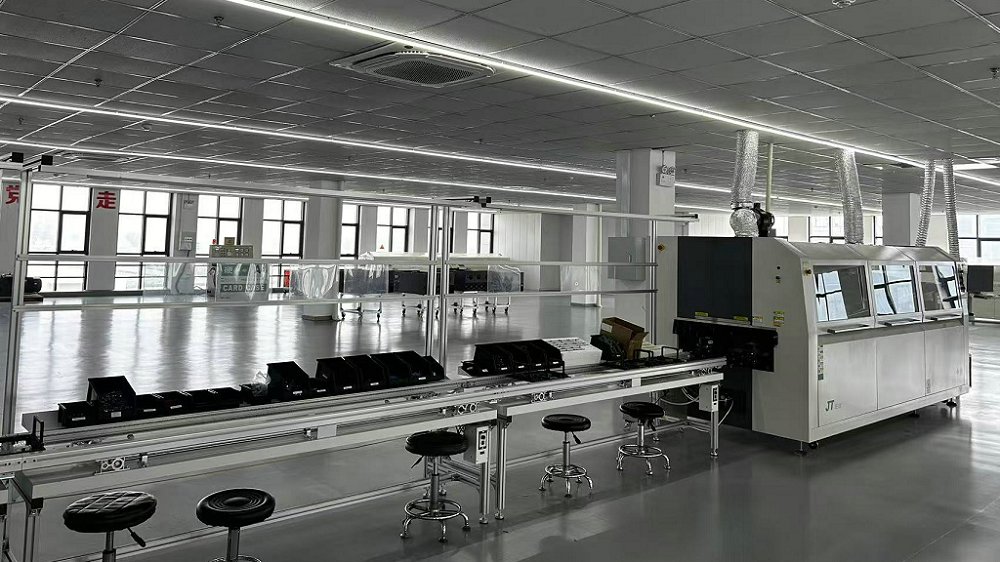
Dip welder machine operational
Dip Welder
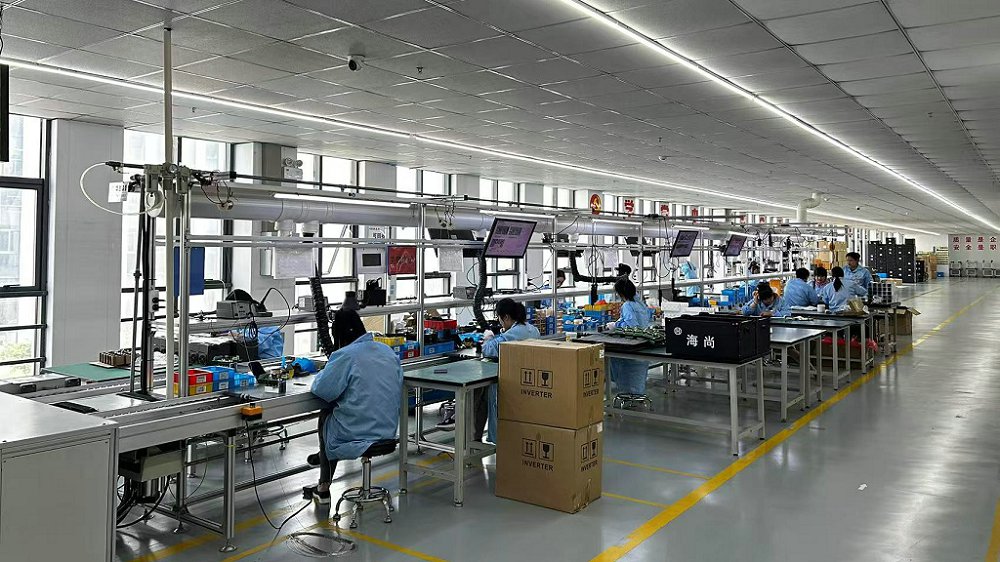
Comprehensive production line overview
Production Line
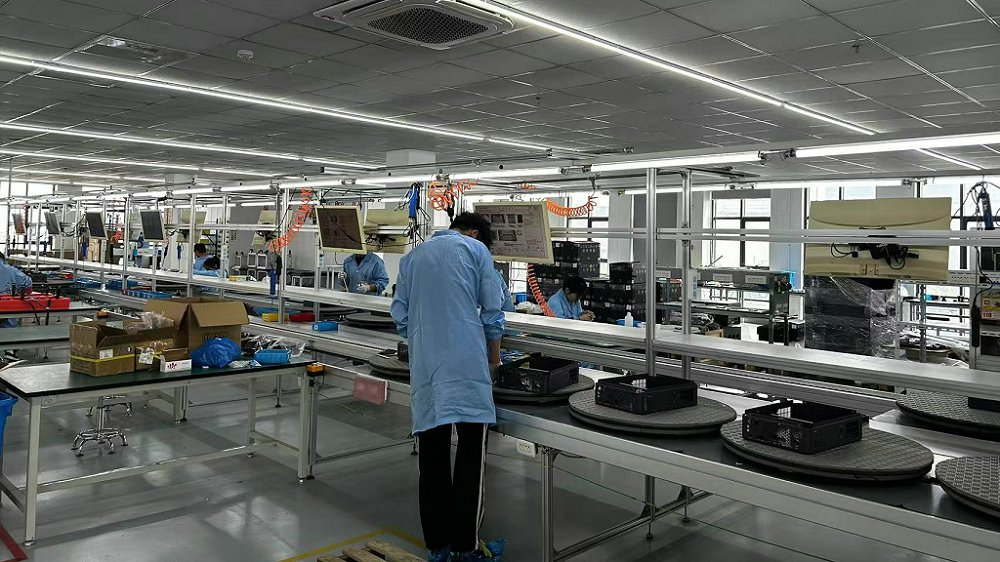
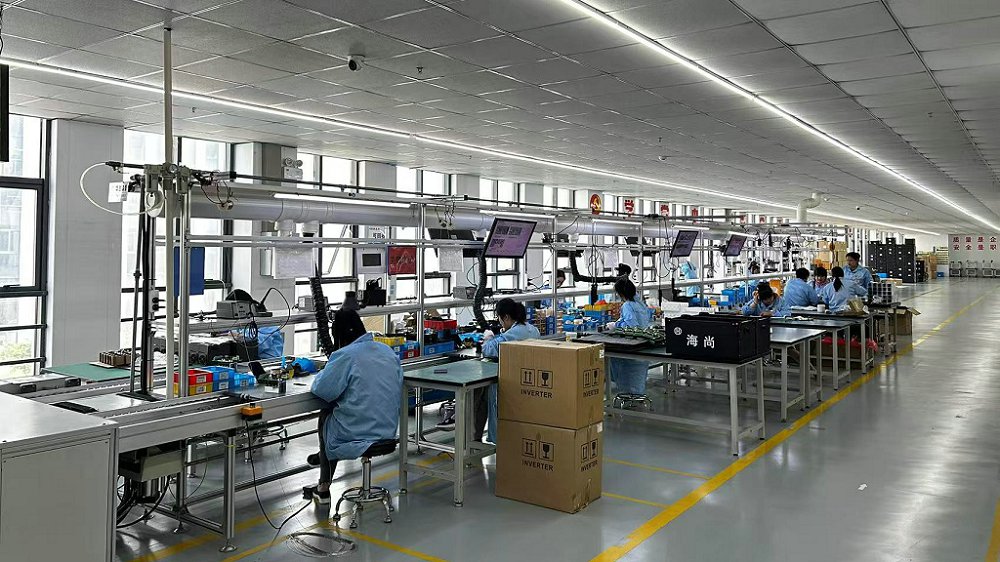
High speed assembly line conveyor
Assembly Line 3

15+

Years Engineering Excellence

3.5 GW

Annual Inverter Output Capacity

100%

Aging-Tested Components

24-Hr

FDT Fast Technical Support

3. Navigating Import Protocols (SIRA/SEDI) & Compliance in Argentina

Expert guidance on tariff regulations, custom processes, and local electrical standard approvals (ENRE & IRAM).

Importing capital assets and technological hardware like solar inverters into Argentina requires structured supply chain alignment. Under current import frameworks (such as the *Sistema de Importaciones de la República Argentina* / SEDI), procurement managers must partner with manufacturers capable of providing highly detailed technical documentations, country-of-origin certificates, and compliant bill of materials (BOM).

Furthermore, equipment integrated into commercial facilities must satisfy Resolution 542/2018 of the Argentine Secretary of Renewable Energy (Sec. de Gobierno de Energía) regulating distributed generation networks (Ley 27.424). Jonas Energy ensures all shipped models have the corresponding test files to simplify the approval process with local distributors such as Edenor, Edesur, and provincial agencies like EPEC (Córdoba) or EPESF (Santa Fe).

Advanced Features Tailored for the Southern Cone:

  • Integrated Surge Protection: Large rural plains in Santa Fe and Buenos Aires province are susceptible to severe lightning strikes. Our inverters feature integrated Class II surge protective devices (SPDs) on both DC and AC ports.
  • Altitude Thermal Management: For mining operations in Salta, Catamarca, and Jujuy (frequently operating above 3,500 meters), standard inverters suffer de-rating. Jonas inverters employ intelligent force-air cooling, ensuring optimal power output under low air density environments.
  • Lithium Communication Protocol Integration: Native CAN/RS485 compatibility with top LiFePO4 battery pack protocols (such as Pylontech, BYD, and custom Jonas storage banks), ensuring correct State of Charge (SoC) readings and cycle optimization.

Need IRAM Certification Details or Customized Quotations?

Our engineering and logistics departments specialize in clearing shipping bottlenecks to South America. Contact us to receive detailed specification sheets, HS code documentation, and landed cost estimates.

Send Inquiry Now

Frequently Asked Questions (FAQ)

Key technical answers regarding importing, deploying, and operating Jonas Hybrid Inverters in Argentina.

1. Are Jonas hybrid inverters fully compliant with Argentine grid standards?
Yes. Our hybrid inverters are configured for 220V/230V single-phase and 380V/400V three-phase outputs at 50Hz frequency, perfectly matching the Argentine grid profile (SADI). We program our micro-controllers to account for typical local voltage fluctuations (down to 180V or up to 260V) so that the inverter does not unnecessarily trip, thereby maximizing your energy security.
2. How do you support Argentine distributors and installation firms through custom duties (SEDI)?
We cooperate closely with Argentine buyers to facilitate customs clearance. We provide exhaustive commercial invoices, packing lists with detailed net/gross weights, certificates of origin, and certified datasheets. Our logistics department assists your customs brokers (*Despachantes de aduana*) to ensure accurate HS classifications (typically tariff code 8504.40) to minimize clearance delays.
3. Can these hybrid inverters run alongside existing diesel generator setups in rural Patagonia or the Pampean regions?
Absolutely. Jonas energy systems are equipped with dynamic AC input synchronization. You can connect a generator as an auxiliary input source. Our control system monitors battery levels and automatically starts the generator via dry contacts when solar/battery capacity drops, balancing load demand and reducing total diesel runtime.
4. What battery chemistries are supported by the Jonas Hybrid series?
Our systems support both Lead-Acid (AGM/Gel) and Lithium-Ion (specifically Lithium Iron Phosphate - LiFePO4) chemistry configurations. Our hybrid models feature integrated RS485 and CAN communication ports, facilitating BMS integration to ensure safety, temperature monitoring, and maximized lifespan of lithium cells.
5. What is the standard warranty and after-sales support structure?
We offer a standard 5-year replacement warranty on our premium hybrid inverters, with options to extend. In addition to physical parts supply, our engineering center provides remote configuration support, firmware updates, and troubleshooting over cloud networks via integrated Wi-Fi or GPRS modules.