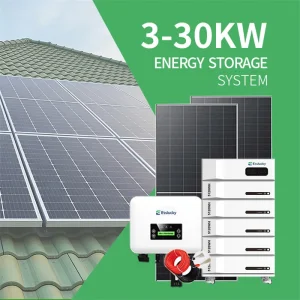
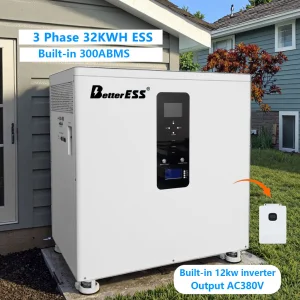
Explore the premier tier of solar components, high-voltage battery arrays, and hybrid infrastructure designed to drive reliability in localized off-grid and grid-interactive commercial environments.
The global transition away from monolithic fossil-fuel generation has accelerated the adoption of hybrid renewable energy systems (HRES). Relying solely on solar photovoltaics (PV) or wind generation introduces intermittency challenges that modern grids struggle to absorb without costly peaker plant interventions. By integrating complementary generation sources—such as wind, solar, and biomass—with utility-scale battery energy storage systems (BESS), modern factories and suppliers are pioneering the development of reliable dispatchable green power.
According to current market intelligence, the utility and C&I (Commercial & Industrial) hybrid energy market is projected to expand at a compound annual growth rate (CAGR) exceeding 14.5% through 2030. Key drivers include the plummeting Levelized Cost of Storage (LCOS) and strict environmental mandates globally. Factories are no longer simple assembly houses; they have transformed into highly complex research and development hubs where intelligent Energy Management Systems (EMS) are integrated directly into hardware configurations.
Enables absolute operational independence during macro-grid failures, preventing costly downtime in manufacturing plants and distribution hubs.
Utilizes intelligent high-capacity battery reserves to offset maximum peak power rates, reducing demand-charge tariffs substantially.
Combines multi-modal inputs to maintain an uninterrupted power supply, guaranteeing Scope 1 and Scope 2 carbon offset compliance.
Procuring microgrid and hybrid infrastructure requires an extensive vetting process. Global developers look beyond price-per-watt metrics, assessing long-term structural reliability, cell chemistry stability, and power electronics integration. An authoritative partner must deliver fully unified hardware configurations tested under extreme simulated environmental stress.
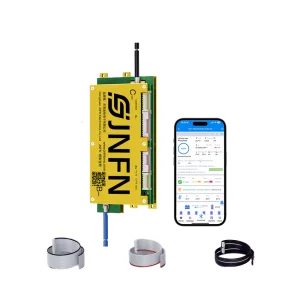
Verify if the supplier maintains in-house firmware development capabilities for energy management. Proprietary algorithms control dispatch routines and system security protocols during grid-forming or grid-following operations.
Ensure adherence to global compliance structures. High-voltage battery systems require UL9540A thermal runaway safety reports, CE certification, IEC 62619 standards, and ISO 9001:2015 factory quality verification.
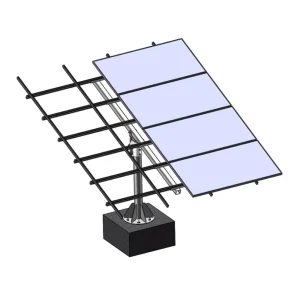
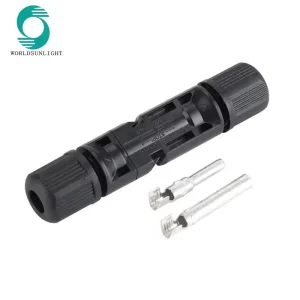
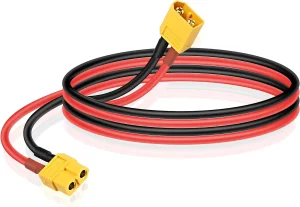
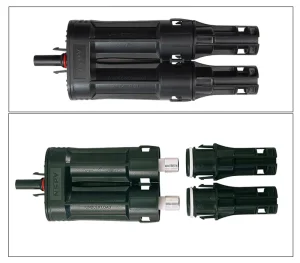
Determine whether the supplier can design custom, single-pole mounting systems, scale high-voltage stacks up to 460V+, and supply integrated PV cabling assemblies that minimize power attenuation.
Understanding system topology is critical when designing a high-capacity hybrid renewable plant. Selecting between direct current (DC) and alternating current (AC) coupling dictates system efficiency, retrofit flexibility, and overall capital expenditure (CAPEX).
| Parameters | DC-Coupled Architecture | AC-Coupled Architecture |
|---|---|---|
| System Efficiency | Higher efficiency (95-97%) for direct solar-to-battery charging. Saves unnecessary conversion phases. | Lower efficiency (90-93%) during charging as power changes from DC (solar) to AC then back to DC. |
| Retrofit Integration | Complex. Requires replacement of existing solar string inverters with complex hybrid counterparts. | Seamless. Simply integrates a bidirectional battery inverter directly to the main AC distribution board. |
| Best Use Case Scenario | New off-grid deployments, residential microgrids, and highly unified modular telecom stations. | Large commercial energy storage projects and industrial upgrades with pre-existing solar fields. |
Xiamen Jonas Energy Co., Ltd. is a professional provider of renewable energy solutions, headquartered in Xiamen, Fujian Province, China. Since its establishment, the company has been dedicated to the research, development, manufacturing, and global distribution of advanced photovoltaic and energy storage products.
With a strong commitment to innovation and sustainability, Jonas Energy offers a comprehensive portfolio of solar energy solutions, including solar panels, inverters, energy storage batteries, mounting systems, and complete solar power generation systems. Our products are designed to meet the diverse needs of residential, commercial, industrial, and utility-scale projects worldwide.
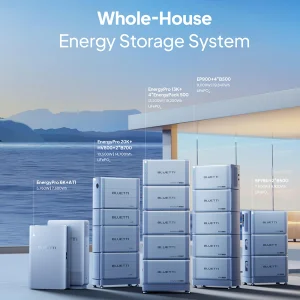
We work closely with internationally recognized manufacturers and technology partners to provide a wide range of reliable energy storage solutions, including wall-mounted batteries, all-in-one storage systems, rack-mounted batteries, and containerized energy storage systems (ESS). Through continuous innovation and strategic partnerships, we help customers achieve greater energy independence and efficiency.
As a high-tech enterprise, Jonas Energy operates modern production facilities equipped with advanced manufacturing and testing equipment. Our annual production capacity reaches several gigawatts, enabling us to efficiently serve customers across global markets.
Our experienced R&D team consists of highly qualified engineers and technical specialists who continuously focus on product innovation, performance optimization, and technological advancement in the renewable energy sector. By integrating cutting-edge technologies, we ensure that our solutions remain competitive, efficient, and future-ready.
High Quality Standards: Quality is at the core of everything we do. All products undergo rigorous testing and strict quality control procedures to ensure long-term reliability and performance. Our products comply with international standards and certifications, including IEC, CE, TUV, ISO9001, ISO14001, and other recognized industry certifications, providing customers with confidence and peace of mind.
Advanced Equipment: Our manufacturing facilities utilize highly efficient and precise production and inspection equipment. Through cooperation with leading industry partners and suppliers, we maintain exceptional product consistency and quality throughout the production process.
Professional Team: Our multidisciplinary team includes experts in photovoltaic technology, energy storage systems, engineering design, project management, and international business. We are committed to delivering innovative products and professional support to customers worldwide.
One-Stop Energy Solutions: From project consultation and system design to product supply, installation guidance, and after-sales support, Jonas Energy provides complete one-stop solar and energy storage solutions tailored to each customer's requirements.
Take an inside look at the 15 critical manufacturing stages executed in Xiamen Jonas Energy's modern assembly facility, designed to secure maximum cell health and mechanical durability.
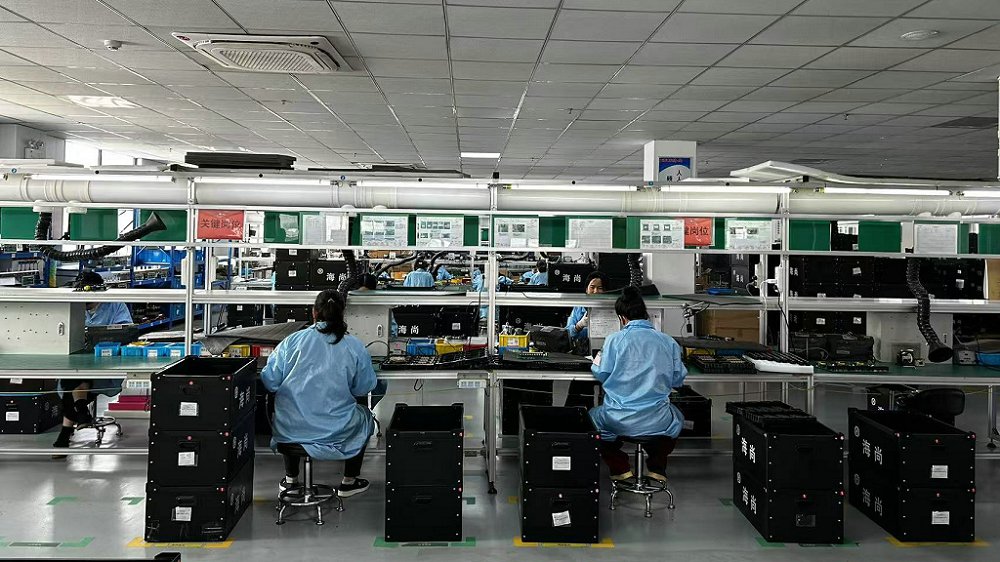 Plate making
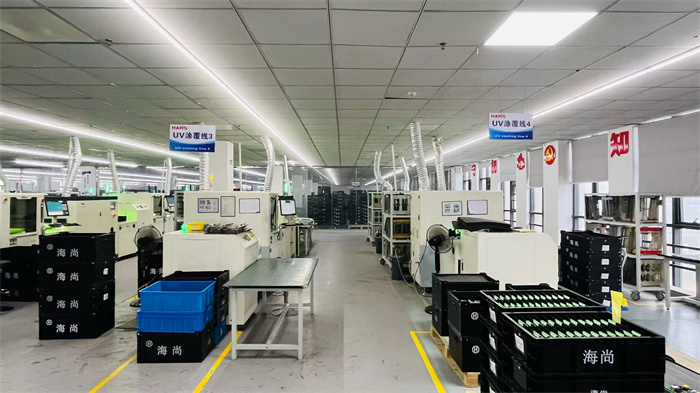 UV coating
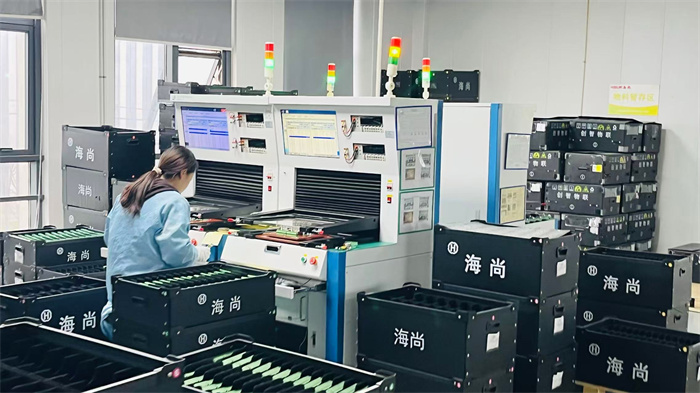 Test
Test
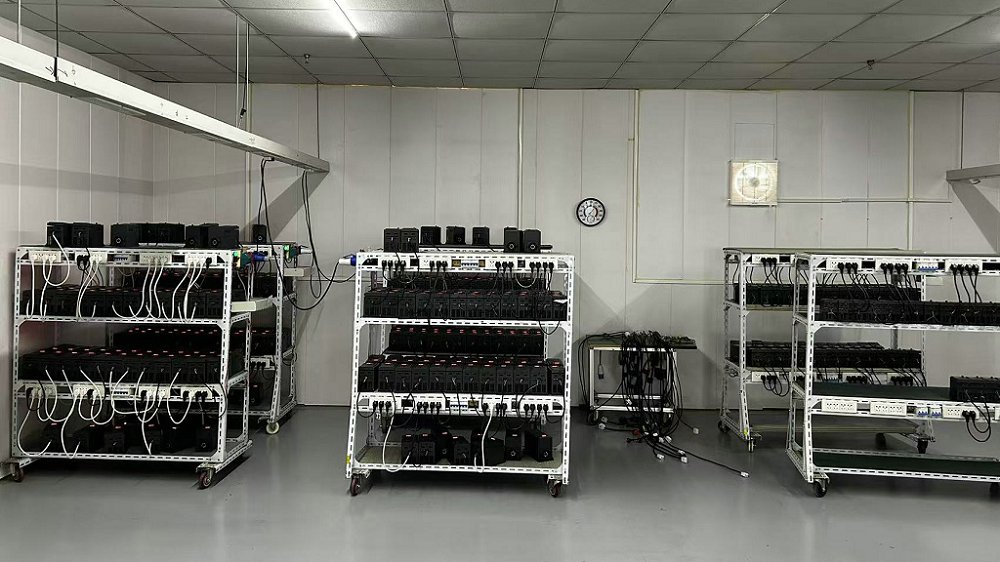 Aging test
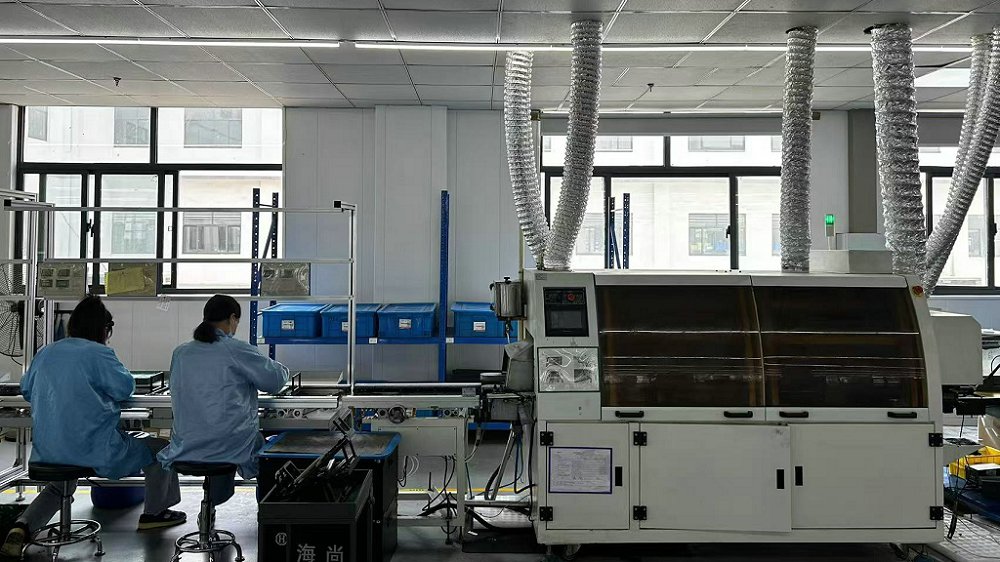 Weld
Weld
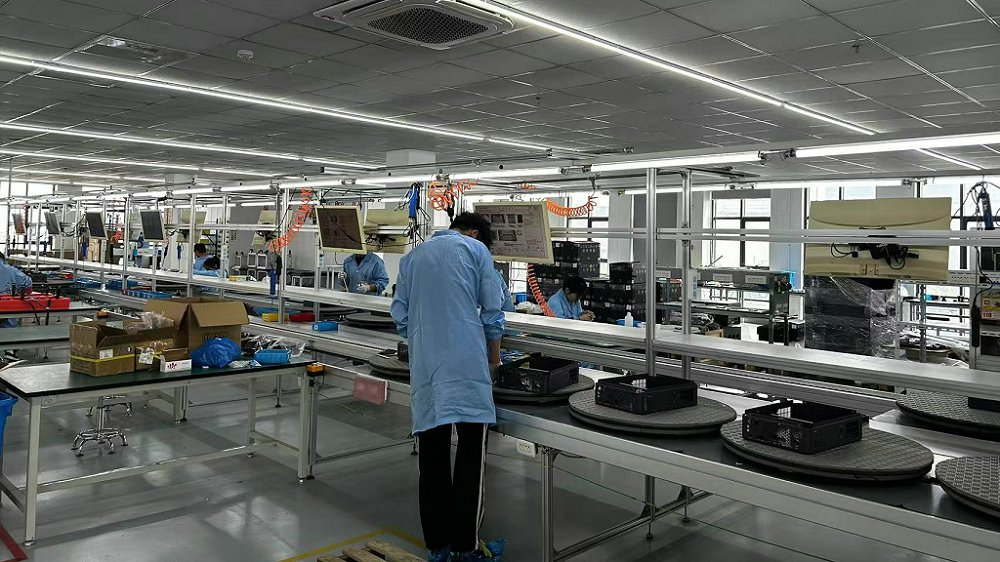 Assembly
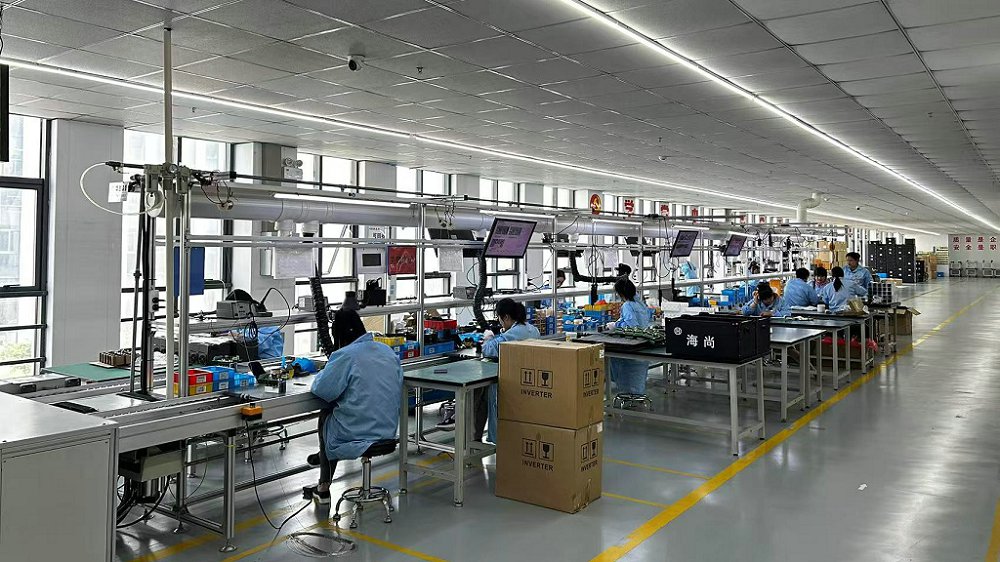 Assembly
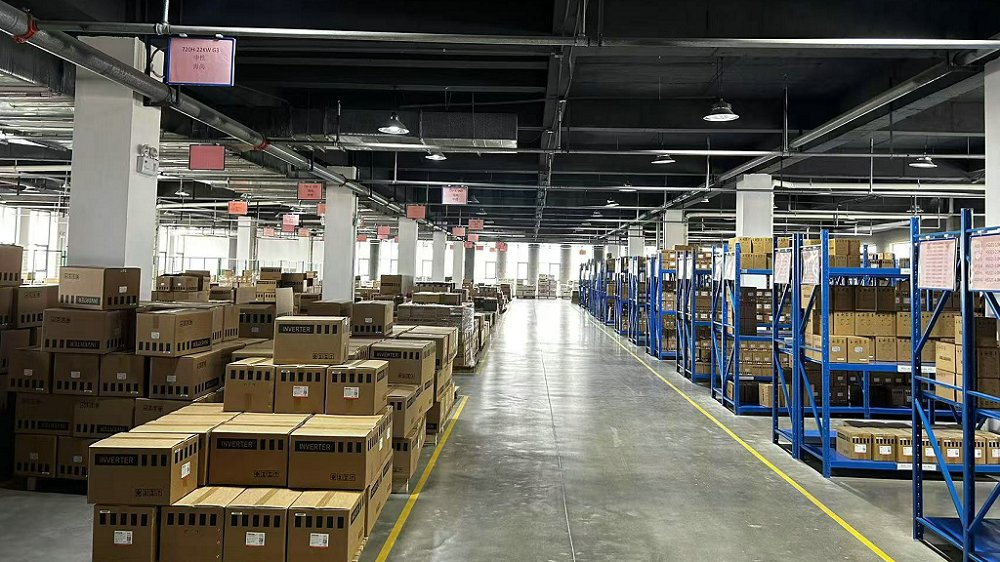 Finished product
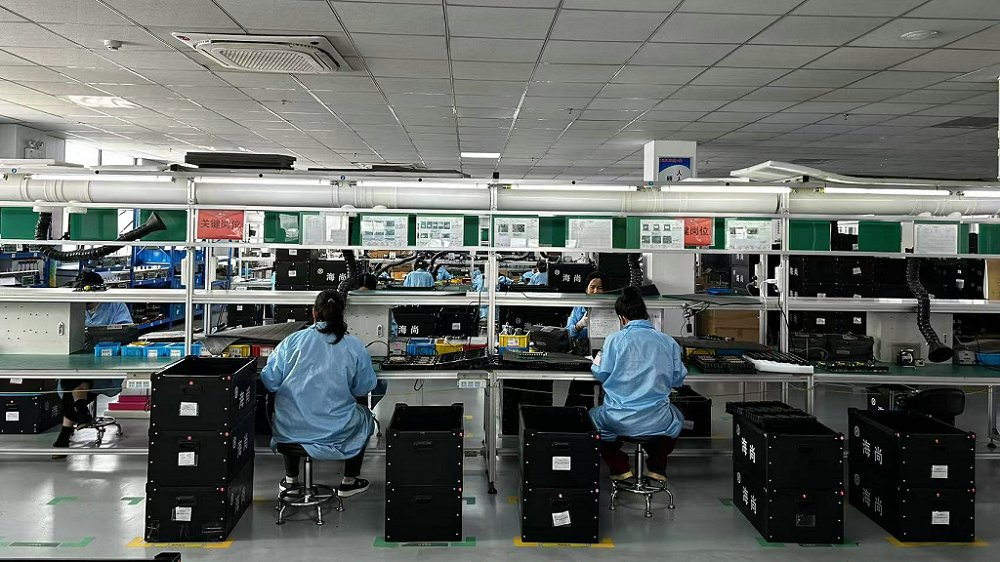 Plate making line
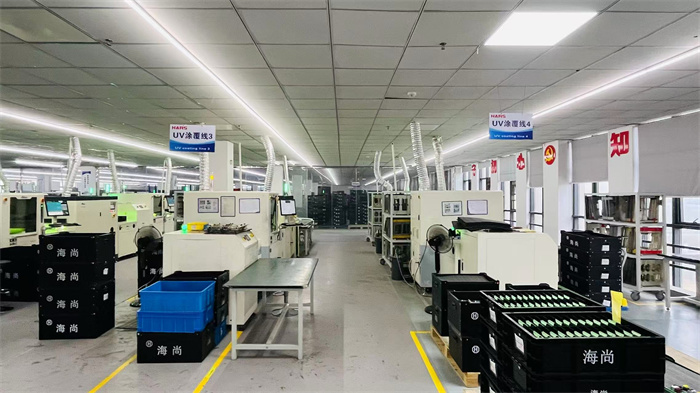 UV coating line
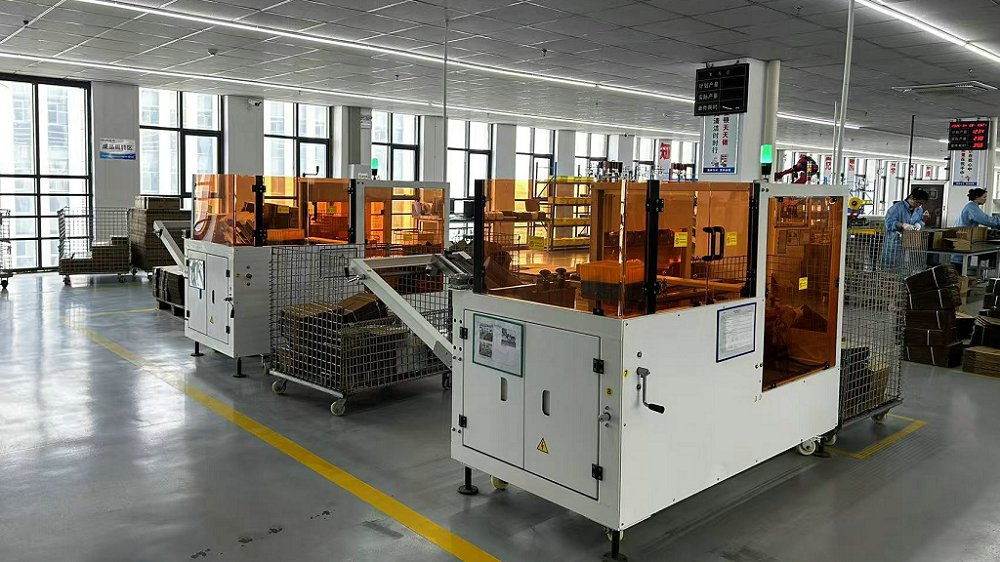 Box opening machine
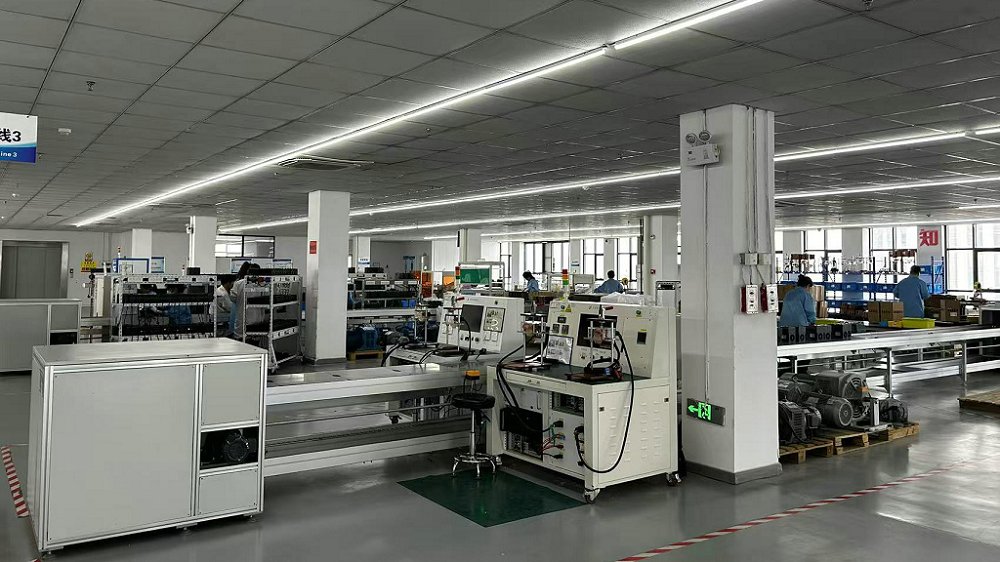 Packaging line
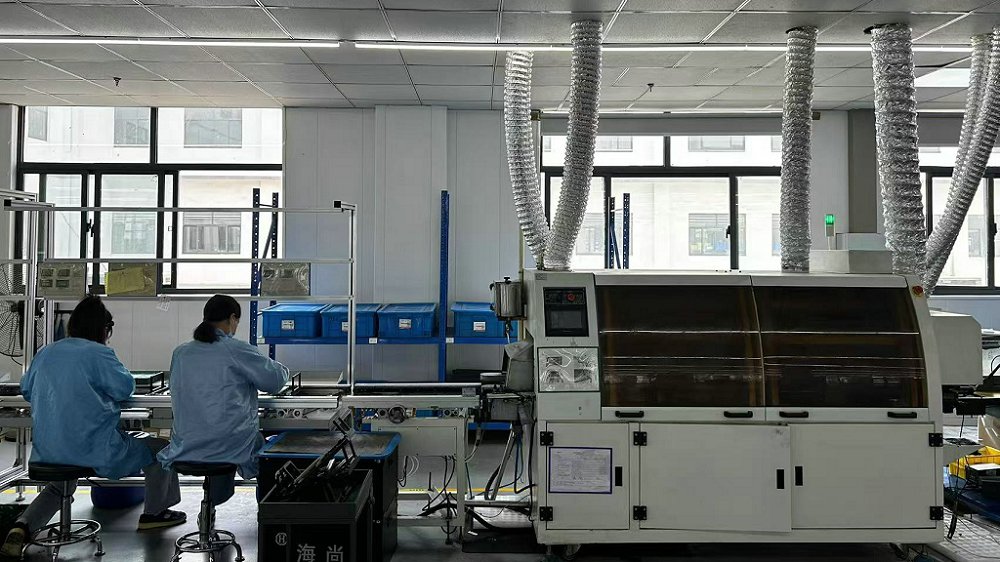 Dip welder
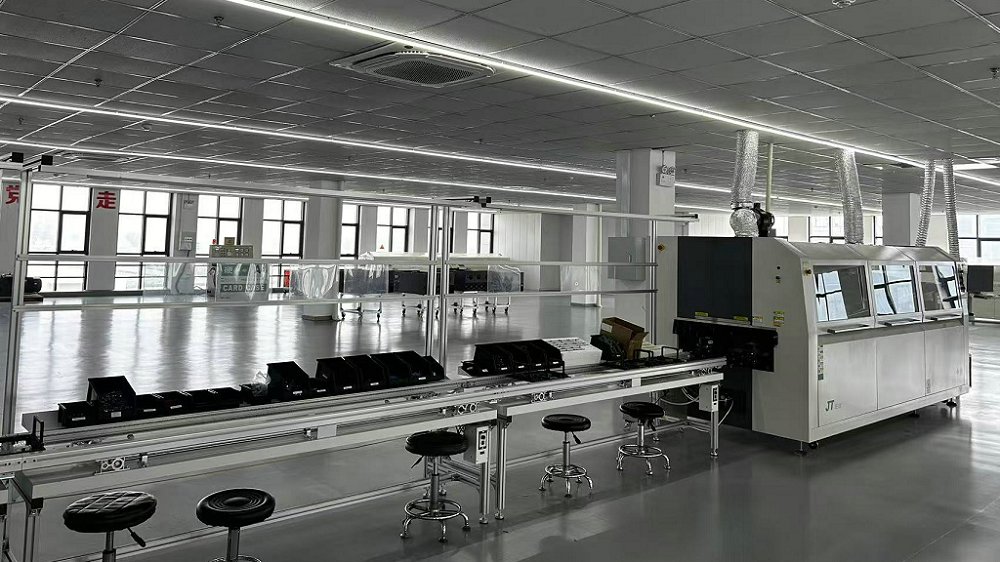 Production line
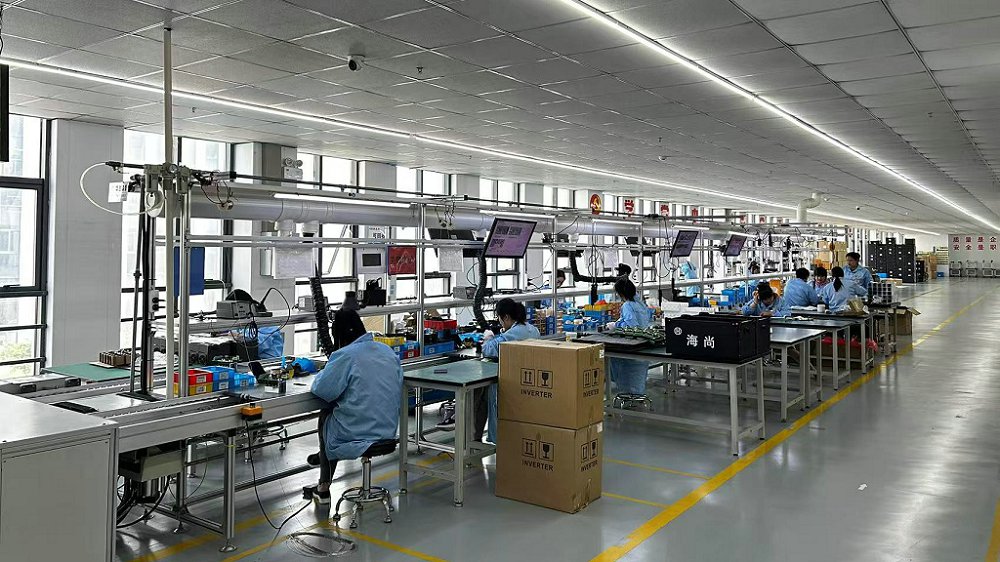 Assembly line
Entering international energy markets means dealing with a complex web of local regulations and technical grid codes. A major challenge for developers is ensuring that imported hybrid components can be integrated legally and safely into the target nation's electrical network.
To support global supply chains, suppliers must verify their systems comply with local grid standards. In Europe, grid connectivity is governed by EN 50549, which specifies active and reactive power control capabilities. In North America, the combinations of UL 1741 SB and IEEE 1547 are mandatory for grid integration, while UL 9540A fire risk testing is required for energy storage installations. In Australia, the AS4777.2 standard is strictly enforced for off-grid and hybrid inverters, requiring instant shut-down responses under grid stress conditions.
Furthermore, reliable localization goes beyond certifications; it relies on on-the-ground support. Choosing a manufacturer that provides clear technical documentation, digital monitoring platforms, and local warranty support reduces risk and shortens installation times for international projects.
To help developers plan their investments, here is a breakdown of the key technology developments expected to shape the hybrid energy market over the next five years:
Providing a highly stable alternative to lithium-based chemistry. Exceptional performance under low-temperature conditions and insulated from raw materials market fluctuations.
Moving from basic rule-based controls to predictive AI systems. Leverages weather forecasts and spot market pricing data to optimize charging and discharging schedules in real time.
Shifting from low-voltage (48V) to high-voltage (200V - 450V+) series setups. Reduces transmission losses, improves conversion efficiency, and simplifies thermal management.
Enabling distributed home and C&I storage systems to pool capacity. Allows owners to export power during grid shortages and generate new revenue streams.
Get clear, expert answers on system design, battery life, and integration protocols for large-scale hybrid energy projects.
High-voltage battery setups (typically over 200V) reduce currents in the system. This allows for thinner cabling, minimizes energy losses as heat, and improves the overall efficiency of the Power Conversion System (PCS).
Grid-forming hybrid inverters can create an independent internal voltage wave. This mimics a traditional power plant, allowing the system to run in islanded mode and keep local loads powered during a blackout.
LiFePO4 cells offer excellent thermal stability, a long cycle life (often over 6000 cycles at 80% Depth of Discharge), and do not require cobalt, making them safer and more sustainable than NMC chemistries.
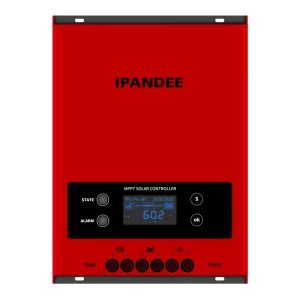
Advanced MPPT controllers prevent battery overcharging, balance cell voltages, and filter out high-frequency noise, ensuring a stable DC power supply for sensitive telecom equipment.
UL9540A tests how thermal runaway behaves and spreads in a battery system. Obtaining this test report is often necessary to get local fire department approval for commercial indoor installations.
Generally, no. Mixing different brands, capacities, or cell ages can lead to imbalances, reduce system lifespan, and potentially void manufacturer warranties. It is best to use matched, expandable stacks from a single supplier.
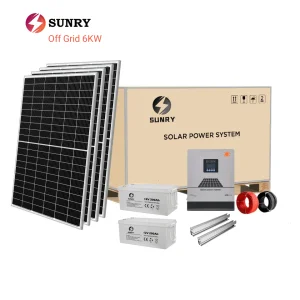
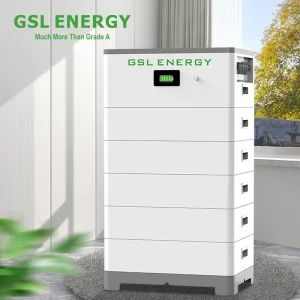
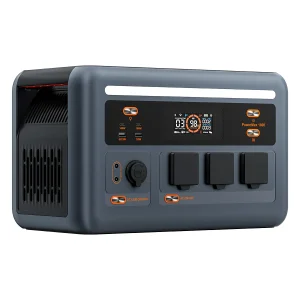
Explore our complete range of off-grid systems, charge controllers, stackable batteries, and portable generators designed to provide reliable power wherever it is needed.
 Jonas Energy