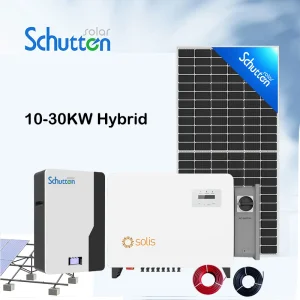
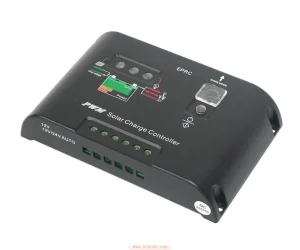
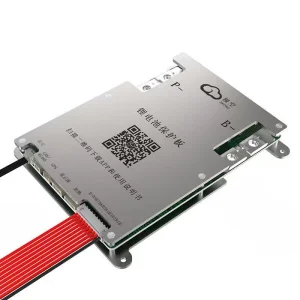
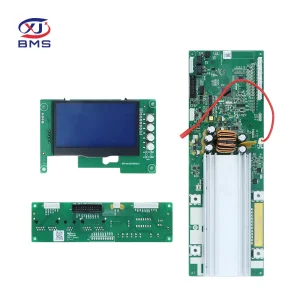
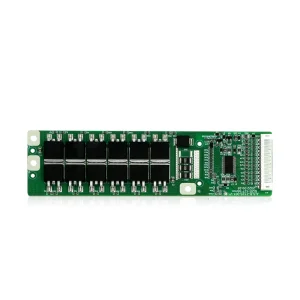
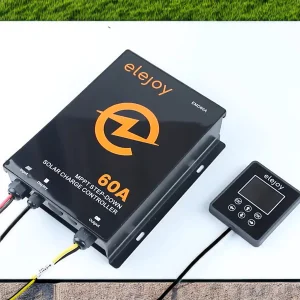
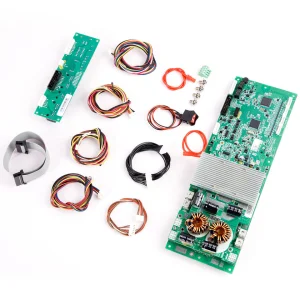
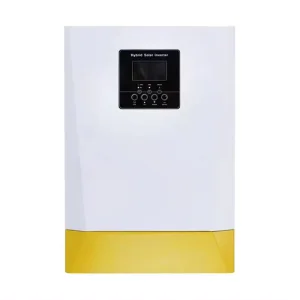
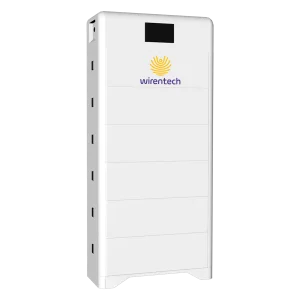
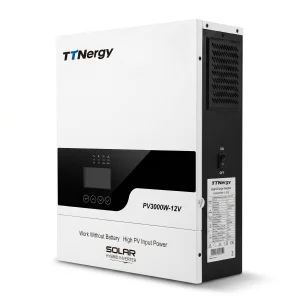
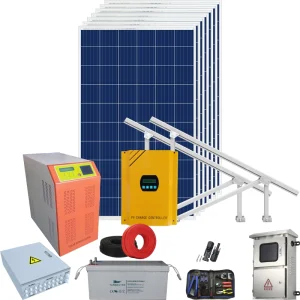
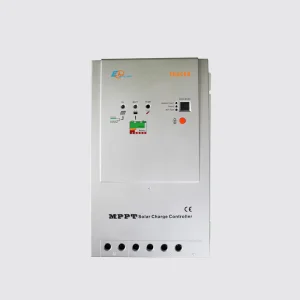
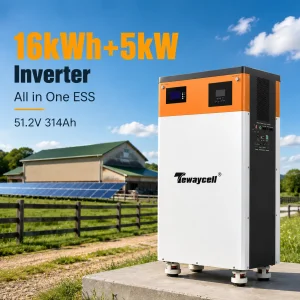
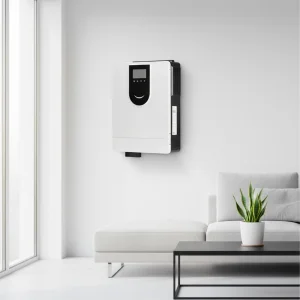
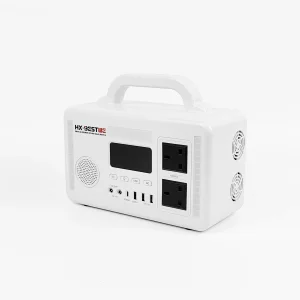
Premium OEM monitoring components, smart hybrid controllers, and high-precision BMS hardware designed for high-resolution data telemetry.
Strategic insights into dynamic data acquisition, telemetry architecture, and the paradigm shift from monitoring to predictive optimization.
The global renewable energy landscape is transitioning from physical installation scaling to high-yield optimization. As gigawatt-scale grid systems proliferate across North America, Europe, and Asia-Pacific, owner-operators face a primary challenge: reducing the levelized cost of energy (LCOE) while managing grid instability. To address this, Solar Power Analytics has evolved from basic SCADA data acquisition to real-time, AI-driven diagnostic systems.
Modern solar installations require end-to-end transparency. Standard analytics systems historically provided reactive alerts for component failures. Modern industrial systems, however, utilize deep-edge data collection, tracking micro-variations in solar charge controllers, inverter string voltages, and battery management telemetry. By monitoring cell-level conditions, system operators can predict failures weeks before they happen, ensuring peak generation efficiency and preventing cascading system damage.
In regions with complex solar regulations, such as the EU and US, solar installations must support dynamic grid-balancing mechanisms. These capabilities require high-frequency telemetry data, sub-second response times, and customizable hardware integration. Our OEM design methodology bridges this gap, providing custom-built communication pathways from charge controllers and smart BMS directly to cloud analytics platforms.
Combining field-proven hardware controllers with intelligent communication protocols for predictive solar diagnostics.
Processing solar cell parameters directly at the inverter and BMS level. Reducing cloud bandwidth costs while facilitating ultra-fast response loops for safety and grid stabilization.
Analyzing real-time efficiency sweeps of MPPT solar controllers. Using comparative curve analysis to identify issues like panel degradation, dirt accumulation, and micro-cracking.
Monitoring battery chemistry directly. Track State of Charge (SoC), State of Health (SoH), and thermal profiles to extend utility-scale energy storage lifetimes.
| Feature Parameter | OEM Standard Configuration | Industrial Analytics Target | Diagnostic Benefit |
|---|---|---|---|
| Telemetry Data Rate | Modbus RTU every 60 seconds | Sub-second event logging via CAN Bus | Enables transient grid detection and fast fault capture |
| Inverter Integration | Basic protocol converters | Direct API & JSON-based protocols | Allows seamless integration with ERP and third-party monitoring |
| BMS Diagnostics | Overall battery pack voltage | Individual cell balancing telemetry | Predicts local hotspot degradation and thermal issues |
| Hardware Security | Standard password control | Encrypted chips and secure telemetry signing | Protects critical utility systems from external security threats |
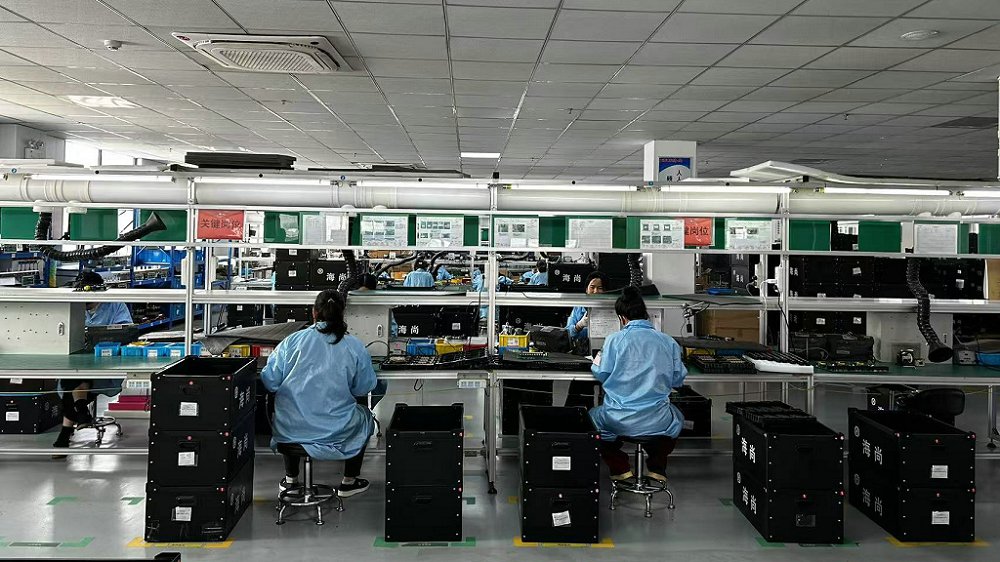
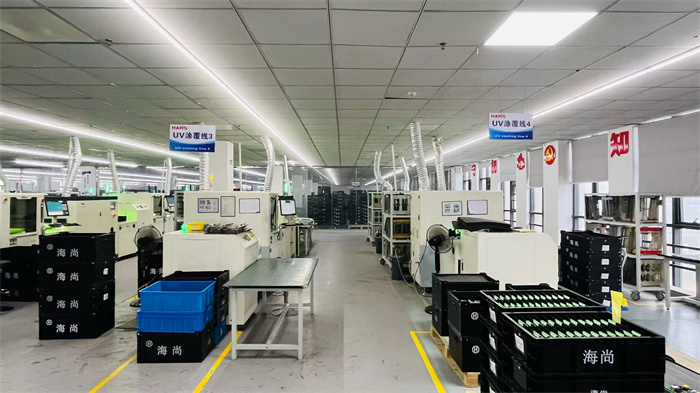
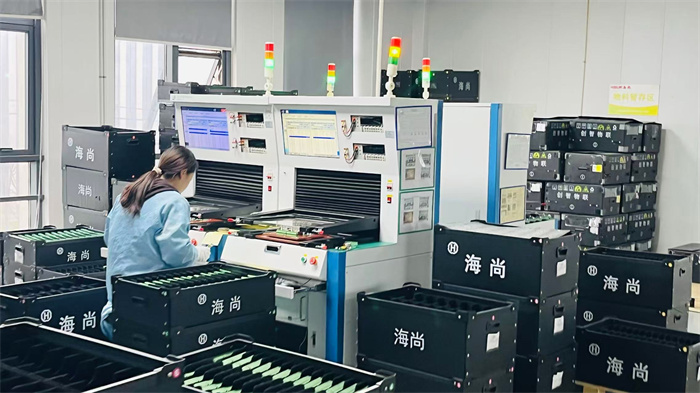
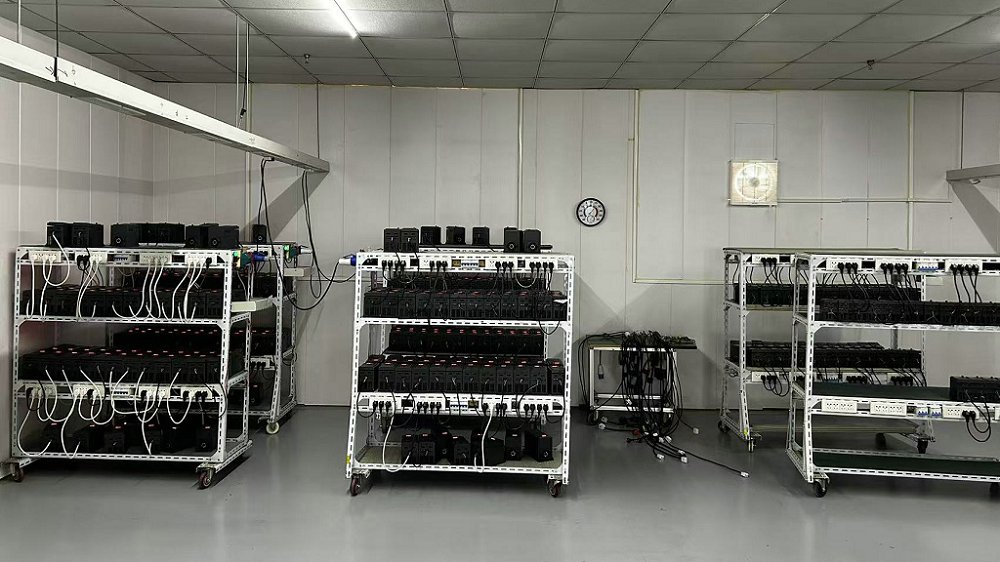
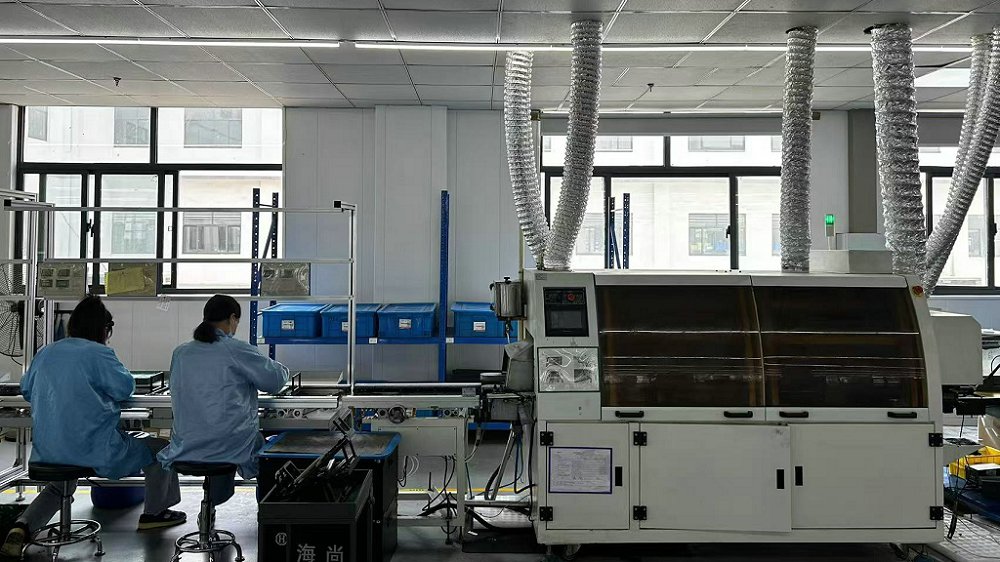
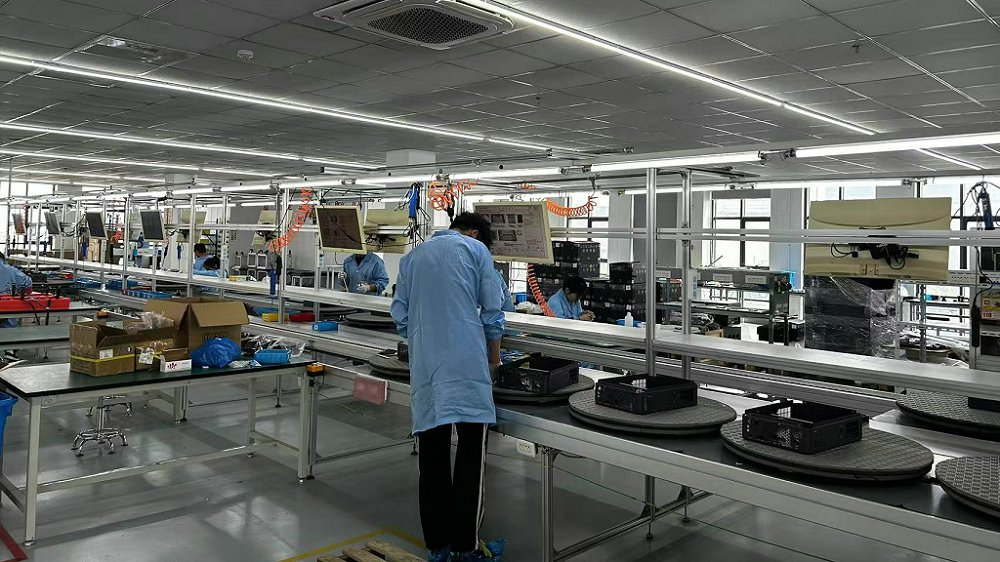
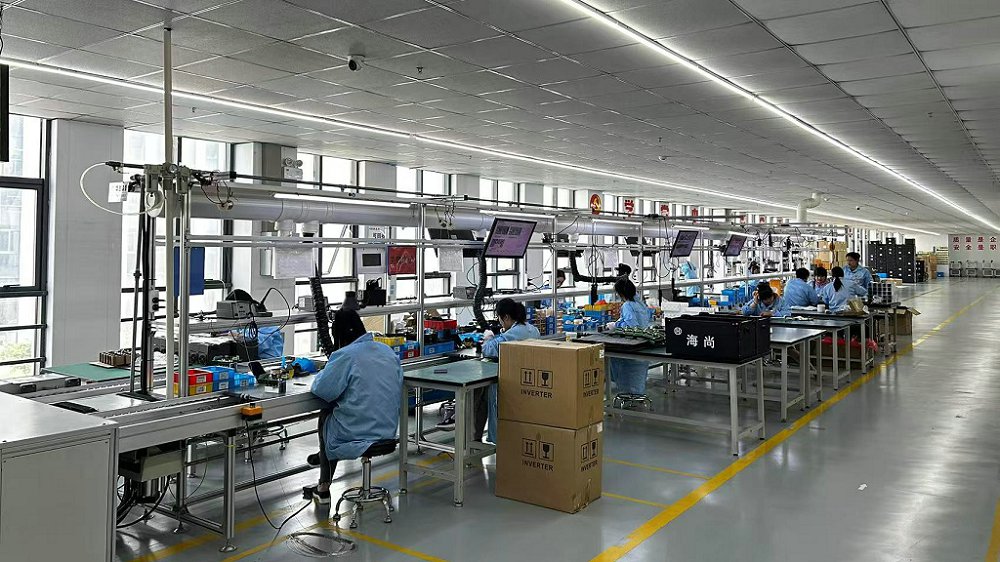
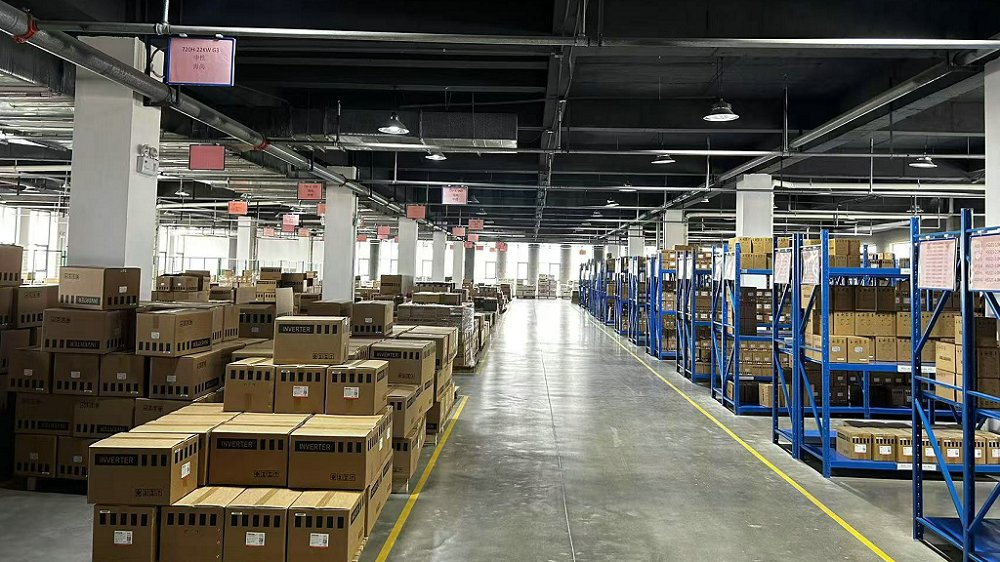
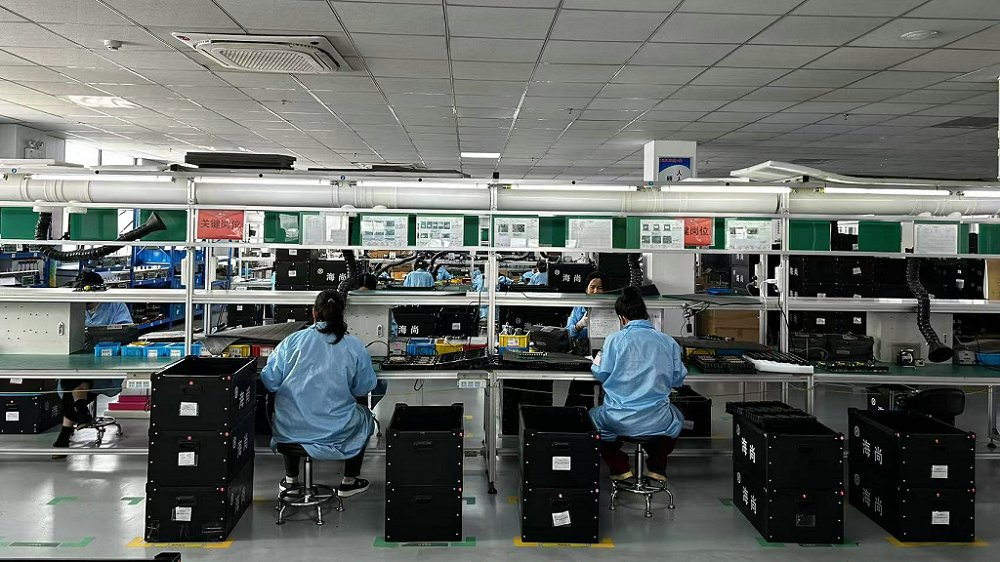
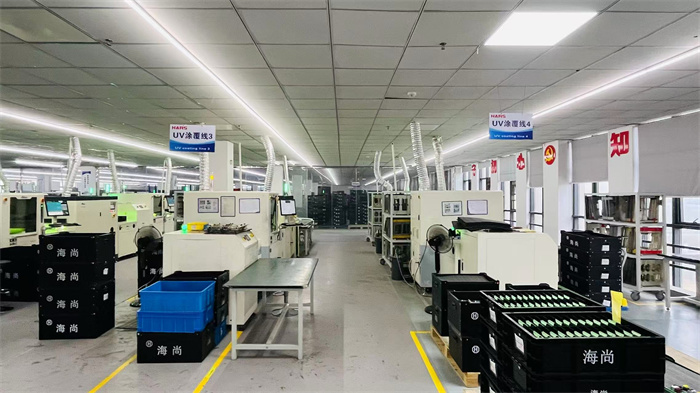
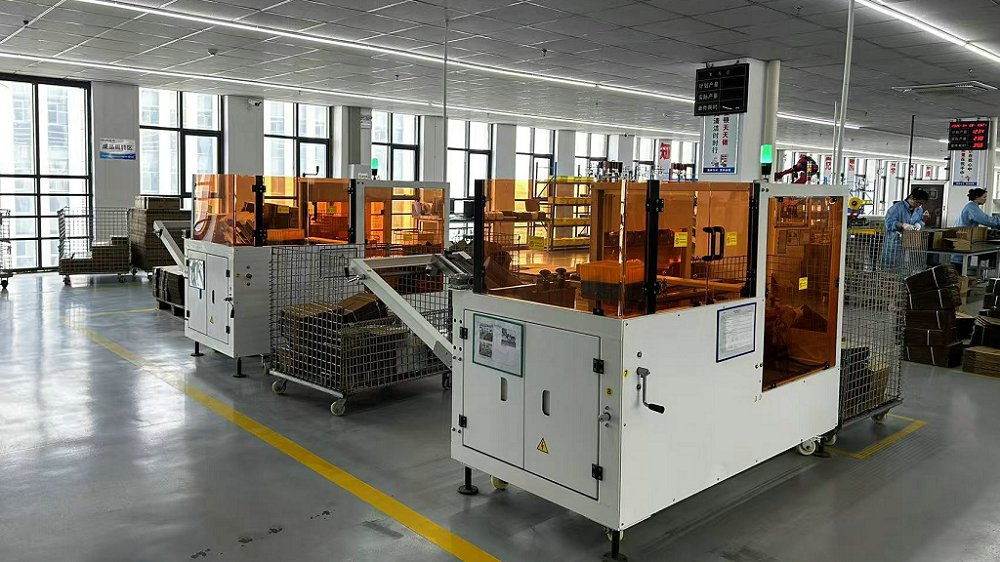
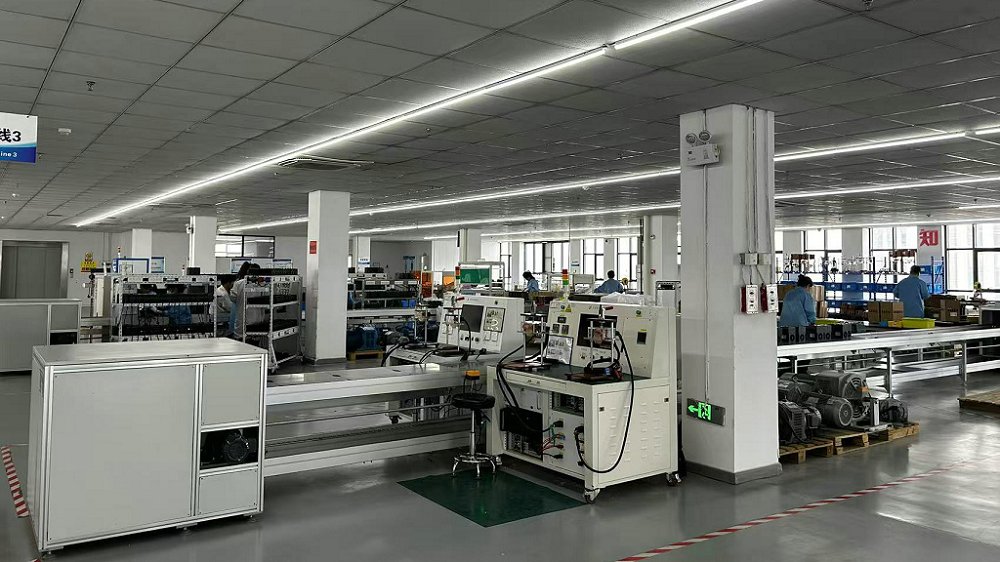
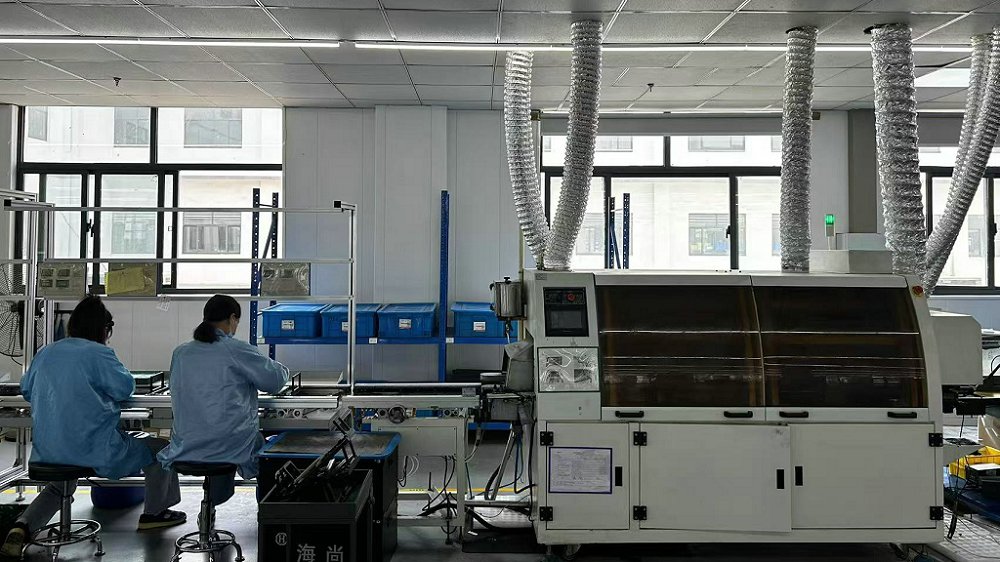
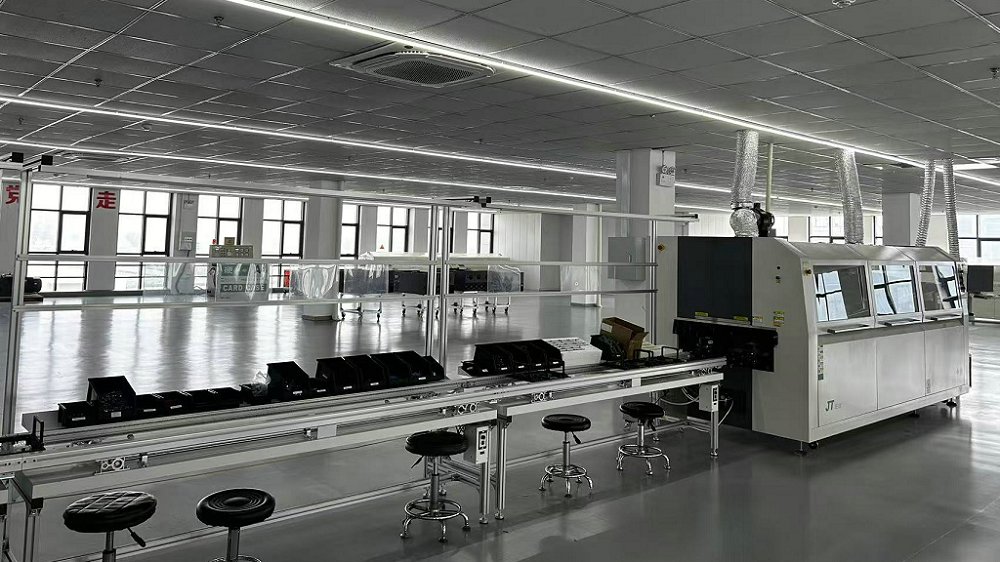
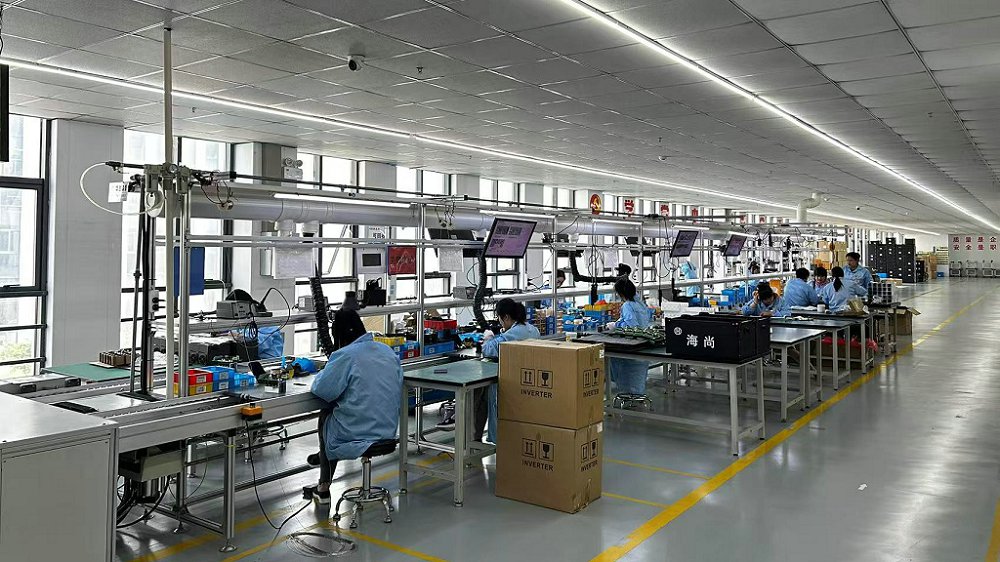
Inside Xiamen Jonas Energy Co., Ltd. - Our high-precision production processes build durable PV components for long-term field operation.
Robust analytics rely on consistent, high-accuracy raw data, which requires precision-engineered hardware. Operating out of Fujian, China, Xiamen Jonas Energy Co., Ltd. produces solar energy systems, MPPT charge controllers, inverters, and battery management systems (BMS) in highly automated, modern facilities.
Every product undergoes a multi-stage quality control process. Key phases include automated plate fabrication, UV coating for environmental protection, dynamic load testing, thermal aging, and high-durability welding. Our QA program is certified under IEC, CE, TUV, ISO9001, and ISO14001, ensuring consistent performance in demanding environmental conditions.
Addressing operational requirements across different climates, grid infrastructures, and commercial applications.
Remote commercial and industrial installations rely on independent energy systems. By integrating smart charge controllers and high-capacity LiFePO4 batteries with built-in telemetry, operators can manage power generation and consumption profiles locally, avoiding costly energy peaks.
Multi-site systems require centralized oversight. Our custom OEM communication protocols compile string, inverter, and BMS status data into standard JSON formats. This makes it easy to integrate with enterprise management software, providing real-time data on generation performance and equipment health.
Extreme climates require rugged, reliable hardware. Our components utilize specialized UV coatings and protective sealing to prevent internal condensation and corrosion. Integrated thermal management circuits protect battery banks from freezing during winter operation.
Common questions regarding OEM integration, communication protocols, custom design options, and field performance.
Complete your deployment with industry-certified hybrid inverters, modular energy storage systems, and mounting setups.
 Jonas Energy