Explore our premium grade off-grid solar generators, high-capacity lithium storage blocks, intelligent BMS boards, and critical wiring hardware engineered for severe industrial utility sites.
As the global energy landscape undergoes an aggressive shift toward decarbonization, utility-scale photovoltaic (PV) plants have scaled to cover thousands of hectares of remote terrain. The monitoring, diagnostic inspection, and thermal evaluation of these colossal systems present massive challenges to physical operations crews. This is where autonomous Unmanned Aerial Systems (UAS) come into play.
Equipped with thermal imaging sensors, high-definition optical payloads, and AI-driven image processing models, inspection drones fly pre-planned routes to identify module defects, bypass diode failures, and micro-cracking. However, the operational bottleneck for continuous, autonomous aerial monitoring lies in off-grid energy supply infrastructure.
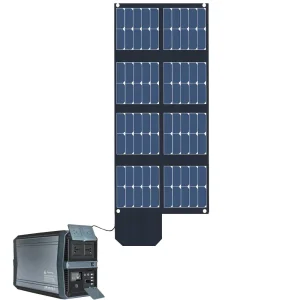
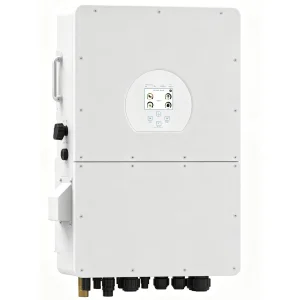
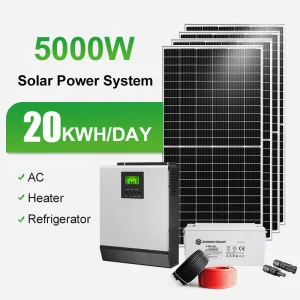
Autonomous drone "nests" or hangar stations must be stationed inside utility plants to facilitate self-docking, rapid cooling, automated data offloading, and recharge cycles. Providing clean, reliable power to these systems requires a high-performance integration of solar panels, highly stable LiFePO4 battery banks, ultra-fast smart BMS controllers, and specialized enclosures. Jonas Energy leads the market as a premier manufacturer and exporter of these core off-grid electrical infrastructures.
Fewer Manual Inspections
System Yield Improvement
LiFePO4 Cycle Life
Extreme Weather Rating
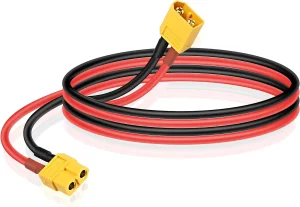
A drone solar monitoring docking station acts as an independent microgrid. It must harvest power through local PV modules, store it safely under harsh ambient temperatures, regulate the DC charging protocol for drone battery packs (often LiPo or LiFePO4 packs utilizing XT60 adapters), and run peripheral air conditioning systems to keep the drone payloads at optimal temperatures.
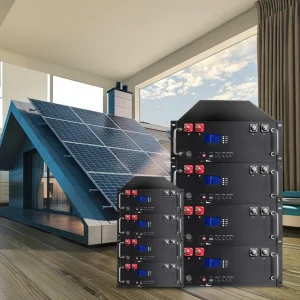
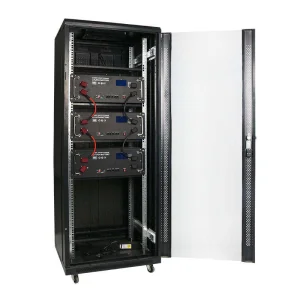
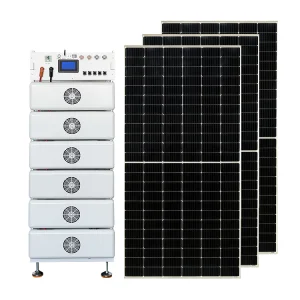
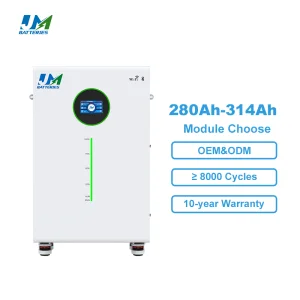
Our rack-mounted 51.2V LiFePO4 battery systems (supporting 100AH/200AH) serve as the backbone energy reservoir, providing deep discharge capabilities and maintaining thermal stability up to 60°C.
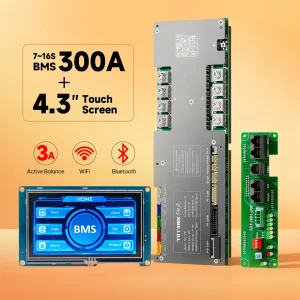
Equipped with CAN and RS485 communication protocols, our 48V 300A smart BMS integrates seamlessly with industrial controllers to coordinate load levels and balancing cycles remotely.
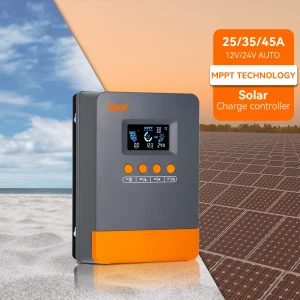
Using our advanced PowMr solar charge controllers, stations achieve up to 99% conversion efficiency, harvesting peak energy even under overcast conditions or desert dust layers.
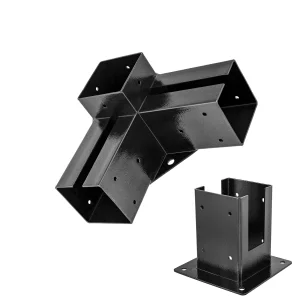
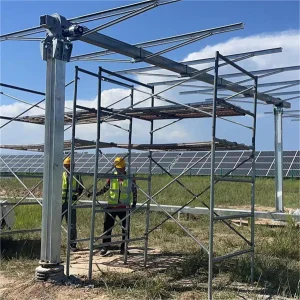
Galvanized steel pergola bracket kits and tracking mechanical components ensure that the structural elements of docking stations resist extreme wind velocities and seismic forces.
"Integrating telemetry controls, high-cycle LFP cells, and industrial MPPT regulation into modular enclosures ensures that global solar asset management teams can deploy automated aerial inspect-and-report workflows in less than a day."
Headquartered in Xiamen, Fujian Province, China, Xiamen Jonas Energy Co., Ltd. is a globally recognized high-tech enterprise and professional provider of integrated renewable energy solutions. Since our founding, we have committed ourselves to the R&D, structural design, manufacturing, and global distribution of advanced energy storage systems, photovoltaic modules, and structural mounting hardware.
By cooperating with tier-one suppliers and technical partners worldwide, we deliver reliable off-grid systems, containerized energy storage solutions (ESS), intelligent BMS assemblies, and complete structural frame components. Our engineering teams specialize in customizing power systems to meet specific demands for commercial utility operations, residential backup grids, and remote telemetry stations.
At Jonas Energy, quality is the foundational metric of our production line. Operating a state-of-the-art gigawatt-level manufacturing facility, we implement rigorous testing and inspection protocols across every stage of development. All products strictly comply with leading international quality frameworks, earning certifications such as IEC, CE, TUV, ISO9001, and ISO14001. This ensures reliable performance in hostile outdoor environments.
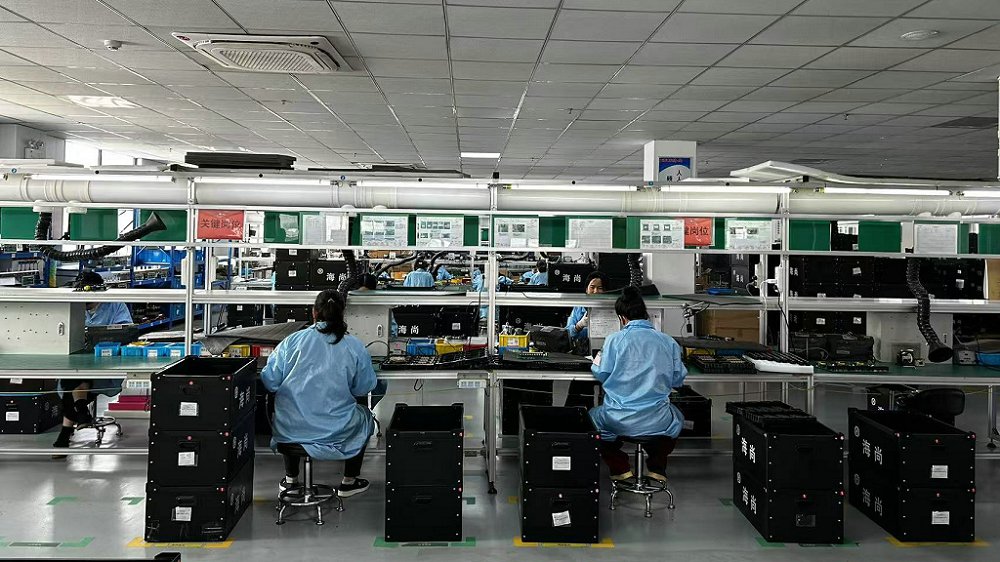
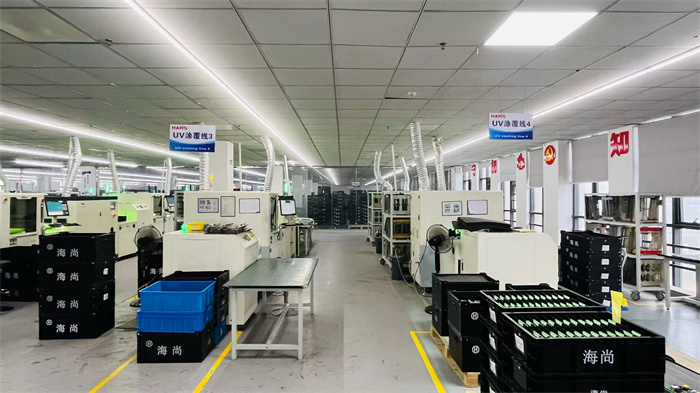
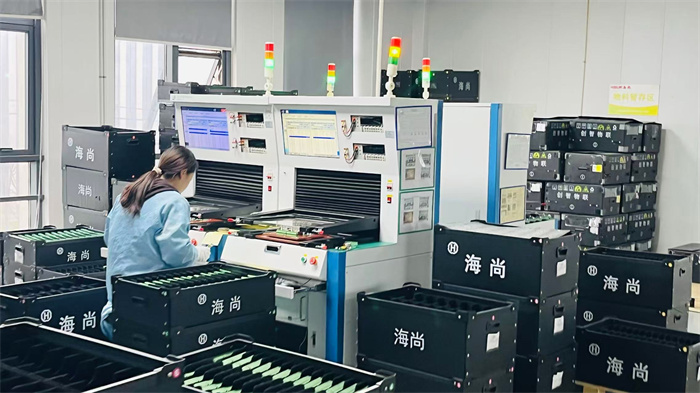
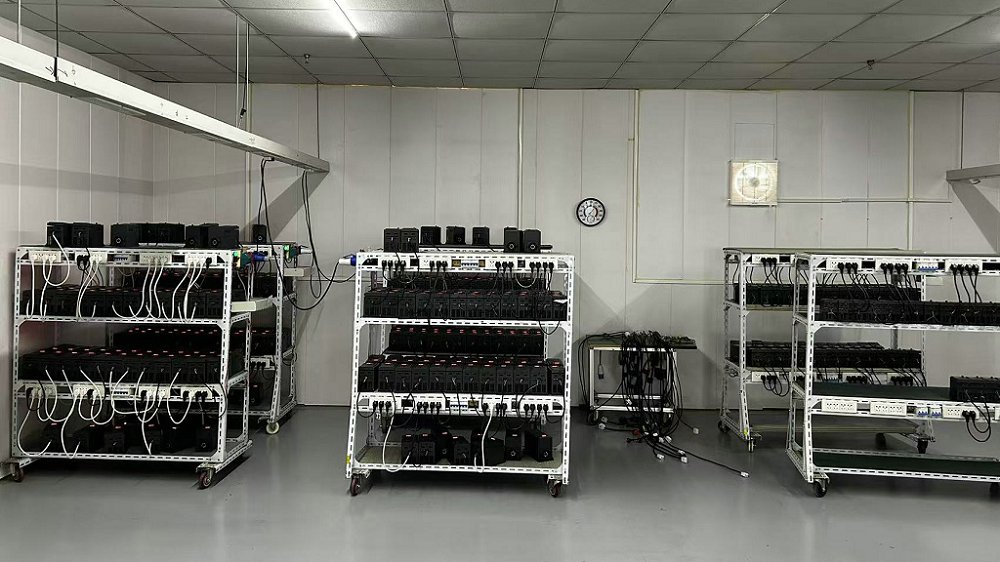
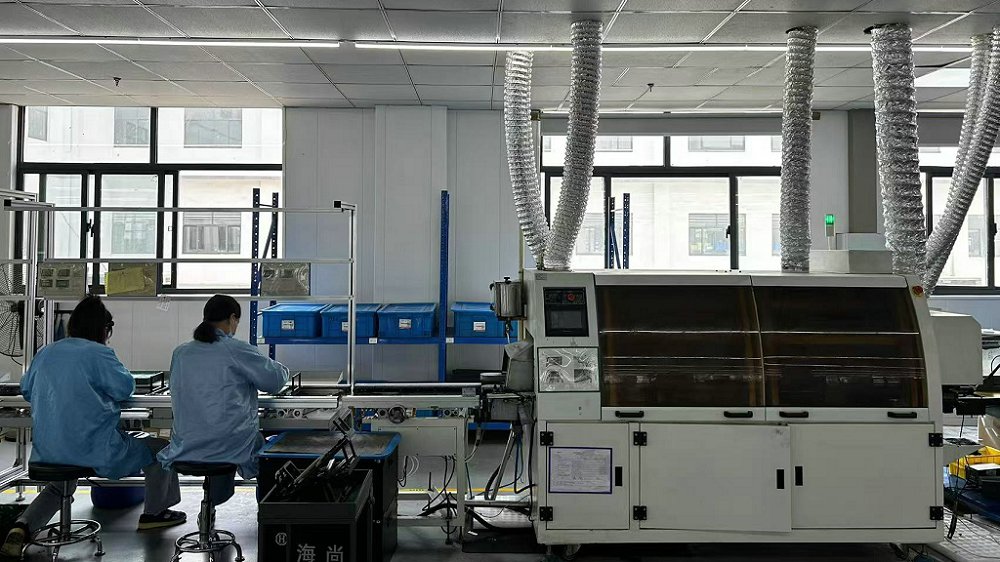
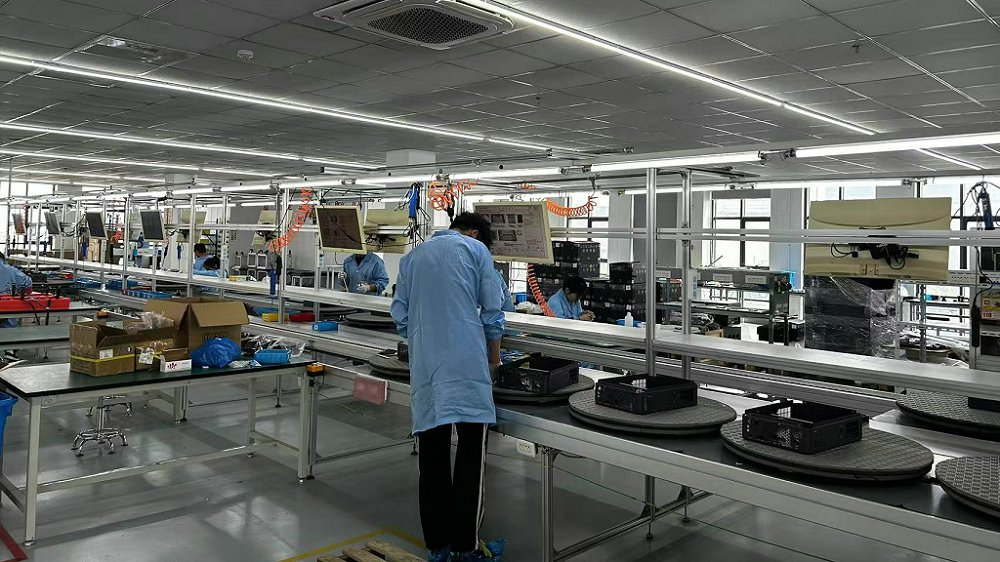
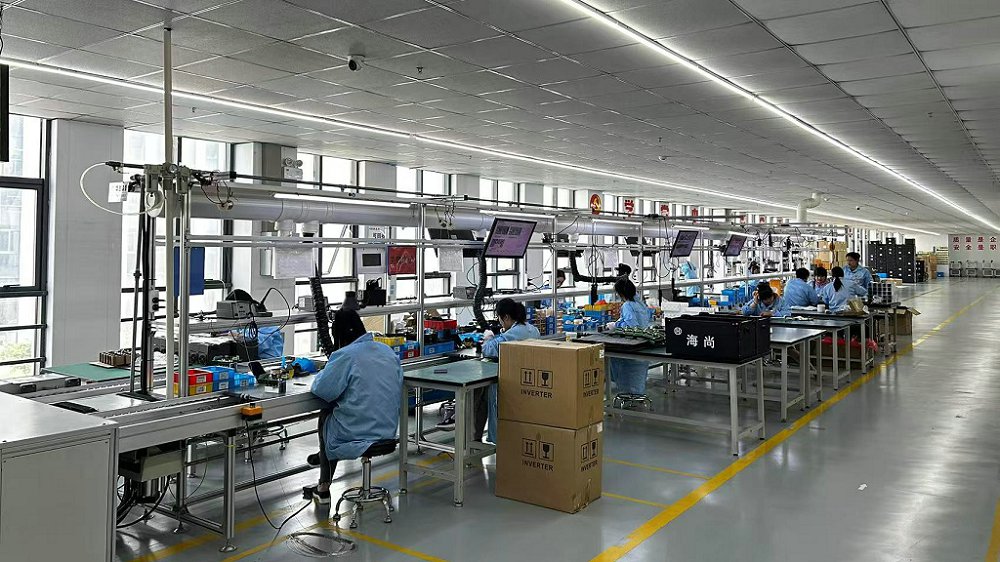
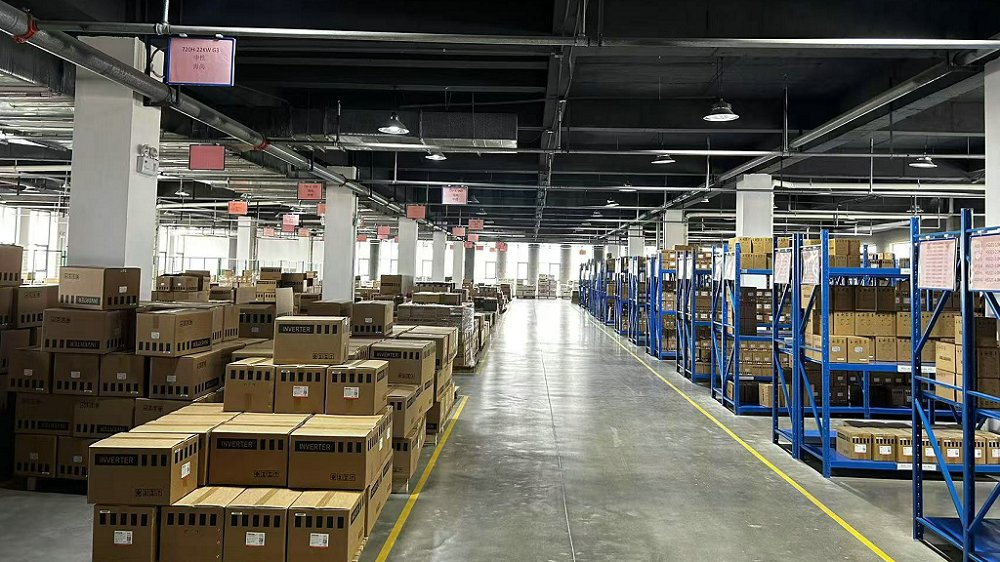
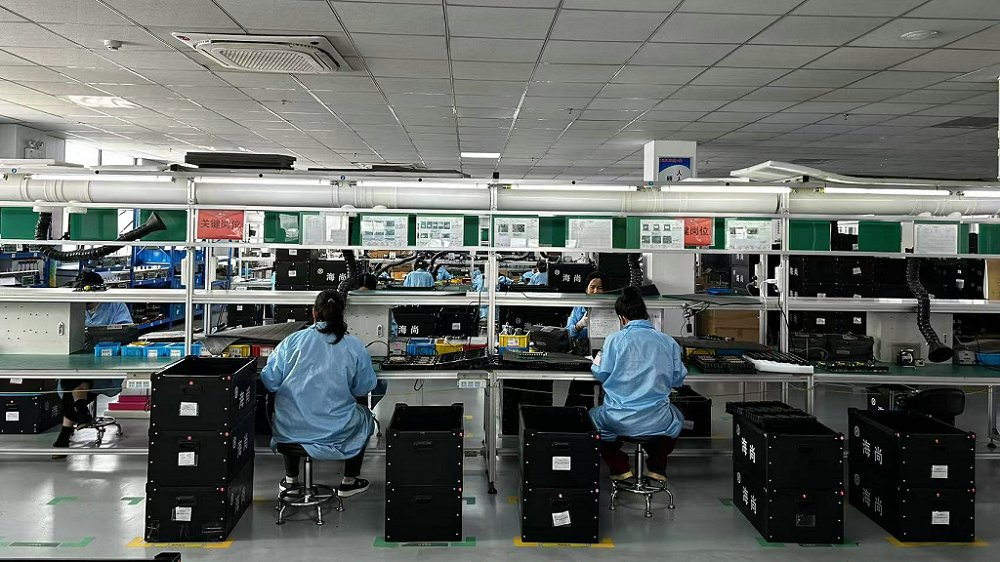
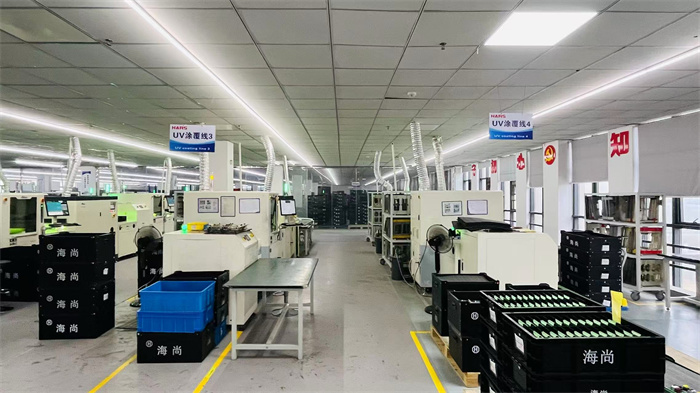
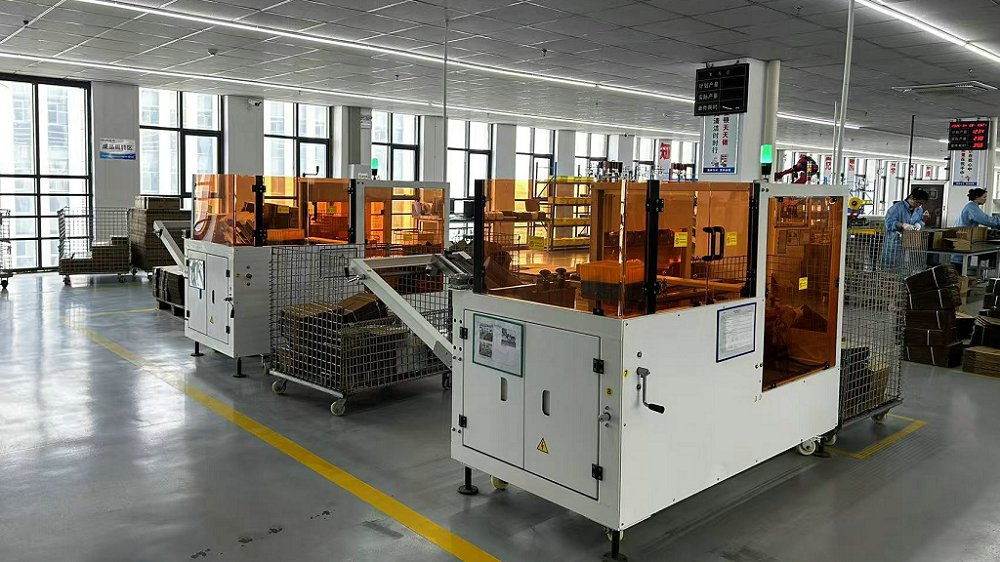
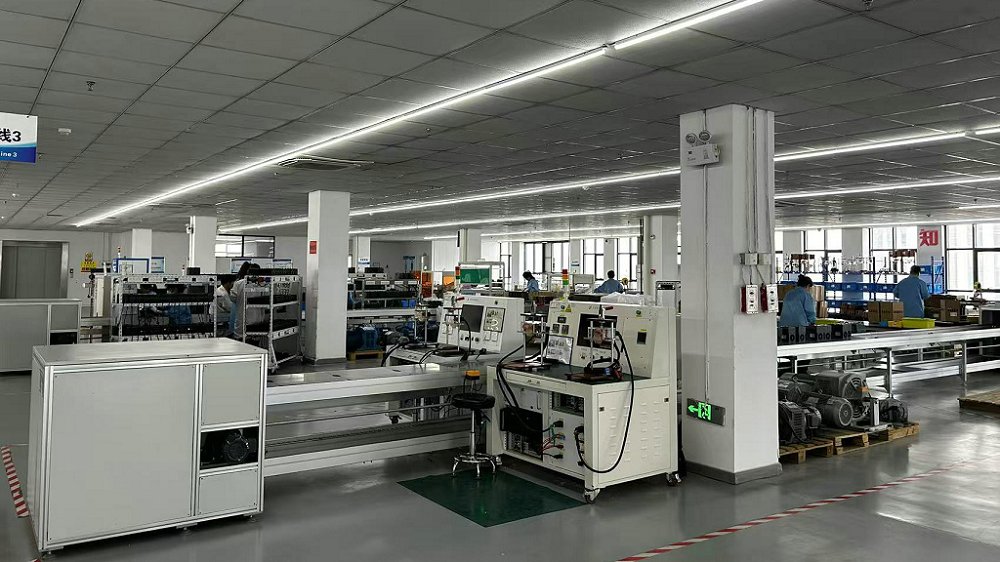
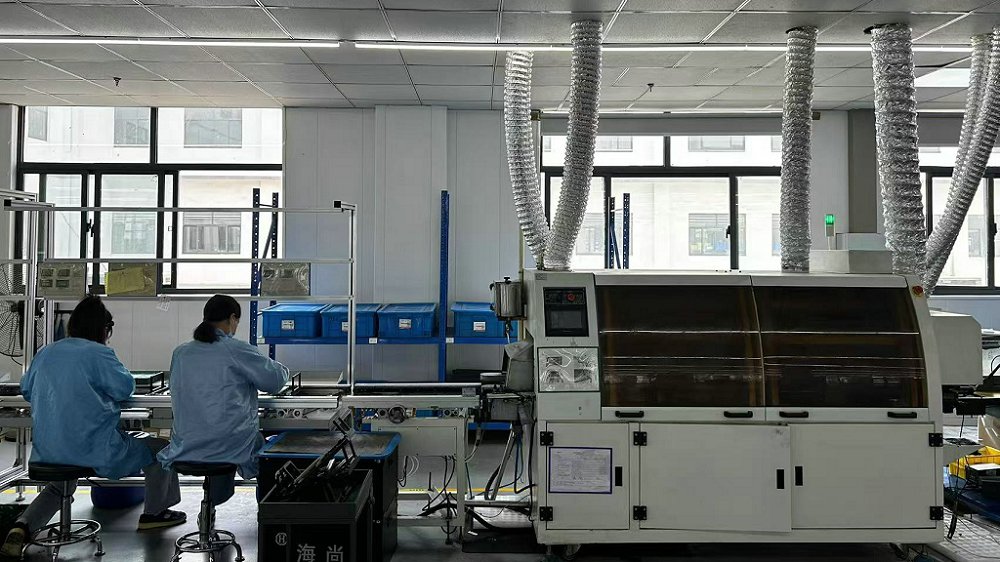
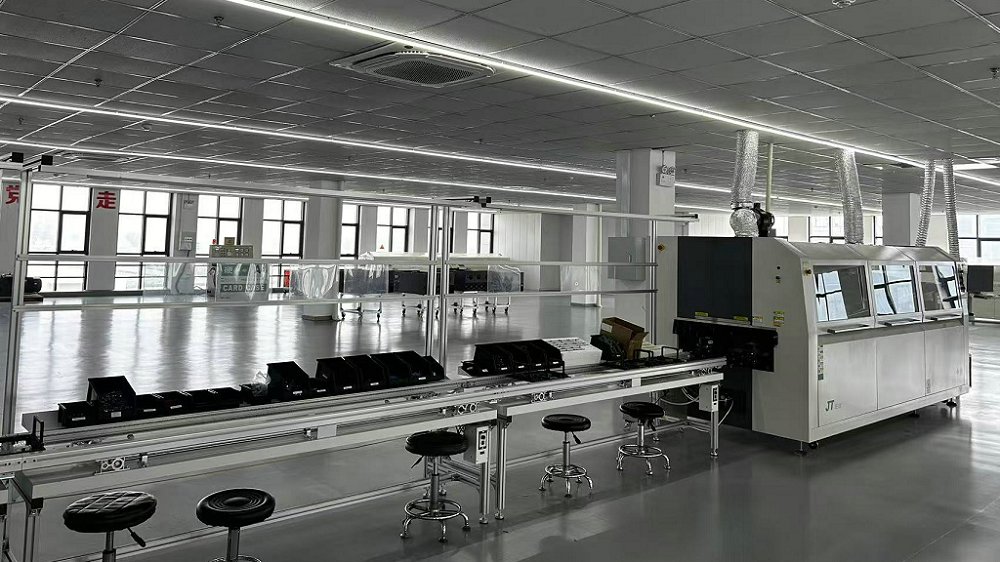
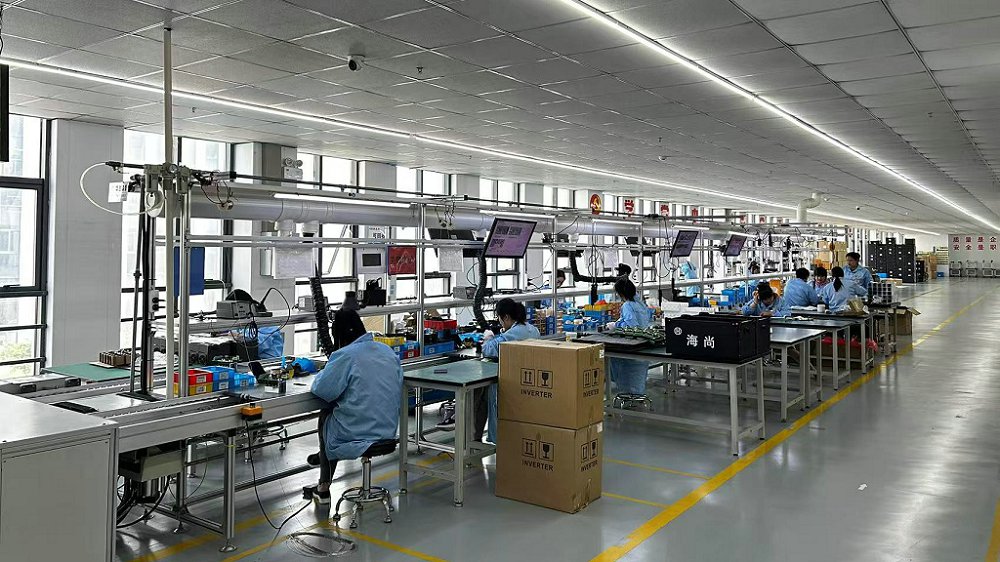
When global engineering and procurement managers source off-grid infrastructure, China's consolidated industrial zones stand out. Companies like Xiamen Jonas Energy leverage an unparalleled domestic vertical supply chain. We manufacture structural steel, formulate precise LiFePO4 cells, code our proprietary BMS software, and perform complex thermal simulations—all under one unified production ecosystem.
By producing gigawatts of energy equipment annually, we source copper, high-grade silicon, lithium-carbonate, and premium structural steel at a fraction of local procurement costs. This enables us to export systems to the Middle East, Americas, and Europe at highly competitive rates without compromising build quality.
Different automated drone nests have distinct physical sizes, voltage ranges, and environmental footprints. Our engineers specialize in mapping out complete off-grid layouts: sizing inverters from 1kW to 15kW, designing specific outdoor cabinets, and tailoring battery systems with unique communication firmware.
Deploying drone solar monitoring stations requires localized system planning to meet environmental and geographical challenges.
Desert utility PV sites in regions like MENA suffer from high sand accumulation and extreme daily temperatures. Here, automated drones inspect panels for sand crusting. The power station cabinet housing the dock must have dust protection (such as our IP20/IP65 cabinets) and use LiFePO4 batteries managed by advanced BMS to prevent thermal runaway.
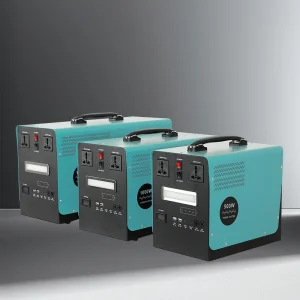
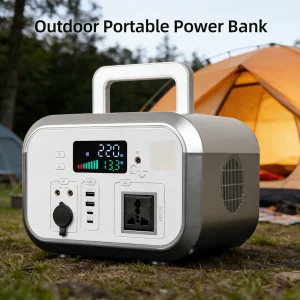
For forest fire prevention and agricultural irrigation mapping, drones cover rugged mountains with no cellular or grid coverage. Docking hubs use single-axis solar trackers to optimize power yield and portable LiFePO4 generators to run high-throughput edge computing systems.
B2B energy procurement managers evaluate vendor criteria based on performance metrics, long-term durability, and strict compliance with local regulations.
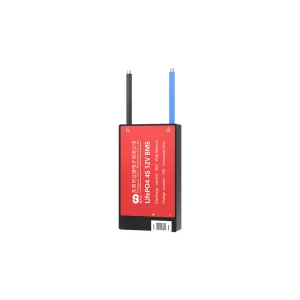
Jonas Energy addresses these market dynamics by incorporating advanced BMS boards (like our Daly and TDT smart series) and using premium structural steel brackets. Our custom integrated systems offer easy configuration, reducing on-site wiring complexity.
Technical guidance on designing, sizing, and deploying solar energy storage solutions for automated drone monitoring hubs.
Complete off-grid systems, single-axis solar trackers, heavy-duty structural brackets, and wiring connectors for industrial setups.
 Jonas Energy