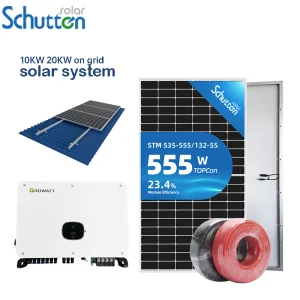
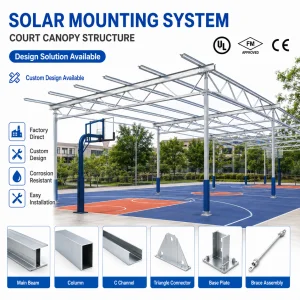
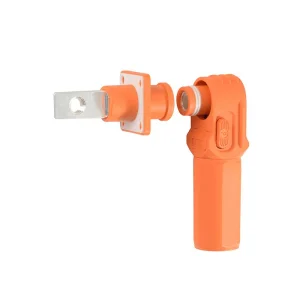
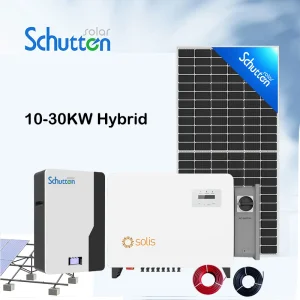
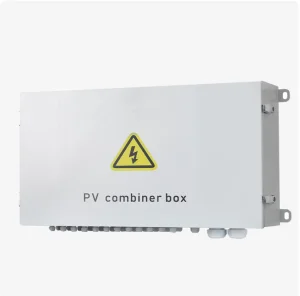
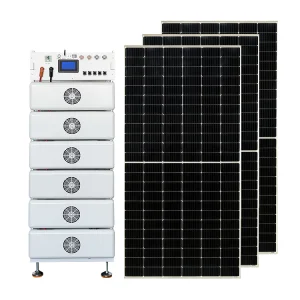
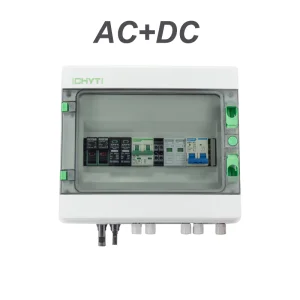
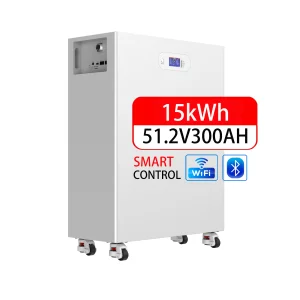
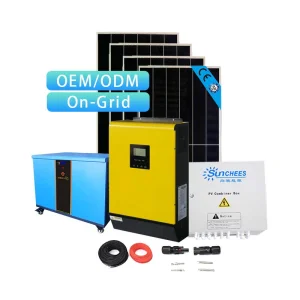
Explore our range of grid-tied solar systems, high-durability mounting structures, modular cabling systems, and hybrid industrial-grade battery kits built to international standards.
As the global energy matrix transitions rapidly from dispatchable fossil fuel combustion to intermittent renewable energy generation, the role of Advanced Battery Energy Storage Systems (BESS) has evolved from simple backup utilities to core grid-stabilizing assets. Today's global markets—driven by industrial decarbonization mandates, feed-in tariff fluctuations, and the critical need for peak-shaving—demand robust energy storage options engineered to withstand prolonged cycling and extreme environmental stress.
In this high-stakes landscape, purchasing directly from a Tier-1 China advanced energy storage factory offers utility project managers, EPC developers, and commercial enterprises a profound competitive advantage. Not only does this optimize the Levelized Cost of Storage (LCOS), but it ensures direct access to the latest lithium-chemistry upgrades, advanced thermal management architectures, and state-of-the-art battery management systems (BMS).
By leveraging advanced supply chains directly from specialized Chinese facilities, developers reduce CAPEX by up to 35% compared to regional aggregators, accelerating project ROI.
Modern advanced energy storage systems implement multi-level mitigation strategies, combining gas-detection arrays with localized fire-suppression agents inside the modules.
Equipped with smart power conversion systems (PCS), advanced systems support grid-forming capabilities, voltage support, and sub-millisecond primary frequency response.
Based in the high-tech renewable hub of Xiamen, Fujian Province, China, Xiamen Jonas Energy Co., Ltd. stands as a premier architect of advanced photovoltaic and lithium-based energy storage solutions. We lead with design innovation, developing and manufacturing robust components for the global utility, commercial, and residential sectors.
Our comprehensive portfolio reaches far beyond basic system assembly. We design and deliver custom wall-mounted home batteries, all-in-one residential hybrid packages, modular commercial rack-mount configurations, and utility-grade containerized Energy Storage Systems (ESS) scaling up to multiple megawatts. Partnering with elite component suppliers and leveraging deep system integration capabilities, Jonas Energy empowers global clients to achieve maximum energy independence with predictable performance indicators.
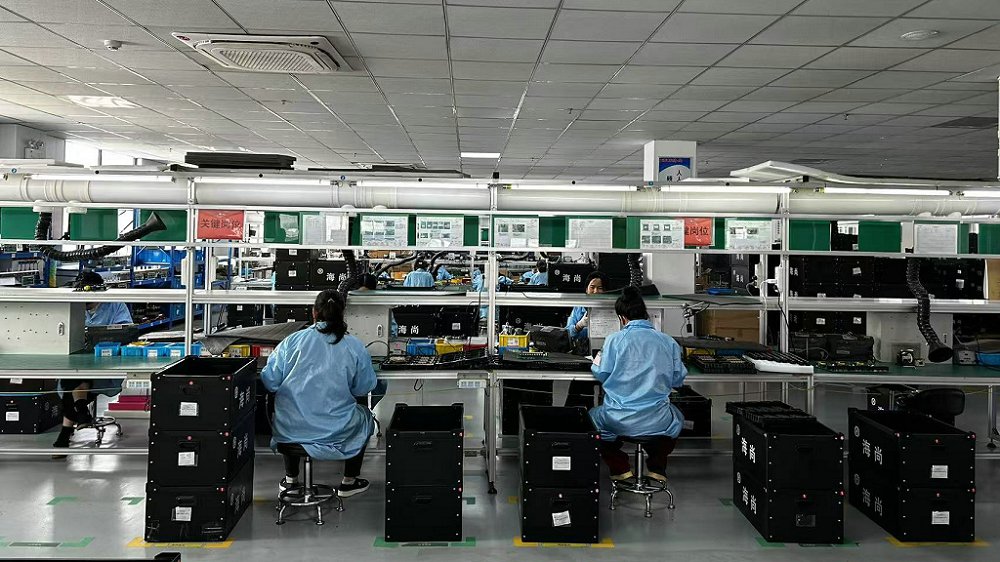
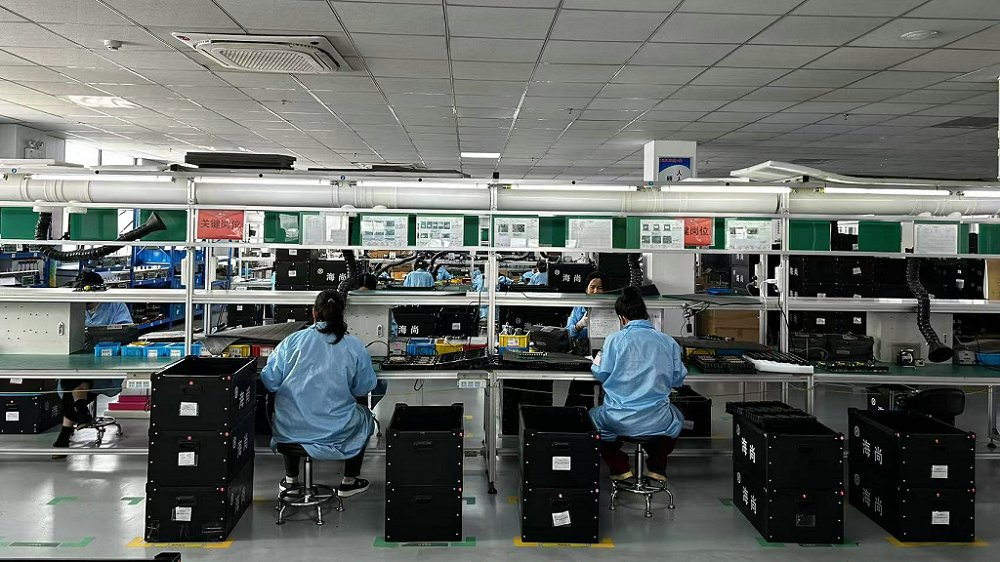
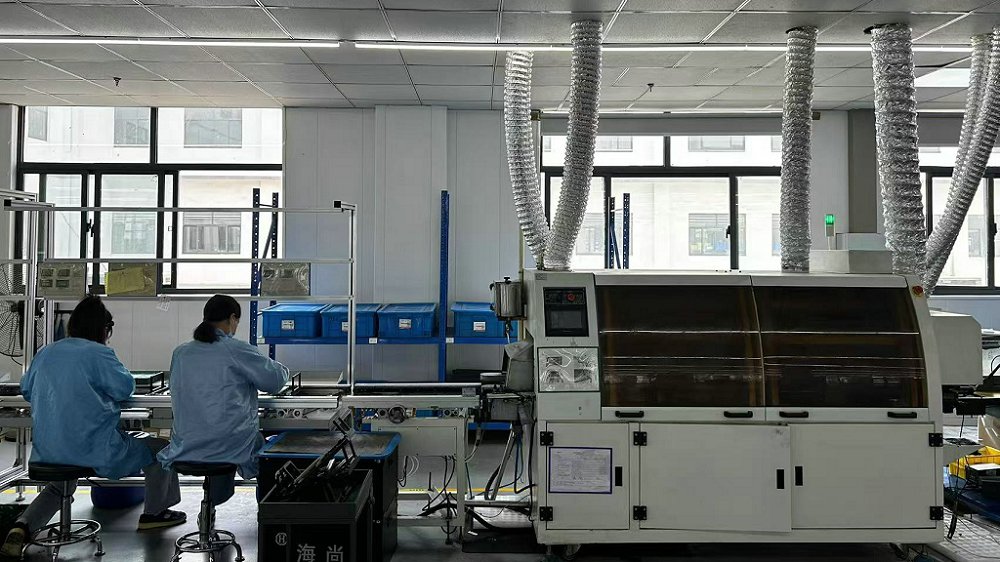
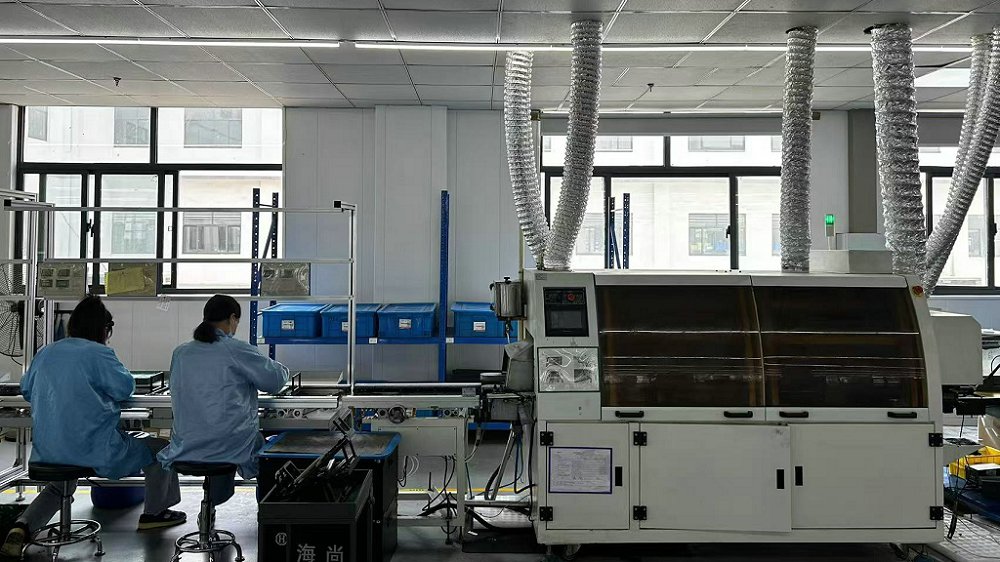
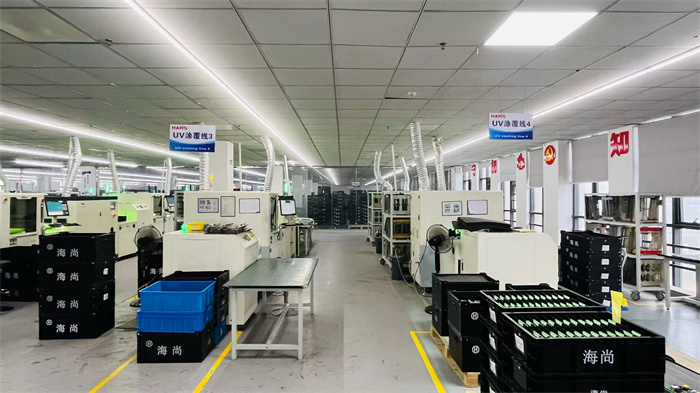
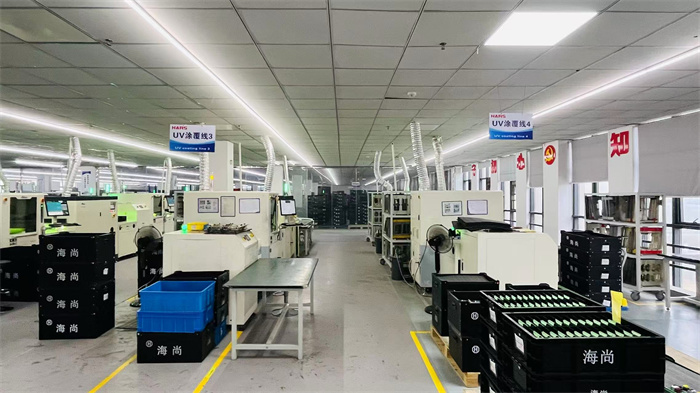
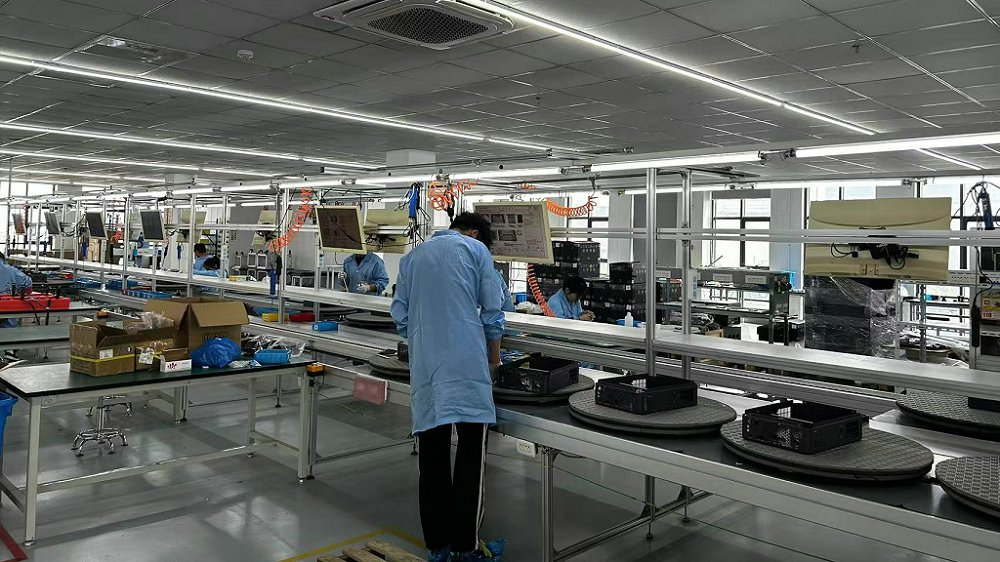
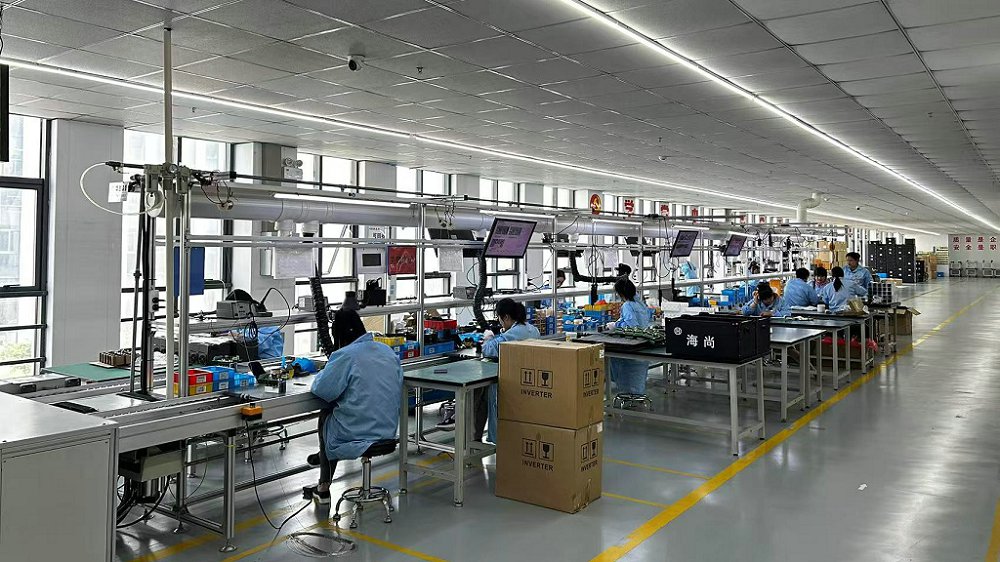
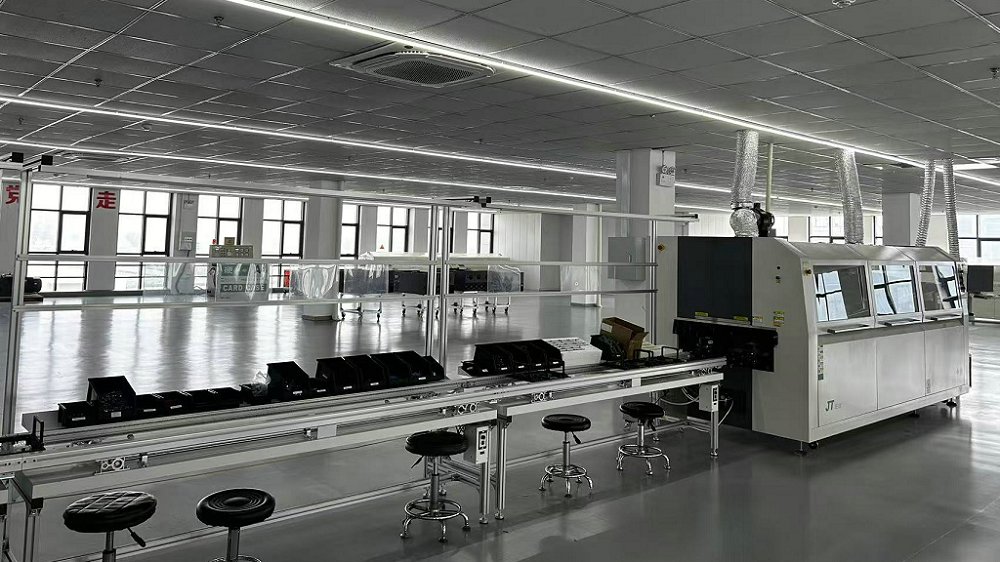
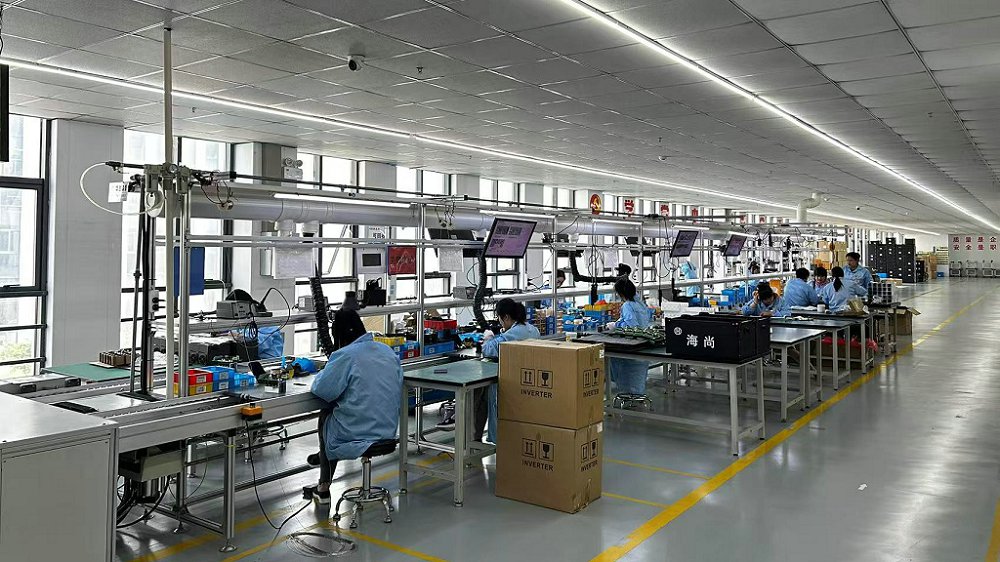
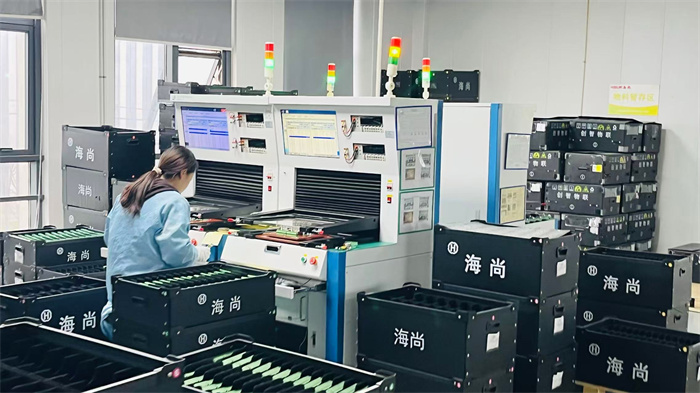
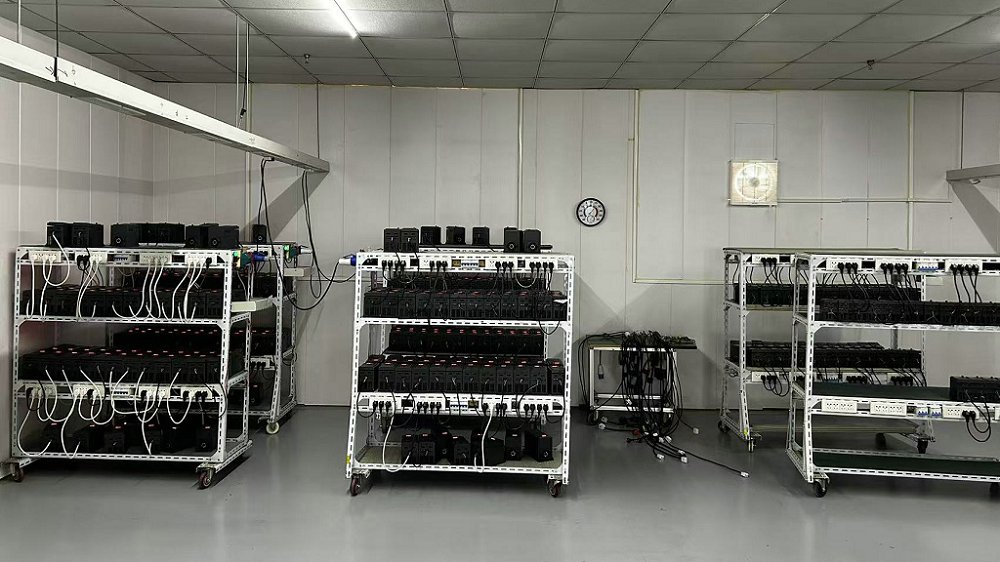
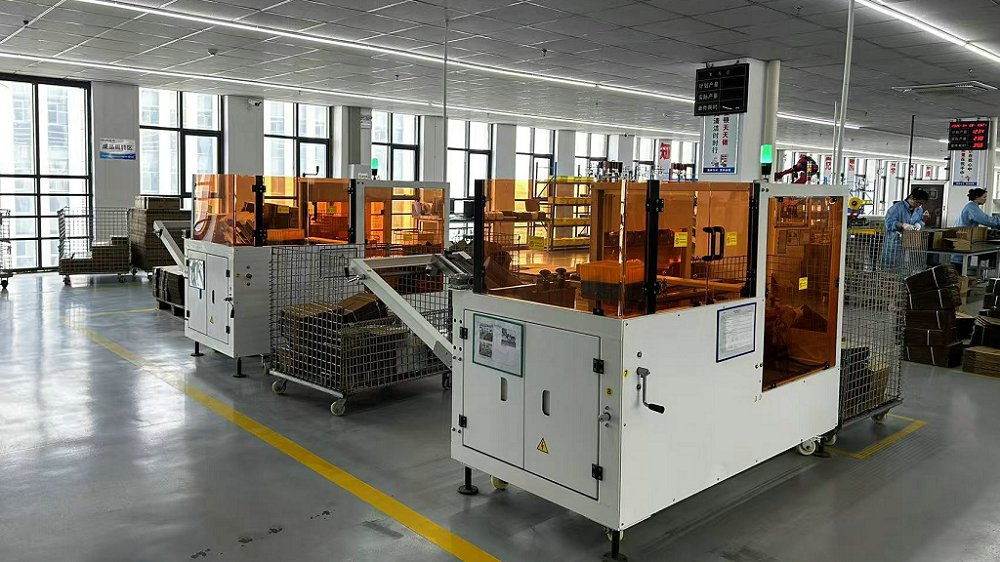
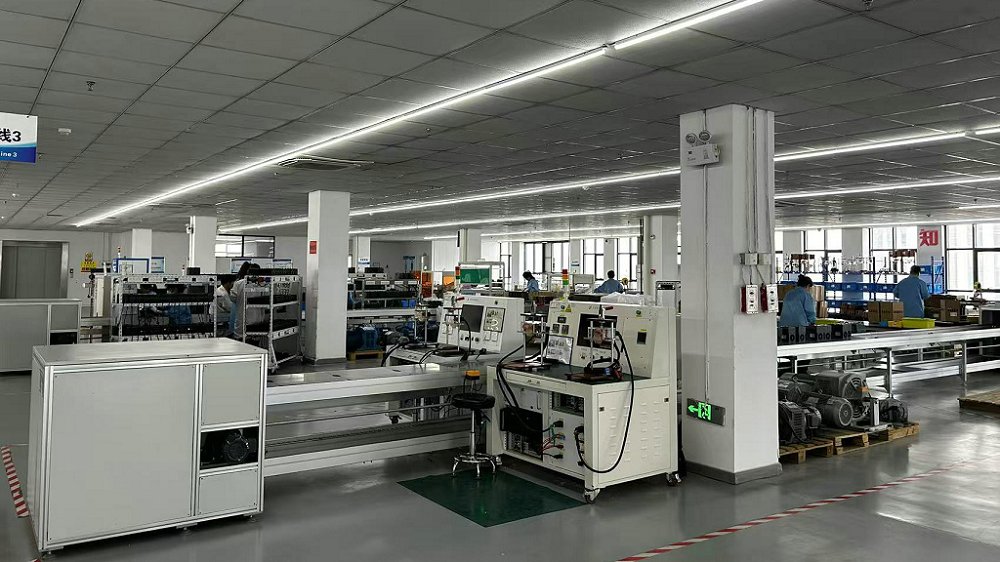
Witness our state-of-the-art manufacturing lines where precision automated robotics, dip welding systems, protective UV coating lines, and rigorous environmental aging chambers ensure each energy module achieves peak efficiency.
Staying ahead in the energy market requires relentless forward planning. Here is how our engineering team navigates the technological frontiers of electrochemical safety and efficiency.
To assure supply chain longevity and extreme thermal threshold management, Jonas Energy heavily adopts Lithium Iron Phosphate (LiFePO4) as our baseline technology. Offering up to 6000 cycles at 80% Depth of Discharge (DoD), LFP completely mitigates the threat of cobalt-related thermal runaway events, aligning with strict building and insurance mandates across North America and Europe.
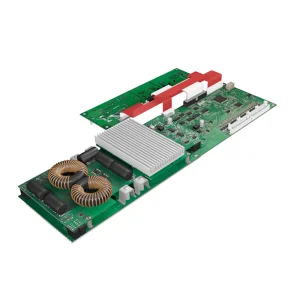
By pairing edge computation with modern telemetry protocols (RS485, CAN, Modbus), our smart Battery Management Systems actively monitor pack parameters at a microsecond resolution. Real-time temperature differentiation, state-of-charge (SoC) drift calibration, and automated cell balancing algorithms are supported, while local controls communicate directly with remote SCADA platforms via unified APIs.
To reduce auxiliary footprint requirements and optimize thermal uniformity across large containerized systems, we are expanding our focus on liquid-cooling systems. Compared to conventional air-cooled designs, this maintains a core system temperature variation of less than 3°C, extending battery lifespan by 20% and improving overall round-trip efficiency (RTE).
Looking to the next decade, our research facilities are closely monitoring and testing solid-state electrolyte implementations. Solid-state technology promises to double spatial energy density while eliminating flammable organic liquid solvents—guaranteeing unparalleled safety and operational efficiency for high-capacity applications.
Different operating environments require specific architectural configurations. We tailor our systems for optimal deployment across utility, commercial, and household sectors.
Optimized for peak-shifting, renewable generation smoothing, and primary frequency stabilization. Our containerized utility systems withstand sudden mega-watt charge/discharge surges, offering robust structural designs ready for connection with utility-scale power conversion systems (PCS).
Engineered for factories, data centers, and agricultural centers seeking energy arbitrage, peak-demand shaving, and critical backup power. Flexible configurations enable seamless connection with existing local PV grids, maintaining high operational resilience and power reliability.
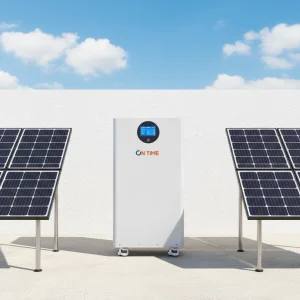
Clean, low-noise power generators, wall-mounted battery banks, and all-in-one solar inverter packages. Designed for fast installation, intuitive interface configuration, and smart home energy automation, delivering safe power storage for residential spaces.
Grid integration requires strict compliance with varying local interconnection policies. Operating a grid-tied system without regional certifications is not just illegal; it compromises physical site safety and equipment durability.
Jonas Energy ensures that all delivered systems are designed to satisfy local utility codes. From UL 1741 and UL 9540A testing standards in North America to EN 50549 and CE / TUV guidelines in Europe, our advanced electrical assemblies undergo strict safety testing before dispatch. This attention to detail simplifies the local engineering permitting process and protects your investment.
Ensure an efficient, compliant, and cost-effective sourcing experience when selecting an advanced energy storage factory partner in China.
Always verify cell manufacturer details. Tier-1 cells provide longer cycle life, consistent internal resistance, and predictable thermal behavior under heavy load.
Confirm access to full quality records: capacity grading tests, optical welding inspections, aging chamber logs, and BMS protocol functional tests.
Review the detailed warranty terms. Ensure they outline the covered parameters, cycle counts, and mechanisms for replacement component delivery.
Lithium batteries require class 9 dangerous goods packaging. Ensure the exporter holds full UN38.3 test documentation and MSDS reports for trouble-free customs handling.
Technical and logistics answers for engineers, procurement managers, and wholesale partners.
Our advanced energy storage systems utilize high-quality LiFePO4 cells which are engineered to deliver >6,000 complete charging cycles at 80% Depth of Discharge (DoD) before capacities degrade below 80% of original levels. Operating within controlled temperatures further extends this operational window.
We offer both intelligent forced-air and advanced liquid-cooled options. Our liquid-cooling systems utilize specialized cooling plates and safe heat-transfer liquids, keeping peak temperature variations between individual battery packs under 3°C to safeguard performance and lifespan.
Our containerized systems feature IP54 or IP65 ingress protection ratings, rendering them highly resistant to wind, moisture, and dust penetration. The structural frame integrates C3-C5 corrosion-resistant coatings, making them suitable for coastal deployments or locations with extreme humidity.
Every cell batch undergoes detailed capacity sorting and internal resistance matching before module assembly. We run automated laser welding inspection processes, thermal chamber tests, and cycling verification to ensure absolute uniformity across the entire system layout.
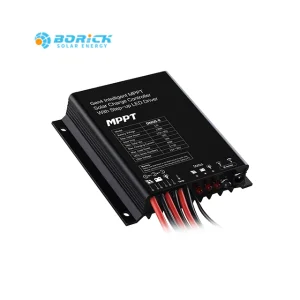
Discover our industrial battery modules, highly durable combiner junction boxes, home energy backup units, and microgrid solar controllers.
 Jonas Energy