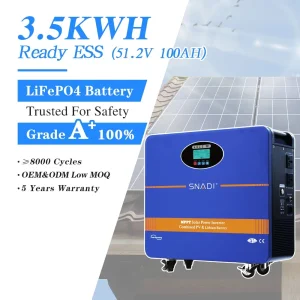
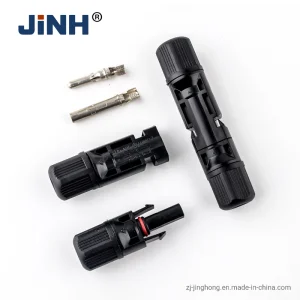
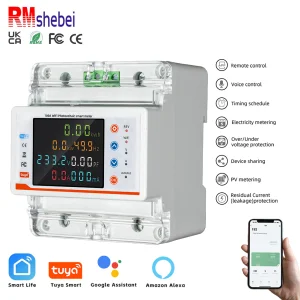
Explore our cutting-edge solar mounts, off-grid power systems, and premium lithium-ion battery banks engineered to scale decentralized renewable networks.
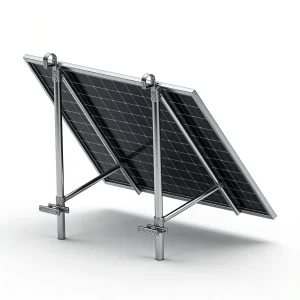
An in-depth analysis of hybrid Solar Thermal Collector technology and global solar integration pathways for utility and corporate procurement officers.
Maximizing thermal conversion efficiencies up to 78% for commercial hot water & industrial preheating processes.
Seamless integration with PV systems, lithium storage architectures, and smart local grid networks.
Meets stringent IEC, TUV, CE, and ISO certification standards ensuring a minimum 25-year operational lifecycle.
Custom packaging, structural compliance, and complete local-market compliance for hassle-free custom clearance.
As the international community pushes towards aggressive Net-Zero targets, conventional photovoltaic (PV) modules and solar thermal collectors are no longer viewed as isolated systems. Modern commercial energy frameworks increasingly utilize Photovoltaic Thermal (PVT) collectors. These systems co-generate electricity and thermal energy simultaneously, achieving a massive boost in overall system efficiency per square meter.
By extracting excess thermal energy directly from the solar cells, the operating temperature of the PV layer drops, which prevents the typical thermal degradation of PV power output. Simultaneously, the collected heat is transferred to commercial water systems, industrial process heat infrastructure, or district heating grids. Choosing the right China-based solar thermal collector factory and supplier with capability across both PV and thermal components is paramount to ensuring project economic feasibility.
Global procurement teams must prioritize suppliers that publish verified, laboratory-tested parameters for optical efficiency (η0) and heat loss coefficients (a1, a2). In high-performance collector panels, optical efficiency must exceed 75% under standard testing conditions (EN 12975), while keeping heat loss coefficients minimal. Look for vacuum tube collectors with selective coatings like Al-N/Al or Cu-SS-Al-N to minimize emissivity down to < 0.05.
In today's complex international supply chain, procuring commercial solar components requires an in-depth understanding of logistics, trade compliance, and engineering optimization. Multi-gigawatt developers face strict local-content rules (such as IRA guidelines in the US or RED III directives in Europe). A strategic Chinese OEM must provide comprehensive structural certificates, material trace logs, and environmental product declarations (EPD).
A global leader in high-reliability PV manufacturing, modular energy storage integration, and industrial solar structural assemblies.
Xiamen Jonas Energy Co., Ltd. is a professional provider of renewable energy solutions, headquartered in Xiamen, Fujian Province, China. Since its establishment, the company has been dedicated to the research, development, manufacturing, and global distribution of advanced photovoltaic and energy storage products.
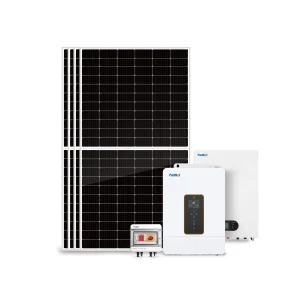
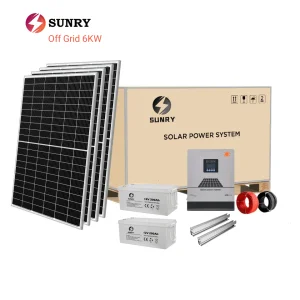
With a strong commitment to innovation and sustainability, Jonas Energy offers a comprehensive portfolio of solar energy solutions, including solar panels, inverters, energy storage batteries, mounting systems, and complete solar power generation systems. Our products are designed to meet the diverse needs of residential, commercial, industrial, and utility-scale projects worldwide.
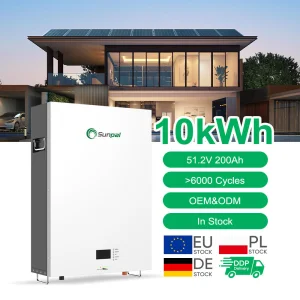
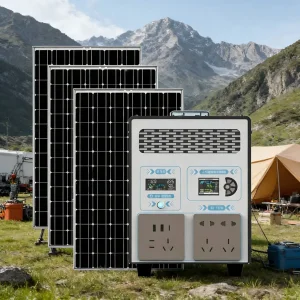
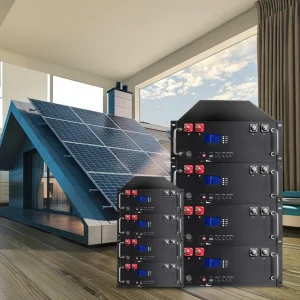
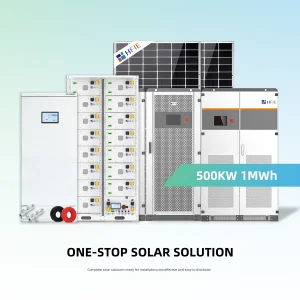
We work closely with internationally recognized manufacturers and technology partners to provide a wide range of reliable energy storage solutions, including wall-mounted batteries, all-in-one storage systems, rack-mounted batteries, and containerized energy storage systems (ESS). Through continuous innovation and strategic partnerships, we help customers achieve greater energy independence and efficiency.
As a high-tech enterprise, Jonas Energy operates modern production facilities equipped with advanced manufacturing and testing equipment. Our annual production capacity reaches several gigawatts, enabling us to efficiently serve customers across global markets.
Our experienced R&D team consists of highly qualified engineers and technical specialists who continuously focus on product innovation, performance optimization, and technological advancement in the renewable energy sector. By integrating cutting-edge technologies, we ensure that our solutions remain competitive, efficient, and future-ready.
Tracing the strict ISO 9001 quality check steps across our advanced robotic production lines, automated aging tests, and precision dip-welding facilities.
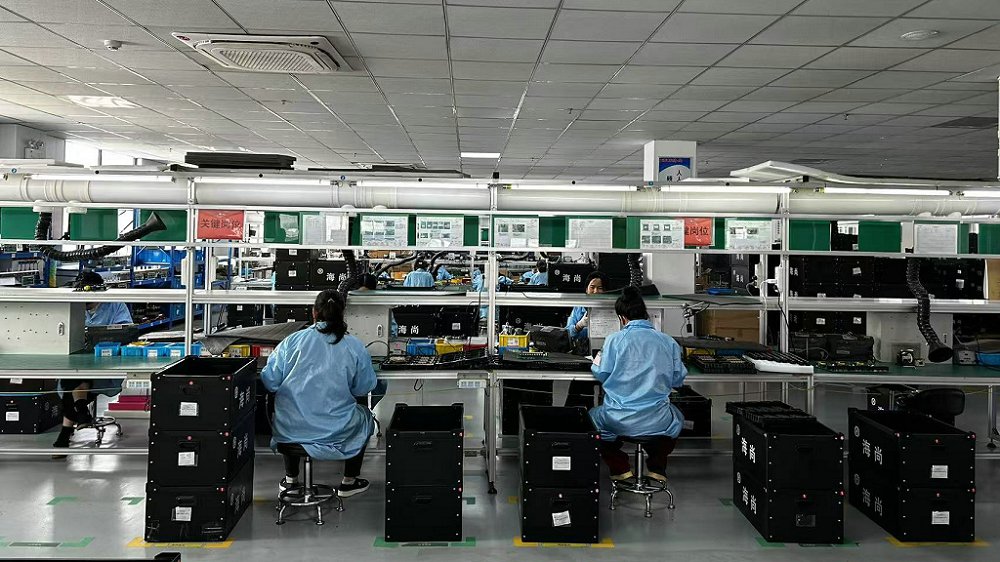 Plate making
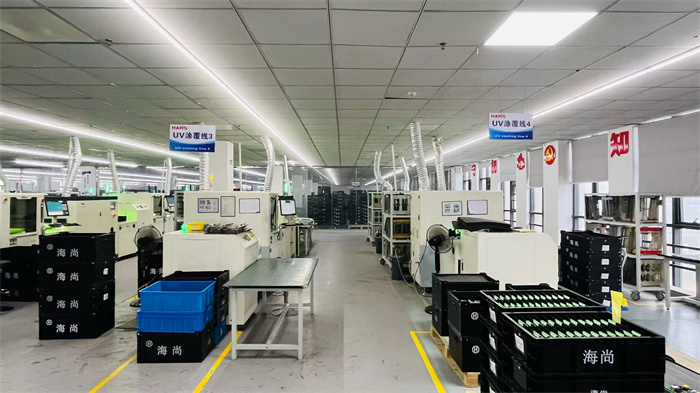 UV coating
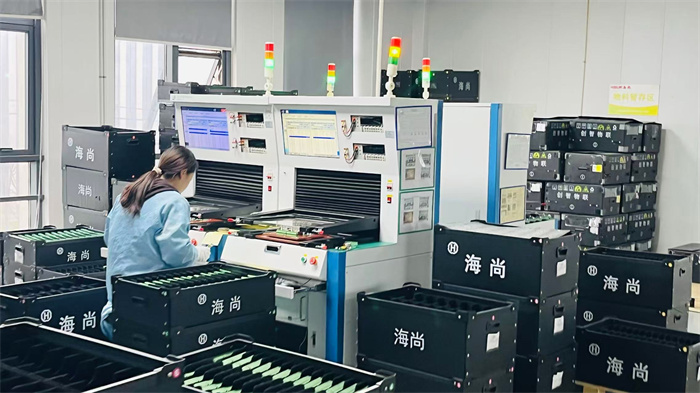 Test
Test
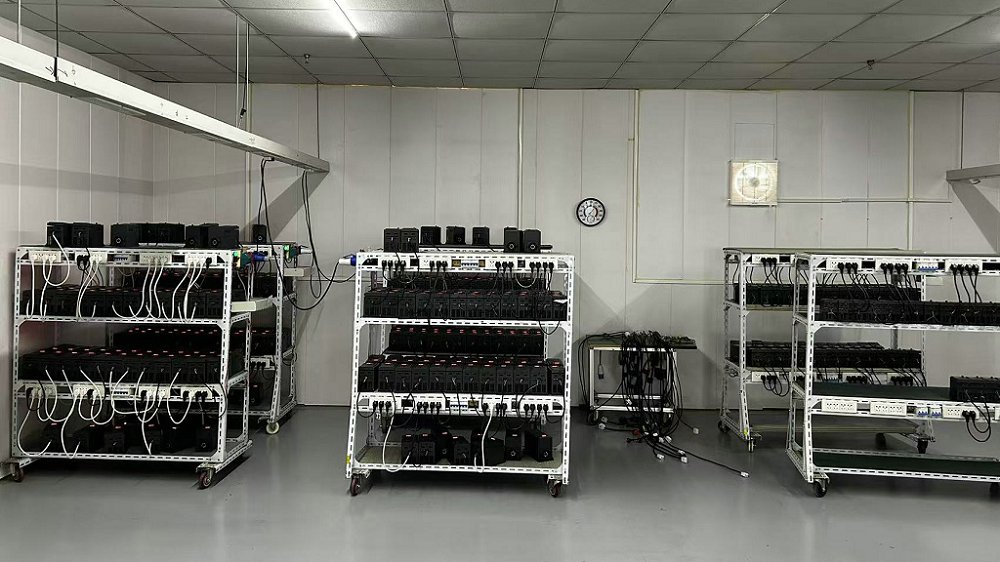 Aging test
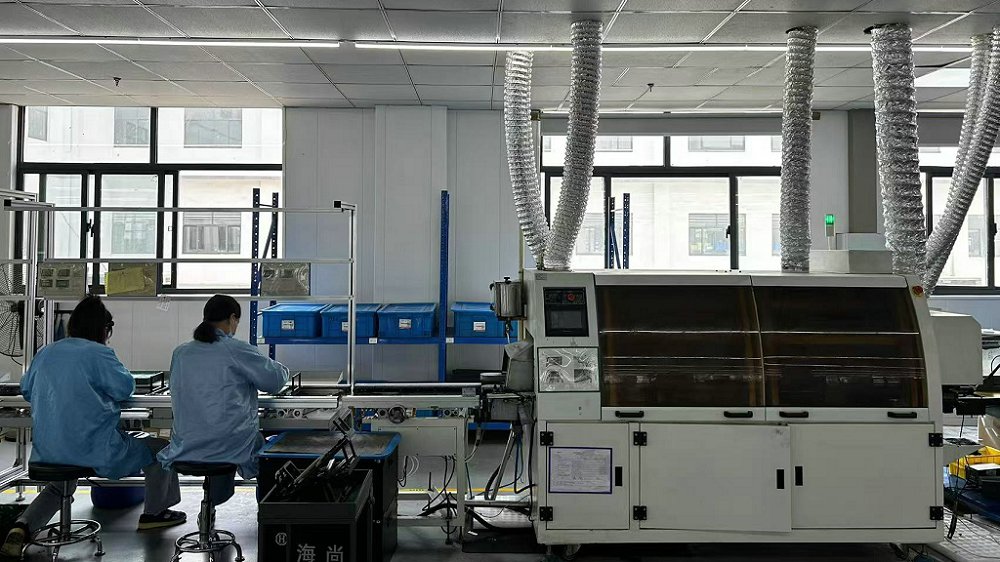 weld
weld
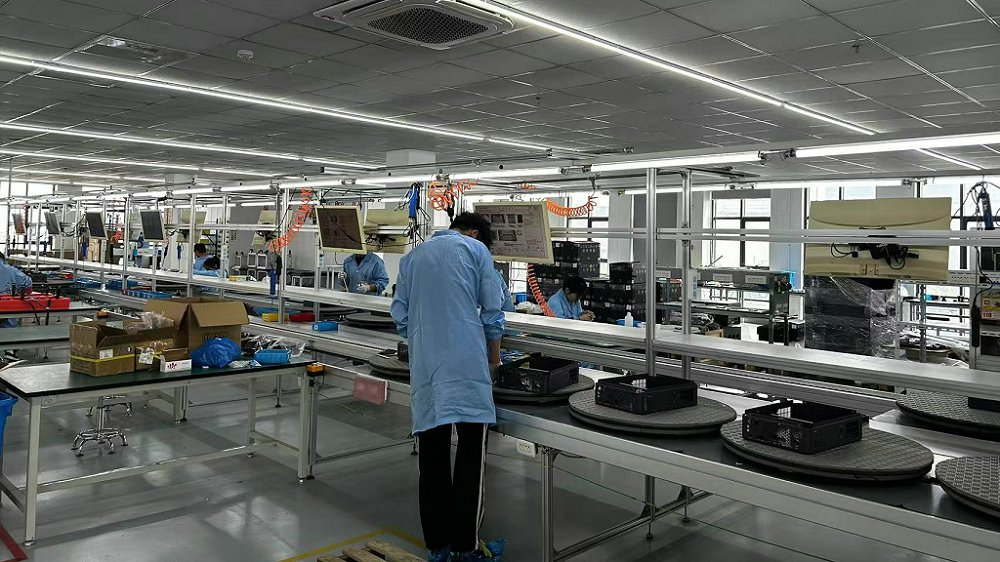 Assembly
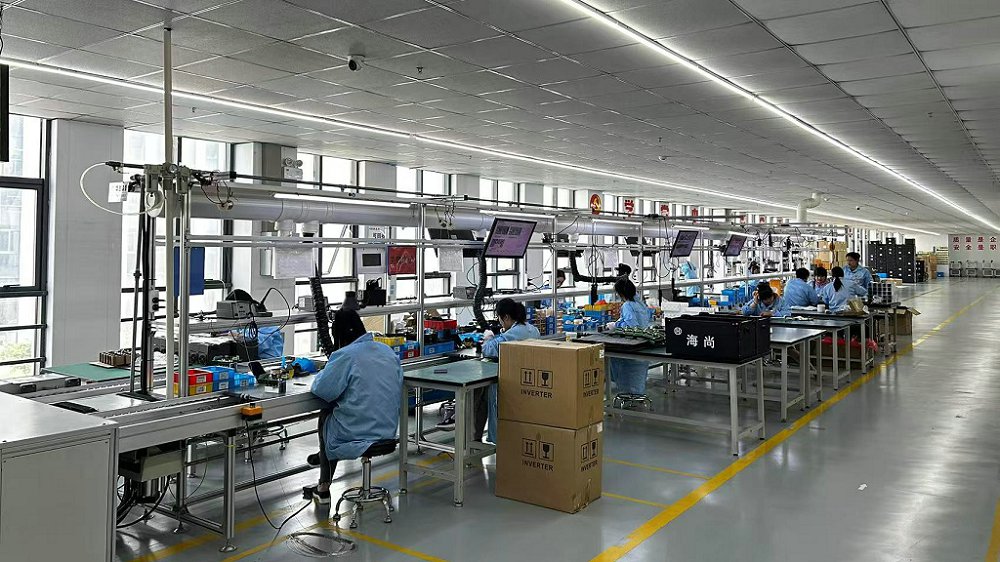 Assembly
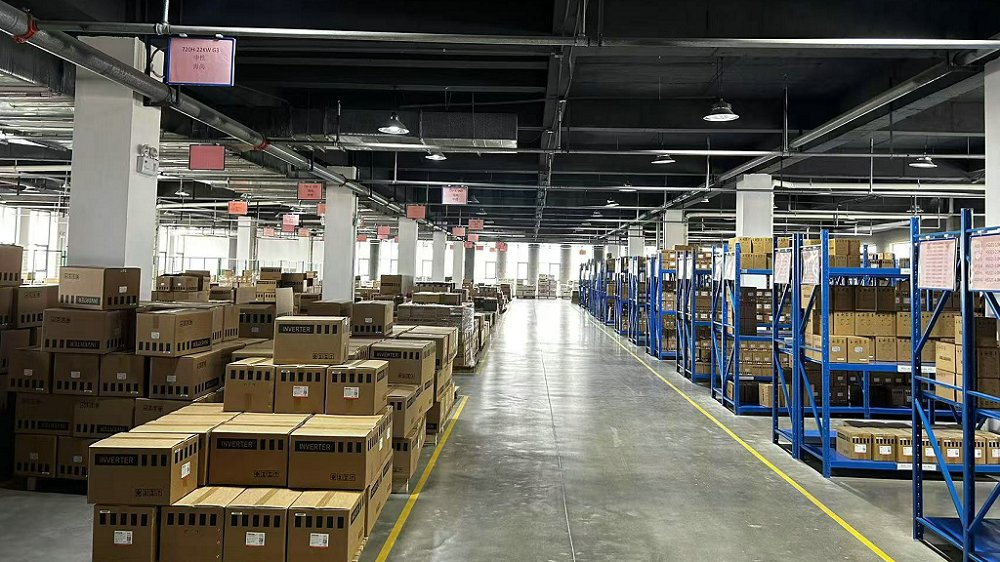 Finished product
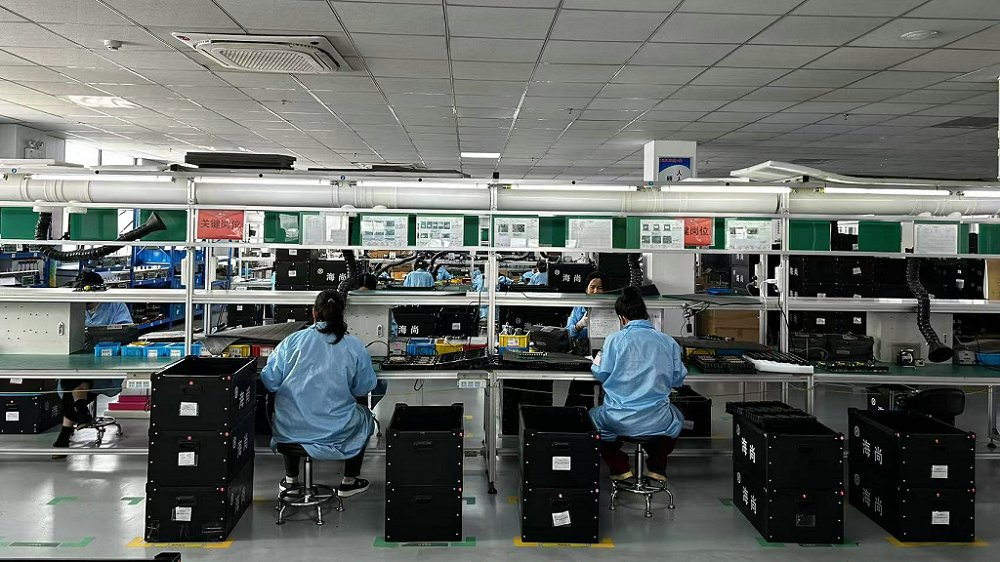 Plate making line
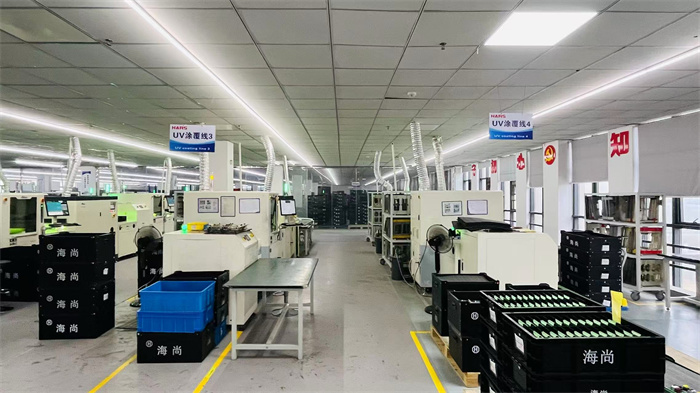 UV coating line
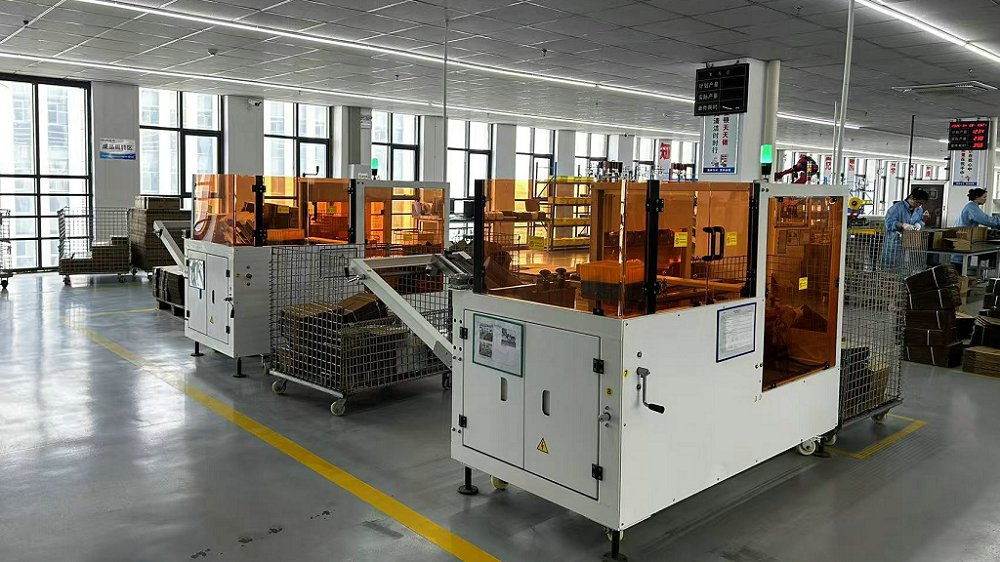 Box opening machine
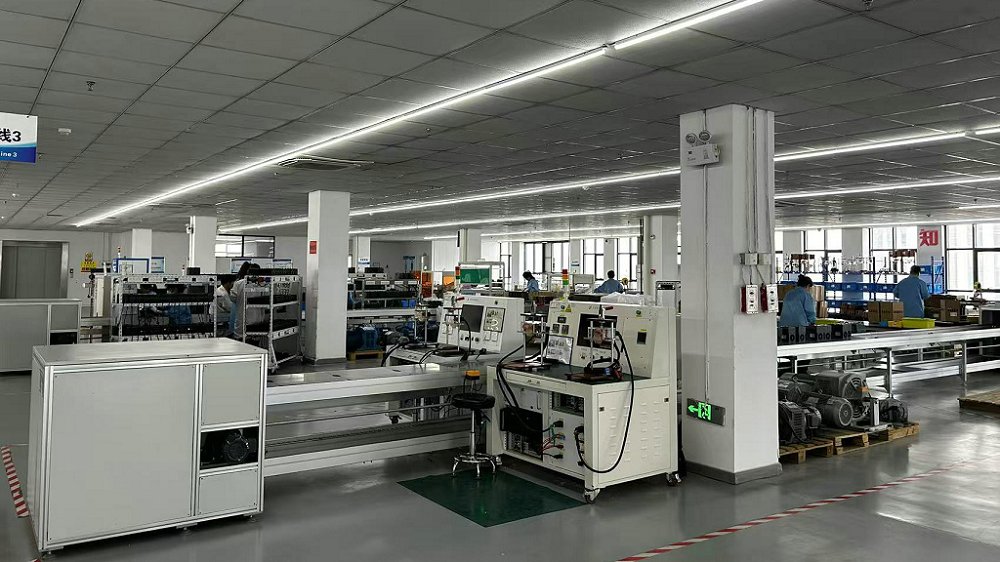 packaging line
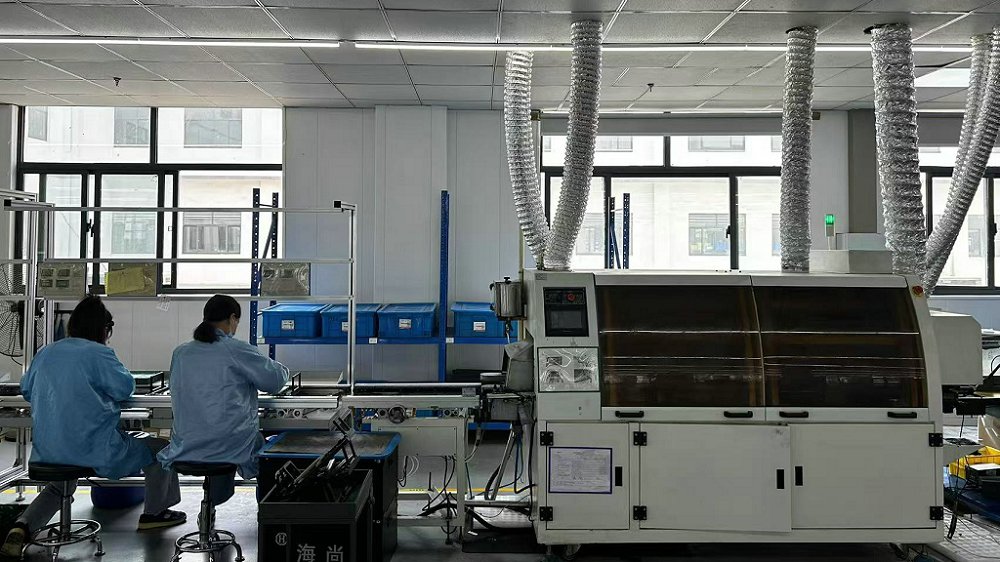 Dip welder
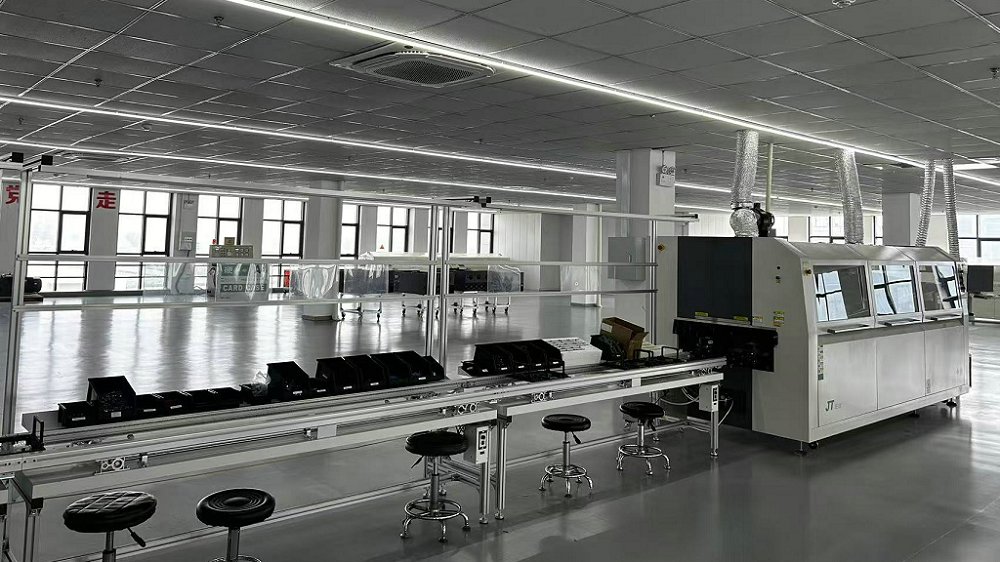 Production line
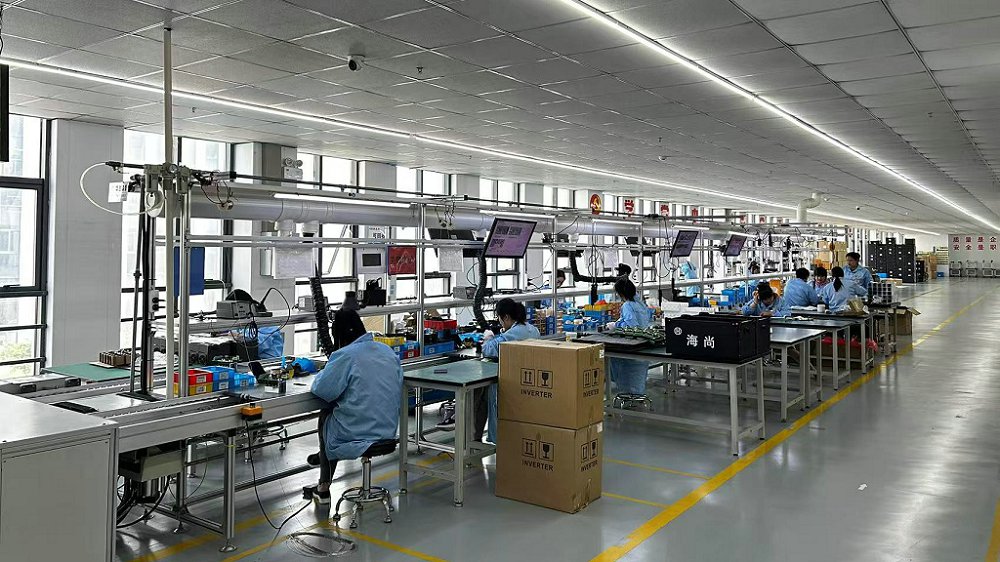 Assembly line
The convergence of solar thermal collectors, solid-state battery chemistry, and high-voltage string designs.
As the solar energy market moves beyond grid parity, technological optimization centers on system intelligence and high-efficiency thermodynamic transfer. Over the next 5 years, three major shifts will define the performance benchmark for industrial solar installations:
| Technology Sector | Current Industry Standard | Next-Gen Target (2025–2030) | Operational Value-Add |
|---|---|---|---|
| Solar Collectors (Thermal) | Flat Plate / Evacuated Tube (60-70% Efficiency) | Hybrid PVT & CPC Glass-Free Collectors (>80% overall efficiency) | Double output footprint; supplies electricity and domestic hot water simultaneously. |
| Energy Storage Chemistry | Liquid LiFePO4 cells (3000-5000 cycles) | Semi-solid / Solid-State Cells (>8000 cycles at 90% DoD) | Eliminates thermal runaway risk, lowering facility insurance premiums. |
| System Voltage Architecture | 1000V DC maximum input | 1500V DC smart string systems | Reduces balance-of-system (BOS) cabling costs by up to 30%. |
A commercial installation using a Jonas PVT hybrid setup showed that when extracting thermal energy at 45°C, the cell temperature of the PV layer dropped by 18°C compared to a standard PV layout. This decrease in operating temperature led to a net annual electricity production increase of approximately 12.6%. The captured thermal energy was redirected to an absorption chiller, lowering the facility's HVAC costs by 22%.
Clear, authoritative answers to the most common engineering and procurement questions regarding hybrid solar thermal and energy storage systems.
Explore our complete PV systems, high-voltage connectors, smart meters, and containerized industrial scale solutions.
 Jonas Energy