The global energy landscape is undergoing an irreversible transition toward carbon neutrality, transforming the function of the solar inverter from a simple power conversion tool to the highly sophisticated brain of modern energy ecosystems. Driven by breakthroughs in high-density wide-bandgap (SiC and GaN) semiconductor architectures, modern solar inverters achieve conversion efficiencies exceeding 99%. Simultaneously, grid systems demand dynamic active/reactive power control, high-frequency synchronization, and fast-frequency response to manage the systemic volatility of renewable energy generation.
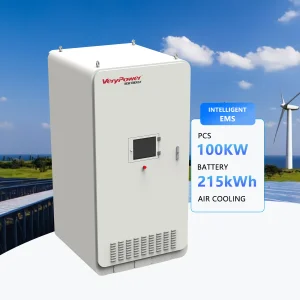
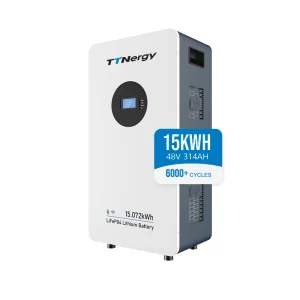
Traditional grid-tied inverters are rapidly being replaced by intelligent hybrid models that integrate PV generation, battery storage, and smart microgrid controls. These hybrid inverters handle bi-directional energy flows and feature sub-millisecond response times to switch between grid-connected and off-grid modes. System integrators now require hybrid units with built-in Energy Management Systems (EMS) and Power Conversion Systems (PCS) to support high-capacity battery chemistry (specifically LiFePO4), ensuring smooth operation during peak shaving, demand response, and backup power phases.
For international buyers and project EPCs, CE certification is not merely a legal requirement—it is a baseline indicator of product safety, quality, and grid compatibility. Compliance with European directives—specifically the Low Voltage Directive (LVD 2014/35/EU), Electromagnetic Compatibility (EMC 2014/30/EU) Directive, and safety standards like EN 62109-1 and EN 62109-2—ensures that solar inverters can withstand extreme voltage spikes, manage heat dissipation, prevent hazardous electrical faults, and minimize electromagnetic interference with neighboring equipment.
Established as a global pioneer in renewable energy manufacturing, Xiamen Jonas Energy Co., Ltd. (headquartered in the high-tech industrial hub of Xiamen, Fujian Province, China) is a professional provider of advanced solar energy storage solutions. We specialize in the R&D, manufacturing, and global exportation of high-efficiency solar panels, hybrid inverters, intelligent battery storage systems, and comprehensive mounting equipment.
By coordinating with tier-1 component suppliers and maintaining deep technical partnerships, Jonas Energy provides gigawatt-scale production capability without sacrificing structural customization. Our engineering expertise covers everything from residential wall-mounted batteries to outdoor containerized Energy Storage Systems (ESS) for commercial microgrids, ensuring energy independence and financial returns for projects globally.
Certified compliance with ISO9001 and ISO14001 guidelines. Our manufacturing processes include complete testing and tracking protocols from raw material procurement to final system burn-in tests.
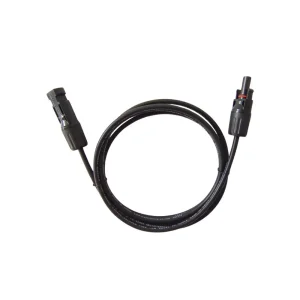
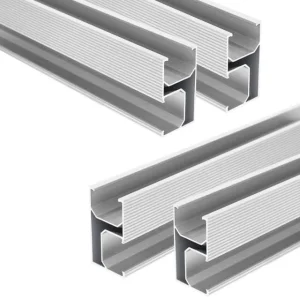
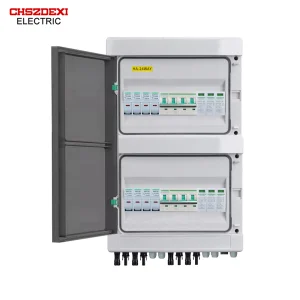
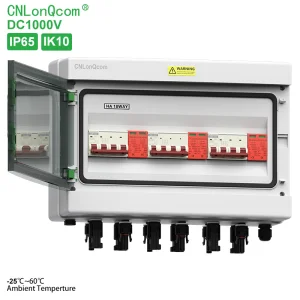
One-stop solution design covering initial system layout, safety component matching (breakers, combiner boxes), optimized mounting rail selection, and post-installation technical support.
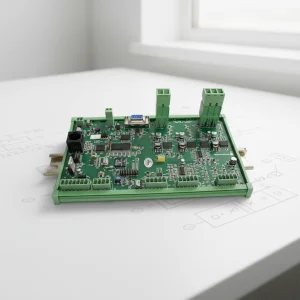
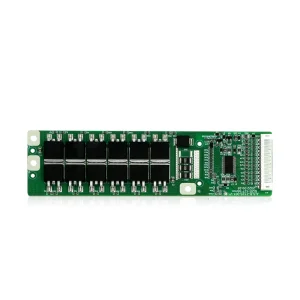
Jonas Energy’s advanced manufacturing facilities leverage automated production, optical alignment, and real-time environment-controlled chambers. This reduces thermal variance during welding and assembly, preventing micro-fractures in electronic connections. Every single inverter module and BMS board is subjected to automated aging chambers to identify potential early-stage failures before shipping. This focus on reliability ensures our units consistently deliver up to 25 years of operational life in harsh outdoor conditions.
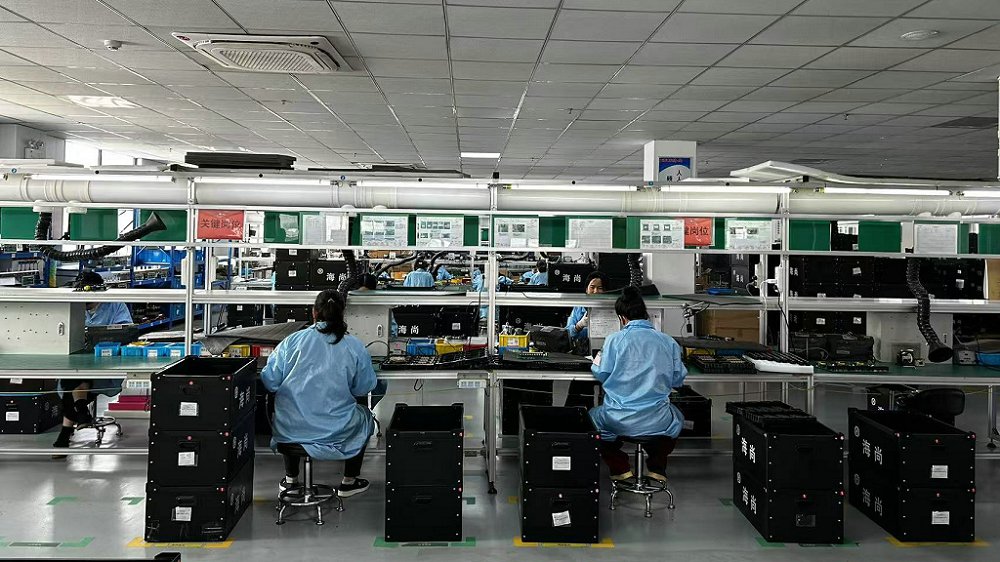
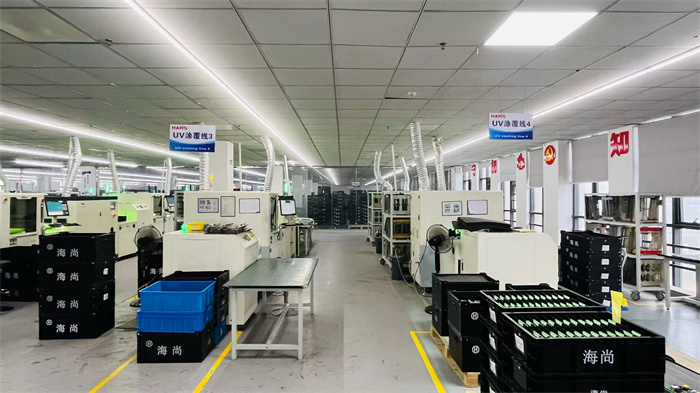
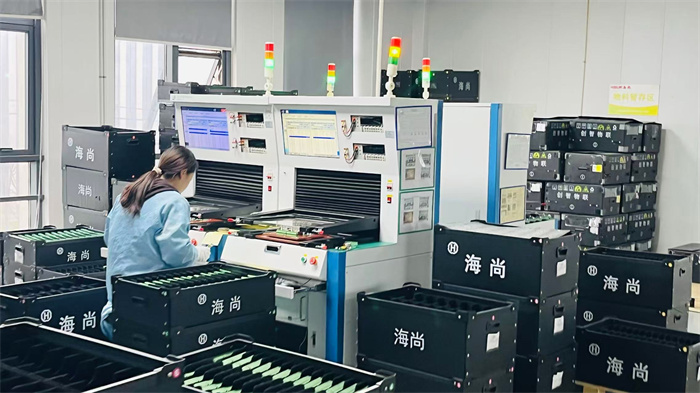
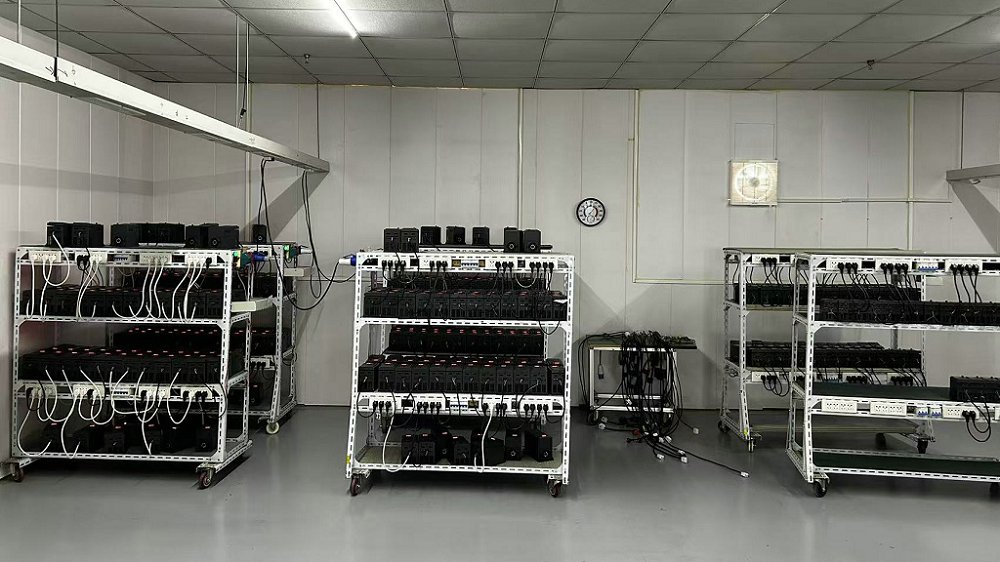
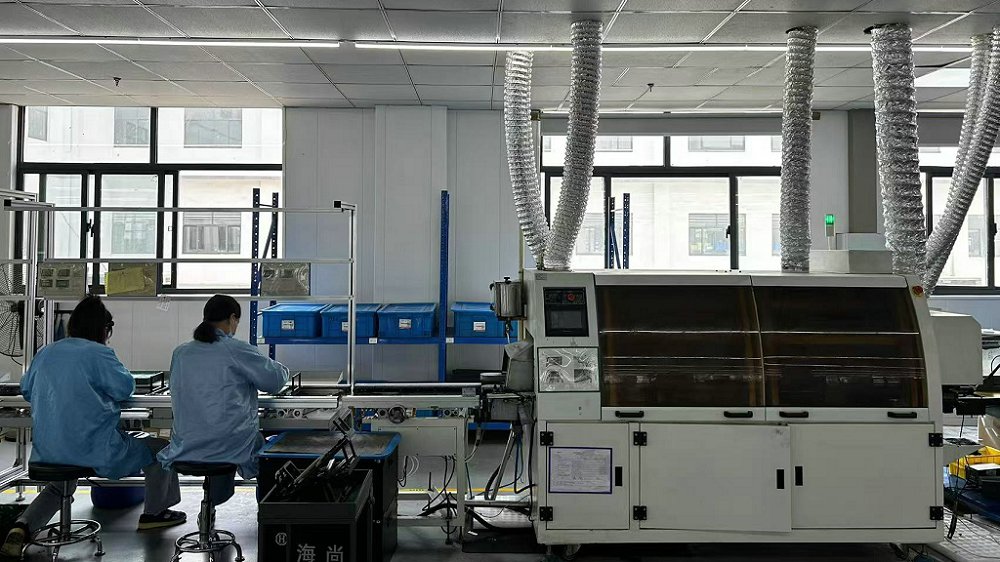
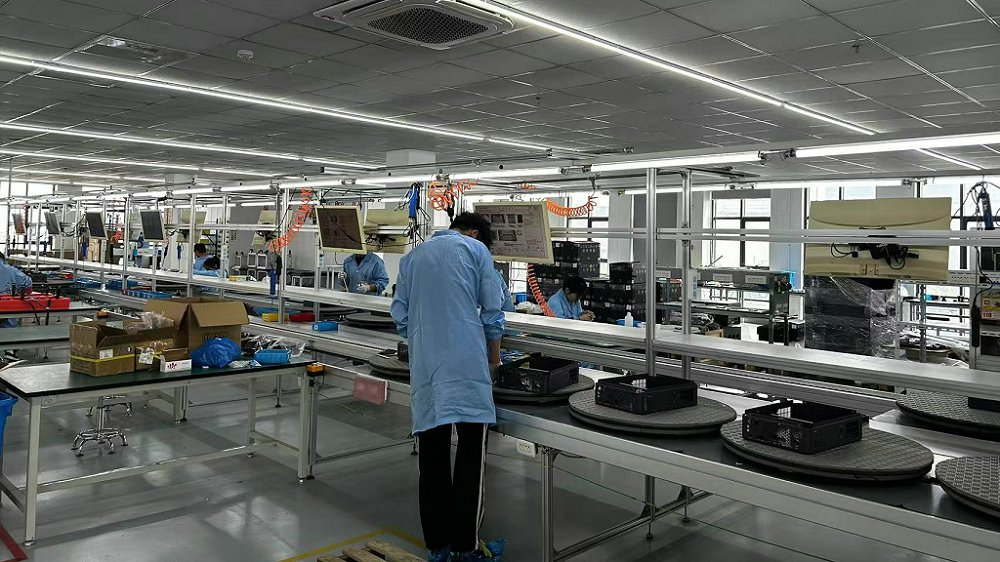
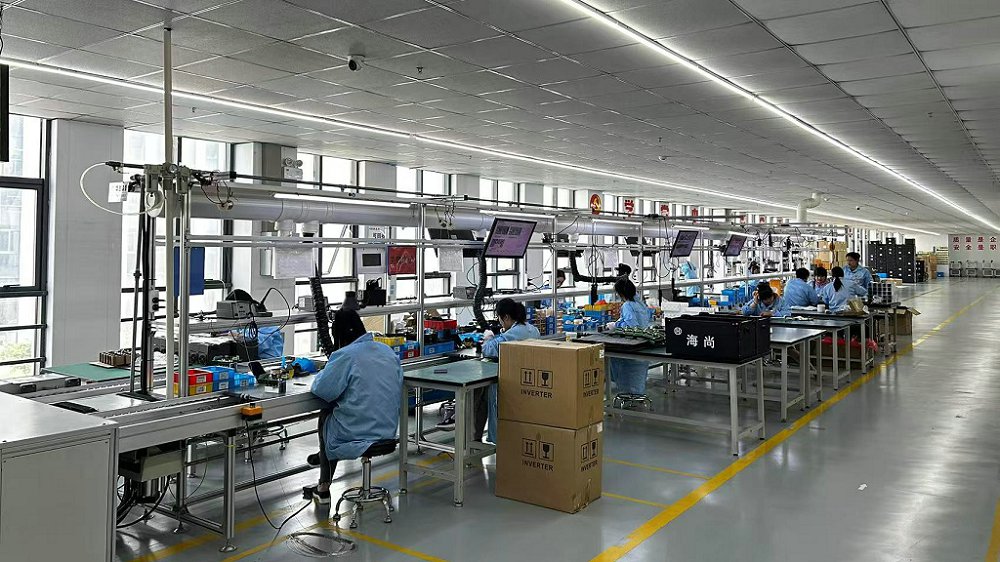
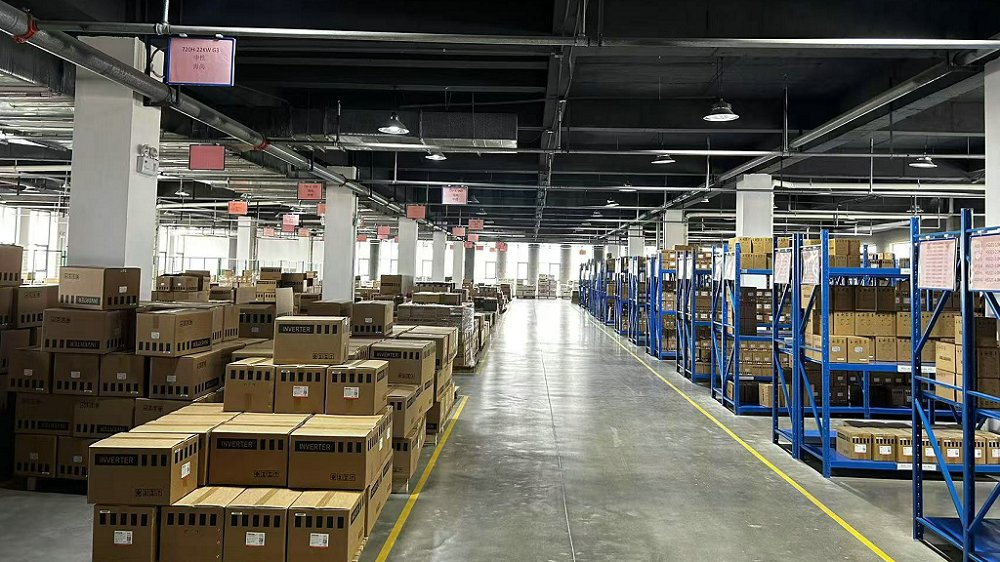
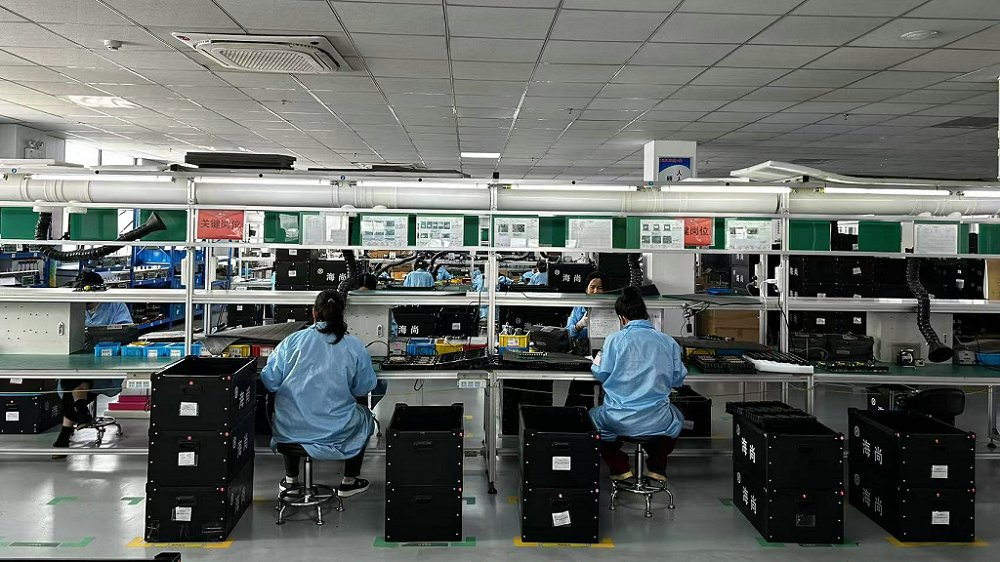
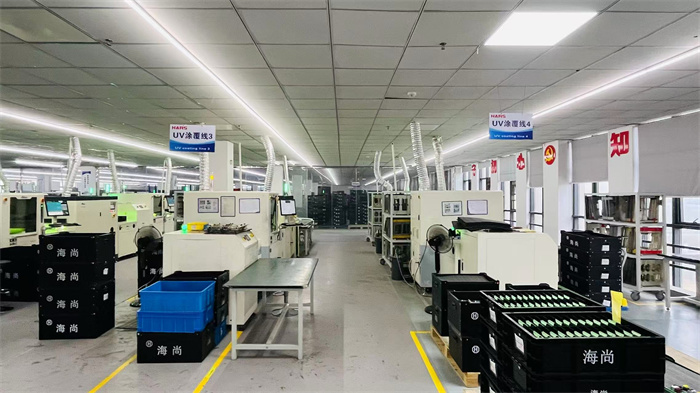
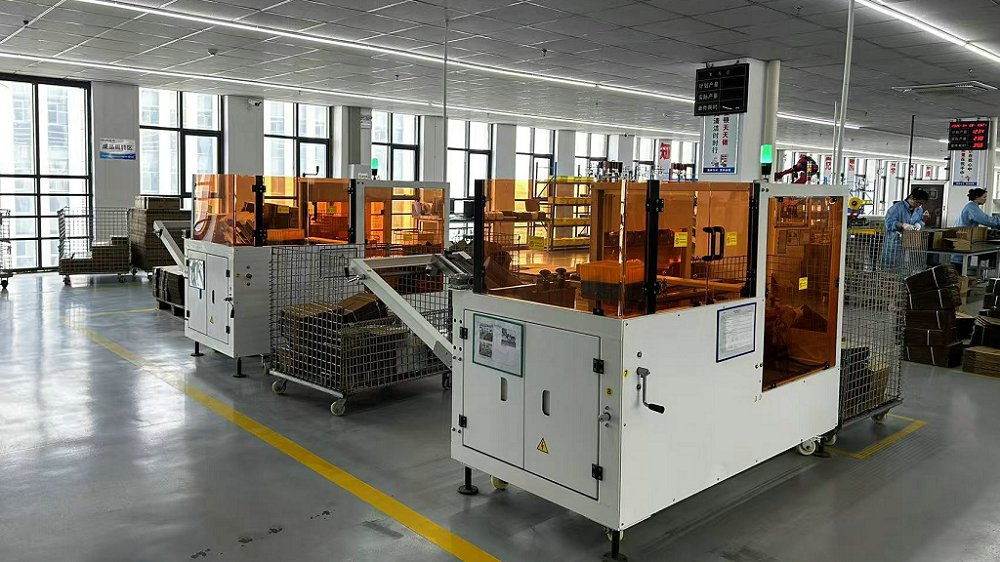
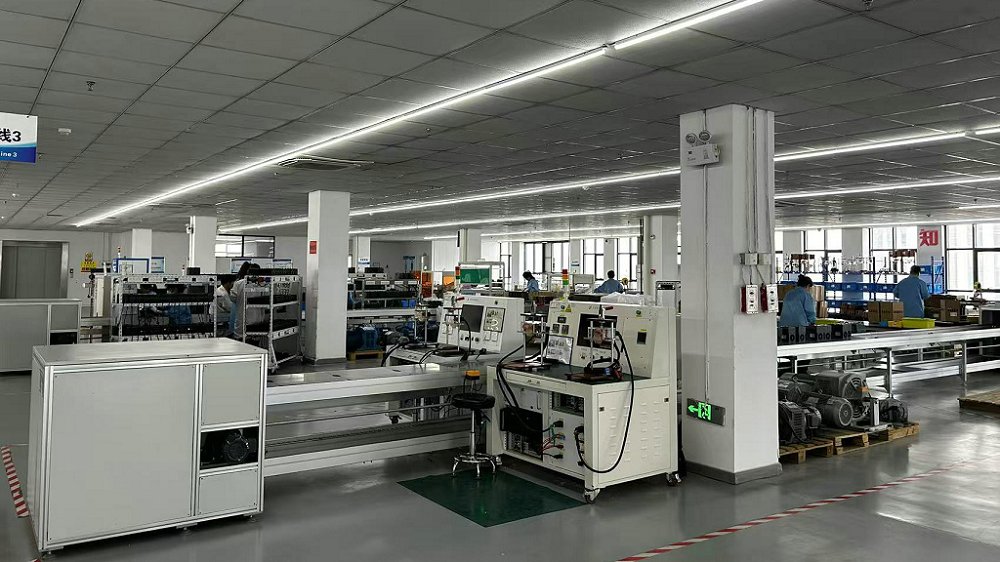
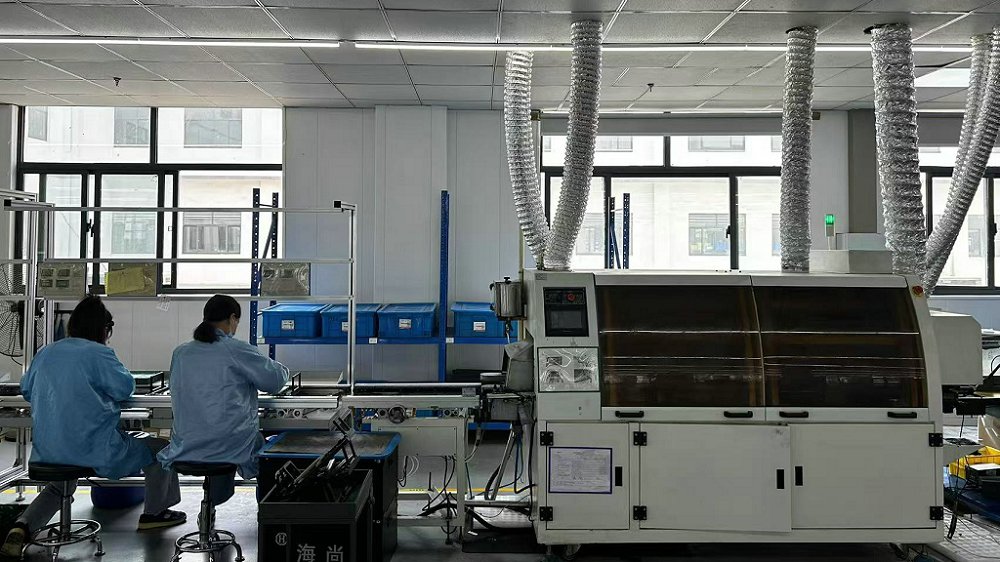
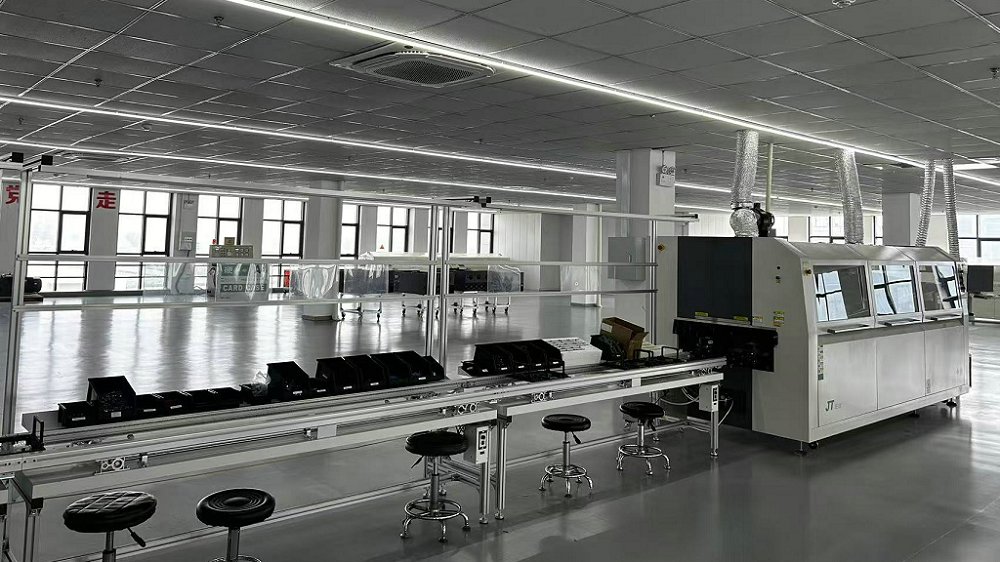
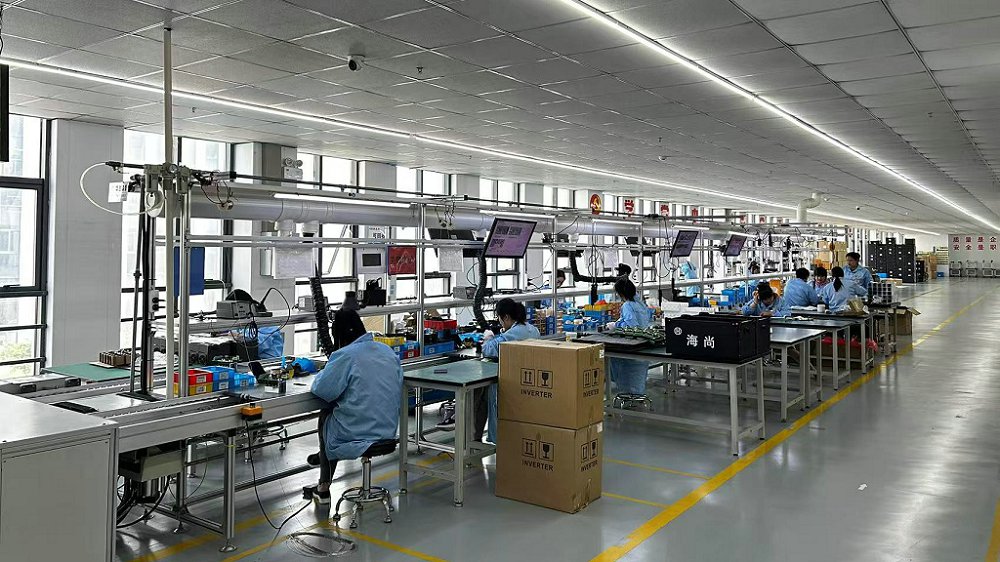
Global procurement teams in the solar sector require high supply chain transparency, reliable component sourcing, and price predictability. As international raw material and silicon wafer prices fluctuate, China's Factory 4.0 infrastructure provides stable pricing and consistent material availability. Xiamen Jonas Energy maintains strong relationships with local semiconductor, metal fabrication, and lithium battery cells markets to guarantee on-time deliveries and continuous post-sales service.
| System Type | Typical Applications | Thermal Strategy | Grid Protection Compliance | Scalability Capacity |
|---|---|---|---|---|
| Hybrid Inverters (Single Phase / 3-Phase) | Residential Energy Independence, Rural Clinics | Smart Air Forced Cooling | EN62109-1/-2, VDE-AR-N 4105 | Up to 30kW Per Inverter Stack |
| Commercial & Industrial ESS (50kW-100kW) | Peak Shaving, Microgrid, EV Stations | Dual Air/Liquid Integrated Option | CE, IEC 62619, UN38.3 | Multi-container stacks (MWh) |
| Liquid Cooled ESS Containers (215kWh+) | Utility Scale Peak Load Management | Active Liquid Glycol Coolant | Grid-forming standard compliance | Scalable up to multi-MW installations |
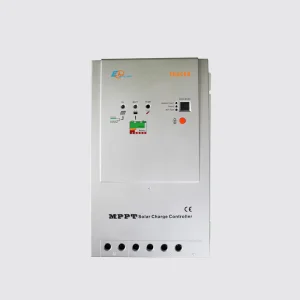
1. Off-Grid Remote Microgrids: Using high-power hybrid solar controllers and outdoor commercial battery configurations to provide constant 380V power in remote, weak-grid zones, without requiring diesel generators.
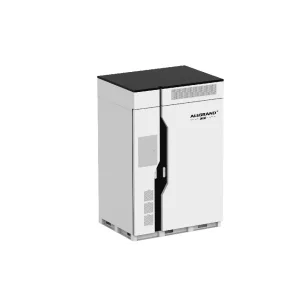
2. C&I Peak Shaving in Western Europe: Integrating IP54 commercial container batteries with fast CAN-bus BMS networks allows plants to store low-rate off-peak energy and use it during high-rate peak periods, lowering demand charges and overall energy costs.
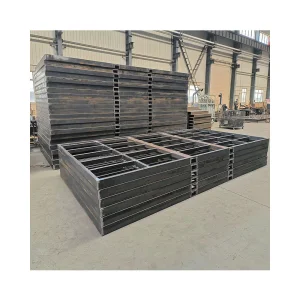
3. Heavy-Duty Steel Solar Mounting Solutions: Using ISO9001-certified hot-dip galvanized and high-strength aluminum mounting systems (AL-6005-T5) to support heavy wind and snow loads in challenging marine and high-altitude areas.
Single-phase hybrid inverters (typically ranging from 3kW to 8kW) are widely deployed in standard residential properties that utilize single-phase power distribution. Three-phase hybrid inverters, on the other hand, are the standard configuration for larger commercial, industrial (C&I), and agricultural settings requiring 380V, 400V, or 415V balanced outputs. Three-phase units provide balanced phase currents, avoiding phase imbalance grid charges, and support significantly larger inductive loads like heavy machinery, commercial air conditioning, and water pumps.
CE certification indicates compliance with European harmonized safety, health, and environmental standards. For solar inverters, this requires testing under the Low Voltage Directive (LVD 2014/35/EU), Electromagnetic Compatibility (EMC) Directive (2014/30/EU), and specific standards like EN 62109-1/-2. Without these, utility companies will not allow grid interconnection, and local insurers will not cover the installation, as certified components prevent system faults, fire hazards, and grid disruption.
Active liquid cooling uses glycol-water mixtures circulated through cold plates inside battery racks, keeping temperature differences between cells within a tight ±2°C window. Air cooling relies on fans and air vents, which often results in a wider temperature spread (around 5°C to 10°C). Precise temperature control from liquid cooling reduces cell degradation, prevents localized hotspots, and lowers the risk of thermal runaway, making it highly effective for high-capacity systems like 215kWh commercial containers.
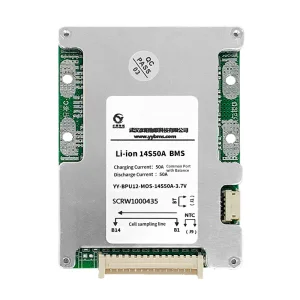
Communication between the inverter and the Battery Management System (BMS) typically relies on CAN (Controller Area Network) or RS485 (using Modbus protocols). These interfaces allow the BMS to transmit real-time cell parameters, State of Charge (SoC), State of Health (SoH), and voltage limits directly to the inverter. If communication fails, the inverter automatically stops charging or discharging. This handshake mechanism prevents overcharging, over-discharging, and cell degradation, protecting the investment of the energy system.
Yes. Mounting systems designed for coastal environments must use marine-grade anodized aluminum (AL-6005-T5 with a minimum anodization thickness of 10-15 microns) or hot-dip galvanized steel (meeting ISO 1461 standards, with zinc coatings thicker than 80 microns). This prevents galvanic corrosion and oxide degradation, keeping the structural frame secure against high coastal wind loads throughout its operational life.
 Jonas Energy