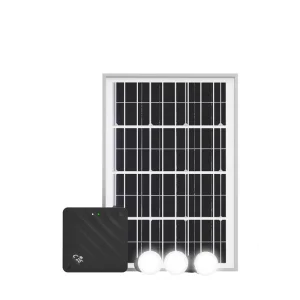
Explore our industrial-grade mounting systems, integrated hybrid inverters, intelligent BMS controllers, and CE-marked distribution units.

In-depth analysis of regulatory shifts, tech trends, and systemic requirements driving global grid transition.
Modern power grids are rapidly shifting from centralized fossil generation to decentralized, intermittent renewable energy. This transition places unprecedented stress on grid stability. Energy Storage Systems (ESS), integrated with sophisticated Battery Management Systems (BMS) and Energy Management Systems (EMS), serve as the vital buffer that guarantees system longevity, thermal safety, and power dispatchability.
At the center of any commercial or residential battery system is the monitoring architecture. As LFP (Lithium Iron Phosphate) remains the chemistry of choice due to its high thermal runaway threshold, managing cell balancing, state-of-charge (SoC), and state-of-health (SoH) is critical. Advanced BMS platforms incorporate predictive ML algorithms to anticipate thermal deviation and cell deterioration before they cause hardware damage or downtime. This predictive management is standard in Jonas Energy's certified solutions.
Static passive balancing dissipates excess energy as heat. Jonas Energy's next-generation BMS integrates dynamic active balancing, transferring charge between cells to maximize pack capacity by up to 12% and extend cell lifespans.
By mirroring physical batteries in the cloud, operators can simulate real-time degradation, predict maintenance windows, and run thermal behavior simulations for utility-scale systems.
Moving from 1000V to 1500V systems lowers balance-of-system (BOS) costs, decreases cable losses, and improves overall power density in large commercial and utility energy projects.
International procurement teams in Europe, North America, and Australia face strict compliance challenges. Standard import regulations mandate CE Certification, specifically covering LVD (Low Voltage Directive 2014/35/EU), EMC (Electromagnetic Compatibility Directive 2014/30/EU), and safety test protocols such as IEC 62619 (safety requirements for secondary lithium cells and batteries in industrial applications).
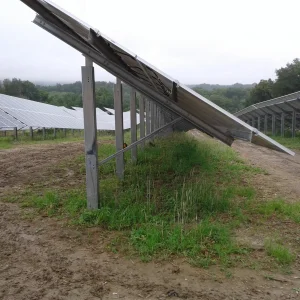
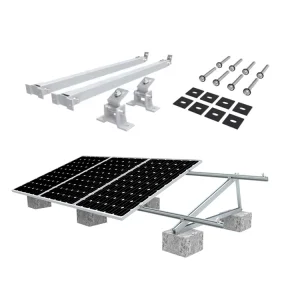
Beyond basic certification, industrial EPCs (Engineering, Procurement, and Construction) demand complete documentation: test reports, manufacturing traceability, safety margins, and structural certificates for environmental hazards like seismic loads and high wind zones. Our racking solutions, including the Wholesale Commercial Single Pole Solar Mounting System, undergo strict structural engineering validation to withstand harsh outdoor conditions over 25-year operational lifespans.
In commercial and industrial sectors, energy storage isn't just backup power; it is an active yield-generating asset. C&I operators leverage storage for:
How Jonas Energy solutions resolve complex operational challenges in different regions.
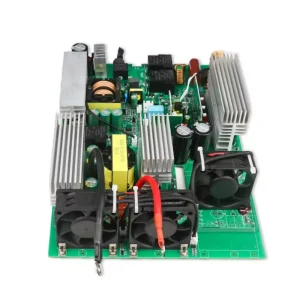
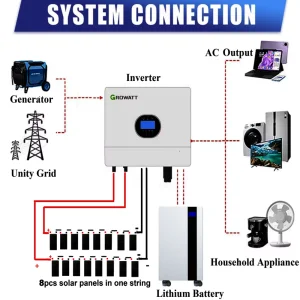
In countries like Germany, Italy, and the UK, retail electricity tariffs are high. Local businesses deploy Jonas Energy’s All in One Solar Inverter Battery systems (6kW-10kW) to maximize self-consumption. Storing surplus daytime solar and using it during evening peaks reduces dependence on external power grids.
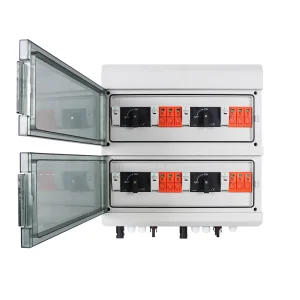
Off-grid operations in Southeast Asia require rugged, high-reliability equipment. Combining WSDB-PV4/4 1000V Combiner Boxes with customizable LFP batteries provides reliable power distribution and lightning surge protection in high-humidity, coastal environments.
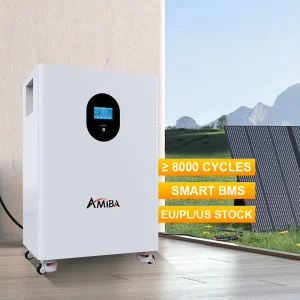
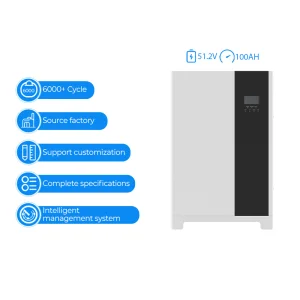
North American factories deal with steep demand charges based on peak usage. By installing high-capacity 10KWh - 15KWh Power Wall units equipped with integrated smart BMS, commercial facilities cap peak demand draw, significantly reducing utility bills.
Discover Xiamen Jonas Energy Co., Ltd.: Professional Renewable Energy Provider & Advanced Manufacturing Facilities.
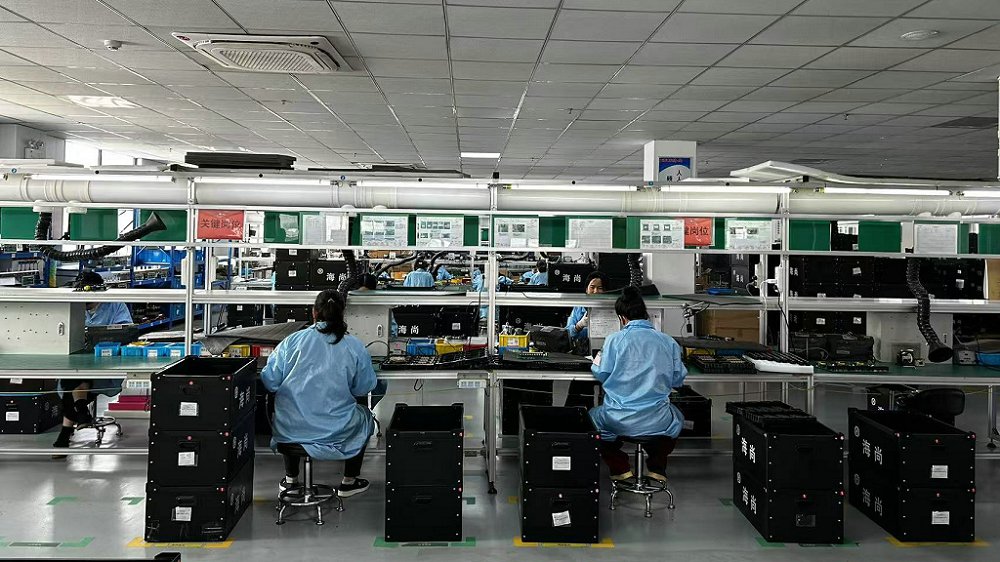
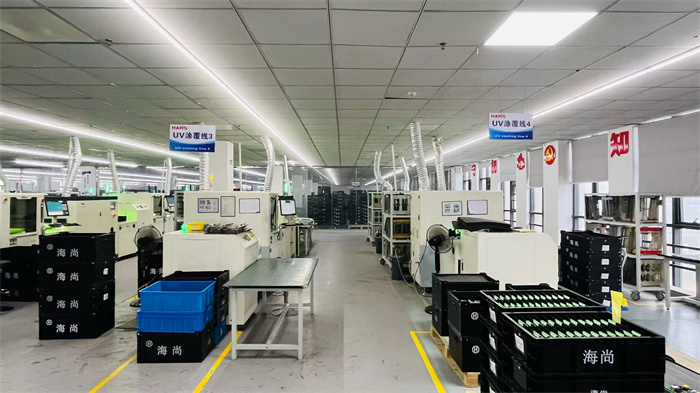
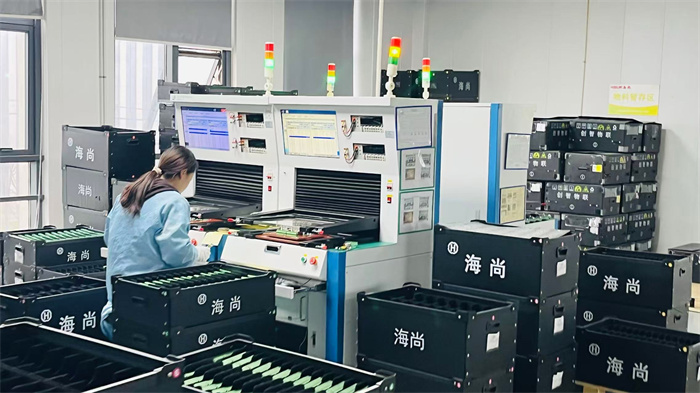
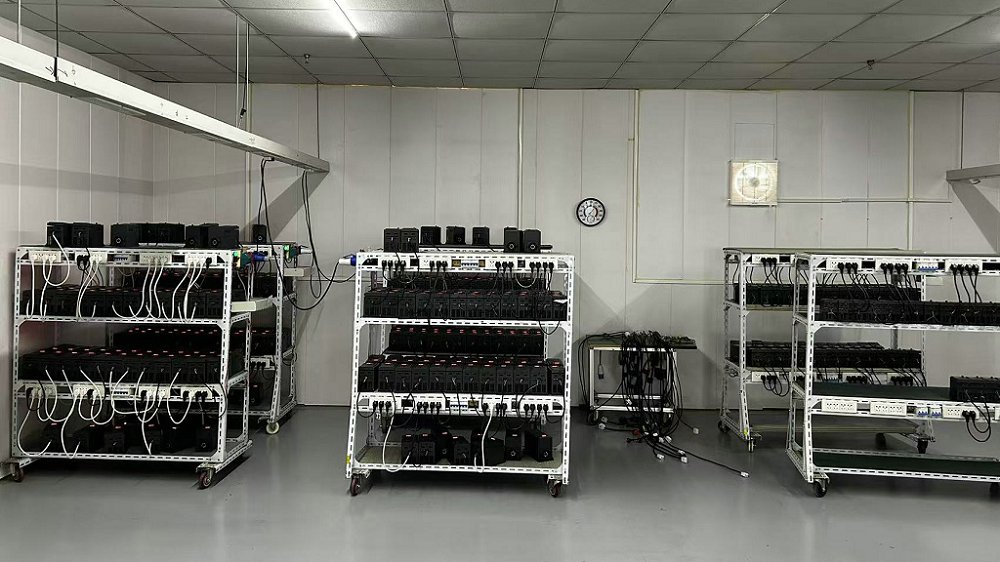
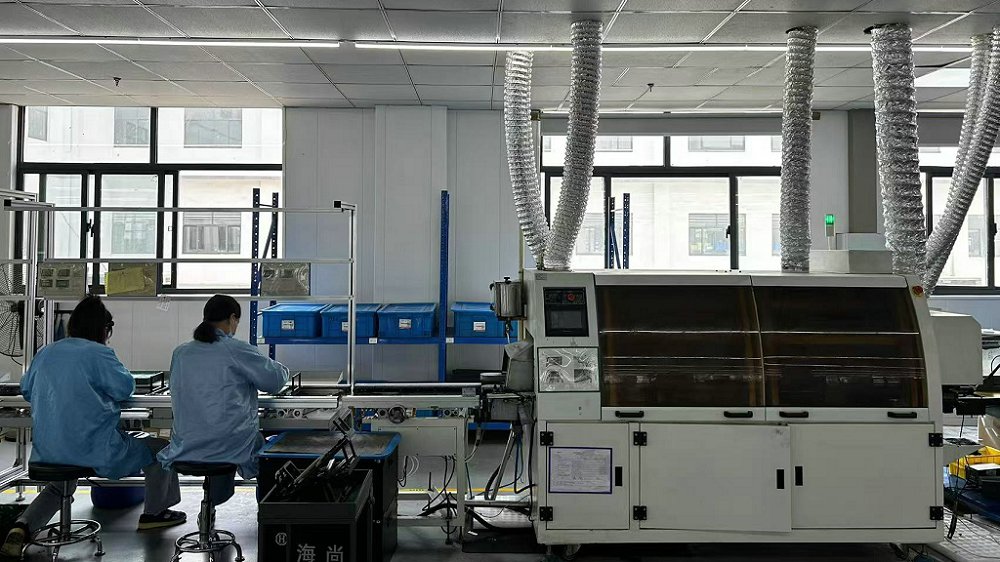
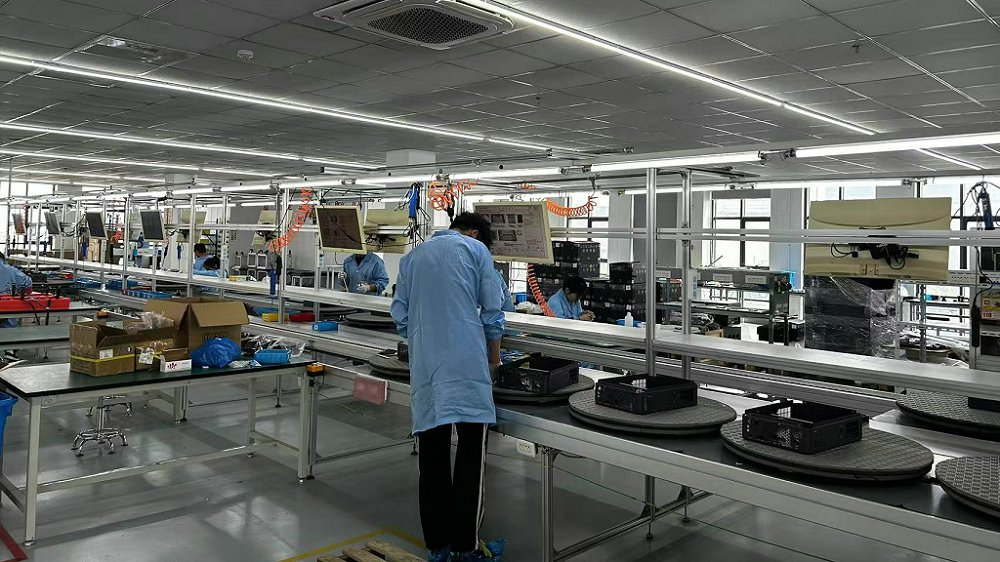
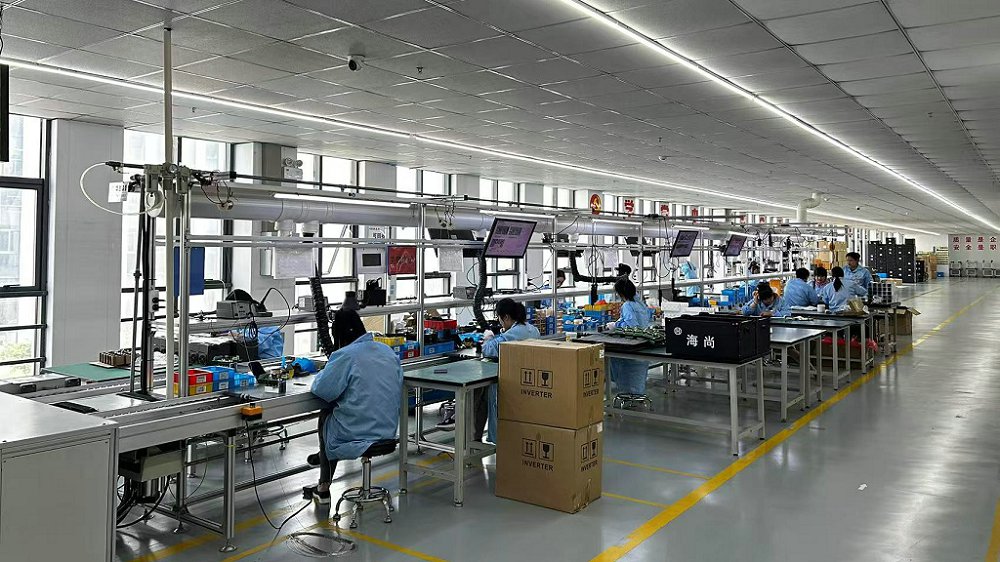
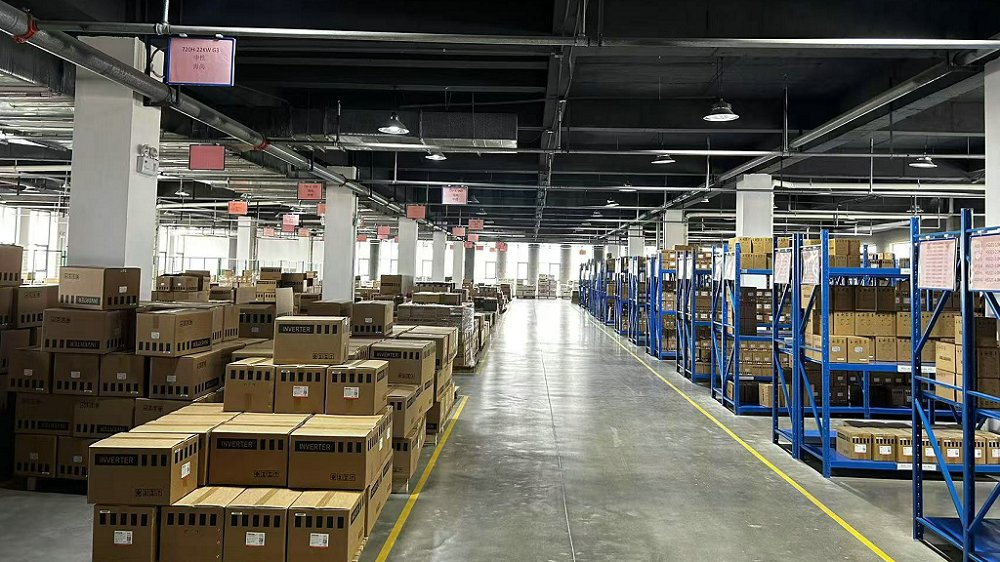
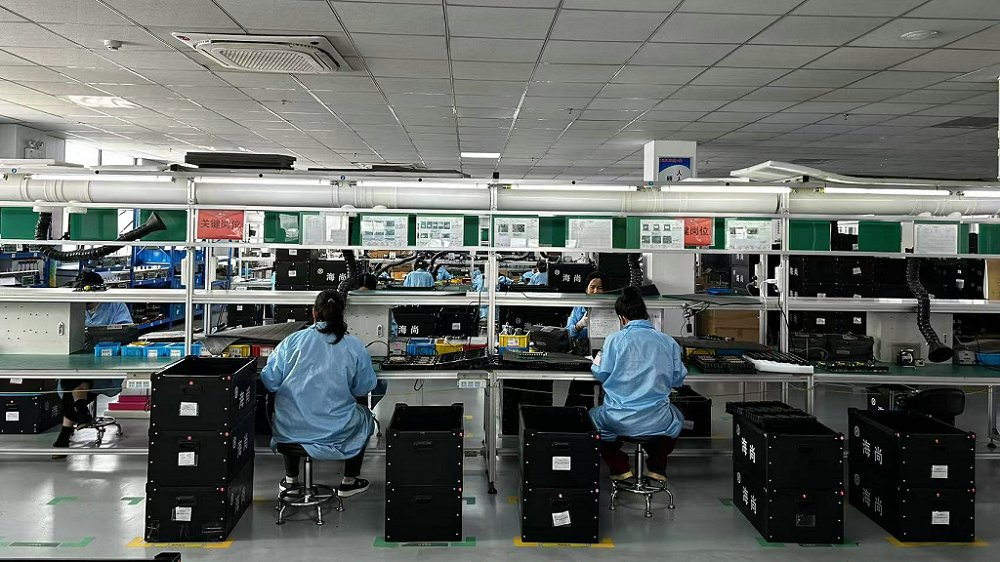
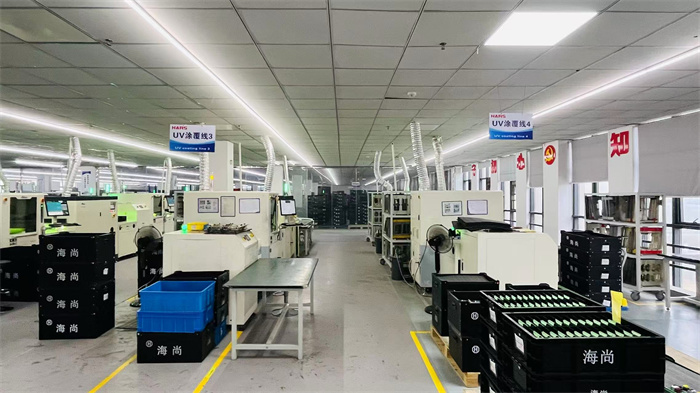
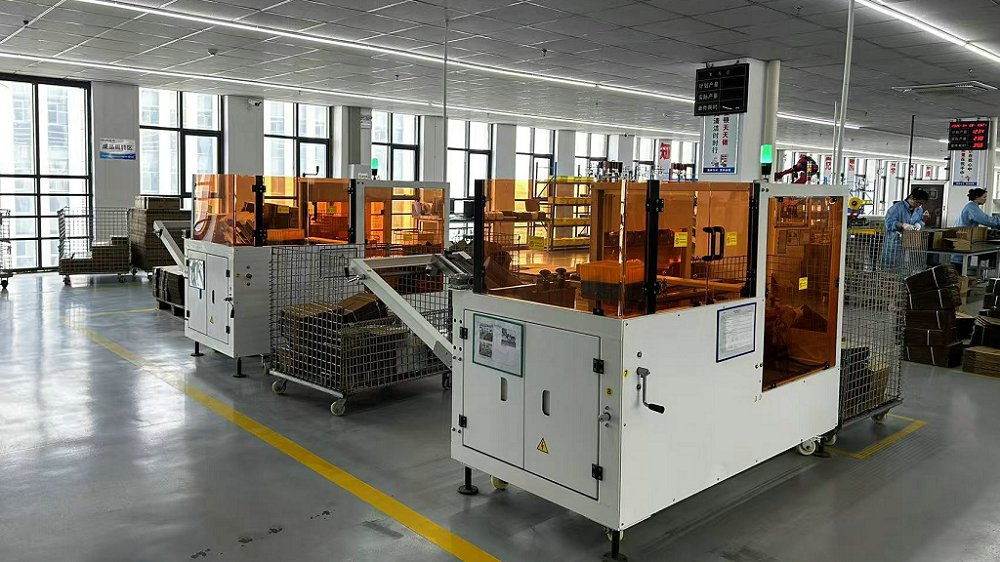
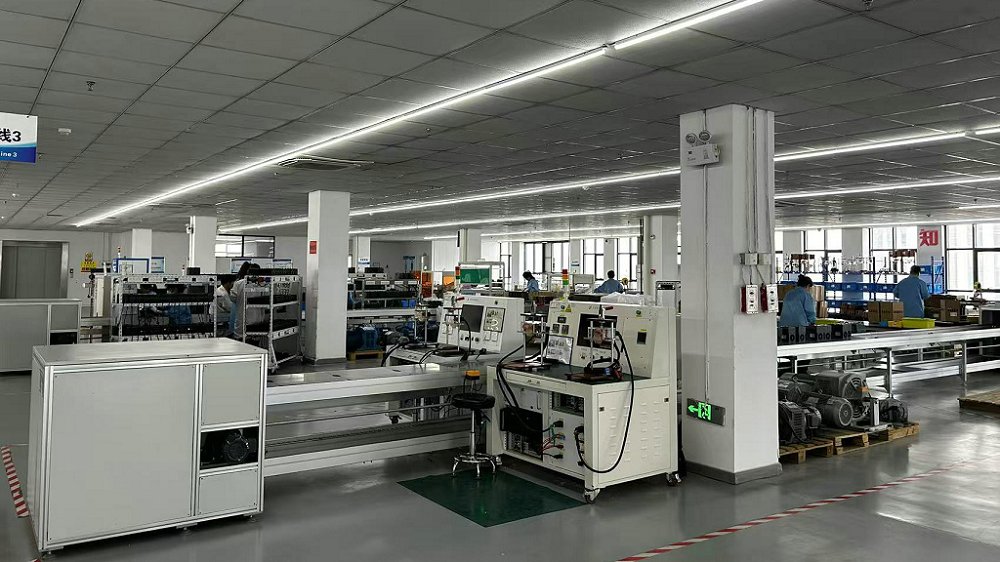
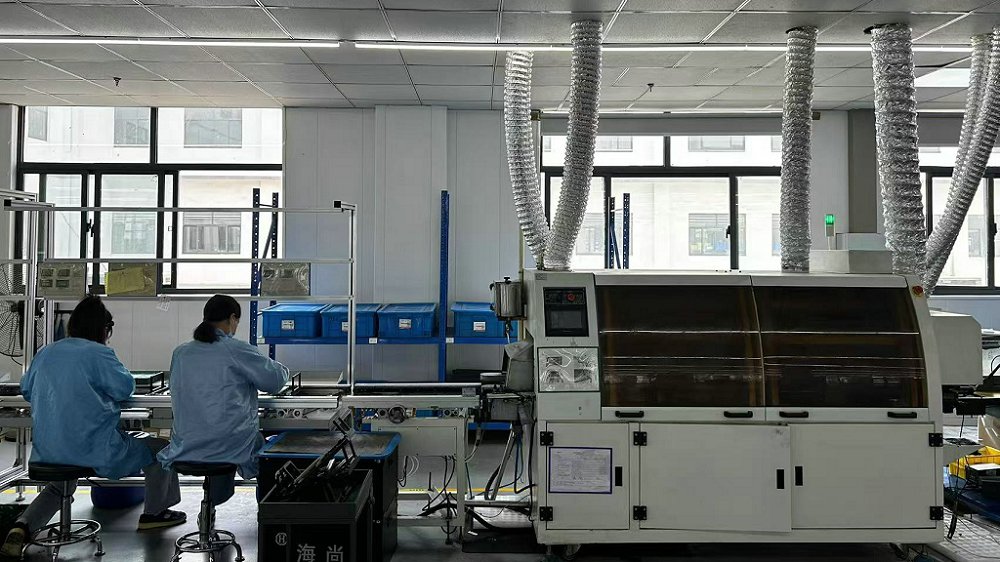
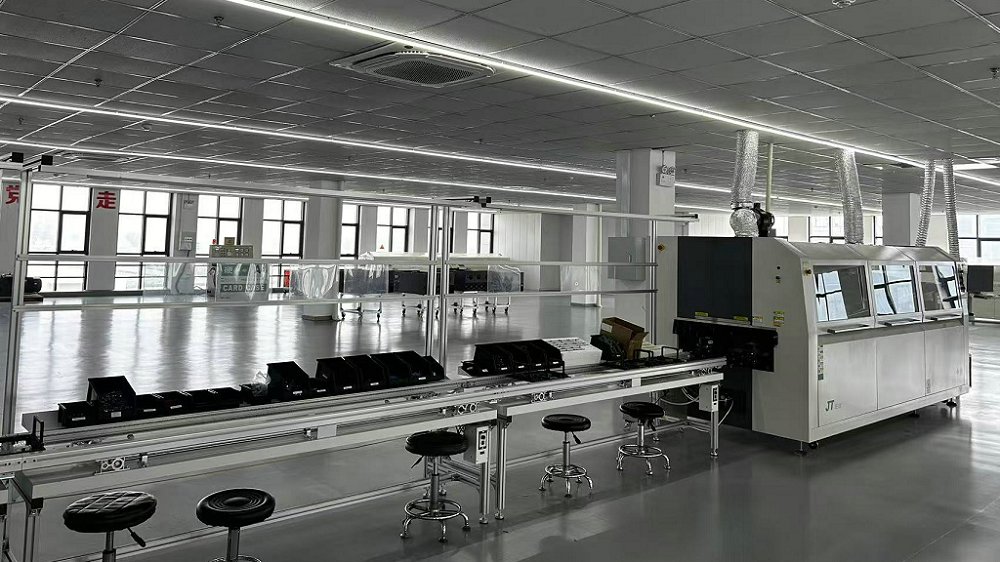
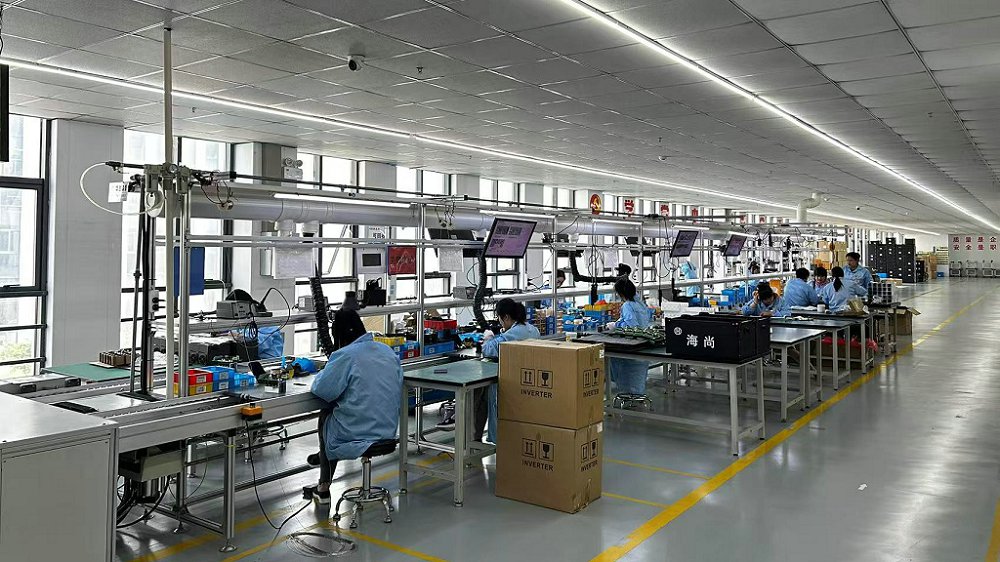
Xiamen Jonas Energy Co., Ltd. is a provider of renewable energy solutions headquartered in Xiamen, Fujian Province, China. We specialize in the research, development, engineering, manufacturing, and global distribution of advanced photovoltaic and energy storage systems. Our catalog spans residential solar systems, C&I containerized batteries, SMT assembly of specialized battery management system boards (BMS), combiner boxes, and mechanical mounting structures.
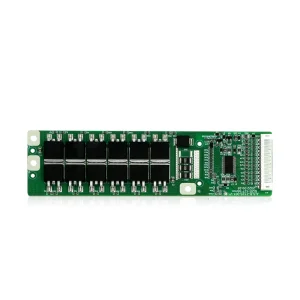
Through our Factory 4.0 production guidelines, we manage every step of our supply chain to ensure product quality and quick turnaround times. We run state-of-the-art SMT (Surface Mount Technology) lines with heavy copper options (1-6 oz) for high-power applications, ensuring our PCBA (like the JK BMS 200A PCBA) handles high-current cycles without thermal issues. Automatic UV coating, dip welding, and multi-stage testing processes guarantee that every component leaving our facility is built to perform in the field.
Common questions from solar engineers, EPC buyers, and industrial power system integrators.
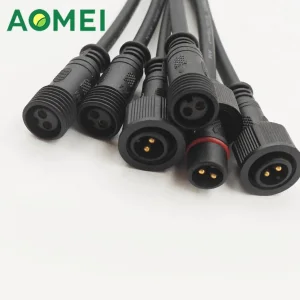
Explore our heavy-duty connectors, advanced PCBA modules, and multi-string combiner boxes built for utility and off-grid performance.

 Jonas Energy