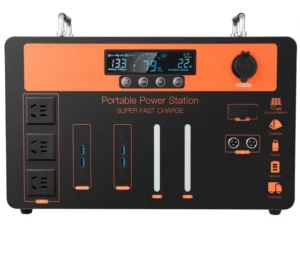
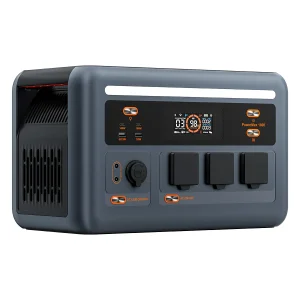
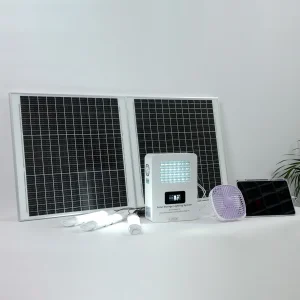
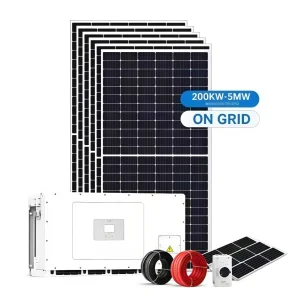
Engineered to operate reliably under variable solar radiation profiles, ensuring uninterrupted backup and primary power.
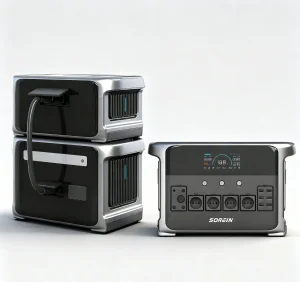
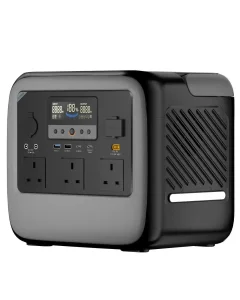
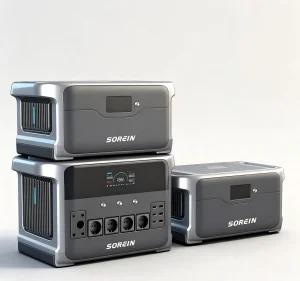
The Republic of Ireland is currently undergoing a structural transformation in its national energy architecture. The Irish Climate Action Plan mandates target cuts in carbon emissions across commercial, agricultural, and residential sectors. Historically dependent on centralized thermal power generation, Ireland’s decentralized commercial entities are rapidly pivoting toward hybrid, off-grid, and mobile photovoltaic solutions. This pivot is driven by several key local dynamics:
“Transitioning from liquid fossil fuels to high-capacity portable solar generators is no longer just an environmental decision; it is a critical operational strategy to de-risk supply chains and shield businesses from volatile grid prices.” — Industry Analysis, Jonas Energy
Global procurement teams in the UK, Europe, and Ireland look at parameters far beyond battery capacity. For a portable power asset to be classified as industrial-grade, it must exhibit high round-trip efficiency, advanced thermal management, and reliable inverter duty cycles. Key technical requirements include:
Unlike standard Lithium-ion batteries which are prone to thermal runaway, Lithium Iron Phosphate (LiFePO4) chemistry ensures safety under high-ambient heat or sub-zero operating environments. With cycle lifespans exceeding 3,000 to 6,000 charges at 80% Depth of Discharge (DoD), LiFePO4 represents the lowest Total Cost of Ownership (TCO) for commercial operators.
Industrial machinery, sensitive medical gear, and telecom transceivers are highly susceptible to electromagnetic interference. Cheaper modified sine wave inverters risk damaging internal circuitry. High-quality systems leverage Pure Sine Wave inverters to provide clean, grid-equivalent electricity.
A global leader in renewable energy solution engineering, blending Factory 4.0 automation with meticulous quality assurance.
Headquartered in Xiamen, Fujian Province, China, Xiamen Jonas Energy Co., Ltd. is a high-tech manufacturer specializing in advanced solar panels, smart inverters, and containerized energy storage systems. Our annual production capacity reaches multiple gigawatts, enabling us to support utility-scale and wholesale distribution demands globally.
To meet strict European CE, IEC, and TUV standards, our production lines operate under strict quality management frameworks. Key manufacturing highlights include:
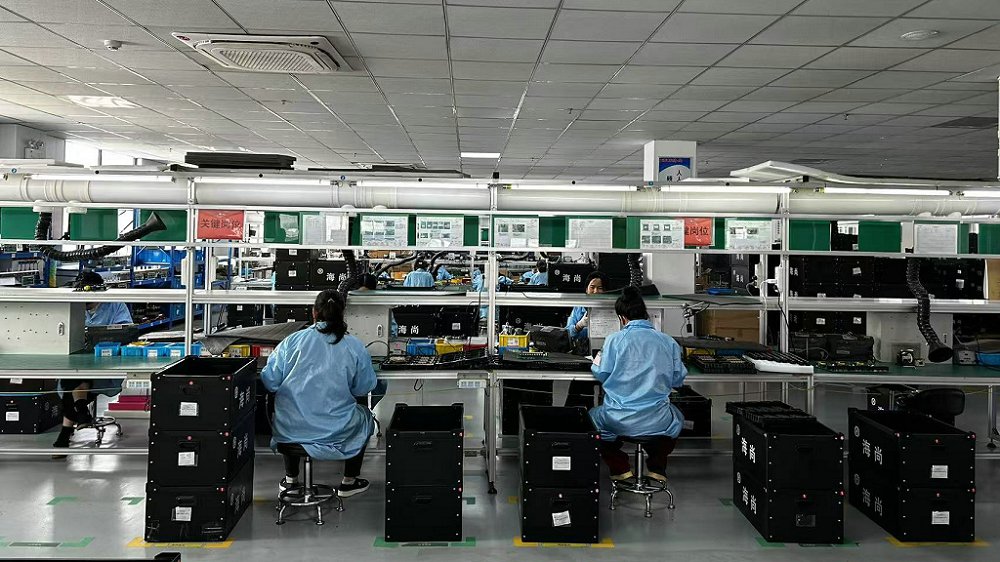 Plate making
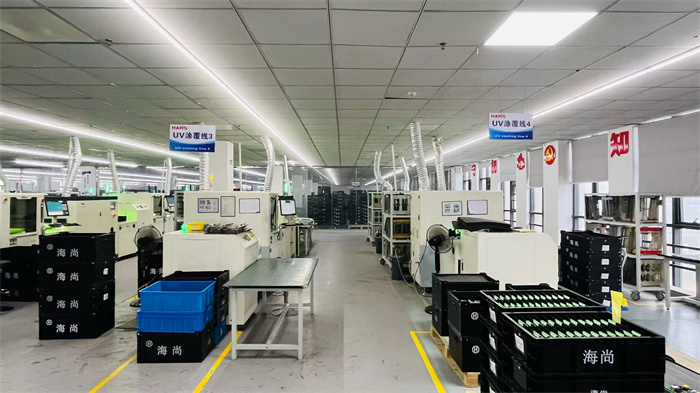 UV coating
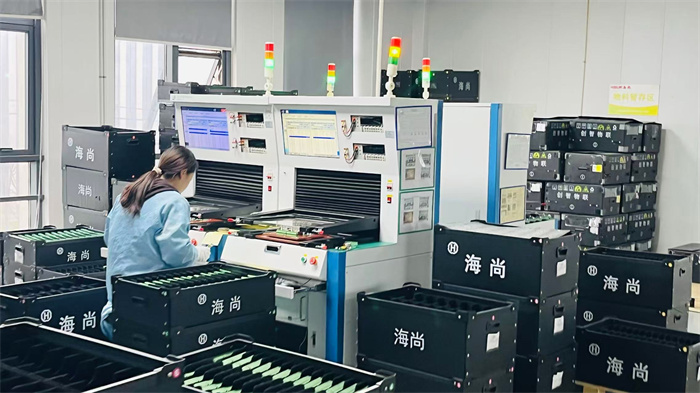 Testing & Calibration
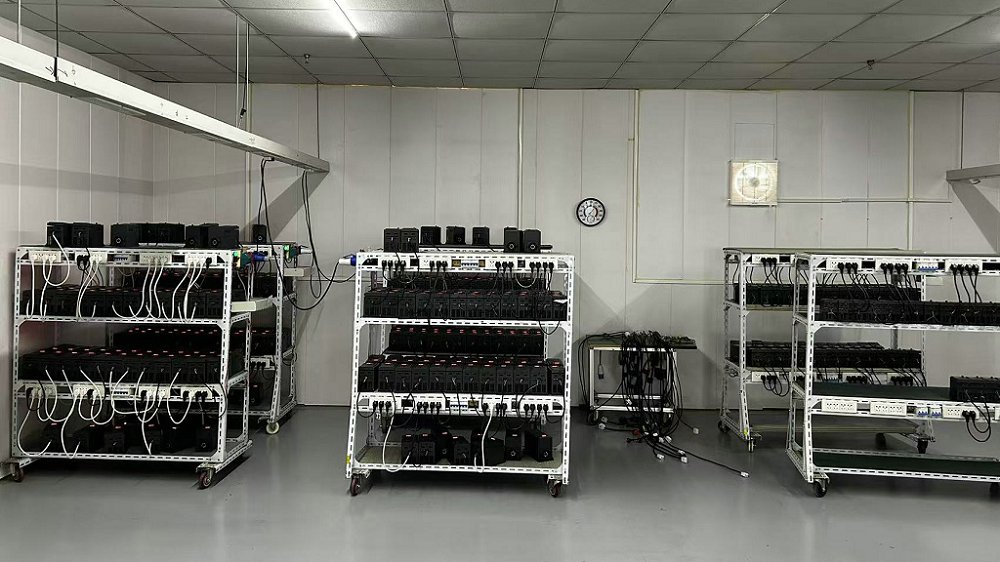 Aging Test (48hr Cycle)
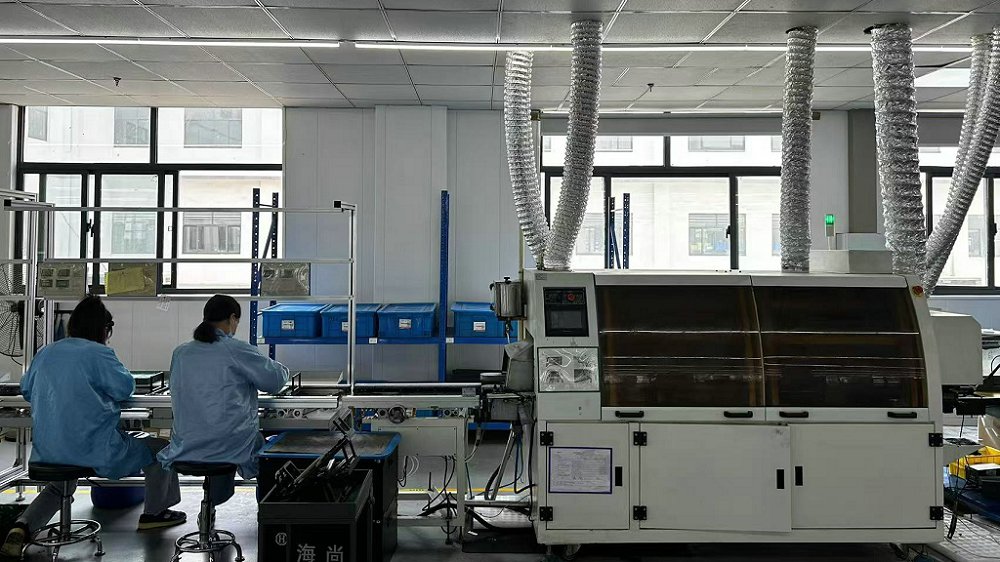 Precision Weld Control
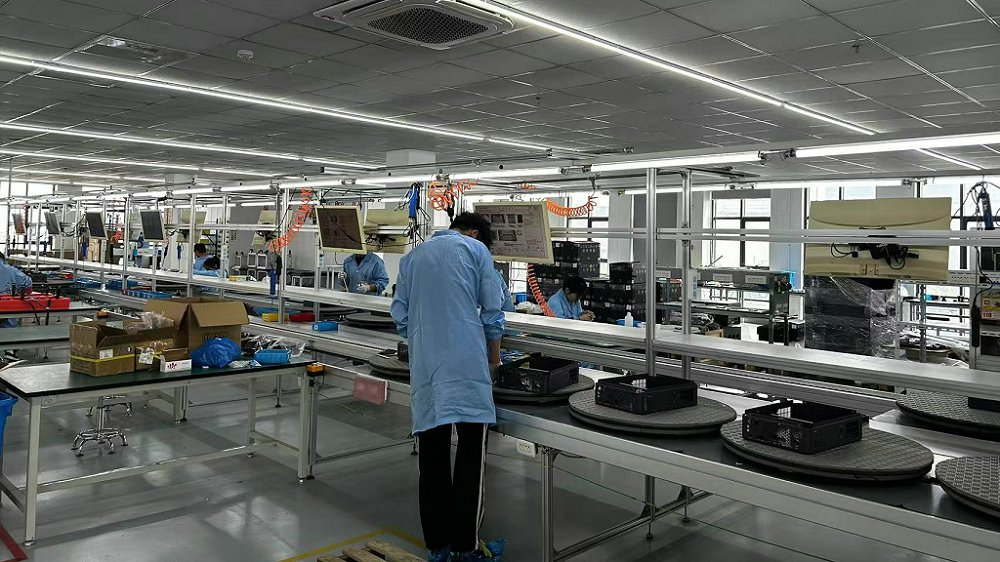 Assembly Line A
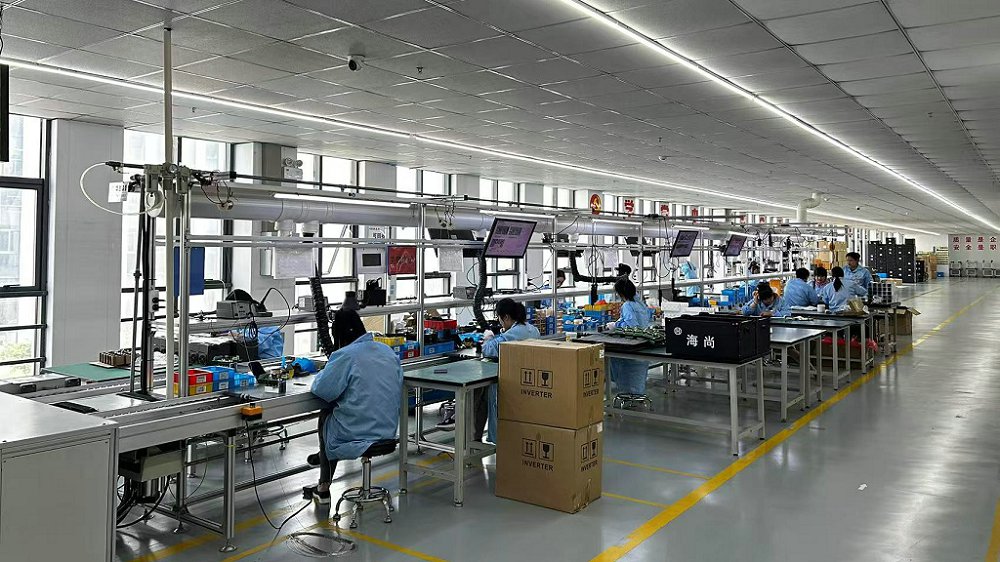 Assembly Line B
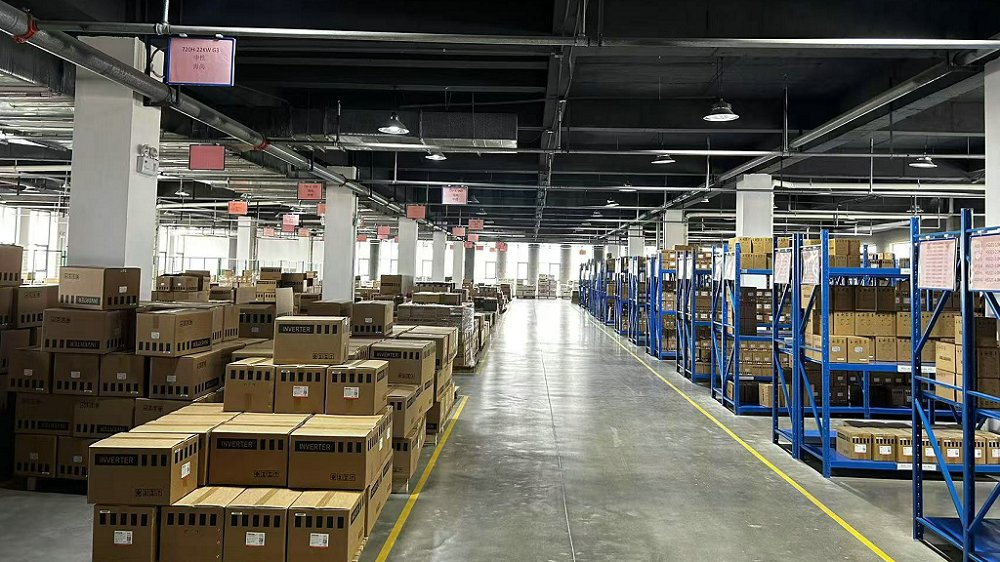 Finished Product Depot
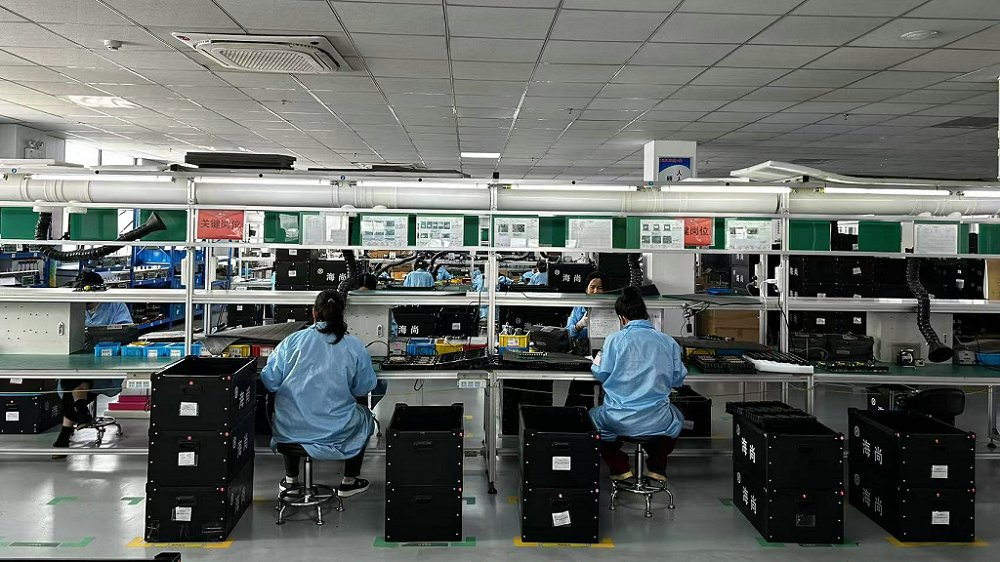 Plate Making Line
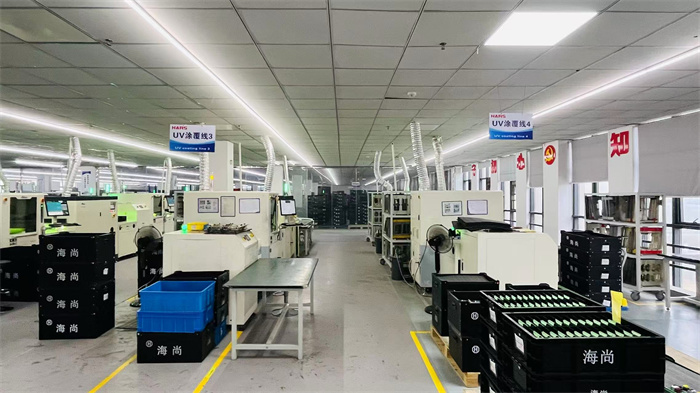 UV Coating Line
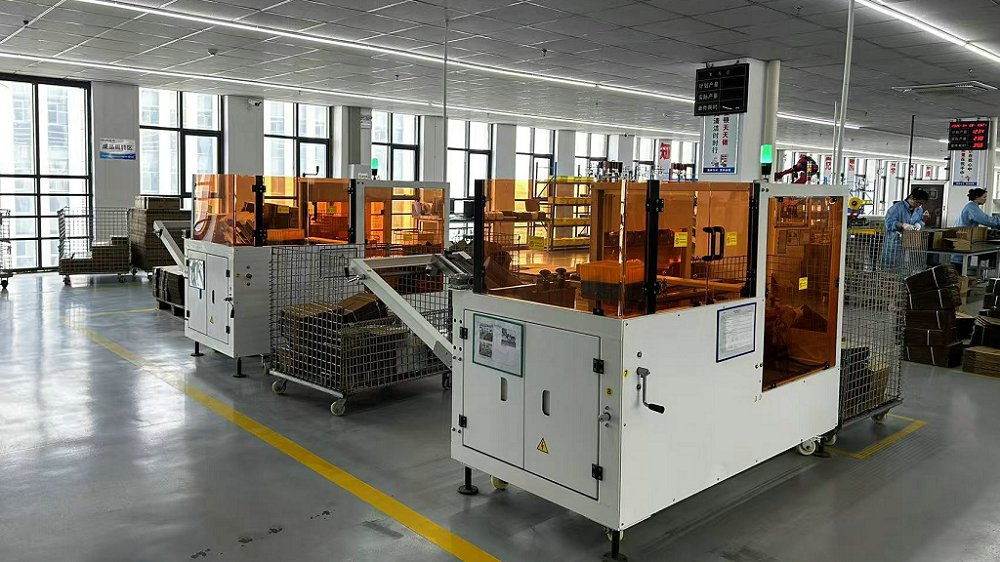 Box Opening Machine
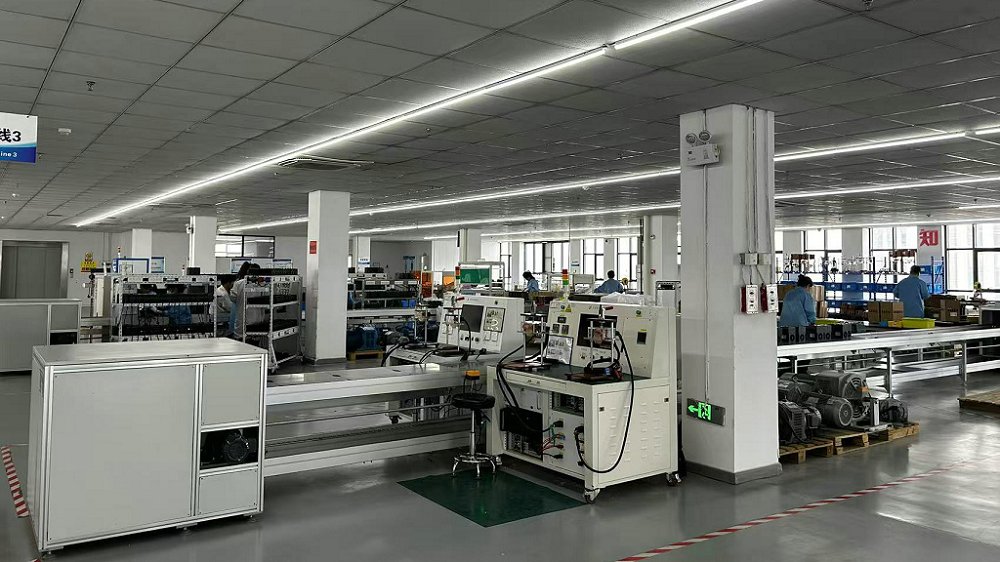 Packaging Line
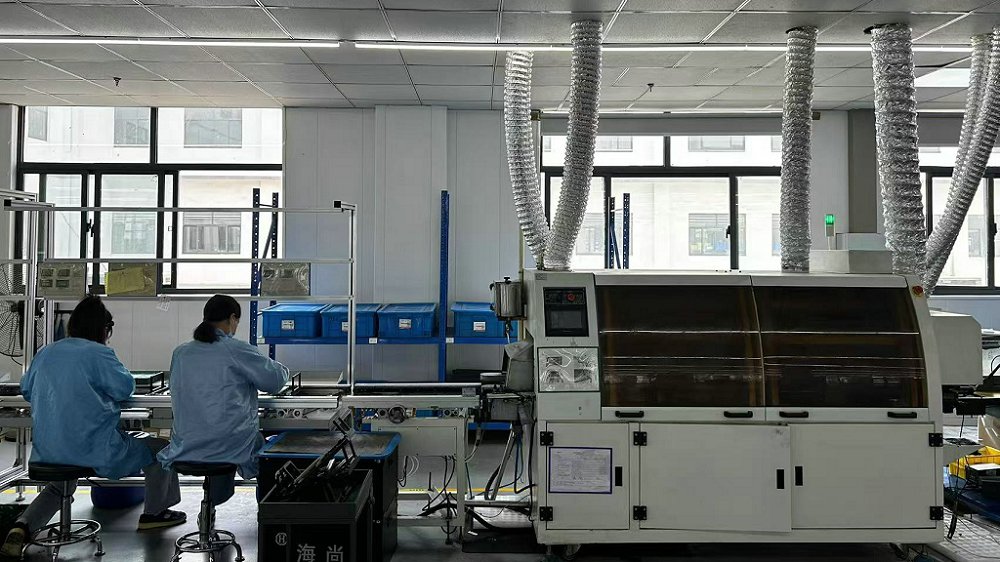 Dip Welder Station
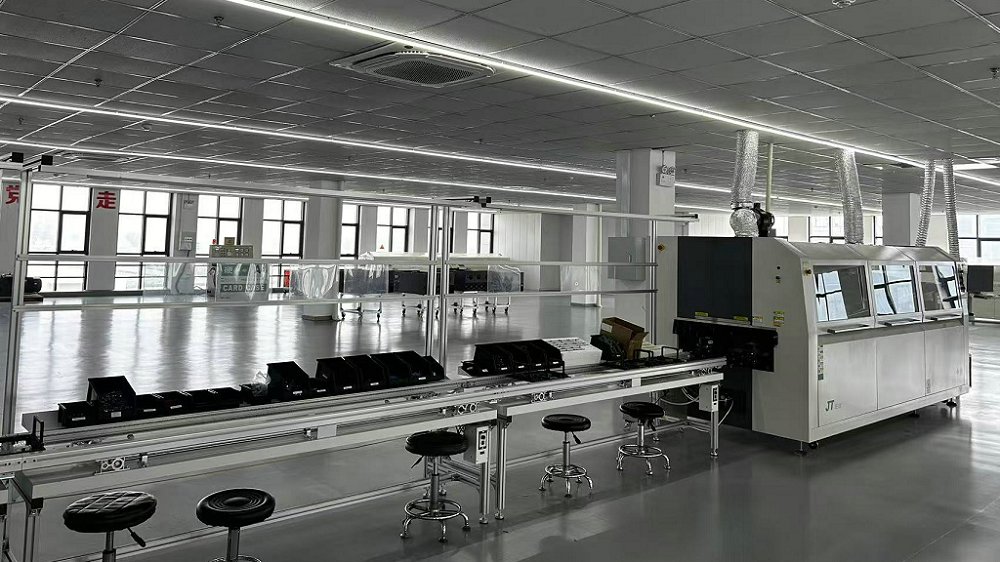 Production Line
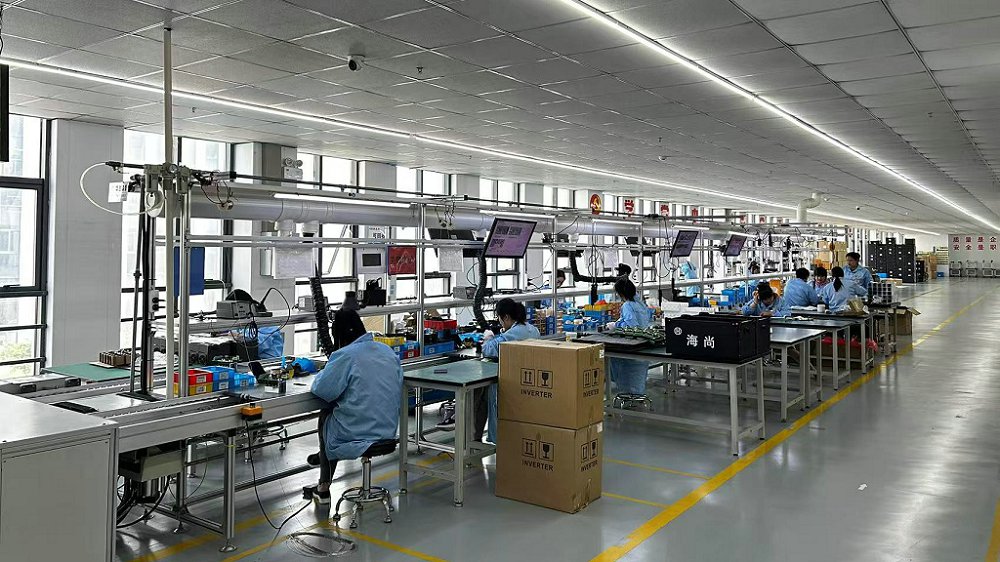 Assembly Line C
Unlike standard domestic solar panel installations, portable solar generators provide dynamic mobility. The following use cases highlight how commercial and industrial clients across Ireland deploy our systems:
Temporary site offices, tool charging stations, and safety lighting in Dublin, Cork, and Limerick require clean power. Our 3000W to 6000W generators eliminate diesel fumes and noise, satisfying strict local construction regulations.
Network infrastructure in remote regions like Donegal requires reliable backup power. During winter storm outages, our portable solar generators maintain emergency communication relays without requiring refueling maintenance trips.
Irish dairy farms rely on automated milking machines and ventilation. Short-term grid failures can disrupt daily operations. Our high-output LiFePO4 battery systems provide instantaneous backup power to critical circuits.
By bypassing complex grid connection queues and heavy capital expenditures, businesses can secure robust power systems. As direct exporters serving Ireland, we manage all compliance steps—ensuring seamless CE transit, tariff classification, and local distribution logistics.
Engineered for international export, certified to European standards, and optimized for high-capacity applications.
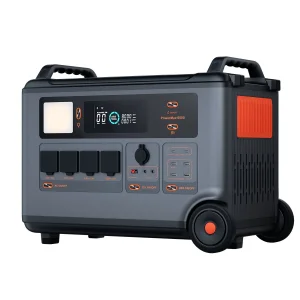
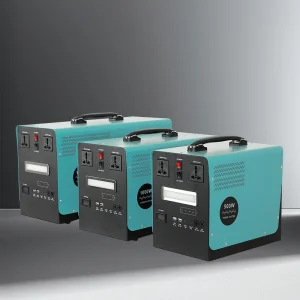
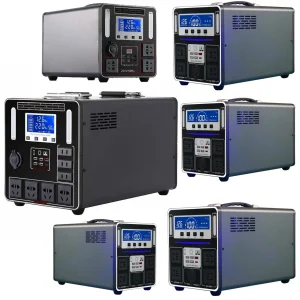
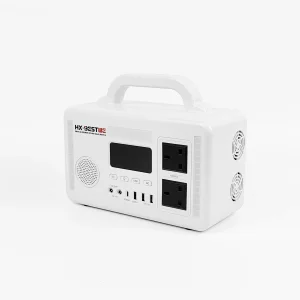
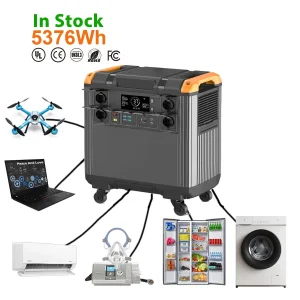
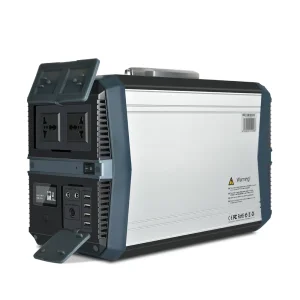
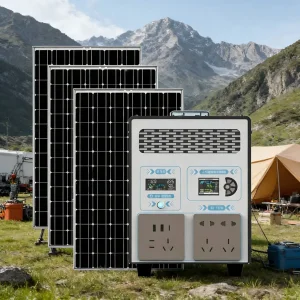
Complete range of outdoor lighting and hybrid inverter configurations designed for emergency deployment.
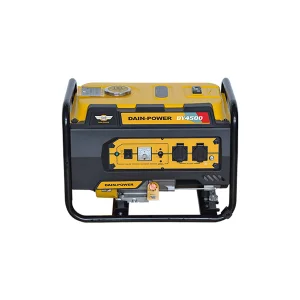
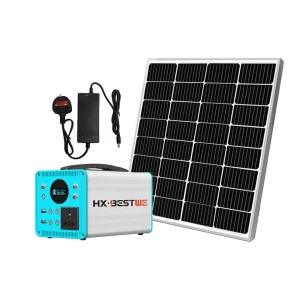
Technical answers to support business decisions, compliance, and import logistics for Irish buyers.
Speak with our application engineers today. We provide full technical documentation, customs compliance support, and bulk logistics options for global markets.
Send Inquiry Now Jonas Energy