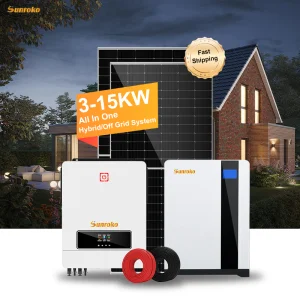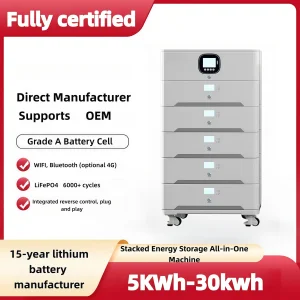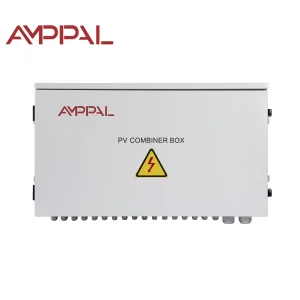
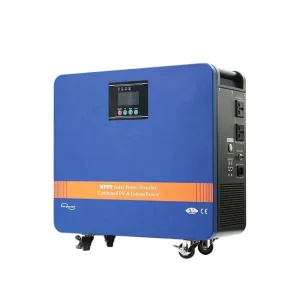
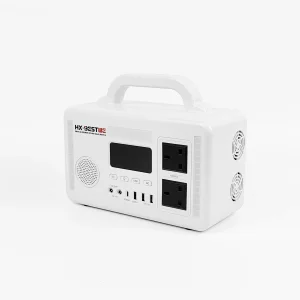
In B2B clean-energy procurement, the term "Solar Generator Kit" has evolved beyond simple recreational battery packs. Today, the sector focuses on grid-interactive, multi-source hybrid microgrids capable of utility-grade storage and power regulation. Driven by climate policies, volatile fuel costs, and grid instability, commercial users demand high-capacity solar solutions.
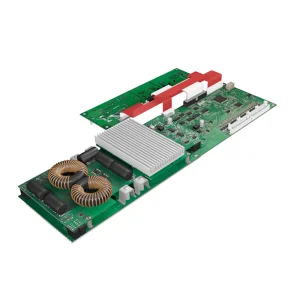
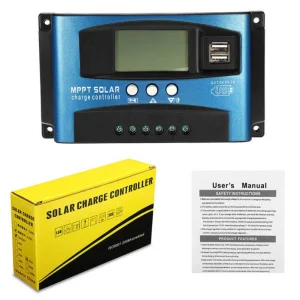
Modern solar generator engineering emphasizes maximum efficiency and safety. System components like MPPT controllers, integrated smart BMS, and bidirectional inverters must form a cohesive system. Xiamen Jonas Energy Co., Ltd. builds these systems to handle extreme environments, providing reliable off-grid power globally.
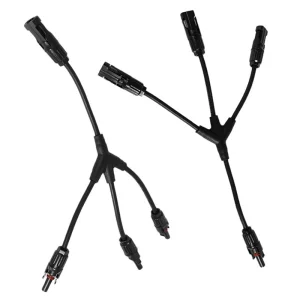
Engineering, Procurement, and Construction (EPC) buyers prioritize safety compliance, standardized DC interconnectivity (IP67 MC4 variants), and scalable energy architecture over basic retail features.
Navigating the complex landscape of international photovoltaic and energy storage product specifications requires deep alignment with global engineering and safety standards.
| Target Region | Required Standards & Certifications | Electrical / Technical Preferences | Logistic Regulations |
|---|---|---|---|
| North America (US / CA) | UL 1973, UL 9540A, FCC Class B, CEC | Split-phase 120V/240V AC output, 60Hz grid integration | UN38.3 Class 9 Hazmat, MSDS certification |
| European Union | CE, CE-LVD, CE-EMC, IEC 62133, RoHS | Single-phase 230V, Three-phase 400V AC, 50Hz grid code | ADR Road dangerous goods transport compliance |
| Australia / NZ | AS/NZS 4777.2, CEC Listing, SAA Certification | Grid-tie exporting limits, robust outdoor ingress protection | Strict lithium cell manufacturing traceability |
| Middle East / Africa | IEC 60947, CE, local import inspections | High thermal operating limits (+55°C), high-efficiency MPPT controllers | IP65 dustproof enclosure sealing |
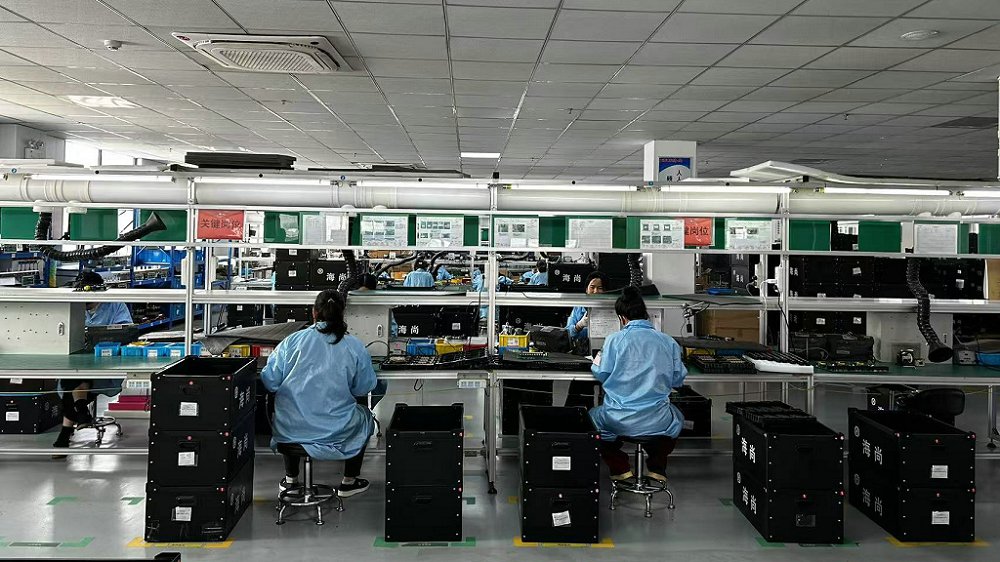
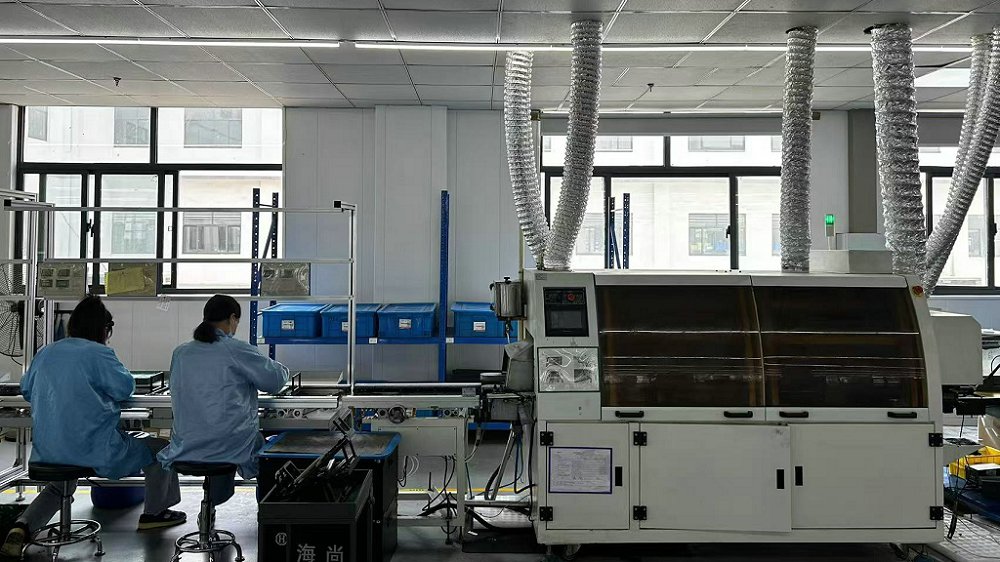
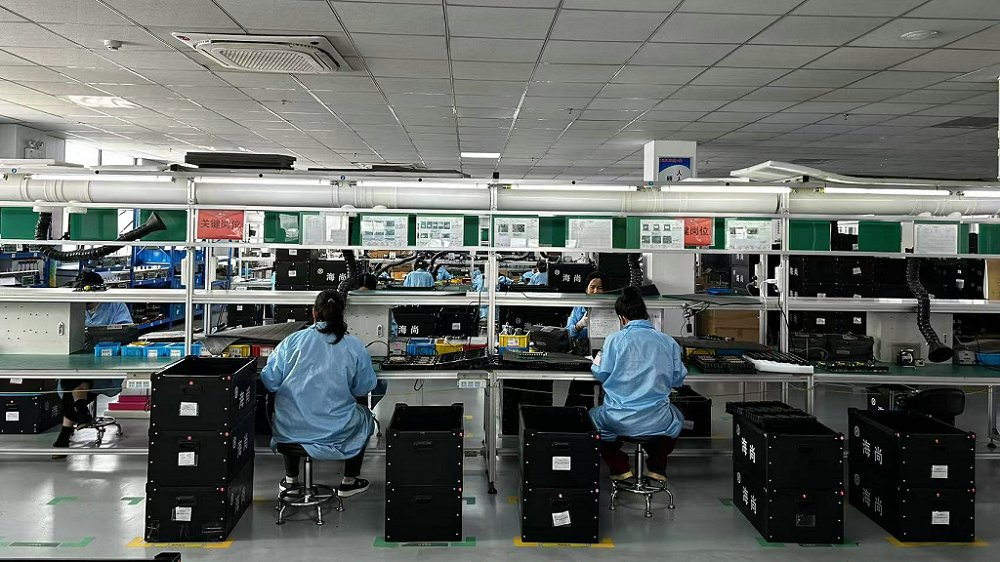
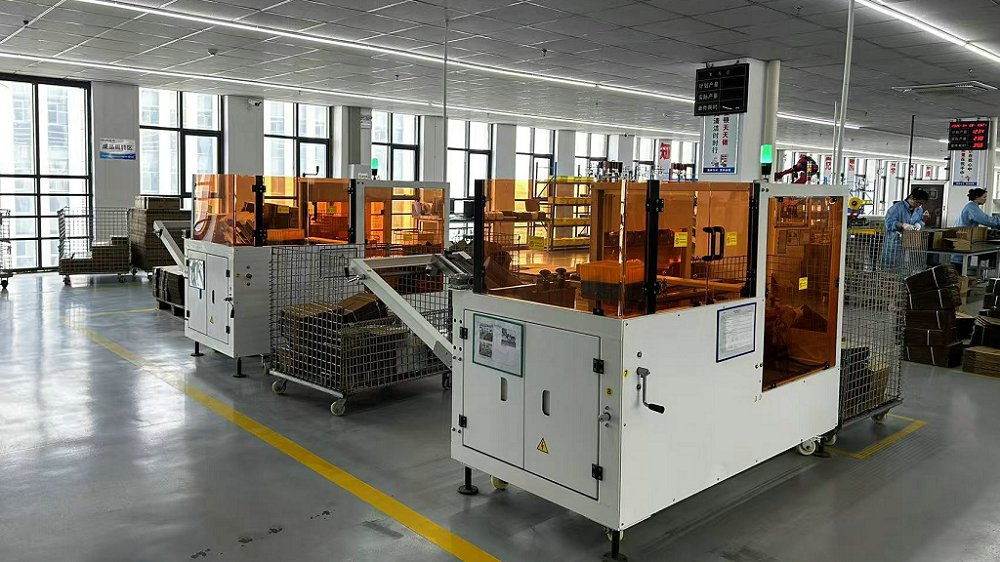
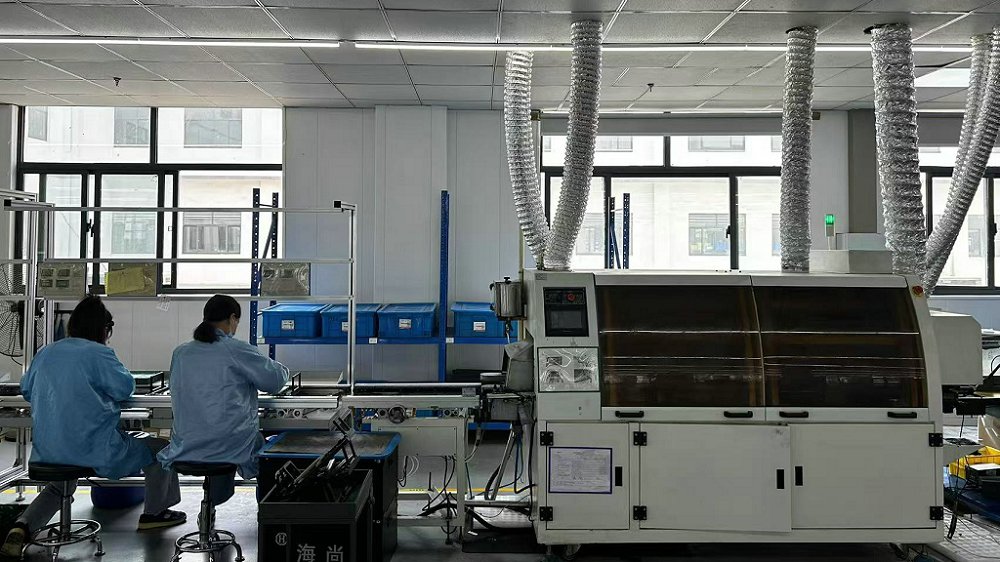
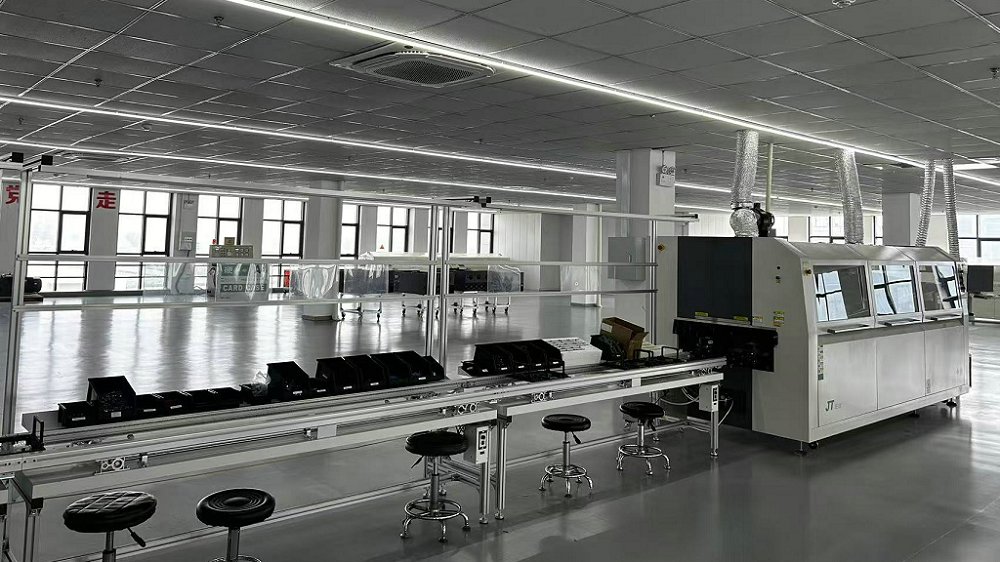
Manufacturing industrial-grade solar generator kits requires a tightly coordinated supply chain. Utilizing advanced automation technology in our Xiamen facilities, Jonas Energy addresses supply chain risks while maintaining high quality standards. From precision automated plate-making to advanced dip welding systems, human error is minimized.
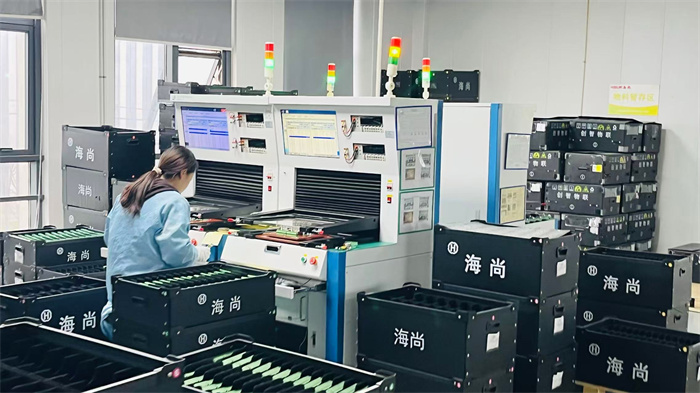
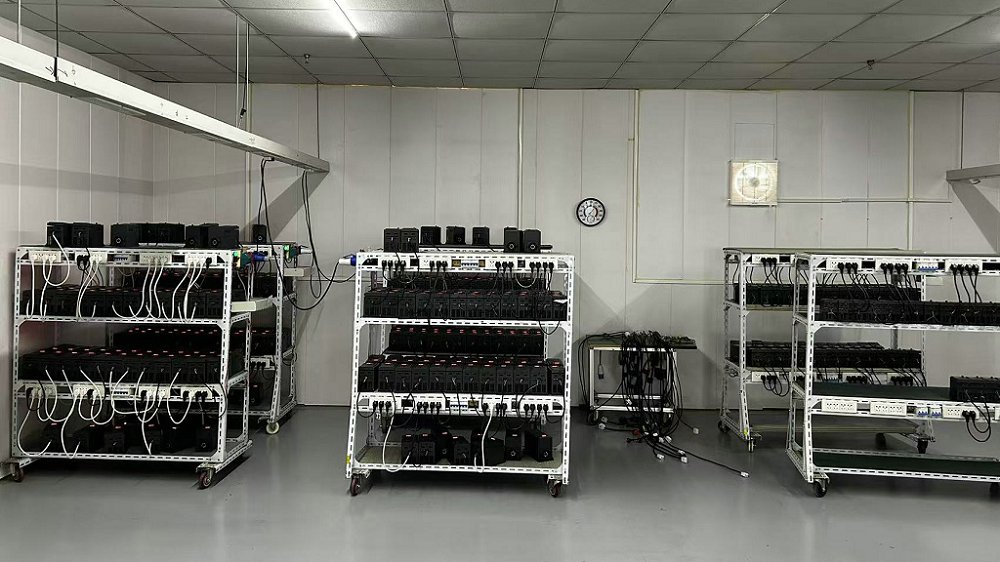
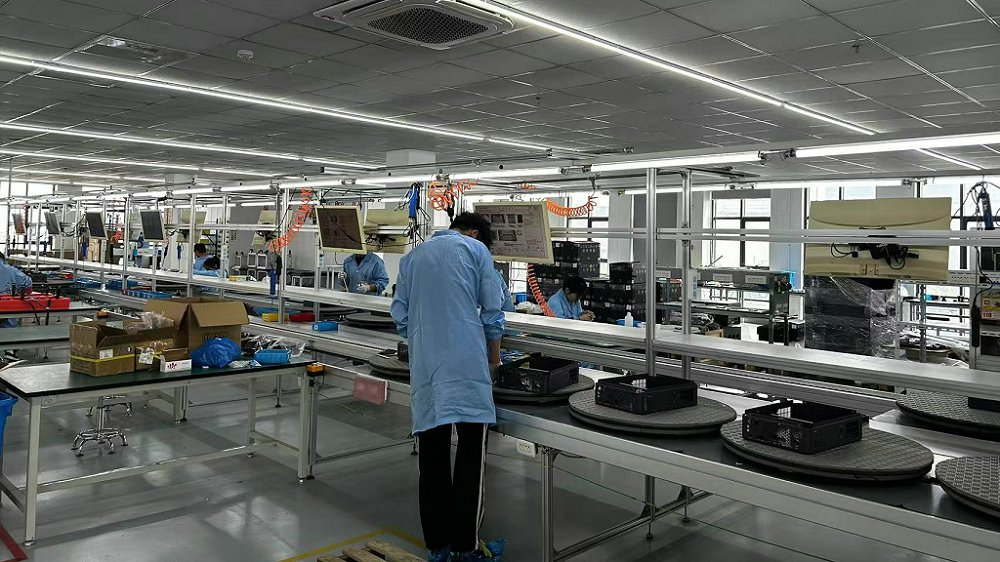
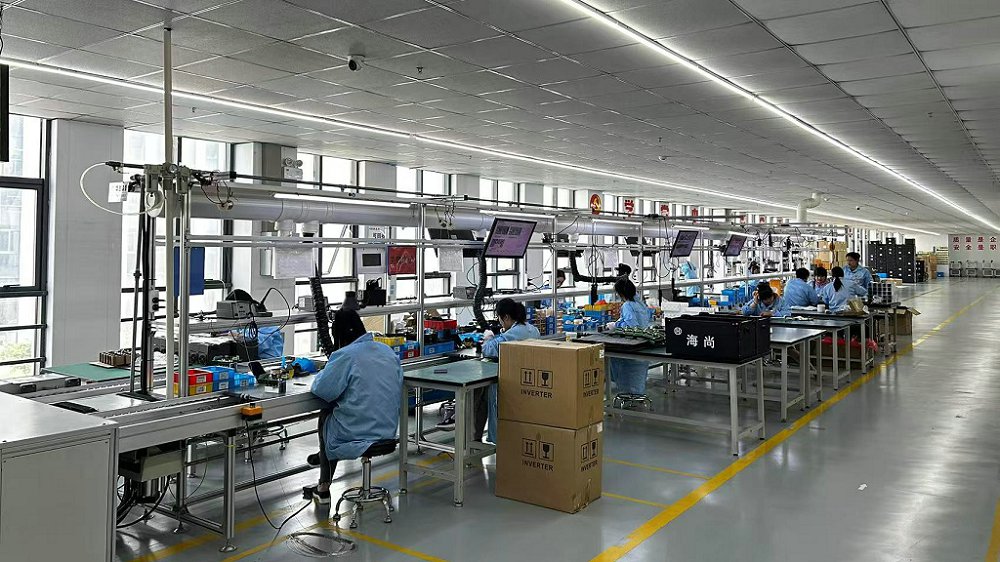
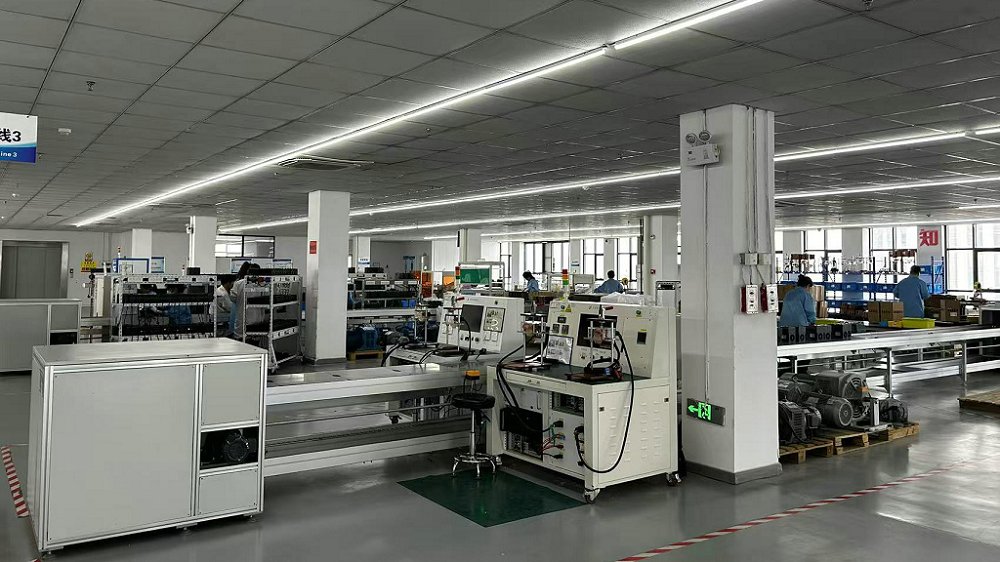
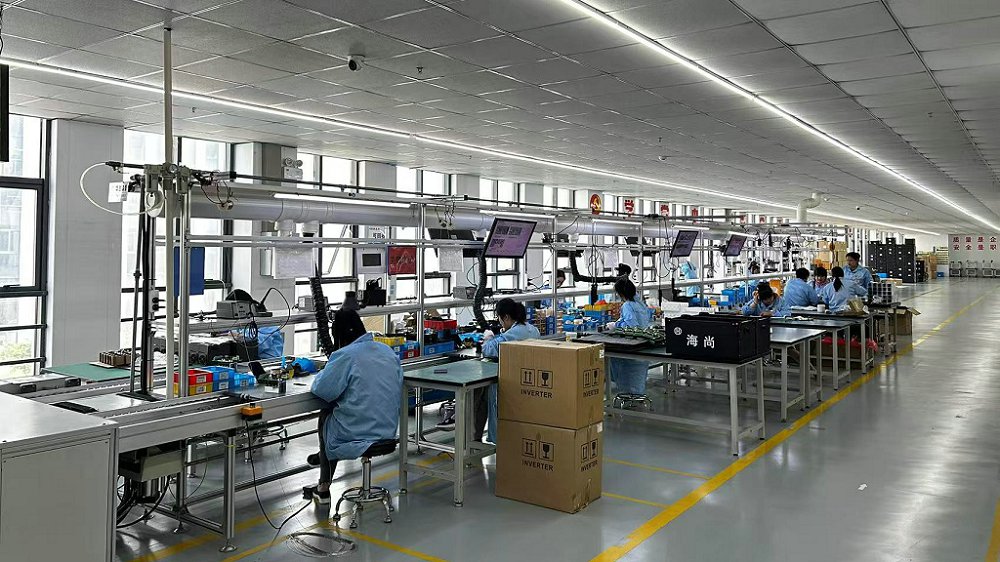
Quality control is built directly into our assembly line. Our testing phase includes simulated load profiling, thermal imaging, and high-current aging tests. This ensures that every inverter, battery pack, and combiner box maintains performance integrity in real-world deployment.
By localizing key raw materials—including Grade-A LFP lithium cells, high-density copper busbars, and robust weather-sealed enclosures—we offer stable production lead times and lower logistical costs for international distributors.
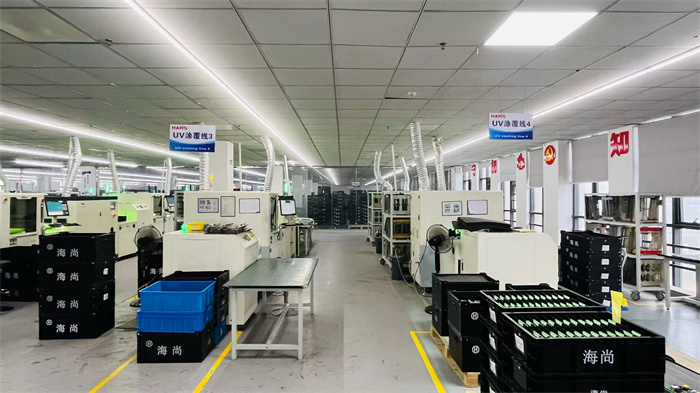
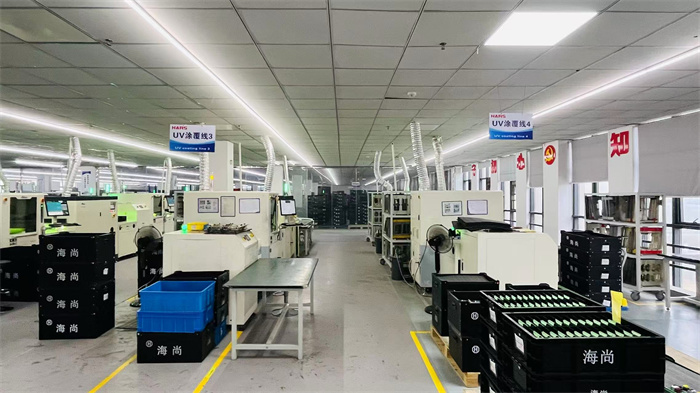
Integrated CNC mechanics and UV coating lines provide environmental protection for PCBs, shielding components from coastal humidity and dust.
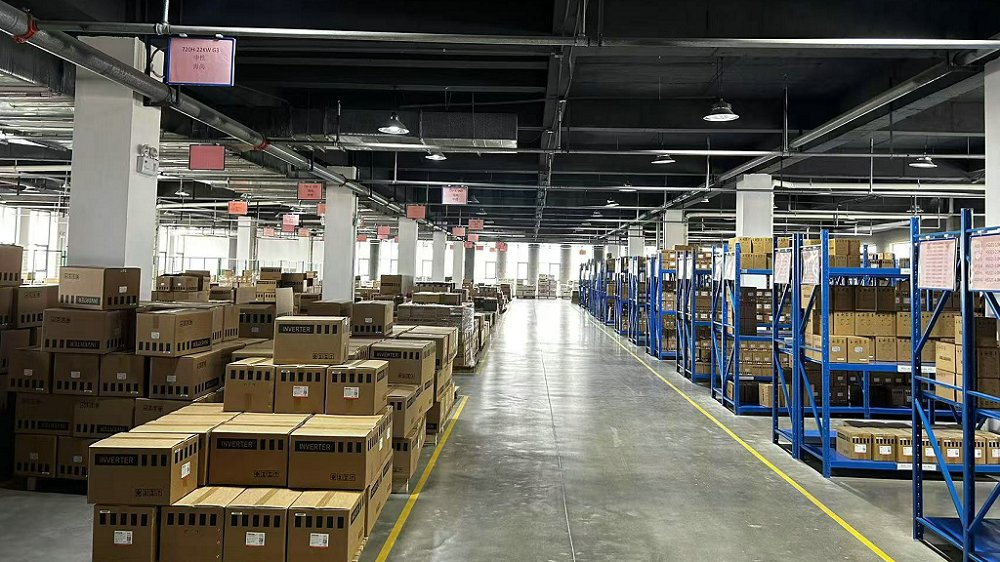
Products undergo multi-stage aging tests under peak load capacities to ensure system stability prior to packaging and dispatch.
Explore Xiamen Jonas Energy Co., Ltd.'s modern production floor, featuring advanced machinery and automated assembly lines.
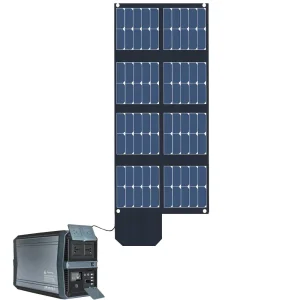
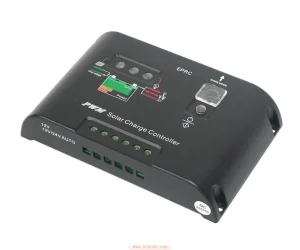
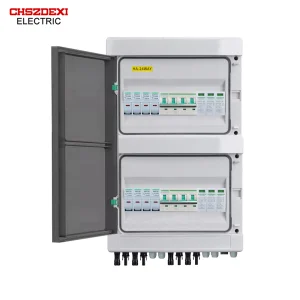
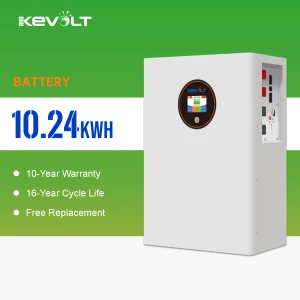
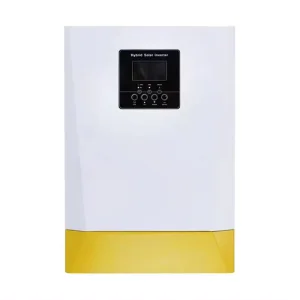
A high-efficiency solar generator kit relies on the coordination of four key components.
Our MPPT controllers feature high tracking speed and automatic focus algorithms. By continuously adjusting panel output voltage and current under variable cloud cover, they improve system efficiency by 20% to 30% compared to traditional PWM systems.
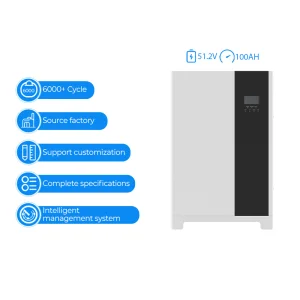
Equipped with RS485, CAN Bus, and Bluetooth interfaces, our BMS balances cell voltages, monitors temperature, and protects against overcurrent. This smart system prevents thermal runaway and extends battery pack life.
Our Pure Sine Wave and Advanced Hybrid Inverters handle grid-interactive and off-grid configurations, minimizing conversion losses and providing clean AC power compatible with sensitive electronic equipment.
In regions with weak utility grids or high diesel fuel costs, commercial enterprises install containerized and rack-mounted solar systems to lower operational overhead. Large-scale farming, isolated eco-resorts, and remote construction sites utilize Jonas Energy components for reliable peak load shaving and off-grid power security.
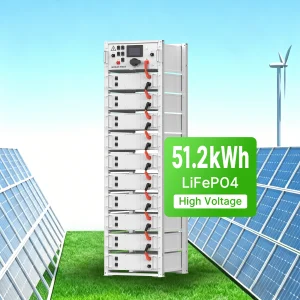
Base transceiver stations (BTS) located in remote regions require constant uptime. Integrating our IP65 combiner boxes, high-voltage battery storage, and MPPT controllers ensures telecom towers operate continuously, reducing on-site maintenance requirements and fuel generator runtimes.
During natural disasters or grid disruptions, portable solar generators provide essential power for medical services, water purification plants, and communication systems. The high cycle life of LiFePO4 cells keeps emergency backup systems ready for immediate deployment after long-term storage.
"For systems deployed in extreme environments, thermal management and dust ingress protection are critical to performance. Our enclosures are built to withstand high temperatures and dust exposure."
Xiamen Jonas Energy Co., Ltd. is a provider of renewable energy solutions headquartered in Xiamen, Fujian Province, China. Since its establishment, the company has focused on the research, development, manufacturing, and global distribution of advanced photovoltaic and energy storage products.
Dedicated to innovation and sustainability, Jonas Energy offers a comprehensive portfolio of solar energy solutions, including solar panels, inverters, energy storage batteries, mounting systems, and complete solar power generation systems. Our products are designed to meet the diverse needs of residential, commercial, industrial, and utility-scale projects worldwide.
We work closely with internationally recognized manufacturers and technology partners to provide a wide range of reliable energy storage solutions, including wall-mounted batteries, all-in-one storage systems, rack-mounted batteries, and containerized energy storage systems (ESS). Through continuous innovation and strategic partnerships, we help customers achieve greater energy independence and efficiency.
As a high-tech enterprise, Jonas Energy operates modern production facilities equipped with advanced manufacturing and testing equipment. Our annual production capacity reaches several gigawatts, enabling us to efficiently serve customers across global markets.
Our experienced R&D team consists of highly qualified engineers and technical specialists who focus on product innovation, performance optimization, and technological advancement in the renewable energy sector. By integrating modern manufacturing technologies, we ensure that our solutions remain competitive, efficient, and future-ready.
Common technical questions from engineering partners, distributors, and logistics managers.
 Jonas Energy