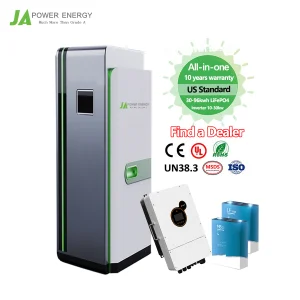
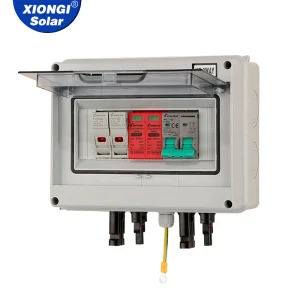
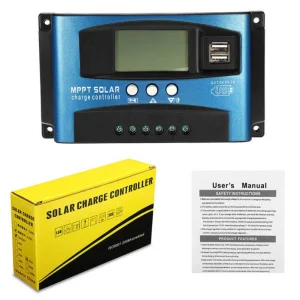
Explore our newly optimized solar controllers, battery configurations, and hybrid inverters designed for seamless smart grid compatibility and industrial reliability.
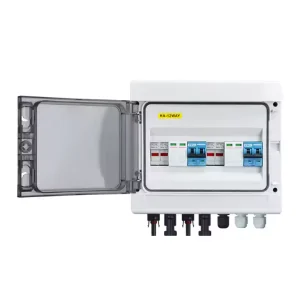
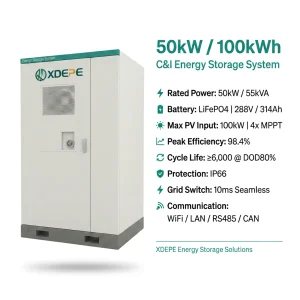
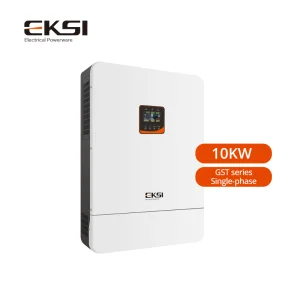
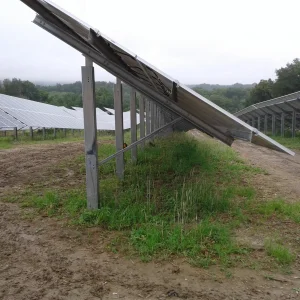
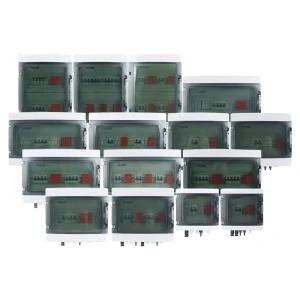
The global transition toward decentralized power grids requires a shift from passive energy consumption to dynamic, self-balancing energy networks. This evolution is driven by several key factors:
Lithium Iron Phosphate (LiFePO4) Domination: Due to superior thermal stability, extended cycle life (>6000 cycles at 80% DoD), and zero cobalt dependencies, LFP chemistry has become the preferred standard for Commercial, Industrial (C&I), and Residential Energy Storage Systems (BESS).
Grid-Tie & Hybrid Inverter Sophistication: Modern grid interactions demand dual-directional, high-efficiency MPPT (Maximum Power Point Tracking) hybrid inverters. These units manage power flow between solar PV arrays, energy storage, localized C&I loads, and the utility grid with sub-millisecond switching speeds.
Global enterprises require reliable hardware partners who can ensure safety compliance and minimize localized logistics costs. This involves verifying supply chain traceability, validating compliance certificates (IEC 62619, UL 9540A), and securing robust engineering support directly from the factory floor.
C&I decision-makers face volatile electricity rates and strict carbon limits. Resolving these challenges requires deploying comprehensive, highly reliable hardware systems.
High-voltage battery energy storage systems (BESS) allow facilities to store lower-cost energy off-peak and discharge it during peak times, significantly lowering demand fees.
For production lines sensitive to voltage drops, integrated hybrid energy systems provide uninterruptible backup power within 10ms, protecting critical assets from unplanned downtime.
Our solutions meet clean-energy and ESG reporting requirements. Real-time telemetry monitoring through localized MODBUS TCP or CAN communications ensures verifiable energy reporting.
Headquartered in the port city of Xiamen, Fujian Province, China, Xiamen Jonas Energy Co., Ltd. is a professional provider of advanced renewable energy solutions. Since our founding, we have specialized in the research, development, engineering, and global distribution of next-generation photovoltaic and electrochemical energy storage products.
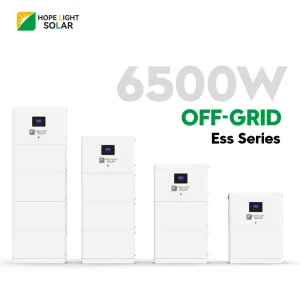
Our product line includes high-efficiency solar modules, hybrid/off-grid inverters, energy storage batteries (wall-mounted, rack-mounted, and robust cabinet designs), PV combiner boxes, and optimized ground/roof mounting structures. We deliver comprehensive energy systems tailored to the distinct operational conditions of residential setups and heavy C&I sites worldwide.
As a high-tech enterprise, Jonas Energy operates modern production facilities equipped with advanced manufacturing and testing equipment. Our annual production capacity reaches several gigawatts, enabling us to efficiently serve customers across global markets.
Our experienced R&D team consists of highly qualified engineers and technical specialists who continuously focus on product innovation, performance optimization, and technological advancement in the renewable energy sector. By integrating cutting-edge technologies, we ensure that our solutions remain competitive, efficient, and future-ready.
Every phase of our production—from raw silicon fabrication to battery thermal testing—is strictly monitored. This structured pipeline ensures that every component leaving our facility is built for decades of reliable field operation.
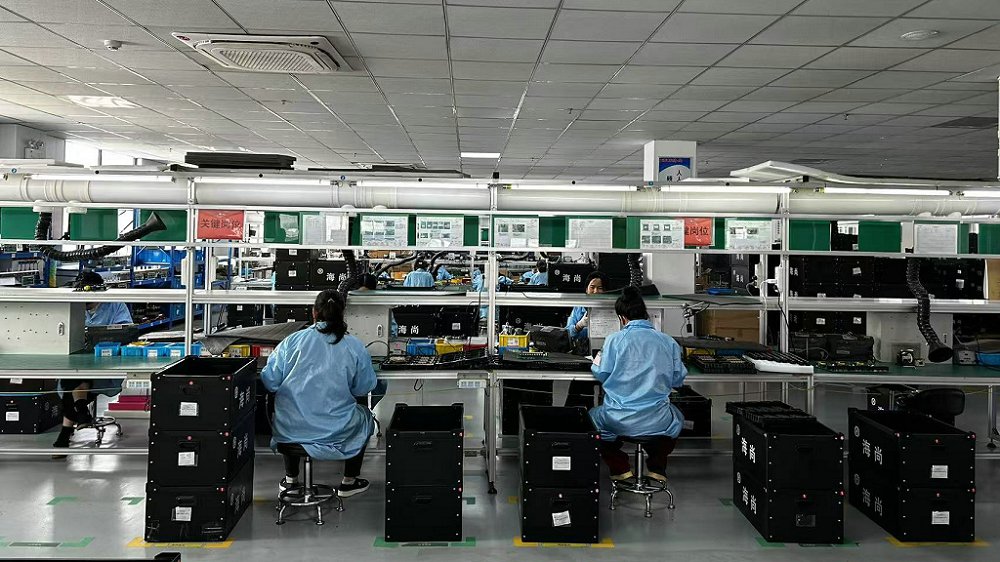
Precision structural substrate fabrication for mechanical stability in harsh installations.
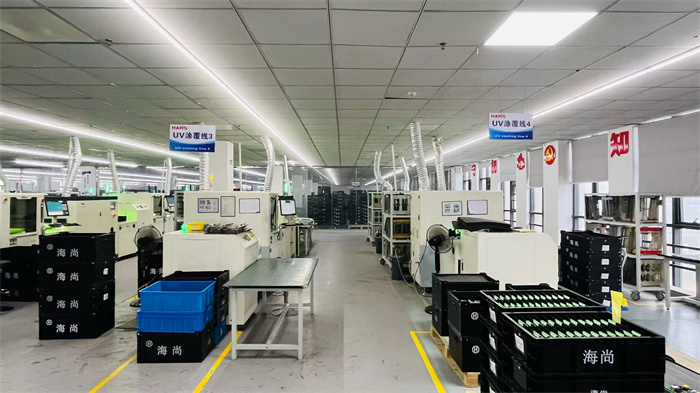
Automated UV protective coating line prevents corrosion from humidity, salt spray, and UV damage.
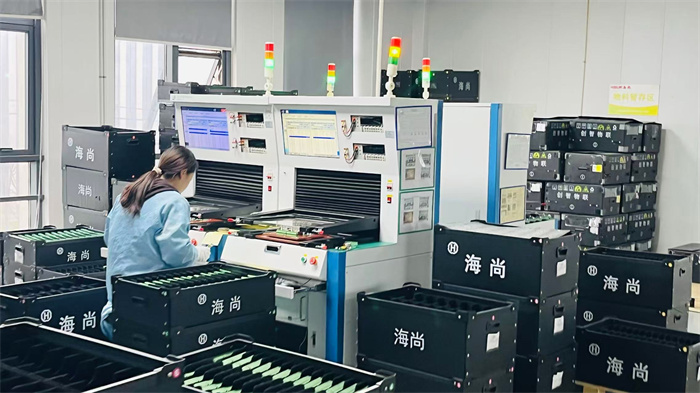
Automated testing of circuit boards and control panels under simulated field stress conditions.
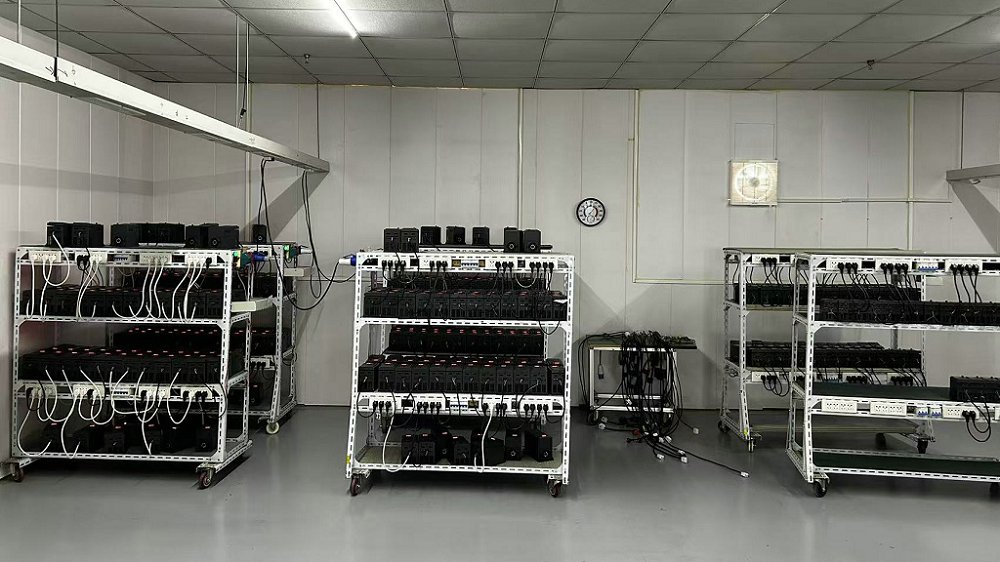
Full active-load thermal chamber aging tests ensure long-term system stability and performance.
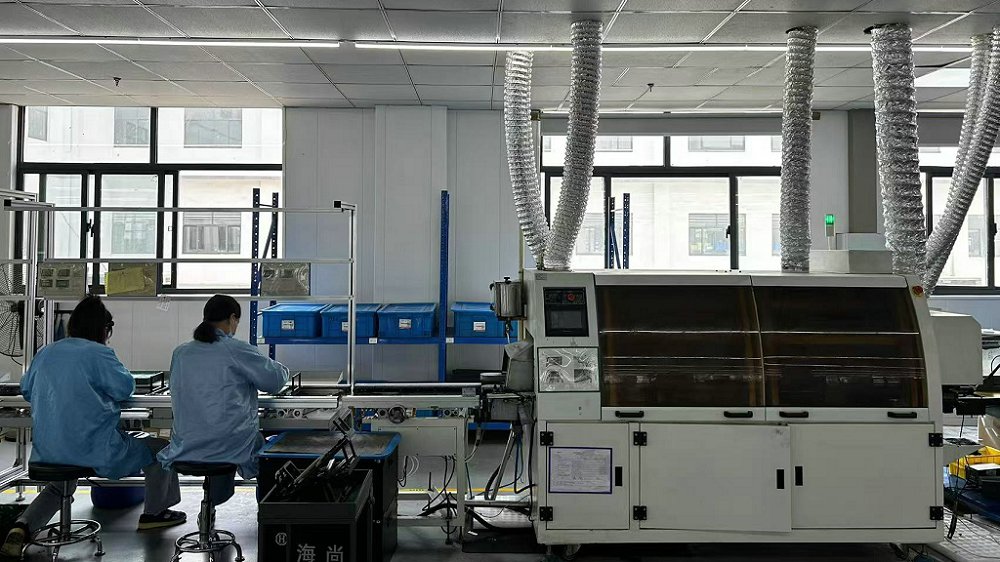
Micro-resistance welding secures battery terminal connections, minimizing internal resistance.
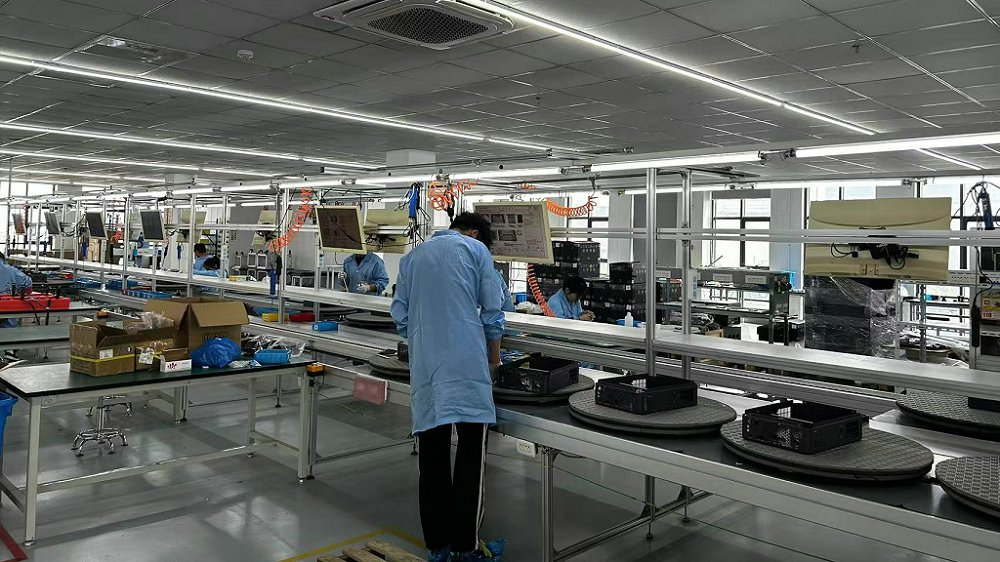
Modular cell integration with dedicated safety barriers and integrated wiring assemblies.
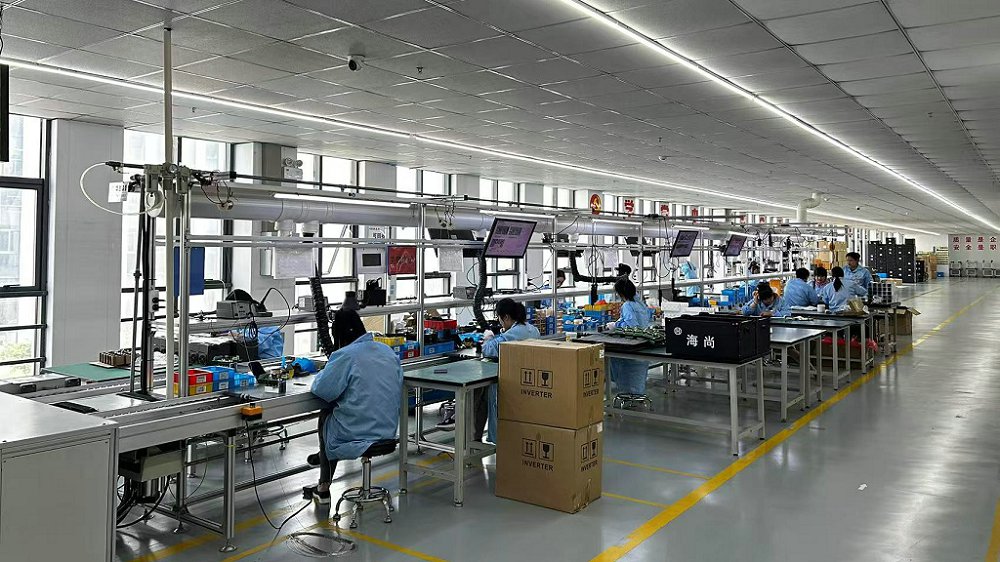
Mounting key control modules, heat-dissipation plates, and terminal blocks into robust steel frames.
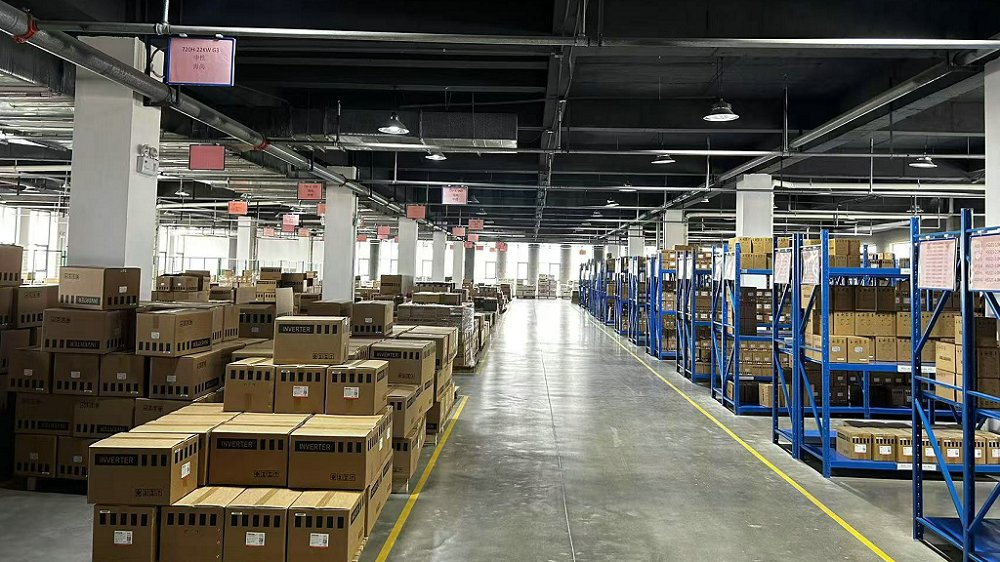
Final inspection of completed systems, ensuring all dynamic functional outputs match specifications.
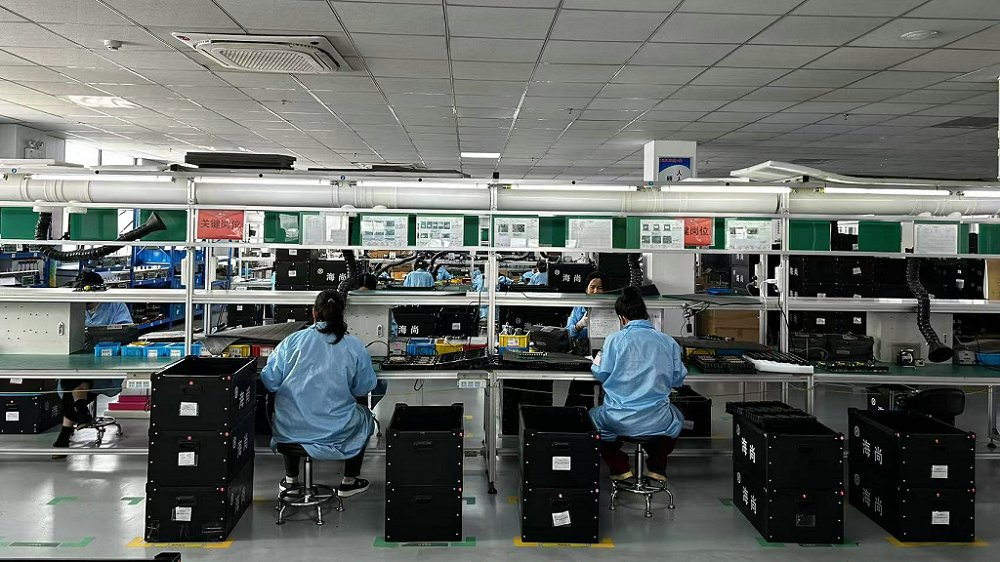
High-throughput, automated mechanical punching and shaping line for structural components.
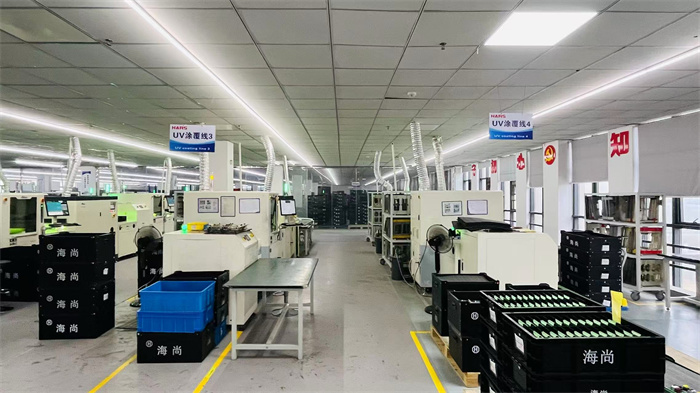
Continuous conveyor-driven protective film coating line with curing stations.
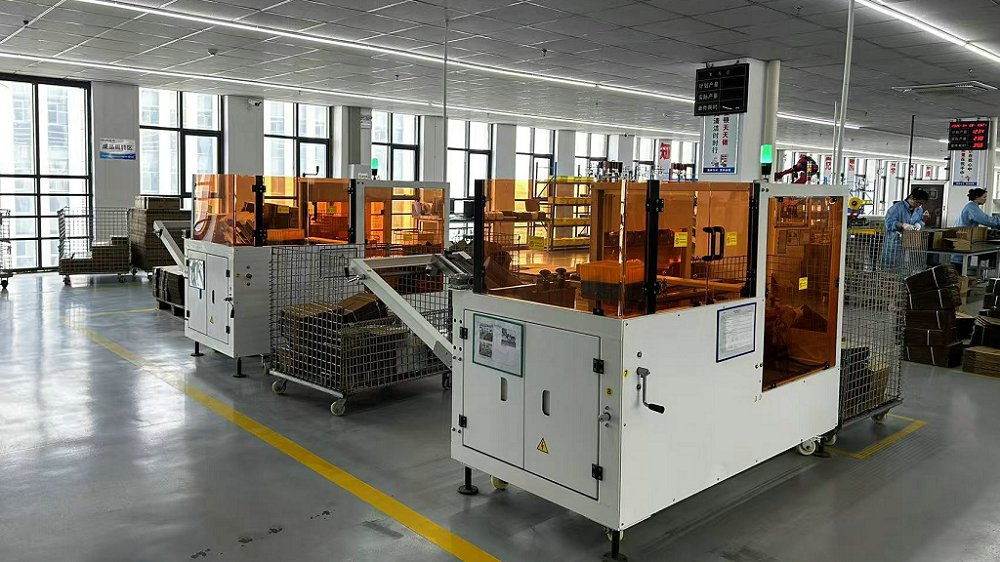
Precision automation handles packing material preparation for secure, standardized shipping.
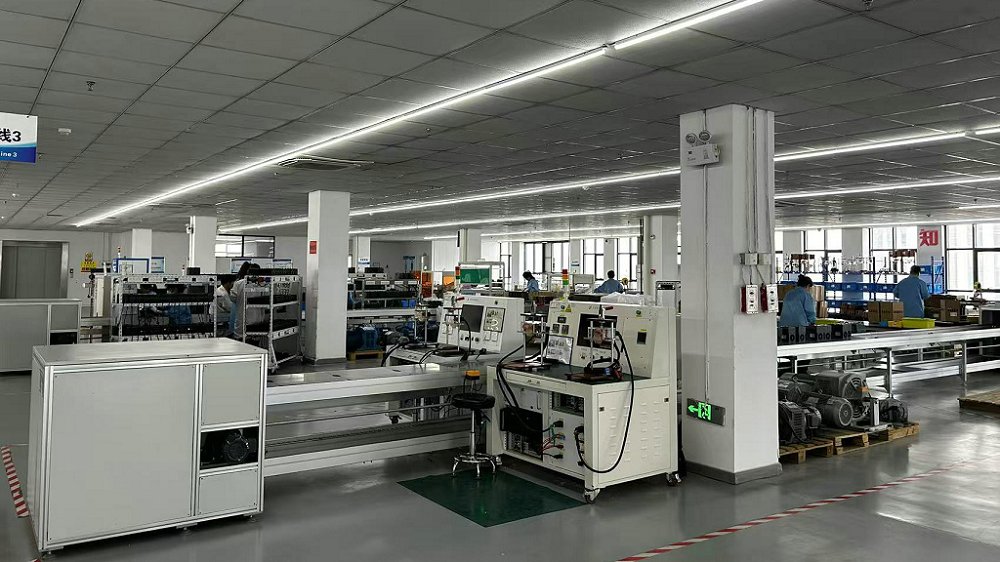
Heavy-duty, secure wooden-crate and custom shockproof foam packing for international ocean transport.
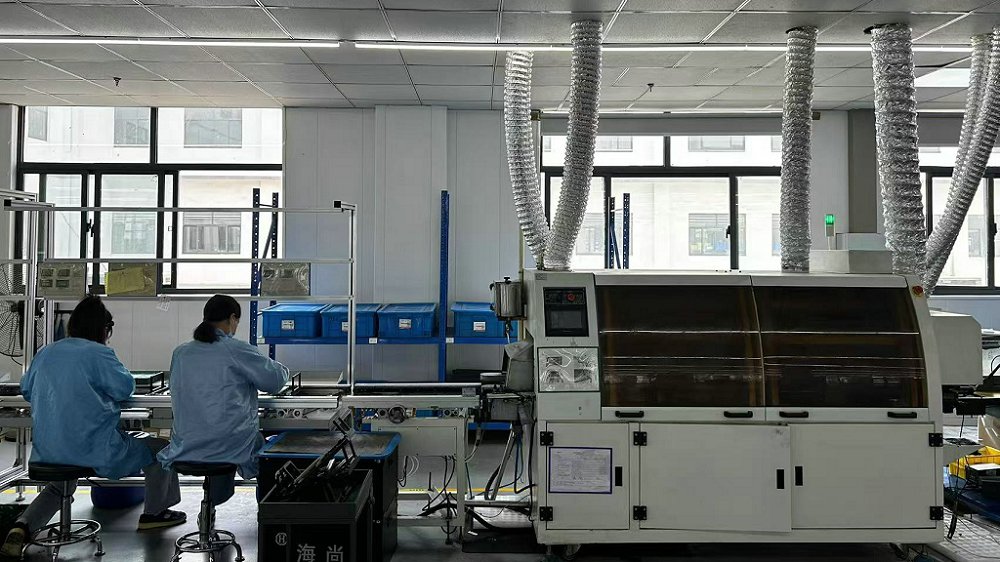
Controlled dip-soldering machine processes heavy-current copper busbars with consistent thermal profiles.
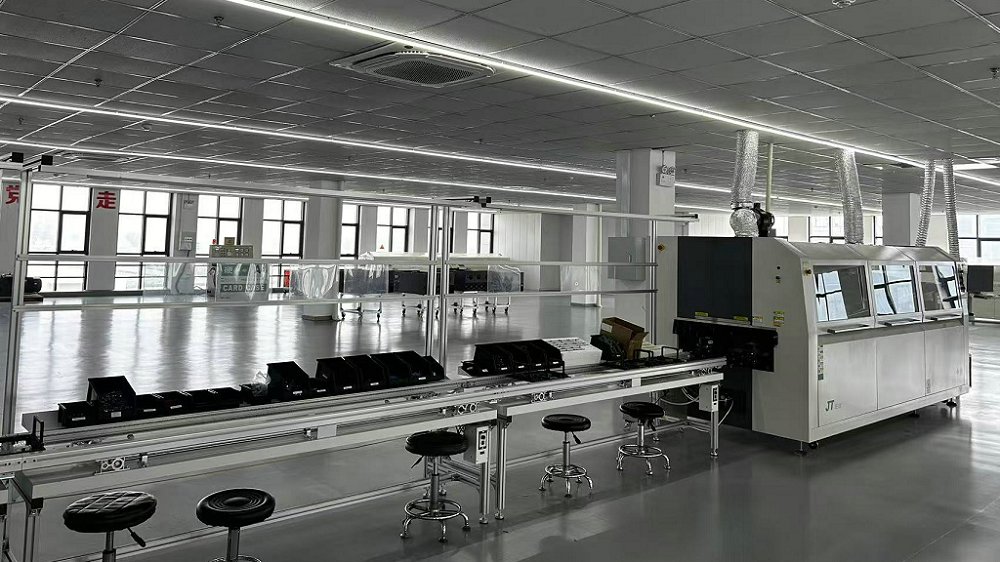
Integrated cleanroom production line designed for ESD-sensitive battery management systems.
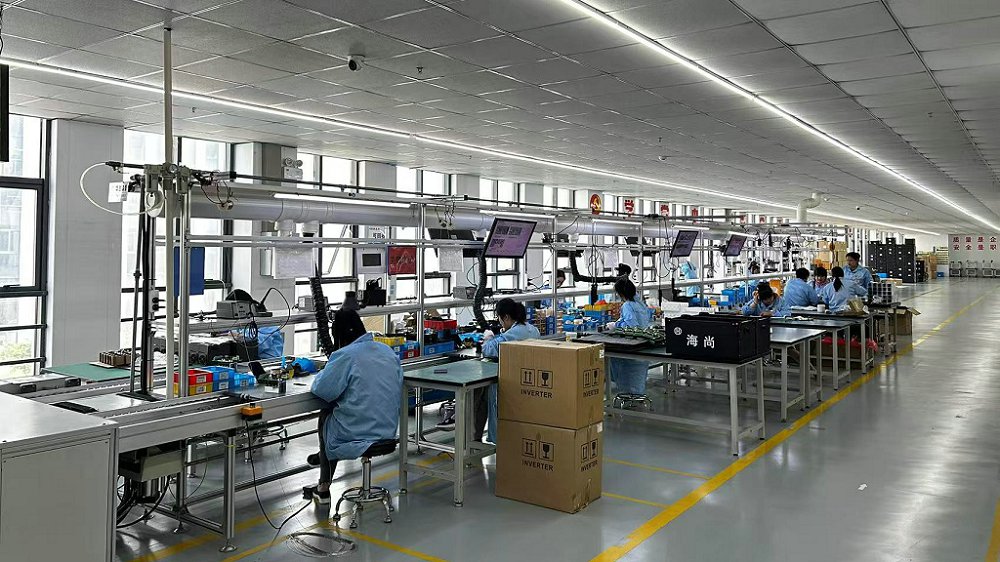
Multi-station mechanical and electrical integration line with integrated quality checkpoints.
At Xiamen Jonas Energy Co., Ltd., quality control is built directly into every stage of development. Our products comply with recognized international certifications (including CE, TUV, IEC, and ISO9001/14001), ensuring reliable performance in demanding environments.
Thermal Management & BMS Integration: Our high-voltage LFP storage units feature advanced aerosol fire suppression, active cooling fans, and multi-sensor BMS units that continuously monitor cell parameters (voltage, temperature, SoC, SoH).
Structural Durability: Our solar racking systems are engineered using hot-dip galvanized steel or anodized structural aluminum alloys (AL6005-T5), designed to withstand high wind loads and snow loads.
From initial site evaluation and electrical engineering to system integration, production coordination, and logistical handling, Jonas Energy delivers comprehensive, reliable solutions designed to optimize your project timeline.
Get answers to critical integration, manufacturing, and shipping questions for renewable power systems.
Explore our complete off-grid kits, high-voltage battery modules, and PWM controllers engineered for reliable power delivery.
 Jonas Energy