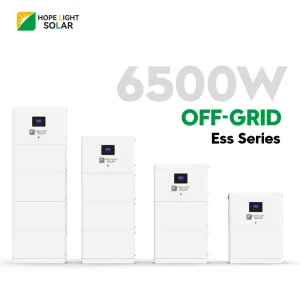
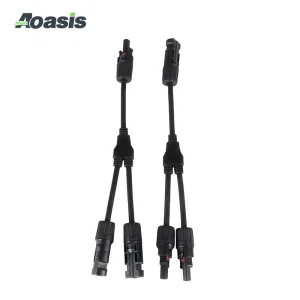
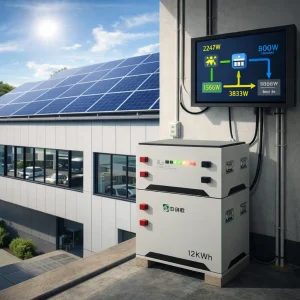
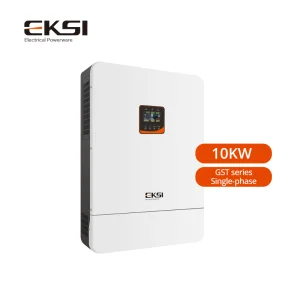
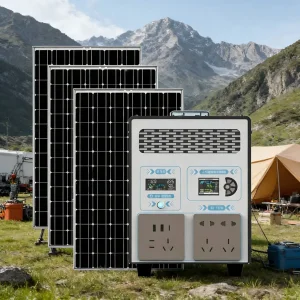
Explore our high-efficiency lithium systems, hybrid off-grid inverters, and utility-scale solar array accessories. Direct factory supply with certified compliance for global markets.
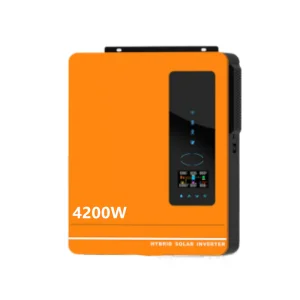
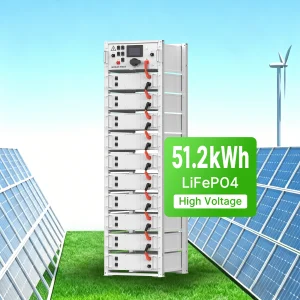
The global transition toward distributed energy resource management is accelerating at an unprecedented pace. Spurred by volatile utility grid tariffs, clean energy mandates, and grid resilience initiatives, commercial and industrial (C&I) operations as well as modern residential developments are incorporating advanced Battery Energy Storage Systems (BESS). Rather than treating storage systems as passive back-up units, modern utilities and system integrators view them as dynamic grid-interactive elements capable of frequency regulation, peak-shaving, and demand-response arbitrage.
As the international community targets net-zero carbon thresholds, the integration of Lithium Iron Phosphate (LiFePO4) chemistry has become the industry standard. LiFePO4 offers unmatched safety, high thermal runaway thresholds, and an exceptional lifecycle footprint exceeding 6000 to 8000 full depth-of-discharge (DoD) cycles. This chemical maturity directly matches the durability demands of distributed solar energy plants, where storage batteries are matched alongside PV arrays to deliver stable off-grid microgrid functionality or reliable household backup.
China remains the undisputed epicenter of the lithium-ion battery and clean energy supply chain, controlling over 75% of global capacity in key refining, cell manufacturing, and raw material processing stages. By sourcing direct from dedicated industrial hubs, international B2B purchasers bypass fragmented middle-tier vendors and capitalize on a fully integrated component ecosystem. From basic solar connector cables to complex multi-megawatt containerized BESS installations, every element is designed, tested, and assembled with tight cost optimization and vertical component access.
Fujian and Guangdong provinces serve as the leading manufacturing vectors, bringing together battery cell foundries, electronic components plants, and enclosure fabricators. This geographical concentration reduces internal logistics latency to near-zero. Consequently, manufacturers can produce advanced all-in-one residential storage cabinets, customized battery management systems (BMS), and rugged PV racking brackets at scale, passing substantial cost advantages directly to global wholesale distributors.
Leading Chinese exporters deploy advanced hardware-in-the-loop (HIL) automation setups to test battery Management Systems, simulate cell degradation patterns, and perform thermal profiling under stress. Every unit destined for Western Europe, the Americas, or Australasia is built in strict compliance with safety directives like CE, IEC 62619, UL 1973, and UN38.3, ensuring flawless customs clearance and reliable structural operations under heavy localized workloads.
Xiamen Jonas Energy Co., Ltd. is a professional provider of renewable energy solutions, headquartered in Xiamen, Fujian Province, China. Since its establishment, the company has been dedicated to the research, development, manufacturing, and global distribution of advanced photovoltaic and energy storage products.
With a strong commitment to innovation and sustainability, Jonas Energy offers a comprehensive portfolio of solar energy solutions, including solar panels, inverters, energy storage batteries, mounting systems, and complete solar power generation systems. Our products are designed to meet the diverse needs of residential, commercial, industrial, and utility-scale projects worldwide.
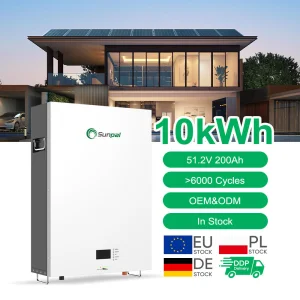
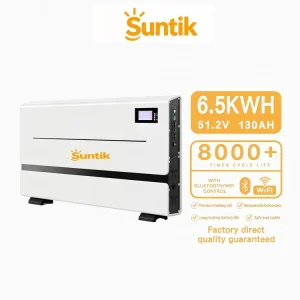
We work closely with internationally recognized manufacturers and technology partners to provide a wide range of reliable energy storage solutions, including wall-mounted batteries, all-in-one storage systems, rack-mounted batteries, and containerized energy storage systems (ESS). Through continuous innovation and strategic partnerships, we help customers achieve greater energy independence and efficiency.
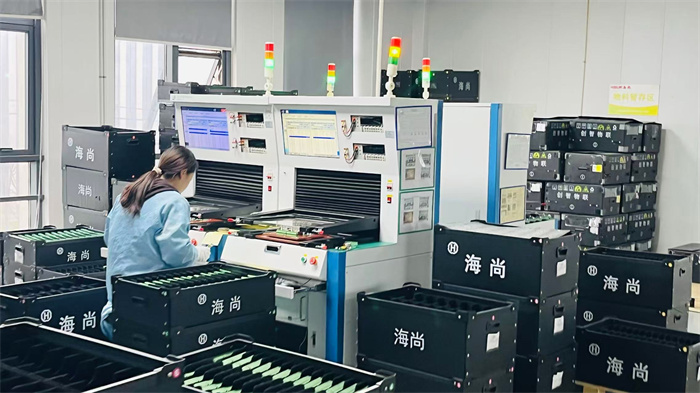
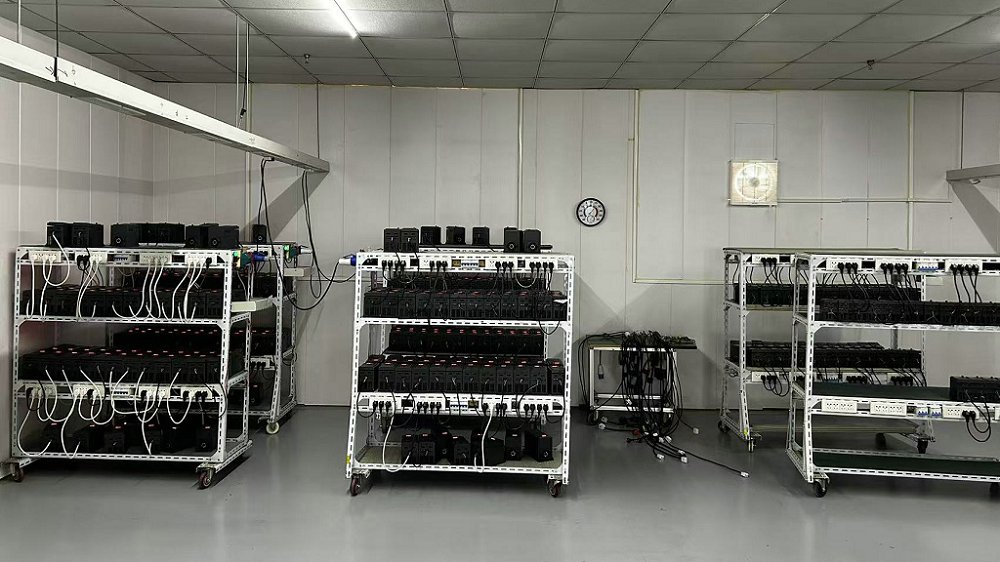
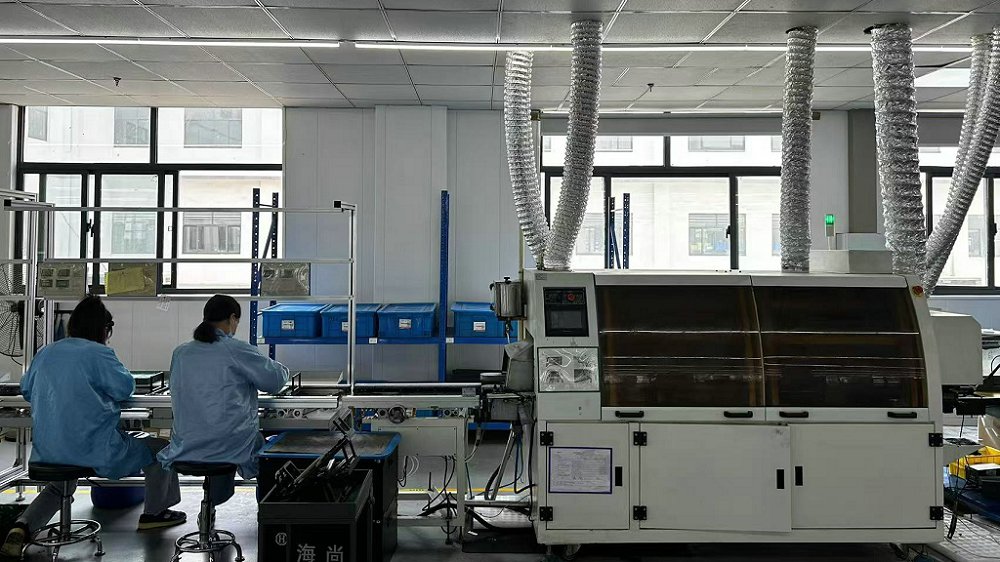
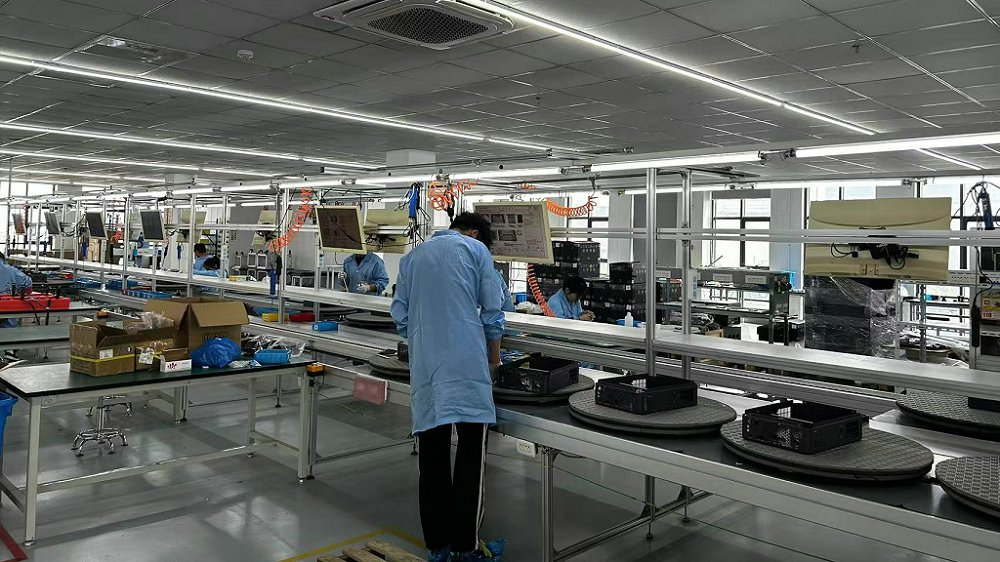
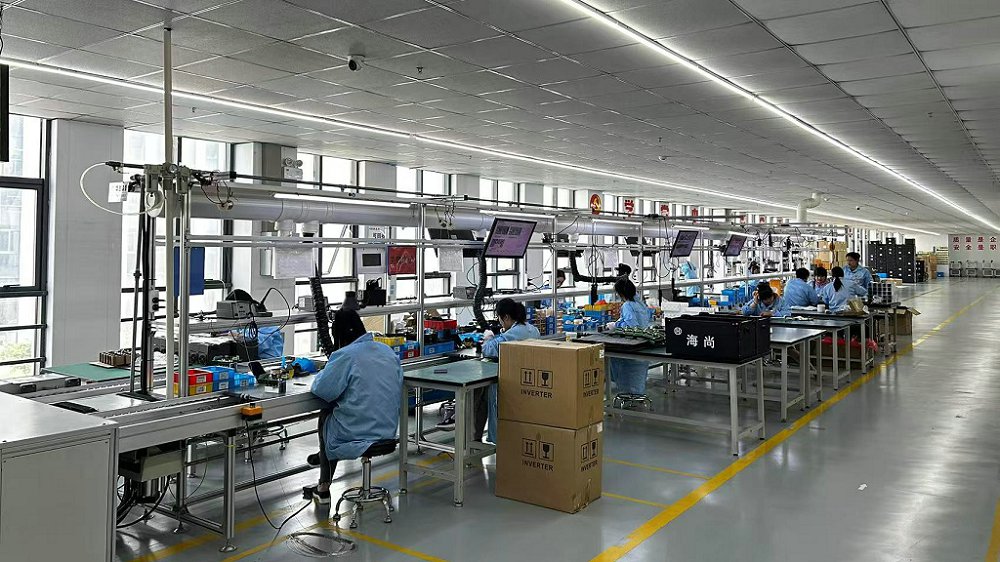
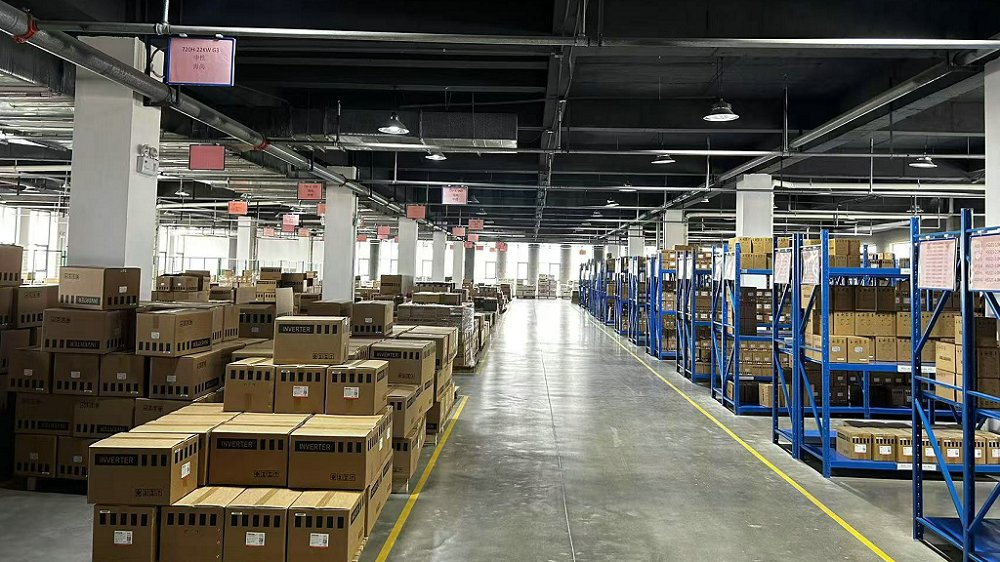
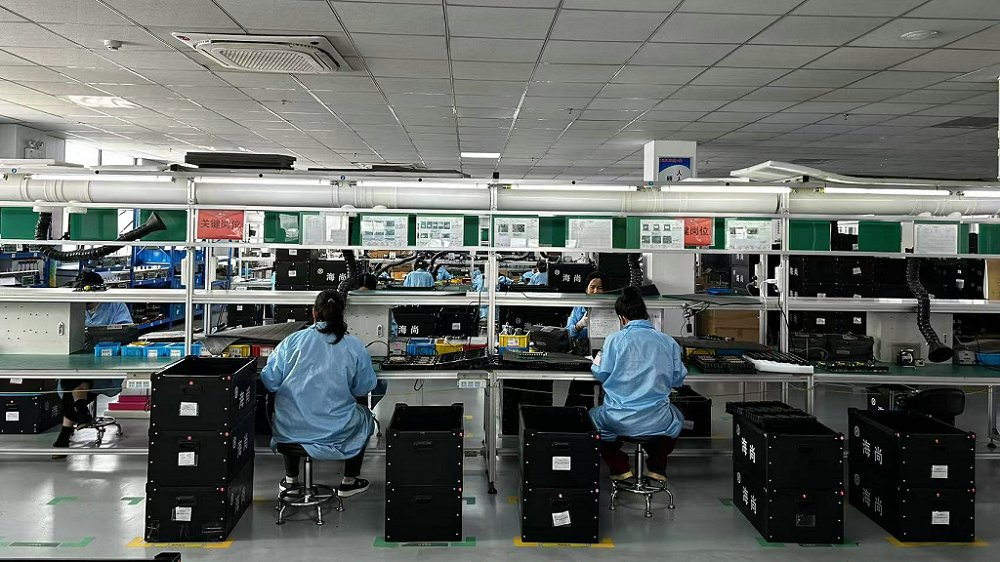
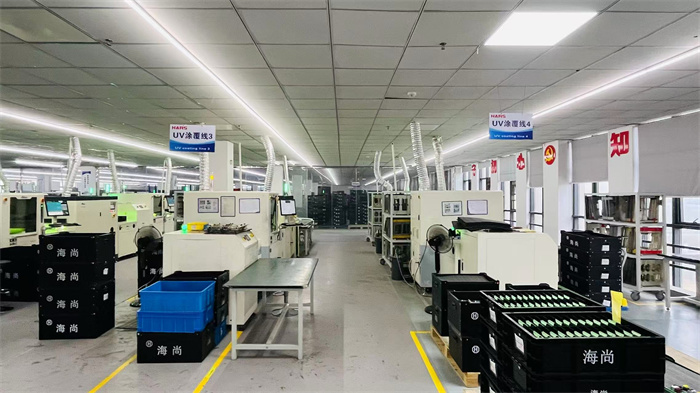
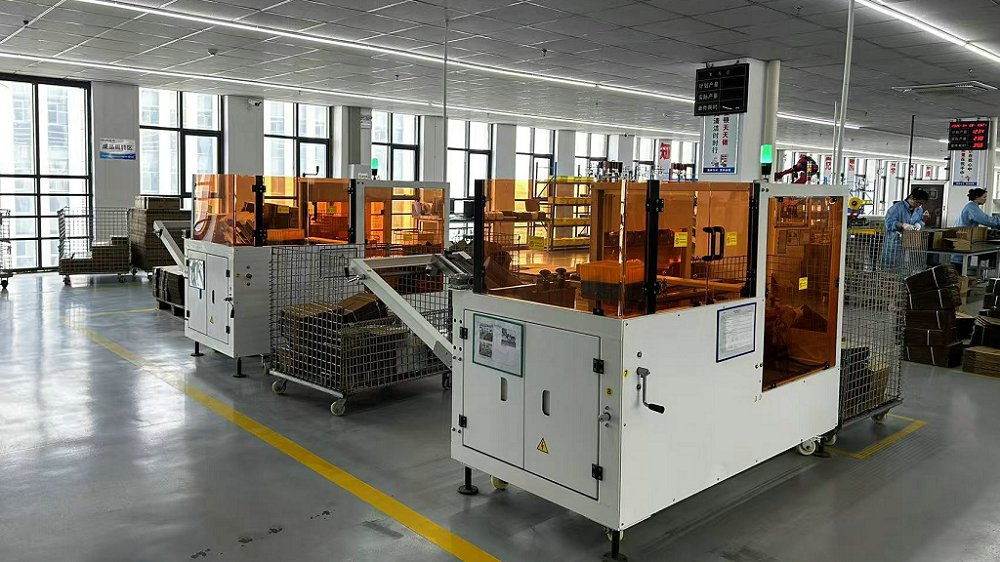
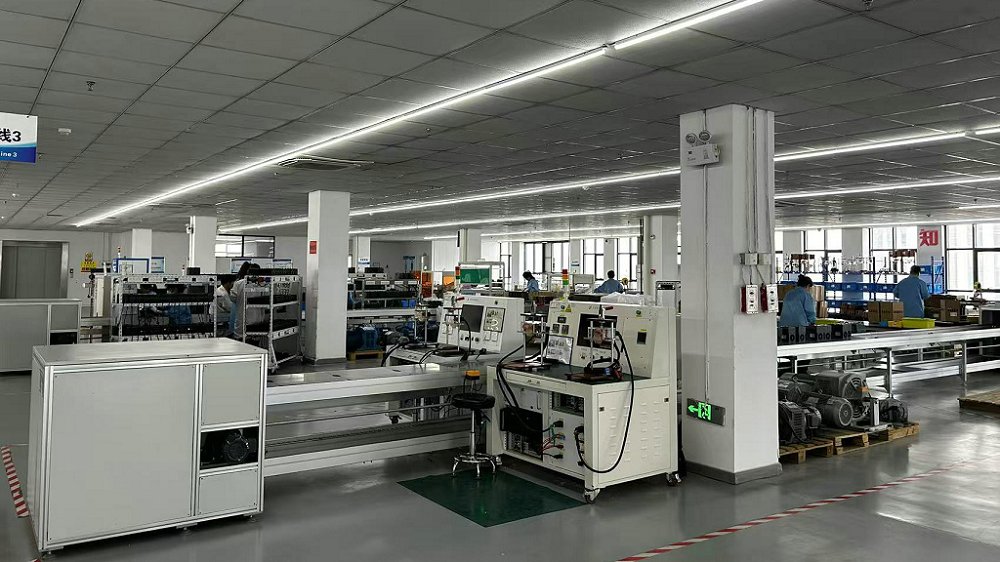
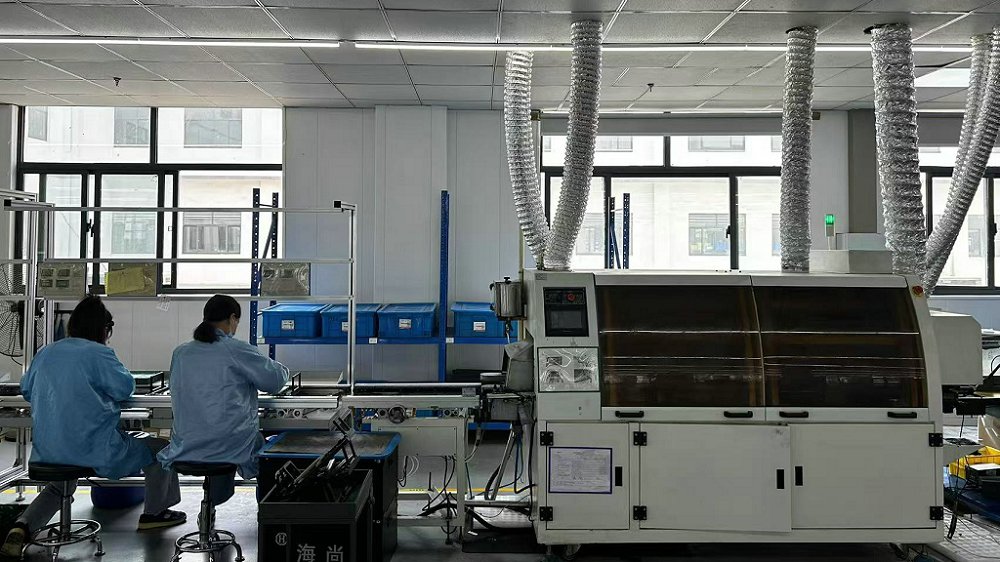
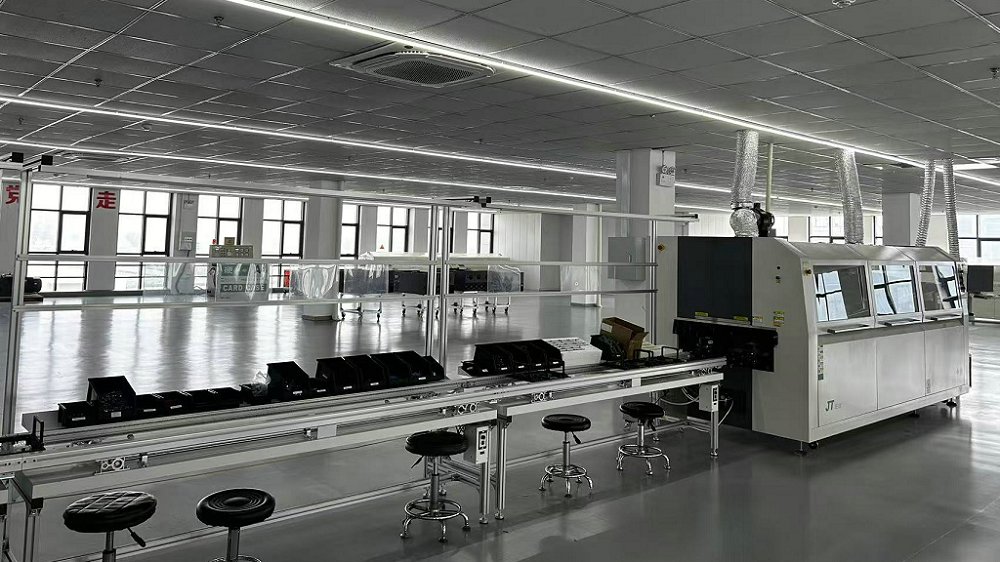
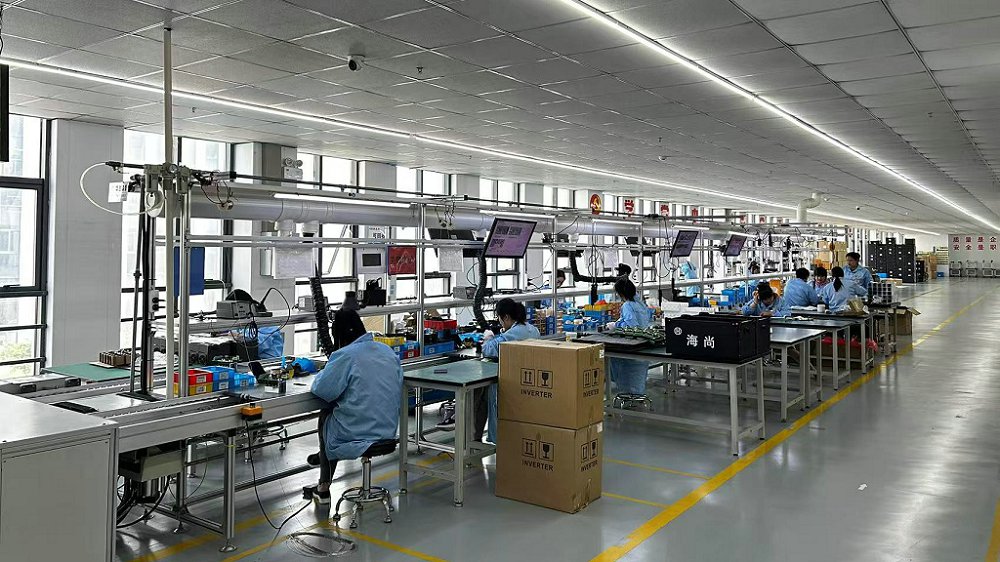
As a high-tech enterprise, Jonas Energy operates modern production facilities equipped with advanced manufacturing and testing equipment. Our annual production capacity reaches several gigawatts, enabling us to efficiently serve customers across global markets.
Our experienced R&D team consists of highly qualified engineers and technical specialists who continuously focus on product innovation, performance optimization, and technological advancement in the renewable energy sector. By integrating cutting-edge technologies, we ensure that our solutions remain competitive, efficient, and future-ready.
BESS configurations must adapt to the regional grid structures, local solar radiation profile, and load management demands. Below are the core applications deployed by our global partners.
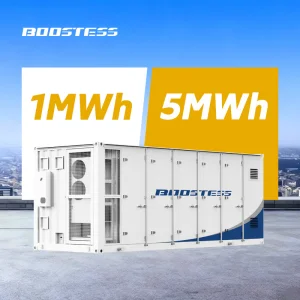
Ideal for remote industrial zones, agricultural outposts, and island operations. By pairing containerized storage solutions (1MWh to 5MWh BESS) with smart energy management and high-frequency inverters, operators achieve 100% utility independence while running high-load three-phase systems.
Designed for enterprises facing aggressive demand charges and time-of-use tariffs. Storage systems discharge stored solar power automatically during Peak Tariff periods, keeping facility loads below designated threshold limits and saving thousands in monthly grid fees.
Wall-mounted and modular battery stacks (5.12V / 48V to 400V high voltage) interface directly with hybrid residential inverters. Homeowners maximize their self-consumption ratio, saving PV-generated electricity for nighttime use or backup coverage during blackouts.
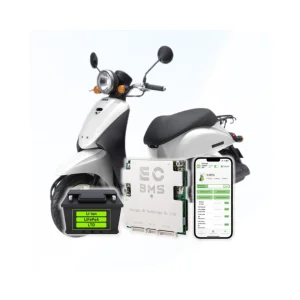
Integrated Smart BMS technologies provide deep telemetry over CAN, RS485, and UART interfaces. EPC installers and operators remotely track cell voltages, charge-discharge curves, and temperature metrics to proactively address safety issues, ensuring system longevity across diverse environments.
The energy landscape is changing quickly due to improvements in cell densities, faster communication speeds between cells, and software-guided energy management. Leading engineers point to three primary developments shaping current procurement strategies:
When buying wholesale, importers must pay close attention to component matching and certifications. Simply buying high-grade LFP cells is not enough; the cells must be paired with active balancing BMS boards and compatible hybrid inverters to prevent system faults. At Jonas Energy, we focus on providing complete system solutions. We pre-test the mechanical and electrical compatibility of our cell modules, BMS systems, combiner boxes, and mounting structures before shipment, guaranteeing easy installation on-site.
Answers to key technical questions from engineering leads, utility developers, and wholesale clean energy buyers.
While NMC (Nickel Manganese Cobalt) chemistries deliver higher gravimetric energy densities, LiFePO4 (Lithium Iron Phosphate) excels in safety, thermal stability, and operational cycle life. LFP battery modules operate safely at temperatures up to 60°C without risk of thermal runaway. Crucially, they maintain over 80% state-of-health (SoH) after 6,000 to 8,000 complete 100% Depth-of-Discharge cycles, providing a significantly lower levelized cost of storage (LCOS) over a 10-to-15-year operational lifespan.
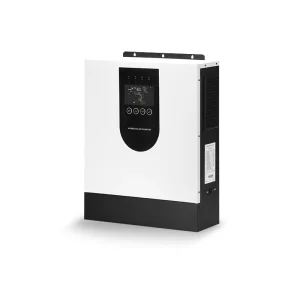
An All-in-One system combines the MPPT charge controller, DC-to-AC bidirectional inverter, battery modules, and power transfer switch into a single pre-engineered enclosure. This setup avoids complex field wiring, minimizes component-to-component mismatch, and shortens onsite commissioning times for installers. It also ensures that the communication protocol between the BMS and the inverter is pre-calibrated, maximizing system reliability and safety.
Our advanced ECBMS and integrated ESS control layers support standard industrial protocols including CAN, RS485, and UART. These interfaces allow the storage unit to communicate dynamically with external hybrid inverters, local energy management software, and remote monitoring applications. Through these communication pathways, system managers can monitor real-time cell parameters, temperature gradients, and balance cell states to prevent overcharging or deep discharge cycles.
Importing lithium-ion storage arrays requires strict safety compliance. For North America, systems must comply with UL 1973 (for battery packs) and UL 9540 (for complete systems), along with FCC emissions standards. For Europe, batteries must carry the CE mark, satisfy IEC 62619 safety requirements, and comply with the EMC directive. For international shipping, all systems must hold UN38.3 certification, which verifies compliance with transport safety testing guidelines for lithium batteries.
Yes, our high-voltage battery racks can be connected in parallel to scale capacity. However, they must be controlled by a master-slave BMS architecture to manage current distribution and prevent high circulating currents. Active balancing circuits dynamically shift energy from cells with higher voltage to cells with lower voltage during the charge-discharge cycle, ensuring all cells remain balanced and extending the overall lifetime of the battery pack.
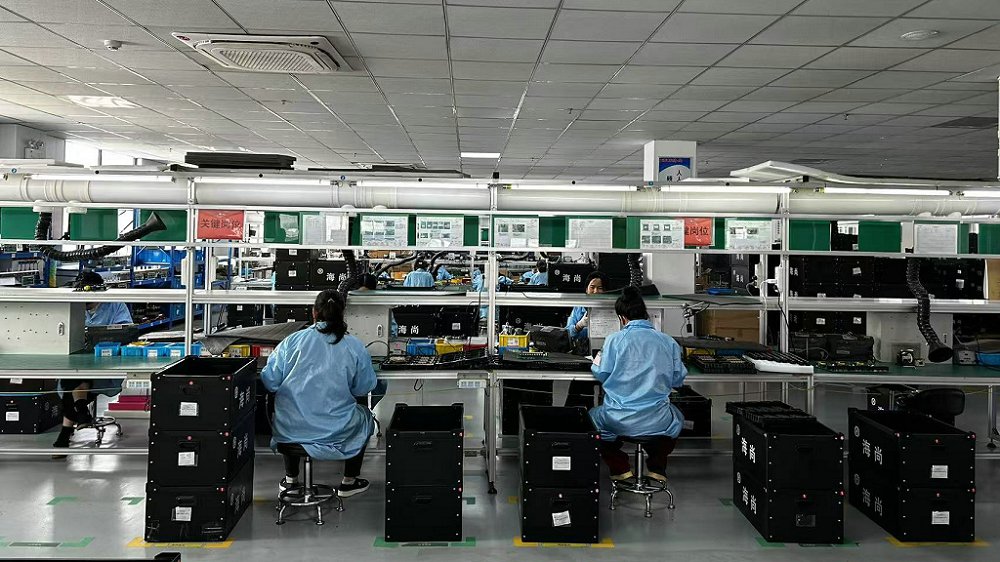
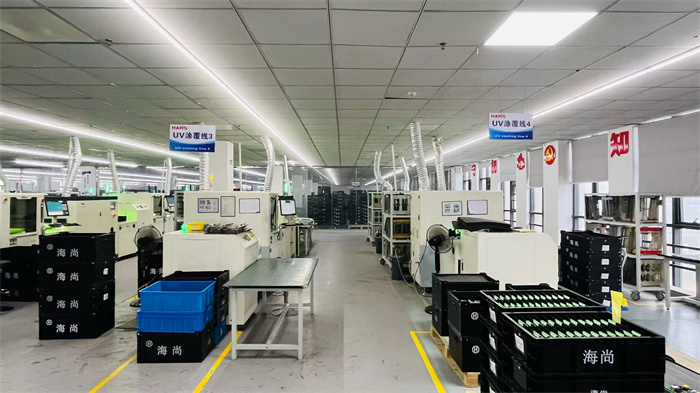
We implement strict quality control standards throughout production. Our manufacturing facilities utilize precise automation for sorting cells based on internal resistance and capacity. Assembled modules go through extensive thermal testing and cycling checks before final shipment. This detailed process ensures that only cells with matching characteristics are paired, preventing premature aging and keeping the system operating at peak performance for years.
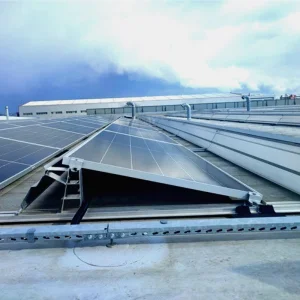
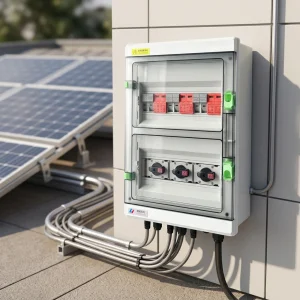
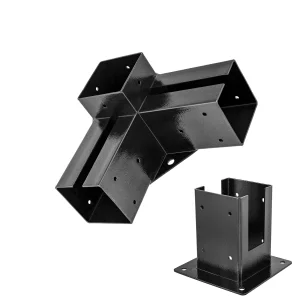
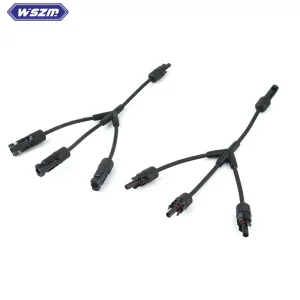
Complete your energy projects with our balance-of-system (BOS) accessories, including combiner boxes, structural mounting brackets, and specialized solar connectors.
 Jonas Energy