Explore our industrial-grade, certified components designed for scalable grid and off-grid performance.
Annual Manufacturing Capacity
CE & IEC Certified Quality Control
Global Exporting Regions
Structural Lifespan Standard
A comprehensive analysis of certification requirements, supply chain strategies, and quality mitigation protocols.
In the rapidly evolving global renewable energy sector, utility-scale developers and EPC (Engineering, Procurement, and Construction) companies navigate a complicated regulatory and technological path. The choice of CE certified solar energy equipment factories is not merely a legal checkbox; it represents the baseline engineering framework required to minimize LCOE (Levelized Cost of Energy), ensure systemic grid integration, and guarantee asset durability. In European markets and regions referencing European standards, CE certification proves adherence to crucial directives—primarily the Low Voltage Directive (LVD 2014/35/EU), Electromagnetic Compatibility Directive (EMC 2014/30/EU), and Radio Equipment Directive (RED 2014/53/EU) for interconnected smart infrastructure.
CE Marking demonstrates that solar hardware—ranging from PV structural rails and multi-megawatt off-grid energy storage systems to advanced battery management systems (BMS)—complies with harmonized European safety standards. Under the European Green Deal and associated grid codes (such as EN 50549-1/2), non-compliant equipment faces immediate import containment or grid rejection.
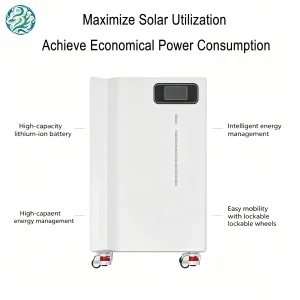
When procuring systems like wall-mounted residential batteries or stackable commercial liquid-cooled LiFePO4 configurations, compliance with IEC 62619 (safety for industrial lithium systems) and CE LVD ensures thermal runaway protection, overcharge protection, and overall electrical-mechanical safety. This framework forms the basis of bankability, letting developers secure institutional financing and project insurance at competitive rates.
Conformity with CE, IEC, and TUV standards prevents mechanical failures, electric shocks, and thermal runaway hazards in high-capacity lithium-ion installations.
Our power electronic components match European grid guidelines, maintaining frequency stability and ensuring smooth integration with utility systems.
Optimized mounting steel structures and high-efficiency BMS components extend equipment lifespans up to 25 years, improving long-term project ROI.
A benchmark review of manufacturing materials, thermal dissipation architectures, and energy storage management schemes.
Modern solar deployment requires robust mechanical engineering and advanced electrical systems. Our factories prioritize optimized structural elements and smart power distribution. The comparison table below highlights key parameters across our mounting structures and energy management technologies, demonstrating our adherence to strict engineering standards.
| System Classification | Material Specs / Architecture | Safety Certification Standards | Environmental Tolerance Parameters |
|---|---|---|---|
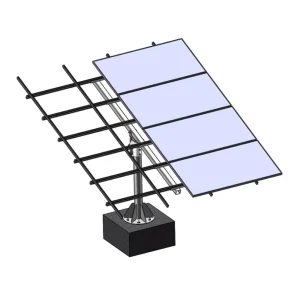
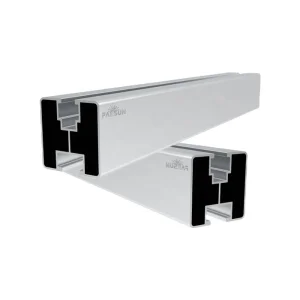
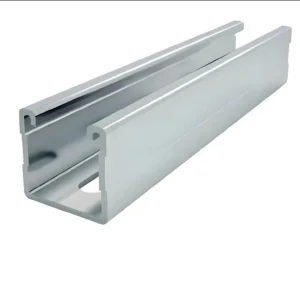
| Ground Mount / Carport | Q235B / Q355B Hot-dip Galvanized Steel & AL6005-T5 Aluminum | AS/NZS 1170.2, CE EN 1090-1 | Wind speed ≤ 60 m/s; Snow load ≤ 1.4 KN/m² |
| Smart BMS (4S to 20S / 96V) | Active/Passive Balancing PCBA with CAN/RS485/UART | CE EMC, EN 61000-6-2/4 | Thermal protection cut-off at 65°C (programmable) |
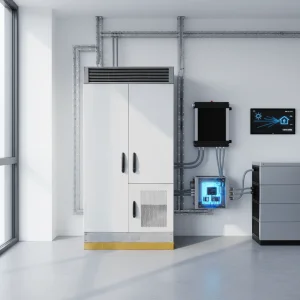
| All-in-One Liquid ESS | Stackable LiFePO4 cells with integrated fluid cooling loop | IEC 62619, CE LVD, UN38.3 | Operating temp: -20°C to +55°C (cell temp variance ≤ 3°C) |
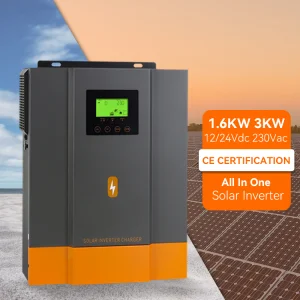
| Off-Grid PV Inverters | MPPT tracking topology with galvanic isolation | CE LVD, EN 62109-1/-2 | 98.2% peak efficiency; IP20 to IP65 housing protection |
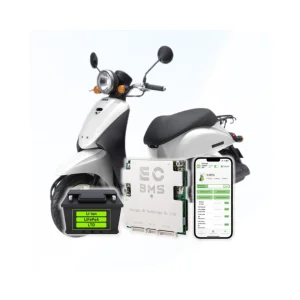
At the center of any modern solar battery plant is the Battery Management System (BMS). Using advanced smart BMS platforms (such as our 48V LiFePO4 configurations for 8s to 16s systems), the BMS performs real-time diagnostics, active cell-balancing, and thermal runaway containment. By utilizing isolated CAN bus and RS485 communication protocols, these components interface with leading hybrid inverters. This maintains structural safety and system reliability across fluctuating residential and commercial loads.
For utility-scale implementations, liquid-cooled home and industrial storage systems are replacing older air-cooled designs. Fluid cooling plates balance internal module temperatures, keeping cell deviation within 3°C. This control extends cycle life by up to 30%, guaranteeing stable power delivery over 6,000 discharge cycles.
Inside Xiamen Jonas Energy Co., Ltd. - Driving industrial innovation and rigorous quality control.
Xiamen Jonas Energy Co., Ltd. is a professional provider of renewable energy solutions, headquartered in Xiamen, Fujian Province, China. Since its establishment, the company has been dedicated to the research, development, manufacturing, and global distribution of advanced photovoltaic and energy storage products.
With a strong commitment to innovation and sustainability, Jonas Energy offers a comprehensive portfolio of solar energy solutions, including solar panels, inverters, energy storage batteries, mounting systems, and complete solar power generation systems. Our products are designed to meet the diverse needs of residential, commercial, industrial, and utility-scale projects worldwide.
We work closely with internationally recognized manufacturers and technology partners to provide a wide range of reliable energy storage solutions, including wall-mounted batteries, all-in-one storage systems, rack-mounted batteries, and containerized energy storage systems (ESS). Through continuous innovation and strategic partnerships, we help customers achieve greater energy independence and efficiency.
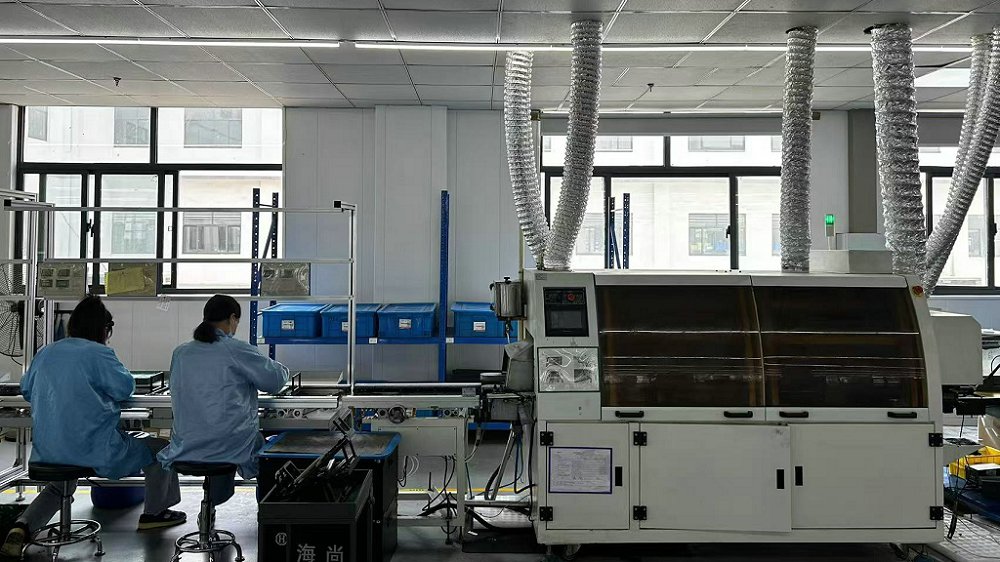
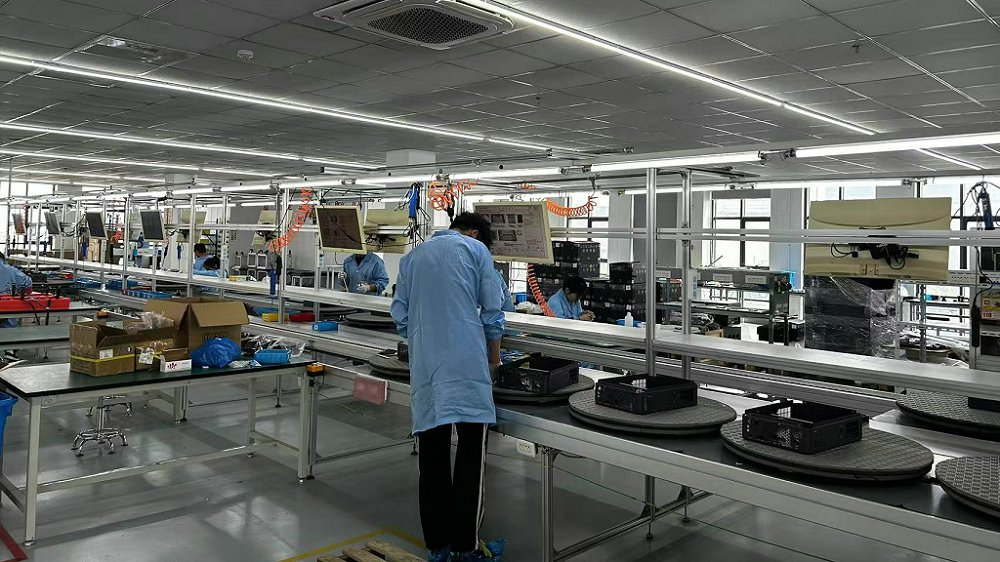
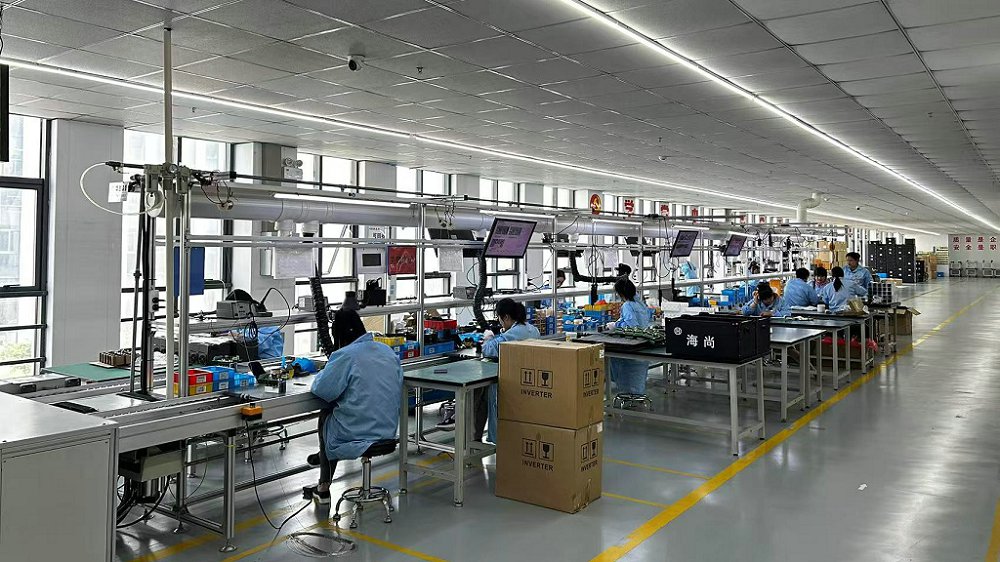
Our manufacturing facilities utilize highly efficient and precise production and inspection equipment. Through cooperation with leading industry partners and suppliers, we maintain exceptional product consistency and quality throughout the production process. Our multidisciplinary team includes experts in photovoltaic technology, energy storage systems, engineering design, project management, and international business. We are committed to delivering innovative products and professional support to customers worldwide.
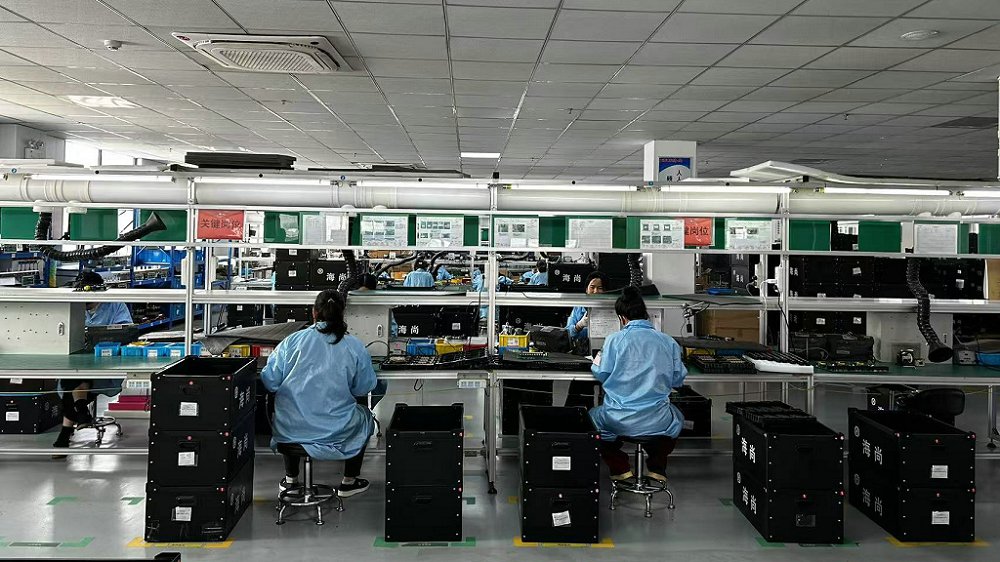
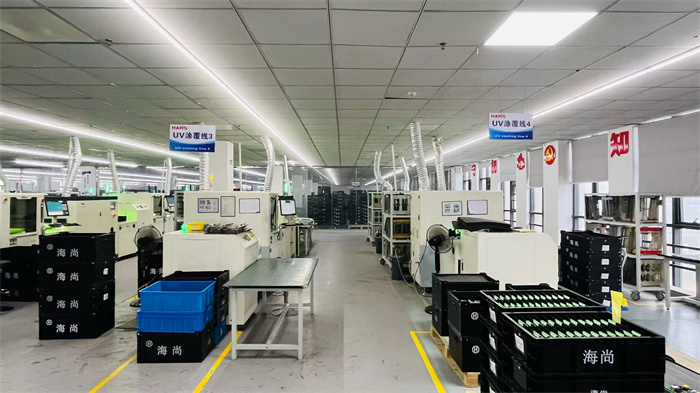
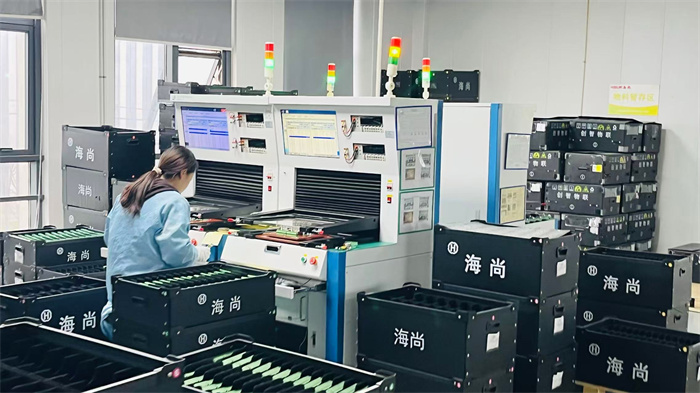
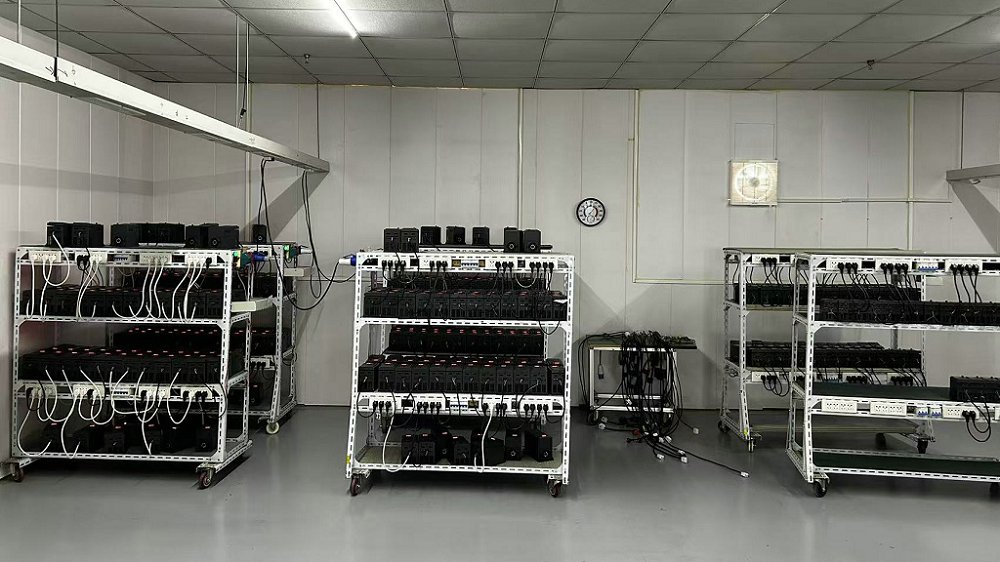
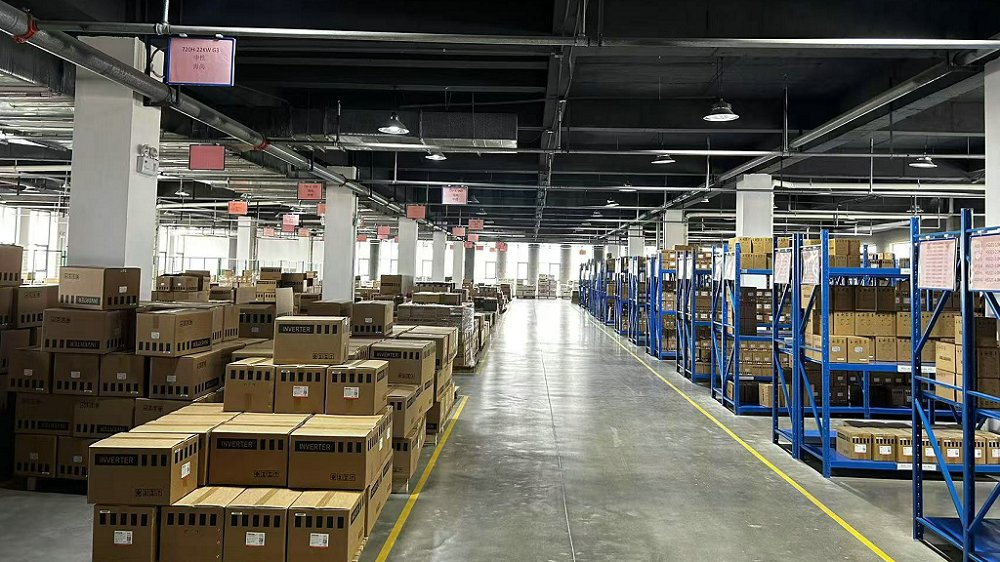
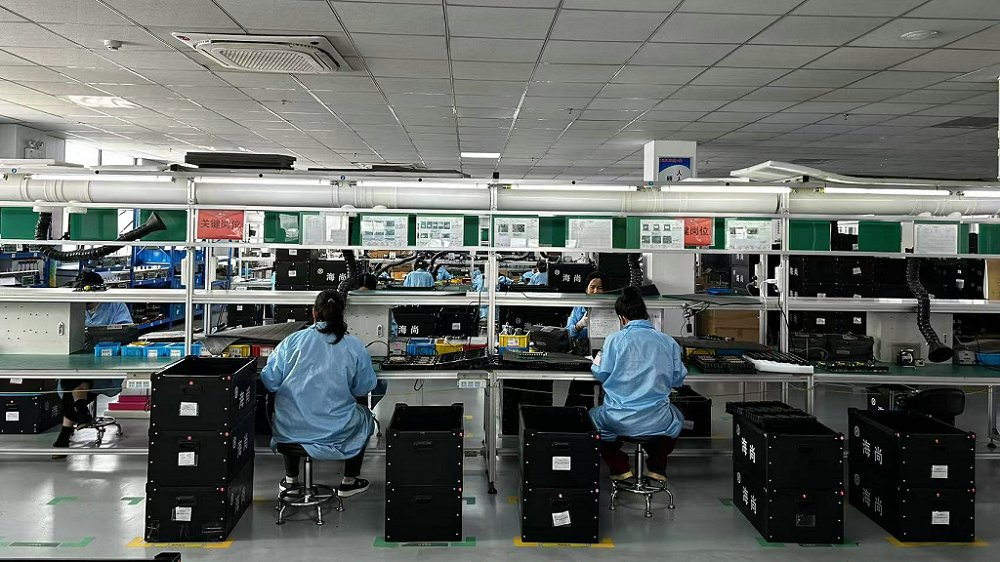
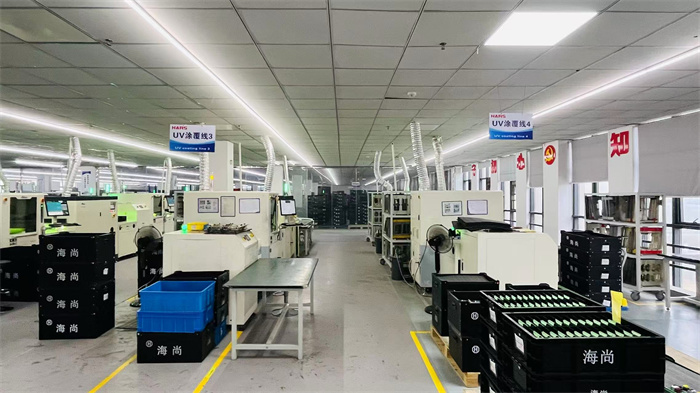
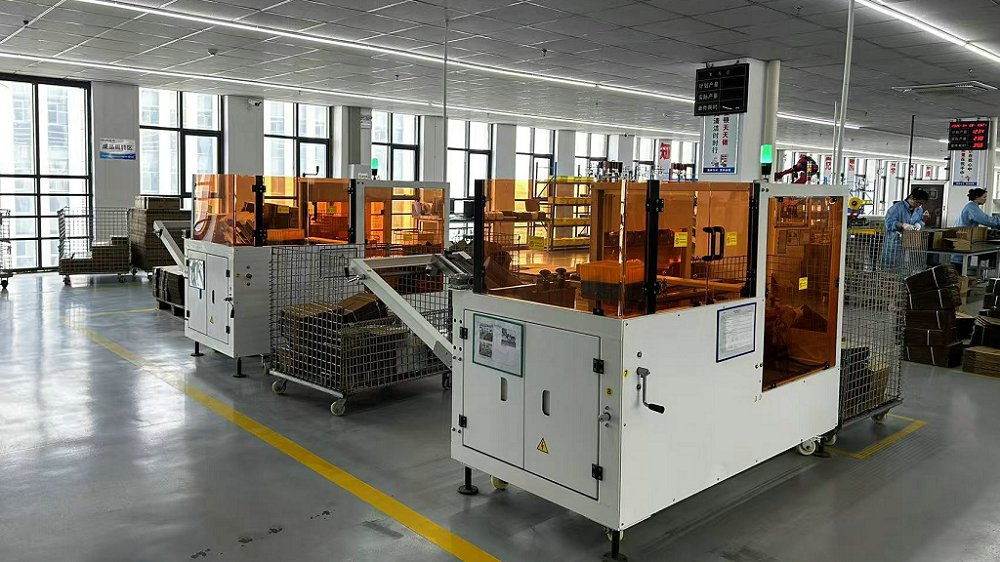
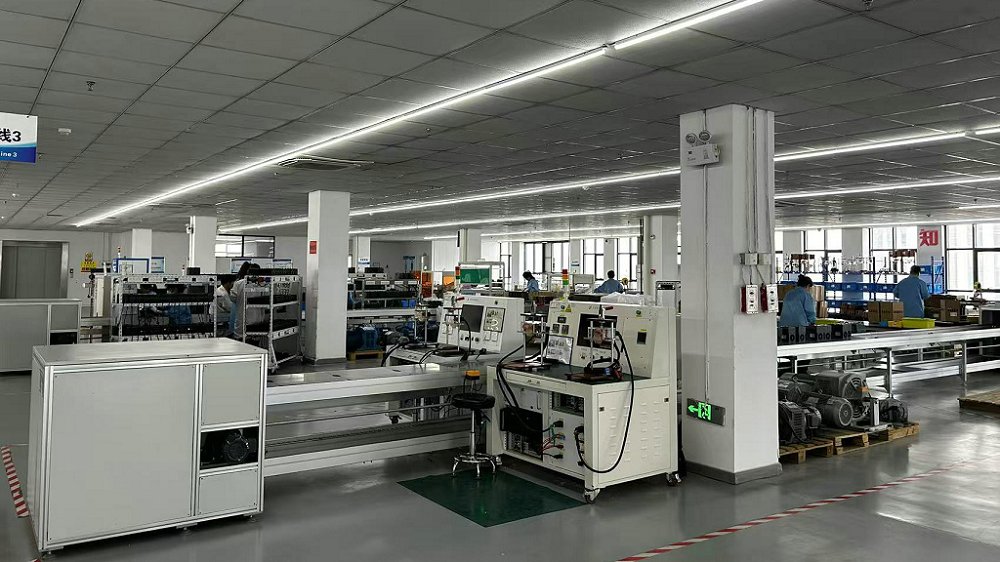
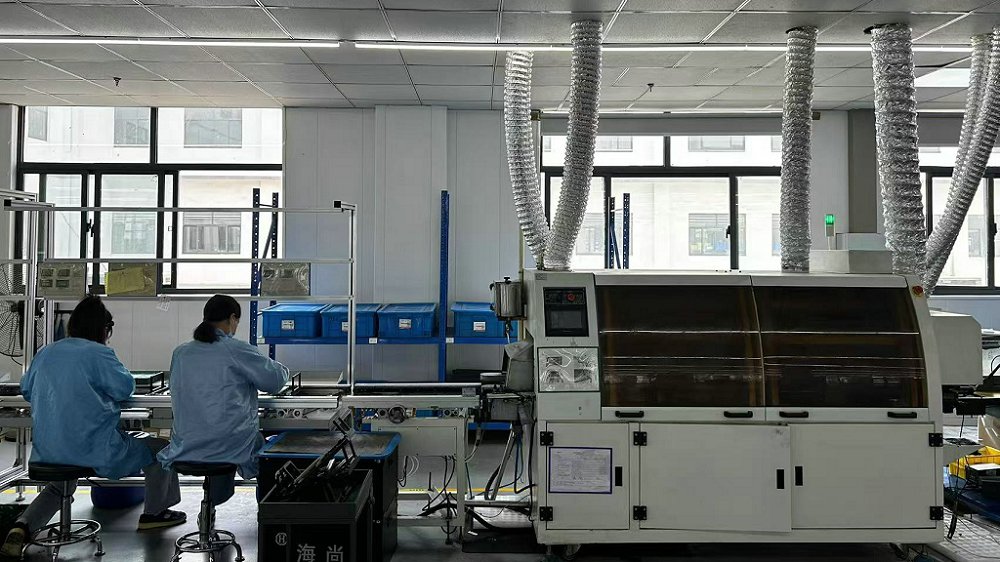
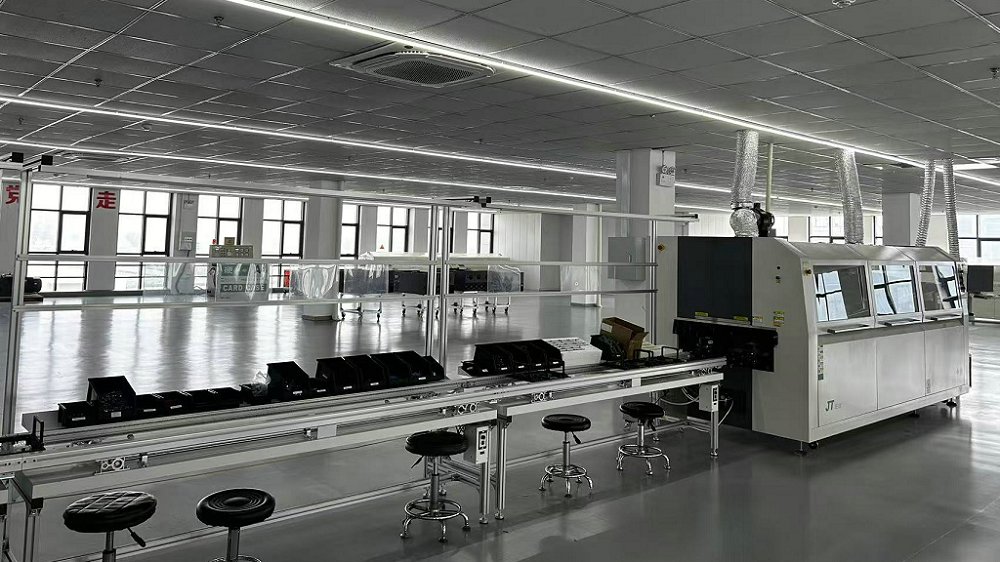
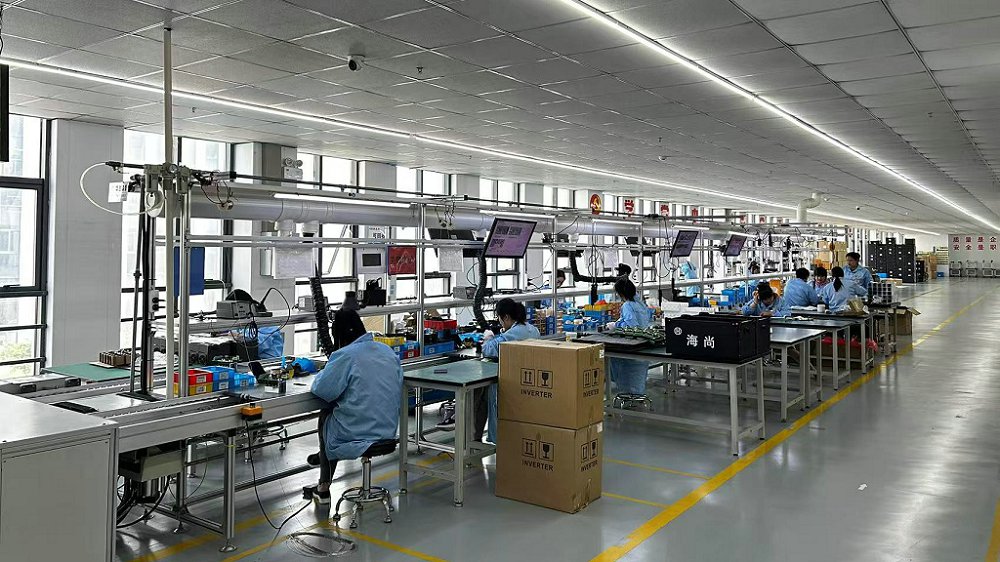
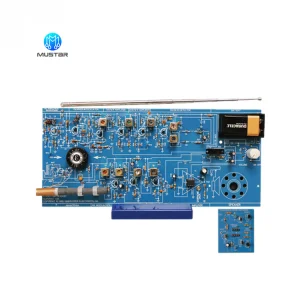
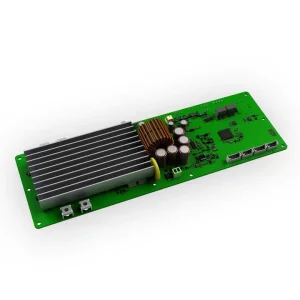
Every component, from structure profile rails to smart PCB assemblies, undergoes precise manufacturing procedures. Below is the visual representation of our processing workflow, validating the engineering traceability required under ISO9001 and CE directives.
Addressing real-world deployment challenges with durable structures and reliable battery technology.
Solar racking acts as the physical foundation of any PV installation. In utility projects, arrays must withstand high wind loads and harsh weather for decades. Our engineering team designs structures using Q235B and Q355B hot-dip galvanized steel alongside AL6005-T5 anodized aluminum. This combination keeps structures stable under extreme wind loads (up to 60m/s).
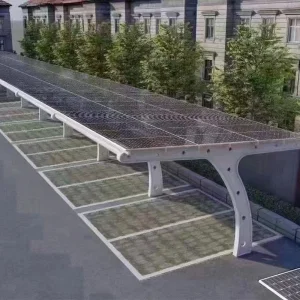
Additionally, specialized waterproof PV carport systems provide dual-purpose utility for commercial parking structures. Custom flashing channels and durable EPDM gaskets manage stormwater runoff while generating power, optimizing local commercial land use.
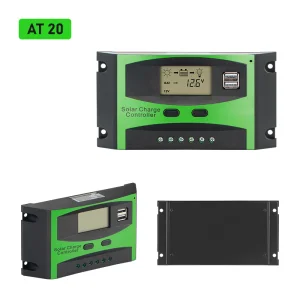
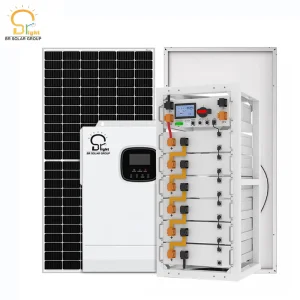
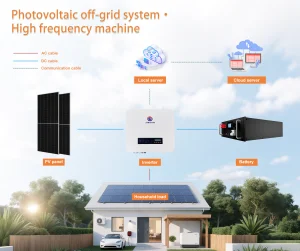
For remote sites or microgrid installations lacking stable grid access, balanced system design is essential. Configuring stackable off-grid systems (from 5kW up to 60kW) requires matching battery capacities with corresponding inverter and charge controller specifications.
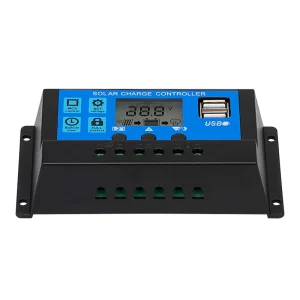
By sizing monocrystalline arrays alongside scalable, smart-monitored LiFePO4 batteries, users secure reliable backup power. The integrated charge controllers protect batteries from excessive depth-of-discharge (DoD), maintaining consistent performance across various residential and commercial profiles.
Essential technical and regulatory details for global procurement directors and EPC system engineers.
Every battery pack undergoes initial capacity cell sorting, structural weld testing, multi-point temperature sensor calibration, and a full charge-discharge aging test. All production runs are logged via our ERP database to ensure batch-level component traceability.
These structural carbon steels are treated with a hot-dip galvanization layer exceeding 85 microns. This thickness blocks marine moisture and airborne salts, resisting corrosion for over 25 years.
It permits real-time, high-speed telemetry transmission (SOC, SOH, current, voltage, and cell temperatures) between the battery array and the central hybrid inverter. This connectivity ensures the system regulates dynamic charging curves to protect overall battery health.
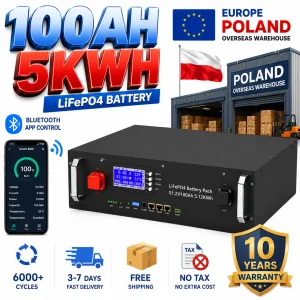
Having local stock reduces shipping times, bypasses import delays, and handles VAT/customs clearance ahead of time. This helps regional distributors and installers execute projects without unpredictable transit lead times.
Integrate certified control modules and power subsystems into your infrastructure designs.
 Jonas Energy