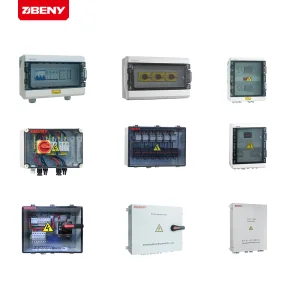
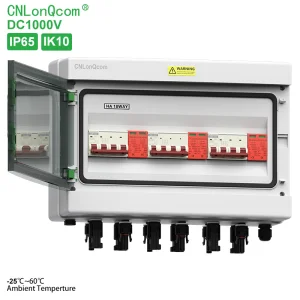
Engineered to withstand extreme ambient temperatures and coastal salinity. High reliability for island grids and mainland installations.
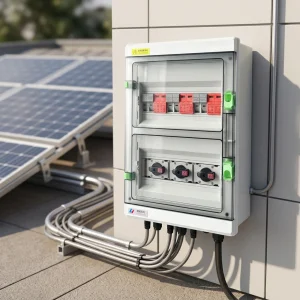
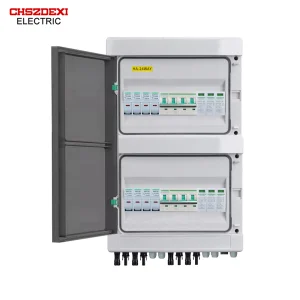
Greece is undergoing a profound energy transition. Driven by the National Energy and Climate Plan (NECP), which aims for renewable energy sources to cover over 80% of electricity generation by 2030, photovoltaic installations are expanding rapidly. From utility-scale plants in the plains of Thessaly to decentralized residential systems across the Peloponnese and localized island microgrids, the Greek solar landscape presents both unmatched generation opportunities and severe operational challenges. Achieving system efficiency and safety under these parameters requires robust, high-performance DC protection and distribution infrastructure, where the selection of solar combiner boxes is critical.
Unlike Central or Northern European solar projects, plants installed in Greece must operate under extreme ambient stressors. Greece regularly experiences summer temperatures exceeding 40°C, with peak solar irradiance levels reaching up to 1900 kWh/m² annually in southern regions and islands like Crete and Rhodes. Standard DC combiner boxes frequently fail under these conditions due to internal heat accumulation, causing the thermal derating of critical components like DC fuses, miniature circuit breakers (MCBs), and surge protective devices (SPDs).
Xiamen Jonas Energy Co., Ltd. resolves this vulnerability by utilizing specialized thermo-stabilized enclosures (polycarbonate or sheet metal) featuring IP65 and IP66 ratings. Our boxes incorporate breathable ventilation valves (such as micro-porous membrane vents) to facilitate pressure equalization and moisture dispersion without compromising IP integrity. This effectively prevents internal condensation, reduces thermal degradation, and extends the operational lifetime of the array components.
A significant portion of Greek solar infrastructure is located near coastlines or on Aegean islands. This exposes system components to highly saline air, which promotes electrochemical corrosion. Standard metals and low-quality plastics degrade rapidly when subjected to C5-M atmospheric corrosivity classes. The Jonas Energy combiner boxes are built using high-grade UV-resistant polymeric materials and corrosion-resistant powder-coated steel or stainless-steel enclosures that successfully pass rigorous salt spray testing, guaranteeing structural integrity and electrical isolation for decades.
Interconnecting solar arrays to the Greek power grids—operated by HEDNO (Hellenic Electricity Distribution Network Operator) for the distribution level and ADMIE (Independent Power Transmission Operator) for the transmission level—demands absolute compliance with EU harmonized standards. Critical guidelines include HD 384 (Requirements for Special Installations or Locations - Solar Photovoltaic Power Supply Systems) and the European Standard EN 61439-2 (Low-voltage switchgear and controlgear assemblies).
Our combiner boxes strictly adhere to these guidelines. By integrating CE-marked, TUV-tested DC disconnect switches, gPV class fuses, and Type I+II DC surge protection devices, we ensure that local installations meet every grid safety requirement. This prevents grid fluctuations, minimizes downtime during lightning surges (frequent in Greek mountain installations), and safeguards downstream central or string inverters.
Standard and custom configurations tailored to the needs of Greek installers, engineering procurement contractors (EPCs), and system integrators.
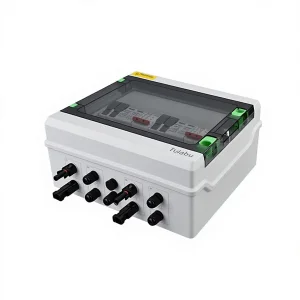
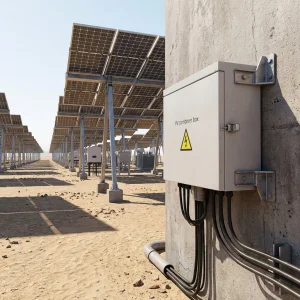
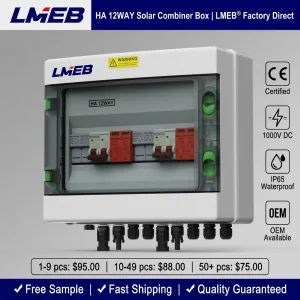
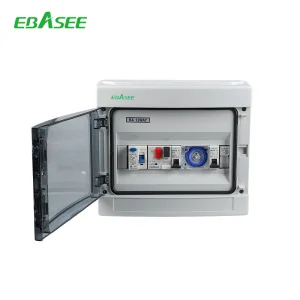
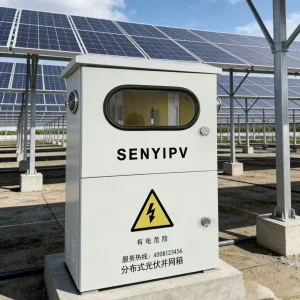
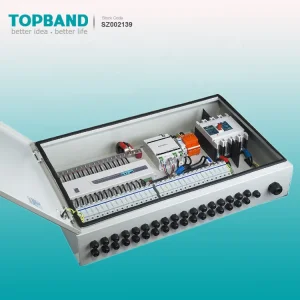
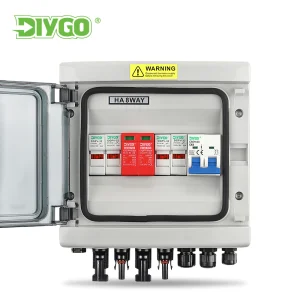
As the Greek market moves towards lowering the Levelized Cost of Energy (LCOE), utility-scale developers are progressively pivoting from traditional 1000V DC configurations to 1500V DC architectures. System designs at 1500V reduce the necessary BOS (Balance of System) wiring, lower electrical transmission losses, and consolidate the footprint of combiner stations. However, higher voltages produce higher risk of electrical arcing and component insulation breakdown.
Jonas Energy is a pioneer in both configurations, manufacturing dedicated 1500V DC combiner boxes equipped with specialized 1500V switchgear, gPV fuses rated up to 30A, and specialized 1500V Type I+II SPDs. For commercial, agricultural, and rooftop installations where 1000V and 500V platforms remain standard, our solutions provide compact footprints with optimized protection dynamics, giving EPCs the flexibility to design their systems according to their project parameters.
In large-scale solar projects across Greece, localized faults—such as micro-cracks in panels, localized shading, or faulty wiring—can accumulate over time, resulting in significant annual yield losses. Traditional manual inspection of string arrays is economically and logistically impractical, particularly on rugged terrains.
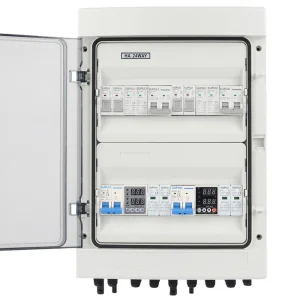
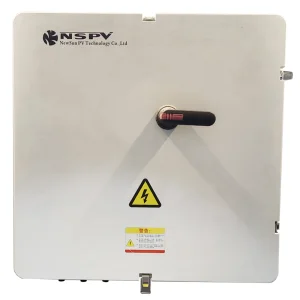
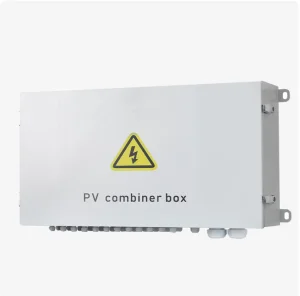
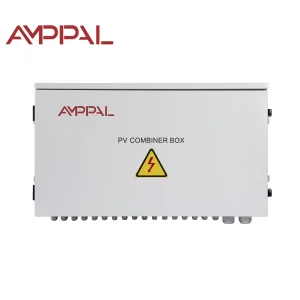
To address this challenge, Xiamen Jonas Energy provides smart monitoring combiner boxes featuring integrated RS485 Modbus RTU interface protocols and PLC (Power Line Communication) options. These smart boxes actively measure the voltage, current, internal temperature, and status of the surge protective devices and breakers in real time. System operators can immediately pinpoint underperforming strings, allowing for rapid preventative maintenance and optimizing overall energy production.
Discover our specialized junction and DC terminal solutions designed for seamless system integration.
Global manufacturing authority delivering advanced photovoltaic connection and storage systems.
Xiamen Jonas Energy Co., Ltd. is a professional provider of renewable energy solutions, headquartered in Xiamen, Fujian Province, China. Since its establishment, the company has been dedicated to the research, development, manufacturing, and global distribution of advanced photovoltaic and energy storage products.
With a strong commitment to innovation and sustainability, Jonas Energy offers a comprehensive portfolio of solar energy solutions, including solar panels, inverters, energy storage batteries, mounting systems, and complete solar power generation systems. Our products are designed to meet the diverse needs of residential, commercial, industrial, and utility-scale projects worldwide.
We work closely with internationally recognized manufacturers and technology partners to provide a wide range of reliable energy storage solutions, including wall-mounted batteries, all-in-one storage systems, rack-mounted batteries, and containerized energy storage systems (ESS). Through continuous innovation and strategic partnerships, we help customers achieve greater energy independence and efficiency.
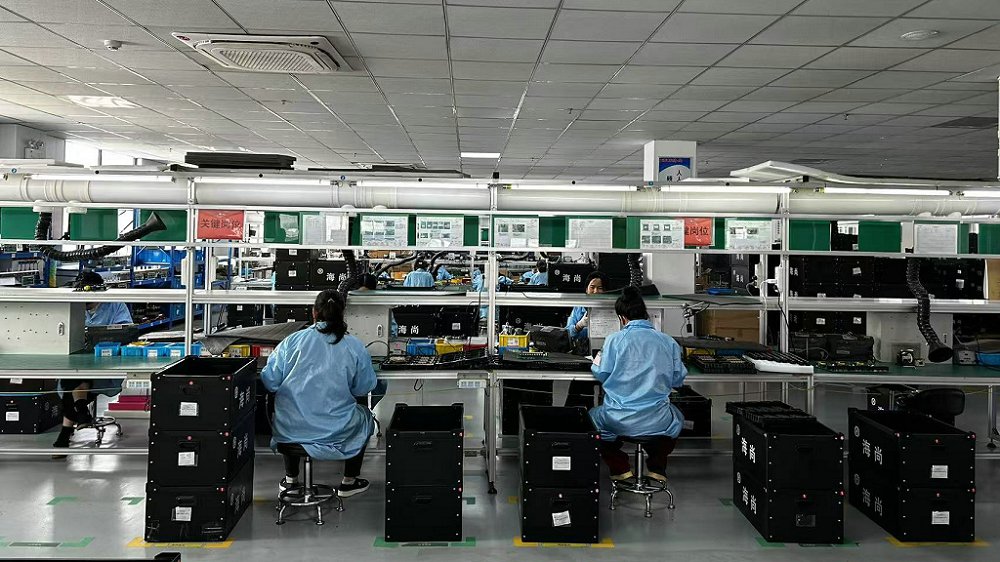
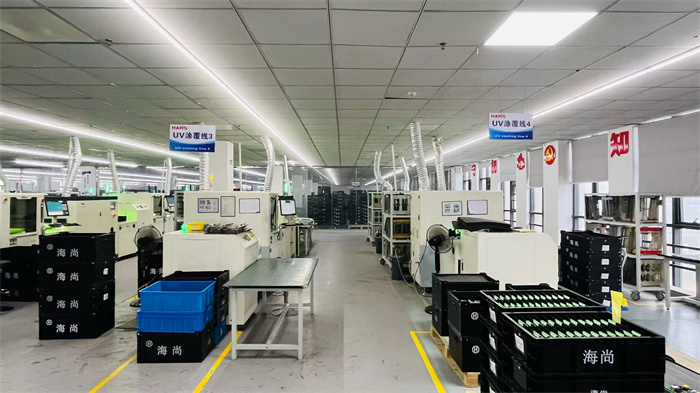
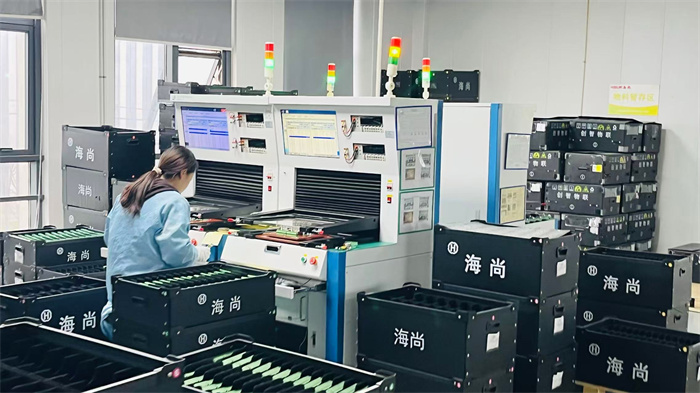
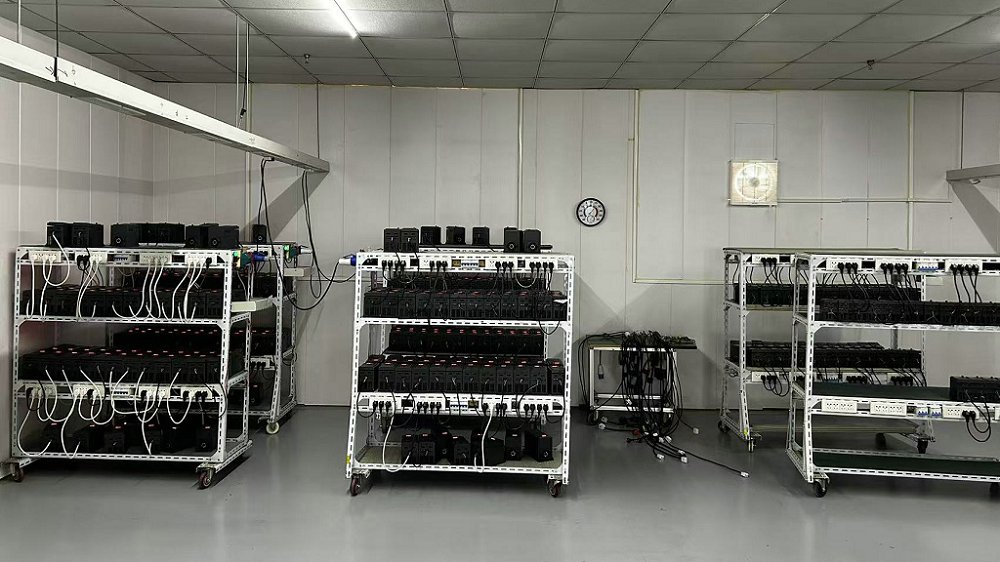
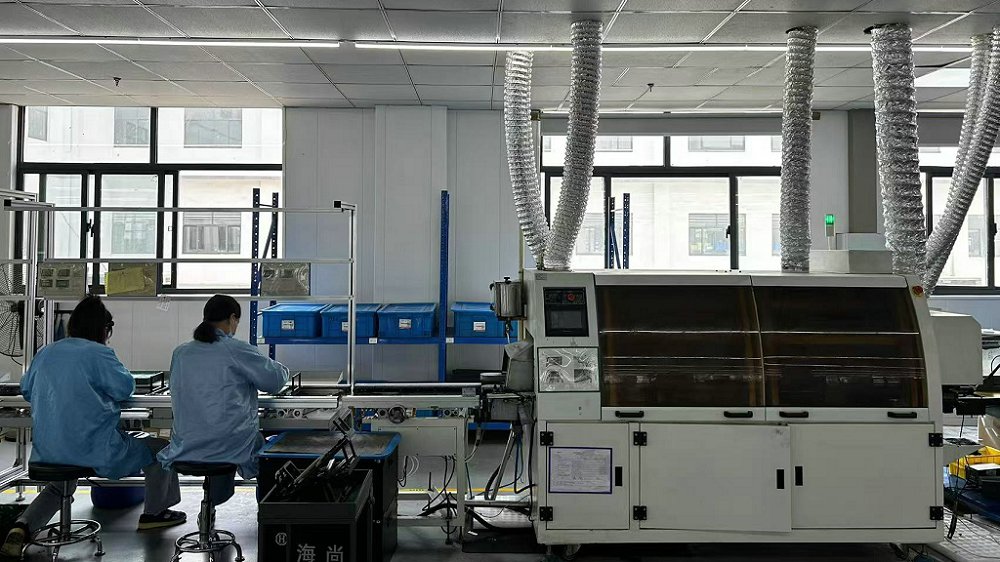
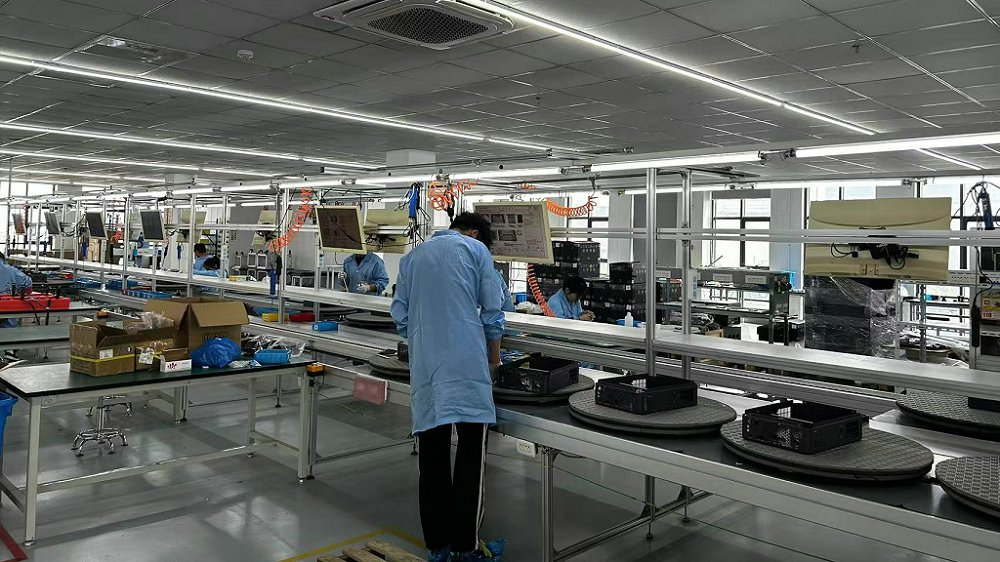
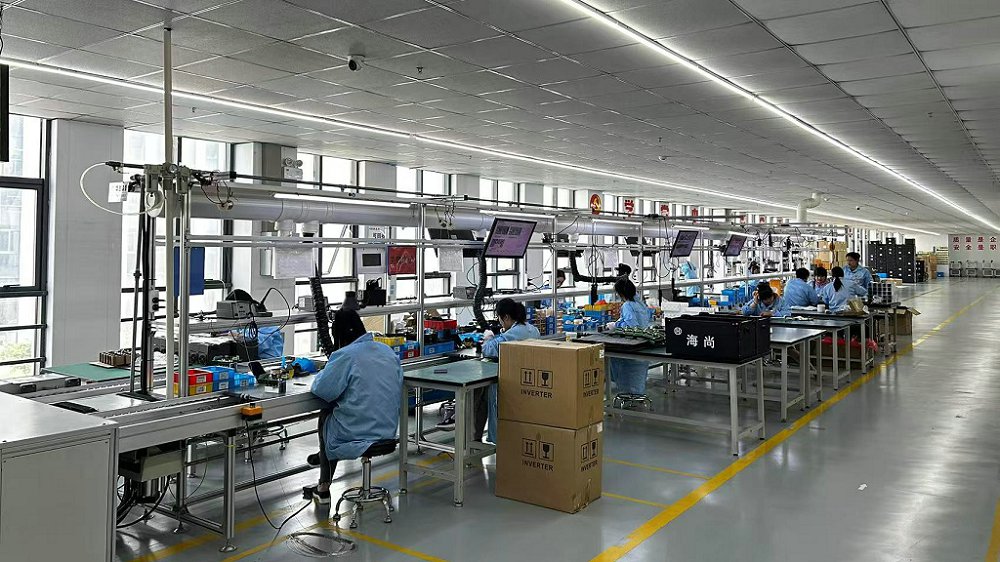
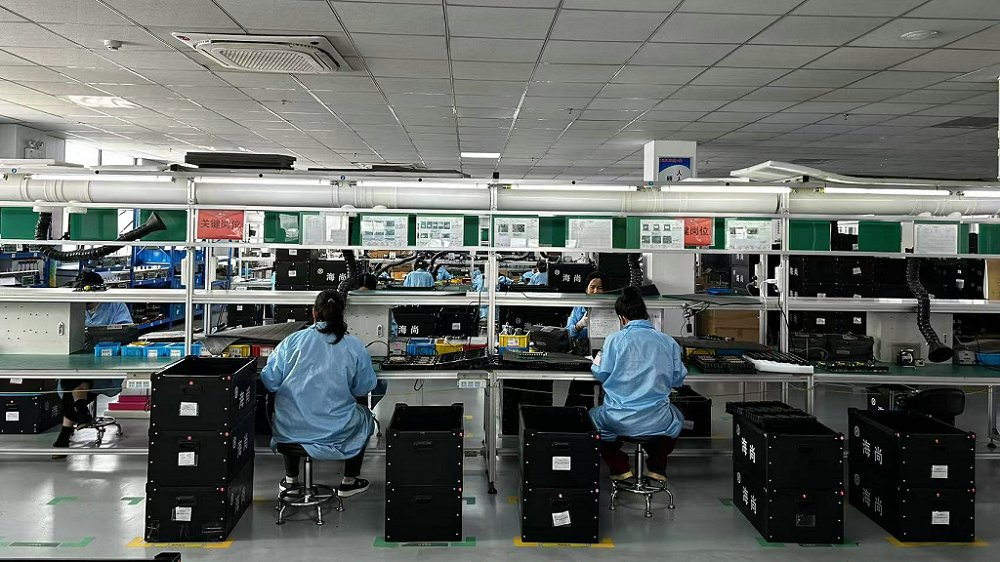
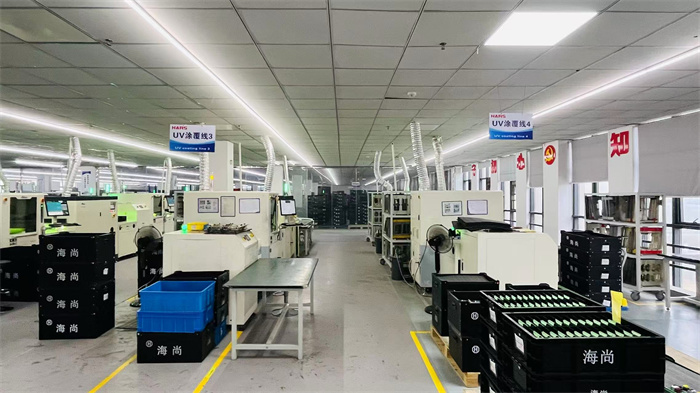
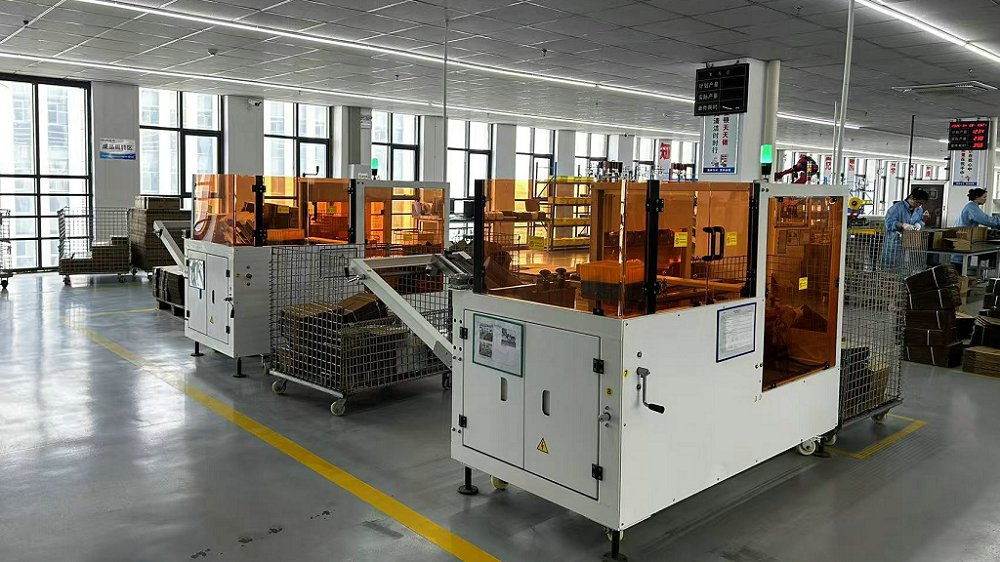
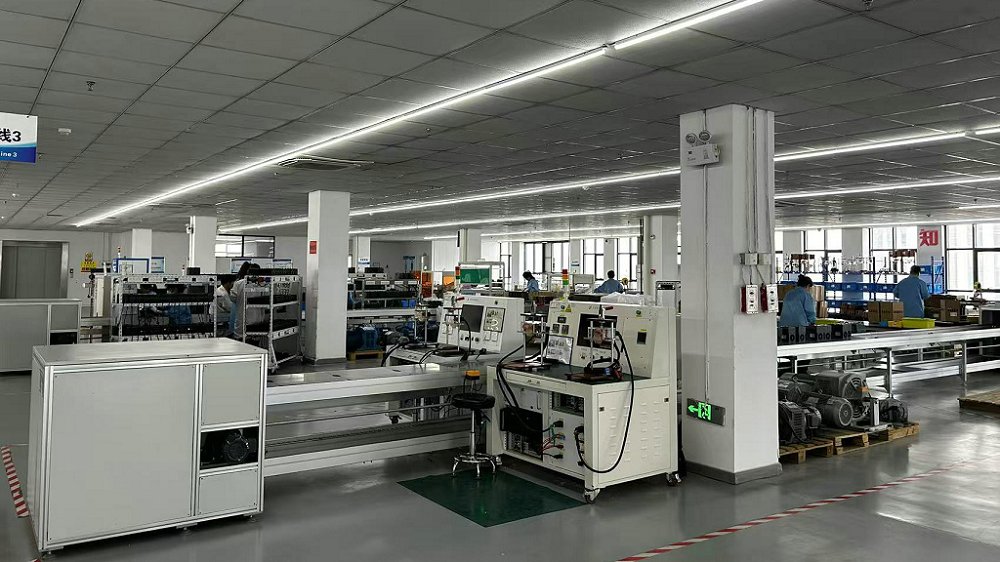
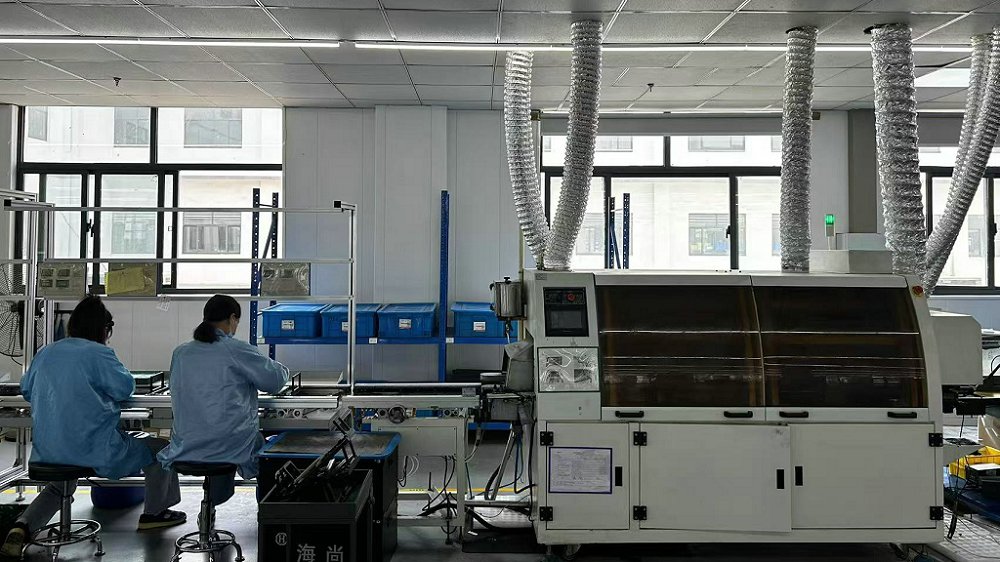
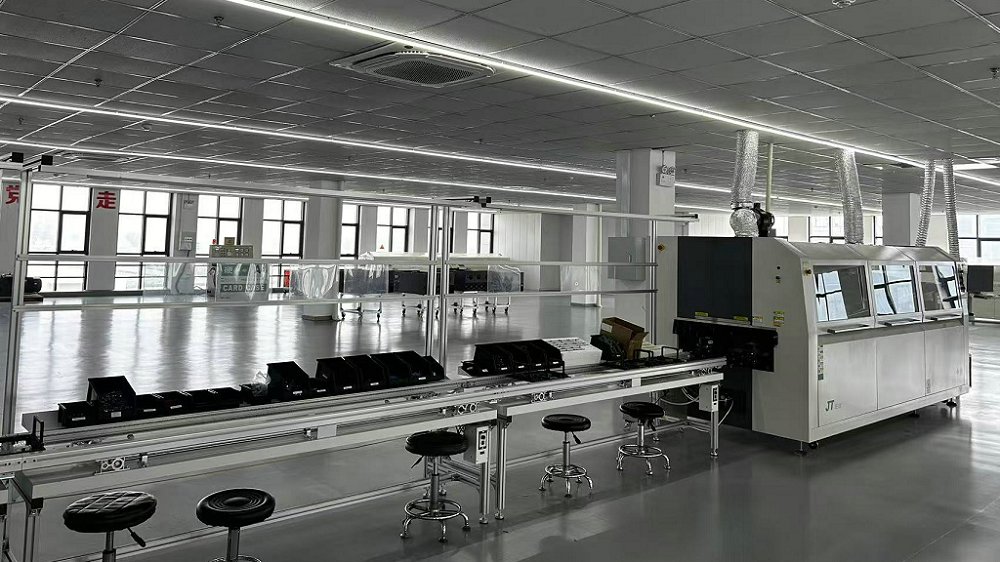
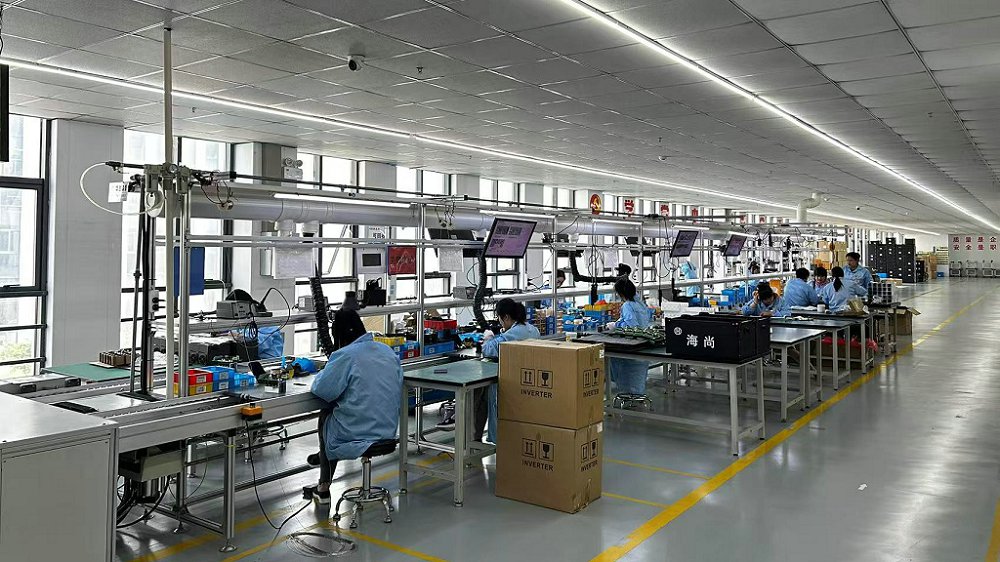
Our commitment to quality translates directly into the material specifications of our combiner boxes. Enclosures are manufactured using polycarbonate with high glass-fiber reinforcement, achieving IK10 mechanical impact protection and UL94-V0 flame retardancy. This ensures that even under the load of a localized internal short circuit, the enclosure will not fuel an external electrical fire.
Additionally, electrical components are specified for high continuous loads. The contacts in our DC disconnect switches are plated with silver alloy to maintain low contact resistance under prolonged thermal stress, preventing the resistive heat build-up common in lower-grade components. The integration of TUV-certified DC fuses on both positive and negative poles guarantees safe isolation during overcurrent events, protecting the solar cells from reverse current damage.
Integrated Type 1+2 DC surge protectors (SPDs) with visual fault indicator flags and remote signaling contacts for proactive grid defense.
Engineered for zero-derating up to 45°C, ensuring full current carrying capacity throughout the hottest hours of the Greek summer.
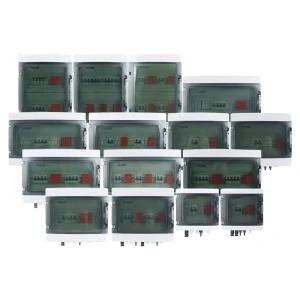
Standardized 1-string to 36-string configuration designs, facilitating quick scaling for industrial utility sites.
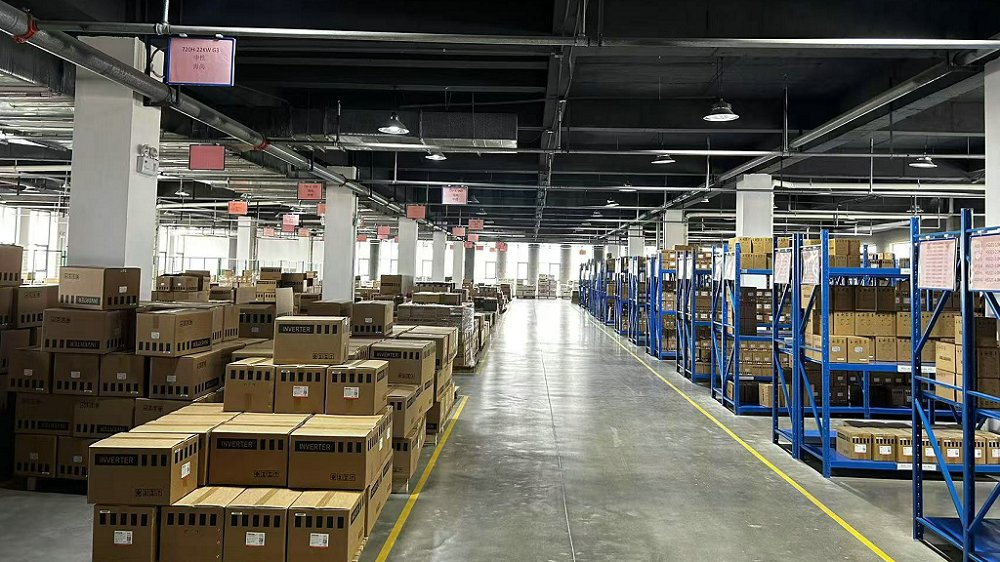
As a global partner to major EPC firms, Xiamen Jonas Energy maintains an efficient shipping pipeline to primary Greek ports, including Piraeus and Thessaloniki. Our support infrastructure assists EPCs and project planners from early-stage conceptual design and line diagram optimization to post-installation troubleshooting. We provide full technical documentation, certificates of compliance, and step-by-step installation guides to ensure fast, hassle-free approval from HEDNO inspectors.
Get answers to common design and integration challenges for high-voltage DC networks in the Greek region.
 Jonas Energy