Premium infrastructure components, off-grid charge storage solutions, and customizable energy systems designed for long-term outdoor stability.
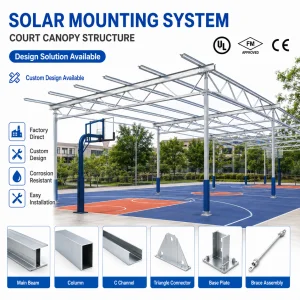
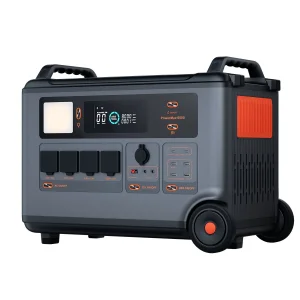
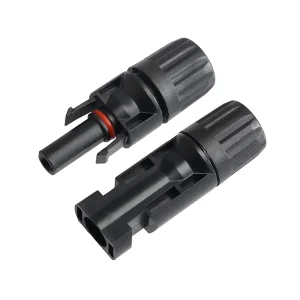
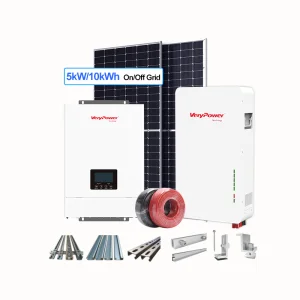
Analyzing supply chain migrations, key growth indicators, and safety certifications for global utility and off-grid distribution networks.
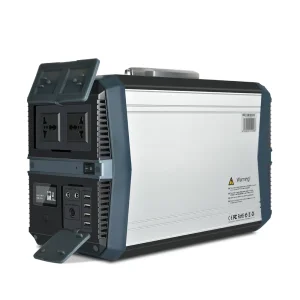
The global demand for off-grid energy storage has reached an inflection point. Traditional combustion generators are rapidly being replaced by high-density portable solar power stations due to environmental mandates, strict noise regulations, and volatile fossil fuel pricing. As key actors in this space, industrial procurement teams prioritize units offering advanced battery chemistry, integrated solar tracking capabilities, and multiple input charging profiles.
By leveraging high-grade Lithium Iron Phosphate (LiFePO4) cells, today's portable generators ensure operating lifespan cycles exceeding 3000 to 6000 charges. This durability is coupled with intelligent Battery Management Systems (BMS) that regulate cell voltages, thermal boundaries, and load balancing, reducing system degradation risks over decades of use.
Decentralized energy modules allow regional telecom hubs, emergency response teams, and security structures to operate self-sufficiently during major grid interruptions or structural damage.
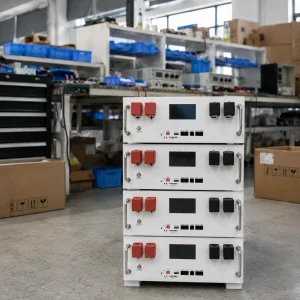
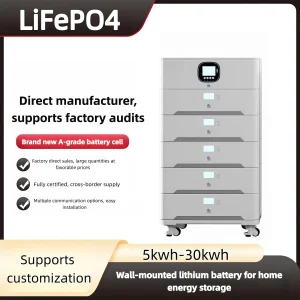
Modern system design prioritizes modular expansion, enabling users to stack extra battery storage capacities dynamically from 2kWh to over 30kWh based on ongoing project requirements.
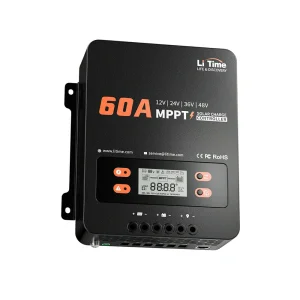
Integrated Maximum Power Point Tracking (MPPT) algorithms extract the maximum possible output from solar modules, achieving 96% to 99% conversion efficiency in variable light.
Xiamen Jonas Energy Co., Ltd. is a professional provider of renewable energy solutions, headquartered in Xiamen, Fujian Province, China. Since its establishment, the company has been dedicated to the research, development, manufacturing, and global distribution of advanced photovoltaic and energy storage products.
With a strong commitment to innovation and sustainability, Jonas Energy offers a comprehensive portfolio of solar energy solutions, including solar panels, inverters, energy storage batteries, mounting systems, and complete solar power generation systems. Our products are designed to meet the diverse needs of residential, commercial, industrial, and utility-scale projects worldwide.
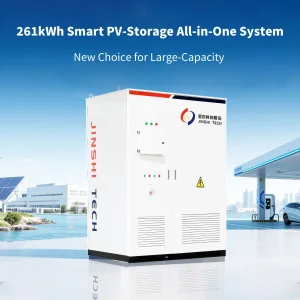
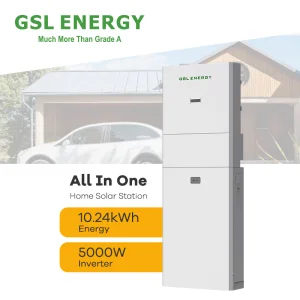
We work closely with internationally recognized manufacturers and technology partners to provide a wide range of reliable energy storage solutions, including wall-mounted batteries, all-in-one storage systems, rack-mounted batteries, and containerized energy storage systems (ESS). Through continuous innovation and strategic partnerships, we help customers achieve greater energy independence and efficiency.
As a high-tech enterprise, Jonas Energy operates modern production facilities equipped with advanced manufacturing and testing equipment. Our annual production capacity reaches several gigawatts, enabling us to efficiently serve customers across global markets. Our experienced R&D team consists of highly qualified engineers and technical specialists who continuously focus on product innovation, performance optimization, and technological advancement in the renewable energy sector.
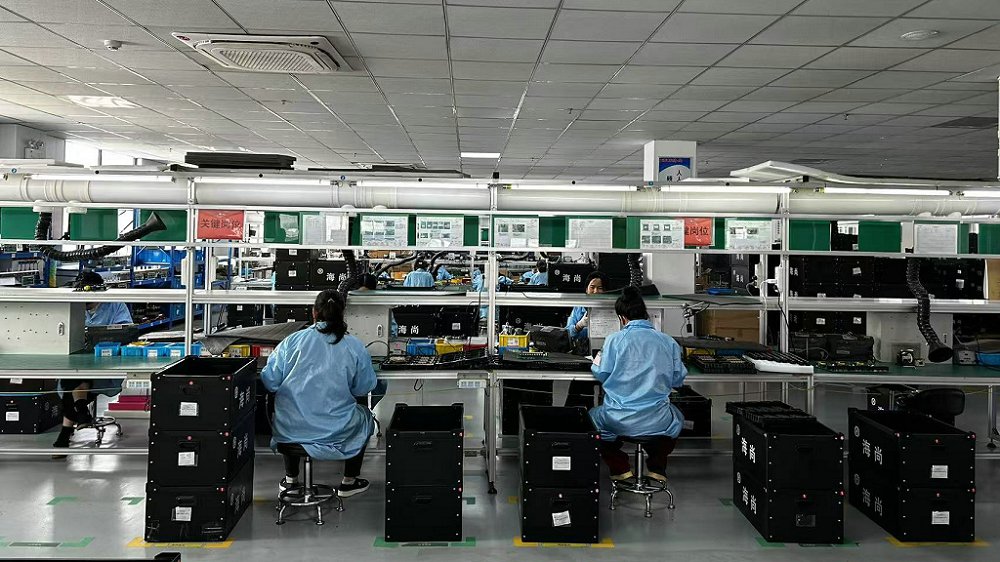
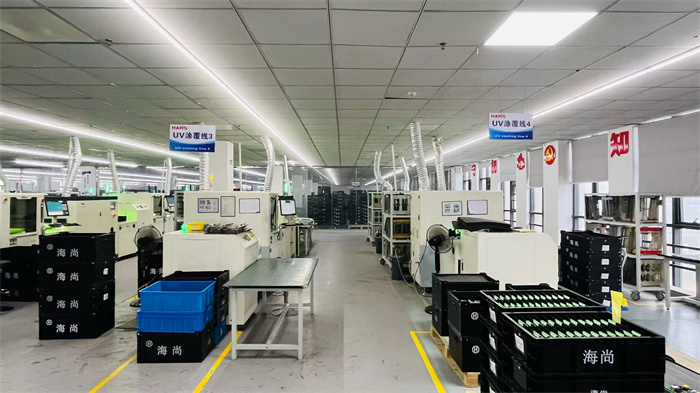
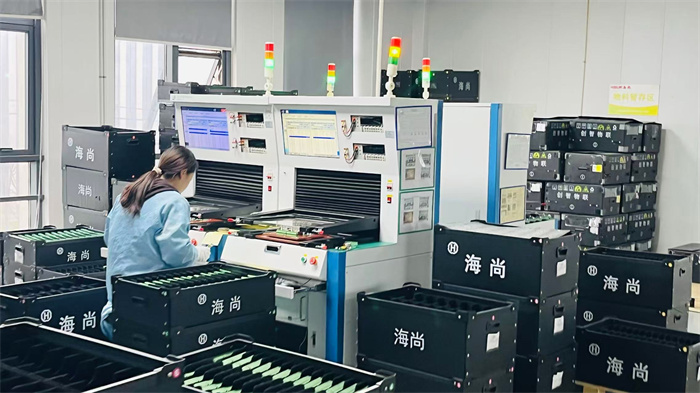
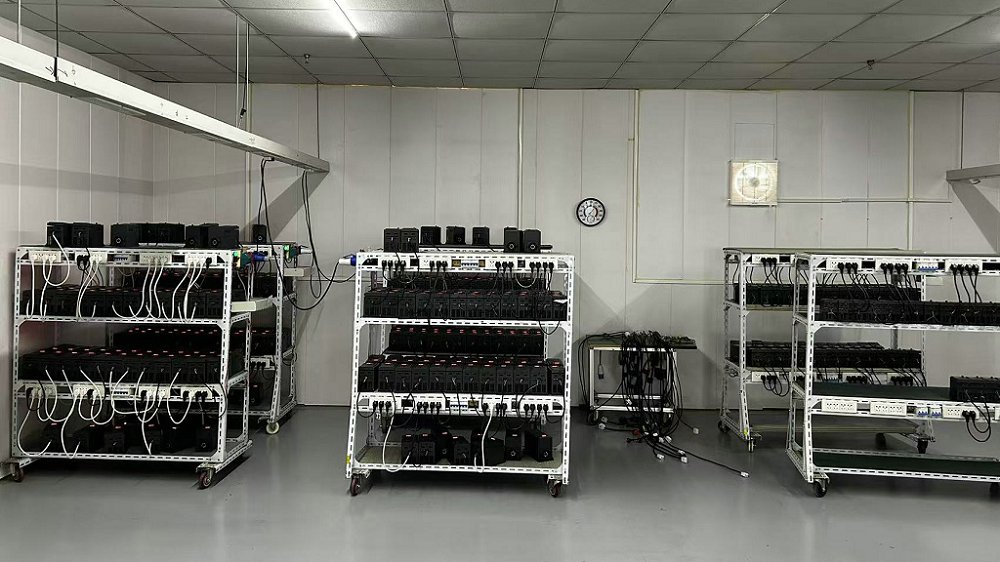
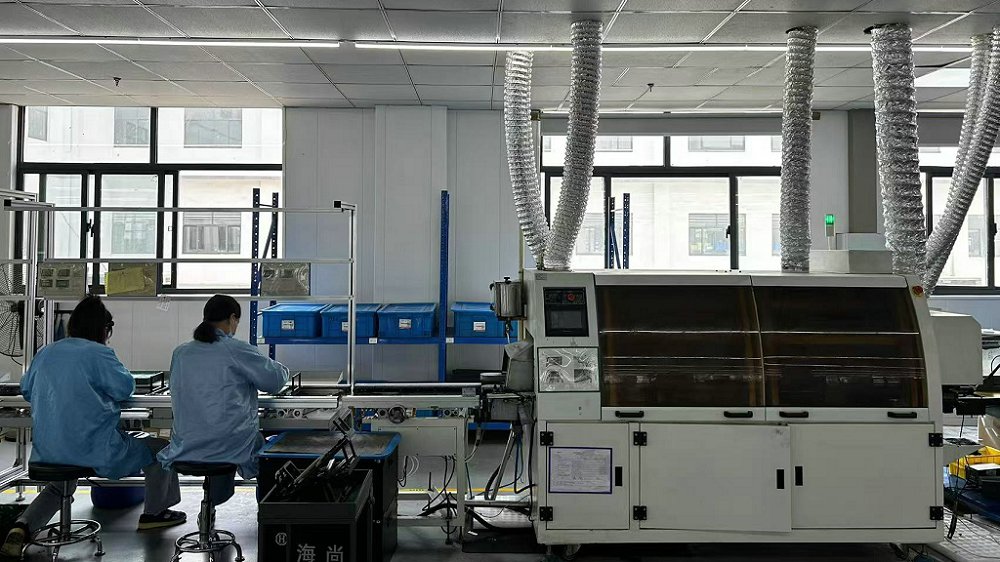
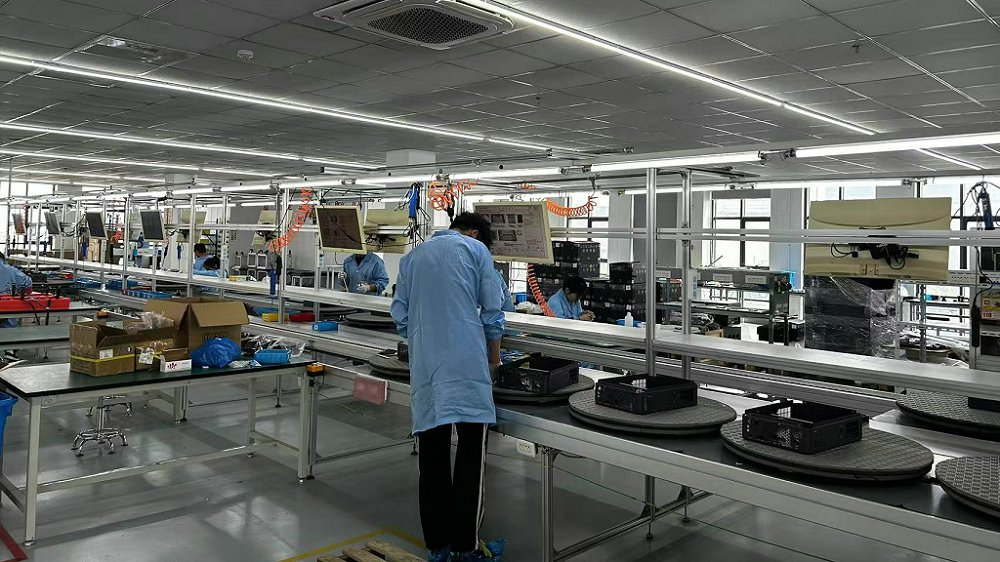
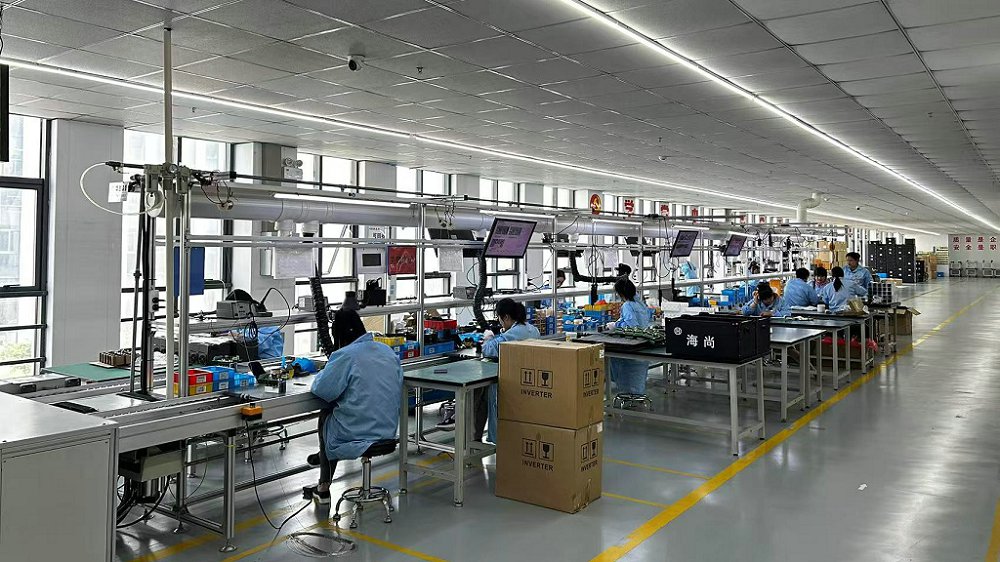
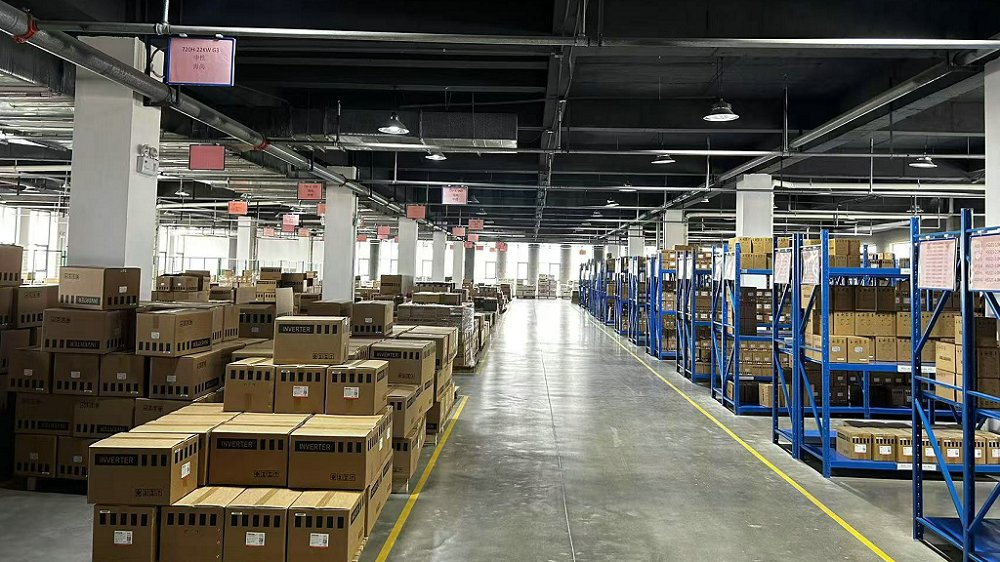
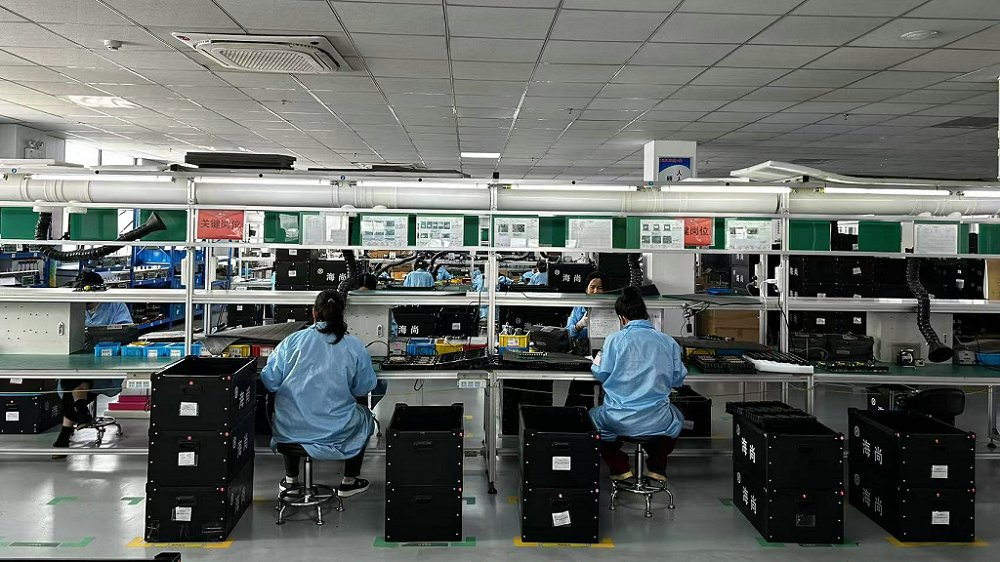
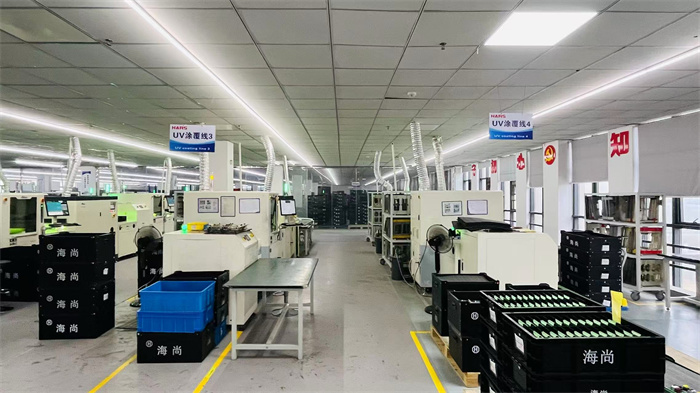
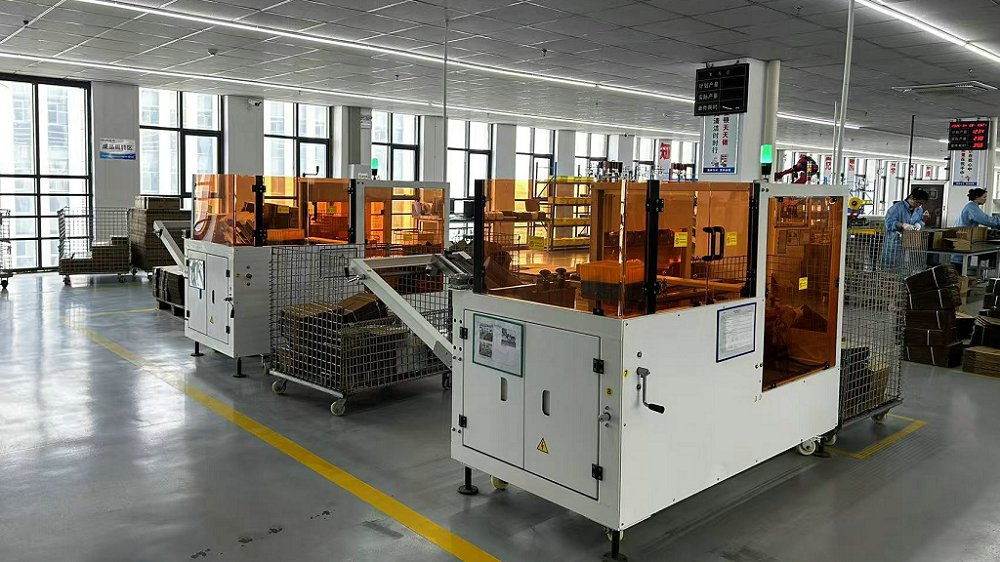
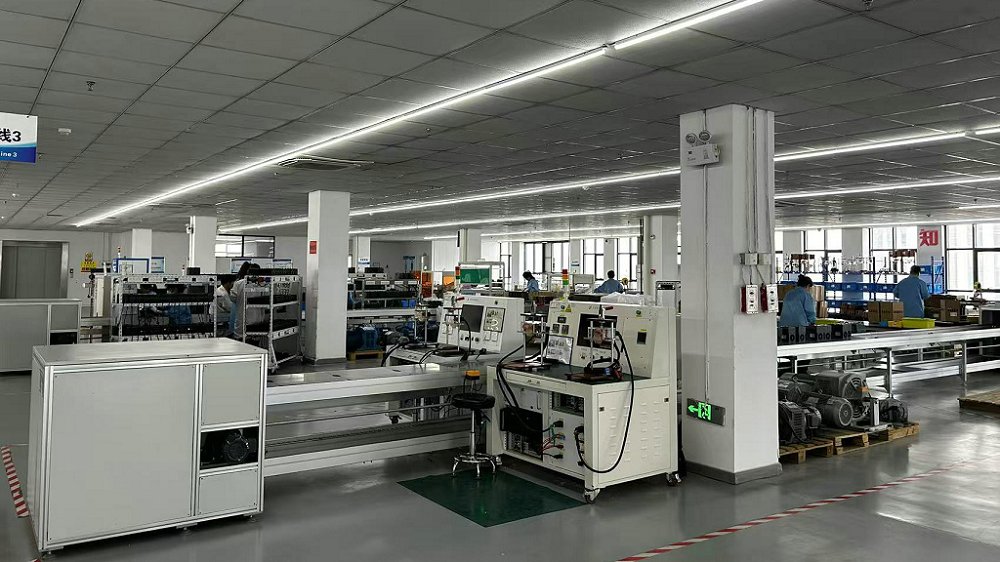
How Xiamen Jonas Energy harnesses localized manufacturing, vertical integration, and advanced structural engineering for key global markets.
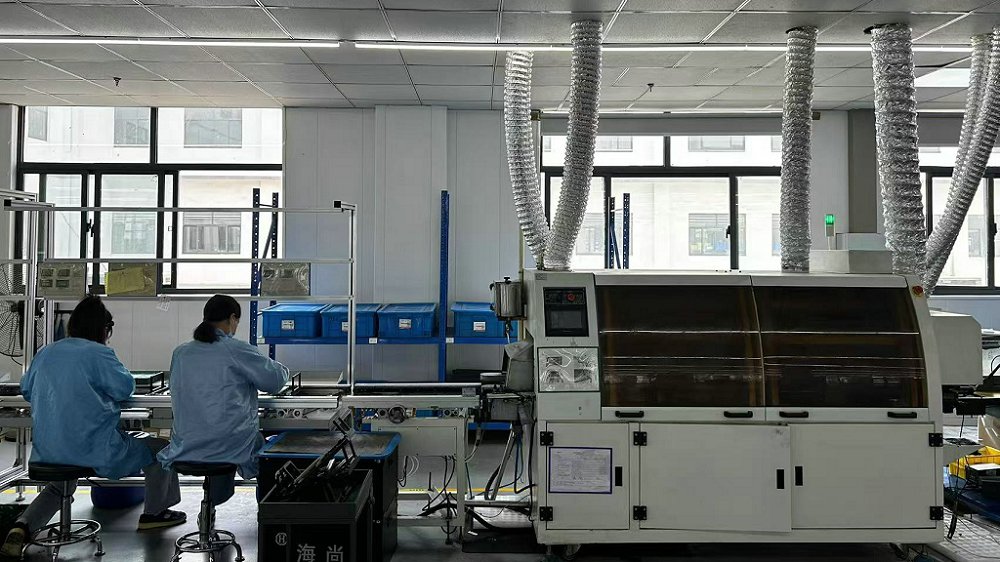
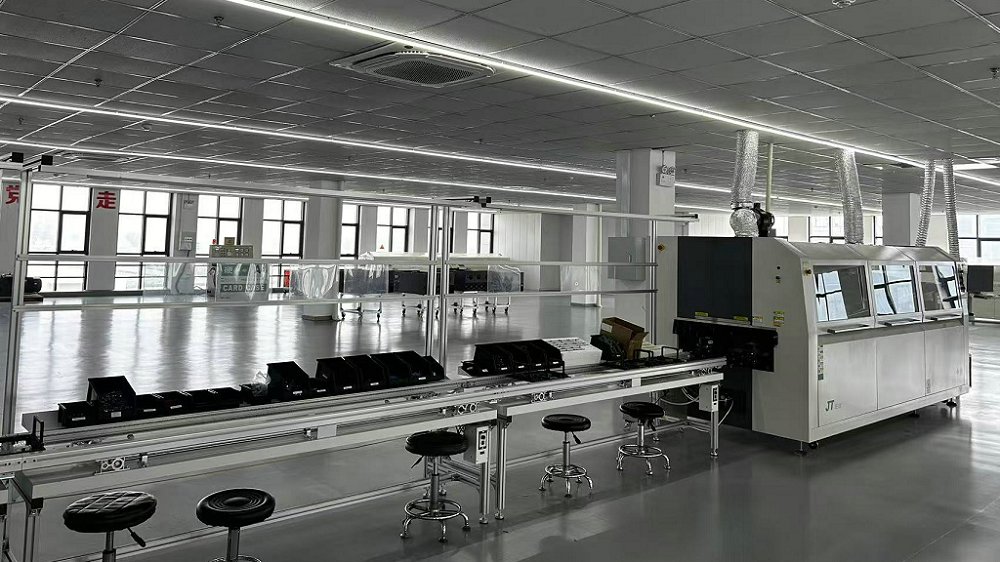
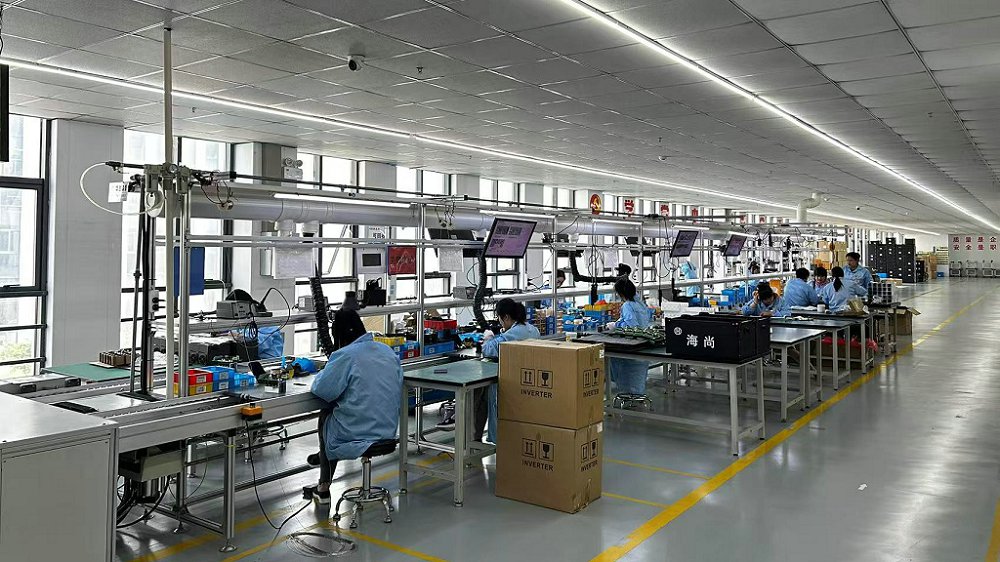
Xiamen, as a major clean energy manufacturing hub in China, hosts an integrated supply chain that directly bridges material processing with high-speed delivery. Access to upstream battery materials, automated BMS micro-controller assembly, and localized testing setups allow for rapid turnaround times and reduced capital expenditure.
Our facilities leverage robotic assembly networks, high-reliability dip welding, and advanced UV coating lines to secure components against harsh environments. Automated optical inspections (AOI) and multi-channel structural testers inspect raw cells and finished packs for thermal stability and load capacity prior to export, minimizing warranty claim rates to under 0.1% globally.
We work closely with distributors, project coordinators, and system installers to develop tailored designs addressing specific geographic requirements:
Essential criteria for evaluating portable battery modules and industrial power equipment safety ratings.
Safety is the primary metric for heavy-duty deployments. High-performance portable modules must comply with UN38.3 transport mandates, IEC 62133, and UL 1973 guidelines, guaranteeing structural stability under elevated thermal stress, physical impact, and voltage surges.
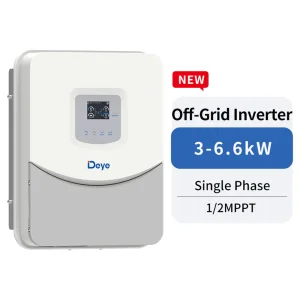
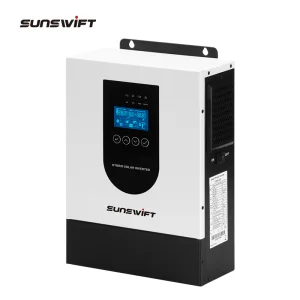
Pure sine wave inverters are critical for powering sensitive equipment without causing electrical interference. Look for solutions offering surge capacities exceeding twice the continuous rating to handle inductive loads during startup phases.
Ensure battery specifications clearly outline cycle capabilities at specific depths of discharge. Quality systems should retain at least 80% of original capacity after 3000 complete discharge cycles when evaluated under standard 0.5C profiles.
Supporting remote operations, emergency services, and construction projects in challenging environments.
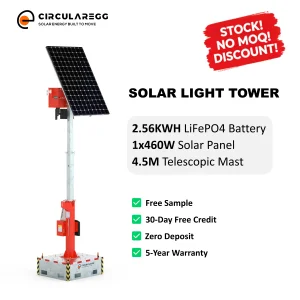
Providing reliable power for heavy-duty hand tools, portable lighting installations, and communication hardware in areas without grid access, replacing diesel generators.
Providing vital backup power for field hospitals, emergency communications systems, and search and rescue tools during disasters and grid failures.
Powers diagnostic equipment, measuring instruments, and data loggers in extreme climates, utilizing integrated solar charge systems for continuous operation.
Integrating with home solar panels to manage energy usage, store power for grid failures, and run essential appliances like refrigerators and medical equipment.
Direct technical answers to help buyers evaluate custom energy storage setups and procurement specifications.
LiFePO4 (Lithium Iron Phosphate) batteries offer greater safety and a longer cycle life (often over 3000 cycles to 80% capacity), along with high thermal stability, making them ideal for challenging climates. NMC (Nickel Manganese Cobalt) batteries have higher energy density and are lighter, but they offer fewer charge cycles (typically 500-1000) and have lower thermal limits.
Pure sine wave inverters deliver smooth, consistent alternating current matching utility grid standards. This minimizes electrical noise and keeps sensitive instruments, medical systems, and motors running cool and efficiently, avoiding the overheating issues common with modified sine wave alternatives.
Our custom Battery Management Systems (BMS) provide comprehensive protection against over-voltage, over-current, over-charge, over-discharge, short-circuits, and thermal runaway. Dynamic thermal sensors monitor cell temperatures and trigger automatic shut-offs if safe operational limits are exceeded.
Yes, our portable power systems support bypass charging, allowing them to charge via solar panels or AC power while running connected appliances. The integrated BMS balances incoming power with output loads to protect the battery cells.
Shipping large lithium-ion systems requires compliance with UN38.3 transport safety regulations, along with detailed Material Safety Data Sheets (MSDS) and testing reports. Depending on the destination country, systems may also need certifications like CE, FCC, RoHS, UL, or TUV.
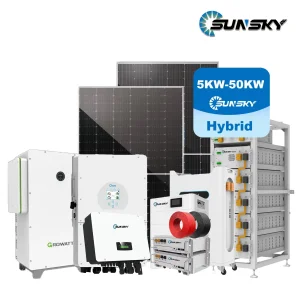
Smart off-grid solutions, stackable home energy storage, and industrial inverters configured for global power systems.
 Jonas Energy