Top Ways to Protect Solar Panels From Hail Damage

Time:2026-09-30 Author:Liam
0%

Hail can strike a rooftop in minutes, leaving cracked glass, dented frames, or damage that is difficult to spot from the ground. Even panels designed and tested to withstand impacts have limits; severe storms can exceed them. If you are researching how to protect solar panels from hail, start with practical measures that match your system, roof, and local weather—not a promise of complete protection. Small details matter.

Before a storm, check your panel manufacturer’s hail-resistance information and ask your installer whether your mounting system is secure. Ratings and warranty terms differ, so confirm the details for your specific equipment. Where storms are forecast, use approved protective covers only if the manufacturer or a qualified solar professional recommends them. Improvised coverings may loosen in strong wind or scratch the glass. For some homes, seasonal removal or a professionally designed shield may be worth discussing, but added equipment can affect airflow, output, or warranties.

After hail passes, look for broken glass, loose wiring, bent mounts, and unusual drops in energy production. Do not climb onto a wet or damaged roof. A qualified technician can inspect the array safely and document damage for a warranty or insurance claim, if applicable. Photos from the ground can help, but they cannot confirm that a panel is electrically sound. One honest limitation: no preparation can prevent every loss. A sensible plan reduces avoidable risks, and it leaves room to review what worked after the storm.
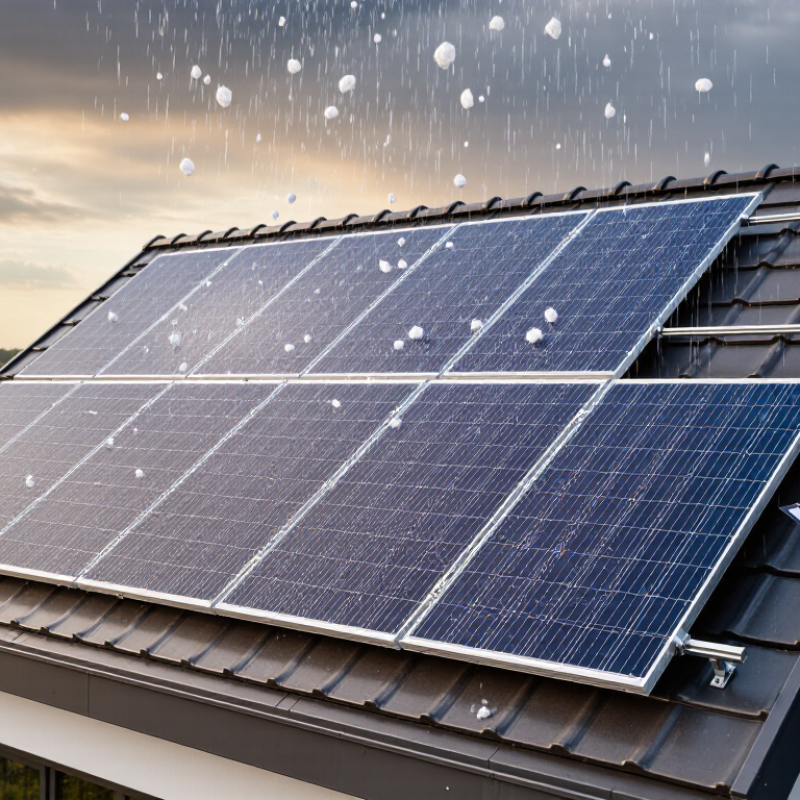
Top Ways to Protect Solar Panels From Hail Damage

How Hail Can Damage Solar Panels

Hail rarely arrives as a gentle weather event. It can strike panels at high speed, leaving cracks beneath otherwise smooth glass. A 25-millimeter hailstone can damage cells, wiring, and protective layers.

When glass fractures, moisture may enter later and accelerate corrosion. The damage may remain invisible. NOAA’s Storm Events Database shows hail causes more than one billion dollars in annual U.S. property and crop losses. Solar arrays are exposed assets, especially on open rooftops and farmland. That risk is not theoretical.

IEC 61215 testing commonly uses 25-millimeter ice balls traveling at 23 meters per second. However, laboratory approval cannot represent every storm. RETC’s PV Module Index reports also treat hail resistance as an important reliability factor, not a guarantee.

During site assessment, inspect roof orientation, local hail history, and nearby trees. Use modules with documented impact testing, secure mounting, and sufficient tilt. Keep branches trimmed.

After a storm, look for shattered glass, bent frames, loose cables, or sudden output loss. Do not walk on damaged panels or cover them with a wet tarp. A qualified technician can use infrared imaging and electrical tests to locate hidden microcracks. A practical mistake is assuming visible glass means healthy cells. No panel is hail-proof.

Choose Panels and Mounting Systems Rated for Hail

Selecting hail-resistant solar panels starts with their test rating, not their appearance. Look for documented testing under recognized standards, such as IEC 61215. Ask how the panel performed with simulated ice impacts, including impact size and speed. A strong rating matters most when local storms produce large, wind-driven hail.

Glass thickness alone does not tell the whole story. Panel design, frame strength, cell layout, and edge protection can affect damage resistance. During site reviews, I have found that installers sometimes discuss panel ratings but overlook the mounting system. The racking should have secure clamps, strong rails, and roof attachments designed for local wind and weather loads. Weak attachment points can increase movement during a storm.

Fit the system to the property. A low-slope roof may need different attachment spacing than a steep roof. Ask for engineering documents, installation instructions, and local load calculations. Confirm that clamps do not press unevenly against the panel frame. That small mistake can create stress before hail ever arrives. A higher rating is helpful, but it is not magic. Even well-tested equipment can suffer damage from unusually large hail, poor installation, or aging materials. Recheck the warranty terms carefully, because hail coverage may have specific conditions.

Add Protective Covers or Barriers Without Blocking Sunlight

Top Ways to Protect Solar Panels From Hail Damage

A protective cover should reduce impact without turning sunlight into a permanent shadow. Use hail-rated, UV-stable mesh or transparent polycarbonate barriers with an air gap above the modules. The gap helps prevent rubbing, heat buildup, and moisture trapping. Avoid placing fabric directly on the glass. It can scratch the surface during strong wind.

The IEC 61215 standard tests photovoltaic modules with 25-millimeter ice balls fired at about 23 meters per second. That test indicates baseline durability, not immunity. NOAA’s Storm Events Database records hail by stone diameter, and U.S. severe-thunderstorm warnings commonly use one-inch hail as a threshold. Therefore, local hail history matters more than a generic product claim. Check regional storm records before selecting a barrier thickness.

Retractable covers work well when forecasts show large hail. They should deploy quickly, lock securely, and retract fully afterward. Fixed overhead screens need wide openings and careful spacing, because even partial shading can reduce output. A five-percent shaded area may affect more than five percent of production, depending on the panel layout and inverter design. I would also inspect mounting points after every major storm. Covers can shift, and a loose barrier may become a wind hazard. No solution is perfect. A transparent shield may protect the glass, yet it can yellow, collect dust, or reduce annual energy yield. That trade-off deserves a measured review.

Secure and Prepare the Solar Array Before a Hailstorm

Hail protection starts before dark clouds arrive. Check the array’s mounting points, rails, clamps, and visible wiring for looseness or corrosion. A small movement can become serious during strong wind. Remove patio furniture, branches, tools, and other objects that could strike the panels. Trim nearby weak branches when conditions are safe.

Use the weather forecast to plan early. If the system has approved protective covers, install them exactly as directed by the manufacturer or a qualified solar technician. Improvised boards, tarps, or heavy blankets may scratch the glass, trap moisture, or create dangerous wind loads. Do not climb onto the roof during storm preparation. It is not worth the risk.

Follow the system’s shutdown instructions, but remember that some equipment may remain electrically live. Ask a licensed professional if the procedure is unclear. Before severe weather, photograph the panels, inverter, and mounting hardware. These records can support a careful inspection later. After the storm, look for cracked glass, exposed wiring, shifted panels, or water inside equipment. Keep away from damaged components. A ground-level check is safer, though it may miss hidden damage. That limitation matters. Schedule a qualified inspection before restarting a questionable system.

Inspect Panels and Record Damage After Hail

After hail stops, inspect the solar array from the ground before approaching the roof. Look for cracked glass, white impact marks, bent frames, loose wiring, and debris between panels. Do not walk on panels or climb a wet roof. A qualified solar technician should examine hidden damage, including weakened seals and damaged mounting points. Some faults appear later, when moisture enters a small crack.

Record every detail while the evidence is fresh. Photograph the full array, each damaged panel, roof surfaces, gutters, and nearby hailstones if they remain. Add the date, approximate hail size, weather time, and the system’s production reading. Save monitoring screenshots before performance changes. A rushed inspection can miss small fractures. That is worth admitting, because clear records help technicians compare visible damage with electrical test results.

Tips: Use a ruler or familiar object for scale, but never touch exposed wiring. Keep copies of photographs, maintenance records, and inspection reports in one folder. Note undamaged areas too. They provide a useful baseline later. Avoid cleaning or repairing anything before documentation, unless loose parts create an immediate safety risk. If output drops after the storm, stop guessing and request a professional assessment.

Top Ways to Protect Solar Panels From Hail Damage

After a hailstorm, inspect panels from a safe location and record any visible damage. The chart ranks common checks by relative inspection priority—not by measured damage frequency.

Priority scale: 1 = lower, 5 = higher. Photograph damage and note its location and date. Do not touch cracked panels, exposed wiring, or damaged electrical equipment; contact a qualified solar professional.

FAQS

What should I check before a hailstorm?

Inspect mounting points, rails, clamps, and visible wiring. Look for looseness or corrosion. Small movement can worsen in strong wind.

Which outdoor objects should I remove?

Move patio furniture, tools, loose branches, and other objects away from the array. These items can strike the panels during severe wind.

Should I cover the panels with boards or blankets?

No. Improvised covers may scratch glass, trap moisture, or create dangerous wind loads. Use only approved covers and follow their instructions exactly.

Is it safe to climb onto the roof before the storm?

Avoid it. Wet or windy roofs are dangerous. A roof inspection can wait for qualified help.

What should I do if shutdown instructions are unclear?

Follow the system’s official shutdown procedure. Ask a licensed professional if any step is uncertain. Some equipment may remain electrically live.

How can I document the array before and after hail?

Photograph the panels, inverter, roof, gutters, and mounting hardware. Record the date, weather time, hail size, and production reading.

What damage should I look for after hail?

From the ground, check for cracked glass, white impact marks, bent frames, loose wiring, and debris between panels. Hidden damage may appear later.

Can I clean or repair the panels immediately?

Avoid cleaning or repairing them before documentation. Photograph the evidence first. If loose parts create immediate danger, keep away and seek professional help.

What should I do if system output drops after the storm?

Stop guessing. Request a qualified inspection before restarting a questionable system. Ground-level checks are safer, but they can miss hidden damage.

Conclusion

Knowing how to protect solar panels from hail starts with understanding how hail can damage them. Large or wind-driven hail may crack the glass, harm solar cells, or loosen mounting hardware. When choosing a system, look for panels and mounting equipment tested and rated for hail resistance, and make sure the array is installed securely. Protective covers or barriers can offer extra defense, but they should be used only if they can be fitted safely and will not block sunlight during normal operation.

Before a forecast hailstorm, follow the system manufacturer’s guidance for securing the array and any approved protective equipment; avoid climbing onto the roof in hazardous weather. Once conditions are safe, inspect the panels, frames, wiring, and mounts for visible damage, and take clear photos and notes. If you find cracks, loose components, or changes in system performance, contact a qualified solar professional for an assessment rather than attempting repairs yourself.

Liam

Liam

Liam is a dedicated marketing professional with a profound expertise in the industry, where he excels at highlighting the unique advantages of our core products. With a keen understanding of market trends and consumer needs, Liam frequently updates our company’s professional blog, providing......