As solar energy continues to gain traction globally, many homeowners ask, "can I use solar panels without a battery?" It's a crucial question. Industry experts provide insights into this. According to a report by the Solar Energy Industries Association (SEIA), solar energy usage increased by 23% in the past year alone. This rise highlights its potential and challenges, especially when discussing energy storage.
Tom Jones, a leading figure in solar technology, states, “While you can use solar panels without a battery, the efficiency of your energy use may significantly decrease.” This reflects the sentiment of many who feel that batteries enhance energy independence. Many households may struggle or experience outages without reliable storage options.
Using solar panels without a battery can lead to energy spillage during peak sunlight hours. Without proper management, homeowners might not fully capitalize on the investment. It's essential to weigh the pros and cons, considering local energy needs and utility rates. The decision impacts the effectiveness of solar installations, prompting further exploration of energy solutions.
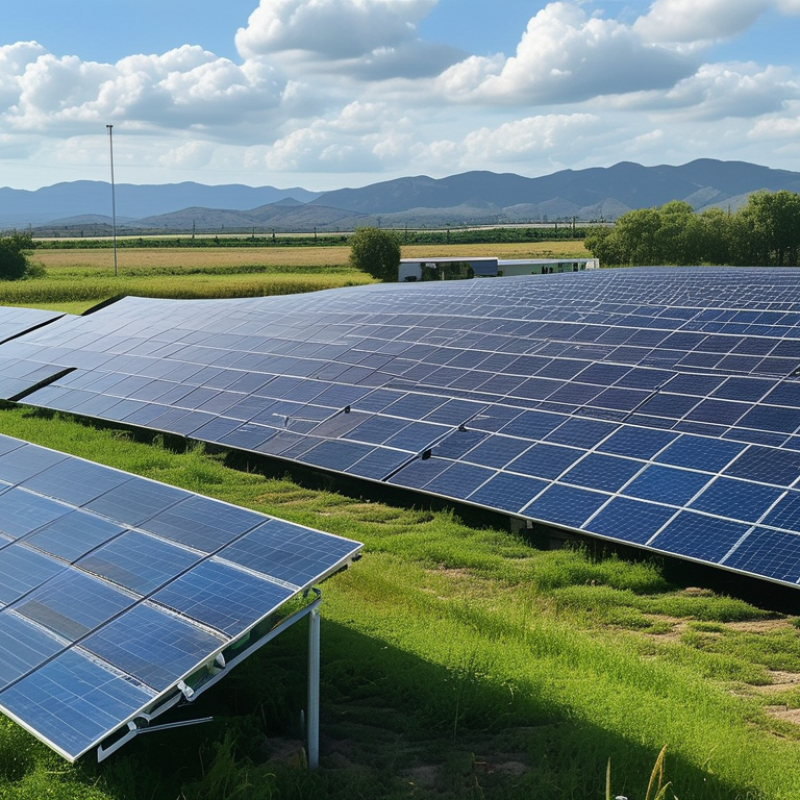
Solar panels can function even without a battery system. They convert sunlight directly into electricity, powering your home during the day. According to a report by the National Renewable Energy Laboratory, solar panels can operate at up to 20% efficiency, effectively supplying energy in optimal conditions. Without batteries, excess energy is fed back to the grid, providing a potential revenue stream through net metering.
It's essential to understand your energy demands. During daytime, the energy generated often exceeds usage, allowing for excess energy to be sold back. However, at night, the system relies on the grid. This means that solar panels alone may not deliver energy during non-sunny hours. A study from the International Energy Agency highlights that homes without battery storage might need to rethink their energy consumption habits.
Tips: Consider installing smart meters to track your energy usage in real-time. This can help optimize how and when you consume energy. Regularly assess your local utility’s policies for net metering, as these regulations can impact the financial benefits of going solar without batteries. Lastly, ensure your solar system is appropriately sized to meet your household's needs for efficiency.
Solar panels offer several advantages even without battery storage. One key benefit is cost savings. When you use solar energy directly, you eliminate the additional cost of batteries. This makes the system more affordable upfront. Many homeowners find this appealing, especially those on a budget.
Another significant advantage is reduced maintenance. Batteries require regular monitoring and occasional replacement. By not using them, you simplify your solar energy system. This can lead to fewer issues over time and less hassle for the owner.
Tips: If considering solar panels, evaluate your energy needs. Analyze your daily consumption to see if you can rely solely on sunlight during peak hours. Additionally, explore net metering options. This allows you to sell excess energy back to the grid, potentially offsetting costs even further. Remember, knowing your local energy policies will help you make the best decision for your situation.
| Feature | Details |
|---|---|
| Direct Solar Usage | Solar panels can directly power appliances during daylight hours. |
| Cost-Effectiveness | Not using batteries reduces initial costs and maintenance expenses. |
| Grid Connection | Connecting to the grid allows for net metering, compensating for excess energy. |
| Environmental Impact | Reduces reliance on fossil fuels and decreases carbon footprint. |
| Limitations | Without batteries, solar energy cannot be stored for use at night or during outages. |
Solar power systems without energy storage can be limiting. They primarily generate electricity during sunlight hours. On cloudy days or at night, you risk losing power. That means your energy supply is inconsistent, leading to potential energy shortages.
Using solar panels without batteries may work for some. However, you will not be able to fully utilize the generated energy. Any excess electricity produced during the day goes unused. This can negatively impact your savings on energy bills. Without storage, you rely heavily on grid power when solar production is low.
These systems may also lead to higher energy costs. Depending solely on solar power can mean reliance on the grid. This can be a challenge during peak hours. Moreover, during winter months, when sunlight is less, you may face more significant energy needs. It's essential to consider these limitations if you're thinking about a solar-only setup.
When considering off-grid solar systems, it’s crucial to understand how energy storage impacts functionality. Solar panels collect sunlight during the day, converting it into electricity. Without batteries, this energy goes directly to appliances. Any excess energy is lost, which can lead to inefficiencies. Many people underestimate how much solar energy they actually need.
Using solar panels without batteries is possible, but there are limitations. You will rely heavily on sunlight availability. On cloudy days, energy production decreases. This creates a risk of power shortages. Off-grid living often demands a more careful energy management approach. Without batteries, any use of power must occur in real-time, making it hard to use appliances freely.
Maintenance is another factor to consider. Without a battery, the system appears simpler. However, it's important to monitor solar panels and inverters closely. Regular checks can prevent potential issues. Be aware that any system might not be perfect. Experimentation with energy needs will help refine your setup over time. Understanding these key considerations is essential to successfully managing an off-grid solar system.
Energy storage in solar energy systems is crucial. While batteries are a popular option, there are alternatives worth considering. According to a report from the International Energy Agency (IEA), nearly 25% of energy generated from solar panels is wasted due to lack of storage solutions. This highlights the importance of effective energy management.
One alternative is grid-tied systems without battery storage. These systems allow excess energy to be fed back into the grid. In fact, a 2022 study by the National Renewable Energy Laboratory (NREL) found that grid-tied solar installations can reliably supply power, reducing reliance on fossil fuels. They capitalize on net metering policies, which can offset costs for consumers.
Another solution is thermal energy storage. This method uses heat instead of electricity, storing energy in materials like water or molten salt. A report by the U.S. Department of Energy noted that thermal energy storage can provide backup power for hours. While this technology is efficient, it has a higher upfront cost.
Exploring these alternatives can be beneficial. Energy needs vary greatly, but relying solely on batteries may not be the best choice for everyone. It’s important to analyze personal energy consumption and consider a mix of solutions for optimal efficiency.
: Yes, solar panels convert sunlight into electricity even without batteries, supplying power during the day.
Excess energy is fed back to the grid, potentially providing income through net metering.
You rely on sunlight for energy. At night, you draw from the grid, which can limit your energy use.
Understanding your energy demands is key. Overestimating needs can lead to wasted potential.
Install smart meters to track usage in real-time. This helps you manage energy more effectively.
Energy management is critical. You must use power as it's generated, making planning essential.
They may seem simpler, but regular monitoring of panels and inverters is vital to avoid issues.
Energy production significantly drops, risking power shortages during cloudy weather. Be prepared for this.
No. Without batteries, you need to use appliances in real-time, creating potential usage limitations.
Regularly experimenting with your energy needs helps improve efficiency and effectiveness of your system.
When considering the question "can I use solar panels without a battery," it's essential to understand how solar panel systems function without energy storage. Such systems can indeed operate, primarily providing electricity during daylight hours. This setup can bring several benefits, including reduced initial costs and straightforward installation, allowing users to harness solar energy directly as it's generated.
However, there are notable limitations to consider. Without batteries, excess energy produced during sunny periods cannot be stored for later use, leading to potential energy shortages during peak demand times or cloudy days. For those looking to set up off-grid systems, it's vital to weigh these limitations and can explore alternative energy storage solutions, such as grid-tied systems or innovative energy management practices, to optimize solar energy utilization effectively.

Jonas Energy