How to Transition a Factory to Solar Power?

Time:2026-11-04 Author:Charlotte
0%

How to transition a factory to solar power is not simply a rooftop installation question. It is an operational planning decision shaped by electricity demand, roof condition, grid capacity, and production schedules. The International Energy Agency’s Renewables 2023 report recorded about 510 GW of new renewable capacity worldwide in 2023; solar PV supplied roughly three-quarters of that growth. IEA Executive Director Fatih Birol described solar PV as “the new king of the world’s electricity markets.” That wider trend is compelling, but a factory’s economics depend on its own meters, not global headlines.

Start with data. Gather at least a year of interval electricity bills and map daytime loads against shift patterns. Then inspect roof structure, shading, equipment access, and remaining roof life. Not panels alone. A high-output line may use power after sunset, so storage, grid imports, or a carefully sized system may matter more than maximizing the rooftop area. The U.S. Department of Energy’s Better Buildings program recommends assessing energy use before selecting clean-energy projects; efficiency improvements can reduce the solar capacity a site needs. This outline follows that practical sequence: establish the baseline, test technical and commercial feasibility, compare ownership or power-purchase options, and plan installation around production. It also leaves room for an uncomfortable truth: estimates can look precise while tariffs, export rules, and operating schedules change. A phased project may be less dramatic, but it can reveal real performance before a factory commits to a larger build.
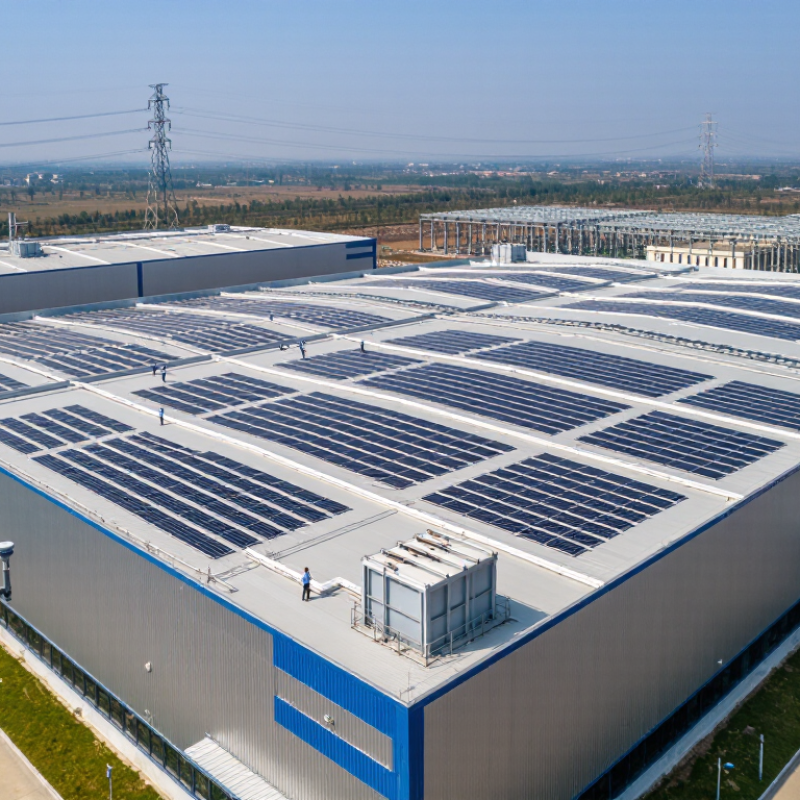
How to Transition a Factory to Solar Power?

Assess Factory Energy Use and Solar Site Suitability

Before sizing a solar array, map how the factory uses electricity across shifts and seasons. Measure before modeling. Review at least 12 months of utility bills and interval-meter data, noting weekend shutdowns, start-up surges, and large motors. The U.S. Energy Information Administration’s 2018 Manufacturing Energy Consumption Survey estimates that U.S. manufacturing used about 26 quadrillion Btu of energy. That scale makes process schedules and peak demand important; a monthly bill alone can hide costly short-lived spikes.

Tips: Compare meter data with production logs. Mark roof equipment, vents, skylights, and shaded areas on a site plan. Ask a qualified structural professional to assess roof condition and load capacity before assuming the whole roof is usable.

Then assess orientation, shading, maintenance access, and the distance to electrical equipment. NREL’s 2016 rooftop solar technical-potential assessment estimated 1,118 gigawatts of capacity across U.S. rooftops, but this is a national estimate—not a forecast for any factory. A local site may have less usable area than it appears. Check likely system output against daytime demand, utility export limits, and planned production changes. Parking canopies or nearby land may help when the roof is unsuitable, though they add design and connection costs. One estimate may still be wrong; validate it with site measurements and interval-load data.

Set System Goals and Evaluate Project Feasibility

Before choosing panels, define what the factory needs solar power to achieve. Is the target lower daytime electricity costs, reduced emissions, or more predictable energy spending? Start with the load. Review at least twelve months of utility bills alongside interval data, production schedules, and seasonal shutdowns. A factory running heavy equipment at noon may use solar power directly. A night-shift facility may need storage or a different system design.

Set practical limits, too. Identify critical equipment, acceptable backup duration, available roof or land, and a budget range. Then test whether the site can support the plan. A roof inspection should check structural capacity, age, drainage, and shaded areas. Electrical engineers can assess connection points and capacity constraints. Ask for production estimates that account for local weather, panel orientation, equipment losses, and future degradation. Neat projections can still mislead.

Compare expected savings with installation, maintenance, insurance, and financing costs. Include possible changes in electricity rates and any costs tied to exporting excess power. Check how the project fits planned upgrades; a roof replacement next year could change the numbers. Early estimates are imperfect. That is normal. Record assumptions clearly, then test a cautious scenario with lower generation and higher costs. If the project only works under ideal conditions, the goals or system size may need another look.

Design the Solar System and Choose a Financing Plan

A factory solar plan should begin with interval electricity data, not roof area alone. Compare hourly demand across seasons, then identify which production shifts can use daytime power. Inspect the roof’s age, shading, drainage, and structural capacity before fixing a system size. A newer roof may support a larger array; an aging one could make repairs costly later. Check utility connection limits early, too.

Model several designs: rooftop panels, parking canopies, or a phased installation. Include inverter replacement, maintenance, expected panel output, and any battery costs. Batteries can help manage short demand peaks, but they are not automatically worthwhile. For financing, compare cash purchase, a loan, and third-party arrangements using the same assumptions and contract period. Review fees, performance guarantees, escalation clauses, and who handles repairs. A polished spreadsheet can still overlook a production shutdown or changing shift schedule. I would keep a contingency in the budget.

Tips: Ask for a one-line electrical diagram and a monthly savings estimate. Check that the estimate reflects your actual tariff and demand charges. Get roof and interconnection reviews before signing. If forecasts feel overly certain, ask what happens when output falls short.

Prepare the Factory and Install Solar Equipment

Before a factory moves toward solar power, inspect the roof and the electrical system. Check for leaks, corrosion, weak areas, and equipment that may cast shadows. A structural engineer can confirm whether the roof can support panels and mounting hardware. Review at least a year of electricity bills and production schedules, too. These records help estimate demand and identify when the factory uses the most power. Small details matter.

Plan the installation around daily operations. Map access routes, crane positions, work zones, and emergency exits before equipment arrives. Coordinate planned shutdowns with production staff and the electrical contractor; an unexpected outage can disrupt more than the installation. Confirm that inverters, cables, and switchgear match the site’s load and available space. Keep clear records of inspections and system settings. One easy-to-miss issue is future roof maintenance: leave safe access to drains, vents, and service areas. The layout may look less tidy, but that trade-off is worth considering.

Tips: Photograph the roof before work begins. Label electrical drawings clearly. Ask installers how testing will affect production hours, and check the answer against the factory schedule. Allow time for unexpected repairs. Real sites rarely follow the clean timeline on paper.

Connect, Commission, and Monitor the Solar System

Connecting a factory solar system is more than landing cables at an inverter. The electrical contractor should verify protection settings, grounding, cable labels, and the point of connection against approved drawings. Before energising, inspect every string and record insulation resistance, polarity, and open-circuit voltage. Small mismatches matter. A reversed string can hide among rows of similar modules. Confirm that the utility meter, production meter, and factory energy-management system use consistent timestamps and units. The IEA PVPS report Trends in Photovoltaic Applications 2024 estimates global solar capacity reached about 1.6 terawatts by the end of 2023, showing how established the technology has become. Yet each factory’s load profile and grid connection still need site-specific checks.

Commissioning should leave a usable baseline, not just a signed form. Record inverter settings, meter readings, weather conditions, and test results, then compare early output with the system’s expected performance. Monitor energy production alongside alarms, downtime, and factory demand. A sudden drop on one inverter may point to a tripped circuit, shading, or a communications fault—not necessarily a failed panel. Set alert thresholds with the operations team, and assign clear responsibility for reviewing them. NREL’s Best Practices for Operation and Maintenance of Photovoltaic and Energy Storage Systems recommends structured maintenance and performance tracking to help identify problems and protect system value. Keep the records accessible. Some handovers are messy; missing baseline data is hard to reconstruct later.

How to Transition a Factory to Solar Power? - Connect, Commission, and Monitor the Solar System

Illustrative commissioning and monitoring checklist for a grid-connected factory solar installation. Site-specific electrical codes, utility requirements, and equipment instructions take precedence.

Stage System Area Action or Measurement Example Acceptance Check Record to Keep
1. Connect Utility interconnection Confirm the approved point of connection, export limits, metering arrangement, and required utility permissions before energizing. Connection matches the approved interconnection documents; required utility inspection and permission to operate are documented. Approval documents, inspection record, meter details, and permission-to-operate date.
1. Connect AC and DC electrical interfaces Verify cable identification, conductor terminations, earthing and bonding, isolation devices, and protection settings against the approved drawings. Installation is complete, correctly labeled, and inspected by qualified personnel in accordance with applicable electrical requirements. As-built single-line diagram, inspection checklist, and protection-setting schedule.
1. Connect Factory load integration Check the solar system connection against the factory's operating schedule, demand profile, and any backup-power arrangements. Operating modes and any export restrictions are configured as approved; backup circuits are not assumed to operate during a grid outage unless designed for that purpose. Load study, operating-mode settings, and approved control sequence.
2. Commission Pre-start inspection Inspect modules, mounting, connectors, inverters, ventilation clearances, labels, and access to emergency isolation points. No visible damage or loose components; equipment identification and safety labels are present and legible. Photographs, equipment inventory, and signed pre-start checklist.
2. Commission Electrical tests Complete applicable insulation, continuity, polarity, earthing, and protective-device tests before system startup. Test results meet the applicable design, equipment, and local-code requirements; any failed test is corrected and repeated. Measured values, test instruments used, calibration details, and corrective actions.
2. Commission Inverter startup and grid checks Start inverters according to manufacturer instructions and verify grid voltage, frequency, synchronization, and protective response. Inverters operate within their approved settings and disconnect as required under the configured grid-protection conditions. Startup report, configuration backup, alarm log, and commissioning sign-off.
3. Monitor Energy and performance data Confirm that inverter, production meter, and site monitoring data are available and that timestamps and units are consistent. Data is visible at the agreed interval; daily generation can be compared with irradiance, operating hours, and expected system behavior. Monitoring access list, meter readings, and baseline production profile.
3. Monitor Alarms and response Set up alerts for inverter faults, communication loss, abnormal production, and other site-defined conditions. Alert recipients and escalation steps are tested; each alarm has an assigned response owner. Alert test results, response contacts, and maintenance escalation procedure.
3. Monitor Ongoing maintenance Review production and fault trends regularly; schedule inspections and cleaning based on site conditions and equipment guidance. Performance deviations are investigated against weather, downtime, shading, soiling, and equipment status rather than production alone. Monthly performance review, inspection log, cleaning record, and work orders.

FAQS

How much electricity data should a factory review before sizing a solar system?

Review at least 12 months of utility bills and interval-meter data. Compare readings with production logs, including weekend shutdowns and start-up surges.

Why can monthly electricity bills be misleading?

Monthly totals can hide short demand spikes from large motors. Short peaks may affect costs even when overall use looks steady.

What should be checked on the factory roof?

Mark vents, skylights, equipment, and shaded areas on a site plan. Check roof age, drainage, access, and structural capacity before choosing an array size.

Does a large roof guarantee a large solar installation?

No. Some areas may be shaded or blocked, and the roof may not support the expected load. Site measurements matter.

How can a factory estimate whether solar power matches its demand?

Compare hourly demand across seasons with likely system output. Check daytime production schedules, utility export limits, and planned changes in factory operations.

What alternatives are available if the roof is unsuitable?

Parking canopies or nearby land may provide space. They can also add design and electrical connection costs. Not always simple.

Are batteries always worthwhile for factories?

No. Batteries may help manage short demand peaks, but their costs should be modeled alongside maintenance and expected solar output.

What should be compared when choosing solar financing?

Compare cash purchase, loans, and third-party arrangements using the same assumptions and contract period. Review fees, repair duties, guarantees, and price increases.

What should a savings estimate include?

Ask for a monthly estimate based on the factory’s actual tariff and demand charges. One polished spreadsheet can still miss a shutdown or shift change.

When should the factory check electrical connection requirements?

Check utility connection limits early, before signing. Request an electrical diagram and roof review; I would still keep a budget contingency.

Conclusion

Transitioning a factory to solar power begins with understanding how the facility uses energy. Review electricity bills, operating schedules, peak demand, and major equipment loads, then assess the roof or available land for sunlight exposure, structural condition, shading, and usable space. These findings help establish practical goals, such as lowering grid electricity use, managing long-term energy costs, or adding resilience, and show whether the project is technically and financially feasible.

A clear plan for how to transition factory to solar power should also cover system design and financing. Choose equipment and system capacity to suit the factory’s energy needs, compare suitable payment or funding options, and plan installation around production schedules. Before work begins, prepare the site and coordinate safety, access, and any necessary facility upgrades. After installation, connect and commission the system, verify that it performs as designed, and monitor its output and energy savings over time. Ongoing checks help identify issues early and keep the solar system aligned with changing factory operations.

Charlotte

Charlotte

Charlotte is a seasoned marketing professional with a deep understanding of the company's portfolio and a passion for elevating its presence in the market. With a keen eye for detail and a commitment to excellence, she ensures that our professional blog is regularly updated with insightful articles......