As the world increasingly turns to renewable energy, understanding solar power output is crucial. The question "how much power does a 400w solar panel produce" often arises among homeowners and industry professionals alike. A recent report by the National Renewable Energy Laboratory indicates that a 400W solar panel can produce approximately 1,200 to 1,500 kilowatt-hours annually, depending on sunlight exposure.
Industry expert Dr. Emily Carter states, “The efficiency of solar panels dramatically influences their output.” Her insights highlight the importance of considering factors such as geographic location and panel orientation. The efficiency rating can fluctuate, affecting the total energy yield.
For instance, while a 400W panel under optimal conditions may generate more energy, real-world variables may limit these expectations. Assessing local climate conditions and installation quality is vital for maximizing output. Recognizing these nuances can help consumers make informed decisions regarding solar investments.
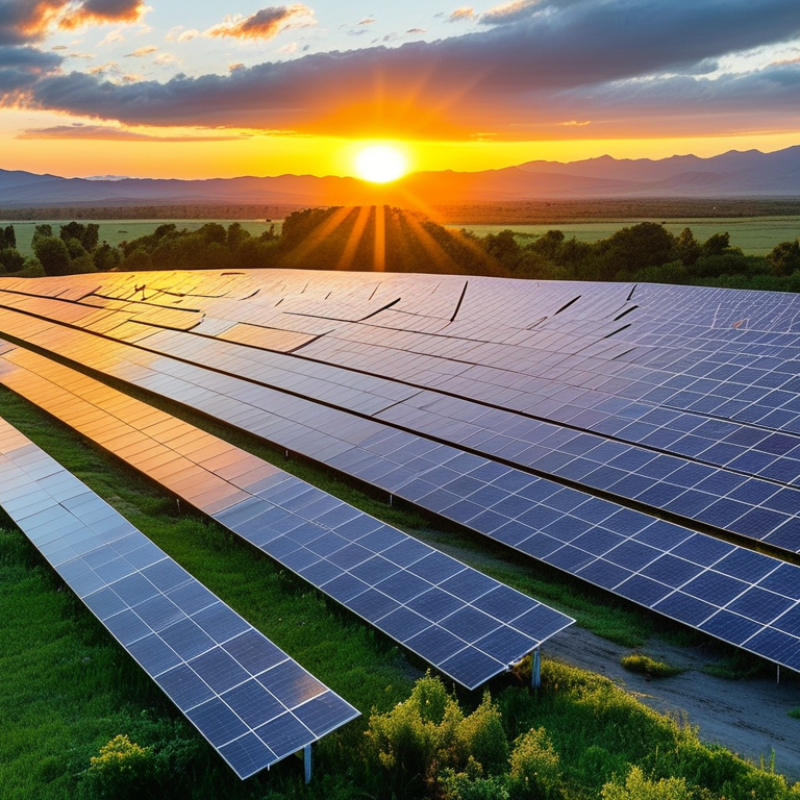
Overview of 400W Solar Panels and Their Applications
400W solar panels are becoming increasingly popular in diverse applications. Their efficiency and power output make them suitable for both residential and commercial use. According to the National Renewable Energy Laboratory (NREL), high-efficiency solar panels can convert over 22% of sunlight into electricity. In practical terms, this means a 400W panel can generate about 1.6 kWh per day under optimal conditions.
Many homeowners utilize 400W solar panels for residential solar systems. They can power essential household appliances, reducing electricity bills significantly. Reports indicate that homeowners can save between 30% to 50% on energy costs by switching to solar. Additionally, the growth of solar technology has led to advancements in battery storage systems. This allows energy to be stored for use during non-sunny periods, enhancing reliability.
On a larger scale, businesses often deploy 400W solar panels to meet their energy needs. This not only reduces operational costs but also supports sustainability goals. However, it's important to consider the initial installation costs. While incentives can offset expenses, the return on investment varies. Some installations deliver quick paybacks, while others may take several years.
Top 10 Facts About 400W Solar Panel Power Output
| Fact |
Description |
| Power Output |
A 400W solar panel can produce approximately 1,600-2,000 Wh per day under optimal sunlight conditions. |
| Efficiency |
Typically, 400W solar panels have an efficiency ranging from 18% to 22%. |
| Size |
Most 400W solar panels measure about 1.7 m² in area. |
| Weight |
The average weight of a 400W solar panel is around 20-25 kg. |
| Component Materials |
They are usually made with monocrystalline or polycrystalline silicon cells. |
| Lifespan |
Most 400W panels come with a lifespan warranty of 25 years with a performance guarantee. |
| Applications |
Commonly used in residential and commercial solar installations, off-grid systems, and solar farms. |
| Cost |
The average cost of a 400W solar panel ranges from $200 to $400, depending on the technology and brand. |
| Environmental Impact |
400W solar panels help reduce carbon emissions and dependence on fossil fuels. |
Understanding Power Output Metrics in Solar Technology
The power output of a 400W solar panel is a key metric in solar technology. Understanding this metric is essential for assessing energy generation. Solar panel output can be influenced by various factors, including sunlight intensity, angle, temperature, and shading. Research shows that, under ideal conditions, a 400W solar panel can produce about 1,600 kWh of energy annually. This can vary, however, based on geographic location. For example, areas with higher sunlight exposure can receive up to 50% more energy compared to regions with frequent cloud cover.
Solar panel efficiency is another critical aspect. Typically, panels range from 15% to 22% efficiency. A top-performing 400W panel might only convert 20% of solar energy into electricity. This indicates that for every 1000 watts of solar energy, only about 200 watts can be effectively used. Furthermore, installation conditions can hinder performance. Dust, dirt, and temperature spikes can reduce output significantly. Regular maintenance and strategic panel placement are necessary for maximizing energy output.
It’s also important to consider the degradation rate of solar panels. Typically, a panel’s efficiency decreases by about 0.5% to 1% per year. This gradual decline means that a 400W panel may produce less power over time. Thus, evaluating long-term performance is crucial. While initial output may seem promising, ongoing efficiency and lifespan must also be taken into account.
Factors Influencing the Efficiency of 400W Solar Panels
When discussing the efficiency of 400W solar panels, several key factors come into play. Understanding these variables helps in maximizing energy output. One primary factor is the angle of inclination. Solar panels operate best when they are angled properly toward the sun. A tilt of around 30 to 40 degrees is often recommended for optimal performance throughout the year.
Another essential influence on efficiency is shading. Even a small amount of shade from trees or buildings can significantly reduce power generation. According to a report by the National Renewable Energy Laboratory, shaded panels can lose up to 70% of their efficiency. Therefore, site selection is critical when installing solar panels.
Tips: Regularly clean your solar panels to encourage maximum sunlight exposure. Dust and debris can accumulate, cutting down efficiency by 20% or more. Additionally, monitoring system performance with digital tools can help spot efficiency drops early.
Temperature also affects output. Higher temperatures can diminish panel efficiency. The ideal operating temperature for most solar panels is between 15°C and 25°C. If temperatures exceed 25°C, panel output may decline. This means locations with extreme heat may need special consideration.
Lastly, the quality of solar cells impacts overall performance too. Higher quality cells may cost more but provide greater efficiency over time. Cheaper alternatives can exhibit performance drops faster, resulting in lower long-term energy generation. Consider these aspects carefully when assessing solar panel options.
Comparative Analysis: 400W Panels vs. Other Wattage Options
When comparing 400W solar panels to other wattage options, several factors emerge. The 400W panel offers a solid balance of efficiency and output. It generates adequate energy for most residential needs. For larger households, these panels can reduce reliance on the grid effectively. However, their initial investment can be a hurdle for some users.
Lower wattage panels, such as 300W or 250W, may be appealing due to their lower cost. Yet, they often require more units to meet energy needs. This can lead to increased installation complexity and space requirements. Higher wattage panels, like 500W, offer more power, but come with higher expenses. They might be suitable for specific cases, but they may also exceed typical household requirements.
Not everyone needs large-scale energy production. It's important to assess personal energy usage patterns. Factors like roof size, local climate, and lifestyle should guide panel selection. Choosing panels isn't just about power output; it's also about finding the right fit for your unique situation. This consideration helps balance efficiency with overall cost in the long run.
Benefits of Using 400W Solar Panels for Various Energy Needs
The use of 400W solar panels offers several advantages for diverse energy needs. These panels can generate approximately 1.6 kWh of electricity per day under optimal conditions. This output can supply power for essential household appliances, reducing reliance on the grid. Such efficiency can be a game changer for homeowners seeking to lower their utility bills.
Moreover, studies indicate that solar panels can increase property value. A report by the U.S. Department of Energy suggests that homes with solar installations sell for about 4% more than comparable properties without solar energy systems. This percentage might seem small, but in a competitive housing market, every bit counts. Many buyers are increasingly favoring homes that demonstrate sustainability.
However, the upfront cost of a solar system can be a hurdle. Although the investment may yield long-term savings, not everyone finds it feasible initially. Additionally, the energy output can vary based on location and season. These factors require potential users to weigh the advantages against their specific conditions. Investing in solar requires thoughtful consideration of personal energy needs and financial circumstances.
FAQS
: A 400W solar panel can produce about 1,600 kWh of energy annually in ideal conditions.
Sunlight intensity is crucial for energy generation. Areas with more sunlight can generate significantly more energy.
Solar panels generally range from 15% to 22% efficiency, affecting energy conversion rates.
High temperatures can reduce output. Panels need optimal conditions to function efficiently.
Solar panel efficiency typically decreases by 0.5% to 1% each year, affecting long-term power generation.
400W panels offer a balance for many homes. However, larger households might need additional units.
The initial cost can be high. Users must weigh long-term savings against upfront expenses.
Regular maintenance is essential. Dust and dirt can significantly reduce energy output over time.
Consider local climate, roof size, and personal energy usage patterns for optimal panel choice.
While many benefits exist, potential users must reflect on personal financial circumstances and energy needs.
Conclusion
The article "Top 10 Facts About 400W Solar Panel Power Output" provides a comprehensive overview of 400W solar panels, highlighting their diverse applications and the significant power output they can deliver. It explains how much power does a 400W solar panel produce, emphasizing that under optimal conditions, these panels can generate approximately 400 watts of electricity. The article delves into the metrics used to measure power output in solar technology, helping readers understand the performance of these panels.
Furthermore, it discusses the various factors influencing the efficiency of 400W solar panels, such as temperature, sunlight exposure, and installation angle. A comparative analysis against other wattage options reveals the advantages of opting for 400W panels, especially for homeowners and businesses meeting specific energy needs. Ultimately, the benefits of 400W solar panels are underscored, making them a compelling choice for those looking to harness solar energy effectively.

 Jonas Energy