Can I Install Solar Panels by Myself Without Professional Help?

Time:2026-08-21 Author:Mason
0%

Installing solar panels can seem like a straightforward task. Many people wonder, "Can I install solar panels by myself?" According to John Anderson, a solar energy expert, "While DIY installation is possible, it requires careful planning and knowledge." His insights highlight the importance of understanding both the technical and safety aspects involved.

The DIY approach to solar installation is appealing. It promises potential savings on labor costs. However, it's essential to consider the details. Proper installation affects efficiency and system longevity. Mistakes can lead to costly repairs. Many homeowners underestimate the complexity involved. They may find themselves facing unexpected challenges during the process.

Moreover, local regulations may restrict DIY installations. Permitting requirements vary by location. Some regions mandate professional installation to ensure safety and compliance. Before embarking on a DIY project, it's wise to research and weigh the pros and cons. Reflecting on your skills and available resources can help you make an informed decision.
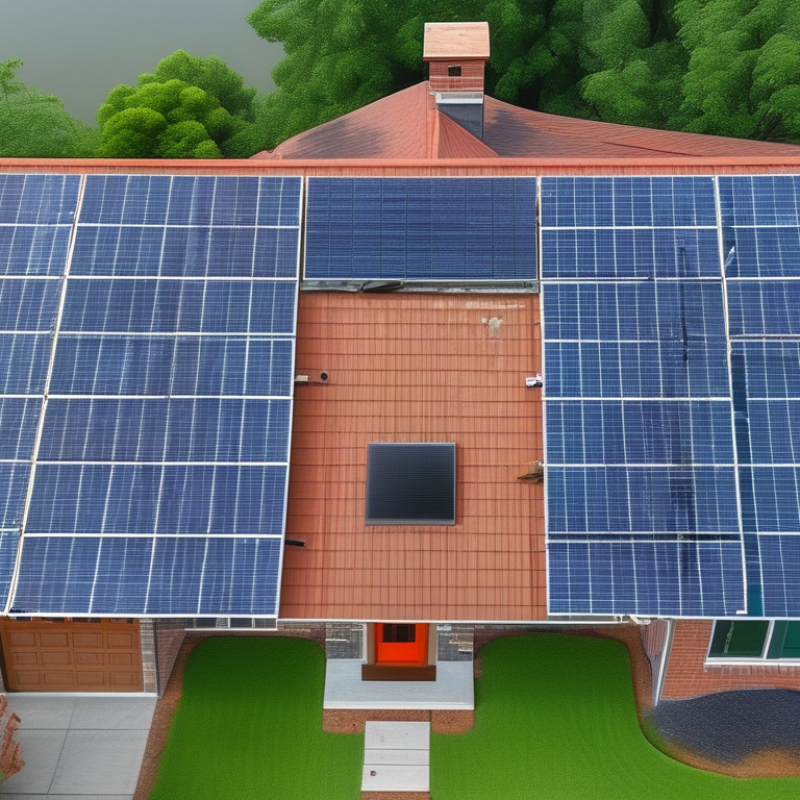
Can I Install Solar Panels by Myself Without Professional Help?

Can Homeowners Legally Install Solar Panels by Themselves?

Homeowners often wonder if they can install solar panels themselves. Many states allow this practice. However, the legal requirements can vary. It’s important to check local building codes and regulations. Some regions have specific guidelines for installations to ensure safety and compliance.

Installing solar panels may appear straightforward, but it requires certain skills. Familiarity with electrical systems is essential. Improper installation can lead to problems. Using professional installers ensures efficiency and safety. Mistakes can be costly and dangerous.

For those considering a DIY approach, here are a few helpful suggestions. Research local laws thoroughly before starting. Contact your local authority for permits. Understand the design requirements and safety precautions. Always use high-quality materials and follow manufacturer guidelines closely. Seek advice from online forums and communities where experienced individuals share their insights.

Necessary Tools and Equipment for DIY Solar Panel Installation

Installing solar panels on your own can be a rewarding challenge. However, it's crucial to have the right tools and equipment for a successful installation. At a minimum, you'll need safety gear, including gloves and goggles, to protect yourself during the process. A sturdy ladder is essential for accessing rooftops, while a drill with the proper bits is necessary for securing the panels.

You will also require mounting brackets and rails. These components ensure your panels are secure and oriented correctly. A multimeter is useful for testing the output of your panels during installation. Additionally, you'll need wiring and connectors to connect the panels to your home's electrical system. Forgetting even one small tool can complicate your setup.

It's important to plan meticulously before starting. This means understanding your roof's layout and ensuring you have everything on hand. Consider watching instructional videos or reading guides for best practices. Keep in mind that DIY installations can sometimes lead to mistakes. Be prepared to adjust your approach if things don't go as planned. Learning from these hiccups can enhance your skills.

Understanding Local Codes and Permits for Solar Panel Projects

Installing solar panels can be an exciting project. However, understanding local codes and permits is essential. Each region has specific regulations that dictate how installations should be conducted. These codes ensure safety, efficiency, and community standards. Ignoring them may lead to fines or project delays.

Before starting your project, consult your local government or planning office. They can provide guidelines on necessary permits. Some areas may require inspections during and after the installation. This process might seem tedious, but it is critical for compliance. It can be frustrating, especially if you feel prepared to proceed without external input.

Another crucial aspect is to check if your installation meets local zoning laws. Different neighborhoods might have restrictions on panel placement and design. Researching these details will save time and headaches later. If your application is denied, you may have to rethink your plans. Though it may feel limiting, adhering to these codes fosters a safer environment for everyone.

Evaluating Your Roof's Suitability for Solar Panel Installation

Evaluating your roof's suitability for solar panel installation is crucial. A thorough inspection reveals critical details. Assess the roof's age, condition, and material. Asphalt shingles are ideal for solar panels. Tile and metal roofs can also work well but require different installation strategies.

Consider the roof's angle and orientation. Roofs facing south receive the most sunlight. However, east and west orientations can also be beneficial. A steep slope may capture more sunlight, but accessibility for installation is a concern. Identifying shading from trees or nearby structures is essential. Even partial shade can affect the efficiency of solar panels.

Take a moment to reflect on your findings. If your roof is outdated or unstable, consider repairs before installation. Not all roofs are ideal for solar energy. You might need professional help if modifications are necessary. This evaluation ensures you make informed decisions about your solar energy journey.

Estimated Costs and Potential Savings of Self-Installed Solar Panels

Installing solar panels by oneself can seem appealing, especially in terms of cost savings. A recent report indicates that DIY installs can save homeowners between $3,500 to $5,000 depending on the size of the system. This savings stems from avoiding labor costs typically charged by professionals. However, the initial cost of solar panels can still range from $15,000 to $25,000 for a standard system, even before labor is factored in.

While saving money is significant, potential problems exist. The average homeowner may not possess the technical expertise required for a safe and efficient installation. A study found that around 20% of DIY installations resulted in leaks or electrical issues, leading to higher long-term expenses. Additionally, improper installation could void warranties, leading to future expenses that outweigh initial savings.

Research from the National Renewable Energy Laboratory shows that proper installation can enhance system efficiency by up to 30%. Therefore, while self-installation may initially appear cost-effective, the risks associated with inexperience demand careful consideration. Homeowners must weigh upfront savings against potential long-term costs to make an informed decision.

FAQS

: What tools are necessary for DIY solar panel installation?

: Essential tools include safety gear, a sturdy ladder, a drill, mounting brackets, rails, multimeter, wiring, and connectors.

How do I evaluate if my roof is suitable for solar panels?

Inspect the roof's age, condition, material, angle, and shading from trees or structures to determine suitability.

What kind of roofs are ideal for solar panels?

Asphalt shingles are ideal, while tile and metal roofs can work with different installation strategies.

How much can I save by installing solar panels myself?

Homeowners can save between $3,500 to $5,000 by avoiding professional labor costs.

What are the risks of DIY solar panel installation?

Around 20% of DIY installations face leaks or electrical issues, leading to potential long-term expenses.

Can improper installation affect warranties?

Yes, improper installation could void warranties, resulting in future costs that might exceed initial savings.

How does roof orientation impact solar panel efficiency?

South-facing roofs receive the most sunlight, while east and west orientations can still be beneficial.

What should I do if my roof is outdated?

Consider repairs or seek professional help before proceeding with solar panel installation.

How can I improve my installation skills?

Learning from mistakes and watching instructional videos can enhance your skills during the DIY process.

What potential costs should I consider before DIY installation?

Weigh upfront savings against risks, potential leaks, and other long-term costs associated with improper installations.

Conclusion

In exploring the question "can I install solar panels by myself," homeowners should first understand the legal implications of self-installation. Many jurisdictions allow homeowners to install solar panels without professional help, but it's crucial to check local codes and permit requirements to ensure compliance. Additionally, the necessary tools and equipment for a DIY project must be gathered, emphasizing safety and efficiency throughout the installation process.

Evaluating the roof’s suitability is another essential step, as factors such as angle, shading, and structural integrity can impact solar panel effectiveness. Finally, while self-installation may save on professional fees, it’s important to consider the estimated costs and potential long-term savings of solar energy. By addressing these concerns, homeowners can make informed decisions about their solar panel installation projects.

Mason

Mason

Mason is a seasoned marketing professional with a deep expertise in the company's offerings and a passion for driving brand awareness. With a strong background in digital marketing strategies, he has an innate ability to connect with diverse audiences and effectively communicate product benefits.......