As the demand for renewable energy rises, understanding how to store solar energy for night use becomes crucial. Recent reports show that solar energy accounted for approximately 4% of total U.S. electricity generation in 2022, highlighting its growing role. However, solar power is inherently intermittent, producing energy only during the day. To fully harness solar energy, innovative storage solutions are needed.
Battery storage systems, such as lithium-ion batteries, are emerging as one of the most effective ways to store solar energy. According to the International Energy Agency (IEA), global installed battery storage capacity is expected to reach 1,300 GWh by 2030. This is a significant leap, but current technologies still face limitations in terms of lifespan and efficiency. There’s room for improvement in maximizing energy retention and minimizing degradation.
Developing efficient energy storage methods remains a challenge for the industry. Many systems require extensive maintenance, and cost-effectiveness is an ongoing debate. Addressing these concerns is essential for advancing how to store solar energy for night applications and ensuring a reliable energy supply for users when the sun goes down.
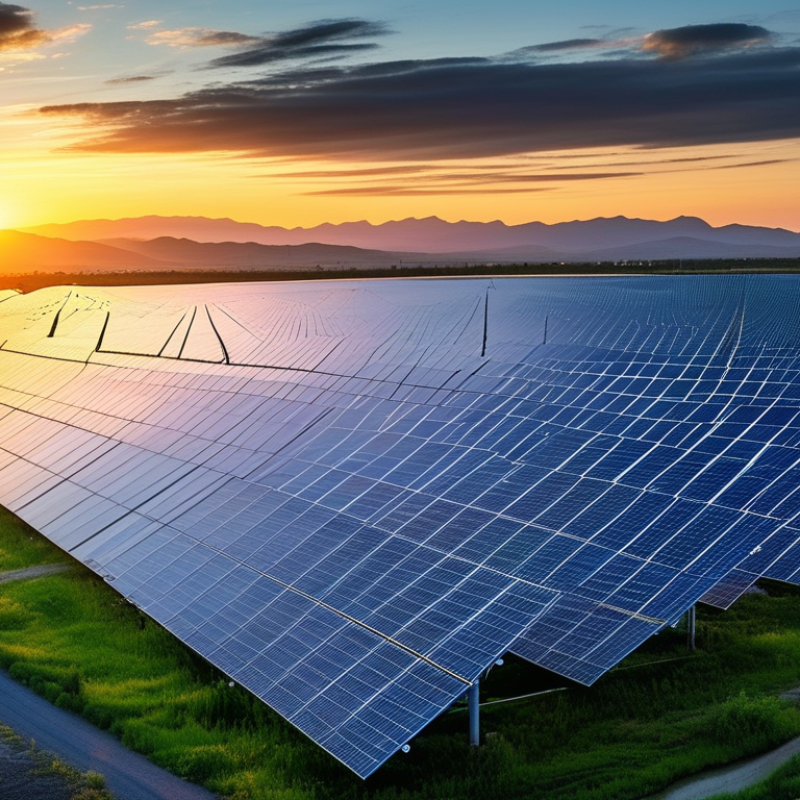
Solar energy storage technologies are crucial for maximizing renewable energy use. Various methods exist to store energy generated during the day for nighttime consumption. Battery storage is highly popular. Lithium-ion batteries are efficient and widely used in homes. However, they can be costly and require proper disposal.
Another option is pumped hydro storage. This method uses excess energy to pump water uphill, releasing it through turbines when needed. While it is effective, it requires specific geographical conditions. Moreover, it can impact local ecosystems.
Thermal storage is also worth considering. This technology stores heat for later use. It works well for solar thermal plants. However, efficiency can wane over time. Each of these methods has its strengths and weaknesses, proving the importance of ongoing research. Evaluating the best technology for energy storage demands a careful understanding of local needs and resources.
Storing solar energy efficiently is crucial for maximizing its potential. Several energy storage systems have emerged, providing different solutions. One of the most widely used systems is lithium-ion batteries. These batteries offer a high energy density and can store large amounts of solar energy for nighttime use. According to a report by the International Energy Agency, the global market for lithium-ion batteries is projected to reach $100 billion by 2025.
Another option is pumped hydro storage, a more traditional method. This system uses two water reservoirs at different elevations. During the day, excess solar energy pumps water uphill. At night, the water is released to generate electricity. This method accounts for about 95% of global energy storage capacity. However, it requires specific geographical conditions and significant investment.
Flow batteries are gaining traction as well. They are less expensive and can easily store energy from solar installations. They allow for longer discharge times, ideal for nighttime use. Yet, their lower energy density compared to lithium-ion batteries is a limitation. Each type of storage system has pros and cons, requiring careful consideration based on specific needs and local conditions. The energy storage landscape continues to evolve, and ongoing research is imperative for optimizing these technologies.
Energy storage is vital for harnessing solar power, especially for nighttime use. Key factors influence the efficiency of solar energy storage systems. One significant factor is the type of storage technology employed. Lithium-ion batteries currently hold a market share of about 73%. They provide high energy density and efficiency, but their cost and environmental concerns are notable.
Another critical element is the cycle life of the storage solution. For instance, lead-acid batteries typically offer around 500 cycles, while advanced options can exceed 5,000. This longevity can dramatically affect overall system reliability and total cost of ownership.
Temperature also plays a crucial role. Storage capacity can diminish in extreme heat or cold, with efficiency losses up to 15% in high temperatures. This variability raises questions about the integration of solar systems in diverse climates. Beyond technology and environment, grid connection and energy management systems can further optimize usage. Advanced algorithms help in predicting energy availability, yet gaps exist in predictive accuracy. Each of these factors must be carefully evaluated to enhance the efficiency of solar energy storage for night usage.
Storing solar energy for nighttime use requires thoughtful strategies. Effective battery systems are crucial. High-capacity lithium-ion batteries are widely used for this purpose. These batteries can store excess energy generated during the day. However, their lifespan and efficiency can diminish over time. Monitoring performance is essential for optimal results.
Choosing the right storage capacity is vital. A system should be sized based on daily energy consumption and solar production. Many households underestimate their energy needs, leading to inadequate storage. Reflecting on consumption patterns can help in making better decisions. Further, integrating solar with smart home technologies can enhance efficiency. These technologies adjust energy usage based on storage levels.
Alternative solutions exist as well. Thermal energy storage, for instance, captures heat instead of electricity. This method can sometimes be more cost-effective. Yet, it may require more space and better infrastructure. Regular maintenance of storage systems, regardless of type, ensures reliability. Ensuring system longevity requires ongoing effort but pays off with sustained energy access at night.
The increasing reliance on solar energy comes with challenges in energy storage. As the International Energy Agency (IEA) projects, energy storage capacity must grow significantly to keep pace with solar deployment. Current lithium-ion batteries are efficient but can face limitations with lifecycle and recycling.
New technologies like solid-state batteries and flow batteries are emerging. These provide longer lifespan and improved safety compared to traditional batteries. According to a recent report by Bloomberg New Energy Finance, solar plus storage could dominate the grid by 2040. Trends show lower costs in energy storage solutions may increase significantly, making them more accessible.
To optimize solar energy usage at night, consider investing in storage systems with longer discharge rates. Next, explore hybrid systems that combine solar and wind. This diversification can reduce reliance on single-source power. Moreover, keep an eye on local incentives for solar energy storage, which can offset initial costs. Regularly monitor the performance of your storage system to identify any inefficiencies.
: Solar energy storage allows excess energy generated during the day to be used at night.
Common types include lithium-ion batteries, pumped hydro storage, and thermal storage systems.
They are efficient, cost-effective, and can store large amounts of solar energy for later use.
It requires specific geographical conditions and can impact local ecosystems.
It stores heat generated from solar thermal plants for later use, but efficiency can decrease over time.
Yes, they are less expensive and better for longer discharge times, but have lower energy density.
Emerging technologies like solid-state batteries are being developed, promising longer lifespans and improved safety.
Invest in systems with longer discharge rates and consider hybrid solutions combining solar with wind power.
Regularly check the performance for any inefficiencies that might arise over time.
Yes, local incentives can help offset initial costs and make systems more accessible.
Storing solar energy for use at night is essential for maximizing the benefits of renewable energy. Understanding solar energy storage technologies is the first step, as it includes various types of energy storage systems ranging from batteries to thermal storage. Each system has its own set of advantages depending on efficiency, capacity, and cost.
Factors influencing the efficiency of solar energy storage include the type of storage medium, the rate of energy conversion, and ambient conditions. To ensure optimal use of stored solar energy during nighttime, best practices such as efficient system design, regular maintenance, and implementing smart energy management solutions should be adopted. Looking ahead, future trends in solar energy storage solutions promise advancements that will enhance efficiency and accessibility, making it easier to answer the question of how to store solar energy for night effectively.

Jonas Energy