Determining "what size solar system do I need" can be challenging for homeowners. According to energy consultant John Smith, “Choosing the right size system can significantly impact your energy efficiency.” Understanding your energy needs is essential.
Homeowners must consider their electricity usage patterns. Factors include the number of occupants, appliances, and insulation. Assessing these elements can be complex. Many overlook peak usage times. This can lead to overestimating or underestimating solar requirements.
Consulting with a solar expert is advisable. They can help analyze your situation. Accurate calculations will ensure you get the most from your investment. Remember, an improperly sized system may not meet your needs or could be unnecessarily costly. Therefore, reflecting on your energy consumption is crucial.
Understanding Your Home's Energy Consumption
Understanding your home's energy consumption is crucial when considering a solar system. Every household has different energy needs. Factors such as size, appliances, and lifestyle play significant roles. Knowing how much energy you use allows you to gauge the appropriate solar system size.
Start by reviewing your utility bills. Look at the kilowatt-hours (kWh) you consume each month. This number provides a baseline. You might notice spikes during certain seasons. For instance, summer may see higher usage due to air conditioning. Don't forget to factor in future changes, like new appliances or electric vehicles.
Analyzing your energy habits can reveal patterns. Do you leave lights on? Are old appliances consuming more power? Making small adjustments can help optimize energy consumption. Every bit counts when designing a solar system tailored to your needs. Understanding these details will guide you in making informed decisions about solar energy.
Evaluating Your Roof Space for Solar Panel Installation
When considering solar panel installation at home, evaluating roof space is essential. The average American home has a roof area of about 2,000 square feet. However, only 400 to 600 square feet may be suitable for solar panels. This is due to factors like roof orientation, shading, and structural integrity. If your roof doesn’t get enough sunlight, your solar energy production could decrease significantly.
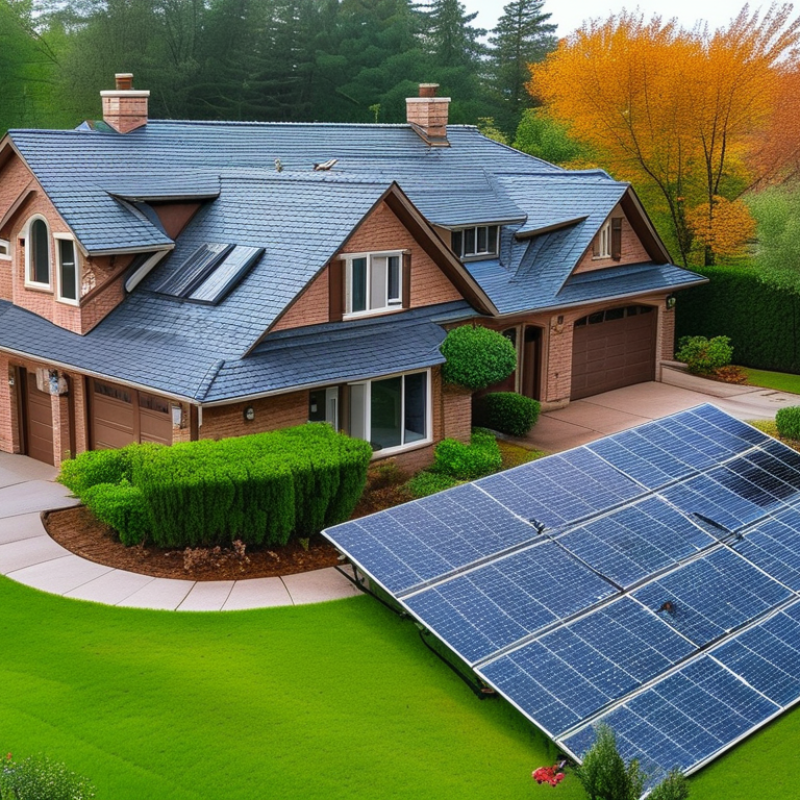
According to the National Renewable Energy Laboratory, a typical residential solar system can range from 5 kW to 10 kW. The size of the system needed largely depends on available roof space. A well-optimized roof can accommodate approximately 20 to 30 panels, generating around 6,000 to 12,000 kWh annually. However, not every home will have the perfect roof layout for maximum efficiency. Some might need to consider ground-mounted systems if roof space is limited or unsuitable.
Homeowners should also think about their energy consumption. The U.S. Energy Information Administration reports that the average household uses about 877 kWh per month. If your roof space limits the size of your system, you may not cover your entire energy usage. In these cases, energy efficiency upgrades could be a necessary step before investing in solar. Understanding these dynamics will help homeowners make informed decisions that reflect both current needs and long-term goals.
Solar System Size vs. Average Energy Consumption
This chart shows the average size of solar systems required based on different levels of household energy consumption. It illustrates how a larger solar system can support higher energy needs, ensuring sufficient power generation throughout the year.
Determining the Right Solar System Size Based on Energy Needs
When determining the right solar system size for your home, understanding your energy needs is crucial. Start by analyzing your past electricity bills. Look for the average monthly usage in kilowatt-hours (kWh). This number will guide your solar system size calculations. Each home is different, influenced by factors like appliance use, home size, and location.
Tips: Keep track of changes in energy consumption, such as adding new appliances or expanding your home. These factors can increase your energy demand, altering your solar needs.
Next, consider how much sunlight your roof receives. The orientation and angle can impact how much energy your solar panels generate. A south-facing roof typically performs best. Adjust your size estimate based on this sunlight data.
Tips: If your roof has shading from trees or other buildings, note how it affects energy production throughout the day. A slight adjustment to your expectations might be necessary.
Finally, think about your future energy needs. If you plan to switch to electric heating or buy an electric vehicle, factor this into your calculations. Being proactive can help you avoid under-sizing your system. Expand your solar system size accordingly to ensure it meets both current and future demands.
Factors Affecting Solar System Performance and Efficiency
When determining the ideal solar system size for your home, several factors come into play. The location of your home significantly influences solar performance. Areas with abundant sunlight will yield more energy. Shade from trees or buildings can dramatically reduce efficiency. Therefore, assess your surroundings carefully.
Energy consumption patterns also matter. Consider appliances that consume a lot of energy. If you’ve recently acquired energy-hungry equipment, your solar needs will increase. Keep track of your monthly electricity bills. This helps in understanding your usage trends.
Tip: Investigate how many peak sun hours your area receives. This detail is vital for accurate system sizing.
Also, the orientation of your roof is critical. Ideally, solar panels should face south to capture maximum sunlight. A well-angled roof can enhance collection efficiency. Flat roofs may require tilting for optimal sun exposure.
Tip: If possible, conduct an energy audit. This will reveal potential reductions in consumption before sizing your solar system.
Each home is unique, and personal lifestyle choices can affect solar output. Take your time to analyze all factors. Adjustments may be necessary. Always gather data to inform your decisions.
Calculating Costs and Potential Savings of Solar Energy Systems
When considering a solar energy system for your home, understanding costs and savings is crucial. The size of the system you need depends on your energy consumption, location, and roof space. For example, a typical home with an average energy usage may require a system ranging from 5 to 10 kW. However, personal factors can influence this. Your unique energy habits can shift the estimate significantly.
Analyzing potential savings involves looking at your current electricity bills. If you pay $200 each month, a solar system could reduce those costs by 50% or more. Many homeowners report savings of thousands over the system's life. Yet, initial investment can seem daunting. Financing options and local incentives vary. Research is essential here. Compare local solar providers and ask for estimates.
Some people worry about return on investment. If your system’s performance isn’t as expected, you might feel regret. Factors like shading, panel orientation, and maintenance can impact energy output. Investing in a quality solar installation helps mitigate these risks. Always consult with professionals to maximize efficiency and savings potential.
What Size Solar System Do I Need for My Home? - Calculating Costs and Potential Savings of Solar Energy Systems
| Home Size (sq ft) |
Recommended System Size (kW) |
Estimated Cost ($) |
Estimated Annual Savings ($) |
Payback Period (Years) |
| 1,000 |
5 |
15,000 |
1,200 |
12.5 |
| 1,500 |
7.5 |
22,500 |
1,800 |
12.5 |
| 2,000 |
10 |
30,000 |
2,400 |
12.5 |
| 2,500 |
12.5 |
37,500 |
3,000 |
12.5 |
FAQS
: Typically, you'll need around 400 to 600 square feet of suitable roof space.
Limited sunlight can significantly reduce energy production. Consider energy efficiency upgrades or ground-mounted systems.
Analyze your past electricity bills for average monthly usage in kWh. This guides your system size calculations.
Factors include appliance usage, home size, location, and future energy plans like electric heating or vehicles.
Shading from trees or buildings can impact energy production. Adjust expectations accordingly based on shading effects.
Initial investment varies. For an average home, a system may cost significantly depending on specific energy habits.
Yes, many homeowners report saving thousands over time. A system might cut electricity costs by 50% or more.
Research financing options, local incentives, and compare providers. A quality installation reduces risks of poor performance.
You may feel regret. Factors like maintenance, shading, and orientation can impact energy output, so consult professionals.
Yes, changes like new appliances can increase energy demand. Track these to ensure accurate solar needs assessments.
Conclusion
When considering the question of "what size solar system do I need" for your home, it's essential to start by understanding your energy consumption patterns. Analyzing your utility bills will help identify how much electricity you typically use, which serves as the foundation for sizing your solar system. Next, evaluating your roof space for solar panel installation is crucial, as the available area will determine how many panels you can fit and their potential output.
Additionally, the right solar system size must account for various factors that can affect performance and efficiency, such as local climate, roof orientation, and shading from trees or buildings. Finally, it’s important to calculate both the costs associated with the installation and the potential savings you could enjoy from switching to solar energy. By conducting this comprehensive assessment, you can arrive at an effective solar system size that meets your energy needs while maximizing your investment.

 Jonas Energy