A solar battery should store daytime energy for the evening, not disappear before midnight. If you keep asking, “why is my solar battery draining fast,” the cause may be simple, hidden, or misunderstood. High nighttime demand, poor charging, shading, incorrect settings, extreme temperatures, and battery aging can all reduce usable storage.
This guide examines seven practical fixes, from checking overnight loads to reviewing charge settings and battery health. It also explains when normal capacity loss becomes a warning sign. A quick guess can be wrong. A battery may appear weak when an inverter, pump, refrigerator, or backup circuit is using unexpected power.
Begin with evidence, not assumptions. Record the battery level at sunset and again before sunrise. Note the weather, household loads, temperature, and solar production. A smart monitoring app can reveal sudden drops, repeated charging cycles, or standby consumption. Compare these readings with the manufacturer’s specifications and installation records.
The safest approach is methodical. Inspect cables and terminals for looseness, but avoid opening sealed battery equipment. Check whether the battery reaches its recommended charge level. Review time-of-use schedules and backup reserves carefully. Lithium and lead-acid batteries also require different charging practices. Their symptoms can look similar.
Some fixes may not solve everything. Battery chemistry, age, and local conditions matter. If the battery becomes unusually hot, swells, smells strange, or shuts down repeatedly, stop using it and contact a qualified installer. The steps ahead focus on practical checks that protect performance, safety, and long-term value.
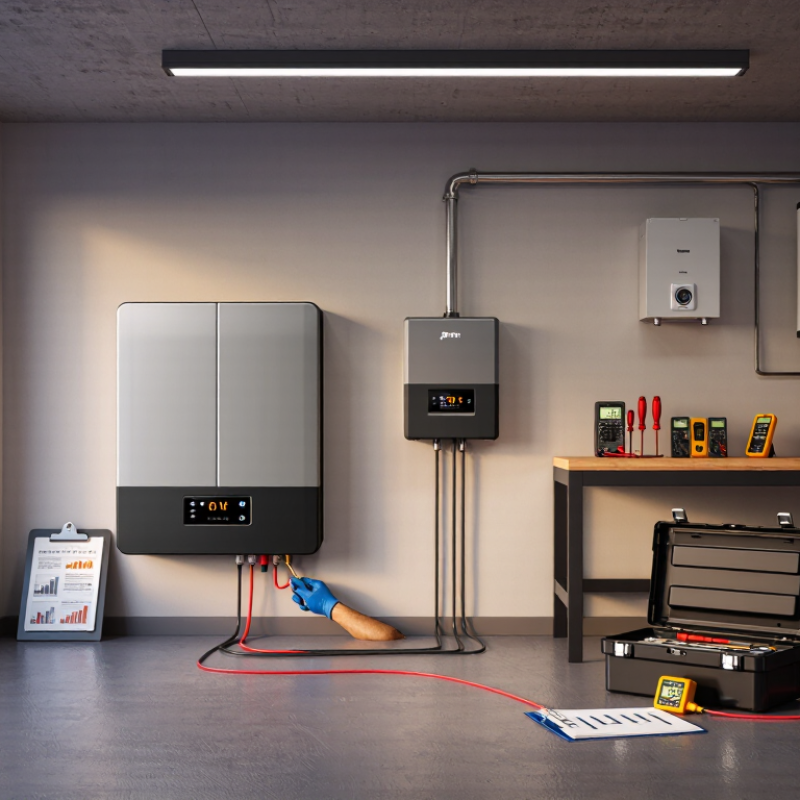
A fast-draining solar battery often points to a usage problem, not immediate battery failure. Open the monitoring app and review hourly consumption. Look for night-time loads, water heating, pumps, backup equipment, or a forgotten outdoor light. Compare yesterday’s graph with a quiet day. Small loads can become large overnight.
Check the battery’s usable capacity against its original rating. A displayed 10 kWh battery may provide less energy after reserve settings, temperature limits, and aging. State of charge, or SOC, can also look misleading. If SOC falls from 80% to 20% before sunrise, record the time, household load, and battery temperature. Repeat this test for three days. One unusual evening can distort your conclusion.
Battery controls deserve a careful review. A high minimum SOC may leave less energy available, while a low reserve can trigger protective shutdowns. Cloudy weather may prevent a full recharge, so compare solar production with daily consumption. Many owners blame the battery after a week of electric heating; seasonal demand may be the real cause. Still, estimates are not measurements. If capacity drops sharply, the battery heats unusually, or readings disagree, stop changing settings and ask a qualified technician to inspect the system safely.
A solar battery that drains quickly may not be faulty. Start by inspecting the panels during strong daylight. Dust, bird droppings, leaves, or afternoon shade can reduce charging noticeably. I once blamed the battery, but a loose panel connector caused the real problem. Measure panel voltage and current with suitable test equipment. Compare the readings with the system’s documented specifications.
Inspect every cable for cracked insulation, corrosion, heat marks, or loose terminals. Poor connections create resistance and waste energy before it reaches the battery. Check cable size and polarity carefully. Then review the charge controller’s settings. Incorrect battery type, charging voltage, or temperature compensation can limit charging or cause unsafe cycling. Confirm that the controller displays charging activity when sunlight is available.
Tips:
Record battery voltage at sunrise and sunset for three days. Disconnect unnecessary loads during testing. Check for hidden drains, such as lights, inverters, or monitoring devices. A clamp meter can reveal current that ordinary voltage checks miss. Do not rely on one reading. Weather changes quickly, and cloudy testing may mislead you. If wiring becomes hot, stop using the system and arrange a qualified inspection. Keep a simple log, although I sometimes forget this step and lose useful evidence. Test the battery separately after the panels, wiring, and controller perform normally.
An inverter can consume power even when the house seems quiet. Check its overnight standby draw, operating mode, and battery reserve setting. A backup reserve set too high may leave usable energy untouched. Conversely, an aggressive self-consumption mode can discharge the battery before sunrise.
Begin with a simple evening test. Photograph the battery level at 9 p.m., then record it again at 6 a.m. Switch off nonessential loads, such as pool pumps, heated floors, network storage, and spare refrigerators. Smart plugs can reveal hidden consumption from chargers and entertainment equipment. The U.S. Energy Information Administration reports average household electricity use near 30 kWh per day, but overnight demand can still rise sharply from one heating or cooling circuit.
Efficiency losses matter too. NREL battery-storage modeling commonly uses about 85% round-trip efficiency for lithium-ion systems. Therefore, replacing 10 kWh may require roughly 11.8 kWh from charging. Cold temperatures, aging cells, and inaccurate state-of-charge estimates can increase the gap.
The uncomfortable detail: I would not blame the battery first. Settings often explain the pattern.
Review time-of-use schedules, minimum charge limits, and emergency-backup controls against the inverter manual. Record changes one at a time. If the battery falls rapidly with confirmed loads below expectations, request a qualified inspection rather than opening electrical equipment yourself.
Why My Solar Battery Drains Fast? Test for Age, Damage, Temperature, and Maintenance Issues
A battery that empties before sunrise may not be faulty. Start by checking its age and daily workload. Most rechargeable solar batteries lose usable capacity over time, especially after repeated deep discharges. Compare today’s backup time with the original specification. A sudden drop suggests a different problem. I once blamed poor sunlight, but a loose connection caused the real loss.
Inspect the battery for swelling, cracks, corrosion, leaking, or unusual heat. Do not open a damaged battery. Contact a qualified technician instead. Temperature also matters. Very cold conditions reduce available capacity, while excessive heat speeds up chemical aging. Keep the battery in a dry, ventilated area. Avoid placing it beside boilers, heaters, or direct afternoon sunlight. A simple voltage reading can mislead. Review charge levels, discharge patterns, and error records together.
Tips: Clean approved terminals with the power system safely isolated. Check cables for looseness and discoloration. Confirm that vents remain clear. Review maintenance records every few months. If the battery drains quickly after these checks, arrange professional testing. The battery may be aging internally, even when its case looks normal. Small details count.
A fast-draining solar battery needs measured troubleshooting, not guesswork. Start by checking overnight loads, backup settings, and the battery’s state-of-charge history. Turn off unnecessary inverters, heaters, pumps, and standby circuits. A small refrigerator load can look harmless, yet run continuously for hours. Then inspect solar production for shading, dust, and sudden inverter losses. One cloudy day is not proof of battery failure.
Apply seven safer fixes: reduce standby demand, adjust the reserve setting, update approved control software, improve airflow, avoid extreme temperatures, inspect visible cables, and schedule a qualified electrical check. Never open the battery enclosure or bypass its protection system. The U.S. Department of Energy’s Energy Storage Handbook reports typical lithium-ion round-trip efficiency near 85–95%, depending on system design. Therefore, some energy loss is normal, but a sharp change deserves attention. NREL’s battery research also shows that temperature, cycling depth, and operating conditions influence long-term performance.
Monitor the battery at the same time each evening. Record solar input, household load, state of charge, temperature, and overnight loss for seven days. Compare similar weather, not isolated readings. A useful warning sign is repeated loss far above the system’s normal pattern. However, my own first check would still be the load meter; people often blame the battery while a hidden water heater is running. Keep dated screenshots and maintenance notes. Share them with a certified technician before changing settings.
| # | Recommended Fix | Common Reason for Fast Drain | Safe Action | What to Monitor | Typical Result | Stop and Get Professional Help If |
|---|---|---|---|---|---|---|
| 1 | Measure the real overnight load | A refrigerator, pump, network device, standby inverter load, or other appliance may be consuming energy continuously. | Record battery state of charge, inverter output, and overnight energy use. Turn off nonessential circuits one at a time rather than disconnecting wiring. | Watt-hours used overnight, continuous watts, and the time when the state of charge falls most quickly. | Identifying and removing one continuous 100 W load can save about 2.4 kWh over 24 hours. | Cables become hot, insulation is damaged, or the measured current does not match the inverter display. |
| 2 | Check inverter standby and conversion losses | An inverter can consume power even when the connected AC appliances are idle, and conversion efficiency is lower at very small loads. | Use the inverter’s approved sleep or low-power mode when suitable. Avoid repeatedly switching the inverter off and on under load. | No-load DC current, sleep-mode behavior, daily inverter energy consumption, and error logs. | Reducing standby consumption can noticeably extend runtime, especially in small off-grid systems with light overnight loads. | The inverter overheats, repeatedly shuts down, emits an unusual smell, or reports an insulation or over-temperature fault. |
| 3 | Verify battery state-of-charge accuracy | A voltage-only estimate can be misleading under load, while an incorrectly configured battery monitor can show a higher or lower percentage than the actual charge. | Compare the monitor with battery voltage after the battery has rested and with the charge controller or battery-management-system data. Confirm the configured capacity and chemistry. | State-of-charge percentage, battery voltage at rest, amp-hours in and out, and synchronization history. | Accurate readings prevent unnecessary deep discharges and make real changes in battery performance easier to detect. | The displayed percentage changes abruptly, cell voltages are unbalanced, or the battery-management system reports a protection event. |
| 4 | Reduce unnecessary depth of discharge | Frequent deep cycles can accelerate capacity loss, particularly in lead-acid batteries. Lithium batteries also require operation within their approved limits. | Set a conservative low-voltage or minimum-state-of-charge limit according to the battery manufacturer’s specifications. Keep essential loads separate from optional loads. | Daily depth of discharge, minimum voltage, low-voltage shutdowns, and available capacity over time. | Shallower cycling generally reduces stress and can improve usable service life, although the exact benefit depends on battery chemistry and temperature. | The battery reaches the low-voltage limit quickly, becomes unusually warm, swells, leaks, or produces a sharp odor. |
| 5 | Inspect charging and solar-production settings | Incorrect battery type, charge-voltage settings, shading, dirt, poor orientation, or a tripped protection device can leave the battery undercharged. | Confirm the battery chemistry and charging profile. Check visible shading, array connectors, controller status, and daily solar yield without opening energized equipment. | Solar energy generated, charging current, absorption or constant-voltage duration, and controller fault codes. | Restoring normal charging can stop a gradual state-of-charge decline across successive days. | There is exposed DC voltage, arcing, damaged connectors, persistent charging faults, or a need to alter high-voltage wiring. |
| 6 | Control temperature and ventilation | High temperatures increase battery aging, while very low temperatures can reduce available capacity and may restrict charging for some lithium batteries. | Keep the battery in a dry, shaded, ventilated location within its specified operating range. Do not cover vents or place heat-producing equipment nearby. | Battery temperature, enclosure temperature, ventilation-fan operation, and temperature-related warnings. | Stable temperatures can improve available capacity consistency and reduce temperature-related charging restrictions. | The battery is hot to the touch, swelling, venting, leaking, or repeatedly triggering high-temperature protection. |
| 7 | Test battery health and connections | Aging cells, sulfation in lead-acid batteries, loose terminals, corrosion, or high-resistance cables can cause voltage sag and reduced usable capacity. | Visually inspect accessible terminals with the system isolated according to the installation manual. Arrange a professional capacity, conductance, or cell-balance test. | Voltage under a known load, terminal temperature, capacity-test result, internal resistance, and cell-voltage spread. | A confirmed weak battery can be repaired or replaced before it causes repeated low-voltage shutdowns. | A terminal is hot, corroded, loose, damaged, or the battery case is cracked, swollen, leaking, or venting. |
Dust, shade, poor wiring, hidden loads, or incorrect settings may reduce charging. I would not blame the battery first.
Inspect panels during strong daylight. Remove leaves and bird droppings. Measure voltage and current with suitable equipment. Compare results with documented specifications.
Look for cracked insulation, corrosion, heat marks, loose terminals, and incorrect polarity. A loose connector can quietly create resistance. Stop using the system if cables become hot.
Confirm the battery type, charging voltage, temperature compensation, and charging activity. Incorrect settings can limit charging or cause unsafe cycling. Check the manual carefully.
Record battery levels at 9 p.m. and 6 a.m. Switch off nonessential loads. Check heaters, pumps, spare refrigerators, lights, inverters, and monitoring devices. A clamp meter can reveal missed current.
Yes. Review standby draw, operating mode, reserve level, time-based schedules, and minimum charge limits. A high reserve may leave usable energy untouched. Aggressive consumption settings may drain the battery before sunrise.
Lithium-ion systems commonly lose some energy through conversion and storage. Typical round-trip efficiency may range from about 85% to 95%. Cold temperatures and aging can increase losses.
Record solar input, household load, state of charge, temperature, and overnight loss. Use the same evening time for seven days. Similar weather makes comparisons more useful.
Request one after panels, wiring, settings, and loads appear normal, but rapid discharge continues. Never open the battery enclosure or bypass its protection system. Keep dated screenshots and maintenance notes.
Trusting one cloudy-day reading can mislead you. I sometimes forget to keep a log, then lose useful evidence. Test patiently.
If you are asking, “why is my solar battery draining fast,” start by checking its recent usage, total capacity, and state of charge. High energy demand, reduced storage capacity, or an inaccurate charge reading can make the battery appear to drain unusually quickly. Next, inspect the solar panels, wiring, and charge controller for shading, loose connections, dirt, or charging problems that may prevent the battery from receiving enough energy during the day. Reviewing inverter settings and overnight power consumption can also reveal hidden loads or inefficient operating modes.
Battery age, physical damage, extreme temperatures, and poor maintenance may further reduce performance. To slow unnecessary drain, disconnect nonessential loads, adjust suitable system settings, keep components clean and properly ventilated, and arrange professional testing when faults are suspected. Record daily charging and usage patterns so you can compare performance over time. Regular monitoring helps identify whether the issue comes from energy demand, insufficient solar input, equipment settings, or a battery that needs service or replacement.

Jonas Energy