As electricity demand rises, understanding what is a smart energy management system has become commercially important. These systems connect meters, sensors, software, batteries, appliances, and renewable generation. They measure energy in near real time. They also adjust consumption when prices, weather, or grid conditions change.
The International Energy Agency’s Electricity 2024 report expects global electricity demand to grow by an average of 3.4% annually from 2024 to 2026. That growth creates pressure on networks, especially during evening peaks. IRENA reported that renewables represented 86% of new global power capacity added in 2023. However, solar and wind output can change within minutes. A smart system must therefore coordinate supply, storage, and flexible demand.
Henrik Lund, a leading researcher in sustainable energy systems, describes the concept clearly: “Smart Energy Systems are defined as an approach to design future renewable energy systems using the synergies between them.” His work highlights connections between electricity, heating, cooling, gas, and transport networks. In a real building, this might mean charging a battery at midday, lowering heating briefly during a peak, and using stored power after sunset.
The idea sounds simple. Implementation is not.
A credible system needs secure data, compatible devices, transparent controls, and measurable savings. The U.S. Department of Energy also emphasizes monitoring, automation, and two-way communication within modern energy management. Yet performance varies by building, climate, tariff, and user behavior. Reports provide direction, not guarantees. This guide examines the strongest 2026 options, their practical features, and the limitations buyers should question before investing.
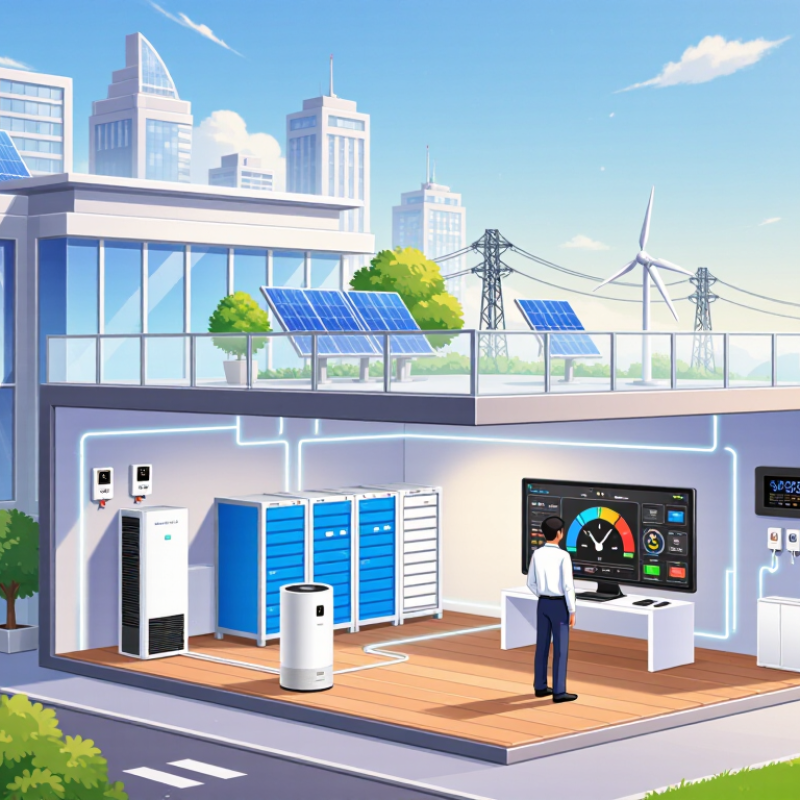
A smart energy management system combines meters, sensors, software, and automated controls.
It measures electricity, heating, cooling, and storage in near real time. The International Energy Agency reports that buildings use about 30% of global final energy. That makes accurate control more than a technical upgrade.
The system has four core components: data collection, analytics, control, and human oversight.
Smart meters record load patterns, while sensors detect temperature, occupancy, and equipment status. Analytics then identifies waste, such as an air-conditioning unit running in an empty room. Automated controls can shift flexible loads away from expensive periods. Integration with solar generation, batteries, and electric vehicles expands its scope.
However, poor data quality can produce confident but wrong decisions. That weakness deserves attention.
Tips:
Start with one building zone. Check meter accuracy first. Set clear targets, such as peak-demand reduction or lower overnight consumption. The U.S. Department of Energy’s energy management guidance supports continuous measurement, review, and improvement.
In practice, a monthly dashboard can reveal a stubborn midnight load or a weekend spike. Staff feedback also matters. A technically efficient schedule may feel uncomfortable or disrupt operations.
Some savings estimates will be imperfect. Treat them as working evidence, not promises.
A smart energy management system connects IoT meters, sensors, inverters, batteries, and controllable loads. It turns scattered energy data into operating decisions. A home may shift water heating when rooftop solar output rises. A factory may reduce cooling demand before an expensive peak period. Real-time controls then respond within seconds, not after a monthly bill arrives.
AI adds forecasting, but it should not operate alone. Machine-learning models can estimate solar production, occupancy, and demand from weather and historical patterns. The system can then coordinate distributed energy resources, including solar panels, electric vehicles, heat pumps, and battery storage.
The IEA’s Electricity 2024 report expects renewable power and nuclear generation to meet all additional global electricity demand through 2026. That growth makes flexible control more valuable.
Storage matters too. The IEA’s Batteries and Secure Energy Transitions report says global energy storage capacity must increase sixfold by 2030, reaching 1,500 GW.
Strong systems should support islanding, load prioritisation, cybersecurity, and human override. On site, clear dashboards are essential. Operators need to see why a battery charged or a load moved.
The weak point is prediction.
AI can misread sudden weather or unusual behaviour. A reliable system records decisions and allows correction. Interoperability also remains uneven.
The best 2026 choices will favour open data standards, transparent controls, and measurable savings over impressive demonstrations.
The International Energy Agency’s Energy Efficiency 2023 report identifies buildings as responsible for about 30% of global final energy use. That figure makes efficiency a daily operational issue, not a distant climate target. A smart energy management system, or SEMS, connects meters, sensors, HVAC controls, lighting, and occupancy data. It then helps facility teams detect waste and adjust performance.
The best 2026 systems should support real-time monitoring, automated scheduling, fault detection, and demand forecasting. Look for open data connections and clear energy baselines.
A useful dashboard should show a night-time temperature spike, an empty meeting room using ventilation, or a chiller running after closing. These details turn abstract consumption into practical maintenance decisions.
The United Nations Environment Programme’s 2023 Global Status Report links buildings and construction with roughly 34% of global energy demand and 37% of energy-related carbon emissions. The scopes differ from the IEA’s calculation, but the warning is consistent. Buildings remain a major efficiency opportunity.
I would not trust automation alone. Occupant behavior, incomplete sensor coverage, and unusual weather can distort results. Independent measurement still matters.
Teams should compare SEMS savings against verified meter data, operating schedules, and indoor comfort records. Small buildings may need simpler controls, while complex sites benefit from predictive analytics and flexible load management.
What Is a Smart Energy Management System 2026 Best Picks?
How to Evaluate 2026 Systems: Interoperability, Security, and ROI
A smart energy management system in 2026 should connect meters, HVAC controls, batteries, and tariffs without fragile custom bridges. Interoperability is practical, not decorative. I would test open building and messaging protocols on one small floor. Can the system preserve timestamps, units, and alarms? Can operators export raw data after the contract ends? The International Energy Agency’s Energy Efficiency 2024 report states that buildings consume about 30% of global final energy. Integration errors can therefore become expensive.
Security deserves equal weight. The European Union Agency for Cybersecurity’s 2024 Threat Landscape recorded DDoS attacks as 77% of reported incidents. That figure is not an energy forecast, but it sharpens risk discussions. I look for unique credentials, signed updates, network segmentation, and tested recovery procedures. Remote access should expire automatically. One weakness remains: evaluations often trust questionnaires too quickly. A live security test is more revealing.
ROI needs measured baselines, not optimistic dashboards. Lawrence Berkeley National Laboratory found median whole-building commissioning savings of 13%, with a 1.7-year simple payback. Use that evidence cautiously; occupancy and building age change outcomes. Calculate energy, demand, maintenance, and comfort gains separately. Then subtract integration, training, cybersecurity, and replacement costs. I once overvalued a polished interface and underestimated poor sensor calibration. The mistake still matters. A 2026 system should prove savings through trend logs, invoices, and occupied-space measurements.
A vendor-neutral weighting model for comparing 2026 systems across interoperability, security, and return on investment.
How to use this chart: Prioritize systems that connect with open protocols and APIs, provide strong identity and data protections, and prove ROI through measured baselines, transparent savings calculations, and actionable energy data. The percentages represent evaluation priorities, not vendor performance scores.
A smart energy management system (SEMS) connects meters, sensors, batteries, heat pumps, and controllable loads. It uses live data to reduce waste and shift demand. The IEA reports that buildings consume about 30% of global final energy. Residential SEMS can schedule water heating, cooling, and electric vehicle charging around tariffs or rooftop generation. Commercial systems add occupancy data, indoor air quality, and peak-demand controls. A quiet office floor can become a useful energy resource.
Industrial SEMS need deeper measurement. They monitor motors, compressed air, refrigeration, boilers, and production schedules. The IEA identifies industry as one of the largest final-energy users worldwide, so small process improvements can scale quickly. However, software cannot repair poor maintenance. That gap matters. Operators still need verified baselines, secure controls, and staff who understand the equipment. The U.S. Department of Energy’s grid-interactive buildings roadmap emphasizes flexible loads, efficiency, and resilience rather than automation alone.
At the grid edge, SEMS coordinate homes, buildings, batteries, and community solar assets. The Department of Energy’s Virtual Power Plants report estimates 80–160 gigawatts of potential peak-demand capacity in the United States by 2030. That figure depends on participation, communications, and fair customer incentives. A reliable system should show who controls each device, when data is shared, and how savings are measured. Real-world pilots often expose messy exceptions. Tariffs change. Sensors drift. Weather surprises the forecast. The best 2026 systems will therefore combine automation with human review, clear cybersecurity practices, and performance data that independent auditors can test.
It connects meters, sensors, batteries, inverters, and controllable equipment. It turns live energy data into operating decisions. For example, water heating can shift during strong solar production.
They detect waste and adjust heating, cooling, lighting, and ventilation. A dashboard might reveal ventilation running in an empty meeting room. That detail supports practical maintenance.
They can schedule water heating, cooling, battery charging, and vehicle charging. Controls may respond to electricity prices or rooftop generation. Small changes can reduce evening demand.
They match energy use with actual room activity. An empty office floor can reduce ventilation and lighting. Indoor air quality still needs attention.
Industrial systems monitor motors, refrigeration, boilers, compressed air, and production schedules. Equipment problems can hide behind software charts. Poor maintenance remains a serious gap.
It forecasts demand, solar output, occupancy, and weather-related changes. However, unusual weather can confuse the model. Human review is still necessary.
Batteries can store surplus electricity and release it during high-demand periods. They can also support essential loads during interruptions. Storage plans should include safe shutdown and clear priorities.
Look for open data connections, transparent controls, secure communications, and independent performance checks. The system should explain why a battery charged or a load moved. Impressive demonstrations are not enough.
What is a smart energy management system? It is an integrated digital solution that monitors, analyzes, and controls energy production, distribution, storage, and consumption in real time. By connecting Internet of Things devices, artificial intelligence, distributed energy resources, batteries, smart meters, and automated controls, a SEMS helps homes, businesses, factories, and grid-edge facilities use energy more efficiently, reduce waste, and respond to changing demand.
SEMS are increasingly important because buildings account for around 30% of global final energy use, making them a major opportunity for efficiency improvements and emissions reduction. When evaluating systems for 2026, users should consider interoperability, cybersecurity, data privacy, scalability, ease of integration, and measurable return on investment. The best solutions will vary by application: residential systems may prioritize simplicity and savings, commercial systems may focus on demand management, industrial platforms may require advanced process control, and grid-edge systems may coordinate renewable generation, storage, and flexible loads.

Jonas Energy